It takes about 40 gallons of maple sap to make just one gallon of syrup, and every spring, New Hampshire sugarhouses show visitors exactly how that happens.
Some offer pancakes covered in homemade syrup, while others sell maple soft-serve, candy, and cream. You can find family-run operations using traditional wood-fired evaporators alongside larger farms with modern equipment.
New Hampshire Maple Weekend is one of the best opportunities to watch syrup being made, sample maple products, and meet the families behind them. These 11 stops offer different ways to experience the tradition, from old-fashioned sugarhouses to farm markets filled with maple treats.
Most sugarhouse tours are seasonal, so check opening dates before visiting.
1. Benton’s Sugar Shack, Thornton, New Hampshire
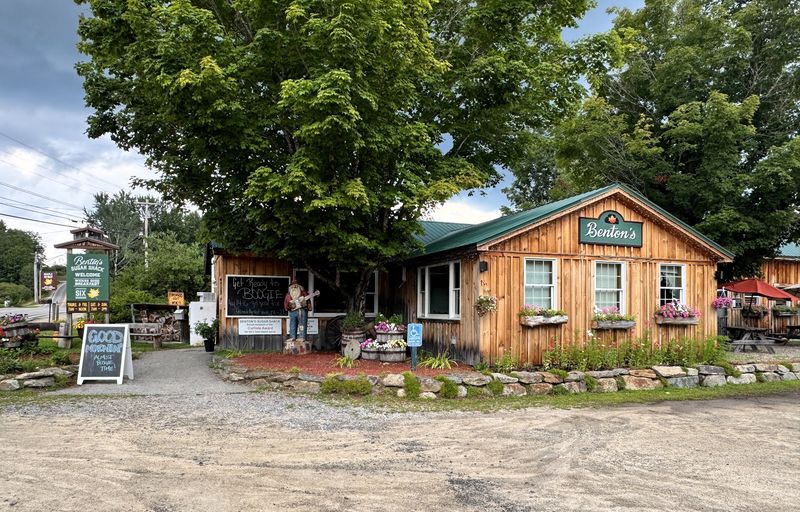
Six generations and more than 150 years of maple sugaring stand behind the pancakes at this Thornton favorite. The Benton family has earned plenty of praise for its syrup, and the breakfast table is where you can judge for yourself.
The sugarhouse started as a seasonal operation in 1986. In 1999, the family added a year-round dining room, and it now serves hundreds of guests on a typical weekend.
Menu stars include pancakes topped with house syrup, maple-smoked kielbasa, and Ma’s maple-baked beans. Meals come on disposable plates, so leave the fancy manners in the car and bring your appetite instead.
Waiting for a table is not wasted time here. Old photographs and antique sugaring tools line the walls and tell the story of how syrup was made long ago.
Before leaving, grab syrup, maple candy, or maple cream from the shop. Hours run Thursday through Sunday, from 7 AM to noon on Thursday and Friday, and until 2 PM on weekends.
Arrive early on Saturdays, because the line moves but rarely disappears.
2. Ben’s Sugar Shack & The Maple Station Market, Temple, New Hampshire
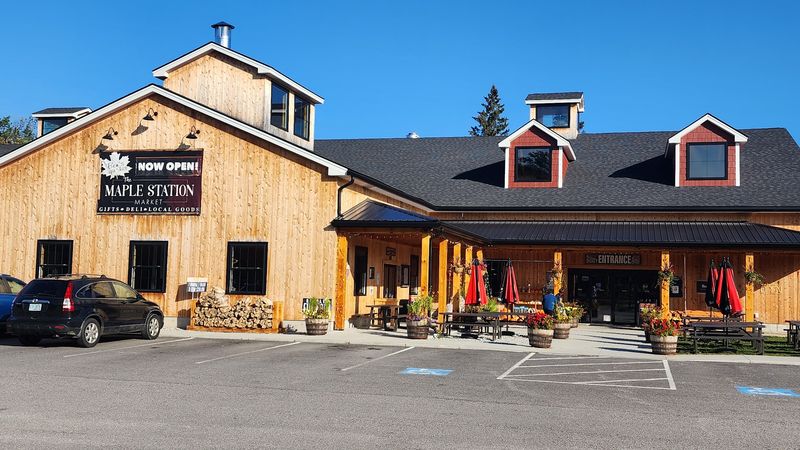
One teenager’s hobby grew into one of the busiest maple names in southern New Hampshire. Ben’s Sugar Shack began with a love of boiling sap and now includes a full market in Temple.
The Maple Station Market works like a modern country store. You can order breakfast or lunch, then wander aisles packed with syrup, candy, maple cream, and other sweet souvenirs.
Families tend to stay longer than planned, and that is part of the fun. Kids can pick out a maple treat while adults compare syrup grades and argue about which one tastes best.
In March 2026, the shack offered free educational tours on set weekends. Guests saw how sap travels from tree to bottle and learned why boiling takes so much time and fuel.
Tour dates change each year, so check the website before driving over. A weekday visit outside sugaring season still works well for food and shopping.
Tip for gift hunters: maple sugar and small syrup bottles pack easily. They also survive a long car ride home far better than soft-serve.
3. Abbott Farm Sugarhouse, Moultonborough, New Hampshire
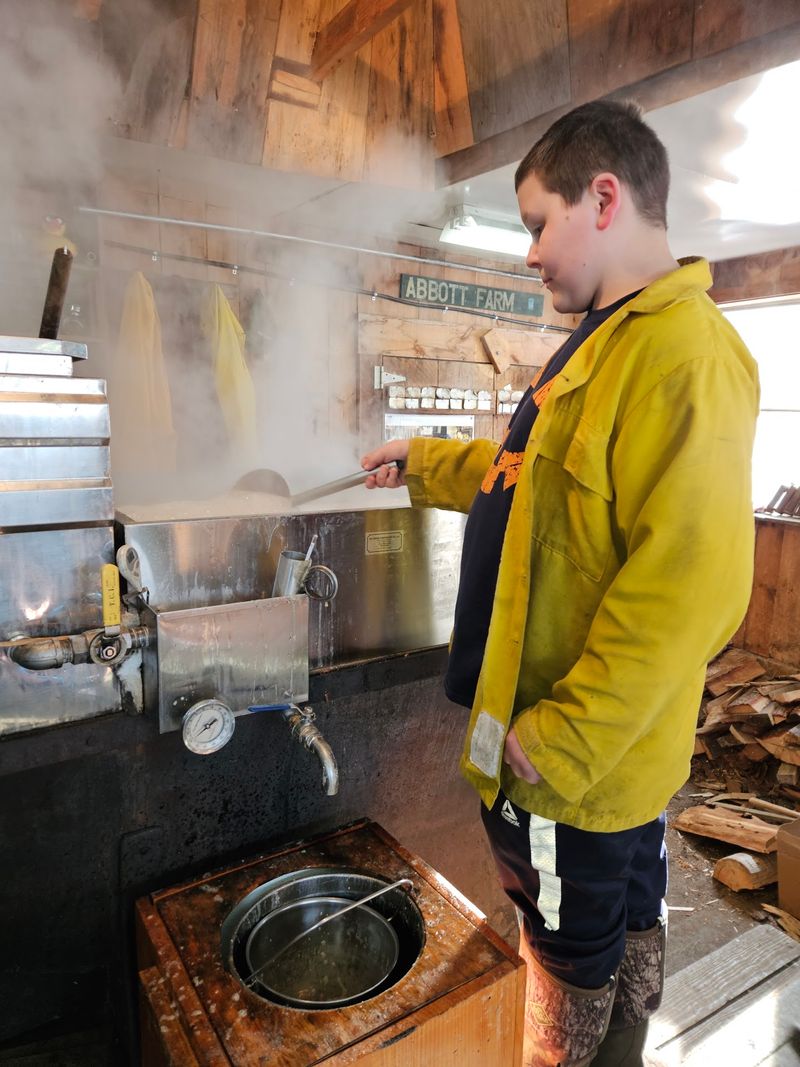
Lake Winnipesaukee gets most of the attention in Moultonborough, but the maple trees around town deserve a turn in the spotlight. Abbott Farm Sugarhouse gives them exactly that.
Run by a family, this working farm turns sap into syrup on a smaller scale than the big commercial producers. That size is the selling point.
During seasonal visits, guests can watch production up close and sample the finished syrup. Questions are welcome, and the people boiling the sap are usually happy to explain each step.
Curious visitors might ask how the family decides when to tap trees. Warm days and freezing nights are the trigger, since that swing in temperature gets the sap moving.
A stop here fits nicely into a Lakes Region day trip. Pair it with a lunch in Meredith or a walk at Castle in the Clouds nearby.
Since small farms often keep limited hours, confirm the schedule first. Visiting during Maple Weekend gives you the best chance to see the evaporator running and meet the people behind the label.
4. Treat’s Maple Farm, Bow, New Hampshire
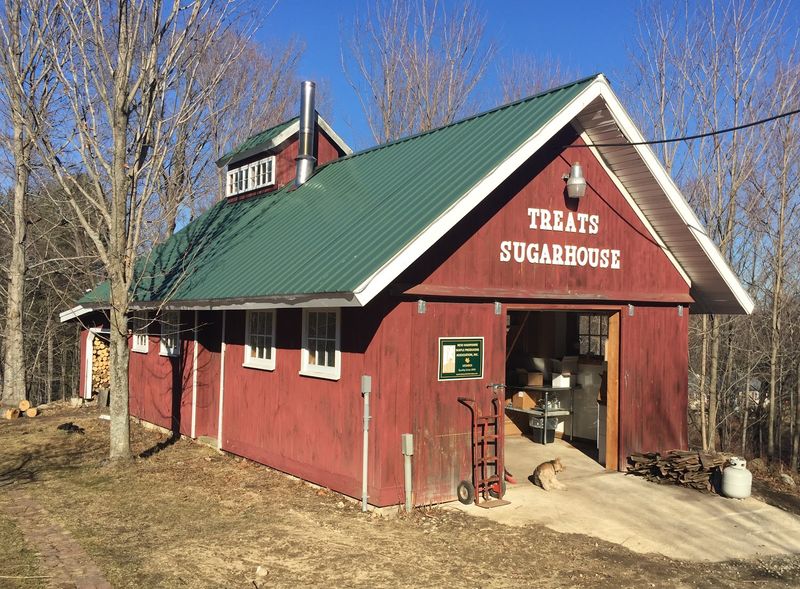
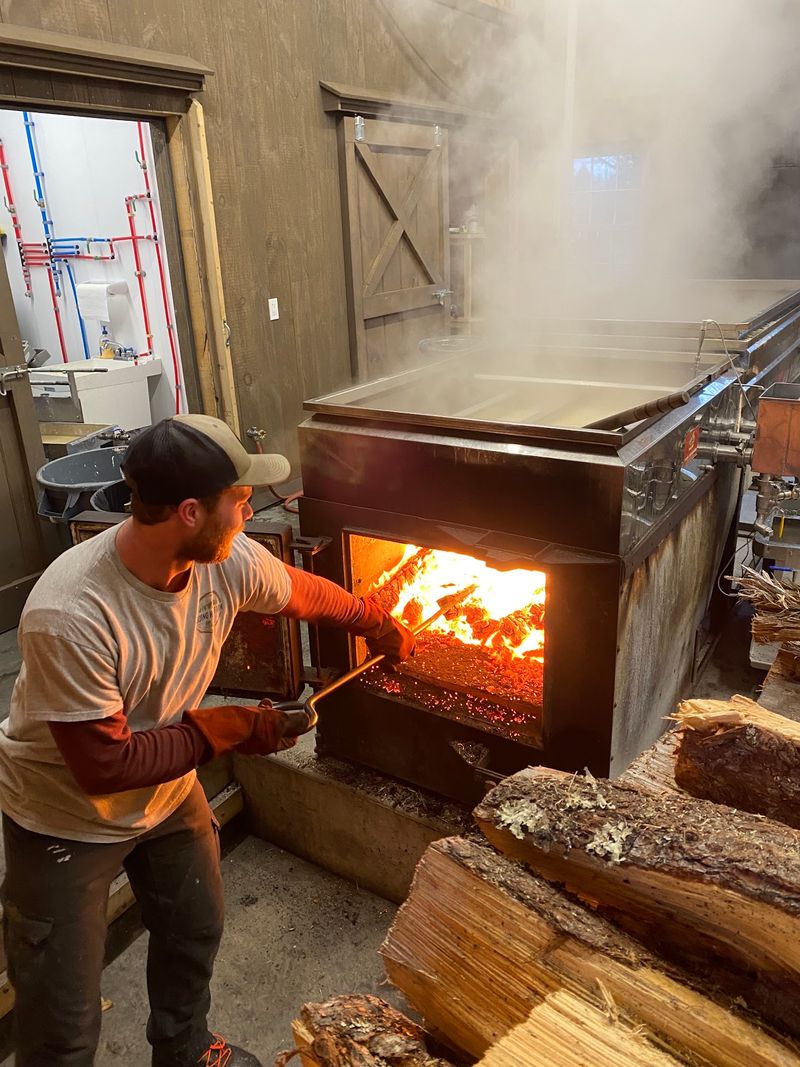
Firewood stacked high outside a sugarhouse is a clue that things are done the old way inside. At Treat’s Maple Farm in Bow, the evaporator runs on wood.
This family operation sits just outside Concord, which makes it an easy side trip from the capital. Expect a farm setting rather than a gift shop with a parking lot full of tour buses.
The focus stays on syrup made from sugar maple sap. Sugar maples have the highest sugar content of any maple, so they need less boiling than red or silver maples.
Wood-fired boiling takes steady attention. Someone has to feed the firebox often, sometimes every few minutes, to keep the sap at the right temperature.
Seeing that effort helps explain the price tag on real syrup. One small jug represents many hours of hauling, splitting, and boiling.
Visitors who enjoy simple, hands-on farm experiences will feel at home here. Bring cash, wear boots for spring mud, and check ahead for open house dates before making the drive.
5. Eldridge Family Sugar House & Ice Cream Shoppe, Tamworth, New Hampshire
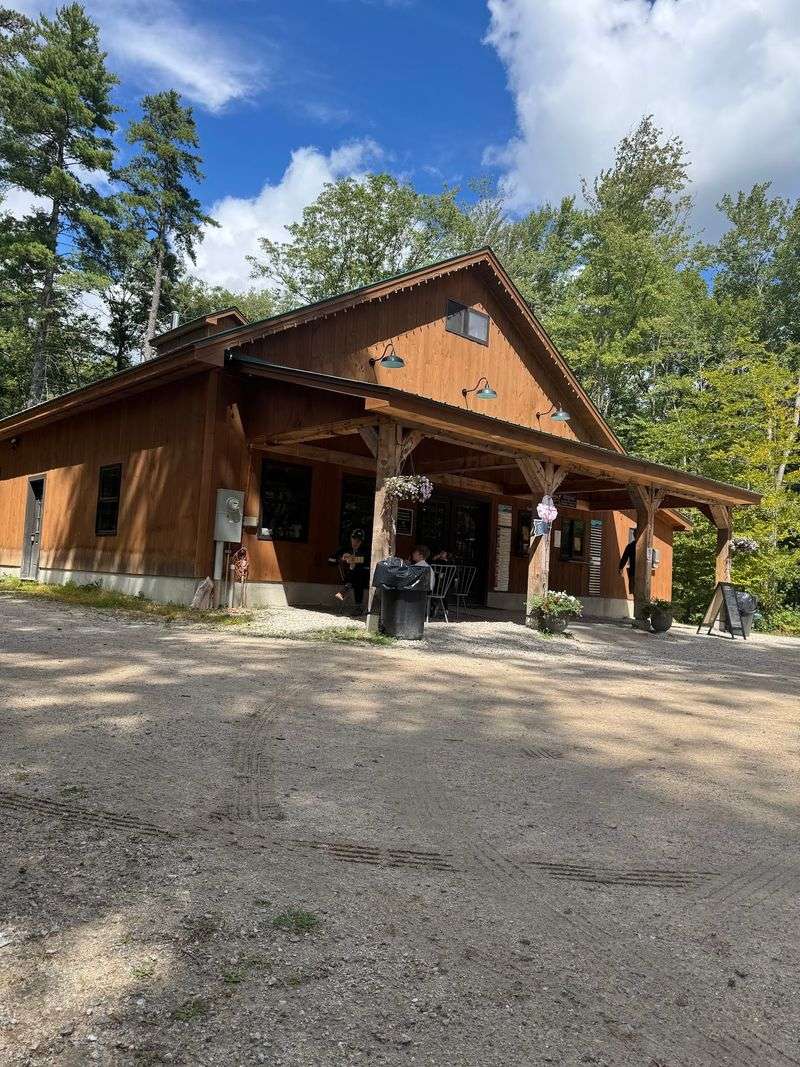
Pancakes are great, but maple soft-serve might be the most cheerful way to eat syrup ever invented. The Eldridge family in Tamworth would likely agree.
This stop combines a working sugarhouse with a seasonal ice cream shop. That pairing means the fun does not end when the spring boiling season wraps up.
Summer visitors heading toward the White Mountains or the Lakes Region can swing by for a cone. The maple soft-serve is the headline, and it uses the family’s own syrup.
Those who prefer to take something home can browse bottles of syrup and other maple goods. They make tidy souvenirs for friends who did not get a cone.
Spring visitors get the bonus of seeing the sugarhouse in action during Maple Weekend events. Ask about how sap is collected and how long a typical boil lasts.
The shop keeps seasonal hours, so check before planning a trip around a frozen treat. Disappointment tastes much worse than ice cream, and nobody wants to drive home with an empty cone hand.
6. Turkey Street Maples, Tamworth, New Hampshire
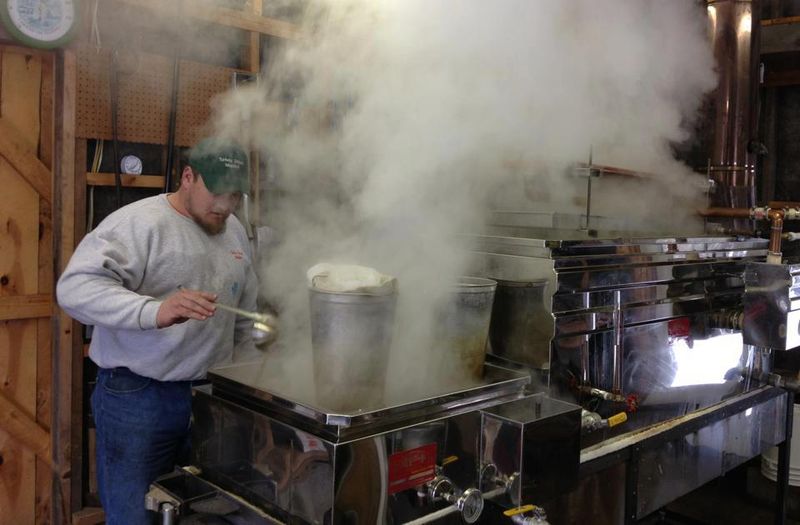
Despite the name, nobody here is making turkey syrup. Turkey Street Maples is a small operation in the Chocorua section of Tamworth, and its star is a traditional wood-fired evaporator.
Small producers like this one offer something big companies cannot. You get to talk with the same people who tapped the trees and stoked the fire.
Seasonal open houses let guests learn about sap collection from start to finish. Some trees still use buckets, while many farms now run plastic tubing from tree to tank.
Watching the boil is the main event. The sap slowly thickens until it reaches about 219 degrees Fahrenheit, which is the point where it officially becomes syrup.
Ask questions about grades and color. Lighter syrup usually comes early in the season, and darker, stronger syrup tends to show up later.
Mount Chocorua sits close by, so pair the visit with a scenic drive or a short hike. Open house dates are limited, and planning ahead is the best way to catch one.
7. Fadden’s Sugar House, North Woodstock, New Hampshire
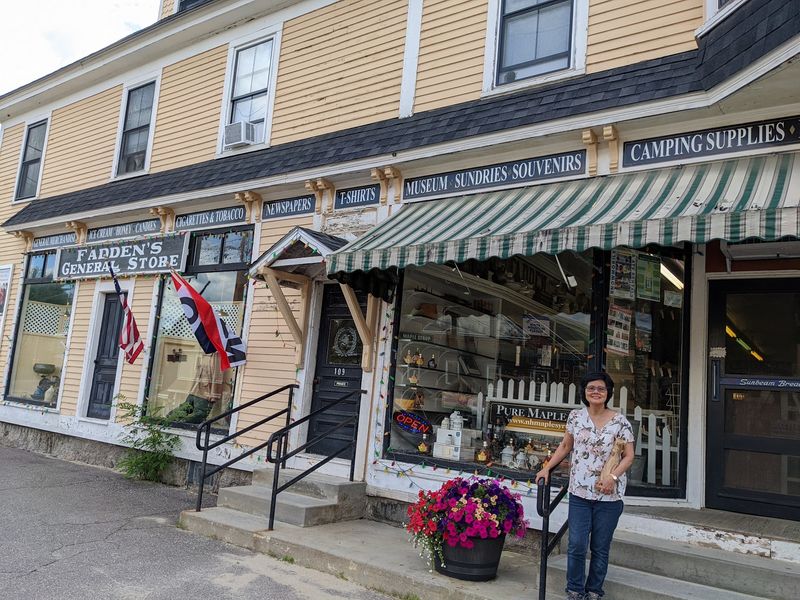
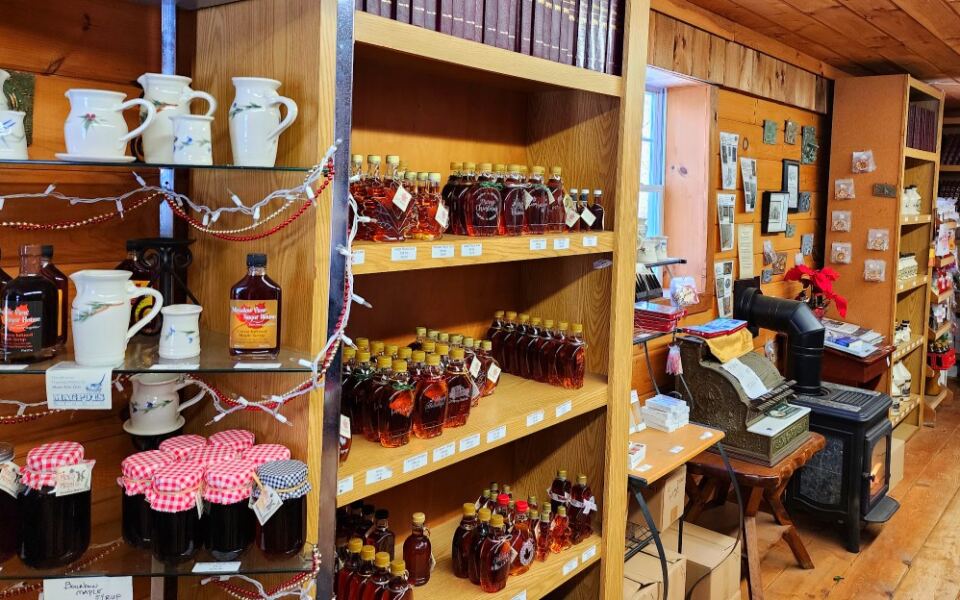
Old wooden floors, crowded shelves, and jugs of syrup give Fadden’s General Store a look straight out of a postcard. The family maple operation nearby completes the picture.
North Woodstock sits at the edge of the Kancamagus Highway and Franconia Notch. That makes Fadden’s an easy stop on almost any White Mountains road trip.
The store carries maple products along with regional goods and classic candy. It is the kind of place where you go in for one item and leave with five.
Fadden’s has a long history of making syrup in the area. The sugarhouse opens to guests while production is underway and during special maple events.
Visiting both spots gives you a full picture. You see where syrup is made, then where it is sold to travelers from all over.
Summer and fall bring the biggest crowds to North Woodstock. A spring visit is quieter and offers the best chance to catch the boiling in progress.
8. Just Maple, Tilton, New Hampshire
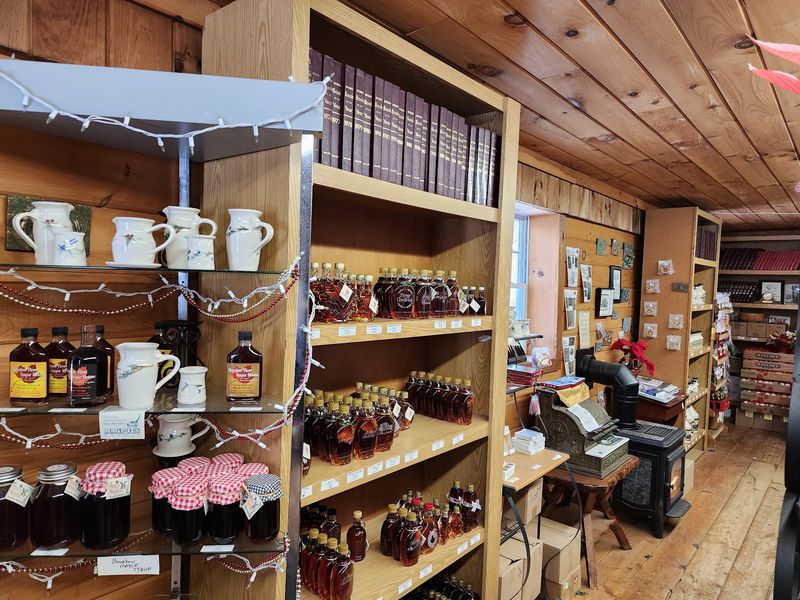
Maple-coated nuts are the snack nobody knew they needed until the first handful. Just Maple in Tilton is ready to fix that problem.
The family runs its operation on Green Acres Farm. A barn-style farm shop holds syrup, maple candy, and those dangerous nuts, all in one easy stop.
Edible souvenirs are the specialty here. A small bag of maple candy fits in a backpack, and it makes a better gift than another refrigerator magnet.
Tilton is right off Interstate 93, so the shop works well as a break on longer drives north. Outlet shoppers in town often add it to their list too.
In spring, the sugarhouse offers educational experiences tied to New Hampshire Maple Weekend. Families can learn how sap is gathered and boiled into the finished product.
Check the farm’s schedule before visiting outside of March. Seasonal hours can shift, and the nut supply has been known to disappear quickly, so buy two bags if you like them.
9. Presby’s Maple Farm, Bethlehem, New Hampshire
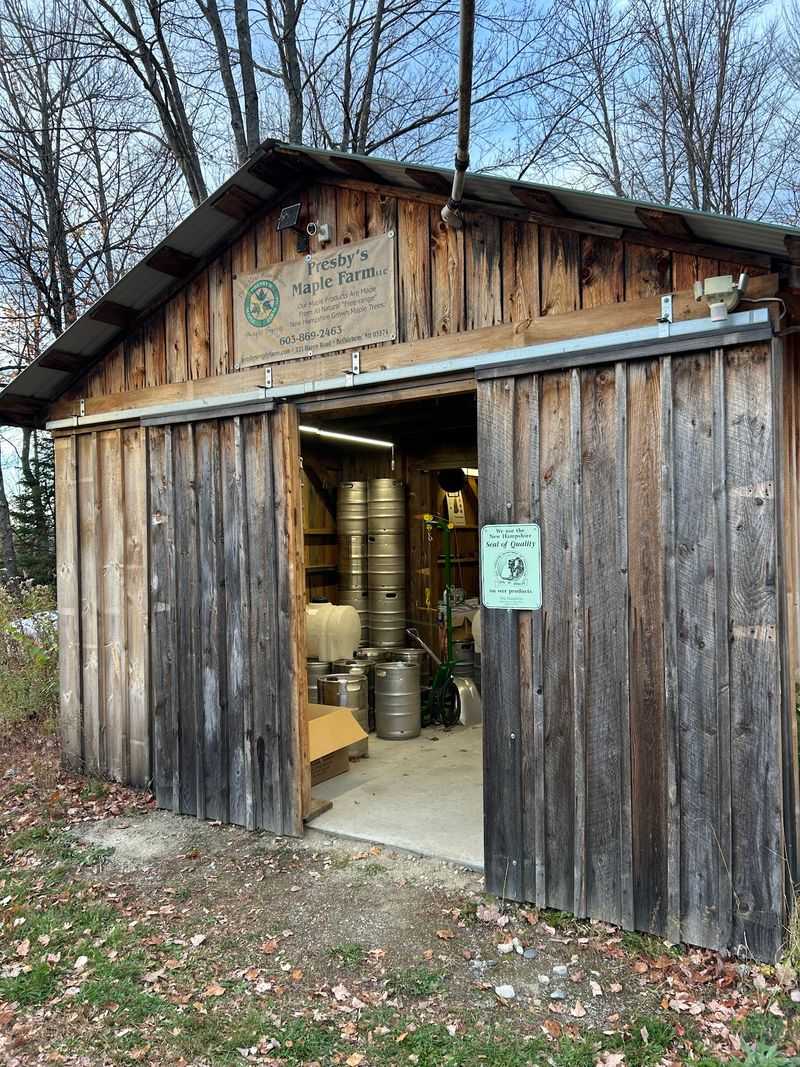
Science class gets a lot sweeter at Presby’s Maple Farm in Bethlehem. The tours here explain sugaring with facts, history, and a friendly host.
The family-run farm sits on a quiet country road in the northern White Mountains. Its focus is traditional syrup production paired with personal hospitality.
Educational tours connect the science of sugaring to the story of the farm. You learn why sap only runs in certain weather and how heat turns watery sap into syrup.
Here is a quick fact to impress friends: fresh sap is about 2 percent sugar. Finished syrup is roughly 66 percent sugar, which explains all that boiling.
The farm store sells pure New Hampshire syrup and related products. Decorative glass containers, including leaf-shaped bottles, make thoughtful gifts for teachers or relatives.
Bethlehem has a small downtown with shops and places to eat, so a visit can fill an easy afternoon. Call ahead to confirm tour availability during the season.
10. Harding Hill Farm, Sunapee, New Hampshire
Black cows with a wide white stripe around the middle are not a typical sugarhouse feature. At Harding Hill Farm in Sunapee, the Belted Galloway cattle are part of the welcome team.
These cattle are sometimes nicknamed Oreo cows, and kids tend to spot them first. Adults usually head straight for the syrup.
The family farm makes wood-fired maple syrup and opens its sugarhouse during set spring events. Visitors can see how the boiling works and ask about the farm’s maple woods.
Forest care is a big part of the story here. Healthy woods mean healthy trees, and healthy trees mean more sap for years to come.
Harding Hill shows how a New Hampshire farm can balance forestry, livestock, and food production at once. It is a working farm, not a theme park.
Lake Sunapee is close by, so a visit fits nicely into a day in the area. Watch for Maple Weekend dates, since that is when the sugarhouse is most likely open.
11. Windswept Maples Farm, Loudon, New Hampshire
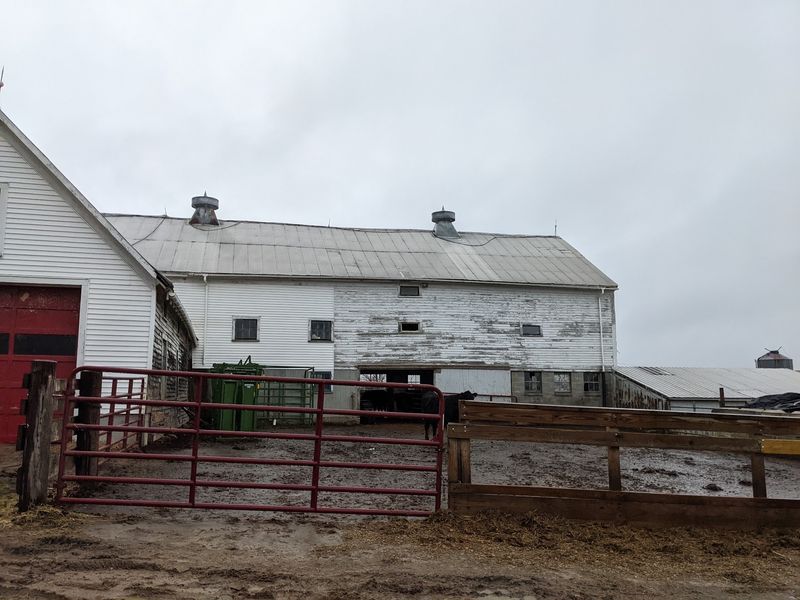
Eight generations of one family have farmed the land at Windswept Maples. That is a long line of people who really, truly like maple trees.
The farm sits along Loudon Ridge Road, not far from Concord. Its open countryside setting makes the drive out part of the experience.
Windswept Maples produces pure syrup along with other maple products. Shoppers can usually find maple cream, candy, and sugar in addition to the classic jugs.
During sugaring season, visitors see how traditional methods work alongside modern equipment. Old know-how and new tools share the same sugarhouse here.
Modern reverse osmosis machines remove much of the water from sap before boiling. That step saves fuel and time, and the farm can explain how it works.
Loudon is best known for its race track, but the slower pace on the ridge is a nice change. Bring questions, check the farm’s hours, and end your maple tour with a bottle from a family that has been perfecting syrup for generations.
Share this story