Europe’s islands are far more varied than the familiar image of a Mediterranean beach resort. Some preserve prehistoric stone monuments and ancient agricultural landscapes, while others rise from active volcanic systems, protect subtropical forests, or sit beneath North Atlantic cliffs alive with seabirds.
For 2026, this list mixes classic island destinations with places that reward hiking, archaeology, wildlife watching, food, and slower travel. From the warm waters of Sicily and Hvar to the rugged landscapes of Scotland and the Faroe Islands, these 14 islands offer genuinely different reasons to make the journey.
Madeira, Portugal
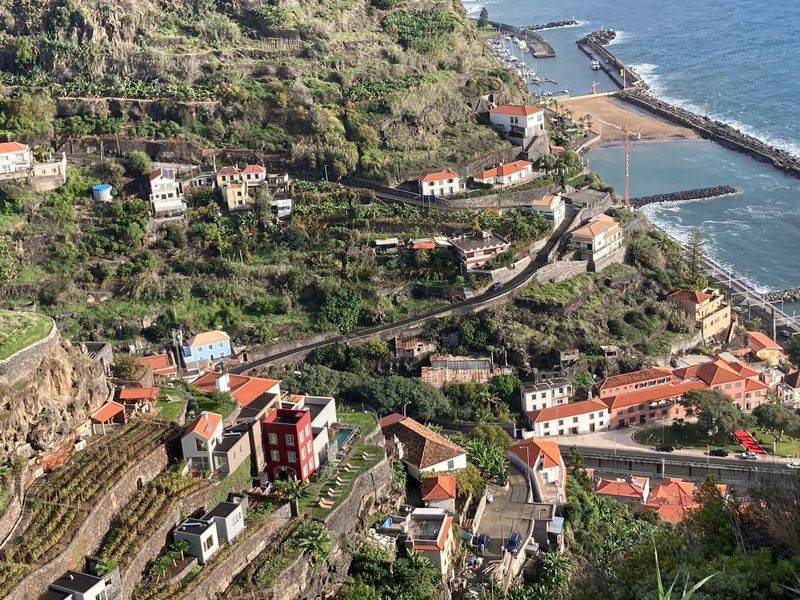
Forget packing a beach umbrella as your only plan. Madeira is built for travelers who want ancient forests and mountain drama as much as ocean views.
Its greatest natural treasure is the Laurissilva, a laurel forest whose roots stretch back roughly 20 million years, now covering about 15,000 hectares across the island.
UNESCO awarded this forest World Heritage status in 1999, and hiking through it feels genuinely prehistoric. The island’s levadas, narrow irrigation channels carved into steep terrain, form the backbone of hundreds of trails winding past waterfalls, tunnels, and mossy valleys.
Fanal stands out for its gnarled, centuries-old trees draped in mist.
Funchal adds a welcome urban counterpoint with restaurants, botanical gardens, and cultural attractions. The city’s covered market is a particularly lively stop.
Spring and autumn bring cooler temperatures that make long hikes far more comfortable than peak summer. Madeira rewards travelers who mix active days in the forest with relaxed evenings along the waterfront.
Sao Miguel, Azores, Portugal
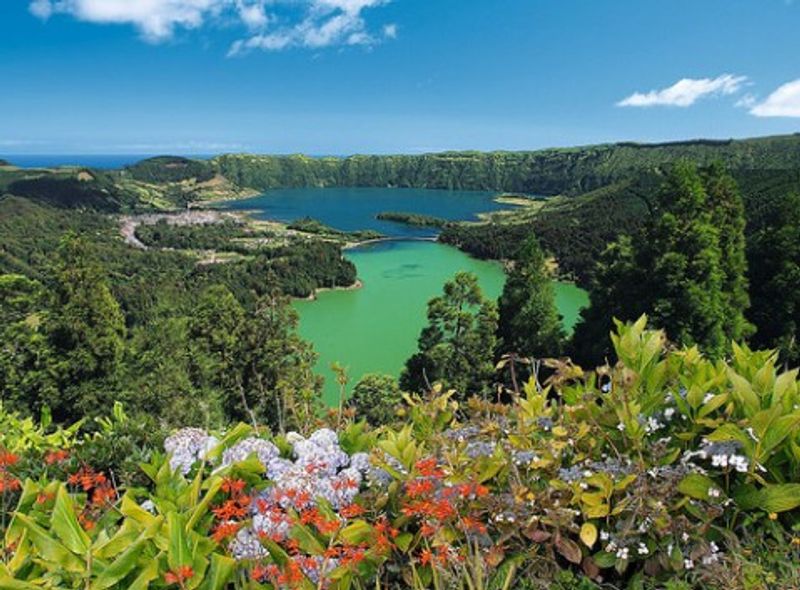
Imagine standing at the rim of a volcano, looking down at two lakes that glow different shades of blue and green depending on the sky above. That is Sete Cidades on Sao Miguel, the largest island in the Azores, and it sets the tone for everything else the island throws at you.
Head to Furnas Valley and the geology gets even more theatrical. Steaming vents, sulfurous springs, and boiling geothermal pools bubble at the surface, proof that the underground system is very much still active.
Locals actually cook stew called cozido in pots buried in the geothermal ground, which is either brilliant or slightly alarming depending on your perspective.
Beyond volcanoes, Sao Miguel layers in botanical gardens, coastal viewpoints, working tea plantations, and the historic center of Ponta Delgada. Road trips work especially well here because the landscapes shift quickly between crater rims, pastureland, and Atlantic coastline.
Unlike islands built purely around beaches, Sao Miguel rewards curiosity at every turn.
Mallorca, Spain
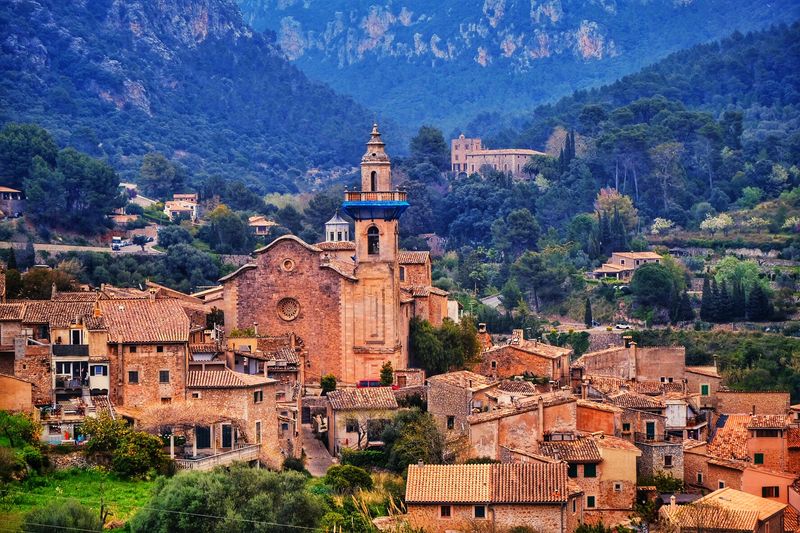
Most people hear Mallorca and picture crowded resort beaches, but the northwest corner of the island tells a completely different story. The Serra de Tramuntana runs for roughly 90 kilometers along the coast, a mountain backbone of stone villages, olive terraces, dramatic roads, and hidden coves that UNESCO inscribed as a cultural landscape in 2011.
Centuries of human settlement transformed water-scarce, steep terrain through dry-stone construction, terraced fields, reservoirs, and irrigation systems that drew partly on Arabic engineering traditions. Villages like Valldemossa and Deia make that heritage visible and very walkable.
The views from the mountain roads toward the sea are legitimately jaw-dropping.
Palma adds a convincing urban dimension with Gothic architecture, a covered market, contemporary restaurants, and a cathedral that manages to be both enormous and elegant. The island’s interior offers vineyards and quieter agricultural towns worth exploring by car.
Mallorca genuinely supports a trip built around cultural landscapes and hiking rather than simply beach time, especially in spring and early autumn.
Menorca, Spain
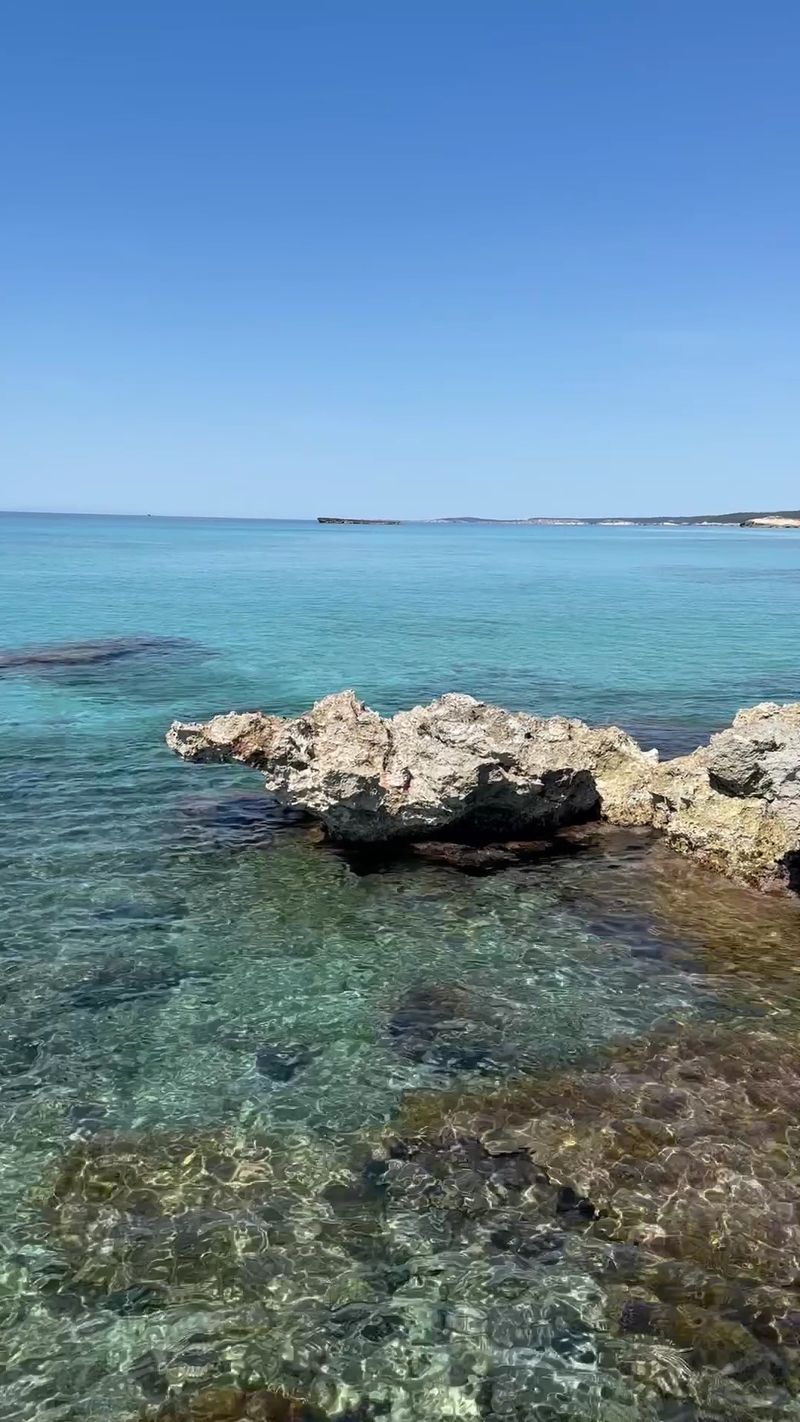
Menorca has a secret that most visitors completely overlook while heading straight for its coves. In 2023, Talayotic Menorca joined the UNESCO World Heritage List, protecting a series of prehistoric settlements and burial sites containing some of the most remarkable stone architecture in the entire Mediterranean.
Built between roughly 1600 B.C. and 123 B.C., these structures include talayots, taulas, and monumental enclosures constructed from enormous stone blocks. The sheer scale of the construction, achieved without modern machinery, makes standing beside them feel genuinely humbling.
Naveta des Tudons, shaped like an upturned boat, is one of the most striking examples.
The archaeology sits within a landscape of farmland, dry-stone walls, and relatively undeveloped coastline, which gives Menorca a quieter character than neighboring Mallorca or Ibiza. Slow road trips connecting archaeological sites with coastal swimming spots work particularly well here.
Spring and early autumn hit a sweet spot where the weather is comfortable, the crowds are manageable, and the prehistoric sites feel almost entirely to yourself.
Sicily, Italy
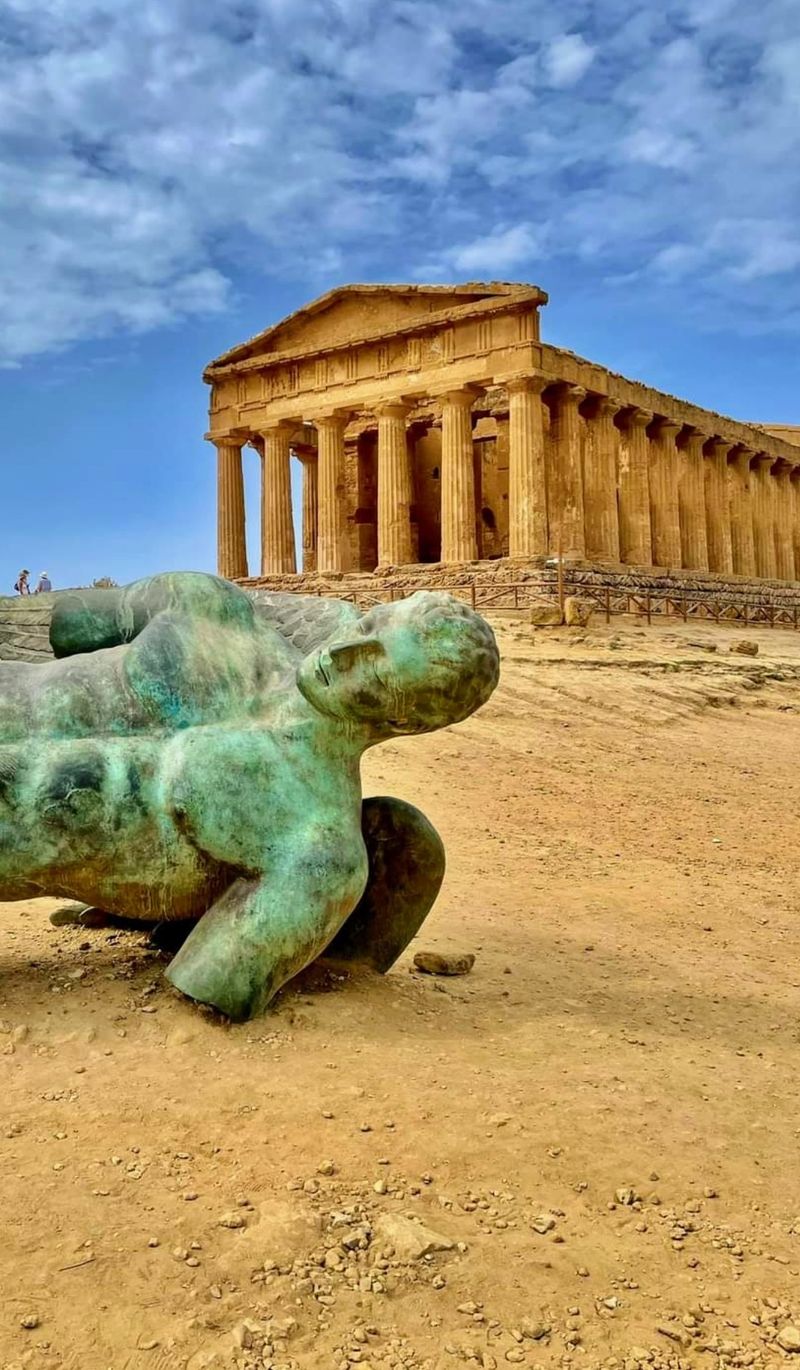
Sicily operates on an almost unfair level of variety. Greek temples, Roman mosaics, Norman churches, Baroque hilltop towns, active volcanoes, vineyards, and beaches are all competing for your attention on a single island, and somehow none of them feels like an afterthought.
Mount Etna anchors the whole experience geographically and dramatically. UNESCO describes it as the highest mountain on a Mediterranean island and one of the most persistently active stratovolcanoes on the planet, with at least 2,700 years of documented eruptions.
The summit zone includes craters, lava flows, and the vast Valle del Bove depression. The Circumetnea railway loops around its lower slopes past vineyards and lava landscapes at a pleasingly unhurried pace.
Away from Etna, Palermo and Catania offer serious urban food culture alongside architectural layers that tell Sicily’s complicated history of occupation and reinvention. The Valley of the Temples near Agrigento remains one of the best-preserved Greek temple complexes outside Greece itself.
Sicily is the kind of island where two weeks passes quickly and a return trip feels inevitable before you have even left.
Sardinia, Italy
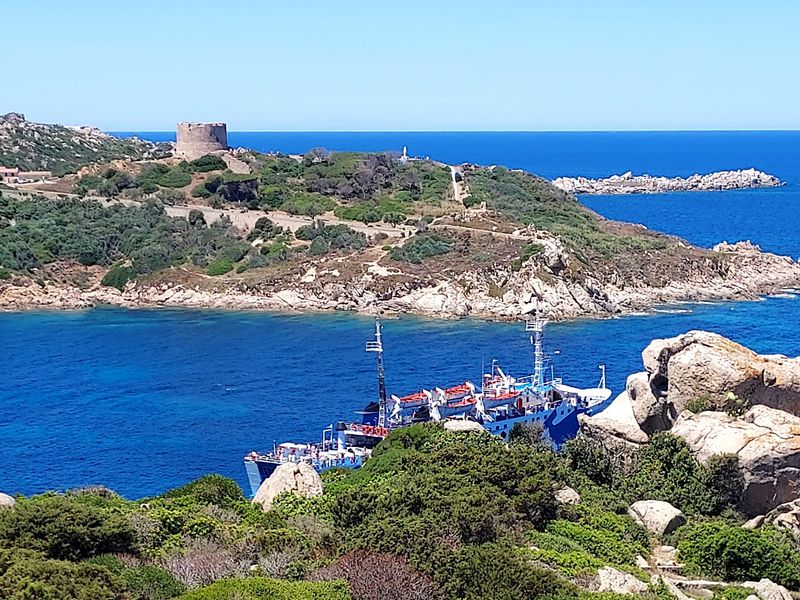
Sardinia’s turquoise coastline photographs beautifully, and yes, the beaches are as good as advertised. But travelers who spend all their time on the sand miss an archaeological record unlike anything else in Italy.
Thousands of nuraghi, massive circular stone towers built by the Bronze Age Nuragic civilization, are scattered across the island’s interior.
The most celebrated complex, Su Nuraxi at Barumini, sits about 60 kilometers from Cagliari and forms part of a UNESCO World Heritage site. Walking around it, you get a real sense of how sophisticated and organized this ancient culture actually was, centuries before Rome was even a city worth mentioning.
The scale of the construction is quietly astonishing.
Beyond archaeology, Sardinia’s coastline adds granite formations, white-sand beaches, and Mediterranean scrub extending around an island large enough to support several entirely different trips. Cagliari has genuine urban character, Alghero carries a distinctly Catalan architectural identity, and the wild northwest feels remote in the best possible way.
Sardinia rewards travelers who resist the temptation to stay only by the water.
Corsica, France
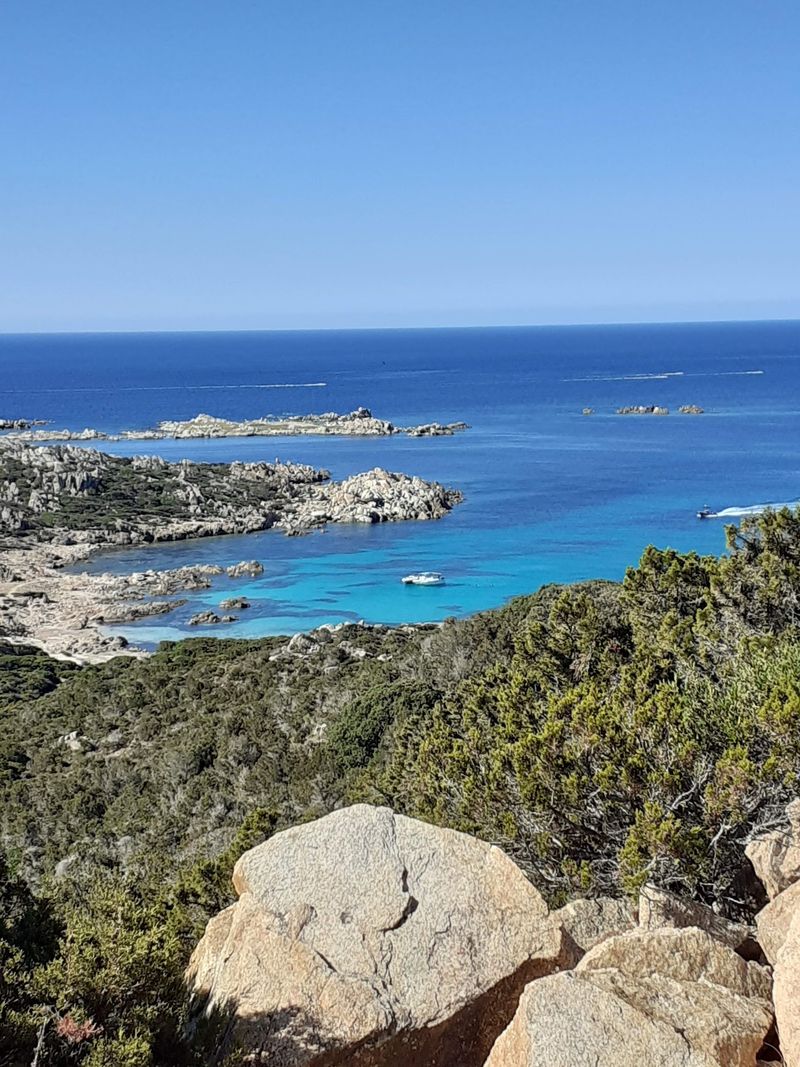
Corsica earns the nickname “mountain in the sea” honestly. High ridges cut through the island’s interior while deeply indented coastline surrounds beaches, cliffs, dense forests, and rocky coves that seem almost deliberately designed to make photographers weep with joy.
The GR20 long-distance trail crosses the mountainous spine and has a reputation as one of the most demanding hiking routes in Europe, which is either a selling point or a warning depending on your fitness level. For cyclists, the GT20 route runs roughly 550 kilometers in 13 stages between northern Corsica and Bonifacio.
The west coast contains the UNESCO-listed Gulf of Porto, including the Calanche of Piana, Gulf of Girolata, and Scandola Reserve, where volcanic rock formations meet clear water and important marine habitats.
Bonifacio, perched spectacularly above white limestone cliffs at the southern tip, is one of those places that looks almost too dramatic to be real. The old town’s narrow streets and citadel add a medieval layer to the coastal scenery.
Corsica rewards both serious hikers and travelers who simply want to drive slowly between extraordinary viewpoints.
Crete, Greece
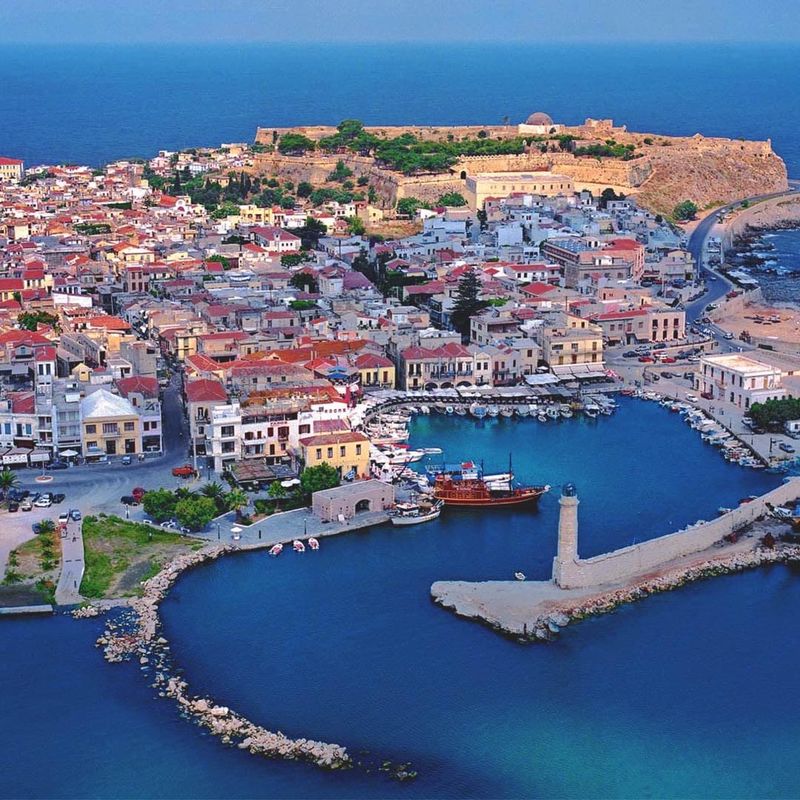
Greece’s largest island plays the long game with its visitors, revealing new layers the longer you stay. Bronze Age archaeology at Knossos, major mountain ranges, Mediterranean beaches, and some of the country’s most spectacular hiking are all competing for your itinerary, and none of them feels like a consolation prize.
Samaria Gorge in western Crete is the hiking highlight. Stretching about 16 kilometers and descending from Xyloskalo toward the Libyan Sea at Agia Roumeli, the route typically takes around six hours.
Its narrowest section contracts to just a few meters between rock walls reaching hundreds of meters high, which is either thrilling or mildly claustrophobic depending on your relationship with tight spaces.
The gorge’s protected habitats support the Cretan wild goat, known locally as the kri-kri, along with several large raptors. The park generally operates from May through October, but closures happen because of weather or extreme heat.
Checking the official daily status before making the drive out is genuinely worth the thirty seconds it takes. Crete’s food culture, particularly in smaller villages, adds another excellent reason to stay longer than planned.
Samothrace, Greece
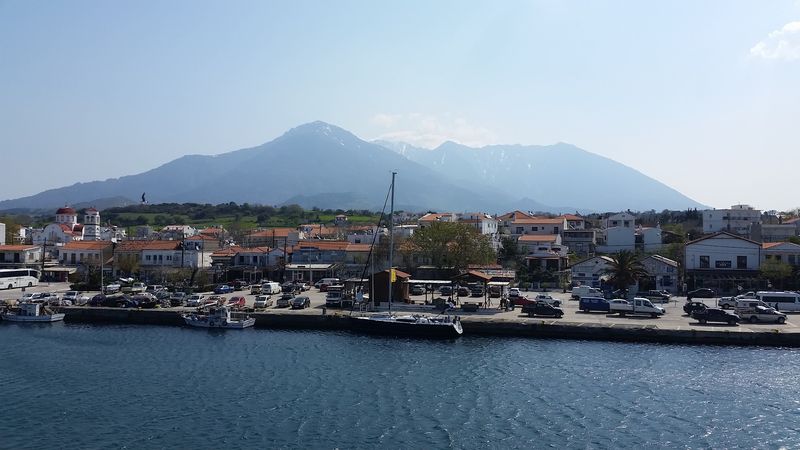
Samothrace does not look or feel like a typical Greek island, and that is precisely the point. Rising from the northern Aegean, the island is crowned by Mount Saos, the highest peak on any Aegean island, and receives enough rainfall to support forests, rushing streams, waterfalls, and natural rock pools locally called vathres.
Swimming in those freshwater pools, surrounded by forest and birdsong rather than beach bars, gives Samothrace a genuinely wild character. The island’s cultural history is equally unusual: the Sanctuary of the Great Gods hosted the ancient Cabeirian Mysteries, religious rituals that drew initiates from across the ancient world.
The celebrated Winged Victory of Samothrace, now one of the Louvre’s most famous sculptures, was discovered right here in 1863.
Hiking, mountain biking, rock climbing, and freshwater swimming give the island a range of activities rarely found together in Greece. The absence of large resort infrastructure keeps the atmosphere relaxed and slightly off-grid.
Samothrace suits travelers who find whitewashed Cycladic postcards appealing in theory but prefer something wilder and considerably less crowded in practice.
Hvar, Croatia
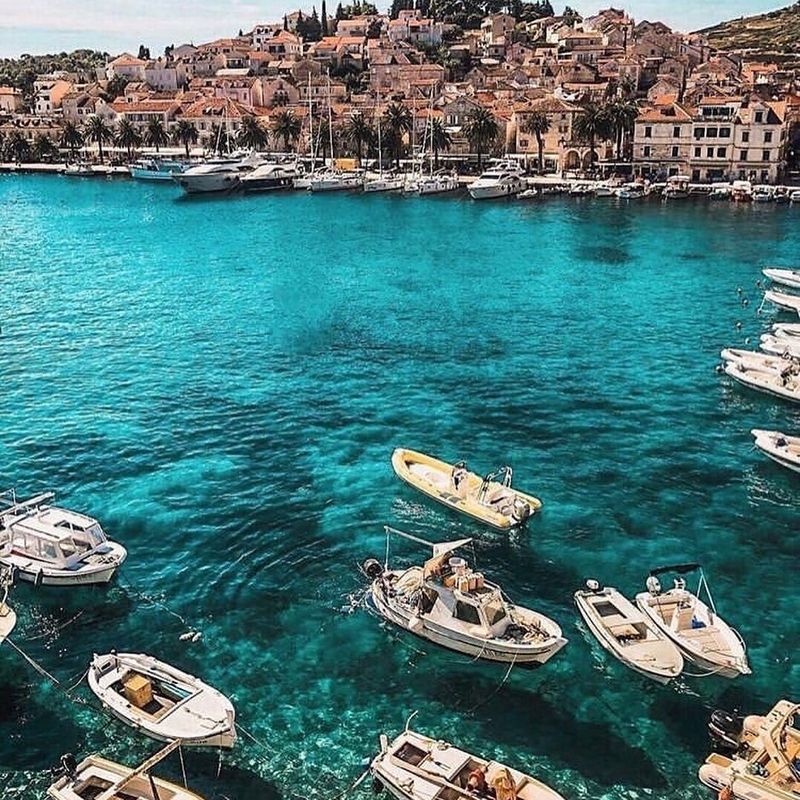
Behind Hvar Town’s glamorous waterfront scene, where yachts line up and stone streets fill with evening crowds, lies one of Europe’s most quietly extraordinary agricultural landscapes. The Stari Grad Plain preserves a field system introduced by Greek colonists in the 4th century B.C. that has remained remarkably intact for over two thousand years.
Its geometric parcels, dry-stone boundaries, vineyards, and olive groves earned UNESCO World Heritage designation for good reason. Standing in the middle of it feels like looking at a working map of ancient land division, which is exactly what it is.
The contrast between this ancient quietness and the lively harbor just a short drive away is one of Hvar’s most appealing contradictions.
Lavender fields around villages like Velo Grablje and Brusje add a sensory layer, particularly in June and July when the flowering peaks. The island stretches along roughly 270 kilometers of coastline, shifting from fertile plains to pine forest and steep southern slopes.
Ferries to the nearby Pakleni Islands provide easy half-day escapes for swimming in clearer, quieter water away from the main harbor crowds.
Gozo, Malta
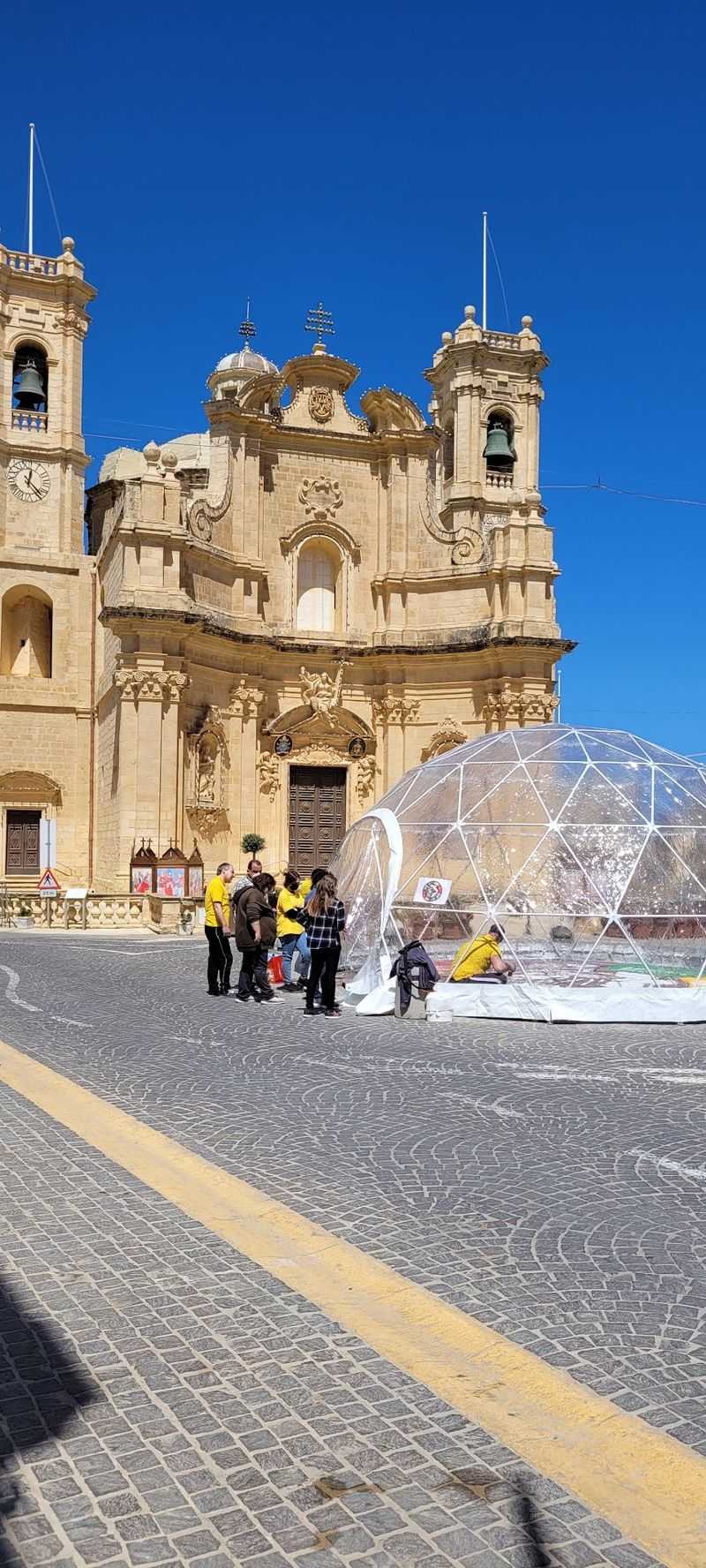
Gozo is the kind of small island that quietly outpunches its size in almost every historical category. Its greatest archaeological sites, the Ggantija temples, date to the fourth and third millennia B.C. and rank among the earliest surviving free-standing stone buildings known anywhere on Earth, predating Stonehenge and the Egyptian pyramids by a comfortable margin.
These monumental limestone structures form part of Malta’s UNESCO-listed Megalithic Temples, and walking through them gives a real sense of the ambition involved in building on this scale without modern tools. The site is small enough to explore thoroughly in a morning, leaving the afternoon free for the rest of the island.
The Cittadella, Gozo’s fortified hilltop city above Victoria, adds medieval and Baroque layers to that ancient foundation. Its walls contain museums, a cathedral, and sweeping views across the island.
Ramla Bay offers a rare red-sand beach, while Dwejra’s coastal rock formations and underwater dive sites attract a steady stream of visitors year-round. Gozo works comfortably as a standalone destination rather than simply a brief ferry excursion from Malta’s main island.
Isle of Skye, Scotland, UK
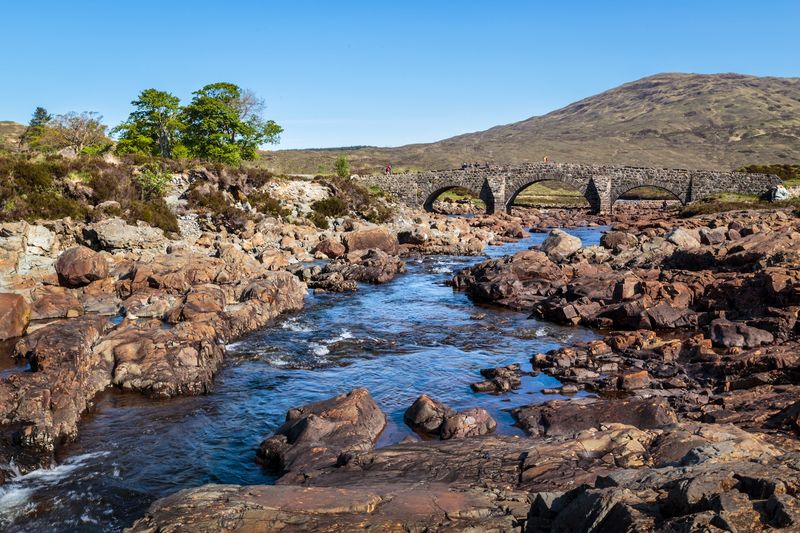
Scotland’s most visited island earns its reputation through geology that seems almost too dramatic to be real. The Trotternish Peninsula’s Old Man of Storr and the Quiraing are both products of enormous ancient landslides that left behind pinnacles, ridges, and plateaus that look like they belong in a fantasy novel rather than a Scottish hillside.
The Cuillin mountains dominate the southern part of the island with a jagged ridge line that serious climbers treat as a genuine challenge. The Fairy Pools near Glenbrittle offer a more accessible reward: a series of clear, brilliantly blue plunge pools fed by mountain streams, sitting at the base of the Black Cuillin.
Portree, the island’s main town, adds colorful harbourside buildings and a reasonable selection of restaurants and cafes.
Skye connects to mainland Scotland by bridge, which makes access straightforward but has also increased visitor pressure significantly. Spending several nights rather than rushing through on a day trip makes practical sense and gives the landscapes time to reveal themselves properly.
Skye looks markedly different in different weather, and catching it in low cloud is not always a disappointment.
Isle of Wight, England, UK
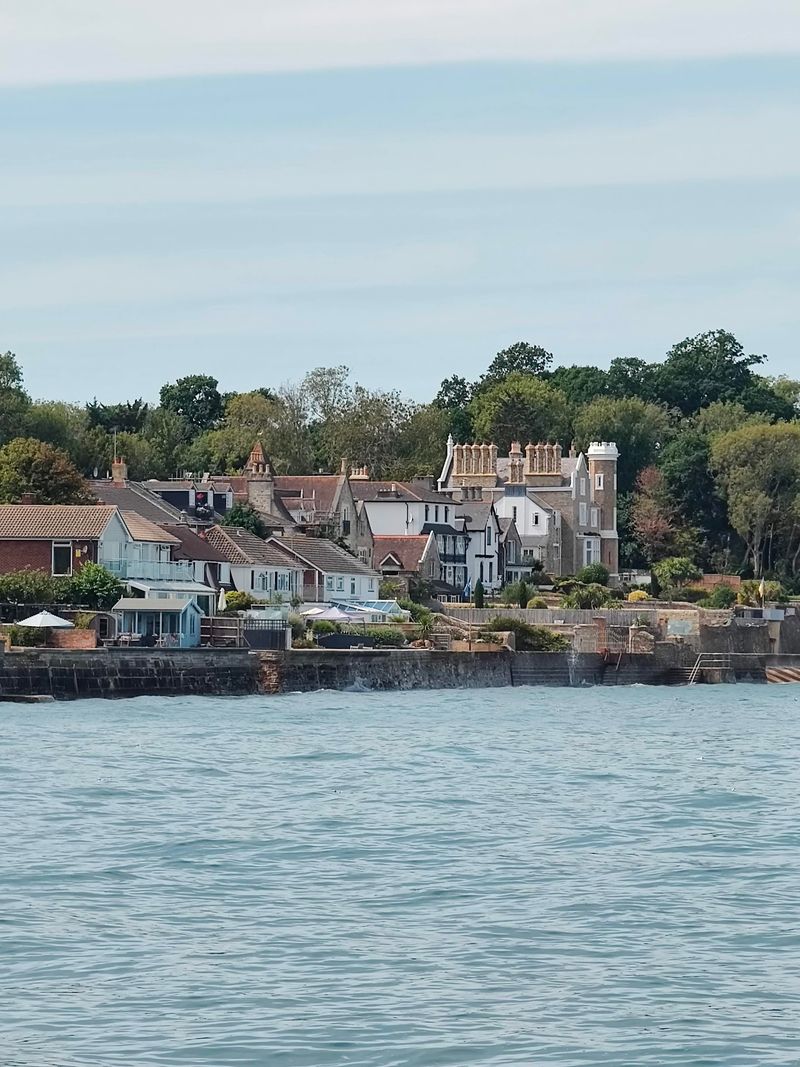
Three chalk stacks rise from the sea at the western tip of the Isle of Wight, and the lighthouse beside them has been guiding ships since 1859. The Needles are the island’s most photographed landmark, and they deliver exactly the kind of dramatic coastal scenery that makes the short ferry crossing from the mainland feel instantly worthwhile.
The entire island holds UNESCO Biosphere Reserve status, and more than half falls within the Isle of Wight National Landscape. Its southern and western coastline includes exposed chalk and sandstone cliffs with fossil-bearing strata that attract serious collectors and curious day-trippers alike.
Sections around Compton and Yaverland are particularly productive for fossil hunting, with dinosaur remains turning up with reassuring regularity.
For 2026, the island’s Biosphere Festival ran from June 27 through July 5 with more than 70 nature and community events, reflecting how strongly conservation now shapes the island’s tourism identity. Classic English seaside towns like Ventnor and Sandown add a nostalgic layer alongside the natural credentials.
The Isle of Wight manages the neat trick of feeling genuinely unhurried while still having plenty to fill several days of exploration.
Vagar, Faroe Islands, Denmark
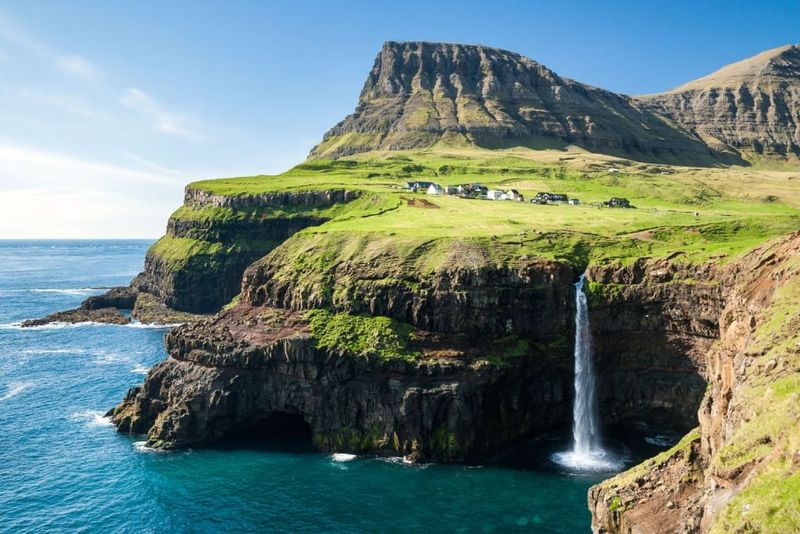
Most travelers land on Vagar, glance at the airport, and immediately start planning how to reach Torshavn. That rush is a mistake worth correcting.
Vagar is the third-largest of the Faroes’ 18 islands and contains some of the archipelago’s most jaw-dropping scenery within surprisingly easy reach of the terminal.
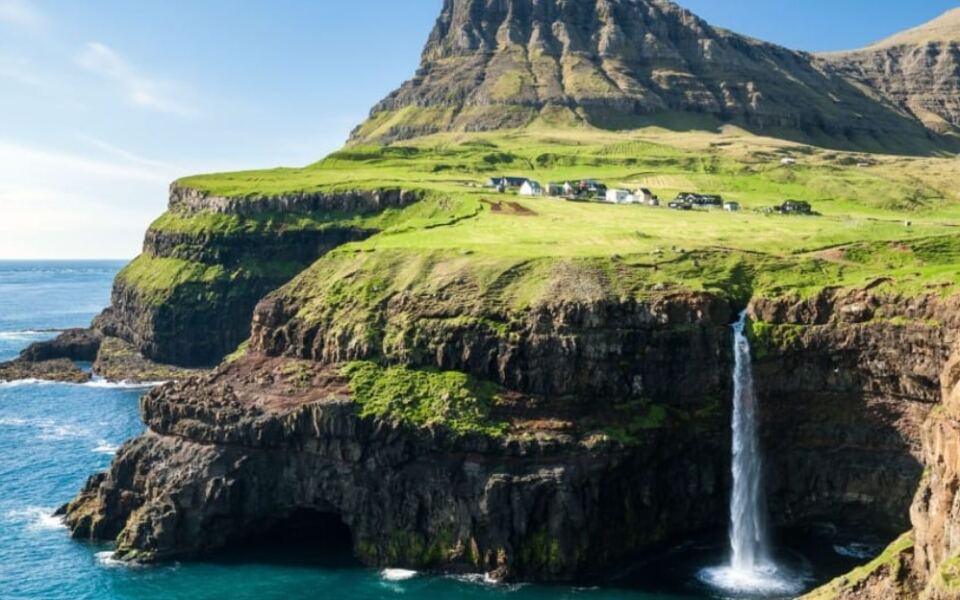
Sorvagsvatn, also called Leitisvatn, is the Faroes’ largest lake at about 3.4 square kilometers. From the Traelanipa cliff area, the angle of perspective creates the famous optical illusion that the lake floats high above the Atlantic far below.
Nearby Bosdalafossur drops roughly 30 meters directly toward the ocean, which is the kind of waterfall that makes you question what you thought you knew about waterfalls.
The villages of Sorvagur, Bour, and Gasadalur add human scale to the dramatic landscape. Gasadalur in particular sits beside its own spectacular waterfall and remained accessible only by mountain pass until a tunnel was completed in 2004.
Access to the Traelanipa viewpoint crosses privately managed land and currently requires a hiking fee, so factoring that into 2026 visit planning avoids an unwelcome surprise at the trailhead.
Share this story