Somewhere out in Oregon, past the busy trailheads and the crowded overlooks, are quiet places where injured owls get second chances and curious kids learn what it means to care for wild things. You do not need a science degree or fancy gear to get involved, just a little curiosity and the willingness to show up.
From the foggy north coast to the high desert near Bend, these spots welcome newcomers with open arms. Here are eleven programs where learning and helping wildlife start with a single step.
1. Portland Audubon Wildlife Care Center, Portland, OR
Tucked into the wooded hills off NW Cornell Road, this nonprofit has quietly become the place Portlanders turn to when they find a hurt or orphaned bird. Curiosity is really all you need to walk through the doors.
Staff here are remarkably patient with first-timers, offering hands-on knowledge and practical help for anyone carrying in an injured animal, whether it is a bird, a squirrel, or even a frog. The care extends beyond the animals themselves.
Volunteers often take a moment to talk with young visitors about careers working with wildlife, turning a simple drop-off into a memory that sticks. Open every day from 9 AM to 5 PM, it is one of those low-key Oregon gems that rewards the naturally curious with real purpose and plenty to learn.
2. Chintimini Wildlife Center-Wildlife Hospital, Corvallis, OR
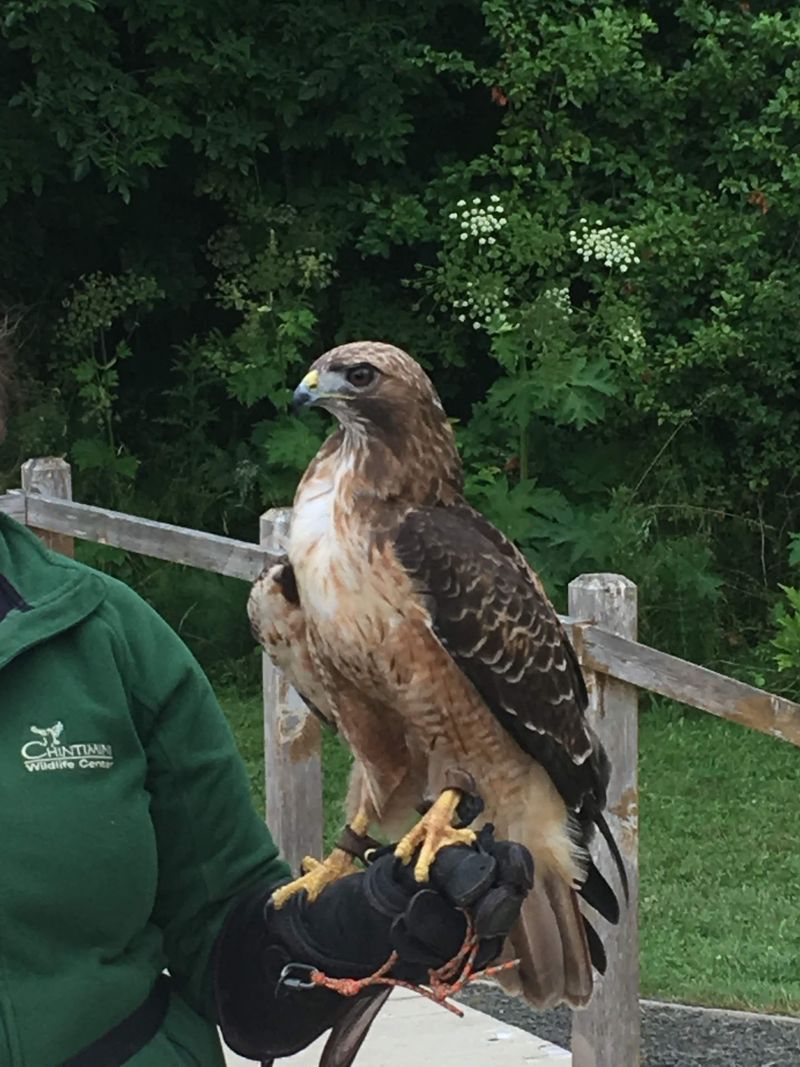
Deep in the Willamette Valley, this Corvallis rescue holds a rare title: it is the only wildlife rehabilitation facility for native migratory birds, mammals, and reptiles between Eugene and Portland. That makes it a lifeline for the whole region.
The level of care given to resident raptors impresses even former animal-care professionals, and the team responds quickly when someone finds an abandoned baby bird in the yard. Their goal, whenever possible, is releasing animals back where they came from.
Beyond the hospital work, educational programs make this a welcoming spot for anyone wanting to learn. The center asks that you call before bringing an animal in, so a quick phone check is the first friendly step.
Open daily from 9 AM to 4 PM, it blends serious rehabilitation with genuine community outreach.
3. Wildlife Center of North Coast, Astoria, OR
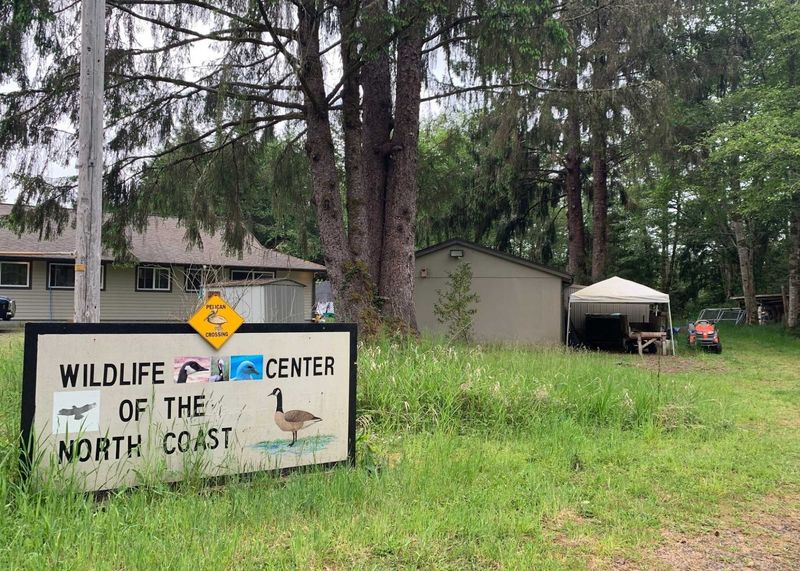
Perched near the northern Oregon coast along Highway 202, this nonprofit does something few others can: rehabilitate seabirds. It also takes in all sorts of native wildlife, making it a quiet cornerstone of coastal conservation.
For birders, seeing the ambassador birds up close is genuinely stunning, and the visit doubles as an education in how rehabilitation actually works. You come away understanding the events that harm wildlife along the shore and how recovery unfolds.
The people who work and volunteer here pour real dedication into their mission, and a thorough, informative visit is easy to come by for anyone who asks. It is the kind of tucked-away place that rewards the curious traveler willing to drive out past Astoria.
Bring your questions and your sense of wonder, and you will leave knowing far more than when you arrived.
4. Think Wild, Bend, OR
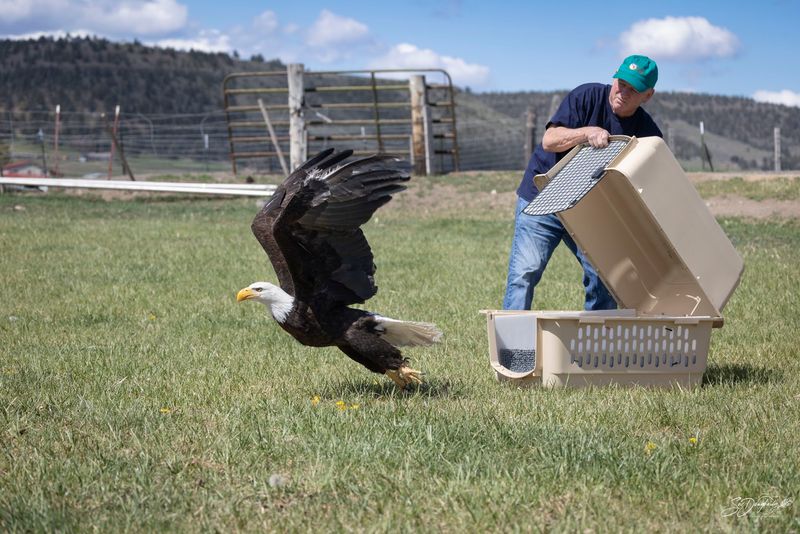
Out in Central Oregon’s high desert near Bend, Think Wild has a way of reigniting people’s passion for the wild things around them. Spend time here and you may find yourself newly hooked on native wildlife.
The mission is straightforward: treat injured animals and give them the best possible chance of returning to their natural environment. But the team goes further, pulling the community into the work so learning becomes something you get to do, not just watch.
They will guide you through what to do if you find a bird fallen from its nest, and they even explain how to safely shelter an animal like an owl overnight when the center is closed. Open daily from 9 AM to 4 PM, this operation manages to be serious about recovery while keeping the whole experience genuinely fun and welcoming.
5. Wildlife Images Rehabilitation & Education Center, Grants Pass, OR
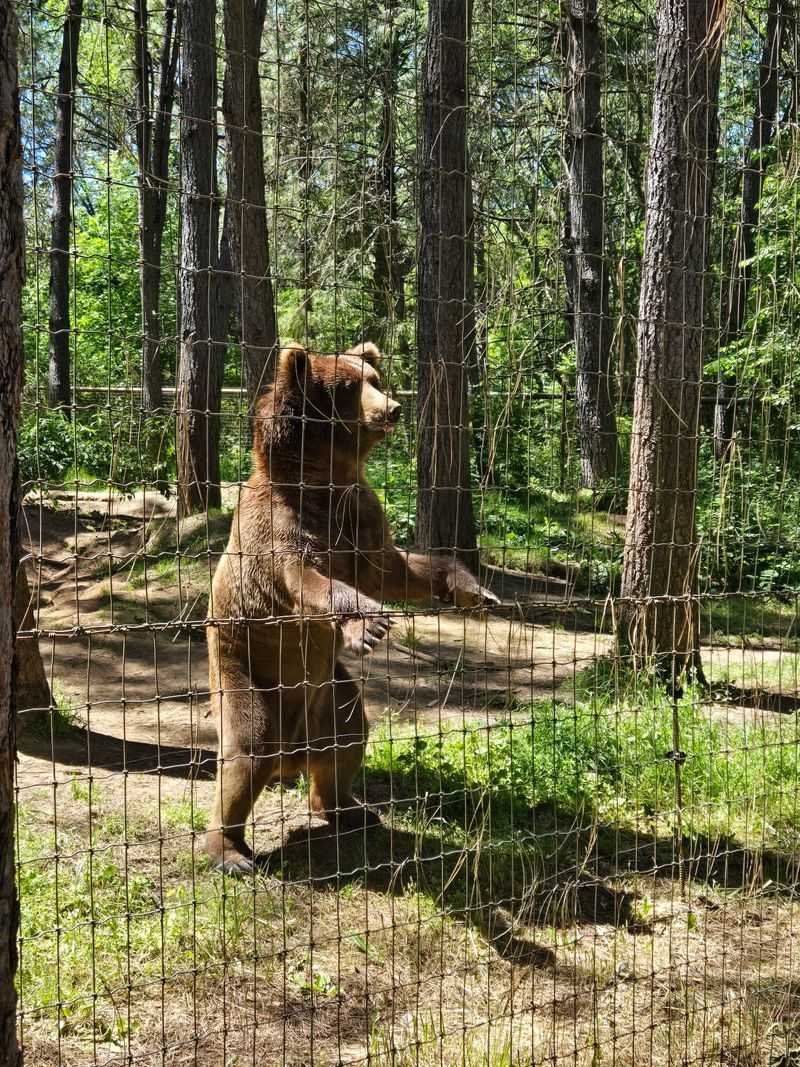
Bears, eagles, and wolves living in natural habitats make this Southern Oregon center feel more like a walk through wild country than a stop along Lower River Road. It is a nonprofit with real staying power near Grants Pass.
Information is posted all around the park, so wandering the grounds turns into a self-guided lesson on the incredible work happening here. Families especially appreciate seeing animals that cannot survive on their own given permanent, caring homes.
Just as rewarding is learning about the many animals already healed and released back to the wild. With picnic tables, restrooms, and a playground, it is set up for kids and easygoing afternoons.
Weekday mornings are the quietest, while weekends fill up, so plan a Tuesday or Wednesday visit if you want the trails mostly to yourself. Open daily, 9 AM to 5 PM.
6. Blue Mountain Wildlife, Pendleton, OR
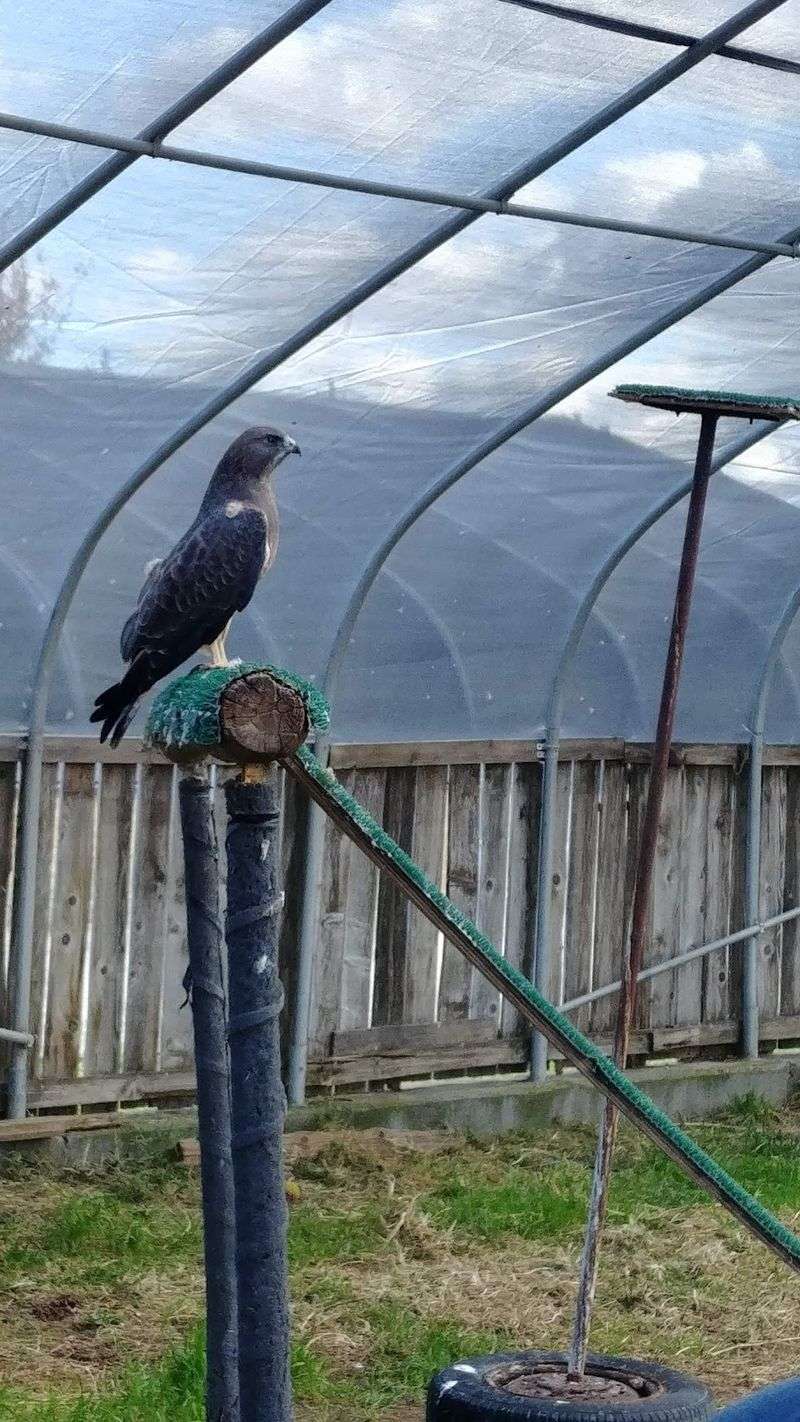
Way out in Eastern Oregon near Pendleton, Blue Mountain Wildlife serves a huge stretch of country reaching into southeastern Washington. Its mission is preserving local native wildlife through rehabilitation, research, and education.
Injured birds are the specialty here, lovingly nursed back to health, though the center also cares for other animals in need. A quick tour lets you see the different birds being cared for up close, which is a treat for anyone curious about raptors.
What sets this place apart is how much it acts fast when animals are in trouble and how genuinely it supports the surrounding community. Follow-up calls with updates show the personal touch behind the work.
Open every day from 7 AM to 5 PM and welcoming to kids, it also makes a fine destination for a nature walk and a picnic under the open eastern sky.
7. Badger Run Wildlife Rehab, Klamath Falls, OR
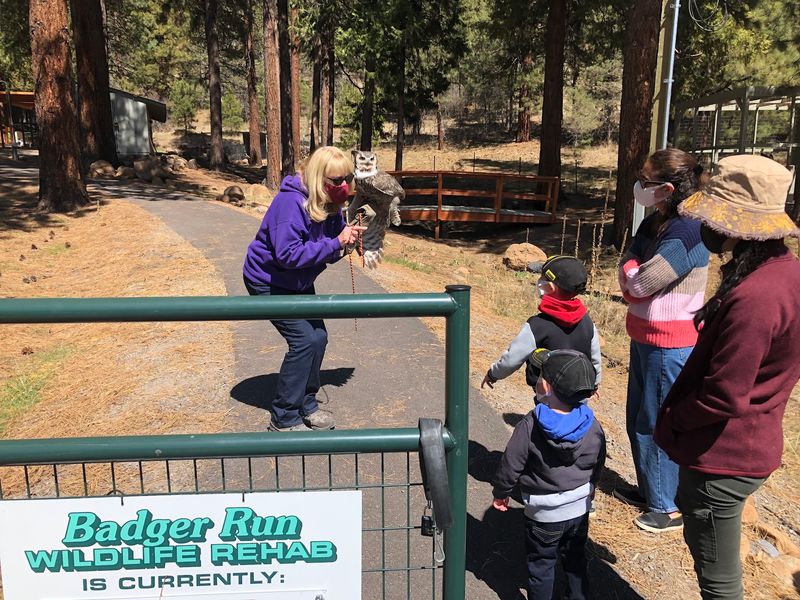
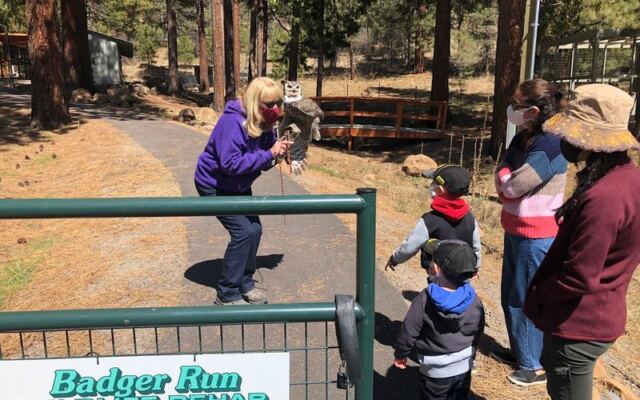
Down in the Klamath Basin, Badger Run runs the kind of small, personal tours that turn casual curiosity into genuine fascination. Getting up close with several owls, and even a tortoise, is not something you forget.
Knowledgeable docents lead the way, and their beginner-friendly style means everyone in the group walks away having learned a ton, no background required. That accessibility is exactly what makes this spot special for first-timers.
The rescue service operates daily for injured native animals and raptors, but tours run by appointment only, so a phone call to set things up is your first move. It is a small step for a rewarding morning.
The people here clearly care deeply about the animals and the planet, and their enthusiasm is contagious. Bring the family, ask lots of questions, and let the docents do the rest.
8. Rowena Wildlife Clinic, Mosier, OR
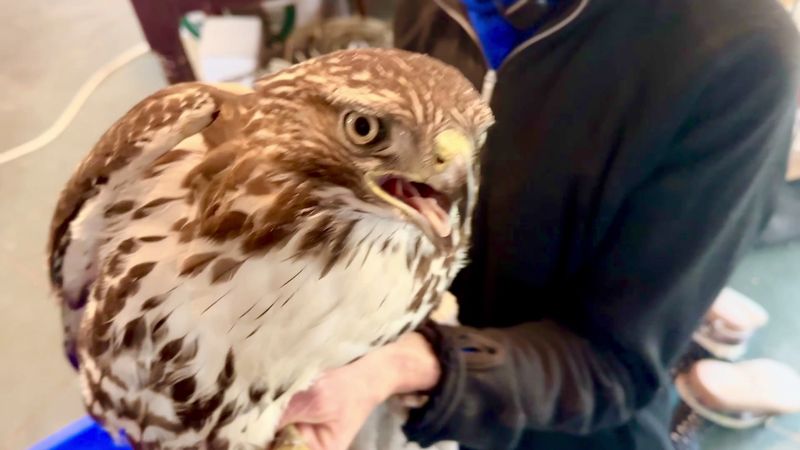
Along US-30 in the Columbia River Gorge, the little town of Mosier holds a treasure for anyone who has ever found an injured animal and not known what to do. Rowena Wildlife Clinic answers that call with real heart.
Compassion runs through everything here, and the staff are quick to take in animals in need, from a baby bird to an injured dove found by the roadside. Their warmth makes a stressful moment feel manageable.
Having a resource like this available in the Gorge is a genuine gift for local wildlife and the people who care about them. It is exactly the kind of quiet, dedicated place that does enormous good without much fanfare.
Open daily from 9 AM to 5 PM, it is worth knowing about long before you ever need it. Save the number and drive a little east.
9. Oregon Coast Aquarium, Newport, OR
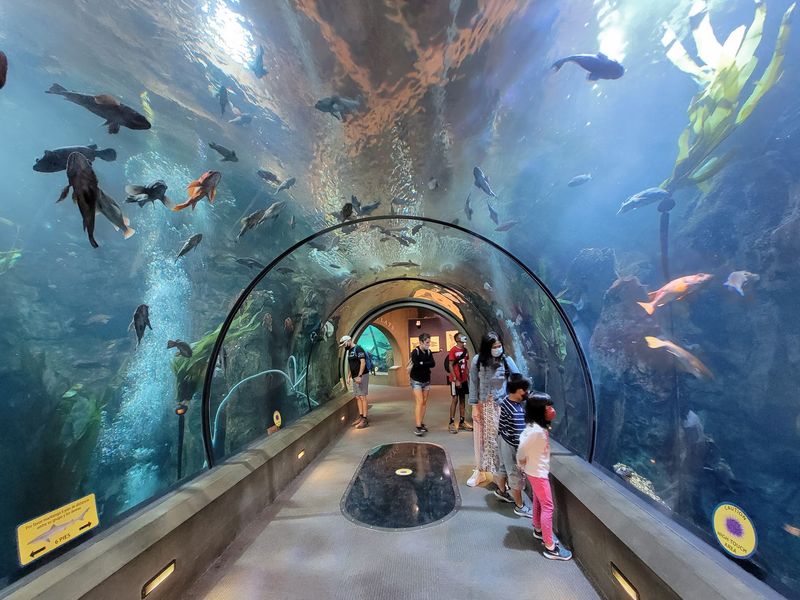
Spread across 23 acres on the central Oregon coast, the Newport aquarium is where marine curiosity turns into wide-eyed wonder. Sea otters, sea lions, sharks, jellyfish, and a deepwater tank all wait inside.
Up-close encounters are the heart of the experience, and meeting a young giant Pacific octopus can genuinely rank among the most remarkable moments of your life. The tanks are clean, the animals healthy, and the staff quick to share what they know.
With a strong emphasis on conservation and education, it delivers something memorable for visitors of every age. A cafe, gift shop, playground, and free parking make it an easy full-day outing.
Weekdays, especially mornings, are far quieter than the Saturday-afternoon rush, so time your visit for a peaceful stroll among the sharks and sea stars. Open daily, 10 AM to 5 PM.
10. Tualatin River National Wildlife Refuge Visitor Center, Sherwood, OR
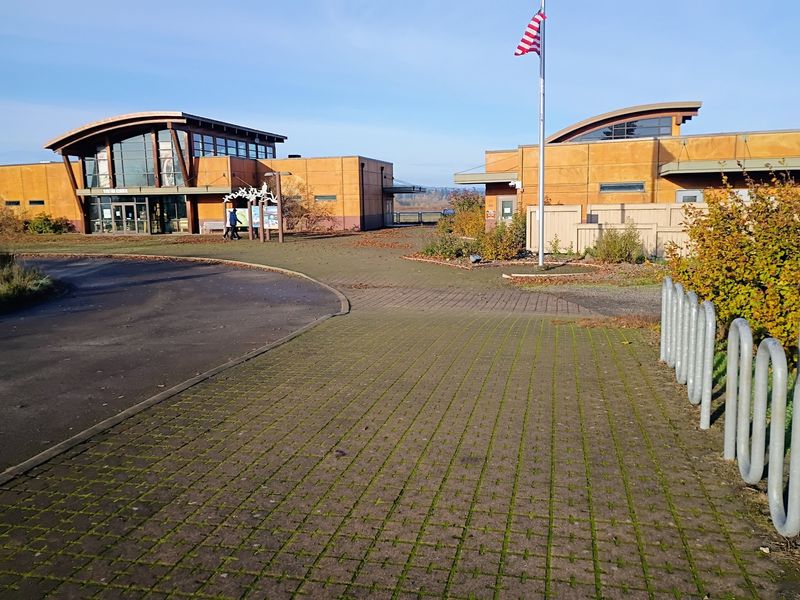
Just off Highway 99W in Sherwood sits a surprising pocket of wild space where a suburban setting gives way to wetlands, wide-open meadows, and a river winding through it all. Level, well-kept trails make it welcoming for nearly everyone.
Wildlife watching is the main draw, with good habitat drawing in a variety of animals, from deer and nutria to birds, turtles, and tadpoles. Bring binoculars and patience and you will spot plenty.
The visitor center anchors the experience with educational programming, and convenient parking plus restrooms at the trailhead keep things easy. It is clear that a lot of work goes into keeping the refuge meticulously maintained.
Closed Mondays and open Tuesday through Sunday, 10 AM to 4 PM, it makes a gentle, free introduction to Oregon’s wetland wildlife, right in the metro area’s backyard.
11. Jackson Bottom Wetlands, Hillsboro, OR
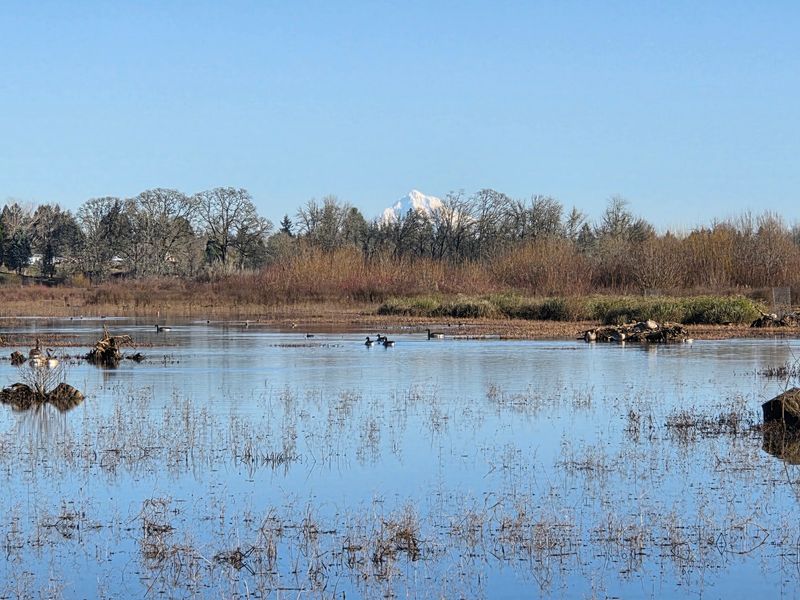
Miles of walking trails thread through this Hillsboro wetland, where wooden viewing platforms and clear signage make birdwatching feel effortless. Tree swallows nest in boxes along one loop, while cranes, geese, and egrets gather in the marsh.
What makes this refuge stand out is its year-round classes, teaching visitors of all ages about the animals and plants of the wetland. Seasonal events for kids, complete with games and animal encounters, keep young naturalists coming back.
A peaceful walk here means encountering wetland creatures, native plants, and towering trees, with eagles sometimes soaring overhead. To protect the sensitive habitat, dogs are not allowed and visitors stay on the trails.
Open Monday through Saturday, 10 AM to 4 PM, with picnic tables and restrooms on-site, it is a photographer’s and beginner birder’s dream tucked into the western suburbs.
Share this story