Early autumn is quietly one of the best-kept secrets in European travel. September and early October bring cooler temperatures, thinner crowds, and noticeably friendlier prices compared to the July and August rush.
From sun-soaked Mediterranean waterfronts to harvest-season wine towns tucked into rolling hills, the continent opens up in ways that summer simply does not allow. The destinations below combine real cultural depth with on-the-ground affordability, giving travelers more to see, eat, and explore for less.
Krakow, Poland
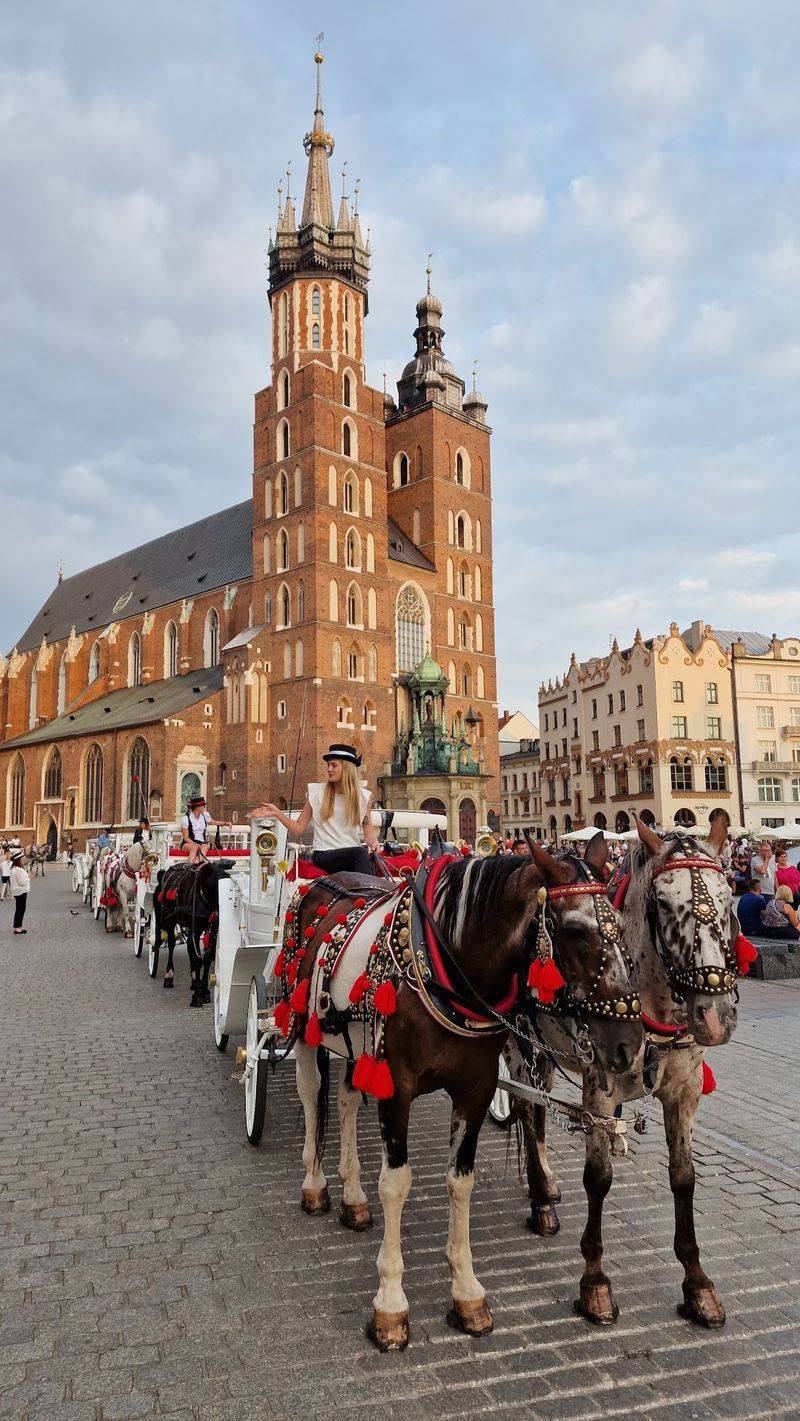
Few cities in Europe pack this much history into such a walkable footprint. Krakow regularly tops value-for-money rankings, and current traveler data backs that up with average daily spending around $80 per person, covering accommodation, meals, sightseeing, and local transport.
Meals average roughly $25, making a generous dinner feel like a reasonable treat rather than a budget splurge.
September is a sweet spot for visiting. The enormous Main Market Square is far more enjoyable when summer tour groups begin thinning out, and the Planty green belt that rings the Old Town starts picking up warm golden tones by late September.
Wawel Castle, the Jewish quarter of Kazimierz, and the underground museum beneath the square can each fill a half-day without rushing.
The compact center means you can walk nearly everywhere, keeping transportation costs minimal. Autumn also brings cooler evenings perfect for sitting at an outdoor cafe with a bowl of zurek soup before the colder Polish winter settles in.
Krakow rewards slow exploration, and the season makes that easier than ever.
Sarajevo, Bosnia and Herzegovina
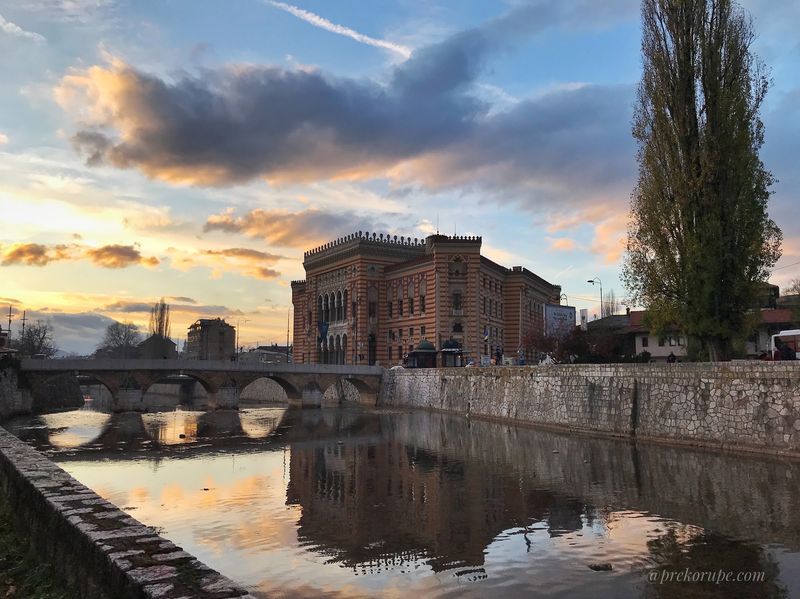
Sarajevo is the kind of city that quietly astonishes visitors who did not know what to expect. The Bosnian capital sits in a narrow mountain-ringed valley, which means the surrounding slopes begin blazing with fall color just as September evenings turn pleasantly cool.
Average traveler spending sits around $101 per person per day, with local transportation costing less than $8.
The city’s layered history is genuinely unlike anywhere else in Europe. Baščaršija’s Ottoman-era lanes sit within a short walk of Austro-Hungarian boulevards and a Latin Bridge carrying enormous historical weight.
That compressed geography makes Sarajevo surprisingly easy to cover on foot, stretching your budget further without missing anything major.
Nearby mountain viewpoints accessible by cable car or short taxi ride add a natural dimension to the trip. Visitors can watch Sarajevo spread across the valley below while foliage fills the hills above.
For travelers who want cultural complexity, mountain scenery, and manageable daily costs without the crowds of more familiar Balkan cities, Sarajevo delivers quietly and confidently.
Sofia, Bulgaria
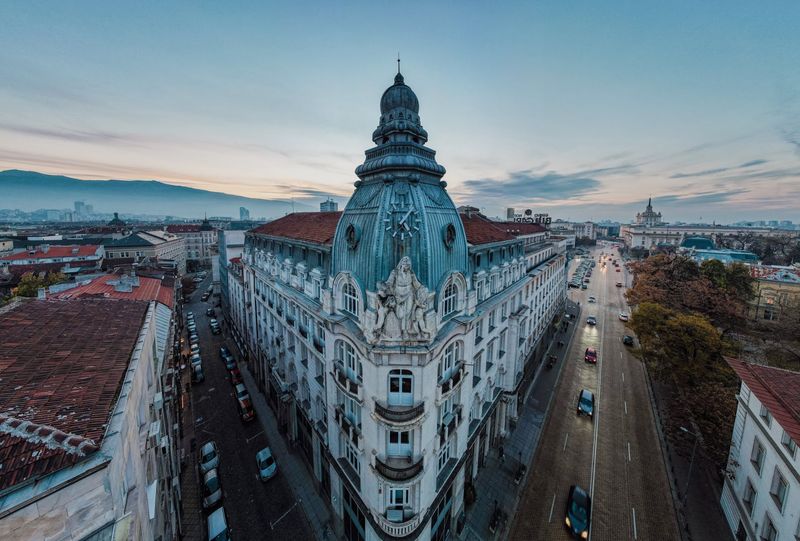
Sofia has a secret weapon that most European capitals cannot match: a mountain begins where the city ends. Vitosha Mountain rises immediately south of central Sofia, putting over 300 kilometers of hiking trails within easy reach of the city center.
At 2,286 meters, its highest peak offers sweeping views that cost nothing beyond the effort of getting there.
Urban costs are equally encouraging. Sofia ranks among the least expensive major EU capitals, with average daily spending around $84 per person including accommodation and meals.
Local transportation averages only $9 per day, making it easy to move between the Roman ruins, Alexander Nevsky Cathedral, and the National Palace of Culture without watching the budget nervously.
September offers a genuinely comfortable temperature range for both city sightseeing and mountain walking before winter closes the upper trails. The city’s parks and pedestrian boulevards develop early autumn color that makes even an aimless afternoon wander feel worthwhile.
Sofia rewards travelers who are willing to look past its understated exterior, and early autumn is arguably the most forgiving time to do exactly that.
Gdansk, Poland
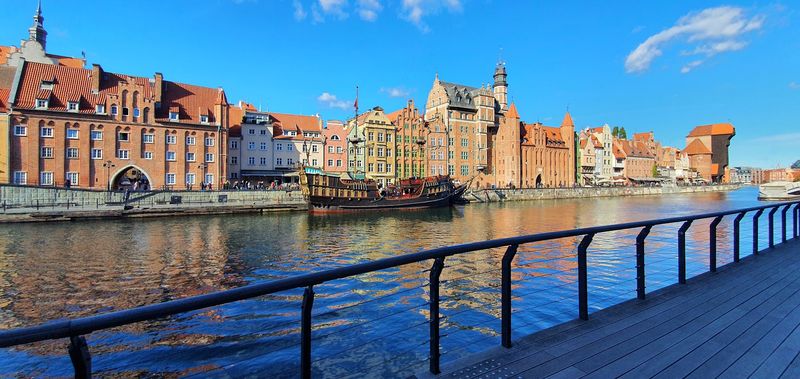
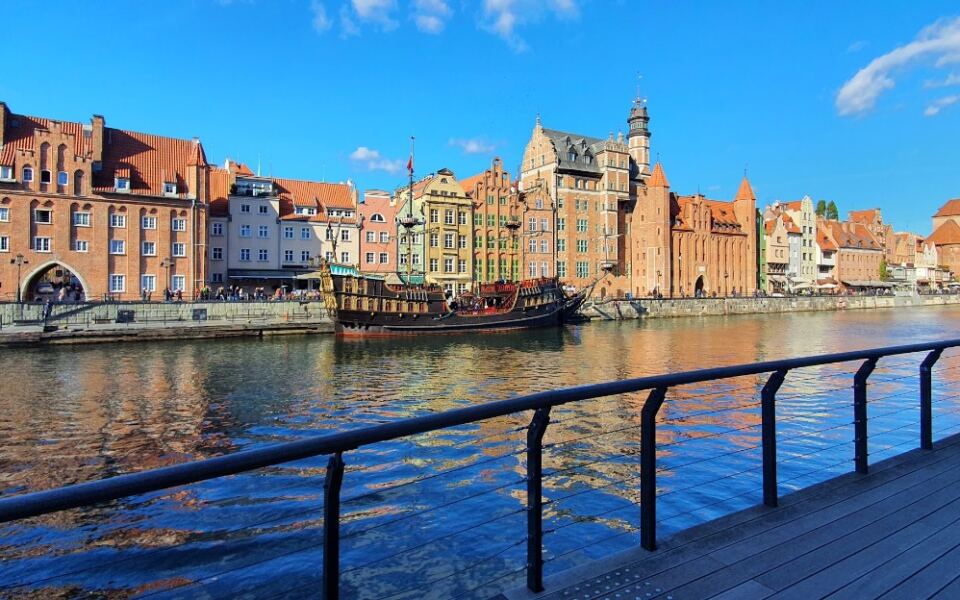
Not many cities can claim to have helped change the course of modern European history, but Gdansk can. The birthplace of the Solidarity movement carries that story through museums and monuments alongside its spectacular reconstructed merchant-house facades along the Long Market.
Current traveler data puts average spending at just $75 per person per day, one of the lowest figures for any historically significant city on this list.
The Baltic summer crowd begins thinning noticeably in September, making waterfront walks along the Motlawa River considerably more relaxed. Nearby Sopot, with its famous wooden pier, and the wider Tri-City area remain accessible by cheap commuter rail for day trips.
September still offers enough daylight to cover the Old Town, the European Solidarity Centre, and the waterfront in a single full day without feeling rushed.
As October approaches, cooler conditions make the city’s excellent amber shops, covered markets, and museum interiors even more appealing for rainy afternoons. Gdansk is a city where the historical and the scenic overlap constantly, and the early-autumn shoulder season is the most comfortable time to let that overlap work in your favor.
Ljubljana, Slovenia
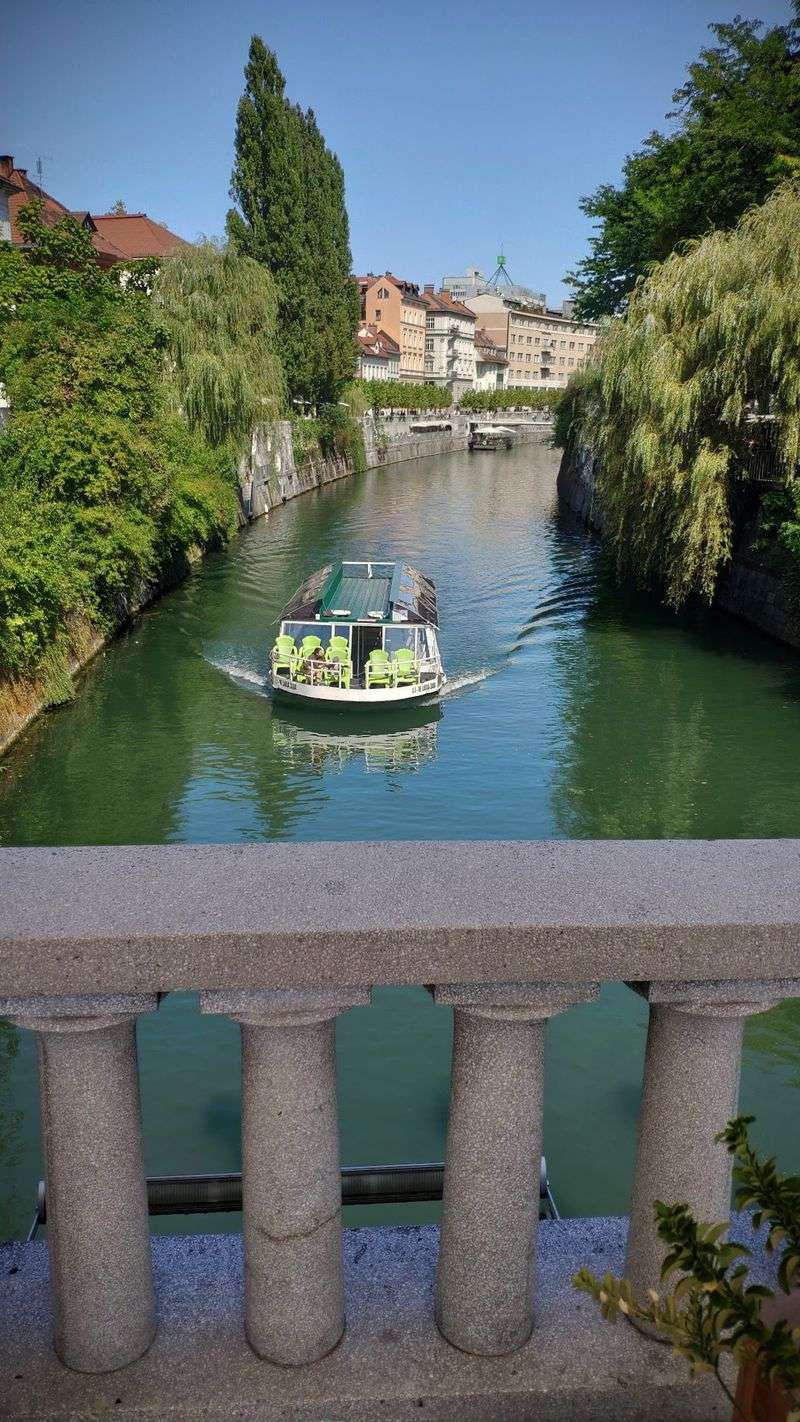
Ljubljana might be Europe’s most underrated small capital, and September is when the city really hits its stride. The summer crowds thin out, days stay pleasantly warm, and the Ljubljanica River cafes carry on without the elbow-to-elbow pressure of peak season.
Ljubljana Tourism specifically notes that early autumn brings quieter streets while the city remains fully alive.
Average traveler spending sits around $114 per person per day, which is higher than some Balkan neighbors but still very reasonable for a capital with this much to offer. The Open Kitchen food market typically continues Friday operations through October when weather cooperates, giving visitors an easy and inexpensive way to sample Slovenian street food alongside locals.
Tivoli Park fills with early fall color within a ten-minute walk of the center. Ljubljana Castle on the hill above the old town is accessible on foot or by funicular, rewarding visitors with views across the city and toward the Julian Alps.
Because the center is almost entirely pedestrian-friendly, you can spend a full day exploring without spending a single euro on transportation. That combination of efficiency and charm is hard to beat.
Vilnius, Lithuania
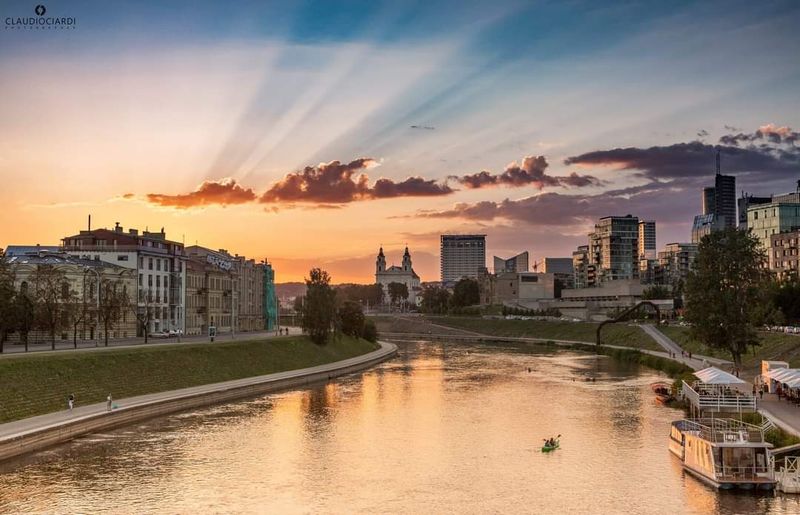
Vilnius makes the case for September travel so convincingly that its own official city guide lists it as one of the best months to visit. Temperatures hover around 55 to 68 degrees Fahrenheit, tourist numbers drop noticeably after the summer peak, and prices ease while restaurants, museums, and bars remain fully open.
Autumn color begins developing in the parks and along the Neris River toward the end of the month.
Budget estimates from the city’s 2026 guide range from roughly 34 to 58 euros per day for budget travelers and 105 to 166 euros for mid-range visitors, not counting flights. The UNESCO-listed Old Town is one of the largest baroque city centers in Northern Europe, packed with churches, courtyards, and narrow lanes that reward slow wandering over multiple days.
The quirky self-declared republic of Uzupis adds a playful, artistic counterpoint to the historic center, and Bernardinai Garden offers riverside autumn scenery without any admission fee. Vilnius has a relaxed confidence that makes it easy to settle into, and September is precisely when that relaxed quality is easiest to enjoy.
Fewer tourists, fair prices, and beautiful surroundings are a hard combination to argue with.
Budapest, Hungary
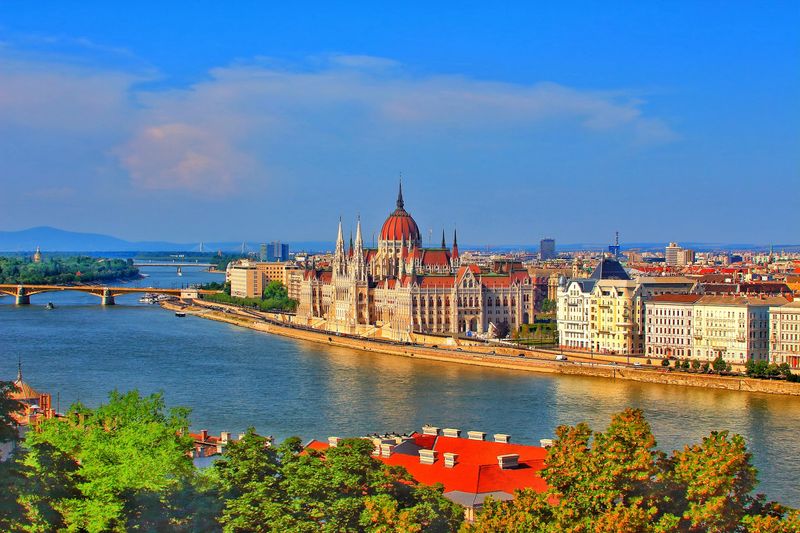
Budapest has a theatrical quality that hits hardest when the light turns golden and the summer hordes have gone home. The Danube riverfront at dusk, with Parliament glowing on one bank and Castle Hill rising on the other, is the kind of view that stops people mid-step.
Current traveler data estimates average spending around $131 per day, while budget-focused visitors can manage closer to $49 by choosing simpler accommodation and meals.
September is well matched to a city whose greatest highlights sit outdoors. Walking the full stretch between Parliament and the Chain Bridge, climbing Castle Hill, and spending time in City Park can fill two or three full days without a single expensive ticket.
Budapest’s thermal baths become especially appealing as evenings cool, offering a distinctly local experience at a fraction of what a spa day costs in Western Europe.
The city’s ruin bars in the Jewish Quarter shift into a cozier autumn mode as outdoor terraces give way to candlelit interiors. Monumental views, riverside walks, and one of Europe’s most distinctive nightlife cultures are all available at the same time in September.
Budapest rewards both the budget-conscious and the curious equally well.
Riga, Latvia
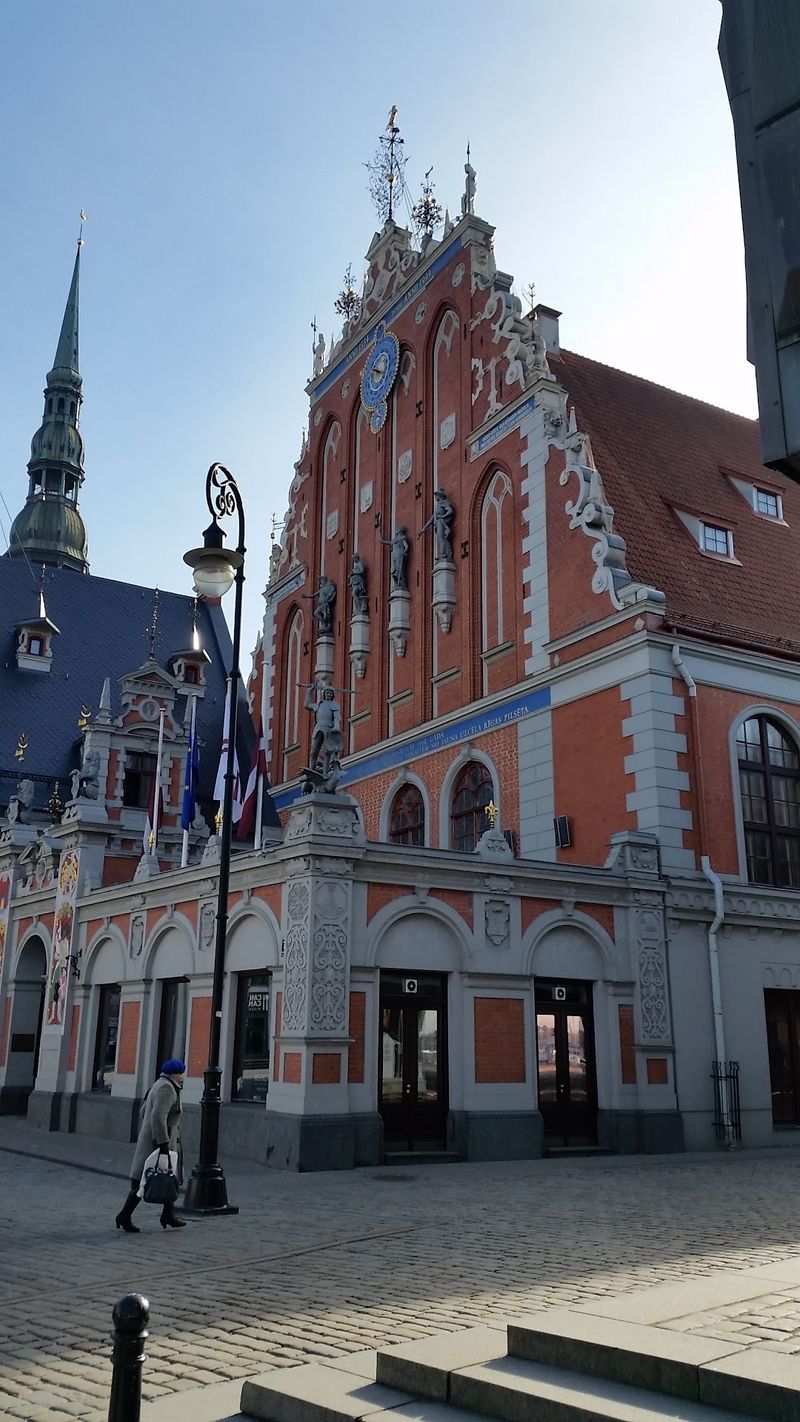
Riga holds a title that most travelers have not discovered yet: it contains the highest concentration of Art Nouveau architecture of any city in Europe. Walking the quiet residential streets of the Art Nouveau district feels like flipping through a catalog of early 20th-century architectural ambition, and September light does those ornate facades genuine justice.
Typical daily spending runs around $142, while budget travelers can manage closer to $56.
The Old Town and canal parks that ring the historic center take on a noticeably warmer tone as autumn color moves in. September is one of the last comfortable months for long outdoor stretches before Baltic weather turns serious, making it a genuinely good window for covering Riga’s walkable highlights without rushing.
Public transportation is inexpensive and reliable for reaching neighborhoods beyond the center.
Latvian food has quietly become more interesting in recent years, with a growing number of restaurants working seriously with local ingredients and fermentation traditions. Spending a meal budget on creative Latvian cuisine rather than familiar international options is one of the more rewarding ways to use the extra savings from choosing a shoulder-season trip.
Riga punches well above its weight for a city of its size.
Porto, Portugal
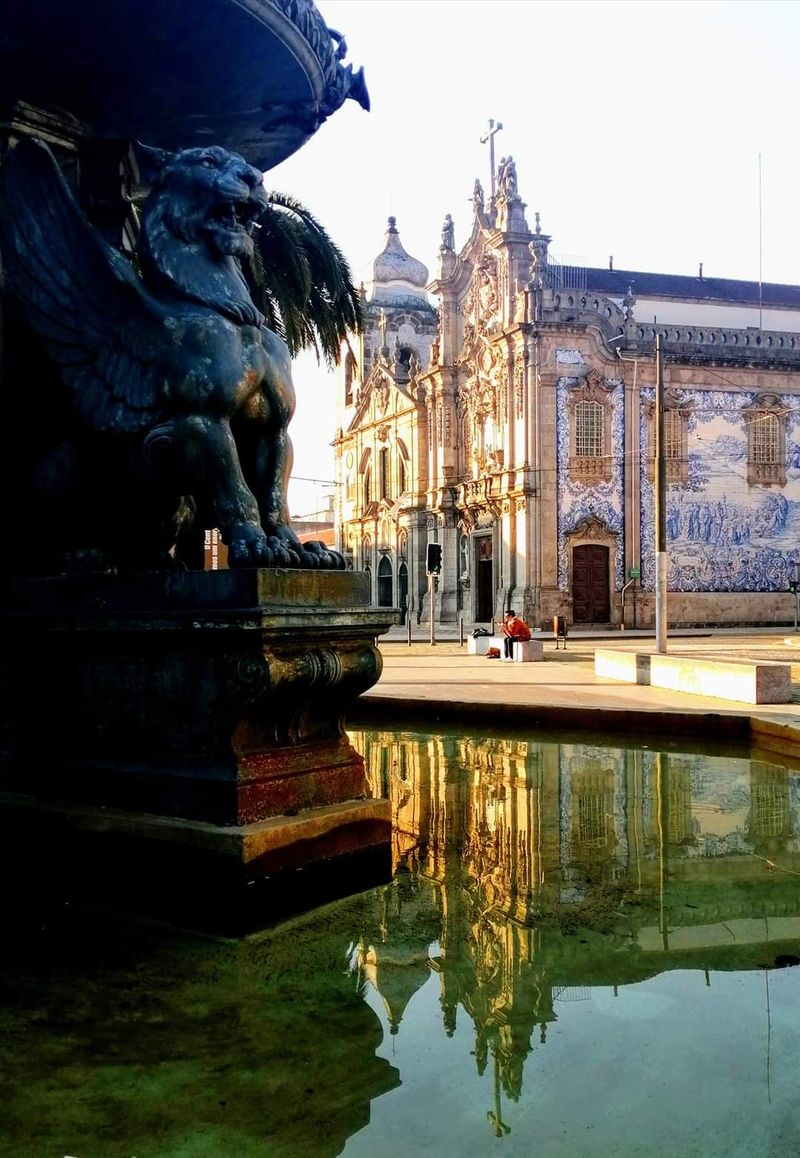
Porto in early autumn smells faintly of wine, salt air, and grilled fish, which is either a poetic coincidence or an excellent argument for visiting in September. The city’s average traveler spending sits around $186 per person per day, but budget travelers can comfortably manage around 67 euros daily according to lower-cost profiles.
The gap between those figures largely comes down to accommodation choices and how many glasses of port you pour.
Fall gastronomy is a genuine draw. Porto tourism specifically highlights the autumn food and wine calendar, and the Douro Valley harvest season adds vineyard excursions to what is already a strong city itinerary.
The historic Ribeira waterfront, the Dom Luis I Bridge, and the tiled facades of the old neighborhoods can fill hours without any ticket required.
September offers the best weather compromise: warm enough to enjoy the riverfront terraces comfortably, but past the most intense summer heat. Porto also warns visitors that autumn rain can arrive from mid-September onward, so early in the month tends to be the most reliable window.
Either way, the city has enough indoor character, wine bars, and covered markets to make a rainy afternoon feel like a bonus rather than a setback.
Bratislava, Slovakia
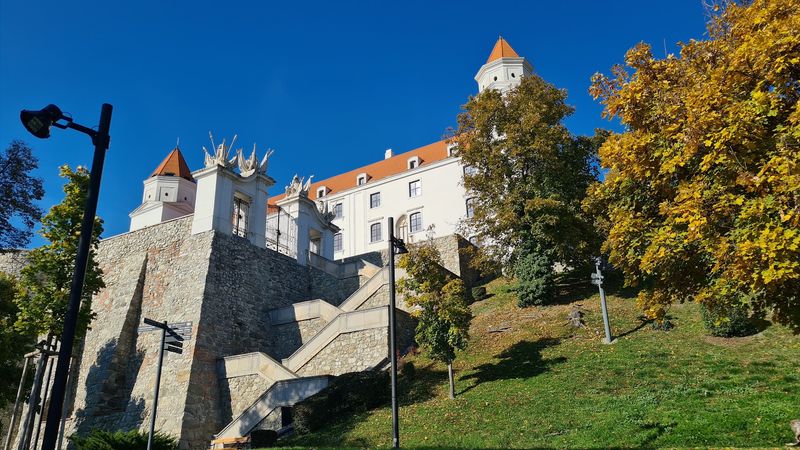
Bratislava’s best seasonal trick is that it turns into a wine destination in autumn without anyone in the wider travel world seeming to notice. The Little Carpathian wine region begins its harvest season in September, and local wine festivals become a regular fixture on the city’s calendar through November.
Bratislava Tourism explicitly highlights this as one of the defining features of an autumn visit, and it gives the city a festive energy that summer simply does not replicate.
Current traveler data estimates average spending around 155 euros per day, while budget-oriented visitors can manage closer to $78. Summer crowds thin considerably by September, and October often stays mild enough for comfortable outdoor sightseeing.
The Old Town, Bratislava Castle, and the Danube waterfront are compact enough to cover thoroughly on foot in a day or two.
Bratislava also works extremely well as a base for day trips. Vienna is about an hour away by train or boat, and the Hungarian border is equally close.
Travelers who want to cover multiple countries efficiently will find Bratislava’s central location as valuable as its wine festivals. The combination of harvest-season culture and short-trip versatility makes it a quietly smart autumn choice.
Valencia, Spain
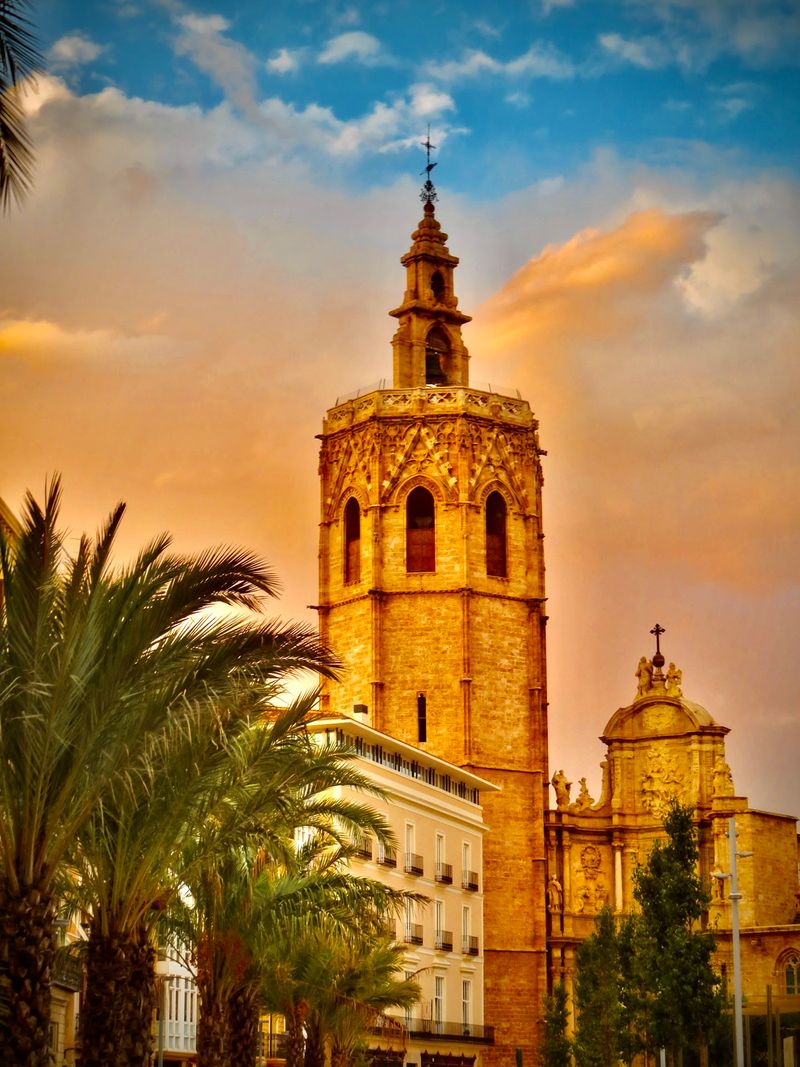
Valencia in September still carries the full warmth of summer without quite the same ferocity. The city’s official tourism figures list average September daytime temperatures around 84 degrees Fahrenheit, dropping to a comfortable 66 degrees at night.
October cools things further, and while rain becomes more likely from mid-September onward, beach weather can genuinely persist well into fall along the Mediterranean coast.
Average traveler spending sits around $177 per person per day, which is not the cheapest option on this list, but Valencia’s outdoor offerings make it easy to build affordable days. The Turia Gardens, a former riverbed converted into a 9-kilometer green park running through the city, is free and extraordinary.
The City of Arts and Sciences complex provides a visual spectacle that costs nothing to appreciate from the outside.
Valencia’s food scene also works in the traveler’s favor. The city invented paella, and authentic versions in local restaurants cost a fraction of what the same dish runs in tourist-heavy coastal resorts.
The Mercado Central, one of Europe’s most beautiful covered markets, offers a morning of sensory overload for the price of a coffee. September gives you the warmth of summer with a touch more breathing room.
Seville, Spain
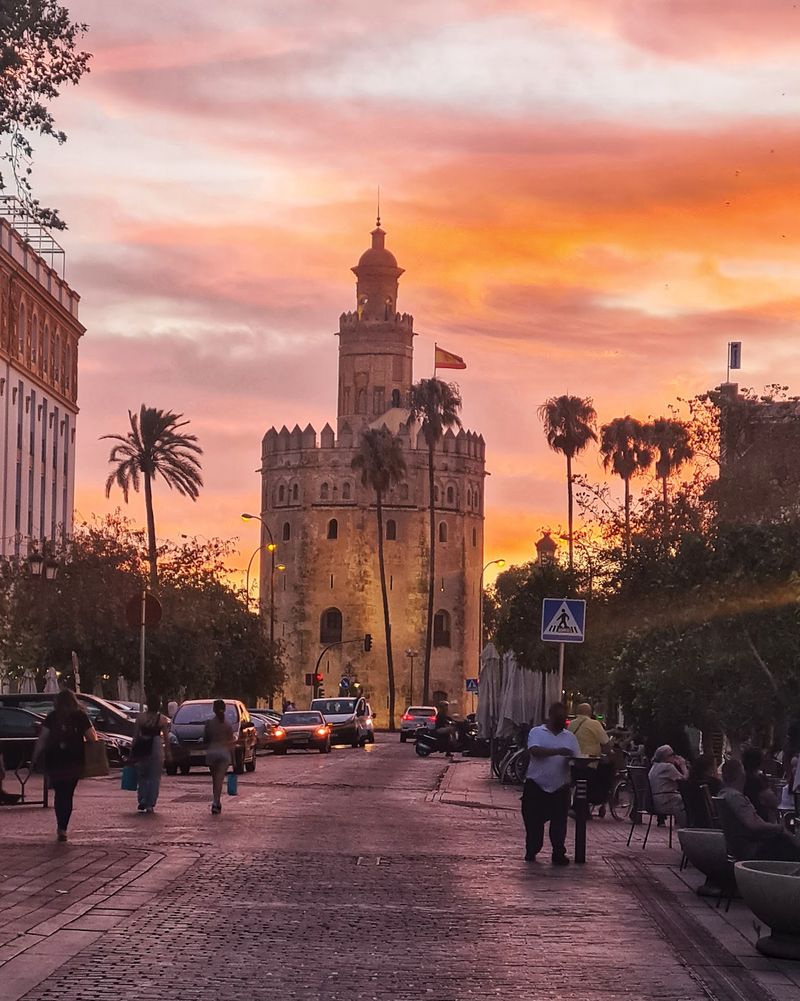
Seville in July is a city you survive. Seville in September is a city you actually enjoy.
Summer temperatures regularly hit 40 degrees Celsius or above, which makes extended outdoor sightseeing genuinely unpleasant. By September, those temperatures drop into a far more manageable range, and the city’s extraordinary collection of outdoor spaces suddenly becomes the centerpiece of the trip rather than something to sprint past between air-conditioned buildings.
Current visitor spending averages around $175 per person per day, though budget-conscious travelers using simpler accommodation and local dining options can bring that figure down considerably. The Real Alcazar, the Cathedral, and Plaza de Espana all carry admission fees, but enormous sections of Seville’s appeal live in the streets, plazas, and riverside promenades that cost nothing to explore.
The Barrio Santa Cruz neighborhood is best absorbed slowly, wandering its narrow lanes without a fixed agenda. Evening social life picks up naturally as temperatures drop, with outdoor bars and tapas spots filling from around 9pm in true Andalusian fashion.
September gives travelers the city at its most livable. Fewer heat-related schedule adjustments, longer comfortable walking hours, and an atmosphere that finally matches the city’s legendary reputation.
Palermo, Italy
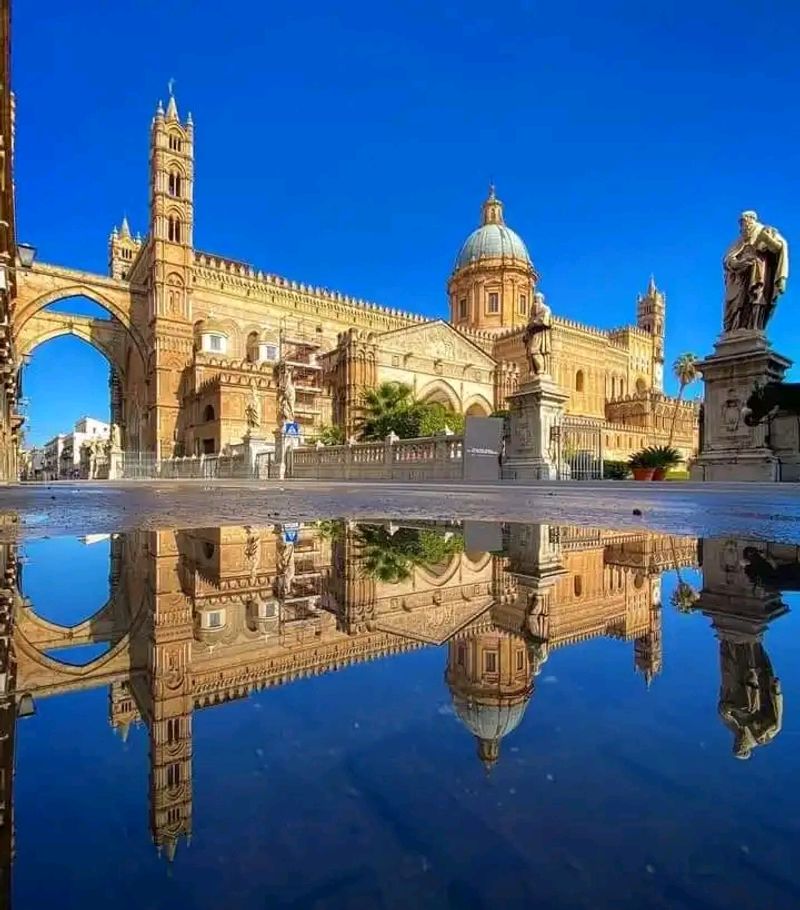
Palermo is Italy at its most unfiltered, and that is meant entirely as a compliment. The Sicilian capital’s street markets, Norman-Arab cathedrals, Baroque piazzas, and chaotic street food scene create a cultural experience that feels genuinely different from anything in northern Italy.
Current traveler data puts average spending at roughly $132 per person per day, with local transportation averaging only about 6 euros daily, making it relatively affordable for an Italian destination.
September is an excellent month for combining Palermo with Sicily’s coast. Midsummer’s most punishing heat has eased, beach conditions remain very good, and the city’s outdoor markets and evening street food culture are fully operational.
The Ballarò and Vucciria markets are worth visiting on their own terms, not just as shopping stops but as atmospheric experiences that illustrate how the city actually functions.
Palermo also serves as an efficient base for Monreale, whose cathedral mosaics rank among the most spectacular in the Mediterranean world, and for nearby coastal towns accessible by bus or car. Travelers who anchor a Sicilian trip here rather than moving hotels repeatedly will find the logistics simpler and the overall costs easier to manage.
Palermo rewards patience and appetite in roughly equal measure.
Thessaloniki, Greece
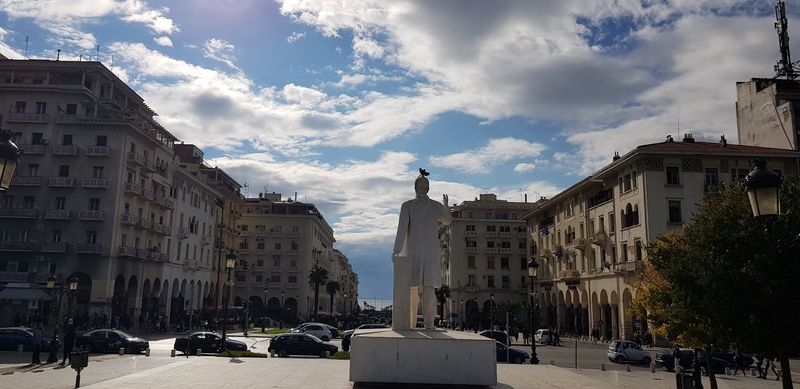
Thessaloniki has spent decades being overlooked in favor of Athens and the Greek islands, which is arguably the best thing that ever happened to it. The city developed a food culture widely regarded as the best in Greece, a waterfront promenade that puts many more famous European seafronts to shame, and a layered history spanning Roman, Byzantine, and Ottoman periods without the tourist infrastructure markup of better-known destinations.
Typical spending averages around 165 euros per day, while budget travelers average closer to 72 euros.
September keeps the outdoor cafe and waterfront atmosphere of summer intact while making long walks through the upper city neighborhood of Ano Poli significantly more comfortable. The Byzantine churches, Roman Rotunda, and archaeological museum can fill two or three days of genuine sightseeing without feeling rushed or overpriced.
Greece’s second city also hosts a busy cultural calendar in autumn, including the Thessaloniki International Film Festival in November.
Getting there is easier than many travelers assume, with direct flights from numerous European cities and good ferry connections for those approaching from nearby islands. The combination of serious food, underrated history, and a livable scale makes Thessaloniki one of the most rewarding off-the-beaten-path choices for an early-autumn Mediterranean trip.
Tirana, Albania
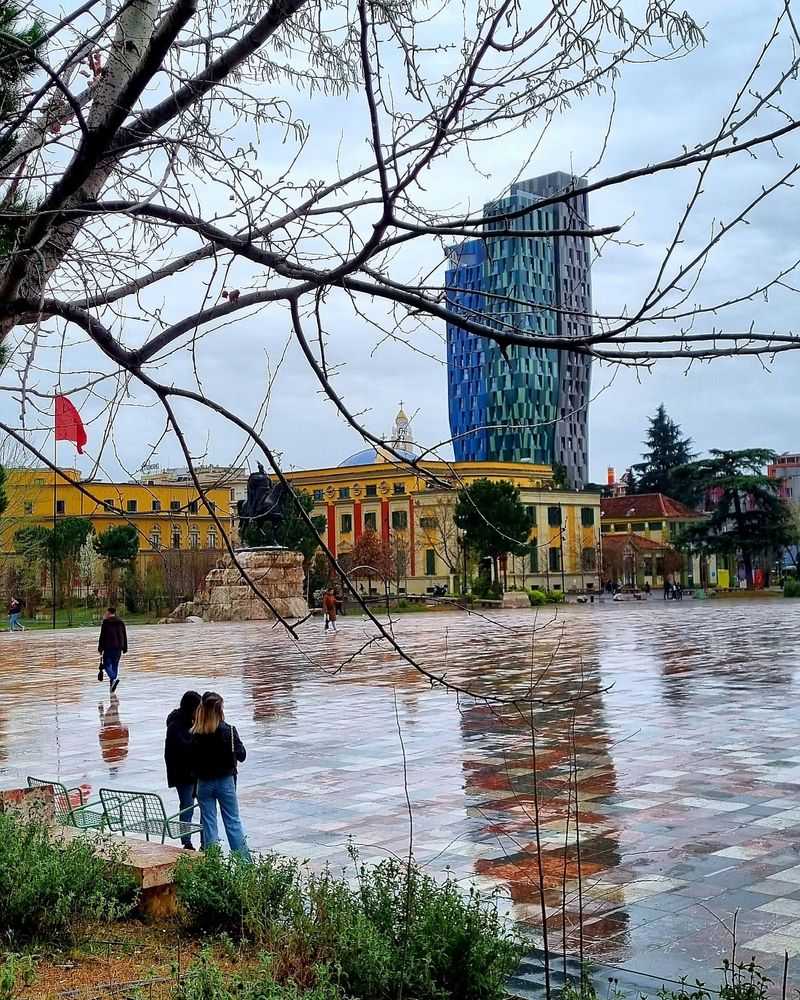
Tirana is the kind of destination that makes experienced budget travelers feel genuinely smug. A 2026 cost analysis estimates around 40 euros per day for a standard trip covering basic accommodation, meals, and local transport, with a shoestring approach coming in closer to 28 euros.
October airfare from several Western European cities has also shown up notably cheap on certain routes, though flight prices shift constantly and early booking helps considerably.
The city center is highly walkable and compact enough to cover the main highlights in a day or two. Skanderbeg Square, the colorful Blloku neighborhood, the repurposed Pyramid of Tirana, and museums covering Albania’s communist-era history give the city more substance than its low-cost reputation might suggest.
Street art has transformed several formerly drab blocks into genuinely interesting walking routes.
Mount Dajti rises immediately east of the capital, accessible by cable car for a small fee, and provides a natural half-day excursion with views across the city and surrounding valleys. Early autumn solves Tirana’s main seasonal problem by removing the summer heat that makes midday city walking uncomfortable.
The city is changing quickly, with new restaurants, bars, and cultural spaces opening regularly. Visiting now means seeing Tirana before it loses its rough-edged charm entirely.
Share this story