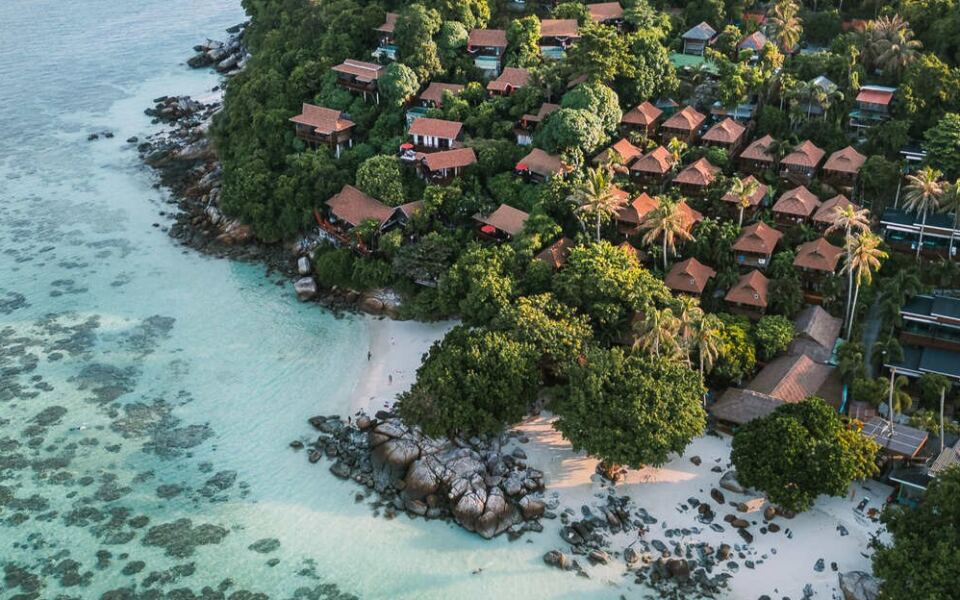
The Maldives is one of those dream destinations that looks absolutely stunning in every photo, but the price tag can make most travelers close the browser tab pretty fast. Here is the good news: there are tropical islands scattered across Southeast Asia that offer the same combination of pale sand, crystal-clear water, coral reefs, and slow island living without requiring a second mortgage.
Some of these spots are well known, and some are still flying under the radar. Whether you are a budget backpacker or just a smart traveler who wants more value for the money, this list covers 16 real, currently accessible islands worth considering as your next tropical escape.
Koh Tao, Thailand
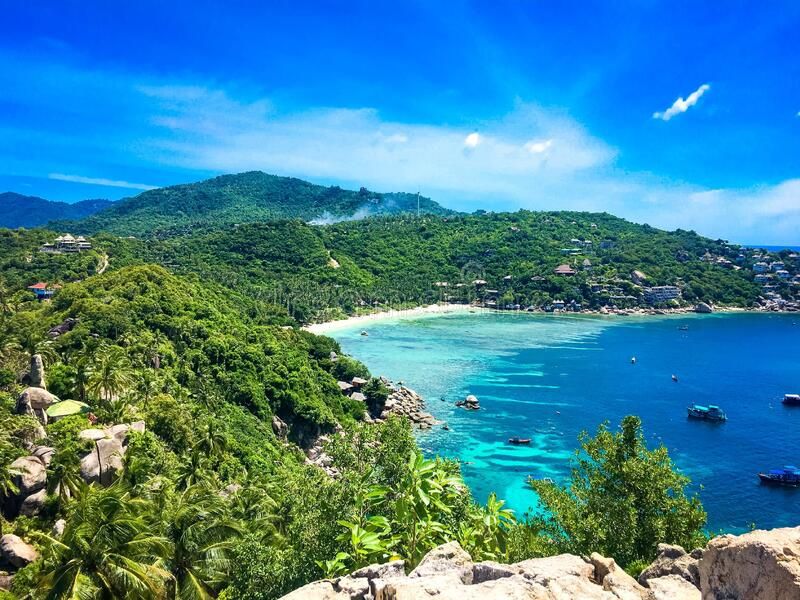
Koh Tao built its reputation almost entirely on what lives beneath the water rather than what sits above it, and that focus has made it one of Southeast Asia’s most recognized diving destinations. Thailand’s tourism authority describes it as a leading scuba hub where the beaches have somehow managed to keep a relaxed, unhurried character.
Coral reefs, green turtles, and hawksbill turtles are all part of the underwater picture here. Snorkeling is just as accessible as diving, so you do not need certification to enjoy the marine life close to shore.
Accommodation ranges from basic bungalows that cost very little per night to boutique properties with more comfort and style. That range makes it possible to build a genuinely tropical island vacation around a modest budget.
Instead of paying for an exclusive resort experience, your money goes toward dive trips, beach hopping, and fresh seafood from local restaurants.
Koh Kood, Thailand
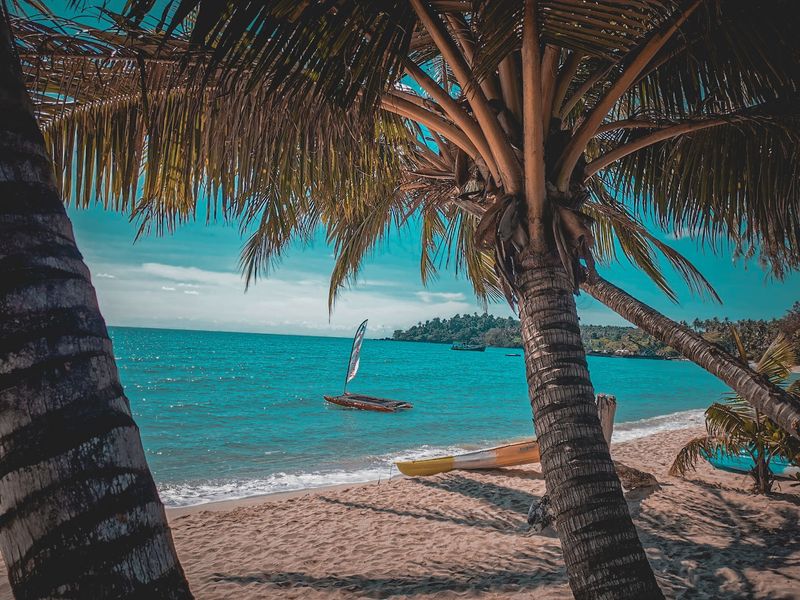
Koh Kood sits near the Cambodian border in Trat Province and still manages to look surprisingly undeveloped for an island this beautiful. Forests, waterfalls, fishing communities, and long stretches of soft sand make it feel like a destination that has not yet been fully handed over to mass tourism.
Thailand’s tourism authority describes Koh Kood as an unspoiled tropical destination built around relaxation, beaches, snorkeling, and nature. Resorts, restaurants, and boat connections all exist here, but the pace stays genuinely slow compared to Thailand’s larger resort islands.
That slower rhythm is exactly what appeals to travelers chasing the secluded feeling associated with a Maldives stay, without being confined to a single private property. You can explore the island, visit a waterfall, and find a quiet beach on your own schedule.
Boat schedules do become more limited during the low season, so timing your trip matters more here than on bigger islands.
Gili Air, Indonesia
No cars. No motorcycles.
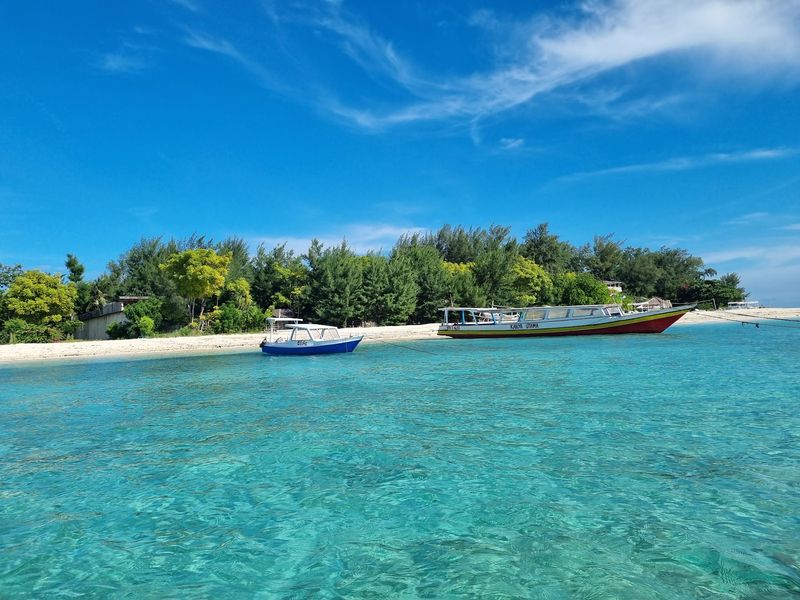
Just bicycles, horse-drawn carts, and the kind of barefoot atmosphere people picture when they close their eyes and imagine a Maldives vacation. Gili Air sits off the coast of Lombok and delivers that image in a format that is much more accessible financially.
Indonesia’s official tourism platform highlights the island’s soft white sand, clear water, coral reefs, and laid-back character. Locally run restaurants, guesthouses, dive shops, and small resorts fill out the island’s practical side without turning it into an overcrowded tourist machine.
The coral reefs are close enough to shore that snorkeling is a casual daily activity rather than an expensive boat excursion. Travelers can stay somewhere simple, spend their days swimming and exploring the reef, and still feel like they have landed in a genuinely tropical paradise.
The choice of accommodation across multiple price levels is one of Gili Air’s strongest practical advantages.
Koh Lipe, Thailand
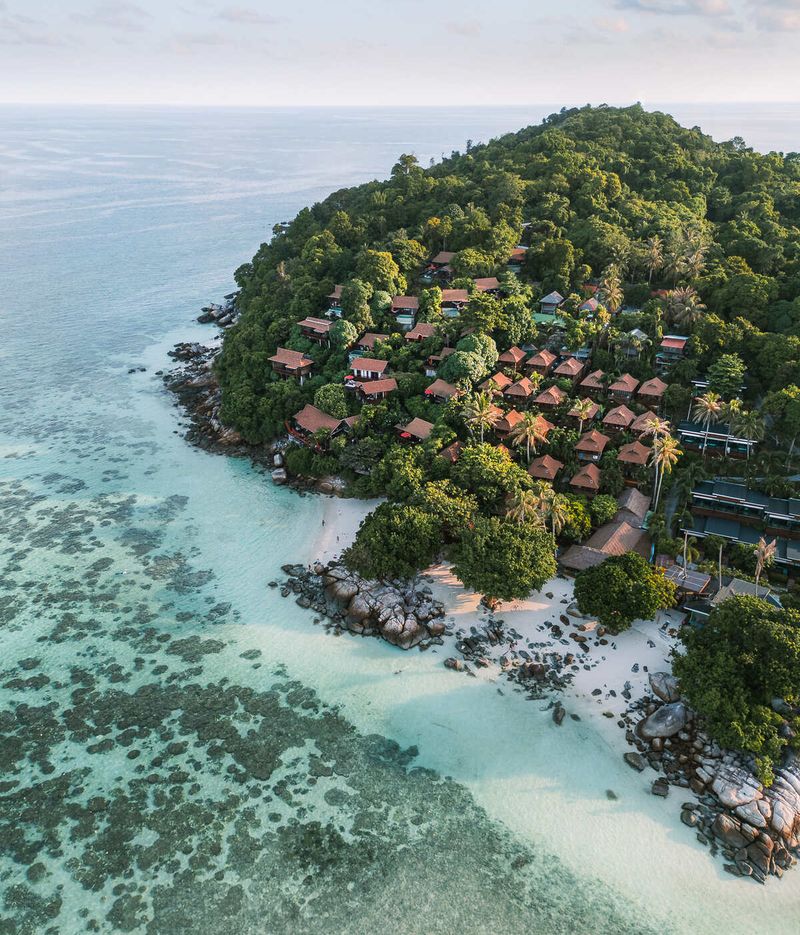
Pale sand and water so clear you can see the reef from the surface make Koh Lipe one of Thailand’s most visually striking islands. Located in Satun Province in the southern Andaman Sea, this small island punches well above its size when it comes to tropical scenery.
The Tourism Authority of Thailand lists Koh Lipe among the country’s major southern destinations, and the accommodation options reflect that recognition. You can find simple guesthouses, mid-range hotels, and beachfront properties that lean toward the upscale side, giving you genuine flexibility based on what you want to spend.
The surrounding marine environment is the main event here. Nearby reefs and islands make snorkeling and boat excursions easy to arrange through local operators.
One important planning note: marine park areas around Satun Province close during the wetter months for safety, so checking the season before booking is genuinely useful advice.
Karimunjawa, Indonesia
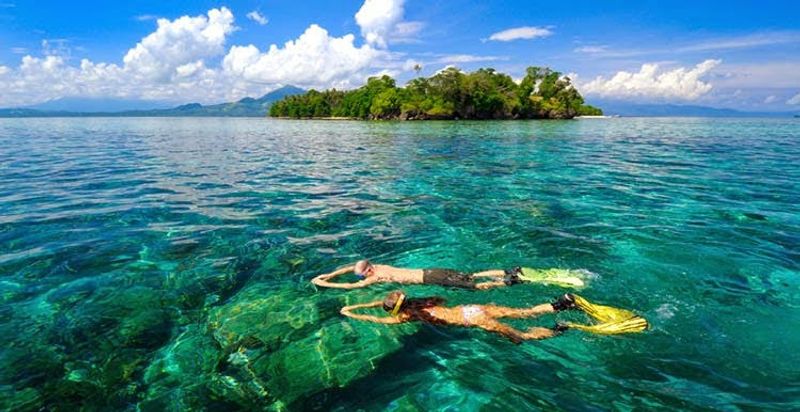
Twenty-seven islands spread across the Java Sea make Karimunjawa an archipelago rather than a single destination, and that distinction matters for travelers who want island hopping built into the experience. Indonesia’s tourism authority describes it as a marine destination rich in white-sand beaches, clear water, and coral biodiversity, much of it protected within Karimunjawa National Park.
Ferries connect the main island with Java, while local boat excursions take visitors between beaches, snorkeling sites, and smaller uninhabited islands. The setting can feel impressively remote relative to what you actually spend to get there and stay there.
You will sacrifice some of the polished luxury that defines a Maldives resort, but in exchange you get a more local, exploratory experience with access to extensive marine scenery. For travelers who measure a great island trip by the quality of the water and the number of reefs they can visit rather than the thread count of the sheets, Karimunjawa delivers well.
Nusa Lembongan, Indonesia
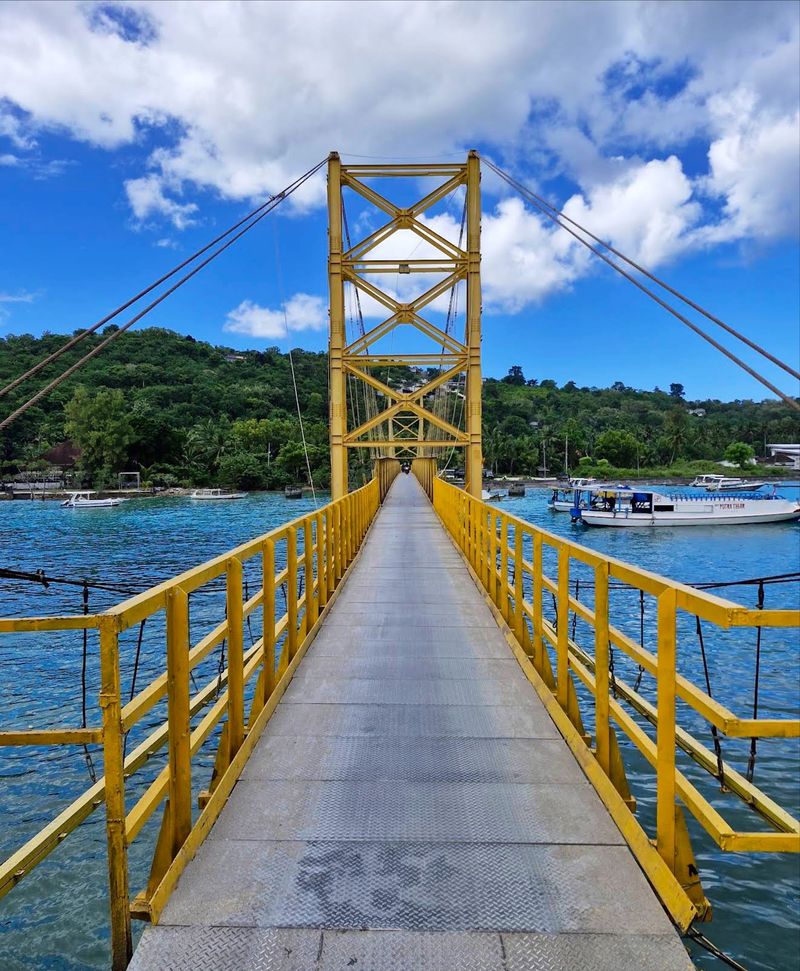
A short boat ride southeast of Bali brings you to Nusa Lembongan, an island with clear water and dramatic tropical scenery that does not require a private-resort price tag to enjoy. Indonesia’s official tourism platform highlights glass-clear water and snorkeling areas including Mangrove Point, where coral, tropical fish, and occasional manta rays are part of the picture.
Dream Beach gives the island its most photogenic white-sand moment, while boat trips can take you toward the reefs and neighboring Nusa Penida, which has its own striking underwater scenery. The variety of things to see and do beyond the beach is genuinely useful for travelers who want more than one activity per day.
Guesthouses, cafes, scooter rentals, and accommodations across multiple price levels make it easy to design a trip that costs significantly less than a high-end Maldives vacation. Lembongan is more active and social than an isolated resort, and many travelers find that energy part of the appeal.
Siquijor, Philippines
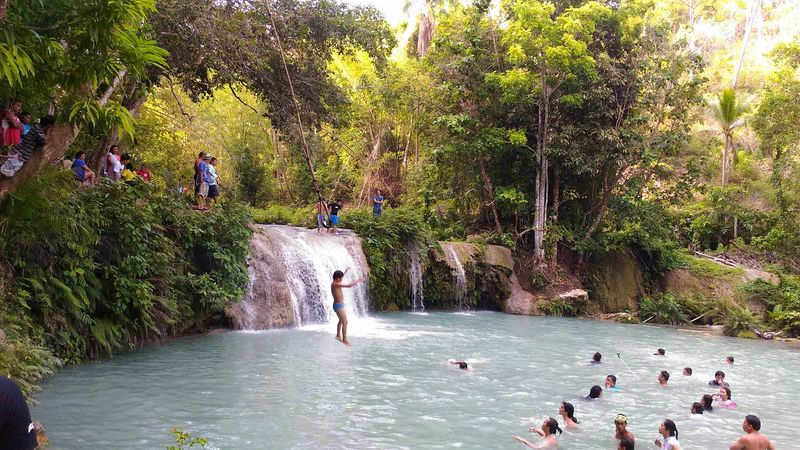
Siquijor is one of those Philippine islands that rewards travelers willing to look past the more famous names on the map. Paliton Beach offers powdery white sand and a coconut-lined coast that photographs beautifully, while the surrounding waters support snorkeling and marine activities that make a day on the island genuinely full.
Unlike destinations structured almost entirely around resorts, Siquijor gives visitors a real mix of inexpensive local stays, mid-range hotels, and a handful of more upscale properties. That flexibility changes the math considerably for budget-focused travelers.
A single day here can include snorkeling, a motorbike ride around the island, a stop at Cambugahay Falls, and a sunset on Paliton Beach, all without staying inside one resort complex. For travelers willing to trade an overwater bungalow for a more independent island experience, Siquijor offers a combination of tropical scenery and practical value that is genuinely hard to beat at this price range.
Bantayan Island, Philippines
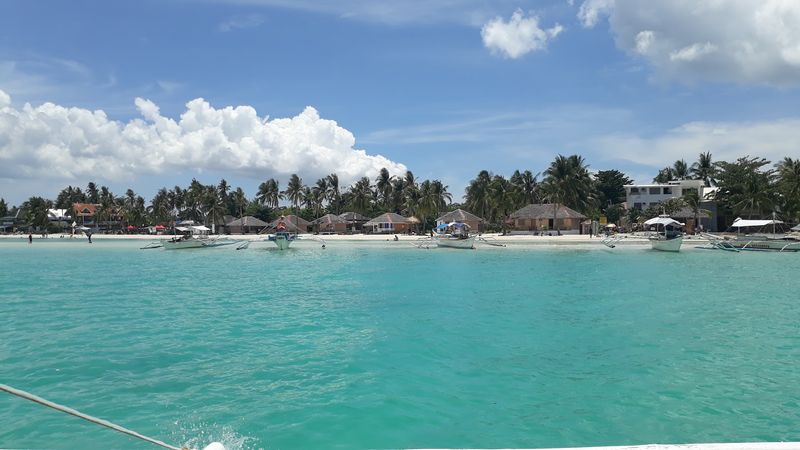
Broad stretches of pale sand, turquoise shallows, and coconut palms set the visual tone on Bantayan Island, and the relaxed pace that comes with it is exactly what many travelers are searching for when they look up Maldives alternatives. The Philippines’ tourism authority highlights Kota Beach, Paradise Beach, and nearby Virgin Island as key spots worth visiting.
Snorkeling and coral gardens add to the tropical-island experience, particularly around Virgin Island, where the water stays clear and shallow. The fact that Bantayan is an inhabited island rather than an isolated resort is one of its practical strengths.
Local restaurants, village life, inexpensive transport, and accommodation at multiple price points all exist here.
You will not find rows of overwater villas, but you can find sandbars, warm shallow seas, quiet beaches, and colorful sunsets without building the entire trip around a luxury hotel. The scenery can be remarkably polished while the experience stays refreshingly casual and affordable.
Camiguin, Philippines
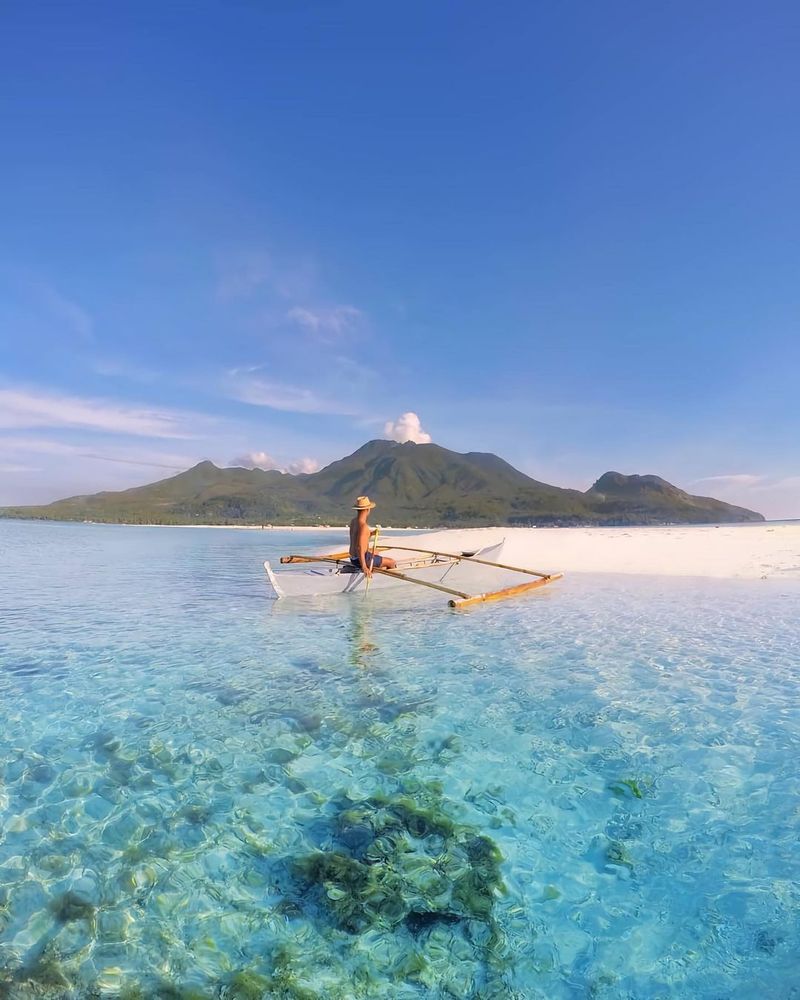
White Island is a shifting sandbar made of bright white sand that sits just off Camiguin’s coast, with the island’s volcanic peaks rising dramatically in the background. It is one of the more striking natural scenes in the Philippines, and it does not cost much to reach by boat from the main island.
The official Philippines tourism site also highlights snorkeling and diving at the Sunken Cemetery and Giant Clam Sanctuary, giving underwater enthusiasts specific destinations to target. The variety here goes well beyond what most beach-only islands can offer.
Accommodation on Camiguin ranges from mid-range stays to higher-end resorts, so visitors have real flexibility in how much they spend per night. Add waterfalls, hot springs, volcanic landscapes, coral gardens, and island-hopping excursions, and Camiguin becomes a compelling option for travelers who want tropical water combined with considerably more to explore away from the shoreline.
Camotes Islands, Philippines
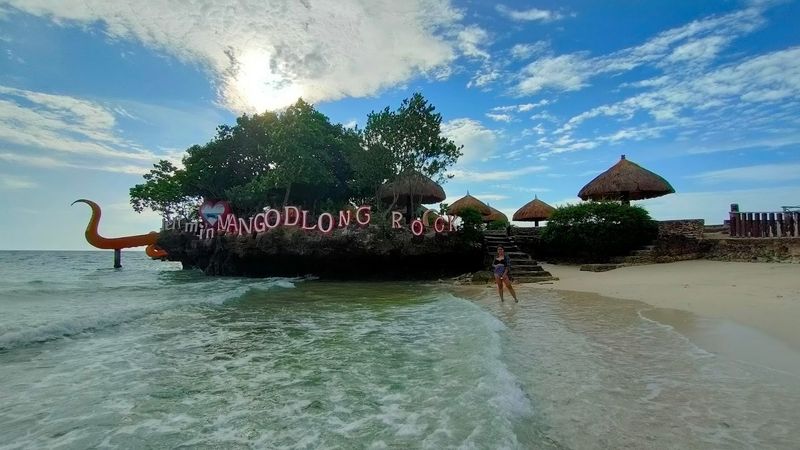
The Camotes Islands are less internationally famous than Boracay or Palawan, and for budget travelers that relative obscurity can actually work in their favor. The official Philippines tourism site describes the islands as having powdery white beaches, shallow azure water, and coastal scenery that stays noticeably uncrowded compared to the country’s bigger names.
Santiago White Beach is the most well-known stretch of sand, and the clear shallow water makes it a straightforward spot for swimming and relaxing. Caves, lakes, and freshwater swimming holes give visitors alternatives on days when they want something beyond the beach, which keeps the experience from feeling repetitive.
The tourism authority specifically highlights affordability as one of the Camotes Islands’ defining characteristics, which makes them a natural fit for this list. Travelers looking primarily for tropical water, white sand, and inexpensive island living may find that the lower profile of the Camotes Islands is an advantage rather than a reason to look elsewhere.
Phu Quoc, Vietnam
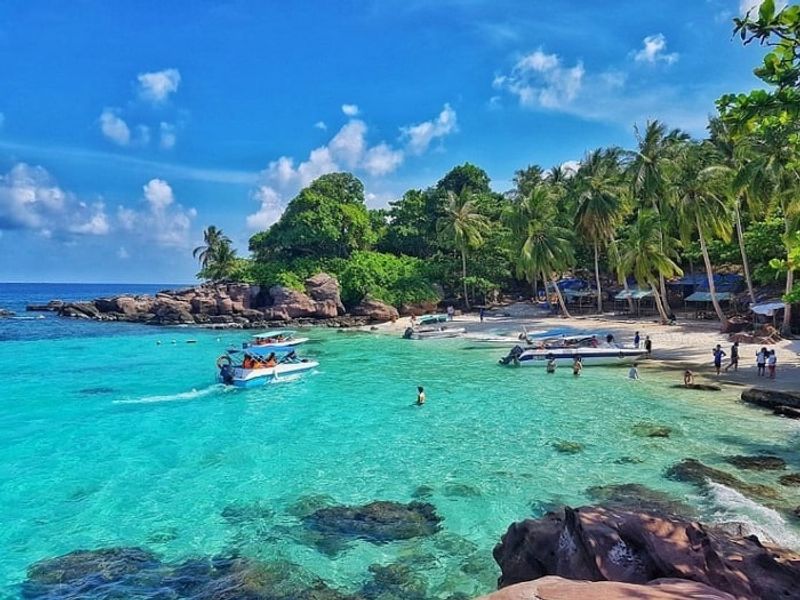
Phu Quoc has grown considerably as a tourist destination in recent years, but its beaches and surrounding islands can still deliver the kind of tropical-water fantasy that drives people to search for Maldives alternatives. Vietnam Tourism describes the island as having 150 kilometers of coastline, clear water, coral reefs, and 21 smaller islands clustered nearby.
Sao Beach is the most photographed stretch of sand on the island, known for its pale color and coconut-lined scenery. Boat excursions into the An Thoi Archipelago open up additional snorkeling spots and smaller beaches that feel considerably less developed than the main island.
What separates Phu Quoc from a Maldives resort is the sheer range of choices available. Inexpensive guesthouses, local restaurants, motorbike rentals, and independent excursions make it easy to control daily spending.
Travelers who want a luxury resort can find one here, but nothing forces you into that spending category.
Con Dao, Vietnam
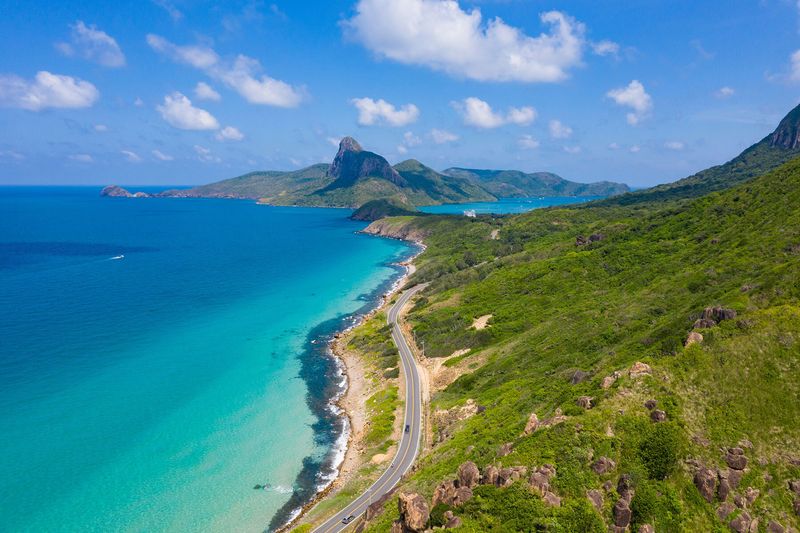
Con Dao feels noticeably wilder than most of Asia’s major island destinations, and that wildness is a large part of its appeal. Vietnam Tourism describes the archipelago as home to some of the country’s most peaceful beaches and best snorkeling, with much of the landscape protected within Con Dao National Park.
Coral reefs, tropical forests, sea turtles, and relatively low visitor numbers combine to create a genuine sense of remoteness. The waters offer excellent visibility during favorable conditions, making snorkeling and diving particularly rewarding for travelers who prioritize underwater scenery.
Con Dao is not Vietnam’s least expensive island option, so it functions better as an alternative to Maldives luxury pricing than as a backpacker bargain. Travelers still have accommodation choices beyond ultra-exclusive resorts, however, and the combination of protected nature and uncrowded coastline gives Con Dao a character that more developed island destinations struggle to match.
Tioman Island, Malaysia
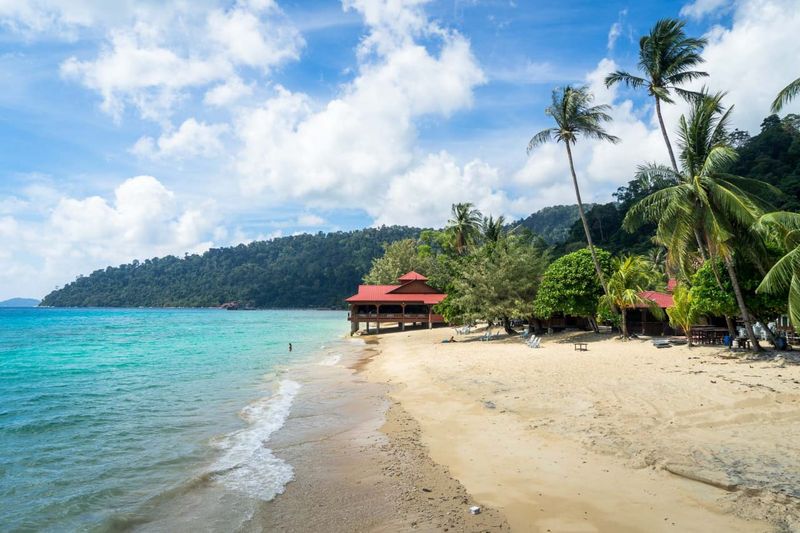
Jungle-covered mountains meeting coral-filled tropical seas is the defining visual of Tioman Island, and it is a combination that sets it apart from flat, low-lying resort islands. Tourism Malaysia describes Tioman as part of a marine park featuring clear water, coral reefs, turtles, rays, and strong opportunities for snorkeling and diving.
Several villages are spread around the coastline, including Salang, Tekek, Genting, Paya, and Juara, each with its own atmosphere and accommodation options. That village structure is one of Tioman’s most useful features for independent travelers, because you can choose where to stay based on what kind of experience you want rather than being tied to one property.
Salang is known for coral particularly close to shore, while quieter Juara offers a wide beach and a more secluded setting on the island’s eastern side. For travelers who want underwater scenery on a flexible budget, Tioman remains one of Malaysia’s most consistent choices.
Perhentian Kecil, Malaysia
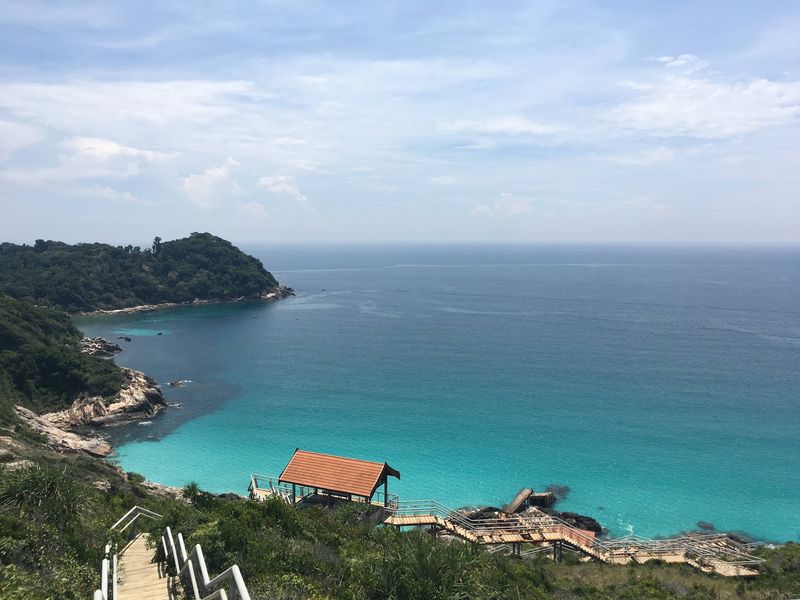
Perhentian Kecil has attracted travelers focused on clear water, diving, snorkeling, and uncomplicated beach living for years, and current Tourism Malaysia listings confirm that the island remains actively served in 2026 with accommodation, dive operations, and regular boat transfers still running.
Published packages for the island include accommodation, meals, multiple boat dives, equipment, and return water transportation, showing how much activity can be bundled into a single trip without approaching the cost structure of a typical Maldives resort package. That bundling makes planning straightforward and the total cost much easier to manage.
The island has both lively and quieter areas, which means travelers can choose between a more social backpacker-style atmosphere and a more relaxed beachfront setting depending on what they prefer. For anyone who cares more about the quality of the reefs and the color of the water than the quality of the lobby furniture, Perhentian Kecil is a particularly strong option.
Koh Rong, Cambodia
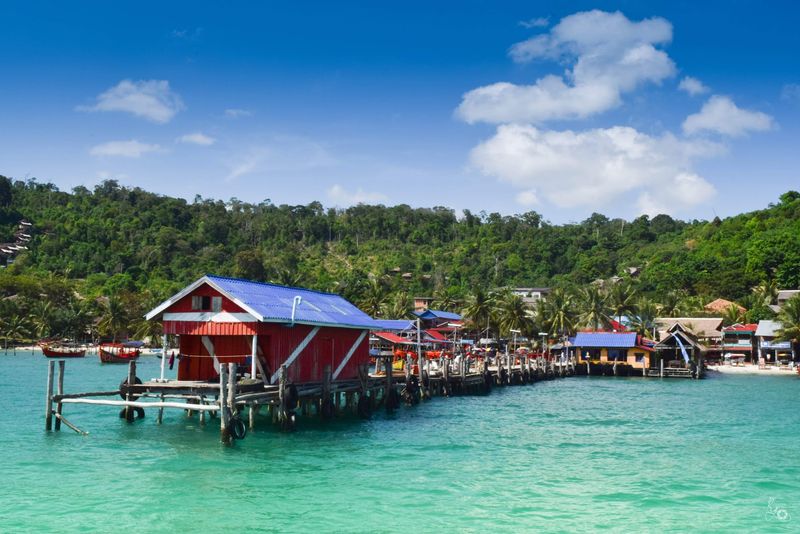
Koh Rong has moved well beyond its early reputation as a backpacker secret and is now a properly established island destination, but large portions of its coastline still look wonderfully tropical and uncrowded. Current ferry services operate regularly between Sihanoukville and the island, making access straightforward for most travelers.
Long stretches of soft white sand, clear turquoise water, and jungle pressing right up against the shoreline define the island’s best beaches. Koh Touch has the most concentrated collection of restaurants, guesthouses, and social activity, while Long Set Beach and Lonely Beach offer a quieter, more stripped-back atmosphere for travelers who want fewer neighbors.
The accommodation range is one of Koh Rong’s clearest advantages for budget travelers. Simple bungalows and guesthouses exist alongside increasingly polished resorts, which means you can choose how much you spend without being forced into one category.
The island gives you the tropical look without locking you into a single price bracket.
Mabul Island, Malaysia
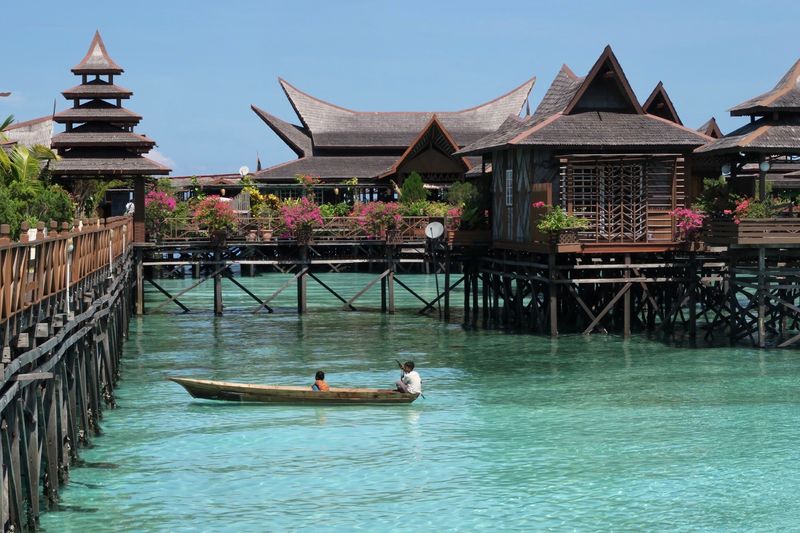
Mabul sits in Sabah’s Semporna region, an area that has earned a serious reputation among divers for its spectacular tropical seas and diverse marine life. Tourism Malaysia’s current 2026 travel offerings confirm that Mabul remains actively served by tourism operators, with itineraries that include accommodation on the island, airport transfers, boat connections, and island-hopping access through the Semporna area.
The surrounding region gives travelers access to brilliant reefs and islands including Mataking, Timba Timba, Pom Pom, and Kapalai, each with its own underwater character. That range of nearby destinations makes the Semporna islands a particularly strong choice for travelers who want variety built into their trip.
Mabul suits divers and snorkelers more than travelers seeking a completely empty beach experience. When the goal is brilliant blue water, rich marine life, island accommodation, and boat-hopping access to multiple reef sites without Maldives luxury-resort pricing, the Semporna islands are worth putting near the top of the list.
Share this story