Dreaming of a vacation in 2026? Some of the world’s most popular destinations come with price tags that can genuinely shock even experienced travelers.
From mountain resort towns to sun-soaked islands, the costs for everyday meals, hotels, and sightseeing can stack up faster than expected. This list highlights 13 places where a typical trip per person runs surprisingly high, so you can plan smarter before your wallet takes the hit.
New York City, New York
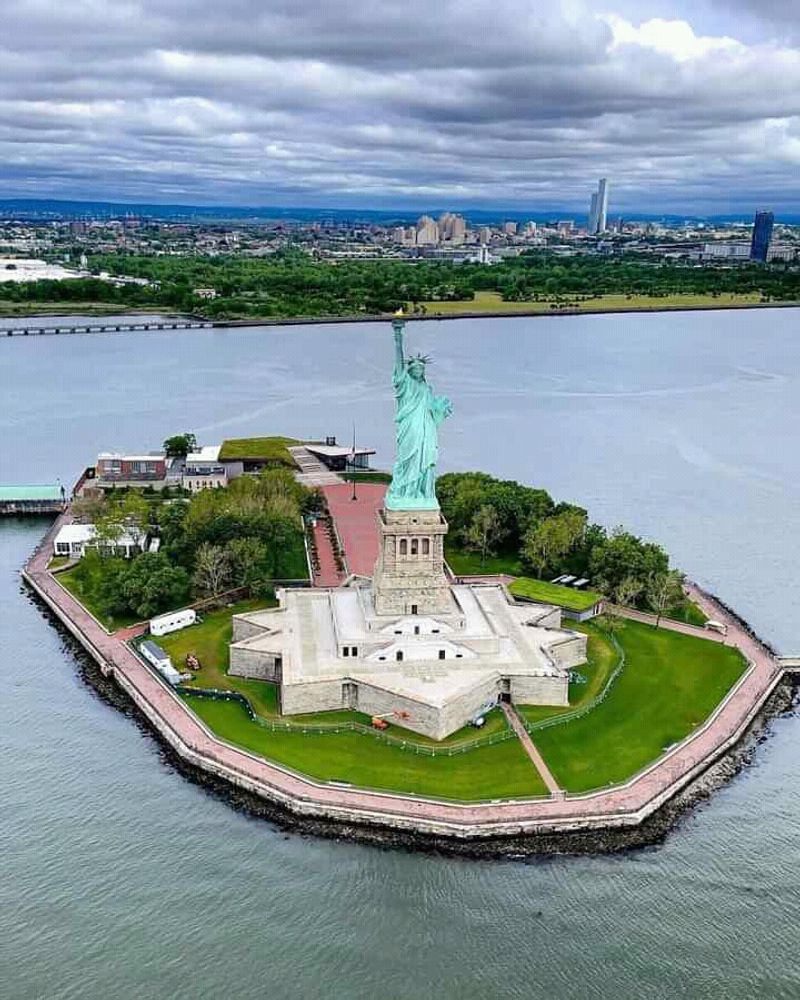
At roughly $363 per person per day, New York City tops this list with the kind of confidence only a city nicknamed “The Big Apple” could pull off. That means a seven-day solo trip averages around $2,541 before a single flight is booked.
At the luxury end, daily spending can blow past $1,100 without much effort at all.
Hotels in desirable neighborhoods are rarely cheap, and Broadway tickets, rooftop cocktails, and museum admissions pile on fast. The subway is genuinely one of the best bargains the city offers, and leaning on it heavily can save real money.
Free options like Central Park, the Brooklyn Bridge walk, and waterfront promenades help offset the damage.
Still, centrally located lodging remains stubbornly expensive regardless of season. Travelers who plan carefully and prioritize free or low-cost experiences can trim the bill noticeably.
But for most visitors, New York simply costs what it costs, and the city makes no apologies for it.
Aspen, Colorado
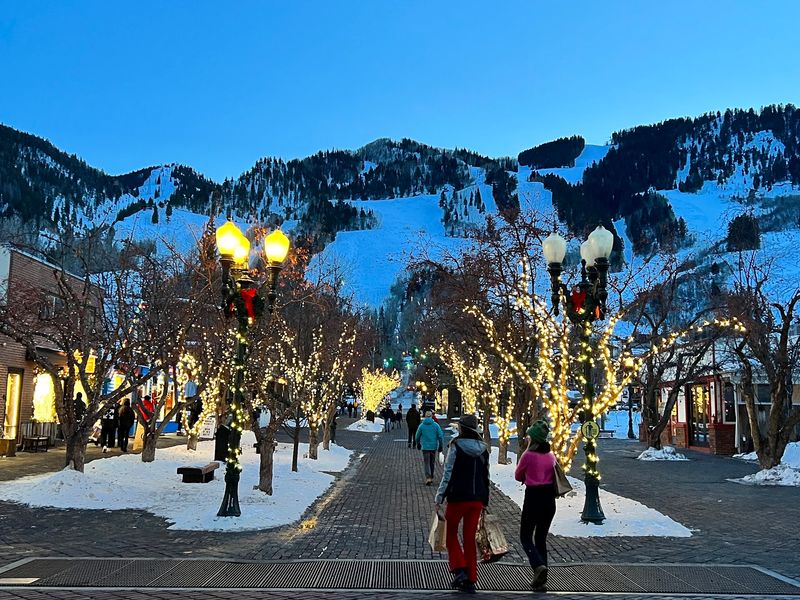
Ski towns have a reputation for being pricey, and Aspen takes that reputation and runs with it downhill at full speed. The typical visitor spends around $355 per day, with food alone averaging $146 and local transportation adding another $56 on top.
A week for two clocks in at nearly $5,000 before anyone buys a plane ticket to Colorado.
Ski season is where costs become truly unforgiving. Lift tickets, equipment rentals, resort-area restaurants, and airport transfers can all hit simultaneously without warning.
Aspen has also grown well beyond skiing, hosting film, food, music, and cultural events that keep demand, and prices, high year-round.
Budget-minded visitors can ride the free local bus network and target shoulder seasons for slightly gentler rates. However, limited mountain accommodation options and a deeply luxury-oriented resort economy make genuine bargains hard to find.
Aspen is beautiful, lively, and worth experiencing, but it rarely lets visitors forget how exclusive it really is.
Zurich, Switzerland
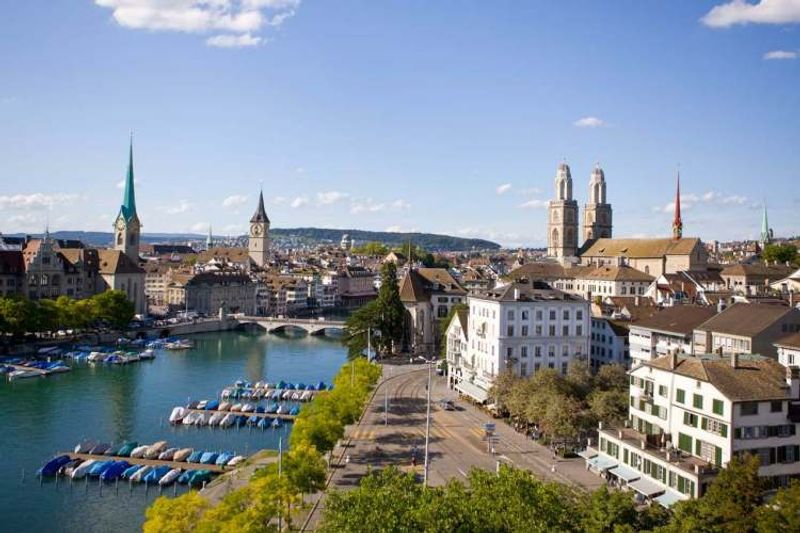
Zurich does not need a luxury hotel or a Michelin-starred dinner to feel expensive. Everyday activities across this Swiss city carry prices that reflect one of Europe’s highest-cost economies, producing a typical visitor spend of about $350 per person per day.
Even a casual lunch or a short tram ride can feel like a small financial event.
The city’s appeal is hard to argue with. The historic Altstadt straddles the Limmat River beautifully, and Lake Zurich offers swimming, boat trips, and clear views toward the Alps on a good day.
Climbing to free viewpoints like Lindenhof or simply wandering the old town costs nothing and delivers a lot.
Accommodation and restaurant meals, though, stay expensive regardless of how cleverly a traveler plans. Those two categories alone make Zurich one of Europe’s toughest cities to visit on a tight budget.
Visitors who go in knowing this tend to enjoy it far more than those who arrive expecting European prices and find Swiss ones instead.
Maldives
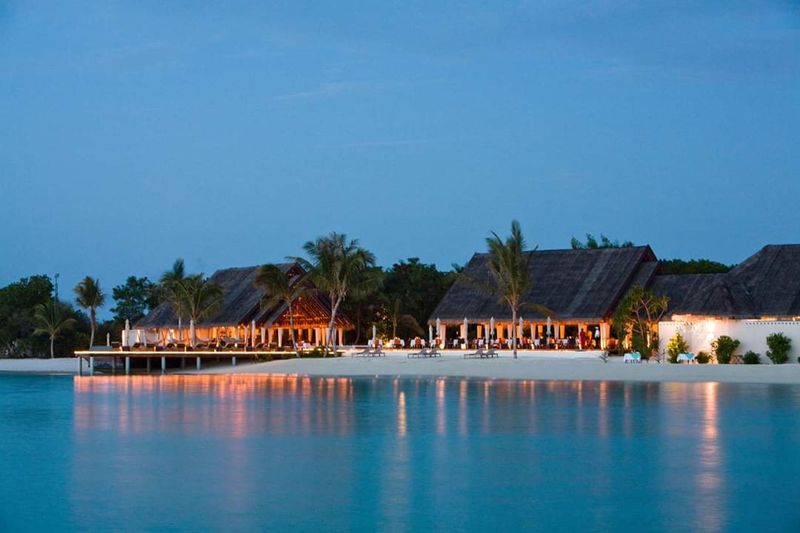
Few places on earth weaponize paradise quite like the Maldives. The typical daily spend sits around $350 per person, but that headline number conceals a wild range between a basic local-island guesthouse and a private-island resort where your villa floats above a lagoon.
Luxury travelers average closer to $847 per person per day without blinking.
Transportation alone averages a striking $139 per day, reflecting the speedboats, domestic flights, and seaplanes required to hop between atolls scattered across the Indian Ocean. Food runs about $129 daily per person, and a typical week for two adds up to roughly $4,898.
The isolation that makes the Maldives feel magical is also what makes it expensive.
Staying on local islands rather than private resort islands can reduce costs noticeably. Guesthouses, local restaurants, and public beaches offer a more accessible version of the Maldivian experience.
Even so, getting there and moving around the archipelago guarantees that the transportation bill stays stubbornly high no matter which accommodation style a traveler chooses.
Maui, Hawaii
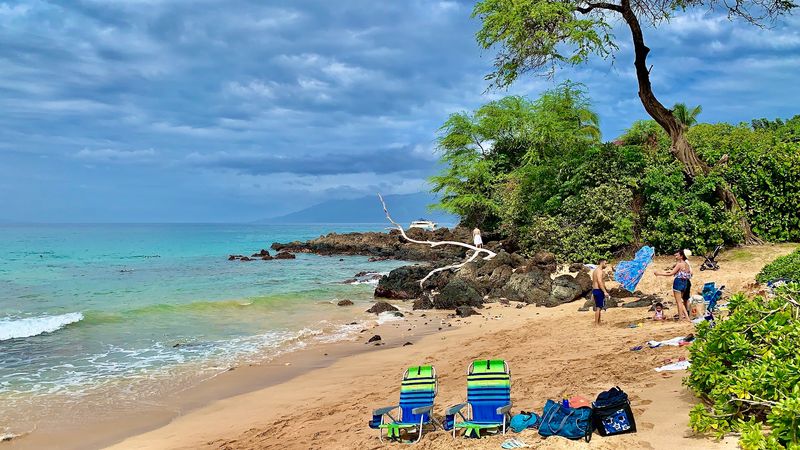
Maui smells like plumeria and sunscreen, and it costs about $343 per person per day to enjoy that combination. A week for two runs roughly $4,802 before flights from the mainland, making it one of America’s most expensive mainstream vacation destinations in 2026.
Food averages $162 per person daily, which is a number that catches many first-timers off guard.
Unlike a walkable city, Maui’s most celebrated landscapes are spread around the island. Haleakala crater, the Road to Hana, and remote beaches all but require a rental car, adding fuel, insurance, and parking fees to an already hefty bill.
Resort areas bundle additional charges into the experience almost automatically.
The good news is that Maui’s best natural features, beaches, scenic drives, hiking trails, and ocean views, cost nothing to look at. Travelers who pack their own snacks, book accommodation away from resort zones, and plan around free activities can stretch the budget further.
But combine a hotel, rental car, meals out, and a few excursions, and the total can climb faster than the summit of Haleakala.
Honolulu, Hawaii
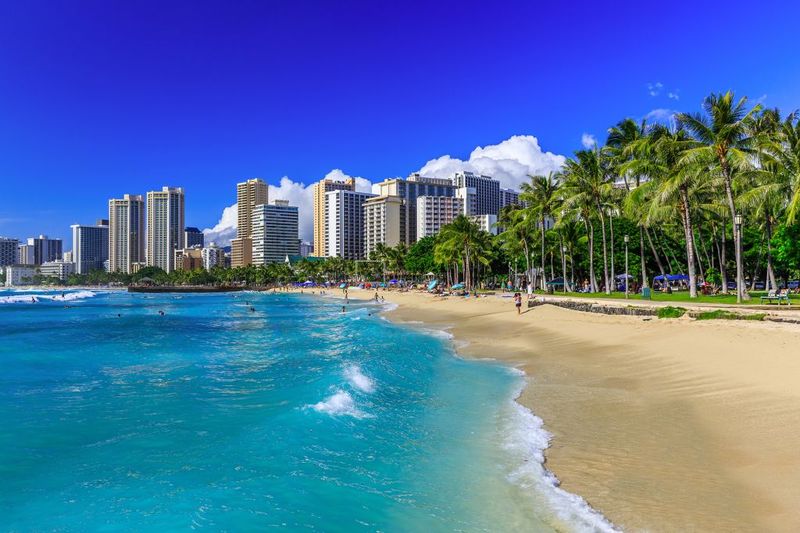
Honolulu proves that Hawaii’s high costs are not exclusive to remote luxury resorts. The typical visitor currently spends around $329 per person per day, and mid-range travelers can easily approach $2,300 for a seven-day stay before flights enter the conversation.
Waikiki concentrates hotels, restaurants, beaches, and shopping into one dense, walkable area, which does reduce the need for a rental car compared to other Hawaiian islands.
That geographic convenience, however, does not automatically make things affordable. Resort-style lodging, paid parking, ocean activity rentals, tours, and sit-down restaurant meals can quietly consume a budget that looked reasonable on paper.
Visitors focused mainly on Waikiki Beach, Diamond Head hikes, and public transportation tend to keep spending under much better control.
Those building an activity-heavy itinerary with boat tours, helicopter rides, luaus, and multiple excursions face a very different financial reality. Honolulu offers genuine value in its free beaches, historical sites, and walkable neighborhoods.
The trick is identifying which parts of the experience cost nothing and building the trip around those before adding paid extras carefully and selectively.
Venice, Italy
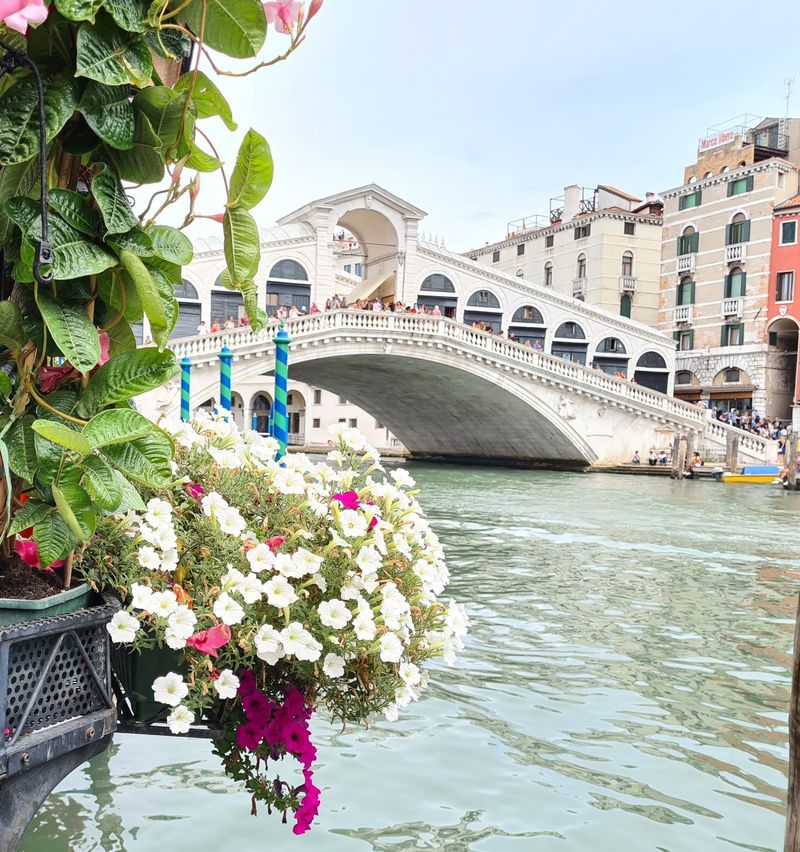
Venice is one of those cities where even standing still in the wrong piazza can cost you money. The typical traveler spends around $320 per day, with meals averaging about $130 per person and a typical double hotel room running approximately $278 per night.
A week for two lands near $4,487 before long-distance transportation is factored in.
Day visitors also encountered Venice’s experimental Access Fee in 2026, charged on selected high-traffic dates at five euros for early bookings and ten euros for later ones. That particular fee period ended on July 26, so it no longer applies as of now.
Overnight guests avoid the day-tripper charge but face accommodation taxes and significantly higher lodging costs instead.
Venice’s compact layout encourages walking, which at least keeps local transportation costs lower than many destinations on this list. Vaporetto water bus fares, museum entries, canal-side restaurant markups, and the ever-tempting gondola ride can still send the daily total climbing.
Travelers who research free churches, public viewpoints, and less-visited neighborhoods consistently report a more manageable experience.
Mykonos, Greece
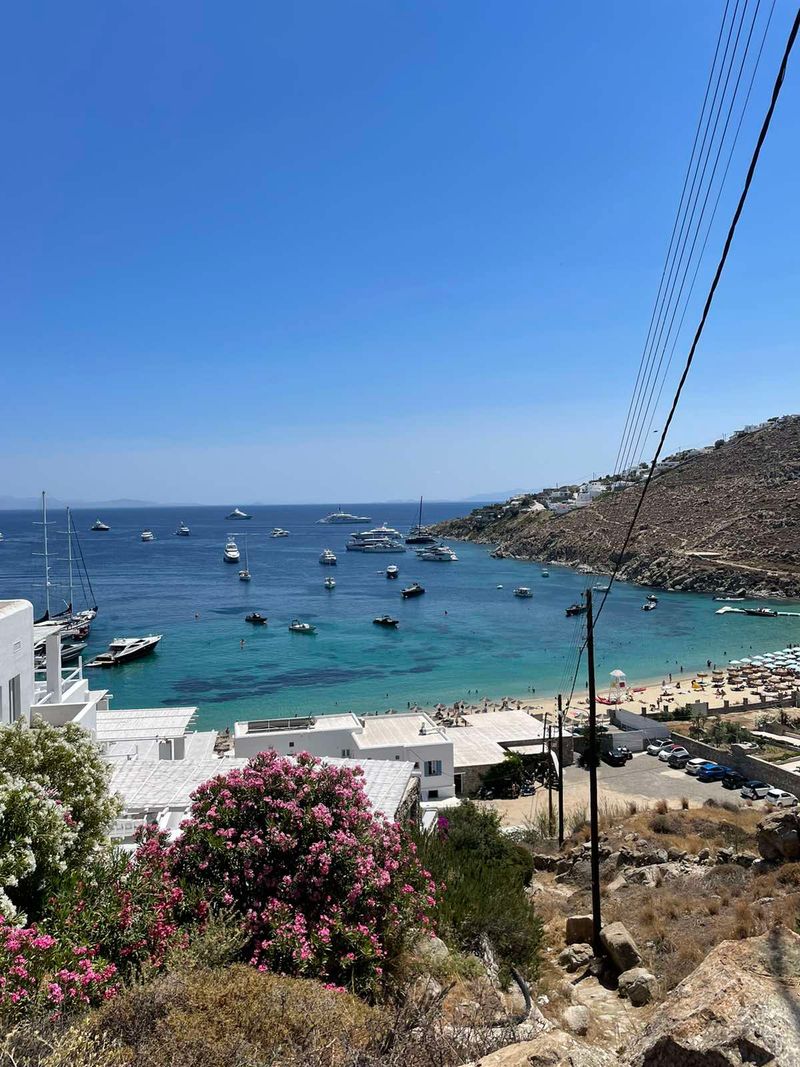
Mykonos has spent years building a brand around whitewashed glamour, beach clubs, and nightlife that starts at midnight, and the price data confirms the brand is working. A typical traveler currently spends about $316 per day, with meals averaging $96 and local transportation adding $28.
A week for two comes to roughly $4,421 in total spending.
Hotel pricing swings dramatically with the season. A typical room runs around $171 per night in the low season but jumps to approximately $319 during peak summer, before taxes and fees are added.
Luxury properties climb well beyond that, and summer availability in prime locations disappears fast if bookings are delayed.
Visitors who stay outside the most sought-after areas, use the island’s bus network, and sidestep the premium beach clubs can experience Mykonos at a noticeably lower cost. The famous nightlife scene, though, is almost impossible to enjoy cheaply.
Bottle service, cover charges, and late-night dining near the waterfront represent a financial commitment that budget-focused travelers should price out honestly before committing to a summer visit.
Reykjavik, Iceland
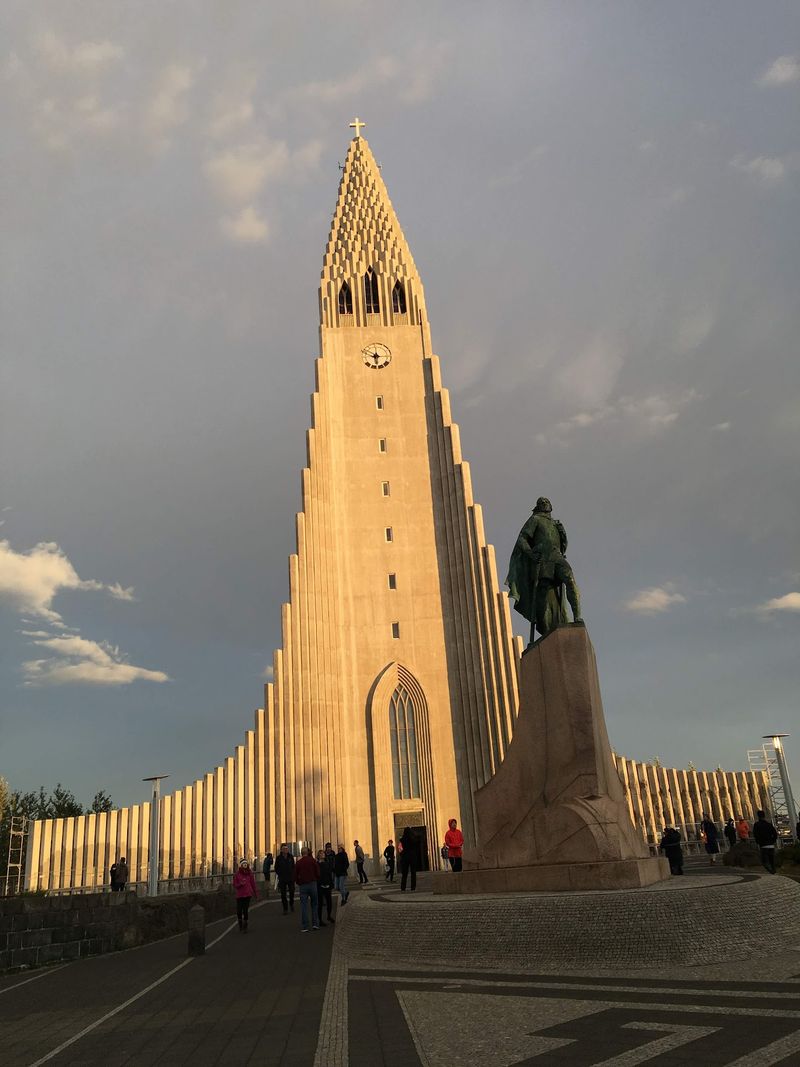
Reykjavik sits at the edge of the world and charges accordingly. The typical daily traveler spend is approximately $311 per person, making a seven-day stay average around $2,177 before flights.
Higher-end travelers can push past $900 per day, and the spending data shows that accommodation and transportation are the two heaviest contributors to that total.
The capital is compact and perfectly walkable, but most visitors treat it as a launching pad rather than a final destination. Waterfall hikes, glacier walks, geothermal pools, volcanic landscapes, and northern lights tours are all significant draws, and organized excursions for any of those add another considerable layer of expense on top of base city costs.
Savvy travelers save through hostels, supermarket meals, free city walks, and affordable public swimming pools, which are genuinely beloved by locals. Restaurant meals and alcohol, however, are strikingly expensive even by European standards.
Spontaneous spending, the kind that feels harmless in cheaper cities, can produce genuinely alarming totals in Reykjavik if a traveler is not actively tracking each purchase throughout the trip.
Paris, France

Paris costs the typical traveler around $308 per day in 2026, and accommodation is where that budget feels the most pressure. A typical double room runs approximately $356 per night, which is a number that surprises many visitors who associate France with romantic affordability.
Meals average about $84 per person daily, and a week for two approaches $4,308 before flights are added.
Lodging also carries a separate tourist tax that varies by property category, adding a small but consistent nightly charge. The Paris tourism authority lists per-night rates across a wide range, from modest to genuinely palace-level pricing for premium properties.
Booking early and targeting accommodations slightly outside the most central arrondissements can reduce the nightly hit meaningfully.
Paris does offer something genuinely rare among expensive cities: a wealth of free or low-cost experiences that are actually worth doing. Public parks, outdoor markets, riverside walks, and several major museum collections with periodic free-entry dates give budget-focused visitors real options.
Sightseeing costs can be managed well here; accommodation is simply the line item that refuses to cooperate no matter how creatively a traveler plans.
London, England
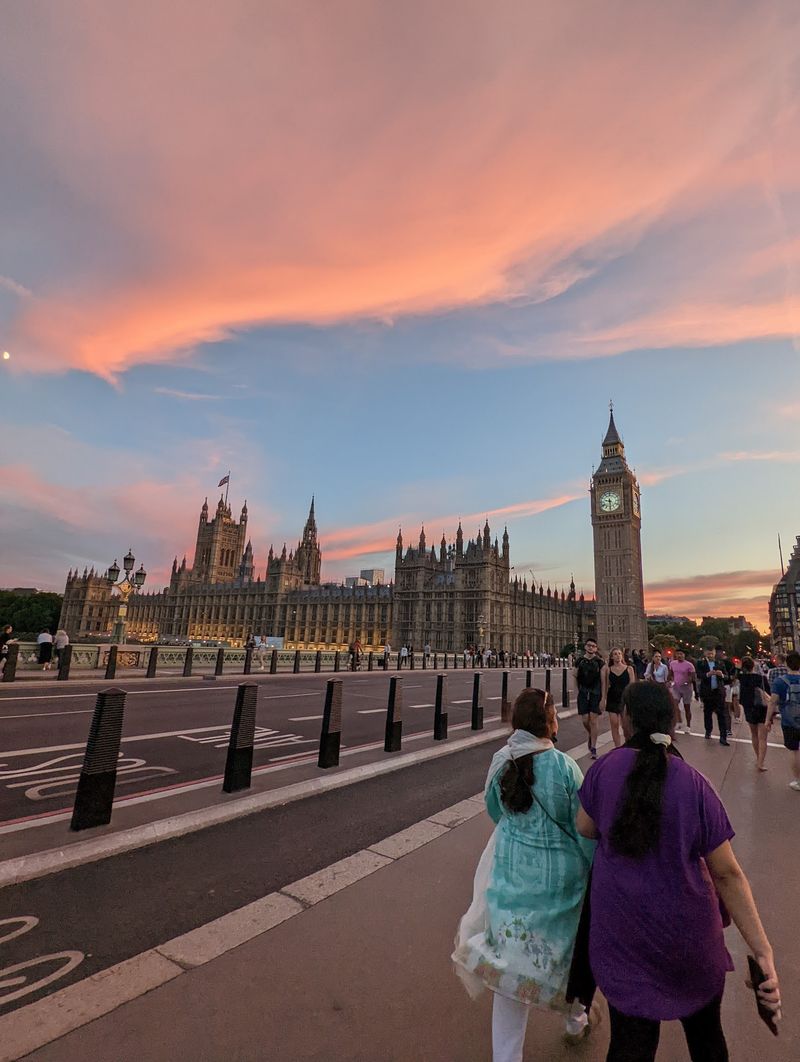
London currently costs the typical traveler around $292 per person per day, with higher-comfort choices pushing that figure past $800 daily. Ticketed attractions contribute meaningfully to the total.
The London Eye starts from around 33 pounds, the Tower of London from 37 pounds, Westminster Abbey from 31 pounds, and the Warner Bros. Studio Tour from 94 pounds per ticket.
Stack a West End show, a central hotel, restaurant meals, and a few of those paid attractions into the same week, and the bill grows surprisingly fast. London’s transport network is extensive and reliable, but Oyster card fares in central zones add up across a busy sightseeing schedule.
Airport transfer costs from Heathrow are also higher than many travelers anticipate.
London’s biggest budget advantage is one that genuinely sets it apart from most expensive cities: world-class museums, including the British Museum, the National Gallery, and the Natural History Museum, are free to enter. Sprawling parks, vibrant markets, and iconic neighborhoods like Shoreditch and Notting Hill cost nothing to explore.
Visitors who anchor their itinerary around free experiences and add paid attractions selectively can keep London surprisingly manageable.
Monaco
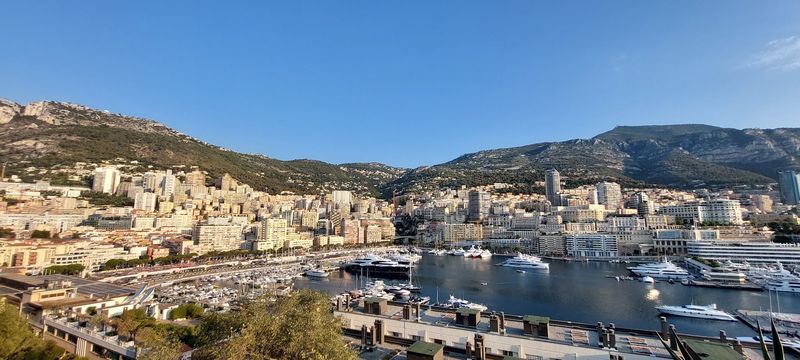
Monaco is smaller than Central Park and somehow still manages to be one of the priciest places on the planet to spend a week. The typical visitor spends about $289 per person per day, with meals alone averaging around $112 daily.
A week for two lands near $4,048, and that is before anyone steps into a casino or books a table at a waterfront restaurant with a dress code.
At the luxury end, daily spending climbs to approximately $575 per person, and the hotel market in Monaco operates in a category that makes other expensive cities look modest. The principality’s tiny size does at least limit transportation expenses, since most of it is walkable once a visitor arrives.
Travelers based across the border in France can visit Monaco as a day trip at considerably lower overall cost.
Choosing to stay inside Monaco and participate fully in its casino culture, Michelin-starred dining, and luxury hotel scene is a completely different financial commitment. The Grand Prix circuit, the palace, and the harbor views are accessible without enormous expense.
But Monaco rarely rewards visitors who come expecting a budget-friendly experience; the entire principality is essentially one large premium destination.
Dubai, United Arab Emirates
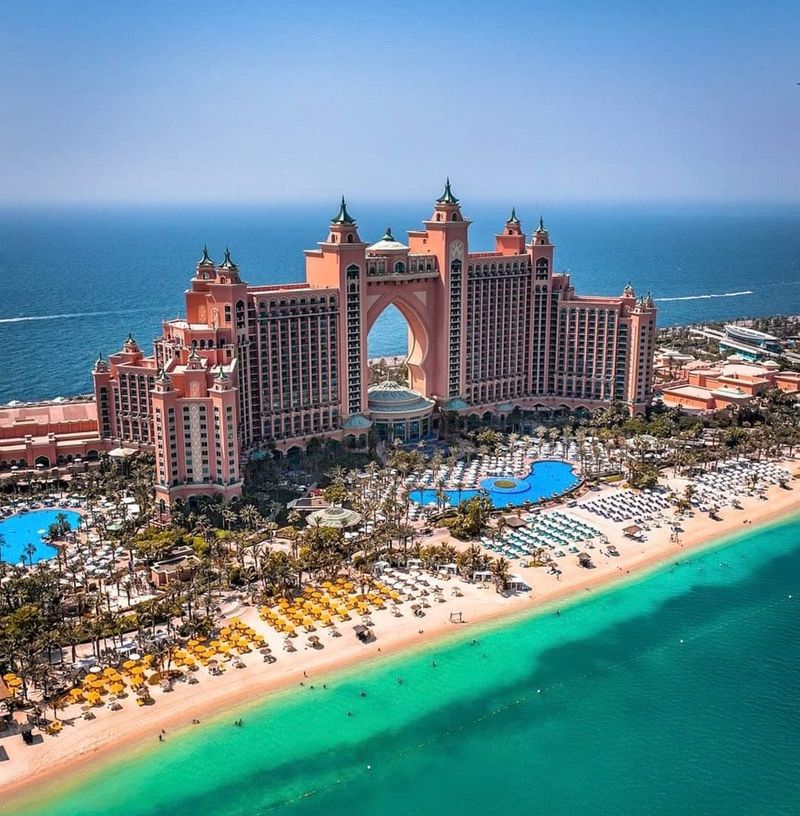
Dubai averages about $289 per person per day for a typical traveler, placing it firmly in expensive-city territory even though budget hotels and cheap eats genuinely exist here. What makes Dubai particularly skilled at producing shocking final bills is not the baseline cost but the sheer volume of premium upgrades available at every turn.
The city is essentially an upgrade machine.
The official tourism board actively promotes luxury hotels, fine dining, desert safari experiences, water parks, beach clubs, high-end shopping, and major ticketed attractions. Each of those can be layered onto an otherwise ordinary trip without much resistance from the itinerary.
Observation deck tickets, private desert tours, and resort beach access all carry price tags that feel reasonable in isolation but combine into something significant.
Travelers who use the Metro, stay in standard hotels, and focus on neighborhoods, public beaches, and free attractions like the Dubai Frame exterior or the Gold Souk can spend considerably less than the typical average. The Metro is genuinely excellent and very affordable.
Dubai rewards travelers who plan with intention, but it also has an uncanny ability to separate impulsive spenders from their money faster than almost anywhere else on this list.
Share this story