Most people flock to the same handful of famous small towns every year, only to find bumper-to-bumper traffic and overpriced coffee. But America is packed with quieter gems that deliver just as much charm, history, and outdoor adventure without the circus.
From Appalachian art communities to Victorian seaports and Driftless-region river villages, these 11 towns prove that the best discoveries are often the ones nobody is talking about yet.
Wallace, Idaho
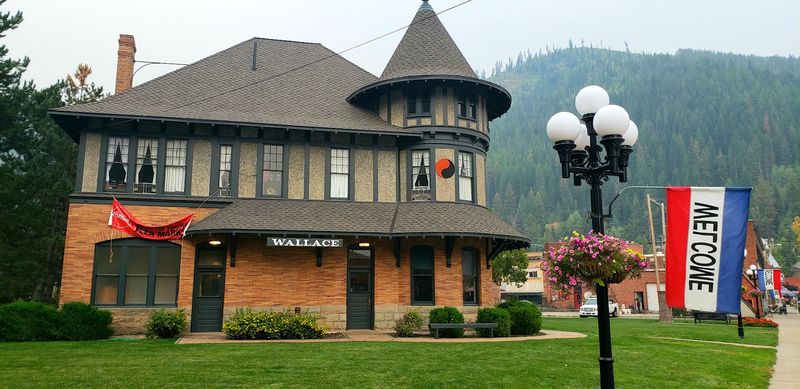
Every single building in downtown Wallace is listed on the National Register of Historic Places. That is not a marketing stretch; it is a genuine, verified fact that makes this Idaho mining town unlike almost anywhere else in the country.
Shoshone County has pulled roughly 1.2 billion ounces of silver from the earth since 1884, according to Visit Idaho, and the architecture left behind tells that story better than any museum exhibit could.
Visitors can head underground on a guided tour of the Sierra Silver Mine, browse the Wallace District Mining Museum, or poke around the Northern Pacific Railroad Museum. The history here is layered and surprisingly engaging, even for people who do not usually get excited about industrial heritage.
Outside of town, the Route of the Hiawatha offers one of the most scenic cycling experiences in the Pacific Northwest, winding through old railroad tunnels and trestles above dramatic mountain terrain. Silver Mountain Resort sits about 20 minutes west for skiing or summer gondola rides.
Wallace delivers authentic mining-era character and outdoor adventure without the resort-town price tag or the crowds that follow Idaho’s more famous destinations.
Lanesboro, Minnesota
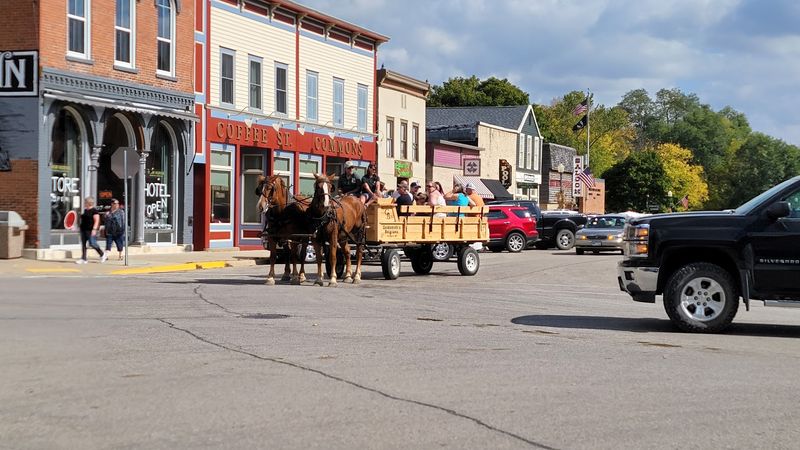
Lanesboro is the kind of town that makes you want to cancel your original vacation plans. Nestled among the limestone bluffs of southeastern Minnesota’s Driftless region, it combines a professional theater company, a historic downtown, and 42 miles of dedicated trail in a package that most travelers have never heard of.
The Root River State Trail runs directly through town along a converted railroad corridor, passing farms, wooded bluffs, and small historic settlements along the way.
The Commonweal Theatre brings genuinely polished performances to this tiny community, which feels delightfully out of proportion for a town this size. Downtown galleries, independent cafes, and locally owned shops fill buildings that are listed on the National Register of Historic Places.
You can park your car once and spend an entire day switching between cycling, browsing art, eating well, and watching the river.
Kayaking, tubing, and trout fishing add even more options for those who want to spend time on the Root River itself. Lanesboro draws a loyal crowd of repeat visitors who return each season, and it is easy to understand why.
The mix of culture, scenery, and outdoor activity here punches well above what the town’s small population would suggest.
Decorah, Iowa
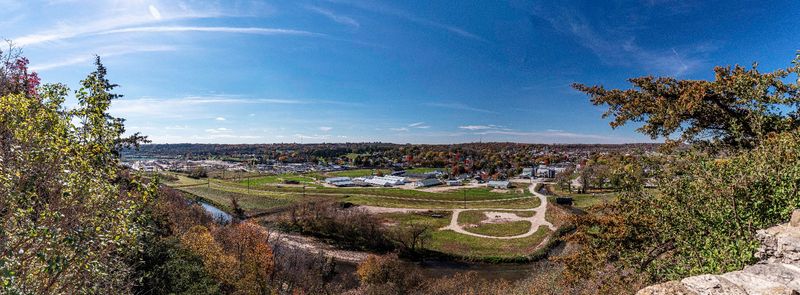
Iowa surprises people, and Decorah is one of the main reasons why. Tucked into the state’s northeastern corner within the glacially untouched Driftless Area, the town sits among limestone bluffs, river valleys, and rugged terrain that looks nothing like the flat agricultural landscape most outsiders picture when they think of Iowa.
Dunning’s Spring Park drops a waterfall and cliff-lined hiking trails almost directly into the edge of town.
Decorah is also home to Vesterheim, one of the most significant Norwegian-American cultural institutions in the country. With around 33,000 artifacts, a folk-art school, and a heritage park featuring 12 historic buildings, it offers a genuinely deep look at Scandinavian immigrant history.
The museum alone is worth the drive from Minneapolis or Madison.
Beyond the cultural draw, Decorah has breweries worth visiting, a lively independent downtown, excellent trout streams, and bike routes that wind through the surrounding countryside. Bald eagles are spotted regularly along the Upper Iowa River, especially in winter months when dozens gather near open water.
Few Midwestern towns pack this much variety into such a manageable, walkable footprint. Decorah earns its reputation among those lucky enough to know about it.
Thomas, West Virginia
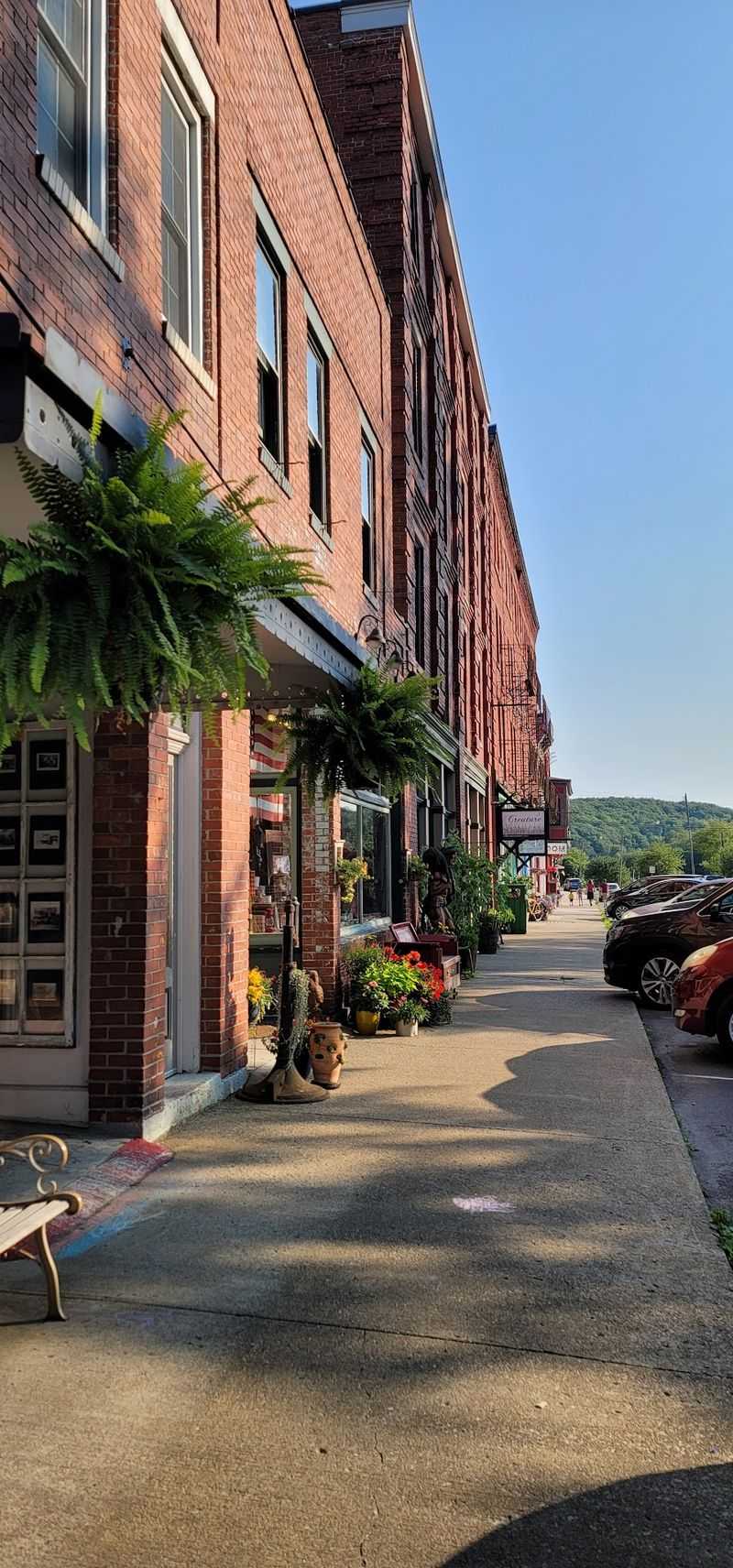
Walk down East Avenue in Thomas, West Virginia, and you might do a double-take. Old coal-country brick buildings now house galleries, music venues, and quirky independent shops, making this tiny Appalachian town feel like a creative surprise tucked inside the mountains.
The Purple Fiddle, highlighted by West Virginia Tourism, hosts live music throughout the week and draws visitors who had no idea a venue this good existed at this altitude.
Thomas sits near Monongahela National Forest, so the cultural scene comes with serious outdoor credentials. Hiking, mountain biking, and scenic drives are all within easy reach.
Nearby Davis adds more dining options and serves as a gateway to Blackwater Falls State Park, where the waterfall and canyon views are genuinely jaw-dropping.
The town is compact enough to explore on foot in an afternoon, but interesting enough to keep you busy for a whole weekend. Regional artists show their work in the galleries along the main strip, giving visitors a real sense of Appalachian creative identity.
Thomas is the kind of place you stumble onto and then quietly tell your closest friends about.
Ocean Springs, Mississippi
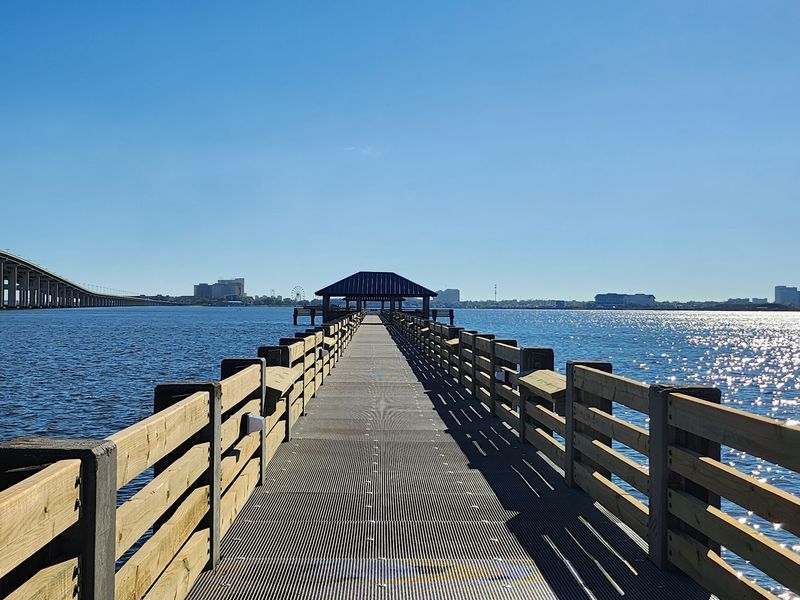
Ocean Springs is the Gulf Coast’s best-kept secret, and it is not trying too hard to stay that way. While neighboring Biloxi pulls attention with its casinos and resort hotels, Ocean Springs quietly operates as a walkable creative community with more than 200 independent shops, galleries, restaurants, and nightlife venues, according to Visit Mississippi.
The vibe here is relaxed, artistic, and genuinely local in a way that feels rare on this stretch of coastline.
The Walter Anderson Museum of Art is the cultural centerpiece of town, celebrating the work of a Mississippi artist whose vivid paintings of Gulf Coast wildlife, plants, and barrier islands earned him a devoted following. Seeing his murals and watercolors in person adds real weight to the town’s artistic reputation.
The museum is small but memorable.
Just three miles from downtown, the Davis Bayou section of Gulf Islands National Seashore offers trails, boardwalks, boating access, and quiet spots to watch coastal birds and wildlife. That combination of national park land, independent arts, seafood restaurants, and actual beaches gives Ocean Springs a depth that most towns twice its size cannot match.
Plan for at least two full days here.
Bisbee, Arizona
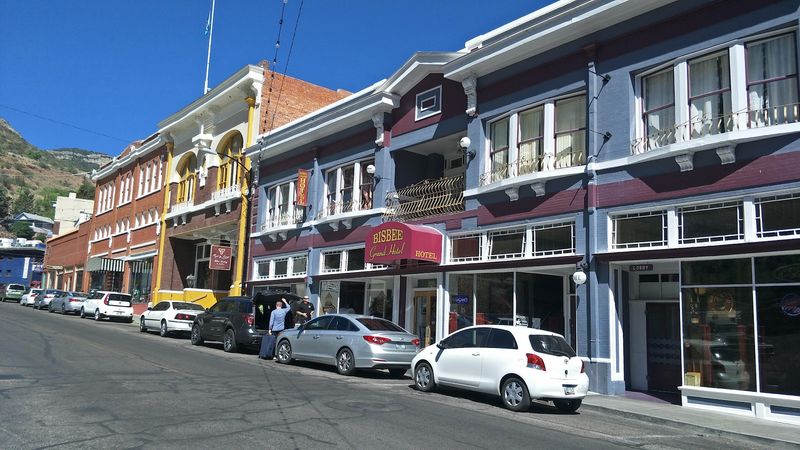
Bisbee looks like someone stacked a century’s worth of history onto a mountainside and forgot to tell the rest of Arizona about it. Perched in the Mule Mountains just 15 miles from the Mexican border, the town’s crooked streets and brightly painted buildings climb terrain that would discourage most city planners.
The Copper Queen Mine once made this one of the most productive mining operations in the Southwest, pulling copper, gold, silver, zinc, and lead from the earth until the 1970s.
After the mines closed, artists and independent businesses moved in and gave Bisbee a second life. Today, galleries and boutiques fill old commercial buildings, and the town has developed a reputation as one of Arizona’s more unconventional creative communities.
It does not feel like a resort or a planned tourist district; it feels like a real place that happened to get interesting.
Underground tours of the Copper Queen Mine let visitors ride about 1,500 feet into the mountain for a firsthand look at where all that wealth came from. The experience is genuinely cool, especially in summer when the mine stays a crisp 47 degrees inside.
Bisbee rewards slow exploration and curious visitors willing to wander uphill.
Silverton, Oregon
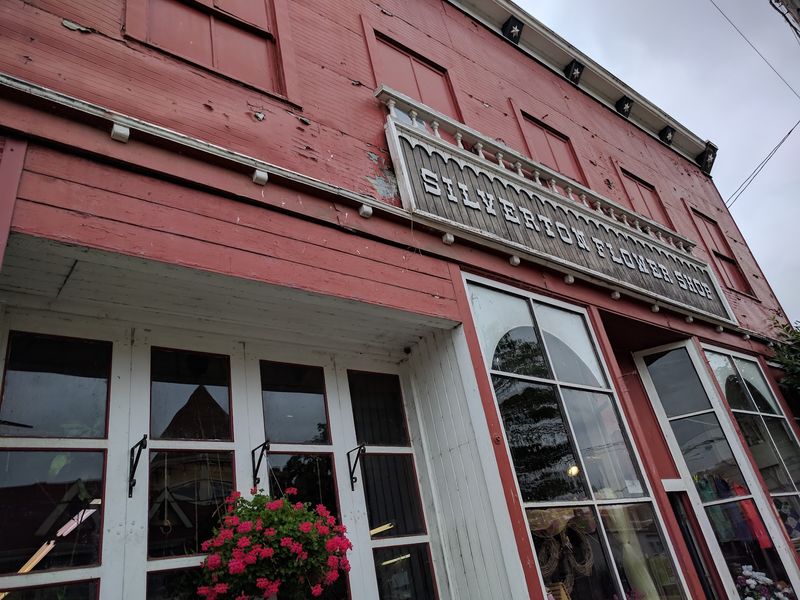
Silverton sits only 15 miles east of Salem, which makes it one of Oregon’s most underused day-trip destinations. Known as the state’s Garden City, Silverton is anchored by the Oregon Garden, an 80-plus-acre botanical showcase that draws plant lovers from across the Willamette Valley.
Downtown adds a strong collection of large-scale murals and locally owned businesses that give the streets real personality without feeling staged.
The town’s biggest card, though, is Silver Falls State Park, located just outside of town. The Trail of Ten Falls loops through dense old-growth forest past a remarkable series of waterfalls, some of which you can actually walk behind.
Travel Oregon promotes Silverton specifically as a place where gardens, public art, and waterfall hiking can all fit into a single trip, which is an accurate and appealing pitch.
Silverton manages to feel connected to the broader Willamette Valley without being swallowed by the area’s busier tourism hubs like Salem or the wine country towns to the north. The pace is slower, the parking is easier, and the scenery is legitimately stunning.
If you are planning an Oregon trip and have not put Silverton on the list, consider this your nudge to add it.
Port Townsend, Washington
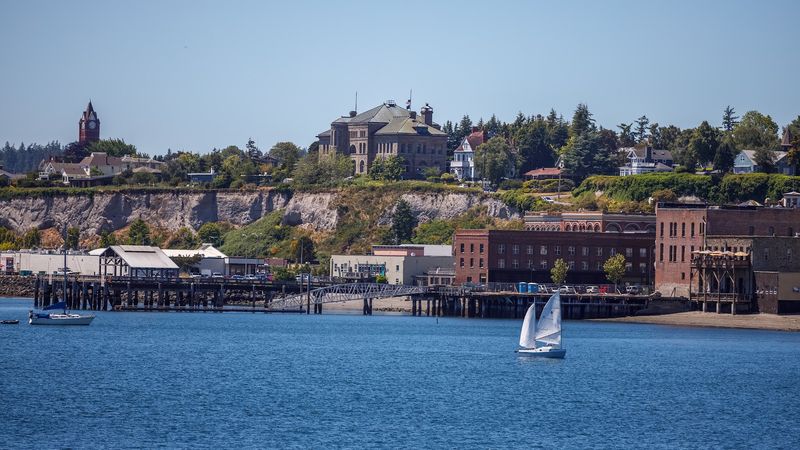
Port Townsend is what happens when a Victorian building boom gets frozen in time in the best possible way. Occupying the northeastern tip of Washington’s Olympic Peninsula, the town’s downtown district is packed with elaborate late-19th-century commercial buildings that have been maintained rather than replaced.
Washington’s tourism office calls it a walkable Victorian-era seaport with a thriving creative district and deep roots in wooden-boat culture, which is an accurate description that still undersells the place a little.
Fort Worden Historical State Park sits just north of downtown and overlooks Admiralty Inlet from a dramatic bluff. Old coastal gun batteries, beaches, forested trails, museums, and cultural facilities are all spread across the park’s grounds.
The park also hosts arts events and conferences throughout the year, adding another layer to an already busy cultural calendar.
Port Townsend works beautifully as a slower base before heading into Olympic National Park, but the town itself gives visitors plenty of reasons to stay put. Bookstores, galleries, maritime workshops, seafood restaurants, and waterfront walks fill the days easily.
The ferry connections add a sense of nautical adventure without requiring your own boat. Few towns on the West Coast balance history, culture, and scenery this effortlessly.
Bayfield, Wisconsin
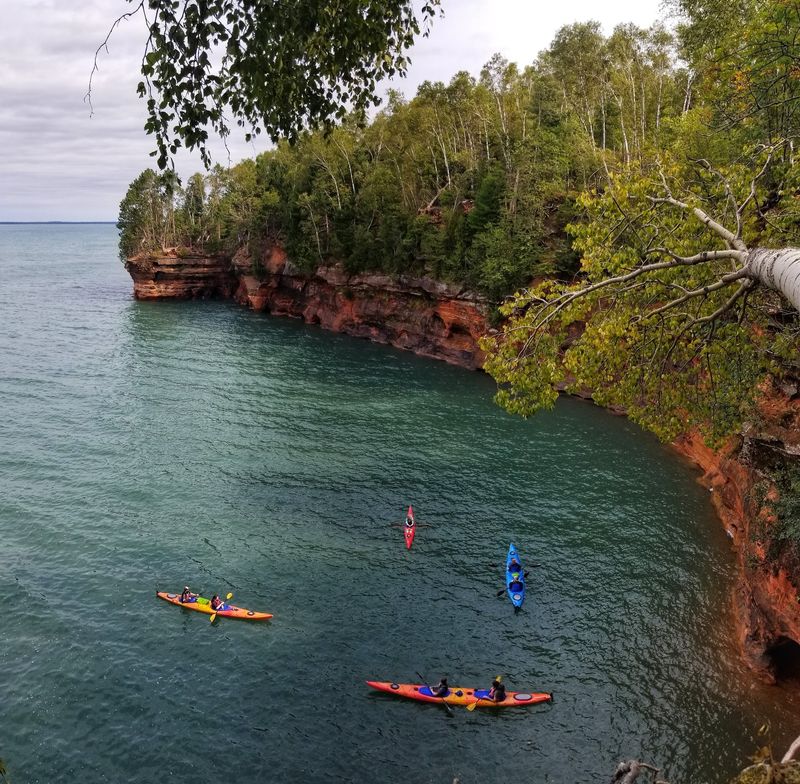
Standing on the Bayfield waterfront and looking out at Lake Superior, it is easy to forget you are in Wisconsin. The water stretches to the horizon like an inland ocean, and the Apostle Islands dot the distance like a scene from a nautical calendar.
This tiny Lake Superior port town serves as the main departure point for sailing trips, kayaking excursions, island ferry rides, lighthouse visits, and sea cave explorations that make the Apostle Islands National Lakeshore one of the Midwest’s most spectacular outdoor destinations.
What makes Bayfield extra interesting is the landscape behind the water. The surrounding Bayfield Peninsula is covered in orchards and berry farms that thrive in the lake-moderated climate.
The annual Bayfield Apple Festival brings thousands of visitors each fall and has become one of the community’s most beloved traditions. Travel Wisconsin also highlights local arts, outdoor theater, and year-round recreation opportunities.
Bayfield shifts personality with the seasons in a way that keeps it fresh for repeat visitors. Summer means sailing and fruit picking; fall brings color so vivid it looks slightly unreal; winter draws ice fishers and cross-country skiers.
For a town this small, the range of experiences on offer is genuinely impressive and well worth the drive north.
Abingdon, Virginia
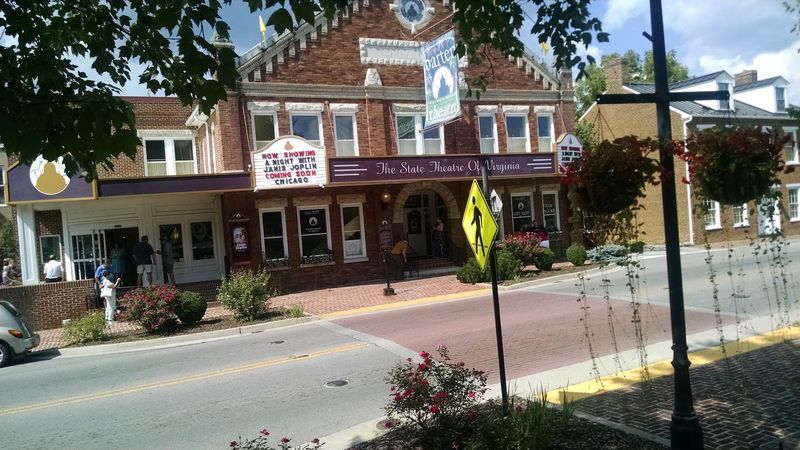
Abingdon punches well above its weight for a small southwest Virginia town, and the Barter Theatre is the clearest proof. Designated as Virginia’s State Theatre, the Barter has been staging professional productions since 1933 and remains a genuine regional performing-arts anchor.
The story behind its name is worth knowing: during the Great Depression, founder Robert Porterfield let audiences pay for tickets with food instead of cash. That kind of creative problem-solving fits the town’s character well.
The 20-square-block Historic District surrounding the theater contains buildings that span centuries, including the Martha Washington Inn, which dates to 1832, and a restored 1870 railroad station now operating as the Arts Depot. Wandering the district on foot reveals architecture and local shops that feel genuinely rooted rather than curated for tourists.
For outdoor enthusiasts, Abingdon sits at one end of the 34-mile Virginia Creeper Trail, a converted railroad corridor that winds through mountain scenery toward Damascus and Whitetop. Virginia’s Crooked Road heritage trail connects the town to the broader Appalachian music tradition, adding fiddle tunes and old-time sessions to a lineup that already includes theater, history, cycling, and Blue Ridge views.
Abingdon is a rare place where culture and nature are equally matched.
Bedford, Pennsylvania
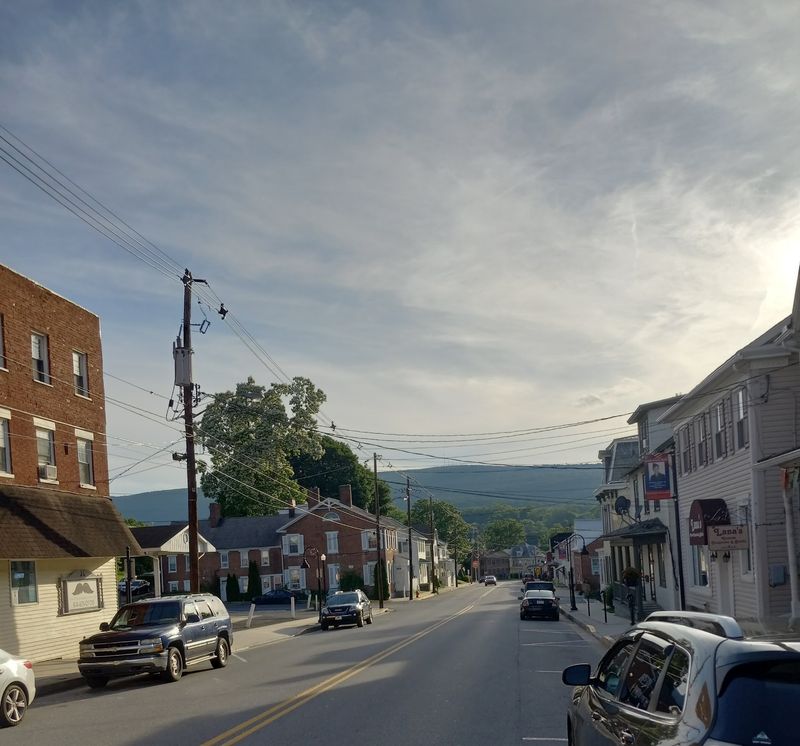
Bedford has been welcoming travelers since before the United States was a country, which gives it a kind of historical credibility that most Pennsylvania weekend towns cannot touch. Fort Bedford was built here by the British in 1758, and the settlement later became famous for its mineral springs, drawing visitors who believed the waters had healing properties.
Ten U.S. presidents have stayed at the nearby Bedford Springs resort, a detail that tends to stop people mid-conversation.
Downtown Bedford is organized around four green public squares, a layout that feels almost European in its unhurried elegance. Historic streets, independent shops, old taverns, and locally owned restaurants surround the squares and give the town a lived-in quality that is increasingly rare.
The calendar fills up with concerts, antiques markets, art events, and a major autumn festival that draws visitors from across the mid-Atlantic region.
The surrounding landscape adds mountain scenery, covered bridges, and quiet back roads that reward slow driving. Bedford sits close enough to major mid-Atlantic cities to function as a practical weekend escape, but it retains the feel of a place that has not been packaged or polished for mass tourism.
That authenticity is exactly what makes it worth seeking out.
Share this story