Throughout history, people from every corner of the world have searched for ways to reach beyond the everyday and touch something greater than themselves. Some methods involved long journeys, extreme fasting, or spinning in circles until the world blurred away.
Others relied on animal bones, sacred mountains, or the flight of birds to carry their questions to the heavens. The variety of these practices shows just how deeply humans have always longed for a connection with the divine.
1. Oracle of Delphi
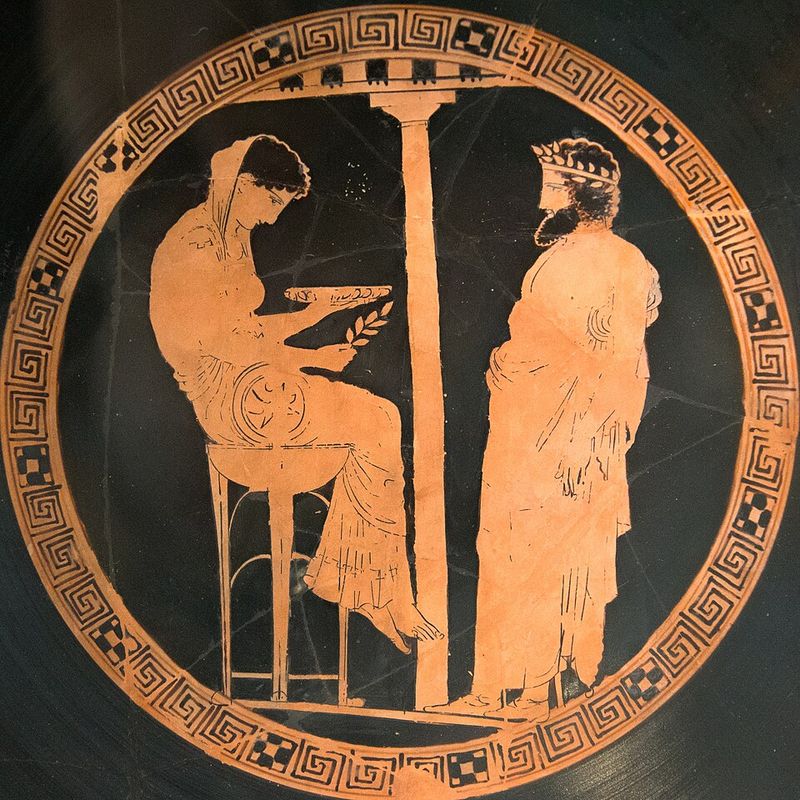
High on the slopes of Mount Parnassus in ancient Greece, a woman known as the Pythia sat at the center of one of the ancient world’s most famous religious sites. Pilgrims traveled from across the Mediterranean to ask Apollo’s priestess their most pressing questions, from matters of war to personal fate.
The Pythia would enter a trance-like state, likely influenced by natural gases rising from below the ground, and deliver cryptic answers. Priests would then interpret her words for the visiting pilgrims.
Her responses often shaped major political and military decisions throughout the ancient Greek world.
The Oracle at Delphi was consulted for nearly a thousand years, from around 800 BCE to 390 CE. Historians and archaeologists have studied the site extensively, finding real geological evidence of gas vents beneath the temple floor.
It remains one of history’s most fascinating spiritual institutions.
2. Vision Quests
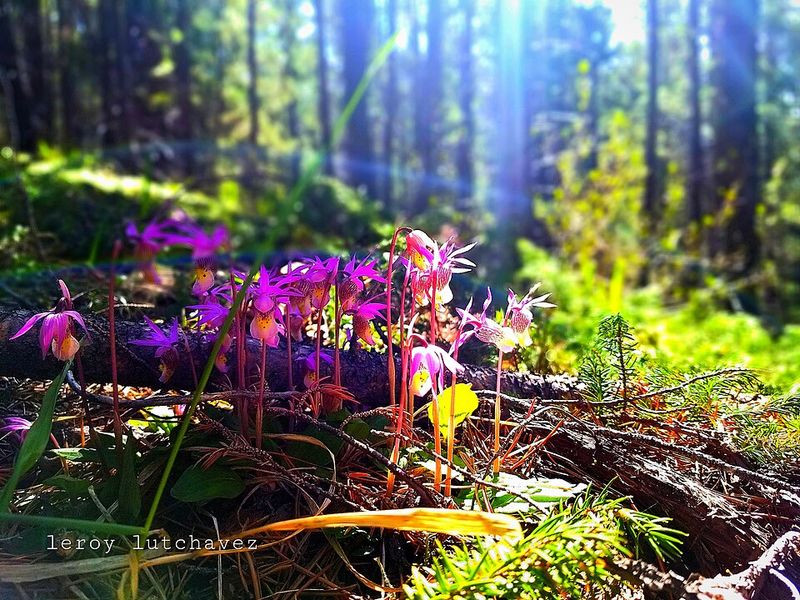
Practiced by various Indigenous peoples across North America, the vision quest is a deeply personal spiritual journey that asks a person to step away from ordinary life entirely. A seeker, often a young person approaching adulthood, would go alone into nature, fasting and praying for days at a time.
The goal was to receive guidance, a vision, or a spiritual encounter that would help define their purpose and identity within their community. Animals, ancestors, or spiritual forces might appear during this time of intense solitude and openness.
Vision quests were not casual events. They required preparation, community support, and a willingness to endure discomfort in service of something larger than oneself.
Elders played an important role in guiding seekers before and after the experience. Many Indigenous communities today continue to honor this tradition as a meaningful rite of passage and spiritual practice.
3. Stylite Monks
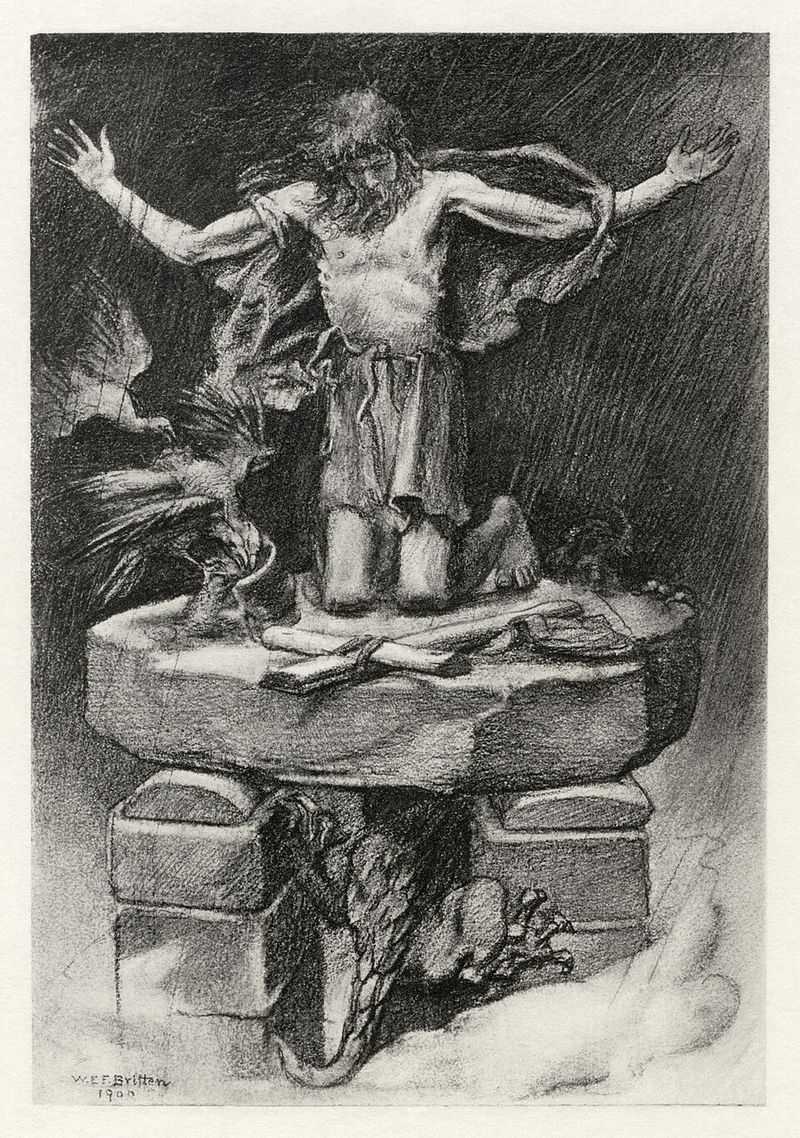
Perched atop a stone pillar more than 15 meters high, Simeon Stylites spent 37 years living in the open air above the Syrian desert. He became the most famous of the stylites, a group of early Christian ascetics who believed that extreme physical hardship could bring them closer to God.
Crowds gathered below to watch and seek his blessing. Simeon would bow in prayer hundreds of times each day, and a disciple would climb up to bring him small amounts of food.
His unusual lifestyle attracted so much attention that he became one of the most visited holy men of his era.
Other stylites followed his example, some living on their platforms for decades. The practice reflected a broader early Christian belief that withdrawing from worldly comfort and pleasure could purify the soul.
While the tradition faded over centuries, Simeon remains a recognized saint in both Eastern and Western Christian churches.
4. Whirling Dervishes
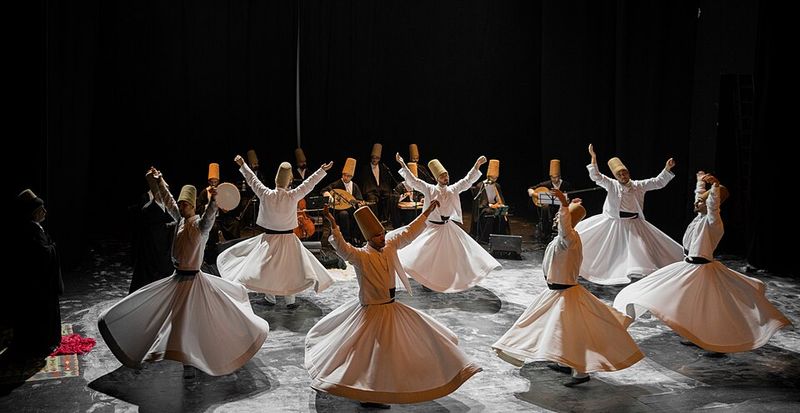
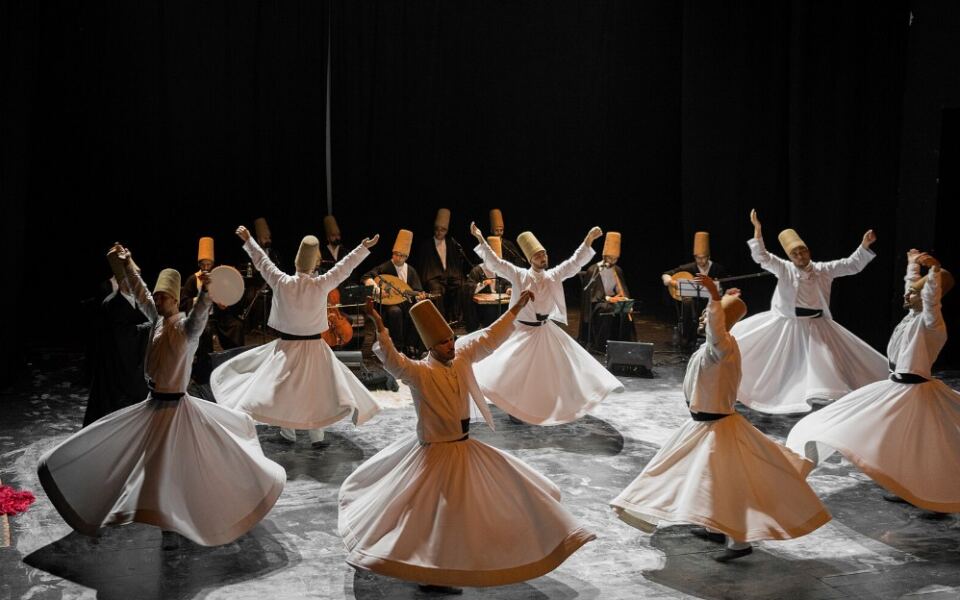
Few spiritual practices are as visually striking as the Sema ceremony performed by the Mevlevi order of Sufi Muslims. Founded in 13th-century Turkey and rooted in the teachings of the poet Rumi, the tradition involves a carefully choreographed spinning ritual intended to bring the participant closer to God.
Dressed in long white robes and tall felt hats, the dervishes spin counterclockwise for extended periods. One hand points upward to receive divine grace, while the other points downward to pass it on to the earth.
The spinning is not random movement; it is meditative, controlled, and deeply intentional.
The Sema represents a spiritual journey through love, the abandonment of ego, and union with the divine. UNESCO recognized the ceremony as an Intangible Cultural Heritage of Humanity in 2008.
Today, the practice continues in Turkey and around the world, attracting both devout participants and curious observers.
5. Ancient Egyptian Dream Incubation
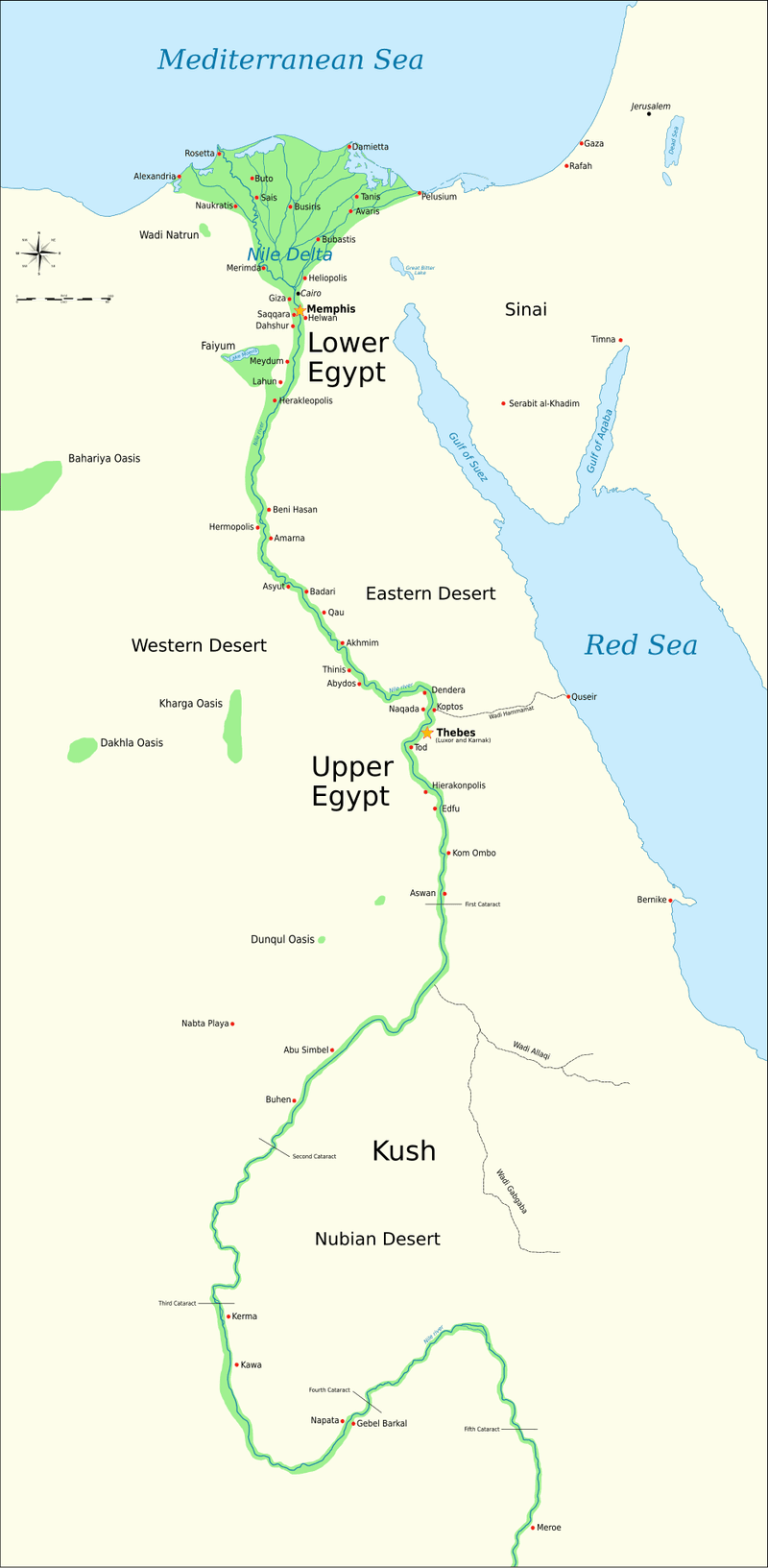
In ancient Egypt, dreams were not just random nighttime experiences. They were considered a direct channel to the divine, a space where gods could speak to ordinary people.
To encourage meaningful dreams, some individuals would sleep inside sacred temples in a practice known as dream incubation.
Pilgrims seeking healing, guidance, or answers to important questions would prepare themselves through prayer, ritual cleansing, and fasting before lying down in a holy space. The god Serapis was particularly associated with dream healing, and his temples became popular destinations for those hoping to receive divine messages while they slept.
Priests played an important role in interpreting the dreams that sleepers reported upon waking. Written records from ancient Egypt include dream interpretation guides, showing just how seriously this practice was taken.
Similar traditions existed in ancient Greece and Rome, suggesting that dream incubation was a widespread and deeply human way of seeking divine contact.
6. Eleusinian Mysteries
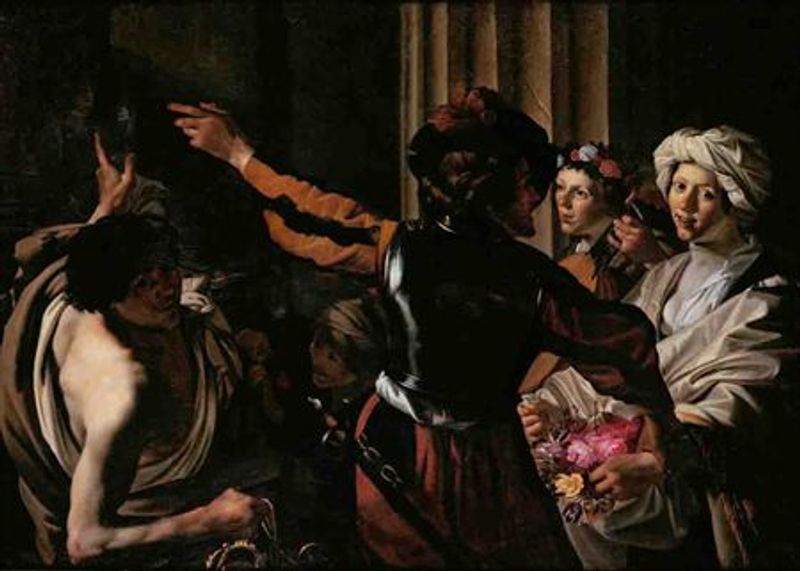
Held near Athens for nearly two thousand years, the Eleusinian Mysteries were among the most important and secretive religious events in the ancient world. Initiates who participated were sworn to silence, and the penalty for revealing what happened inside the ceremonies was reportedly death.
The rites were dedicated to Demeter, goddess of the harvest, and her daughter Persephone, who was said to spend part of each year in the underworld. Participants believed that going through the ceremony gave them special knowledge about death and what lay beyond it, offering hope for a better afterlife.
Thousands of people from across the Greek world, including famous philosophers like Plato and Aristotle, were initiated into the Mysteries over the centuries. Despite the secrecy, scholars have pieced together fragments of what the rituals may have involved.
The Mysteries ended in 392 CE when a Christian emperor banned pagan ceremonies throughout the Roman Empire.
7. Siberian Shamanic Traditions
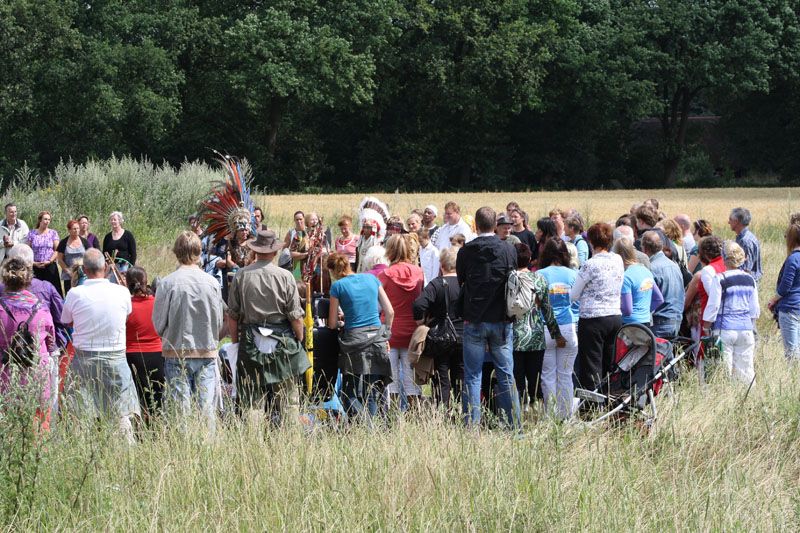
Long before the word shaman entered popular culture, the indigenous peoples of Siberia had developed complex spiritual practices centered on specially gifted individuals who could travel between the human world and the spirit world. These practitioners, known as shamans, used drumming, chanting, and trance states to communicate with spirits on behalf of their communities.
A shaman might be called upon to heal the sick, guide the souls of the dead, predict weather, or locate animals for hunters. The rhythmic beating of a drum was central to the practice, helping the shaman enter an altered state of consciousness.
The drum itself was considered a sacred tool, sometimes described as a vehicle for spiritual travel.
Siberian shamanism influenced spiritual traditions far beyond its homeland, spreading ideas about spirit communication and healing across Central Asia and beyond. Anthropologists have studied these traditions extensively, recognizing them as some of the oldest organized spiritual practices in human history.
8. Tibetan Sky Burial
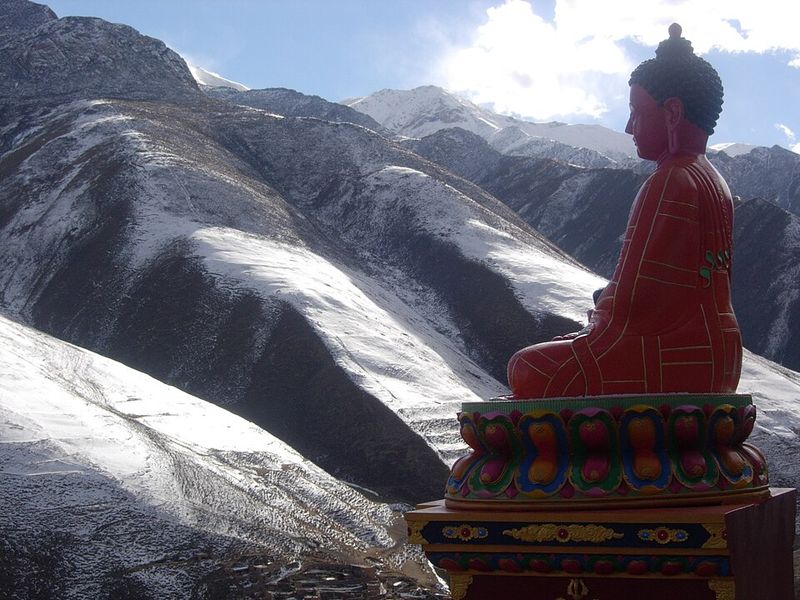
High on the windswept plateaus of Tibet, a funerary practice called sky burial has been carried out for centuries. Rather than burying or cremating the dead, families offer the body to large scavenging birds, particularly Himalayan vultures.
The practice is known in Tibetan as jhator, which roughly translates to giving alms to the birds.
Far from being morbid, sky burial carries deep spiritual meaning within Tibetan Buddhism. The body, once the soul has departed, is considered an empty shell.
Offering it to birds is seen as a final act of generosity, returning the physical form to nature and feeding other living creatures.
The practice also reflects the Buddhist teaching of impermanence, the idea that nothing lasts forever and that clinging to the physical world causes suffering. In a region where the frozen ground makes digging graves nearly impossible and wood for cremation is scarce, sky burial developed as both a practical and profoundly meaningful tradition.
9. Walking the Camino de Santiago
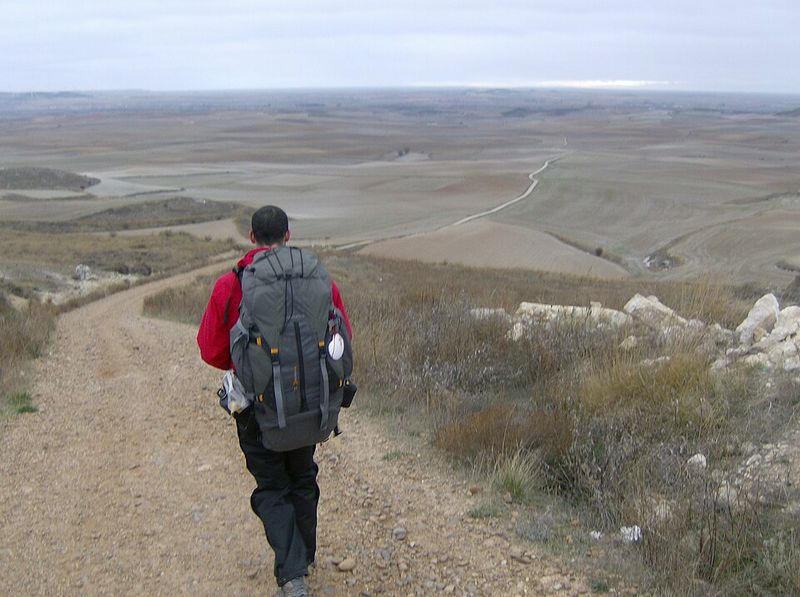
Every year, hundreds of thousands of people lace up their walking shoes and set off on one of the world’s most famous pilgrimage routes. The Camino de Santiago, or Way of Saint James, winds through France, Spain, and Portugal toward the city of Santiago de Compostela, where the remains of the apostle James are said to rest.
People walk the Camino for many reasons. Some come seeking religious devotion or penance.
Others come after a major life change, hoping the long walk will bring clarity, peace, or a fresh sense of purpose. The route can stretch more than 800 kilometers, taking weeks to complete on foot.
Pilgrims have been making this journey since the Middle Ages, and the tradition has only grown stronger in recent decades. Along the way, walkers encounter ancient churches, mountain passes, and fellow travelers from every background.
Many describe the experience as genuinely transformative, regardless of their religious beliefs.
10. Sweat Lodge Ceremonies
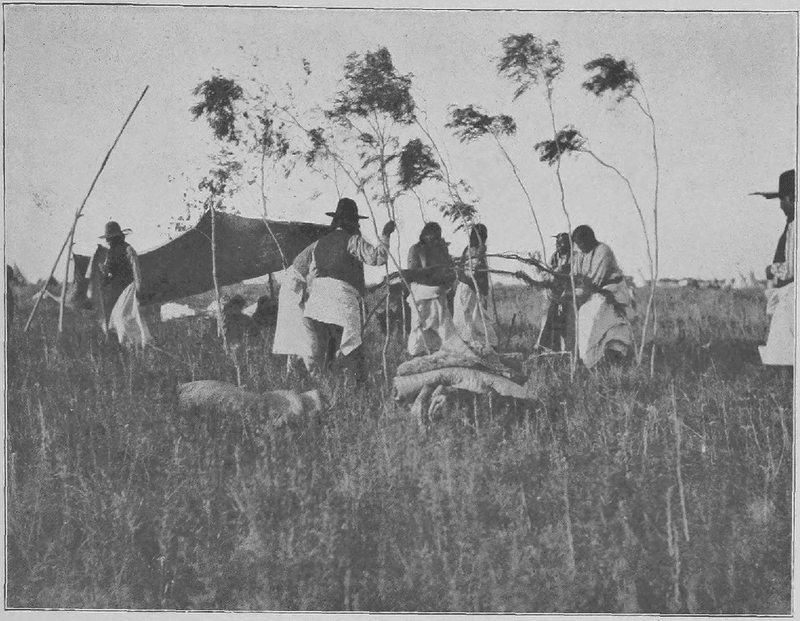
Steam rises, prayers are spoken, and the heat becomes almost unbearable. Inside a sweat lodge, participants sit close together in near-total darkness as water is poured over heated stones, filling the small dome-shaped structure with intense steam.
For many Indigenous North American communities, this is not just a physical experience but a deeply sacred one.
Sweat lodge ceremonies serve different purposes depending on the specific cultural tradition. They may be used for purification before an important ceremony, for healing, for prayer, or for community bonding.
Songs, spoken prayers, and offerings often accompany the heat and steam throughout the session.
The lodge itself represents the womb of the earth, and emerging from it after the ceremony symbolizes rebirth and renewal. Elders and ceremonial leaders guide participants carefully through the process.
While the practice varies across different nations and regions, the core intention of using heat, prayer, and community to purify and connect spiritually remains consistent.
11. Ancient Roman Augury
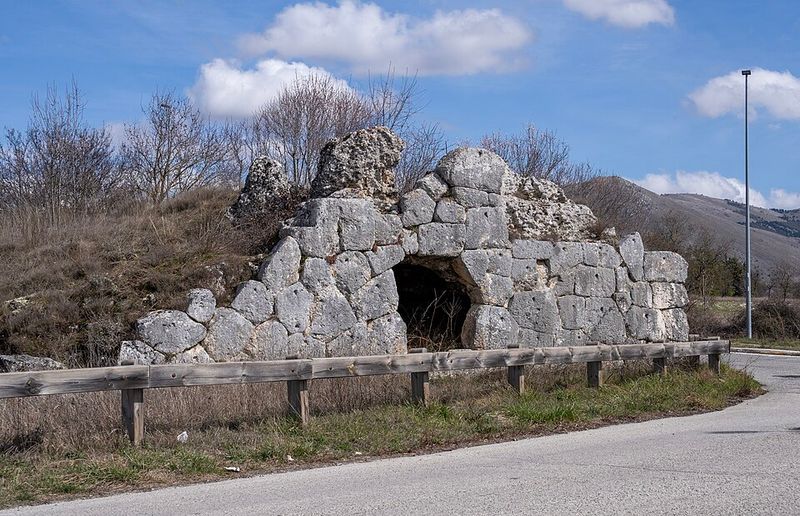
Before a Roman general marched to war, before a new temple was dedicated, before almost any major decision was made in ancient Rome, someone consulted the augurs. These were specially trained religious officials whose job was to observe birds and interpret their behavior as signs of divine approval or disapproval.
Augurs watched which direction birds flew, how they fed, and what sounds they made. A flock of birds flying to the left, for example, could be interpreted as a bad omen.
The feeding behavior of sacred chickens kept specifically for this purpose was also carefully observed before military campaigns.
The word augury itself has survived into modern English, giving us the word inaugural, reflecting just how central this practice was to Roman public life. Though Romans were often skeptical even in ancient times, the tradition was maintained for centuries because ignoring it would have been politically and socially unthinkable.
It remained an official part of Roman religion for hundreds of years.
12. Fasting in the Desert
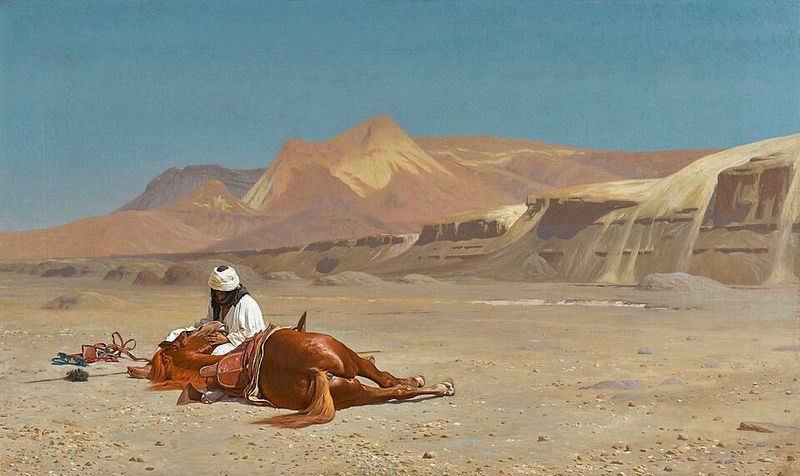
Inspired partly by the biblical account of Jesus fasting for forty days in the wilderness, some early Christian men and women took the idea of desert solitude to remarkable extremes. Beginning in the third and fourth centuries CE, ascetics known as the Desert Fathers and Mothers withdrew into the Egyptian and Syrian deserts to pursue a life of prayer, fasting, and radical simplicity.
Some lived alone in caves or tiny huts. Others formed loose communities where they would gather for prayer but otherwise live in silence and solitude.
Fasting was central to their practice, believed to weaken the body’s desires and sharpen the soul’s attention toward God.
Their writings, collected in texts called the Sayings of the Desert Fathers, have influenced Christian spirituality for over 1,500 years. Monasticism as we know it today grew directly from these desert communities.
Their unusual way of life shaped the development of both Eastern and Western Christian spiritual traditions in lasting ways.
13. Labyrinth Walking
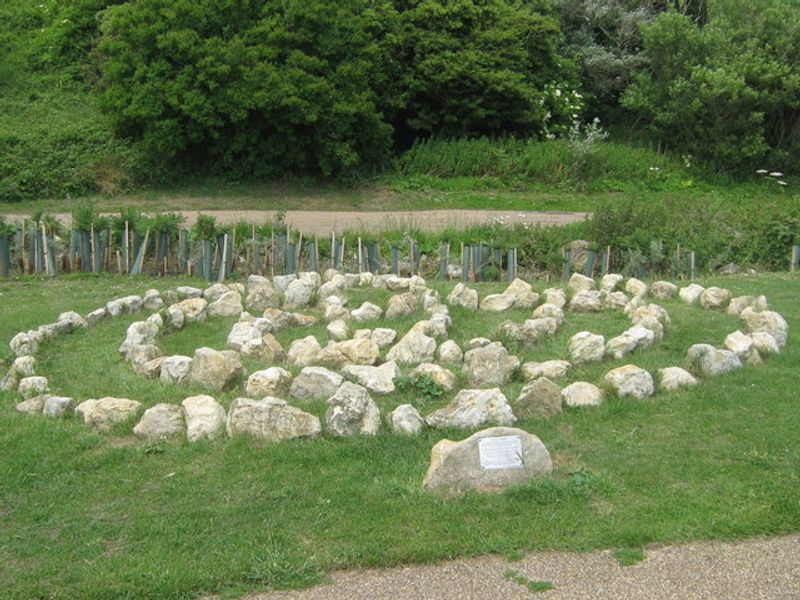
Unlike a maze, a labyrinth has only one path. There are no dead ends, no wrong turns, just a single winding route that leads to the center and then back out again.
For centuries, people have walked labyrinths as a form of prayer, meditation, and spiritual reflection.
One of the most famous examples is the labyrinth set into the floor of Chartres Cathedral in France, built around 1201 CE. Medieval pilgrims who could not make the long journey to Jerusalem sometimes walked the Chartres labyrinth on their knees as an act of devotion and penance.
The circular path became a symbolic pilgrimage in miniature.
Labyrinth walking has experienced a revival in recent decades, appearing in hospitals, parks, and retreat centers around the world. People use the walk to quiet their minds, process grief, or simply create a moment of stillness in a busy life.
The practice crosses religious boundaries, welcoming people of many different beliefs and backgrounds.
14. Sacred Mountain Pilgrimages
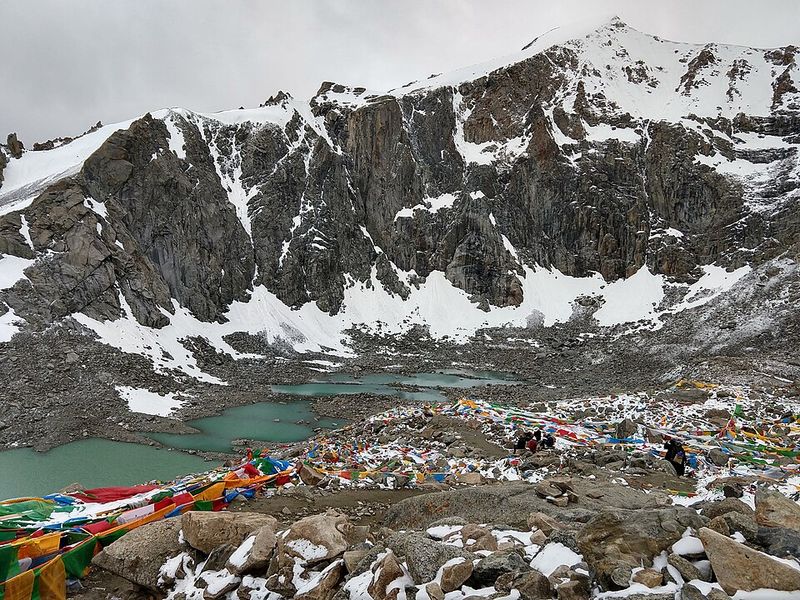
Mountains have inspired awe and reverence in human beings for as long as we have existed. Rising above the everyday world, they seem to touch the sky itself, making them natural symbols of the divine in cultures across the globe.
For many religious traditions, climbing or circling a sacred mountain is one of the most powerful acts of devotion a person can perform.
Mount Kailash in Tibet, considered sacred by Hindus, Buddhists, Jains, and followers of the Bon religion, draws thousands of pilgrims each year who walk a 52-kilometer circuit around its base. Mount Fuji in Japan has been a site of Shinto pilgrimage for centuries.
In both cases, the physical effort of the journey is considered part of its spiritual value.
The combination of physical challenge, natural grandeur, and communal purpose makes mountain pilgrimages uniquely powerful experiences. Many pilgrims report a sense of peace and perspective that stays with them long after they return home from the mountain.
15. Oracle Bones
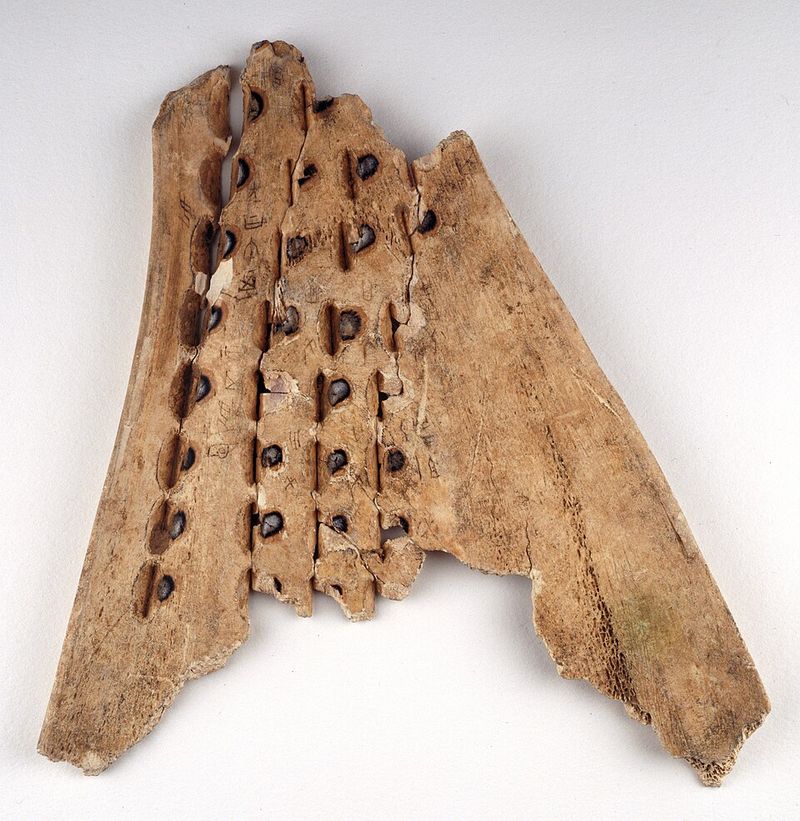
Around 3,000 years ago, the royal court of the Shang dynasty in ancient China had a very specific method for seeking divine guidance. Diviners would take the shoulder blades of oxen or the flat undershells of turtles, inscribe a question onto the surface, and then apply intense heat until the bone or shell cracked.
The pattern of cracks was then carefully interpreted as an answer from the ancestors or spiritual forces being consulted. Questions ranged from military strategy and weather prediction to whether a royal hunt would be successful.
The inscriptions carved onto these bones represent some of the earliest examples of Chinese writing ever discovered.
Thousands of oracle bones have been unearthed since the late 1800s, giving historians an extraordinary window into Shang dynasty beliefs, politics, and daily concerns. The practice demonstrates that the desire to communicate with something beyond ordinary human knowledge is ancient, creative, and deeply woven into the fabric of human civilization.
Share this story