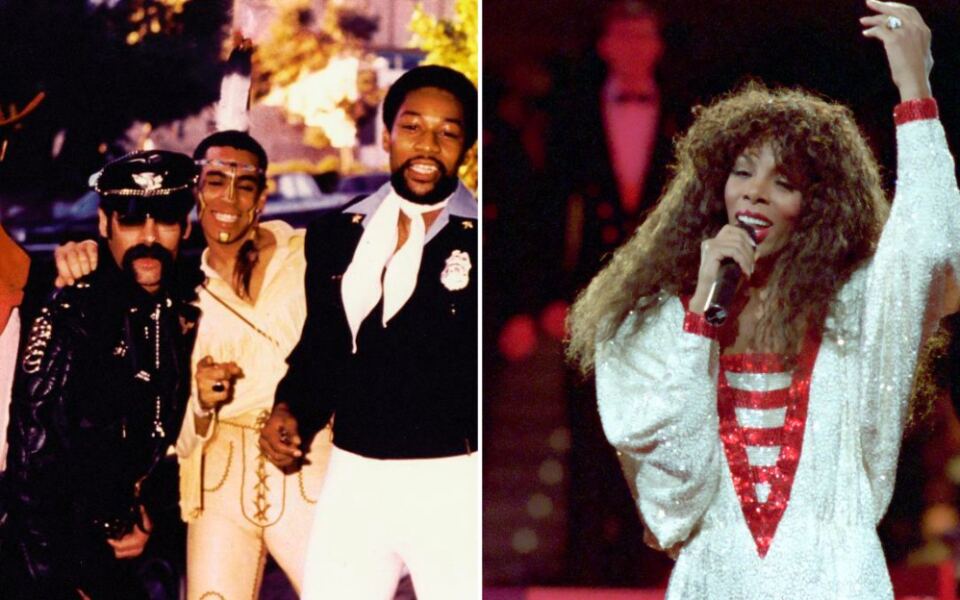
In 1979, American radio was caught between two musical eras. Disco still ruled the dance floor, rock bands were landing some of their biggest singles, and pop was already drifting toward the polished sound of the 1980s.
Records were bought on vinyl and cassette, and a hit single could still cost less than a dollar at the local record store. The Billboard Hot 100 was the scoreboard everyone watched, and reaching No. 1 could change a career overnight.
Some artists ruled the year with several smash hits, while others reached the top once and never returned. That mix made 1979 one of the most surprising years in chart history.
A single week could feature a disco anthem, a soft rock ballad, and a guitar-heavy rocker all fighting for the same spot. Most of the songs below reached No. 1 on the Billboard Hot 100 during 1979, while a couple of famous near misses and late arrivals are included because the year is hard to imagine without them.
Along the way, you will learn who wrote these songs, how they were made, and why some of them still show up at weddings, ballgames, and parties today. How many can you name from the opening notes?
1. Le Freak by Chic
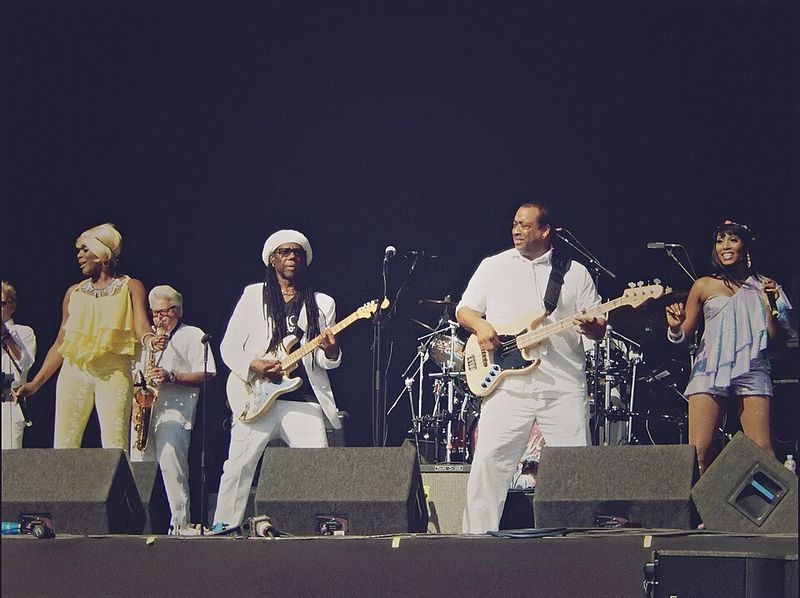
Getting turned away at the door turned out to be great for business. Nile Rodgers and Bernard Edwards wrote this song after being refused entry to Studio 54, the famous New York nightclub, on New Year’s Eve 1977.
Their original chorus was far less polite. They softened the words, and the result became one of the biggest disco records ever released.
The single first hit No. 1 in December 1978. It returned to the top in January 1979, finishing with six nonconsecutive weeks at the summit.
Rodgers played the choppy rhythm guitar, while Edwards supplied the bouncing bass line. That pairing became the Chic trademark.
The duo later produced hits for Diana Ross, Sister Sledge, and David Bowie. Not bad for two musicians who could not get past a velvet rope.
Their rejection may be the most productive night out in pop history.
2. Y.M.C.A. by Village People
Here is a twist for trivia night. One of the most famous songs of 1979 never actually reached No. 1 on the Billboard Hot 100.
Y.M.C.A. stalled at No. 2 in early 1979, stuck behind Le Freak and Da Ya Think I’m Sexy? It did top the UK singles chart, so British fans can claim a win.
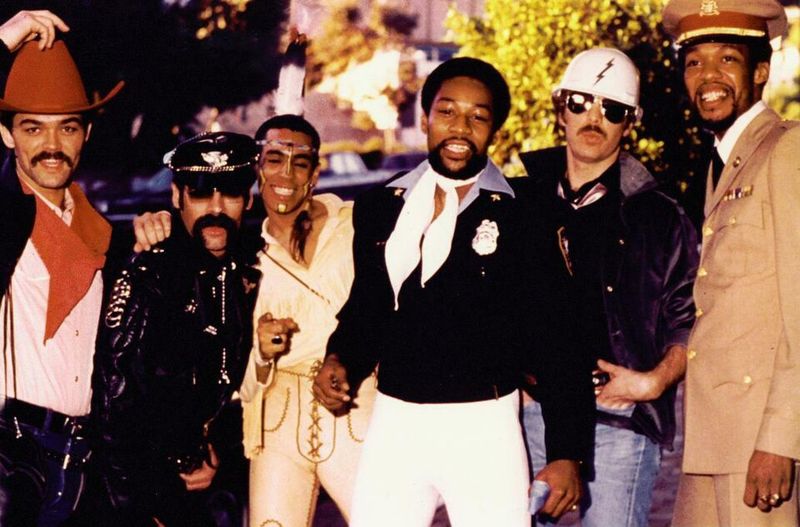
Written by Jacques Morali and Victor Willis, the song appeared on the 1978 album Cruisin’. The group’s costumed characters made them instantly recognizable on television.
The famous arm motions did not come from the band. Audiences on the show American Bandstand started spelling the letters, and the group quickly adopted the moves.
Today the song is a fixture at baseball games, weddings, and school dances. In 2020, the Library of Congress added it to the National Recording Registry.
Not bad for a runner-up.
3. Too Much Heaven by Bee Gees
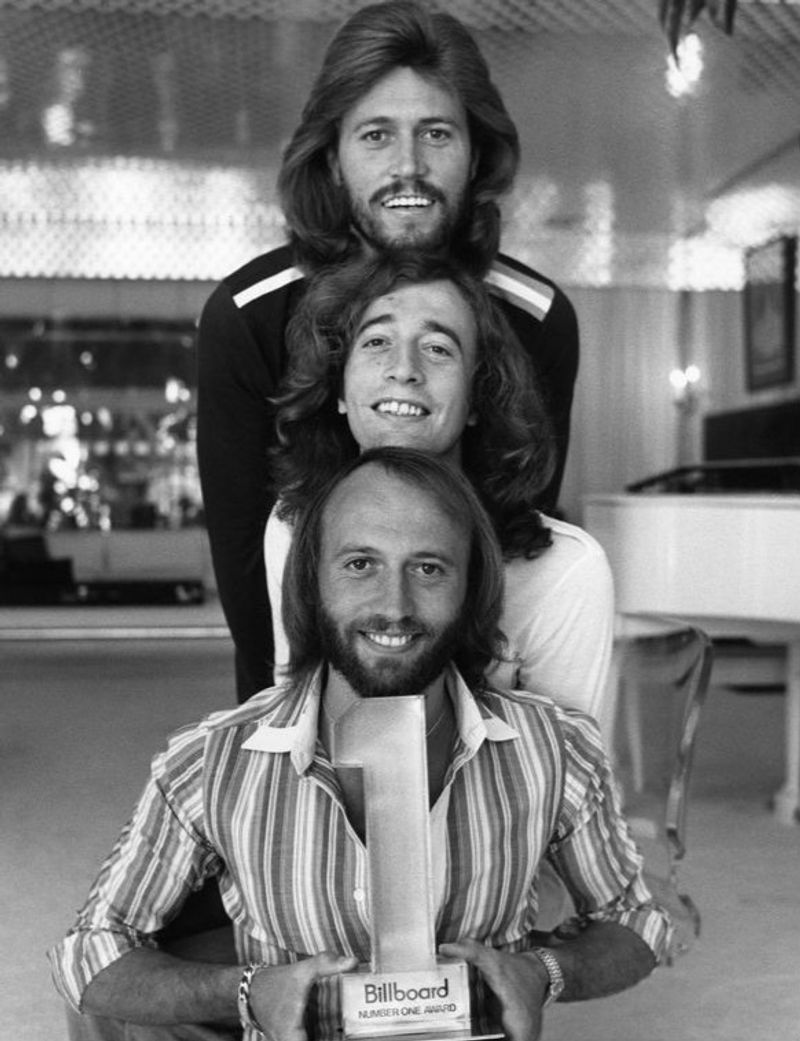
Few chart-toppers have done as much good as this one. The Bee Gees gave all publishing royalties from Too Much Heaven to UNICEF to support the International Year of the Child in 1979.
That gift has reportedly raised more than 10 million dollars over the decades. The brothers also performed the song at the Music for UNICEF Concert on January 9, 1979.
On the charts, the ballad reached No. 1 in January and stayed for two weeks. It briefly pushed Le Freak aside before Chic climbed back up.
Listen closely and you will catch horns played by members of the band Chicago. Barry, Robin, and Maurice Gibb layered their voices into stacks of harmony.
It was the group’s fourth straight No. 1, part of a run of six that matched a record held by The Beatles. Slowing down clearly did not slow their sales.
4. Da Ya Think I’m Sexy? by Rod Stewart
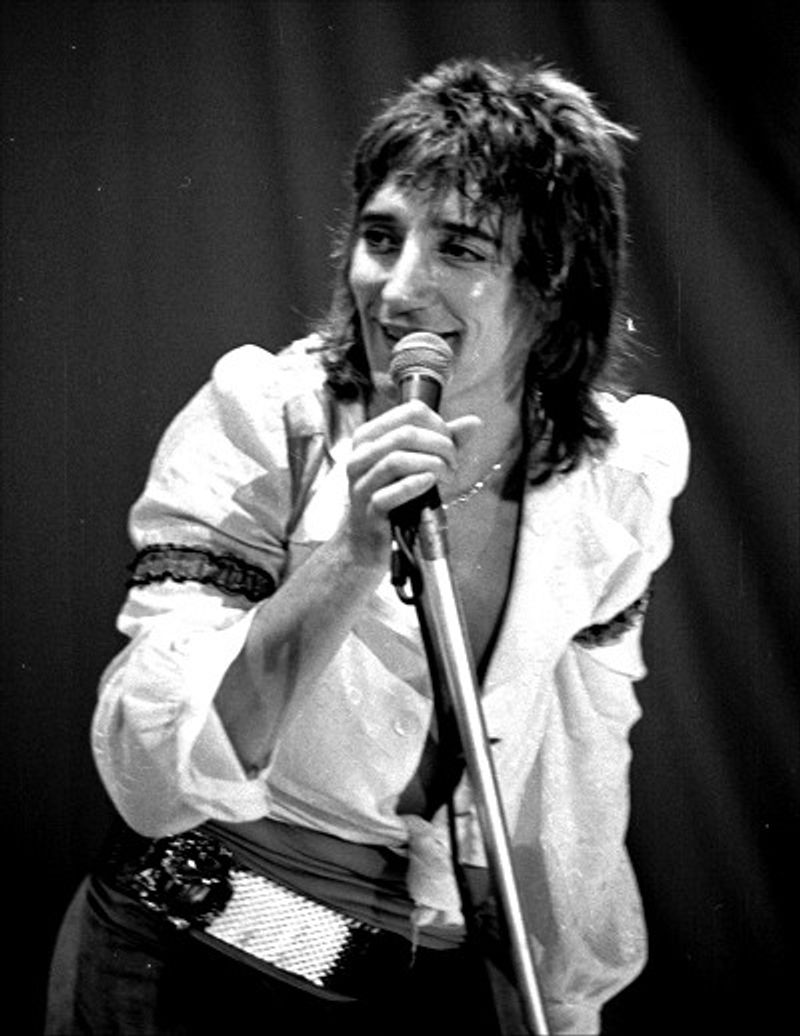
Rock purists were not thrilled. In late 1978, the raspy singer known for folk-rock songs like Maggie May suddenly went disco.
Fans buying records did not seem to mind. The single reached No. 1 in February 1979 and held the spot for four weeks.
Stewart wrote it with drummer Carmine Appice and keyboard player Duane Hitchings. It opened his ninth studio album, Blondes Have More Fun.
The song had a legal wrinkle. Its chorus closely resembled Taj Mahal by Brazilian musician Jorge Ben Jor, and the dispute was settled.
Stewart then donated his royalties from the song to UNICEF. That means two of the year’s biggest early hits both helped the same children’s charity.
Critics grumbled for years, yet the song remains one of the best-selling singles of his long career. Sometimes a risky turn pays off in a big way.
5. I Will Survive by Gloria Gaynor
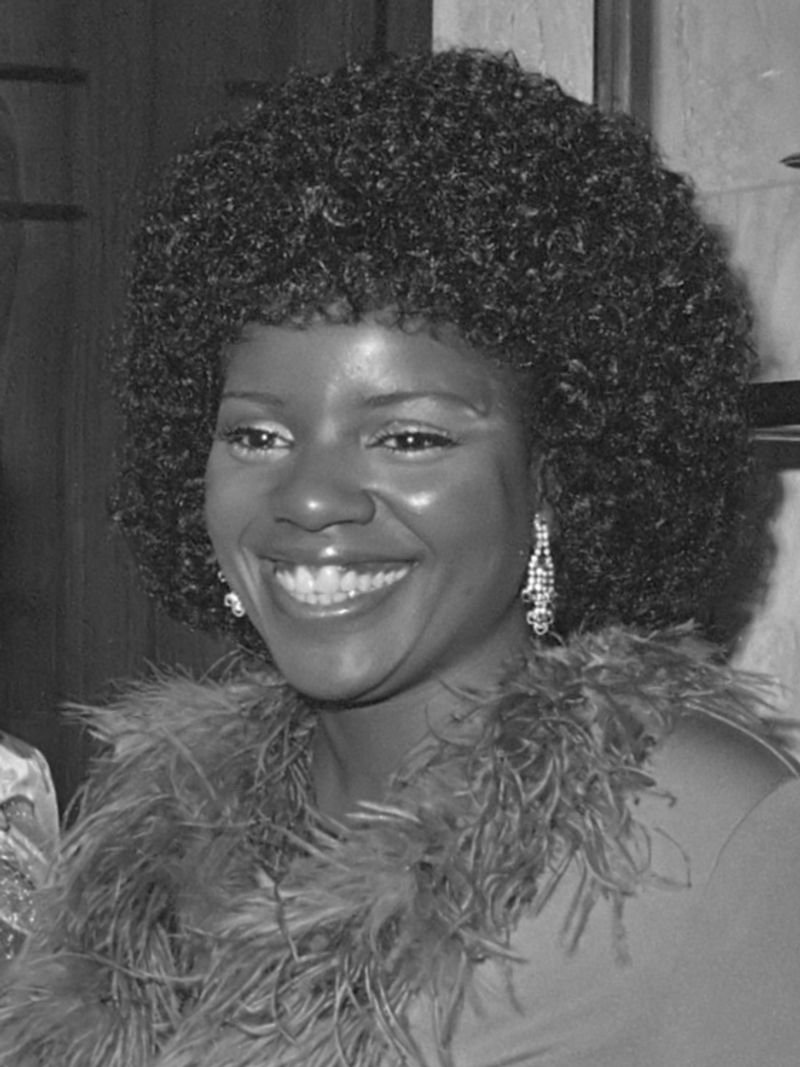
Record labels sometimes guess wrong. When I Will Survive was released in October 1978, it was tucked onto the B-side of a single called Substitute.
Club DJs flipped the record over and started playing the other side. Listeners agreed, and the label soon promoted it as the main song.
By March 1979 it reached No. 1, spending three nonconsecutive weeks at the top. Freddie Perren and Dino Fekaris wrote it.
Fekaris reportedly found inspiration after being fired from his job at Motown. Turning a setback into a hit is a lesson in itself.
The song won the Grammy for Best Disco Recording in 1980. That category was presented only once, so it will always hold the title.
In 2016, the Library of Congress chose it for the National Recording Registry. Generations now treat it as an anthem for bouncing back from hard times.
6. Tragedy by Bee Gees
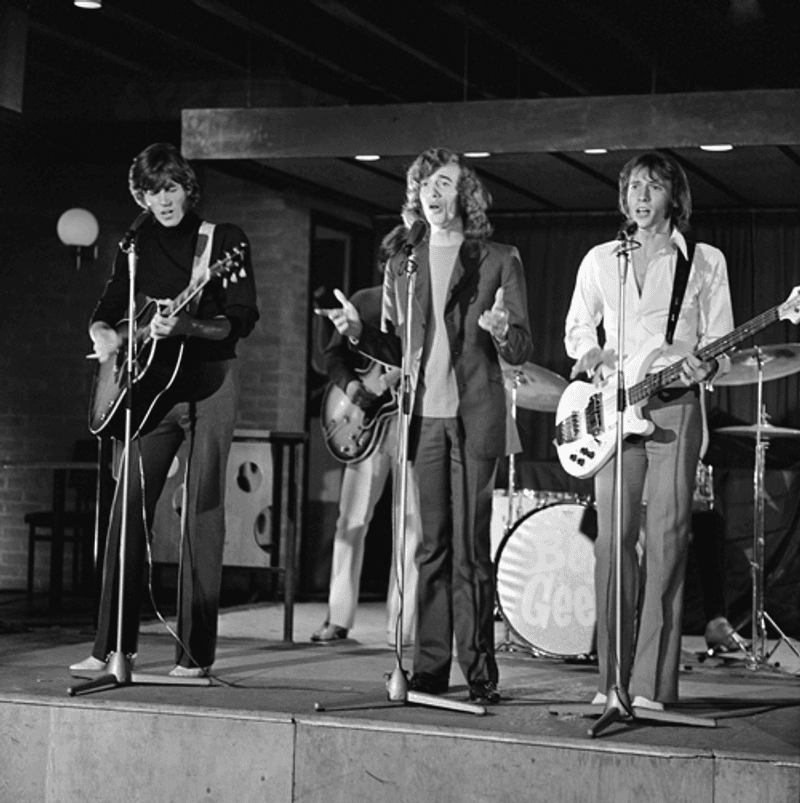
Two months after a soft ballad, the Gibb brothers turned up the intensity. Tragedy hit No. 1 in March 1979 and stayed for two weeks.
The track offered pounding drums, soaring falsetto, and a big explosion-style sound effect. Rumor has it Barry Gibb created that effect by cupping his hands over a microphone and making the noise with his mouth.
Like Too Much Heaven, it came from the album Spirits Having Flown. That record topped the Billboard 200 and sold millions of copies worldwide.
Tragedy became the fifth of their six consecutive No. 1 singles. Only The Beatles had managed a streak like that before.
For a few years, radio stations played the Bee Gees nearly every hour. The song also shows how the brothers mixed pop songwriting with dance production, a formula they later used writing hits for Barbra Streisand and Dolly Parton.
7. What a Fool Believes by The Doobie Brothers
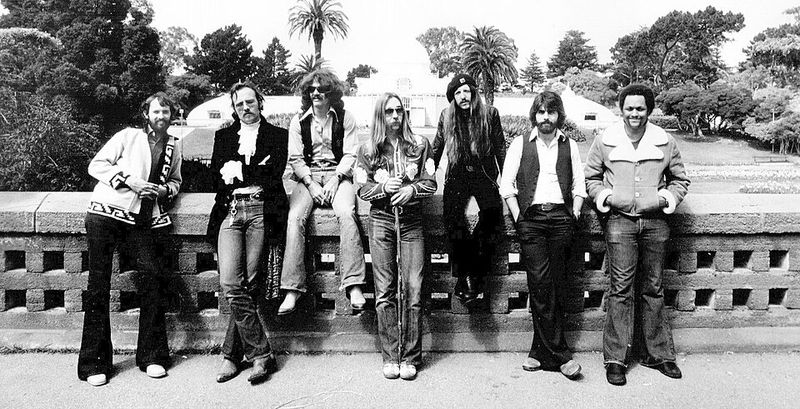
Two songwriters met for the first time and finished a classic. Michael McDonald and Kenny Loggins wrote What a Fool Believes during their very first session together.
The Doobie Brothers had once been known for road-ready guitar songs like Listen to the Music. McDonald’s arrival brought electric piano, jazzy chords, and a smoother style.
The single reached No. 1 in April 1979. It was the lead hit from the album Minute by Minute.
The lyrics describe a man convinced an old romance is still alive, even though it clearly is not. Plenty of listeners could relate.
At the 1980 Grammys, it won both Record of the Year and Song of the Year. Decades later, fans gave this polished sound a nickname, yacht rock.
Loggins recorded his own version too. Both prove a strong melody survives any arrangement.
8. Heart of Glass by Blondie
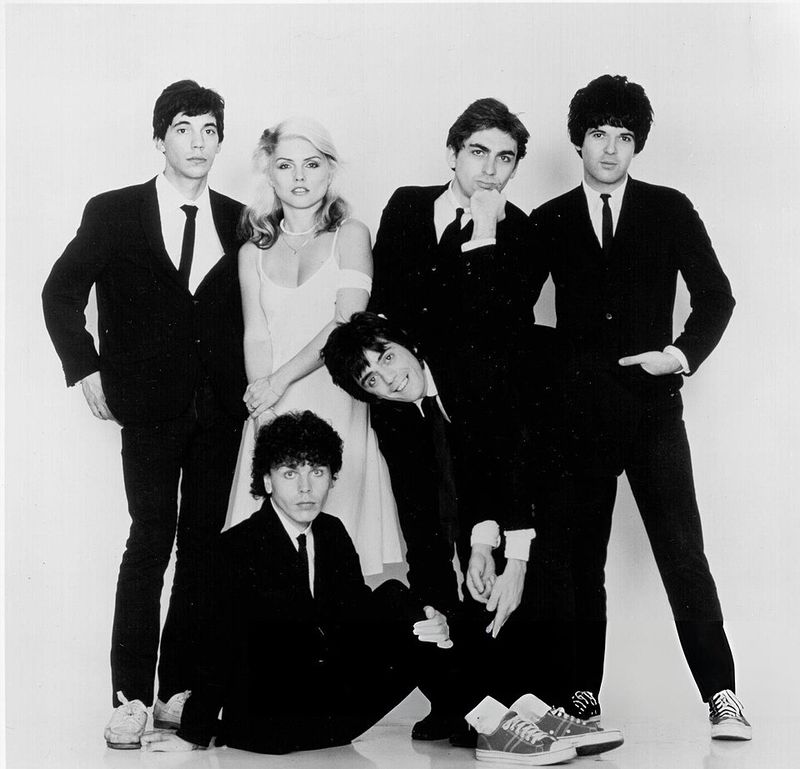
Punk clubs in New York were not supposed to produce disco hits. Blondie came out of the CBGB scene, yet Heart of Glass gave the band its first American No. 1 in April 1979.
The song had been floating around since 1975 under the working title Once I Had a Love. Producer Mike Chapman helped reshape it with a drum machine and synthesizers.
Singer Debbie Harry delivered the lyrics with a cool, detached style. That attitude set it apart from more emotional disco vocals.
It appeared on the album Parallel Lines, which sold millions. Some punk fans complained the group had sold out.
The band answered by charting even more hits, including Call Me and Rapture. Rapture later became one of the first chart-topping songs to feature rap.
Heart of Glass stayed at No. 1 for one week, but it opened doors for new wave on radio.
9. Reunited by Peaches & Herb
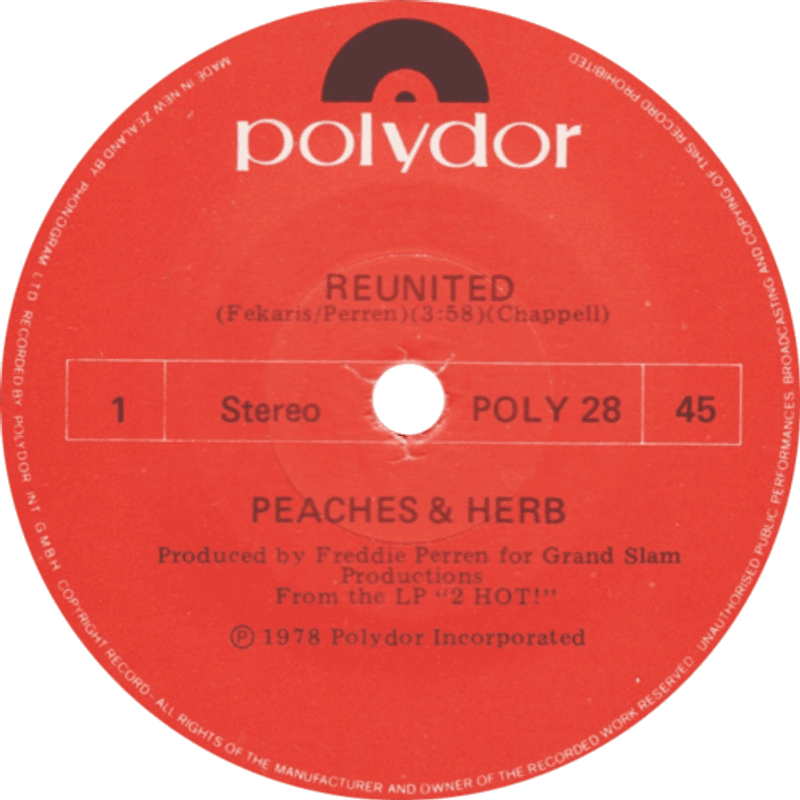
Patience paid off for this duo. Peaches & Herb had been placing songs on the charts since 1966, but their first No. 1 did not arrive until May 1979.
The act had changed over the years. Herb Fame kept the name going, and by 1979 his partner was Linda Greene, performing as Peaches.
Reunited is a slow, sweet ballad about a couple getting back together. It spent four weeks on top of the Billboard Hot 100.
Producer Freddie Perren worked on it, the same writer behind I Will Survive. He had a remarkable year, scoring with both a breakup anthem and a makeup anthem.
The song arrived between louder disco records and gave couples a reason to slow down. It quickly became a favorite at anniversary parties.
Many families still request it during the slow dance portion of weddings.
10. Hot Stuff by Donna Summer
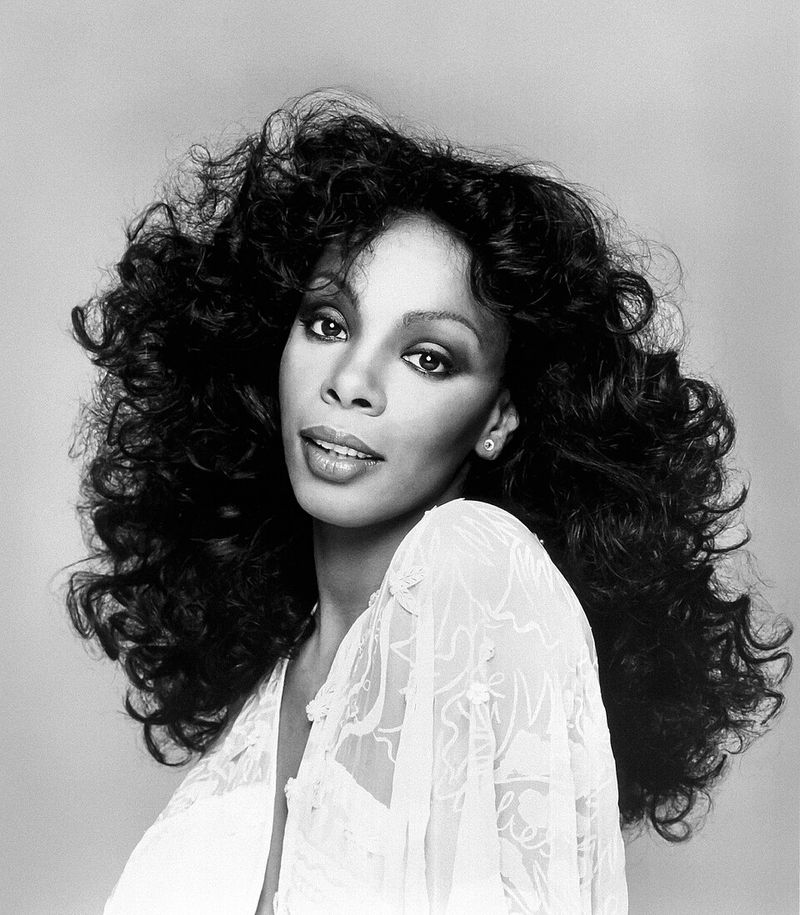
Disco met the electric guitar, and the result broke barriers. Hot Stuff reached No. 1 in June 1979 with a heavy guitar solo played by Jeff Skunk Baxter of Steely Dan and Doobie Brothers fame.
That rock edge was a fresh move for Donna Summer, the queen of disco. It was the first single from her double album Bad Girls.
The song spent three nonconsecutive weeks at No. 1. It also stayed in the top 10 for 14 weeks, longer than any other song that year.
Summer won the very first Grammy for Best Female Rock Vocal Performance. She became the first Black artist to win a Grammy in a rock category.
Not bad for a singer many critics labeled strictly a dance act. Hot Stuff later appeared in movies like The Full Monty, introducing it to younger audiences.
11. Ring My Bell by Anita Ward
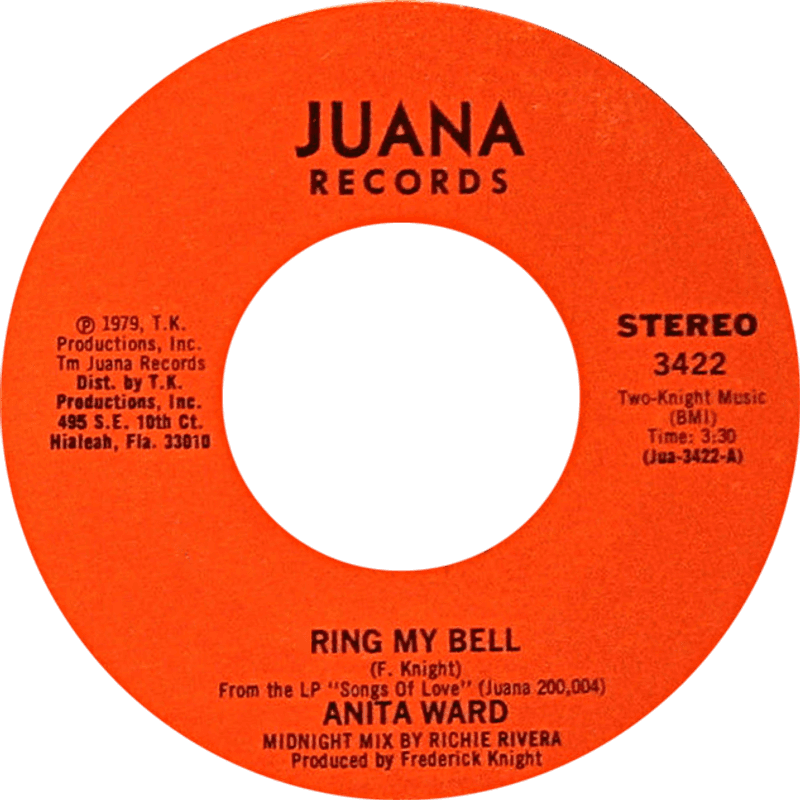
A song written for an 11-year-old ended up as a grown-up dance hit. Frederick Knight originally created Ring My Bell for young singer Stacy Lattisaw as a tune about chatting on the telephone.
When Lattisaw signed elsewhere, the song went to Anita Ward. She reportedly did not like it at first.
Ward had been working as a substitute teacher in Memphis. Her opinion probably changed when the single hit No. 1 in June 1979.
It held the top spot for two weeks. It also topped the disco chart, the soul chart, and the UK singles chart.
That famous pew pew sound came from a Synare, an early electronic drum. Many listeners had never heard anything like it on pop radio.
The song earned Ward a Grammy nomination. It remains a staple of roller rinks and retro playlists.
12. Bad Girls by Donna Summer
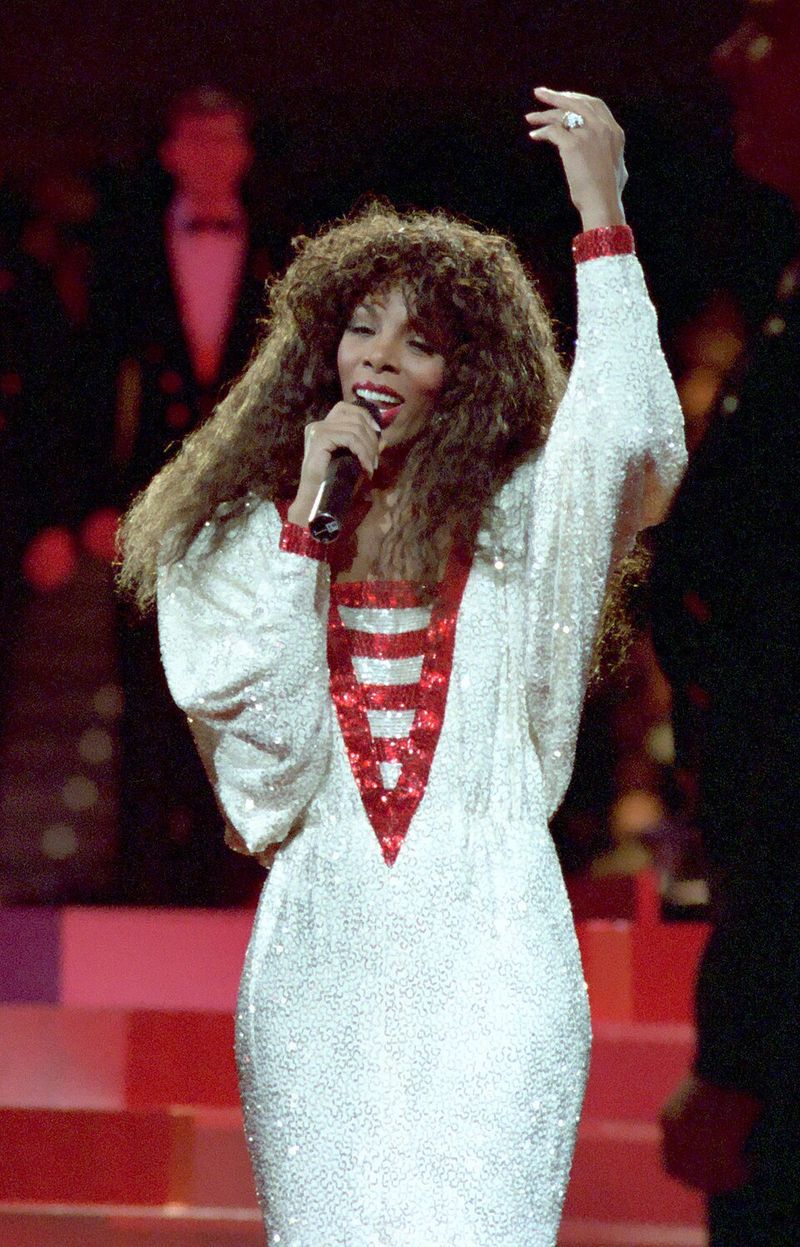
Ten weeks at No. 1 in a single year is a staggering total. Donna Summer did exactly that in 1979, more than any other artist.
Bad Girls handled five of those weeks after reaching the top in July. It became the second biggest song of the year in the United States.
The idea came from a real moment. One of Summer’s assistants was mistaken by police for a woman working the streets, and the singer turned that story into lyrics.
Her record label wanted to give the song to Cher. Summer held onto it, which proved to be a smart choice.
The track is packed with whistles, horns, and a toot toot chant that crowds loved shouting. It came from the double album Bad Girls, which reached No. 1 too.
Following Hot Stuff so closely, it made the summer of 1979 belong to her.
13. My Sharona by The Knack
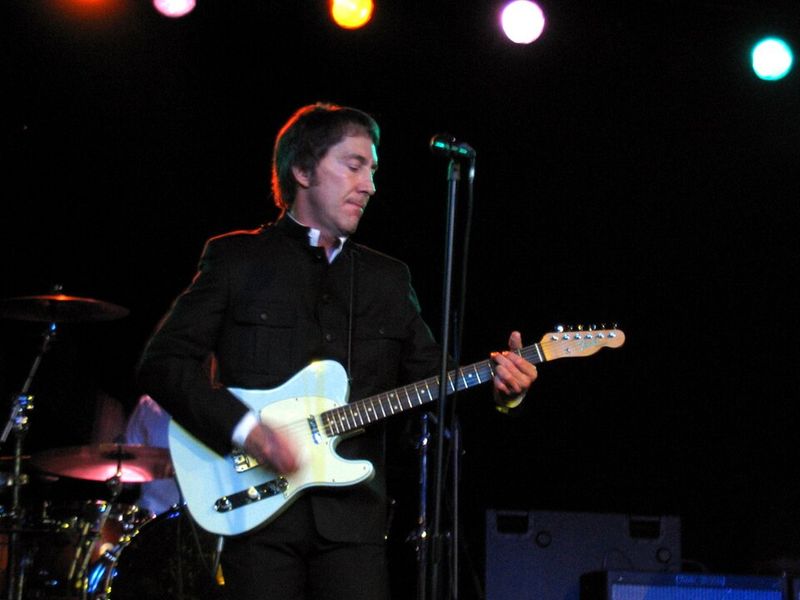
Six weeks at the top made this the longest-running No. 1 of 1979. My Sharona arrived in August and ended the year as Billboard’s top pop single.
Singer Doug Fieger wrote it with guitarist Berton Averre after meeting Sharona Alperin. She even appeared on the picture sleeve, holding the band’s debut album, Get the Knack.
Capitol Records had not seen a debut single go gold that fast since The Beatles released I Want to Hold Your Hand in 1964. Comparisons followed quickly.
Its stuttering guitar riff stood out sharply against disco. Many saw it as proof that rock still had room on Top 40 radio.
Fun fact: Sharona later became a successful real estate agent in Los Angeles. The song got a second life in the 1994 film Reality Bites.
Teen listeners heard it all over again.
14. Sad Eyes by Robert John
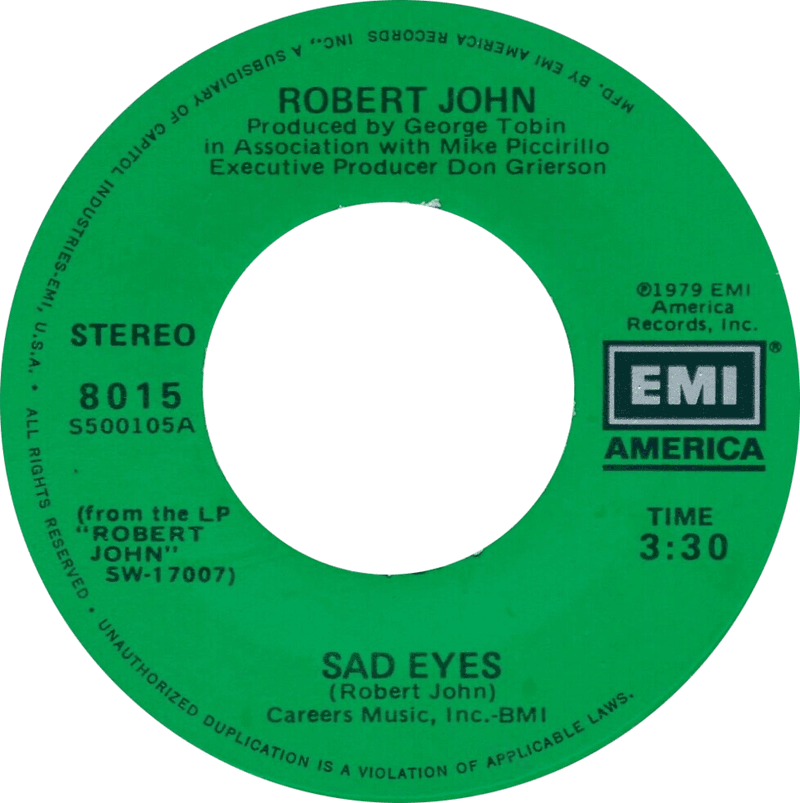
Some careers peak in a single week. Robert John reached No. 1 with Sad Eyes in October 1979, held the spot for seven days, and never returned.
He was one of several artists to score a first and only No. 1 that year. Still, his story stretched back much further.
John made the charts as a teenager in 1958. In 1972 his version of The Lion Sleeps Tonight reached No. 3.
Sad Eyes showcased his unusually high voice. The lyrics follow a man ending a summer romance because his true love is coming home.
It climbed slowly, spending months moving up the chart before finally reaching the top. That patience fits the song’s mellow mood.
Adult contemporary stations played it constantly. Those who remember AM radio ballads will probably know the chorus by heart.
15. Please Don’t Go by KC and the Sunshine Band
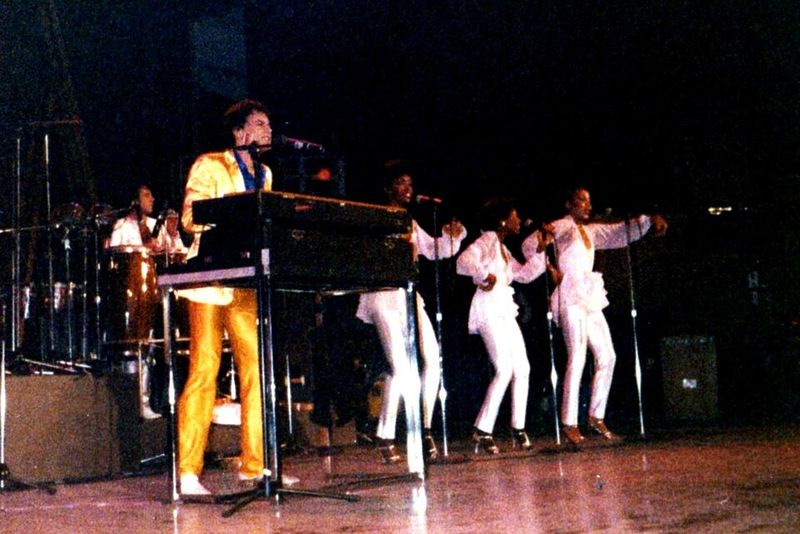
Timing can be strange in the music business. Please Don’t Go was a 1979 song, yet it reached No. 1 on the chart dated January 5, 1980.
That technicality makes it the first No. 1 hit of the 1980s. It closes this list as a bridge between two decades.
The band had been famous for party songs such as Shake Your Booty and That’s the Way. This was their first ballad.
Harry Wayne Casey wrote it with Richard Finch. It was the second single from the album Do You Wanna Go Party.
The slow tempo surprised fans, but they bought it anyway. It held No. 1 for one week.
Soon after, the group split and Casey started a solo career. In 1992, the dance group KWS released a cover that topped the UK charts for five weeks.
Share this story