A small log cabin in Gothenburg preserves a direct connection to one of the shortest but most famous chapters in American transportation history. The Pony Express Station Museum occupies an original station associated with the horseback mail service that operated for just 18 months in 1860 and 1861.
Inside, exhibits explore the riders, mail system, equipment, and remarkable relay network that once moved messages between Missouri and California in a fraction of the time previously required.
The museum is small enough to explore during a road-trip break, but its story stretches nearly 2,000 miles across the American West. That contrast is what makes this unassuming Nebraska cabin such an interesting stop.
A Stop Right Off the Highway: Location and First Impressions
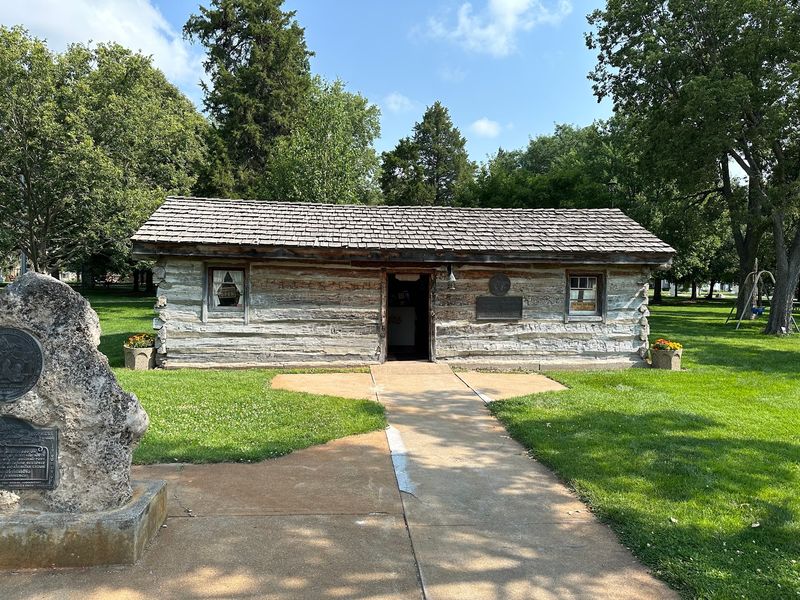
Most road trips along Interstate 80 through Nebraska blur together after a while, but the exit for Gothenburg leads somewhere genuinely worth your time. The Pony Express Station Museum sits at 510 15th St, Gothenburg, NE 69138, tucked inside the shaded grounds of Ehmen City Park, just a couple of minutes from the highway.
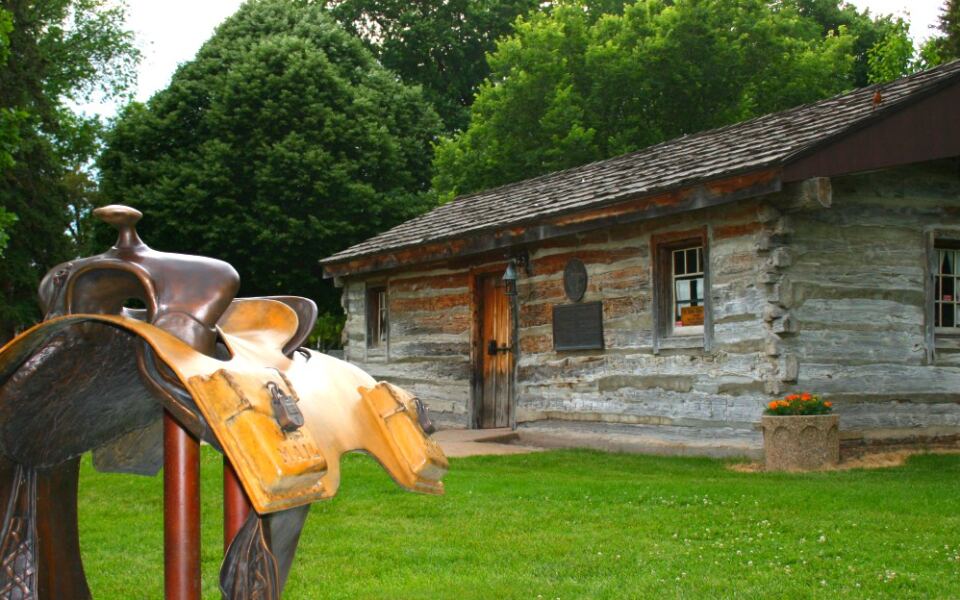
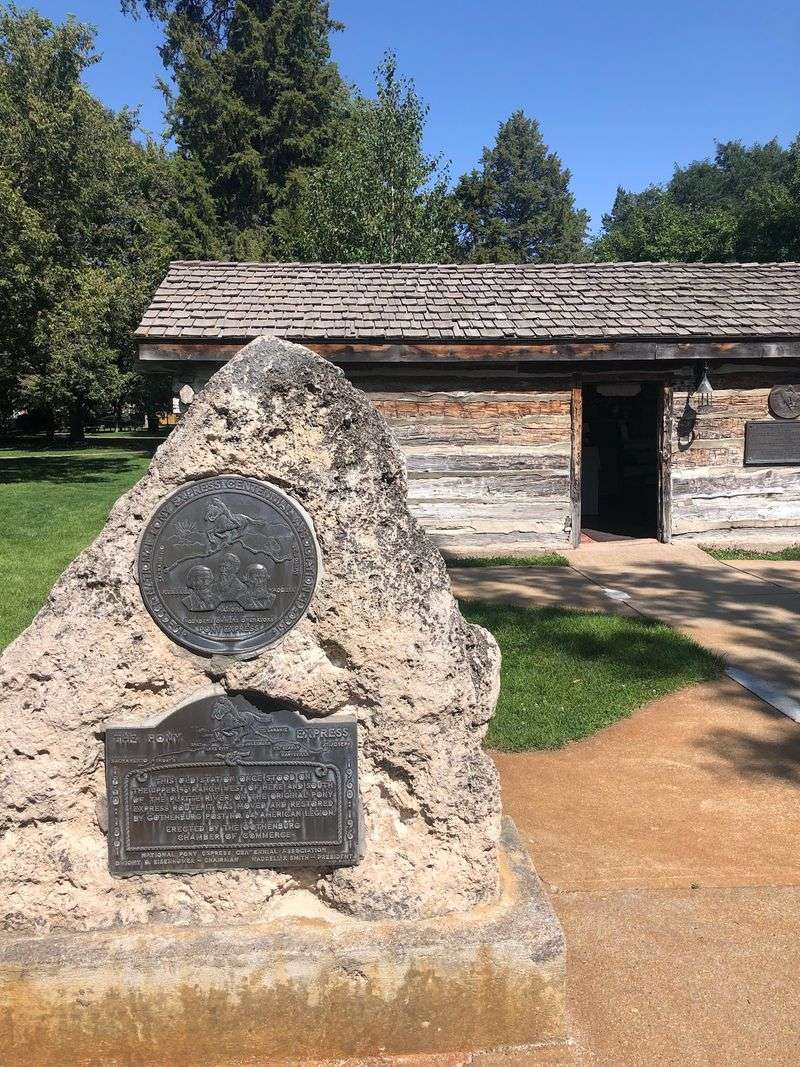
The moment you spot the original log cabin, something shifts. This is not a replica or a reconstruction built for tourism.
The weathered timber walls are the real thing, assembled from logs that date back to the 1800s, and the compact silhouette of the building immediately sets a different mood than a modern roadside attraction would.
Admission is completely free, which makes it an easy yes for families, solo travelers, and anyone who needs a good reason to stretch their legs. The park itself is peaceful and well-maintained, offering restrooms, green space, and a genuinely pleasant place to pause before continuing west or east on your journey.
From Fur Trade to Famous Mail Route: The Cabin’s Layered Past
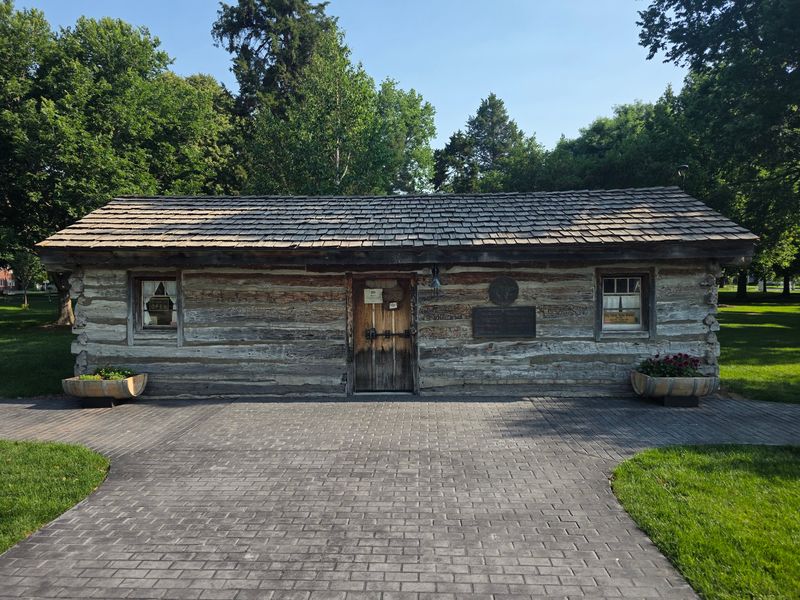
Before this cabin ever saw a single leather mochila or heard the thunder of a relay horse, it was already living a full life out on the plains. Originally built about 12 miles southwest of its current location, the structure served first as a fur trading post and later as ranch housing for early settlers passing through on the Oregon Trail.
It carried several different names over the years, including Machette’s Station, Upper 96 Ranch, and Broken Ranch, each one reflecting a different chapter of frontier commerce and survival. The building stood just four miles east of Fort McPherson, placing it squarely in the middle of one of the busiest and most dangerous corridors of westward expansion.
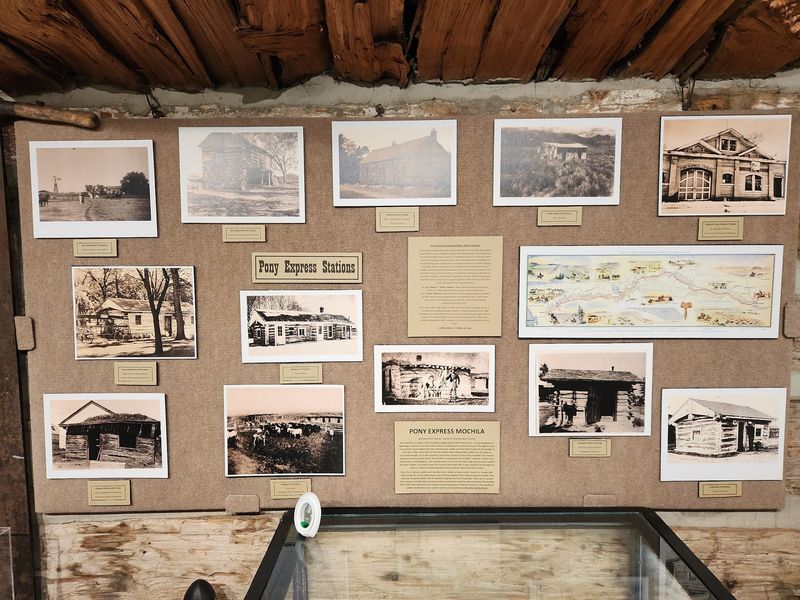
In 1860, the cabin was officially folded into the Pony Express network, becoming one of roughly 120 relay stations along the 1,966-mile route from St. Joseph, Missouri, to Sacramento, California. Its layered history makes it far more than a one-trick historical landmark, and that depth is exactly what keeps visitors lingering longer than they planned.
Eighteen Months That Changed Everything: The Pony Express Timeline
Here is a fact that stops most visitors cold: the entire Pony Express operation lasted only 18 months. From April 1860 to October 1861, these riders slashed cross-country mail delivery from several weeks down to roughly ten days, a feat that felt almost supernatural to the people depending on that communication during the tense lead-up to the Civil War.
The service was born from urgency. The country needed a fast, reliable link between its eastern population centers and the rapidly growing western territories, and the Pony Express delivered that link with extraordinary speed and consistency.
Riders, typically young men between 16 and 18 years old, covered routes through mountains, deserts, and open plains, often alone and often in dangerous conditions.
Then the telegraph arrived. By October 1861, wires stretched coast to coast, making even the fastest horse obsolete overnight.
The company folded almost immediately, but the legend it left behind has proven far more durable than the business itself, and this museum makes sure that legend never gets reduced to a footnote.
What the Riders Actually Carried: Inside the Mochila
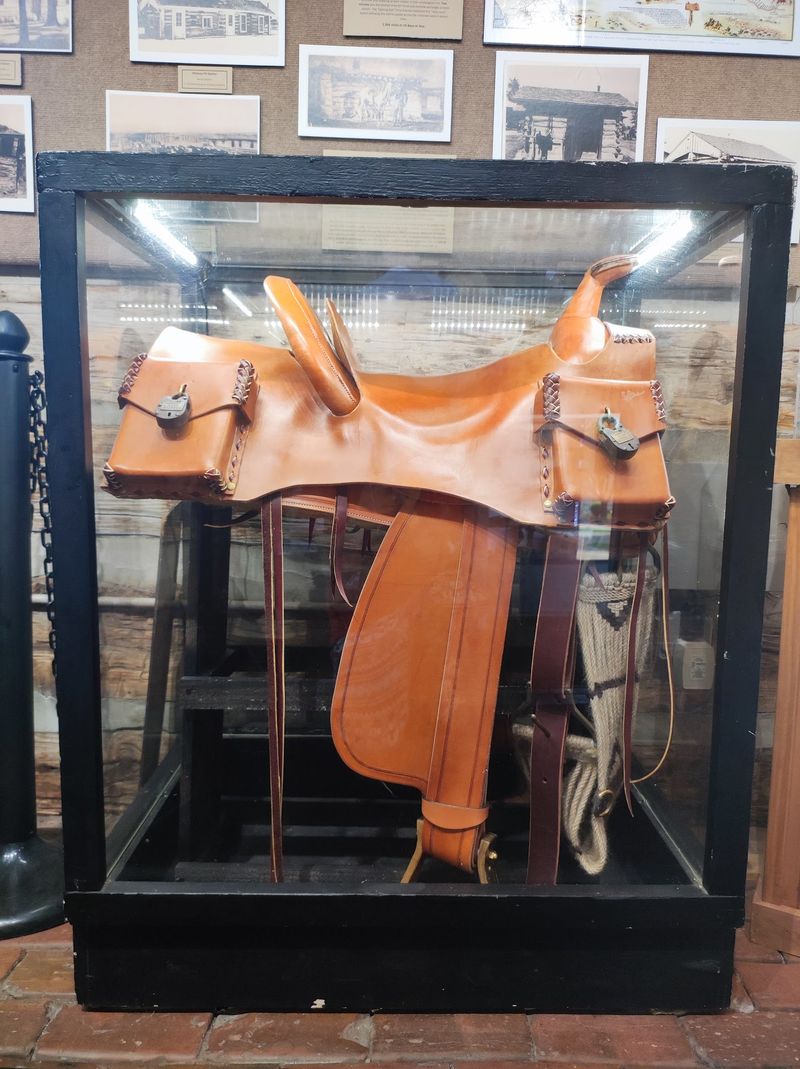
The mochila was the heartbeat of the entire Pony Express system, and most visitors had never heard the word before arriving here. This flat leather pouch was designed to fit over a standard saddle and contained four locked cantinas, small pockets that held the mail.
When a rider reached a relay station, the mochila was yanked off one saddle and thrown onto another in a matter of seconds, and the fresh horse and rider were already gone before the dust settled.
Seeing a reproduction mochila up close inside the museum makes the ingenuity of the system immediately obvious. The design was brilliantly simple, built for speed and security rather than comfort or volume.
Letters had to be written on thin paper to keep weight down, and the postage rates were steep enough that only governments and wealthy individuals could afford to use the service regularly.
That small pouch carried news of presidential elections, legal documents, and personal messages that people waited weeks to receive. Holding that context in mind while examining the exhibit gives the whole experience a different kind of weight.
The People Who Make History Feel Personal: Staff and Volunteers
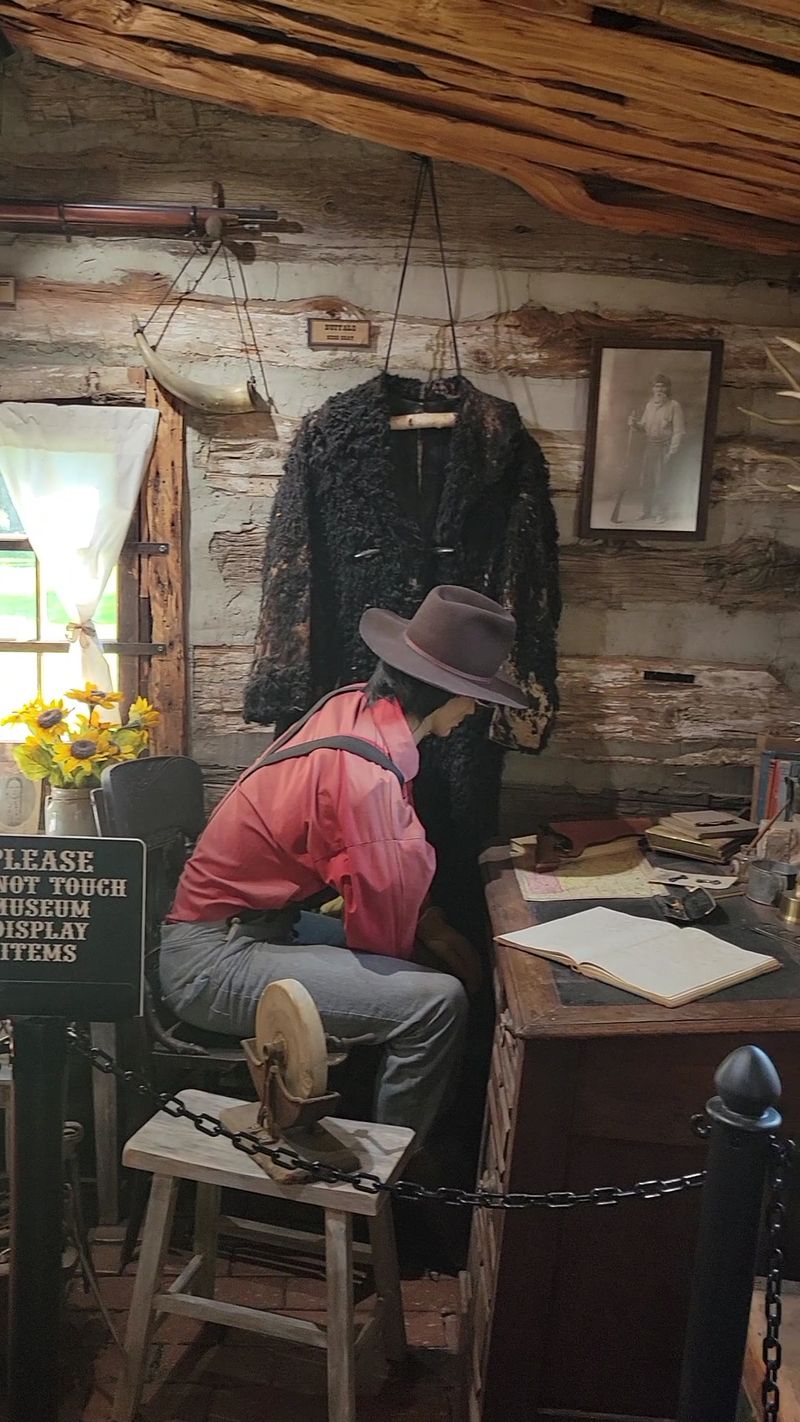
The exhibits alone are worth the stop, but the people running this museum are what turn a quick visit into something genuinely memorable. The volunteers and staff here are consistently described by visitors as knowledgeable, warm, and completely passionate about the history they share every single day.
The guides do not recite rehearsed scripts. They tell stories, answer unexpected questions, and connect individual details of the Pony Express era to the broader sweep of American history in ways that textbooks rarely manage.
One volunteer can shift from explaining the cost of a half-ounce letter in 1860 to describing the daily dangers a teenage rider faced, all in the same breath, and make both feel equally vivid and real.
That kind of personal engagement transforms the museum from a static display into a living conversation. Visitors who planned a ten-minute stop regularly find themselves still inside thirty minutes later, completely absorbed.
The human element here is not a bonus feature; it is genuinely the engine that powers the entire experience and keeps people recommending this place to everyone they know.
Mail a Postcard from the Past: A Quirky and Charming Tradition
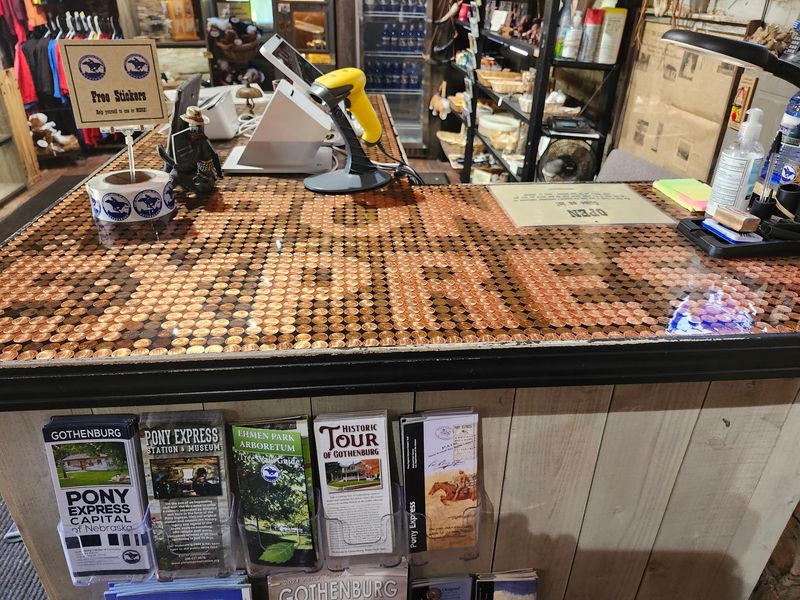
Not many museums let you participate in the history they are preserving, but this one does, and it is one of the most charming small gestures you will find anywhere along this stretch of highway. Visitors can purchase postcards inside the gift shop, write a message, and then drop them into a leather pouch hanging from the old door, a nod to the very mail delivery system the station once supported.
The postcards are priced at just 50 cents each, making it an affordable and genuinely fun activity for all ages. There is also a pressed penny machine on site, which requires two quarters and a penny, and produces a keepsake that kids tend to treasure far more than anything plastic or mass-produced.
Sending a postcard from a building that once served as an actual mail relay point carries a small but real sense of historical continuity. It connects the act of writing to someone you care about with a tradition that once held the nation together across thousands of miles of open wilderness, and that connection feels surprisingly meaningful in a very good way.
Artifacts That Tell the Real Story: Inside the One-Room Exhibit
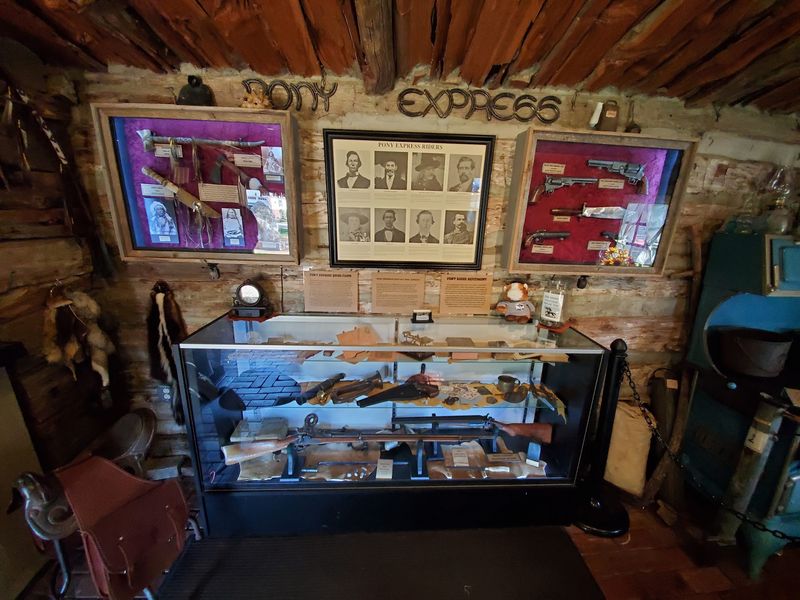
Do not let the small footprint fool you. The interior of this one-room cabin packs an impressive amount of genuine historical material into every square foot.
Photographs of actual Pony Express riders from 1860 line the walls, their faces serious and young, staring back at you across more than 160 years of American history.
Pioneer tools, original cooking utensils, and period weapons give texture to the daily realities of life at a remote relay station. Informational plaques tell individual stories rather than just dates and facts, which keeps the narrative moving and personal.
There are also dioramas featuring mannequins posed in scenes from the station’s active days, helping younger visitors especially to visualize what the constant activity of a relay point actually looked like.
A reproduction Bible similar to those given to Pony Express riders before their routes adds a quietly poignant detail that tends to stop people mid-step. The guides are happy to explain the significance of each piece, turning a self-guided browse into something far richer and more layered than most free roadside museums manage to offer.
Community Pride in Action: How Gothenburg Saved This Station
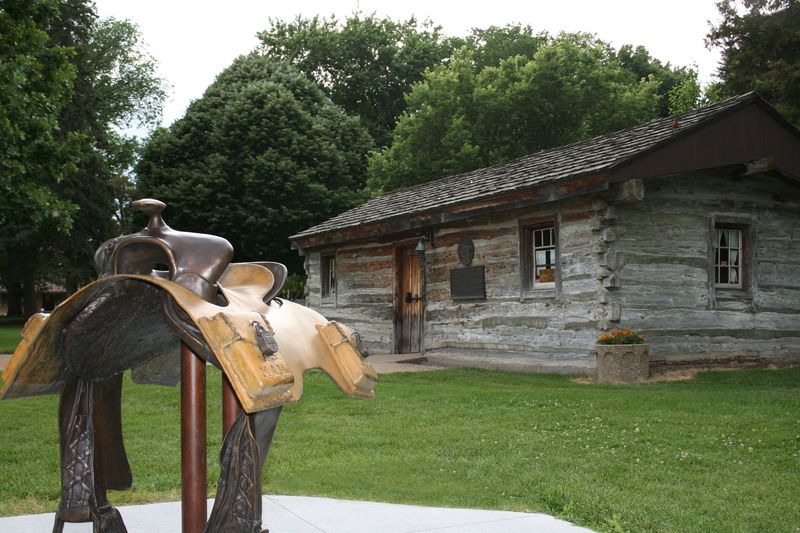
The fact that this cabin still stands and still operates as a fully functioning museum is not an accident. It is the result of deliberate, sustained community effort stretching back nearly a century.
The original 1931 relocation from its rural site to Ehmen Park was itself a remarkable project: the entire log structure was disassembled, each log carefully numbered, and then reassembled in its current location after being donated to the city by Mrs. C.A. Williams.
More recently, the Gothenburg Pony Express Association Inc., a community-based non-profit formed in early 2016, stepped in to prevent the museum from closing after its previous managing group stepped down. The association’s sole focus is keeping the station operational, historically accurate, and welcoming to the public.
Funding comes from local grants, cash donations, and gift shop revenue, meaning every purchase made inside directly supports ongoing preservation work.
This model of community stewardship gives the museum a character that is hard to manufacture. The people running it are not career administrators; they are neighbors who genuinely believe this place matters, and that conviction shows in every corner of the cabin.
Ehmen City Park: The Setting That Elevates the Experience
The museum does not exist in isolation. It sits at the center of Ehmen City Park, a well-kept arboretum that gives the entire visit a more relaxed and expansive feel than a standalone roadside attraction would.
The green grounds invite you to slow down, walk around, and absorb the setting before or after exploring the cabin itself.
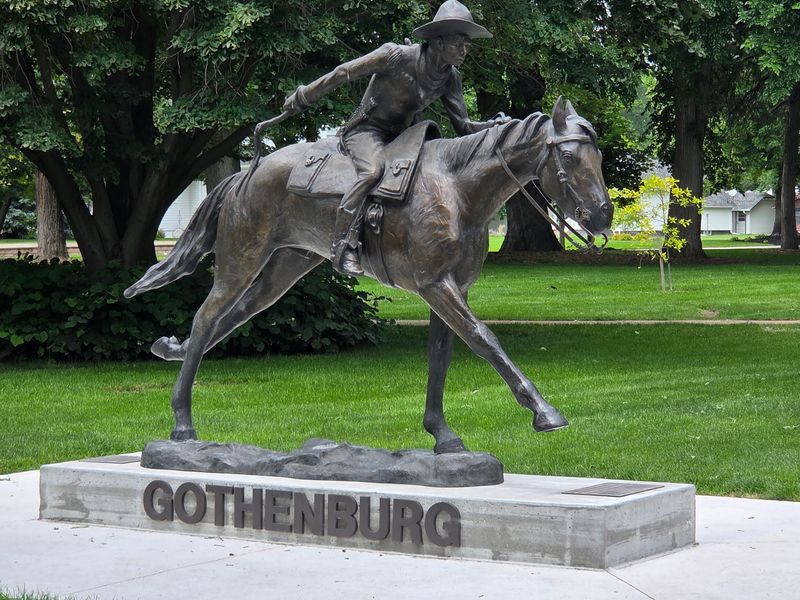
A life-sized bronze sculpture titled “A Leap Into History,” created by Nebraska artist Linda Egle and dedicated on April 22, 2026, now stands in the park as a tribute to the Pony Express riders. Governor Pillen marked the occasion by officially proclaiming April 22 as Pony Express Day in Nebraska.
The sculpture adds a dramatic visual element that complements the historical narrative beautifully.
Colorful flower plantings and rustic wine barrel planters, funded through memorial donations, brighten the entrance and give the grounds a welcoming, cared-for atmosphere. There are also restrooms, a playground area, and plenty of open grass, making this park a genuinely comfortable place for families to spend time rather than just a quick photo stop before rushing back to the highway.
Two Stations, One Town: Gothenburg’s Unique Pony Express Legacy
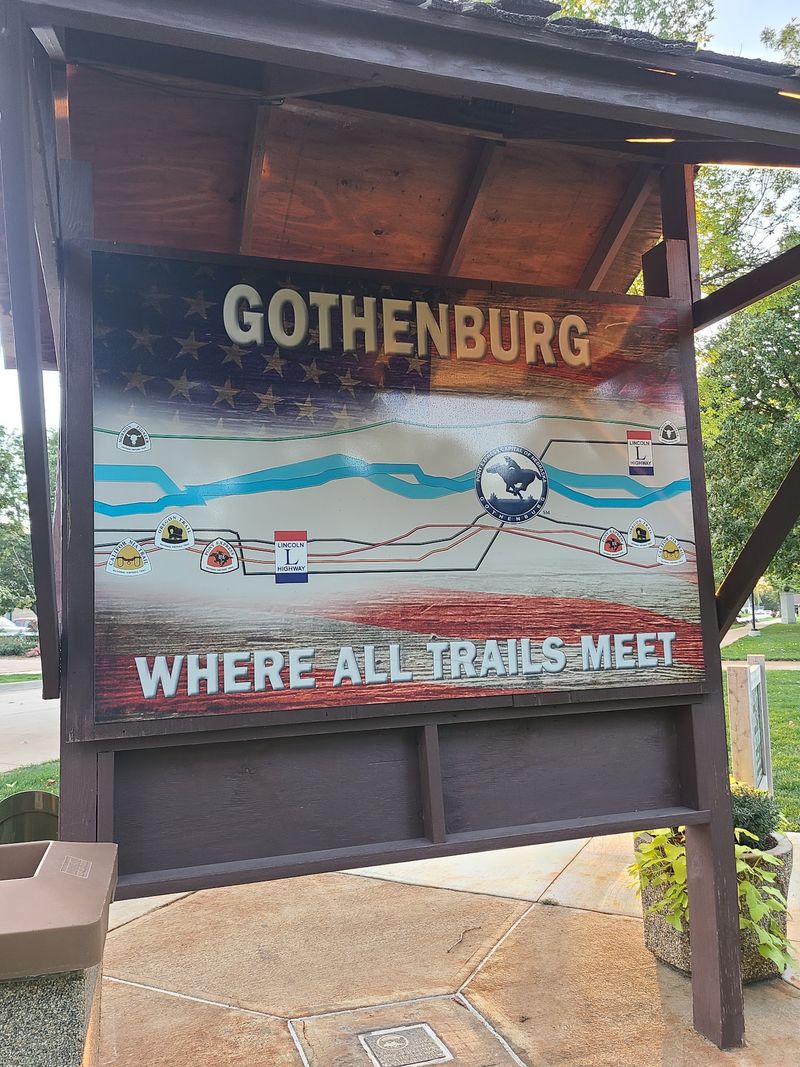
Gothenburg holds a distinction that very few towns anywhere in the country can claim: it is home to two original Pony Express stations. The Sam Machette station in Ehmen Park is the one open to the public, but a second station, the Midway Station, still stands on its original foundations on the Oregon and Pony Express trail just south of town.
The Midway Station sits on private property and is not generally open for casual visits, but it plays a central role during the annual Pony Express Re-ride, when the public is invited to witness a mochila exchange and meet the riders. This event brings the relay system to life in a way that no exhibit can fully replicate, and watching a rider arrive, transfer the mail pouch, and gallop off again is genuinely thrilling.
The presence of two original stations in the same small town is a remarkable historical coincidence that underscores just how significant this stretch of Nebraska was during the westward expansion era. Gothenburg is not just a stop on the Pony Express story; it is one of its most concentrated chapters, and that is a genuinely rare thing to find anywhere in the modern American West.
When to Visit and What to Expect: Practical Tips for Planning
The museum operates seasonally, generally from early April through late October, seven days a week including holidays. Hours shift slightly depending on the month: April and October run from 9 a.m. to 3 p.m., May and September extend to 6 p.m., and June through August stay open until 7 p.m., giving summer travelers plenty of flexibility.
Occasional closures due to poor weather do happen, so a quick call to 308-537-9876 before a long detour is always a smart move.
Outside the open season, the exterior of the station is accessible around the clock, 365 days a year. Tuning your radio to 88.1 FM while parked nearby delivers an audio introduction to the station’s history, which is a genuinely clever touch for off-season visitors.
Off-season interior tours can sometimes be arranged by appointment for groups or dedicated history enthusiasts.
Parking is easy, admission is free, and the whole visit can comfortably fit into 30 to 45 minutes, though many people find themselves staying longer. The museum’s website at ponyexpressstation.org has current hours and event information, and it is worth bookmarking before your trip west.
Share this story