Grant-Kohrs Ranch National Historic Site is more than a collection of old ranch buildings. This working Montana property still has cattle, horses, historic structures, and demonstrations that show how large-scale ranching shaped the American West.
The ranch began with fur trader Johnny Grant and later grew under cattle baron Conrad Kohrs into a massive open-range operation. Today, the National Park Service preserves the property as a rare look at both the business and everyday work behind the cattle frontier.
Visitors can explore original buildings, see livestock on the grounds, tour the ranch house, and learn how ranching changed after the brutal winter of 1886 to 1887. It is one of those places where the history makes more sense once you can actually see the scale of the operation.
Where the Frontier’s Heart Still Beats
Most historic sites ask you to look but not touch. Grant-Kohrs Ranch National Historic Site, at 266 Warren Lane in Deer Lodge, Montana 59722, operates on a completely different philosophy.
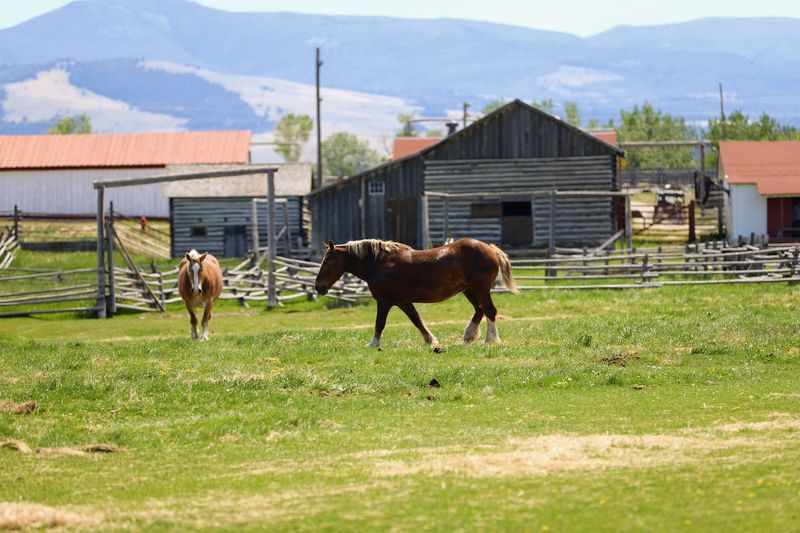
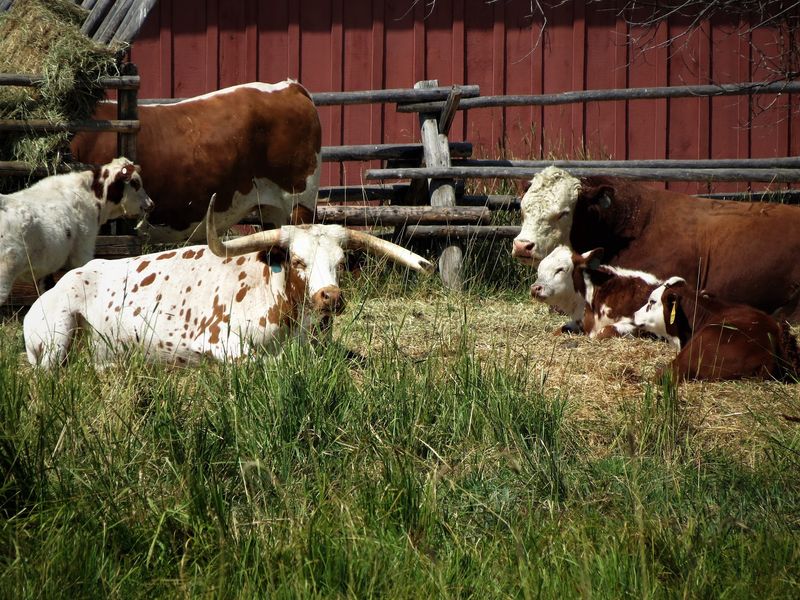
The ranch sits in the scenic Deer Lodge Valley, roughly halfway between Yellowstone and Glacier National Parks, and it functions as a genuine working ranch managed by the National Park Service. Cattle graze in the fields.
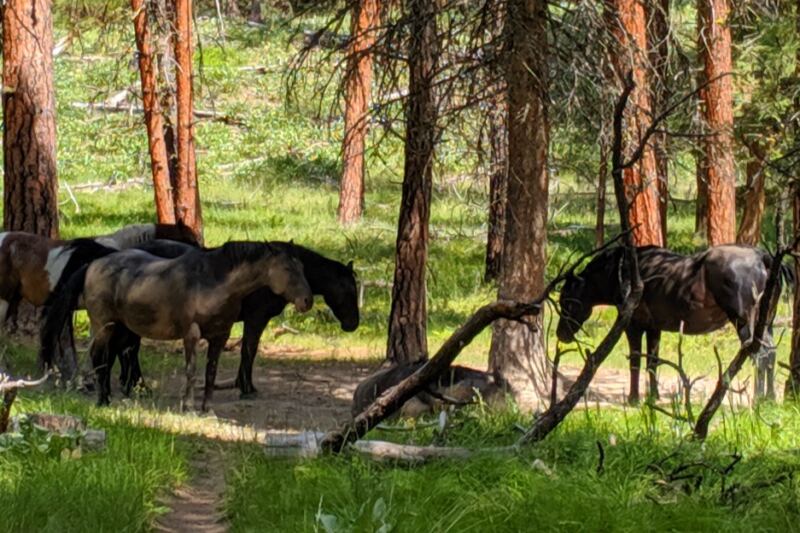
Horses stand in the corrals. Chickens wander the yard.
The site covers approximately 1,600 acres and includes around 90 historic structures, making it one of the most complete surviving examples of a 19th-century cattle operation anywhere in the United States.
Visitors can reach it easily from Interstate 90, using exit 187 from the east or exit 184 from the west. The transition from modern highway to frontier landscape happens almost immediately, and by the time you reach the visitor center, you already sense that something genuinely different is waiting just beyond the parking lot.
The Trader Who Started It All
Before the cattle empire existed, there was a sharp-eyed Metis fur trader named Johnny Grant, and his story is one of the most underappreciated origin tales in Western history.
Born in Fort Edmonton, Alberta, Canada, Grant began his entrepreneurial career in the 1840s by trading along the Oregon Trail. His method was straightforward and remarkably clever: he exchanged healthy livestock for the worn-out animals of westward-bound migrants, quickly building a sizable herd of cattle and horses without the overhead costs of traditional ranching.
By the early 1850s, Grant recognized that the Deer Lodge Valley offered exceptional winter grazing conditions, and he began wintering his herd there regularly. In 1862, he established a permanent residence and even encouraged neighboring traders to settle nearby, essentially seeding the foundations of the town of Deer Lodge itself.
Language barriers and the prejudices of the era eventually pushed him to sell in 1866 and return to Canada, leaving behind a thriving operation ready for its next chapter.
Conrad Kohrs and the Making of a Cattle King
Conrad Kohrs arrived in Montana chasing gold, but he quickly figured out that feeding hungry miners was a far more reliable path to wealth than digging for it.
A German immigrant with a relentless work ethic and an instinct for opportunity, Kohrs purchased Grant’s ranch in 1866 and set about transforming it into something extraordinary. Working alongside his younger half-brother and business partner John Bielenberg, he expanded the cattle operation across an astonishing 10 million acres of open range spanning four states and Canada.
That scale of ambition earned him the title that still follows his name: Montana’s Cattle King.
Kohrs was not content to simply run cattle. He served as both a territorial and state senator and held the presidency of the Montana Stockgrowers Association, wielding influence that stretched well beyond his own pastures.
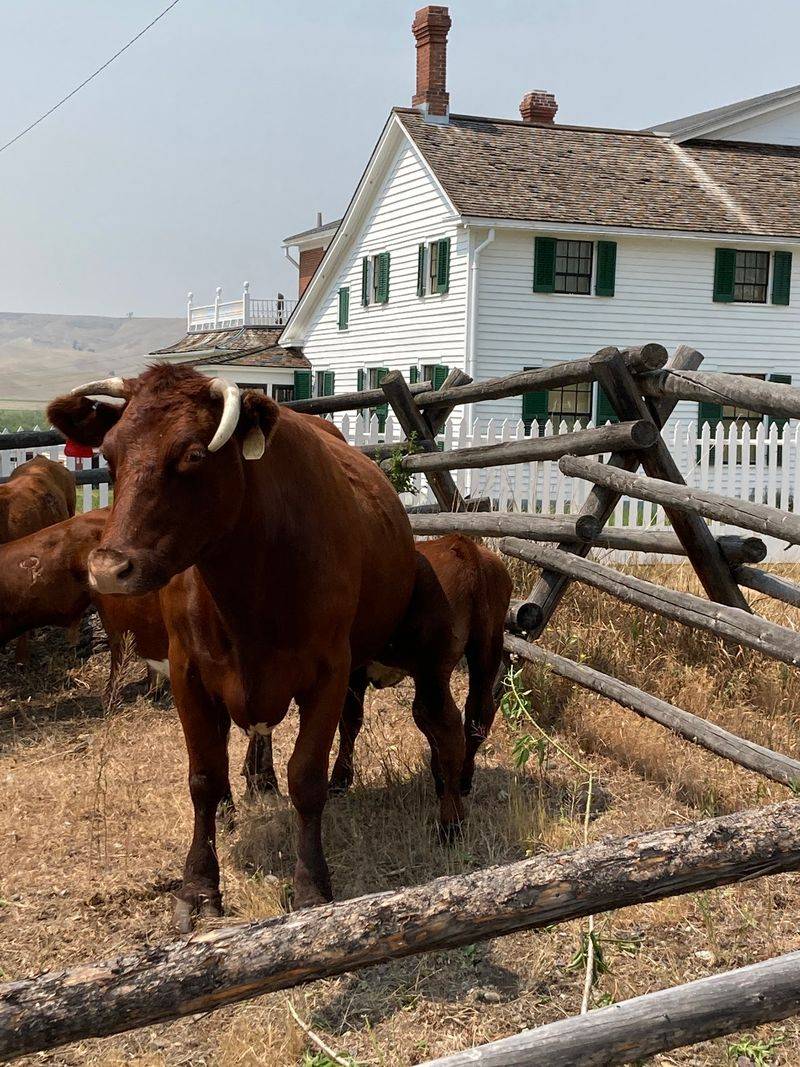
Bielenberg focused on developing quality Shorthorn and Hereford cattle alongside Thoroughbred and draft horses, giving the ranch a reputation for breeding excellence that set it apart from competitors across the entire region.
The Brutal Winter That Reshaped the West
The winter of 1886 to 1887 is remembered across the American West as one of the most catastrophic seasons in the history of open-range ranching, and the story of how this particular ranch survived it is genuinely remarkable.
Record cold temperatures and relentless snowfall buried the range, cutting off cattle from the sparse winter grass they depended on. Many ranchers across the region reported losing 90 percent or more of their herds.
Widespread bankruptcies followed, and the era of the unfenced open range effectively ended that winter, replaced by more controlled and sustainable ranching practices.
Conrad Kohrs had wisely diversified his investments into mining, real estate, and water rights, which provided a crucial financial cushion when the cattle losses hit. His Deer Lodge Valley herd, sheltered by the valley’s slightly milder conditions, fared better than most.
With a million-dollar loan from a Butte bank, Kohrs bought out struggling neighboring operations and emerged from the crisis stronger than before, having turned disaster into an opportunity for consolidation.
The Victorian Ranch House That Surprises Every Visitor
Many visitors arrive expecting a rough-hewn frontier cabin and leave completely astonished by what they actually find inside the main ranch house.
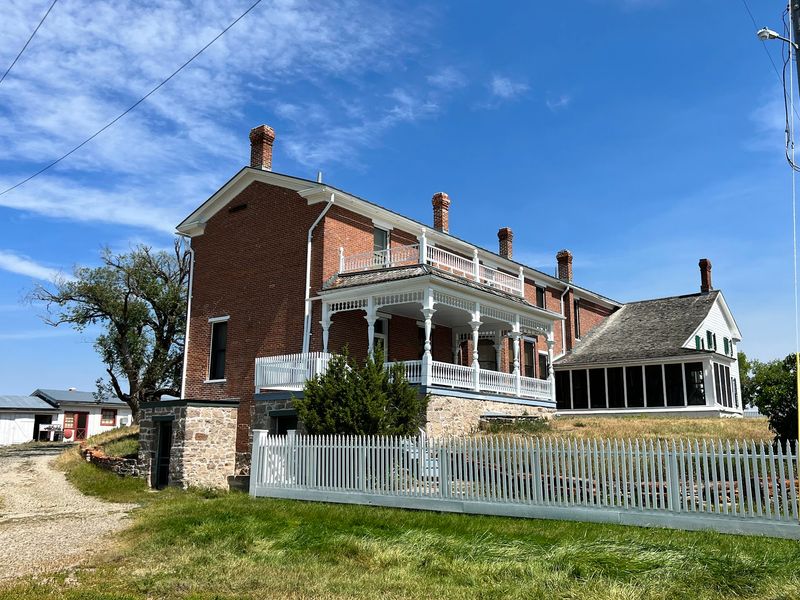
The house began as a simple log structure built by Johnny Grant in the 1860s, but Conrad Kohrs and his wife Augusta transformed it over the decades into a comfortable and surprisingly refined Victorian home. The most dramatic addition came in 1891, when Augusta commissioned a substantial brick expansion that added elegant rooms furnished with pieces that reflected the family’s considerable prosperity and cultured tastes.
Guided tours of the interior reveal original furnishings that the family actually used, not period reproductions sourced from elsewhere. The tour takes approximately one hour, runs frequently throughout the day, and requires free tickets obtained at the visitor center near the parking lot.
Photography inside the house is not permitted, which actually encourages visitors to pay closer attention to the details rather than viewing everything through a screen. The house alone justifies the stop, but the rest of the ranch ensures you will want to stay much longer.
Ninety Historic Structures and the Stories They Hold
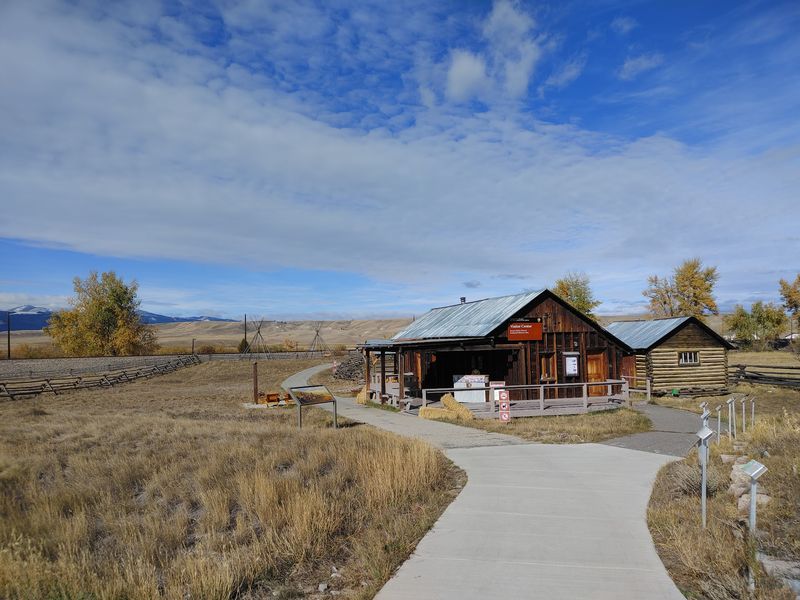
The main house gets most of the attention, but the real depth of this site reveals itself as you wander through the surrounding collection of outbuildings, each one telling a distinct piece of the frontier ranching story.
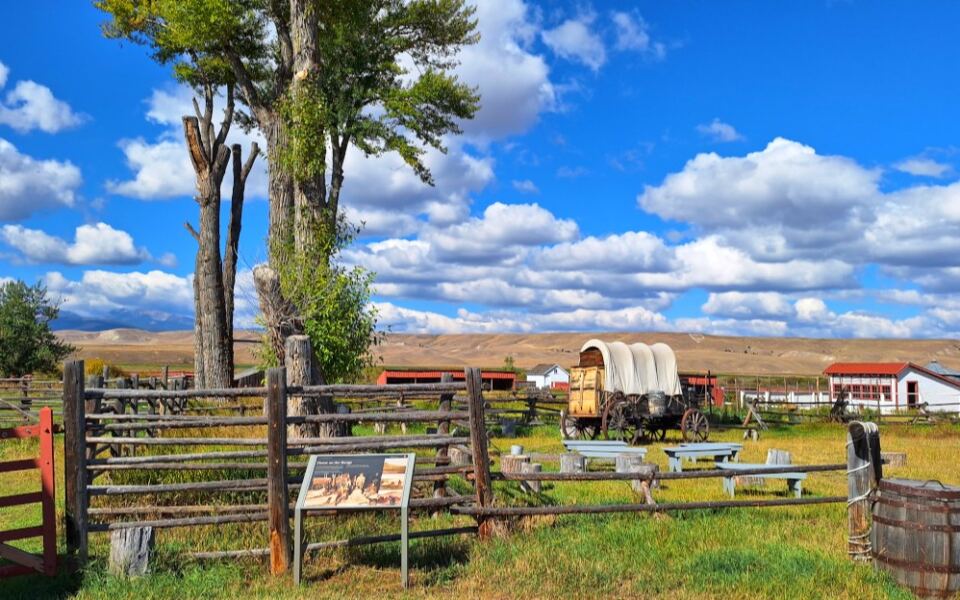
With approximately 90 historic structures spanning from the 1860s through the mid-1900s, the ranch offers a comprehensive record of how a working cattle operation evolved over time. The long bunkhouse provides an unfiltered look at the cramped but communal life of cowboys between drives.
The blacksmith shop, one of the most talked-about spots on the property, still rings with demonstrations that show how vital the forge was to keeping a ranch operational. Two vehicle storage barns hold historic carriages and equipment that speak to the logistics of managing a vast operation before motorized transport arrived.
Each building is clearly labeled with interpretive signs that explain its function and historical context, making the self-guided walking tour genuinely informative rather than a simple stroll past old wood and rusted iron. Plan for at least two to three hours if you want to do the grounds proper justice.
Living History That Actually Comes Alive
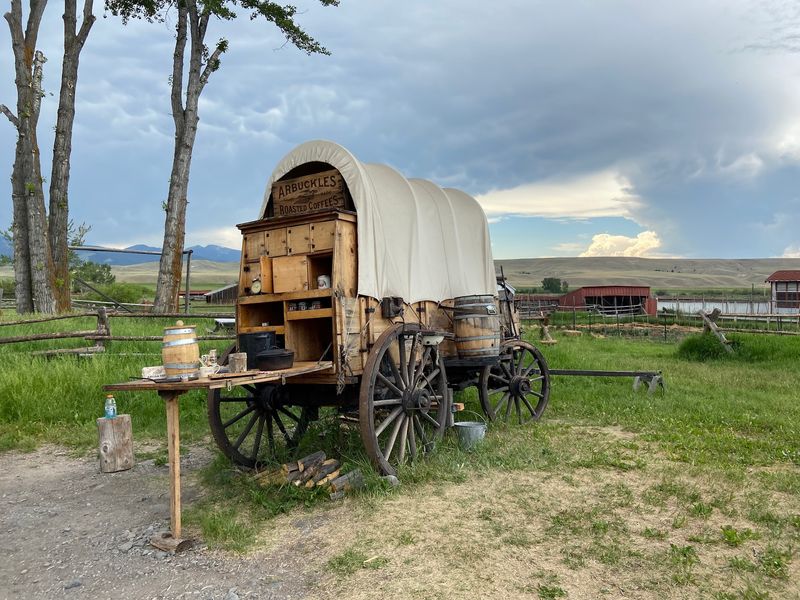
The phrase ‘living history’ gets used so often that it has nearly lost its meaning, but at this ranch, it describes something that genuinely earns the label.
During the warmer months, the site buzzes with demonstrations and interactive programs that pull visitors out of the role of passive observer. The blacksmith shop hosts skilled artisans who explain their craft while hammering real iron at a real forge.
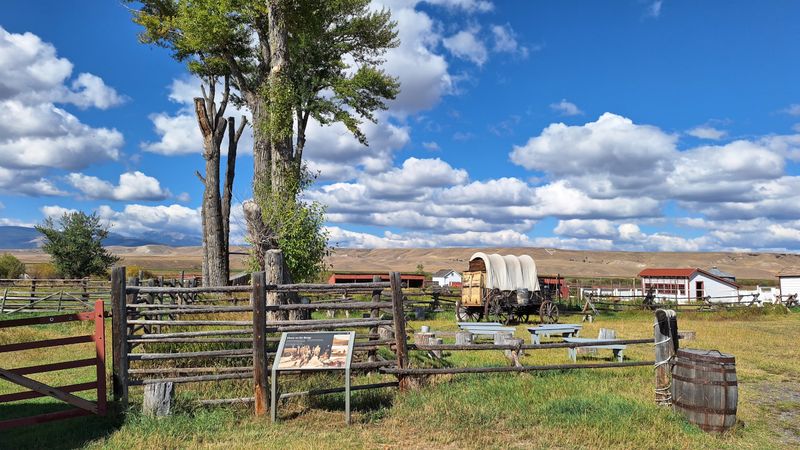
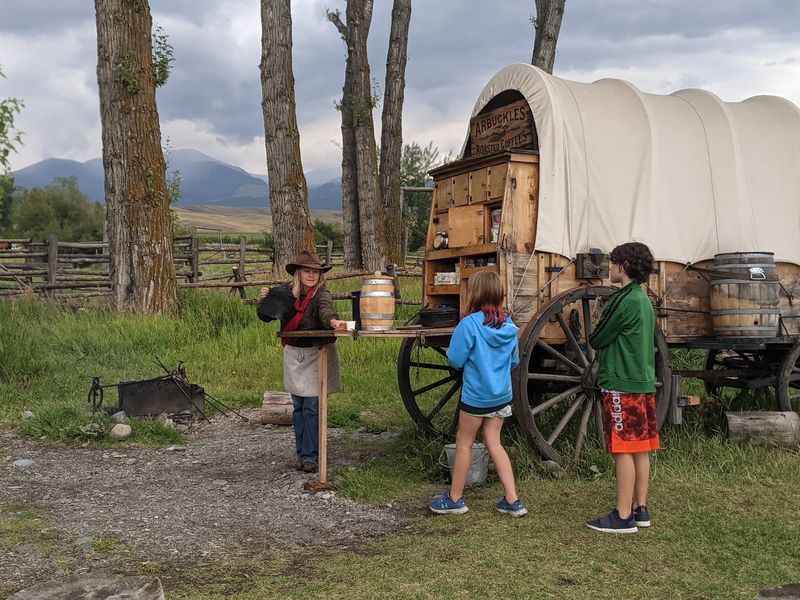
Chuckwagon programs recreate the mobile kitchen culture that sustained cowboys on long trail drives, complete with the aroma of cowboy coffee brewed over an open fire, a detail that lands differently when you are standing next to the actual wagon.
Park rangers lead cowboy talks that cover the daily realities of frontier ranch work, from early morning chores to the social dynamics of the bunkhouse. Seasonal wagon tours offer a broader perspective on the ranch landscape.
Special events like calf branding demonstrations happen periodically throughout the year and draw visitors who leave with a visceral appreciation for the physical demands of cattle ranching that no textbook could fully convey.
Trails, Creek Banks, and Wide Open Montana Sky
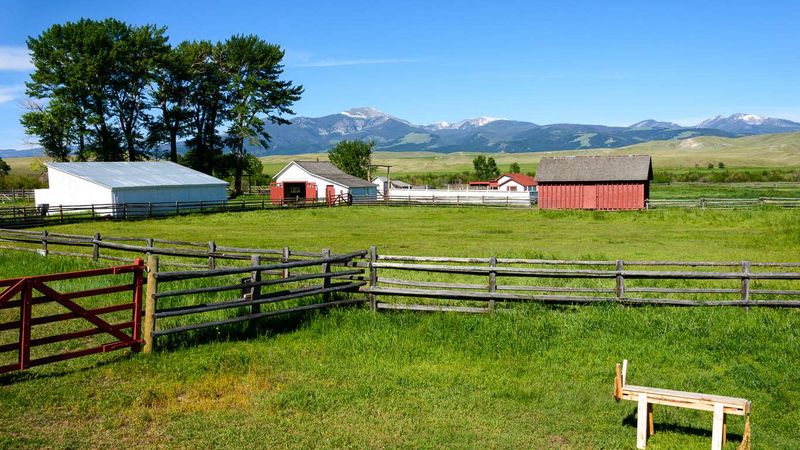
Beyond the buildings and demonstrations, the ranch invites a slower kind of exploration, one that moves at the pace of the landscape itself.
Nearly ten miles of ranch roads and trails wind through the property, ranging from short accessible loops around the main ranch area to longer routes through the West Gulch and West Range that reveal the full scale of the terrain. A particularly rewarding walk follows the banks of Cottonwood Creek, shaded by the cottonwood trees that give it its name, where birds are easy to spot and the sound of the water provides a natural counterpoint to the historical weight of the surrounding buildings.
The views from the outer trails stretch across the Deer Lodge Valley toward the surrounding mountain ranges, offering the kind of perspective that makes it easy to understand why both Johnny Grant and Conrad Kohrs chose this specific location for their operation. The valley’s natural shelter, reliable water, and rich grasses made it ideal for wintering cattle, and standing out on those trails, you can still feel exactly why the land drew them here.
The Warren Family: Guardians of a Legacy
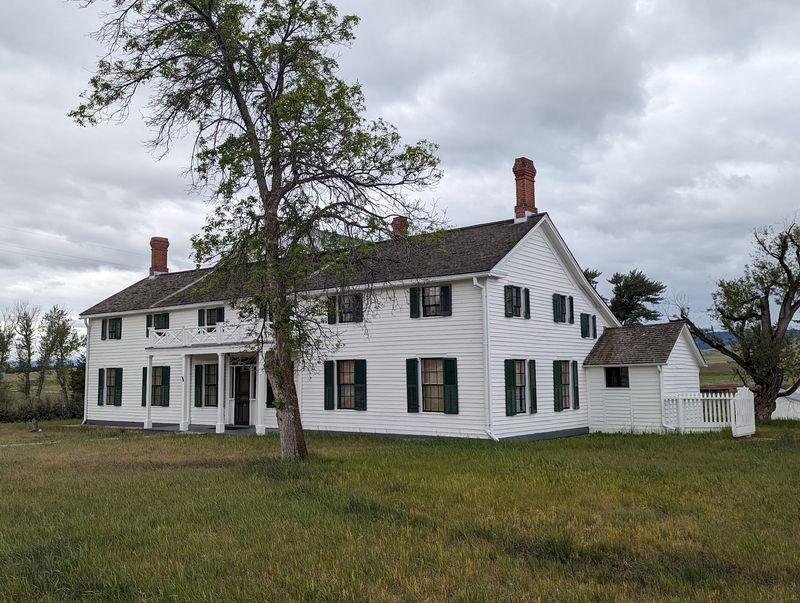
The fact that Grant-Kohrs Ranch exists today in such a remarkably intact state is largely the result of one couple’s quiet but determined commitment to preservation.
Conrad Kohrs Warren, grandson of the original cattle king, took over as ranch manager in 1929 and, along with his wife Nell, officially purchased the property in 1940. Rather than modernizing the operation beyond recognition or selling off the historic structures for other uses, the Warrens chose a different path.
They safeguarded the original buildings, collected and preserved ranch records and artifacts, and maintained the property as a working cattle ranch while simultaneously treating it as a living archive of Western history.
Their efforts resulted in the ranch being designated a National Historic Landmark in 1960, a recognition of its exceptional significance to the American story. In 1972, the Warrens sold the property to the National Park Service, ensuring its long-term protection and public access.
Their legacy is not measured in cattle or profit but in the gift of a place where future generations can encounter the frontier era not as mythology but as tangible, preserved reality.
Junior Rangers, Family Fun, and Free Admission
One of the most refreshing things about this site is that it costs absolutely nothing to visit, making it one of the best budget-friendly historical experiences in the entire Pacific Northwest region.
The Junior Ranger program gives younger visitors a structured way to engage with the ranch’s history through activity booklets that guide them through the grounds, asking questions and encouraging observation. Completing the booklet earns a badge or certificate, which tends to be taken very seriously by the children involved.
Beyond the formal program, kids can interact with the ranch animals up close, watching horses, cattle, and chickens go about their daily routines in a way that feels genuinely different from a zoo or petting farm.
The visitor center near the parking lot serves as the ideal first stop for families, offering program schedules, park pamphlets, and a bookstore with educational materials and souvenirs. Picnic areas are available on site, and pull-through parking accommodates larger vehicles and trailers.
The ranch is open daily from 9:00 AM to 4:30 PM, with extended summer hours until 5:00 PM, and closes only on Thanksgiving, Christmas, and New Year’s Day.
Deer Lodge Beyond the Ranch: A Town Worth Exploring
A visit to Grant-Kohrs Ranch pairs naturally with a broader look at Deer Lodge itself, a small Montana town that carries more historical weight than its size might suggest.
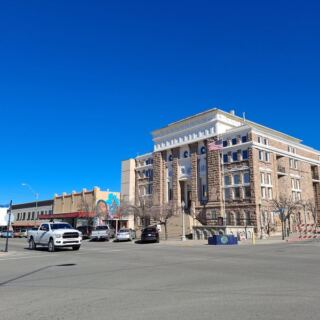
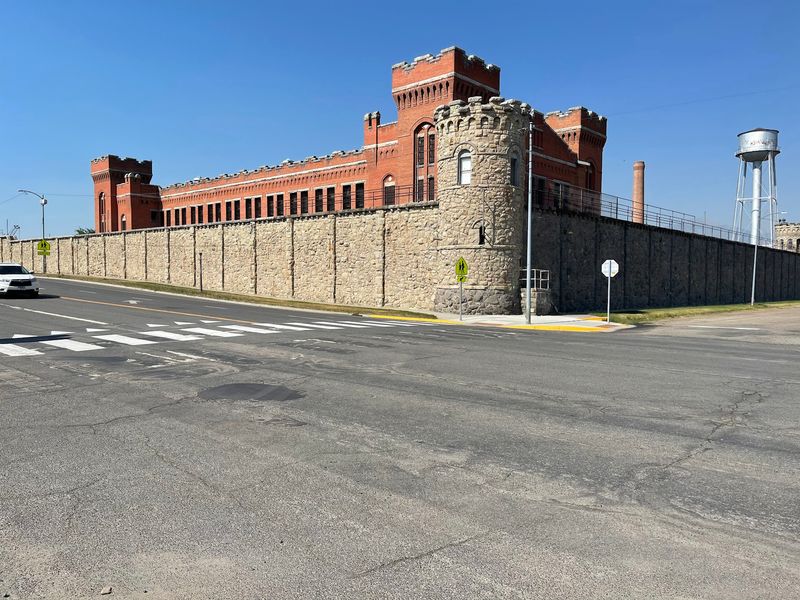
The ranch sits at the north edge of town, making it easy to combine with a walk through the historic district, where buildings dating back to Montana’s gold rush era still line the streets. A short drive south brings you to the Old Montana Prison Museum, a complex that offers a fascinating and sometimes sobering look at frontier-era justice.
The prison grounds include not only the original territorial prison but also an impressive collection of antique automobiles and several smaller museums that cover different aspects of regional history.
Together, the ranch and the town create a layered portrait of the American West that goes well beyond cowboys and cattle. You get the economic ambition, the social structures, the political tensions, and the everyday domestic life of people who were building something genuinely new in a landscape that did not make it easy.
That combination is what makes Deer Lodge a destination worth more than a passing glance from the interstate.
Share this story