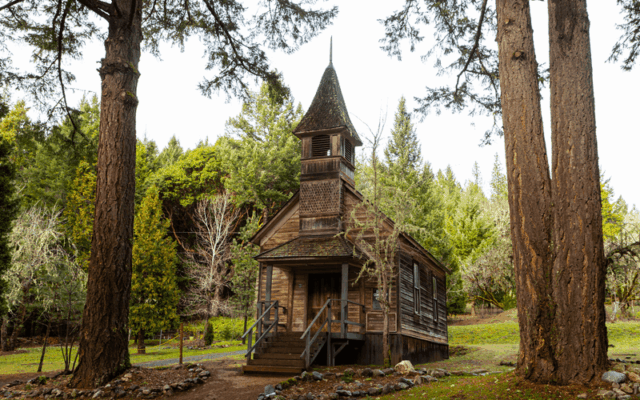
Some of the best stops in Oregon aren’t on any tourist map. Just a few minutes off the interstate, a whole pioneer town sits quietly waiting, its weathered buildings still standing after more than a century.
You can wander its dirt paths, peek inside an old church and a one-room schoolhouse, and feel like you slipped straight into the past. Best of all, it won’t cost you a dime.
A Ghost Town Hiding Just Off Interstate 5
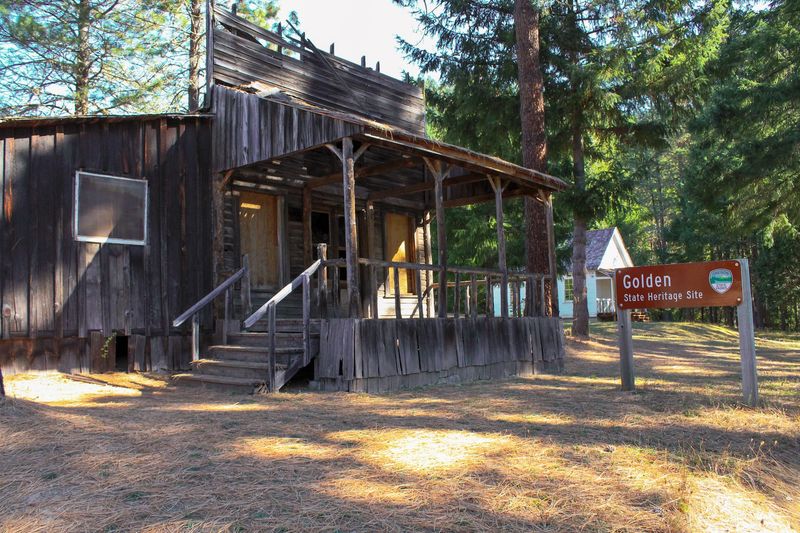
Tucked into the hills near Wolf Creek in southern Oregon, this quiet ghost town is barely five to ten minutes off Interstate 5, yet it feels a world away from the rush of traffic.
Officially the Golden State Heritage Site, the old mining settlement of Golden once buzzed with life between 1850 and 1913. What remains today is a small cluster of preserved wooden buildings scattered along a remote country road.
Visitors driving south often stumble onto it by accident, take the exit on a whim, and end up spending far longer than planned. Folks say it’s an easy, worthwhile detour if you have a little time in the area.
There’s no admission fee, no gates, and no crowds. Just you, the buildings, and the hush of history settling over the forest.
The Story of a Gold Mining Boomtown
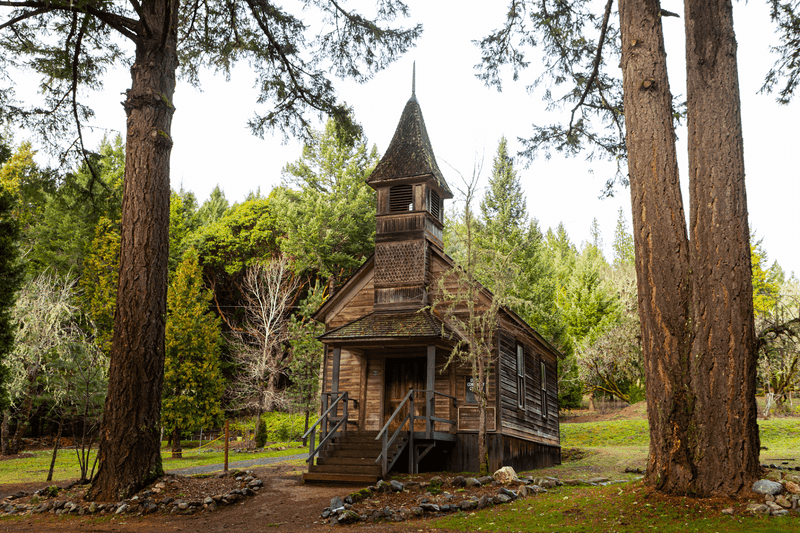
Gold is what put this little town on the map. From 1850 until 1913, miners worked the nearby creek, chasing the shimmer of the metal that once drew hopeful settlers to the Oregon hills.
What makes the town’s story unusual is a detail regulars love to share: Golden had two churches and not a single saloon. Anyone looking for refreshments had to travel several miles away to Graves Creek.
The site is packed with reading material that walks you through the town’s rise and slow fading. Visitors mention how much they enjoyed lingering over the stories and old photographs posted around the grounds.
If the camp hosts are on duty, they keep a red binder brimming with local history. Ask them questions, and you’ll get a richer picture than any plaque can offer.
Stepping Inside the Old Church
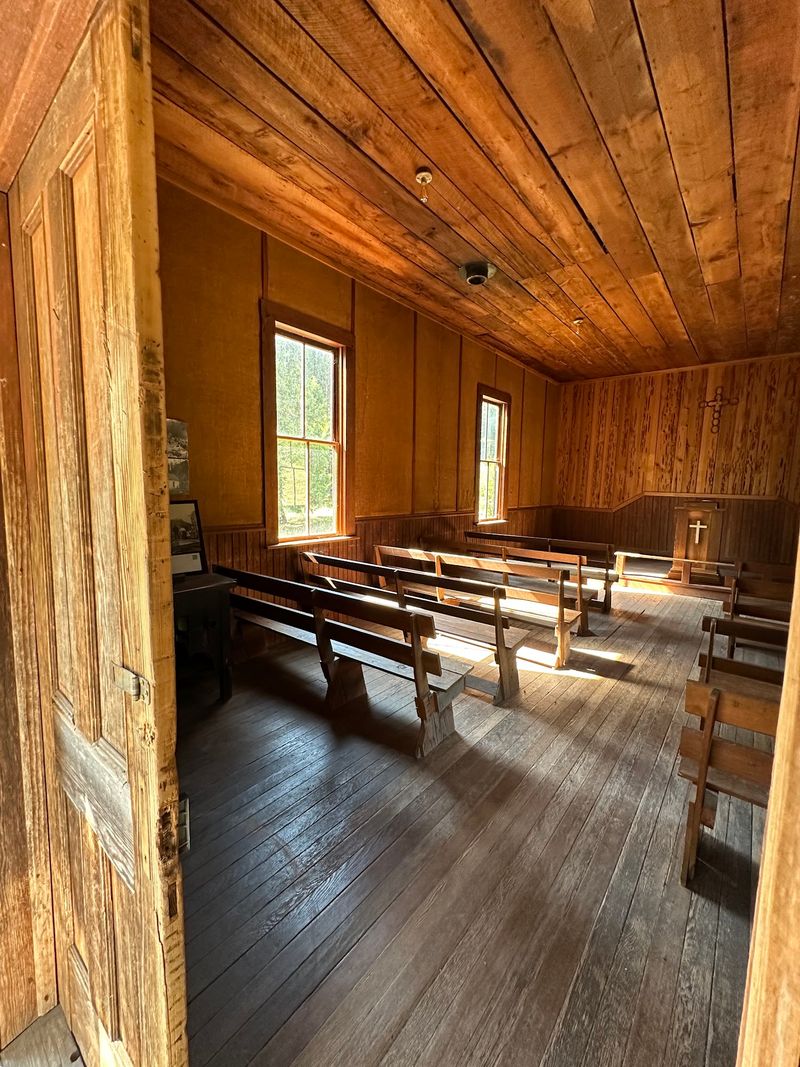
Crossing the threshold of the little white church feels like turning the page of a very old book. Its wooden walls and simple pews have stood since the late 1800s, and the restoration work here keeps that frontier spirit intact.
Along with the schoolhouse, the church is one of only two buildings you can actually walk inside. Many travelers say it’s their favorite stop on the whole property.
Light filters through the windows and settles over the quiet interior, and more than a few visitors admit the room left them speechless. There’s a stillness inside that makes you want to lower your voice.
The preservation effort has been careful and clearly loving. For anyone who appreciates old architecture and small-town history, the church alone justifies the short drive off the freeway.
The One-Room Schoolhouse
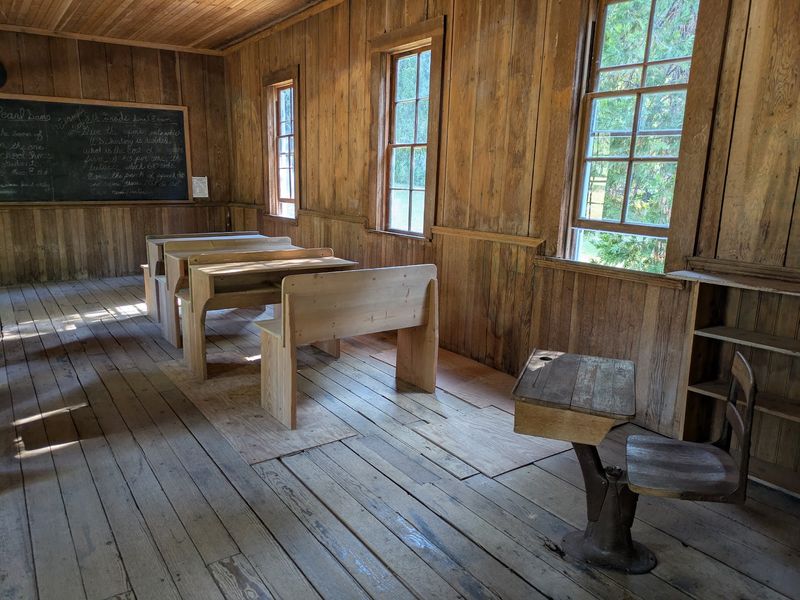
Picture a single room where children of every age once learned their letters together. The old schoolhouse here brings that image to life, and it’s the second building open for you to explore up close.
Walking among the modest furnishings, you get a real sense of what learning looked like on the Oregon frontier. Visitors often pair it with the church as the highlight of their trip.
Occasionally the building closes for repairs, so timing can vary. On the days it’s open, folks describe the experience as stepping straight back in time.
When the camp hosts are present, the school and church are typically unlocked from around 8 in the morning until 8 in the evening. Peek through the windows of the other structures if you arrive when those two are shut.
Weathered Buildings Frozen in Time
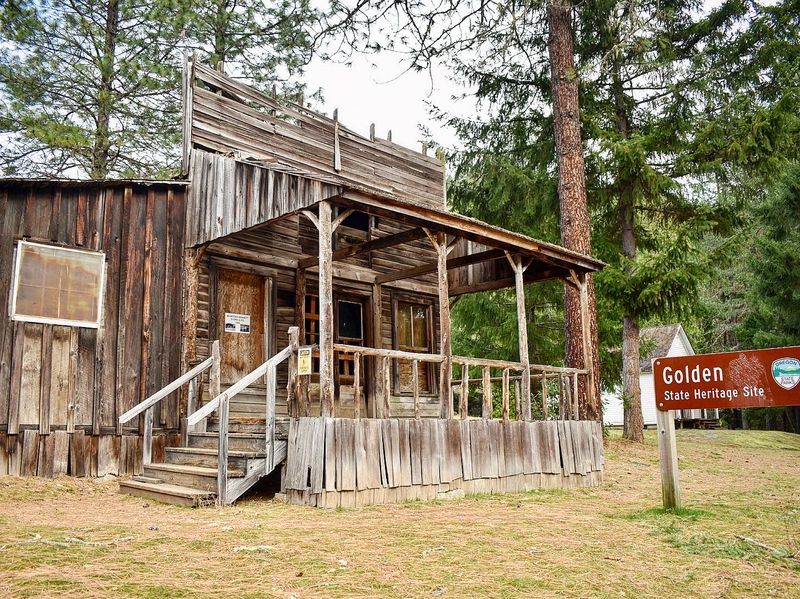
Beyond the church and school, a handful of other old structures dot the grounds, including a general store with a wooden deck out front. You can’t step inside these, but you’re welcome to look through the windows into another era.
The buildings are in remarkably good shape for their age, a testament to the careful preservation that keeps them upright. Some visitors describe an unexpected rush of feeling as they walk up to the general store porch.
The Ruble House still sits collapsed, though caretakers have cleared the brush and hope to rebuild it someday. It’s a reminder that this is a living restoration project, not a polished museum.
Wandering between the weathered facades, you can almost hear the echoes of a town that time nearly forgot.
A Creek Once Combed for Gold
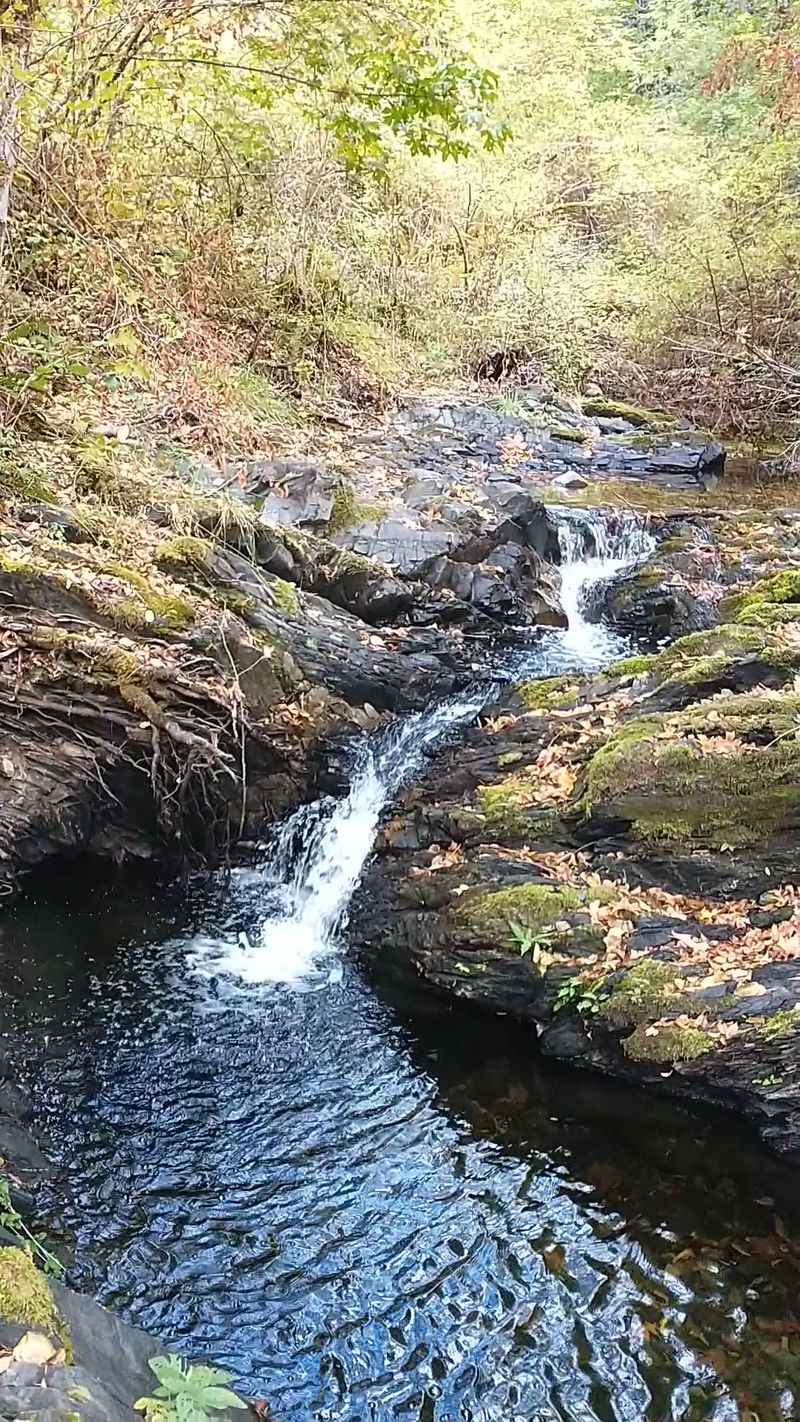
Follow the paths down below the buildings and you’ll reach the creek that gave the town its glitter. Miners once worked these waters, and even now people say a bit of gold still turns up here and there.
Restoration crews have been busy reshaping the previously mined creek, transforming scarred ground into a budding nature preserve. Across the road, old mining ponds have become a haven for wildlife.
Travelers mention spotting turtles sunbathing, geese gliding across the water, and eucalyptus trees swaying overhead. The short, easy walk makes the wetlands accessible for almost anyone.
Watching a landscape once torn up for gold heal into a thriving habitat gives the visit a quiet, hopeful note. Bring your curiosity and take your time along the trails.
The Mysterious Marked Graves
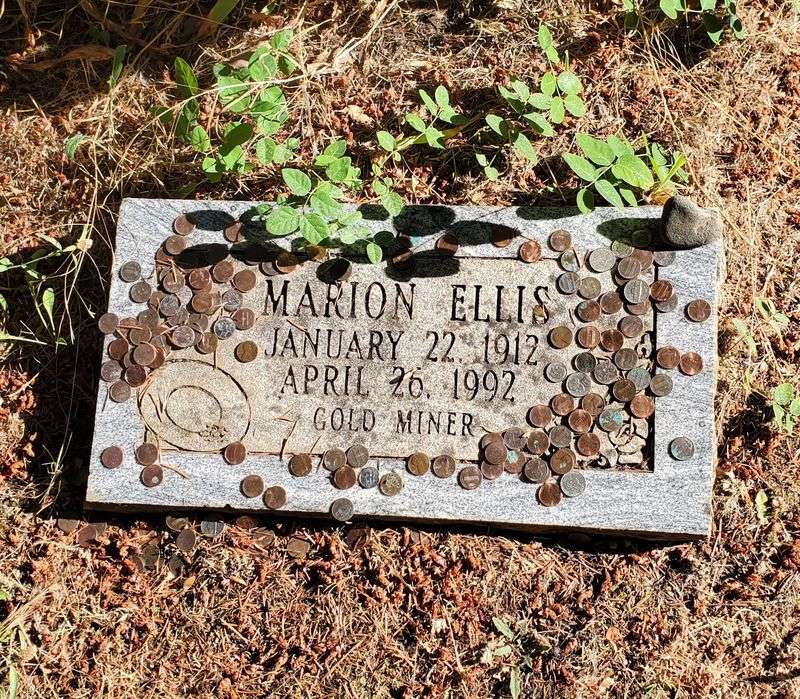
Near the town rest three simple markers that leave visitors with more questions than answers. One is labeled for a gold miner, the others for veterans, yet none carries the family name tied to the site.
Some travelers find these markers the most intriguing part of the whole place. Who were these people, and why do they rest here?
The signage doesn’t fully explain, which only deepens the mystery.
There’s something poignant about pausing beside them in the quiet clearing, surrounded by trees and the ghosts of a bygone town. It’s a moment that invites reflection rather than easy explanation.
If a camp host is around, it’s worth asking whether they can shed any light. Otherwise, the markers remain a small, lingering puzzle at the edge of history.
A Set Straight Out of the Old West
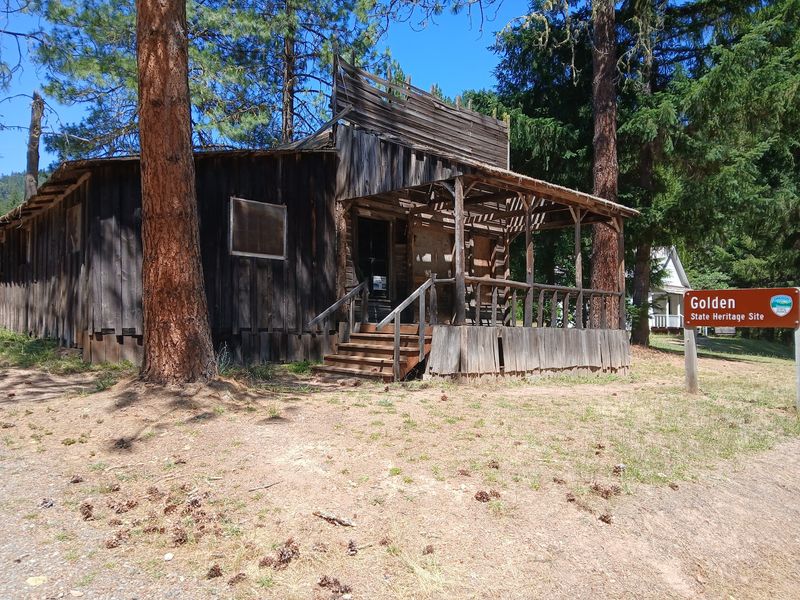
Ever felt like you walked onto a movie set? At this pioneer village, that feeling isn’t your imagination.
Parts of the town were restored back in the 1950s to serve as a filming location.
The old buildings appeared as a backdrop for the classic television show Bonanza and several western films of the era. That cinematic history adds an extra layer of charm to an already photogenic spot.
More recently, a popular paranormal television series filmed an episode here, and quite a few visitors first heard about the town through that broadcast. It’s become a small point of pride among fans.
Whether or not you chase the spooky angle, the western-set atmosphere makes for wonderful photos. The rustic facades practically beg to be captured in the golden Oregon light.
The Quiet, Eerie Atmosphere
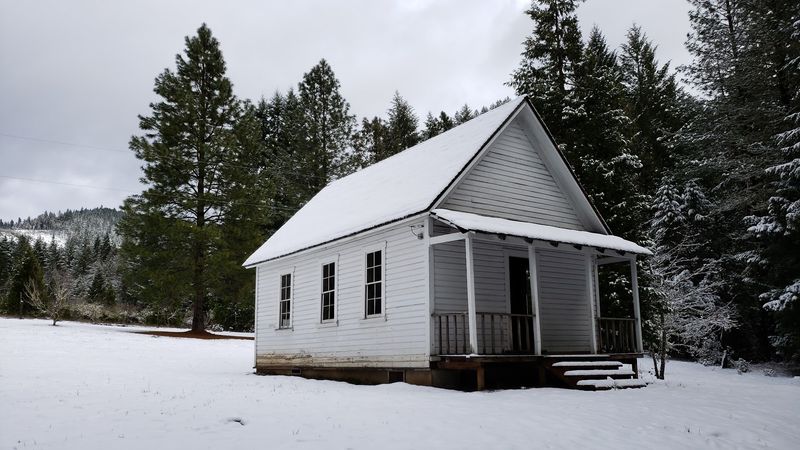
Silence has a weight here that surprises many first-timers. With so few visitors at any given moment, you can often have the whole town to yourself, and that emptiness carries a certain charge.
Some folks describe the place as powerful and a little eerie, mentioning a strong sense of energy as they walk among the buildings. Others simply soak in the peaceful hush of the forest and the creek.
One visitor recalled arriving on a snowy afternoon with the entire site empty, calling it a hidden gem worth savoring. Winter light gives the old structures an especially haunting beauty.
Whether you come for the history, the quiet, or the goosebumps, the mood suits solo wanderers, curious families, and anyone who loves a place that whispers rather than shouts.
Planning Your Visit
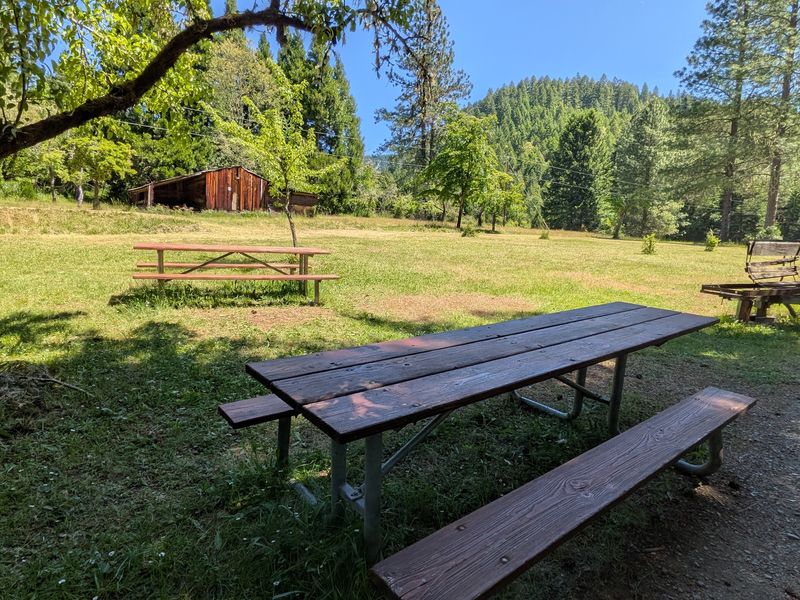
Getting here is refreshingly simple. The site sits only a few miles off Interstate 5 near Wolf Creek, an easy detour that rewards spontaneous road-trippers all year round.
Admission is free, and you’ll find a couple of picnic tables plus a porta-potty at the trailhead, though there’s no running water or trash service. Pack a lunch, and remember to carry out whatever you bring in.
Park on the right side of the road, since the signs are easy to miss and the caretaker asks that visitors respect the area. Pets are welcome on a leash but not inside the buildings.
Watch for poison oak along the paths, and keep an eye out for wildlife nearby. The closest services are in Wolf Creek, just up the road.
For a free, unforgettable slice of Oregon history, this quiet town is hard to beat.
Share this story