Your travel budget can stretch a lot further than you might think, depending on where you choose to go. While some cities drain your wallet before the second day, others let you eat well, sleep comfortably, and explore freely for a fraction of what you’d spend back home.
This list highlights 15 destinations where the U.S. dollar delivers real value, covering everything from medieval European capitals to sun-soaked Southeast Asian cities. Prices are based on 2026 traveler-spending averages and do not include international airfare.
Tbilisi, Georgia
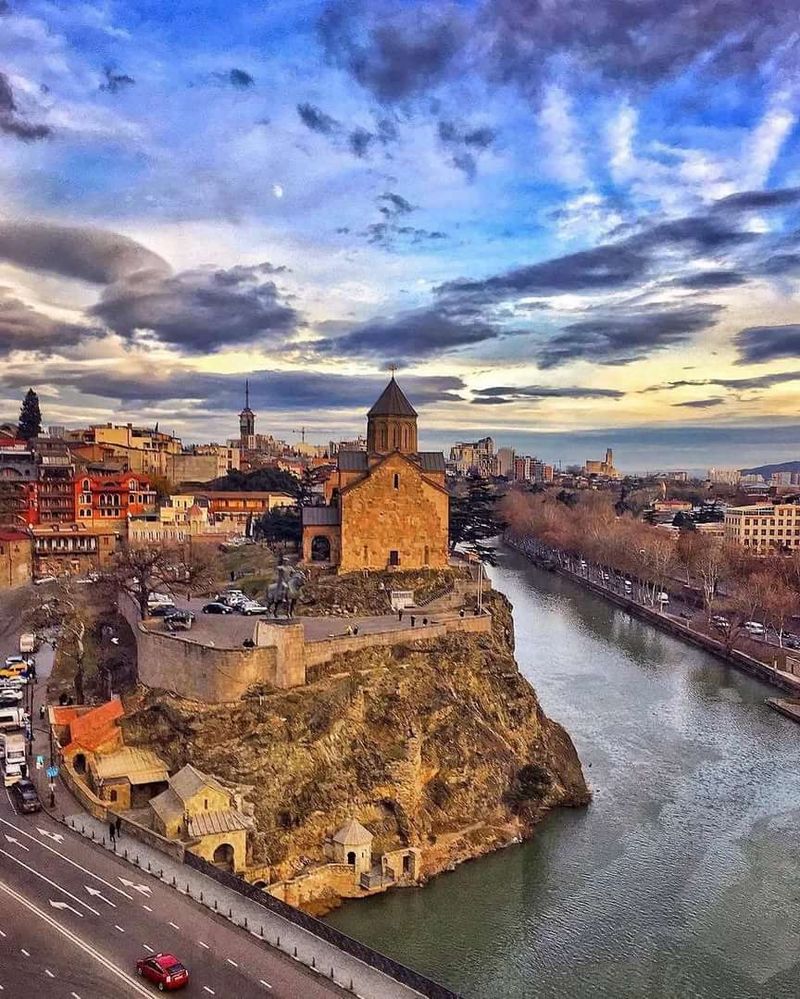
For roughly $36 per person per day, Tbilisi might just be the best-kept secret in budget travel right now. That figure covers accommodation averaging around $26, meals near $14, and local transportation at just $6.
A full week for two travelers comes to about $505 before flights.
Old Tbilisi spans approximately two square kilometers and packs in medieval streets, centuries-old churches, carved wooden balconies, and the famous sulfur baths of Abanotubani. Those naturally heated baths have drawn visitors for hundreds of years and remain in active daily use today.
Soaking in one costs only a few dollars.
Georgian cuisine alone makes the trip worthwhile. Khinkali dumplings, khachapuri bread, and local wines produced using ancient clay vessel methods are all affordable and genuinely delicious.
Street food vendors, neighborhood bakeries, and casual restaurants keep meal costs low without sacrificing quality. Tbilisi rewards slow, curious travelers who enjoy wandering without a rigid plan.
Phnom Penh, Cambodia
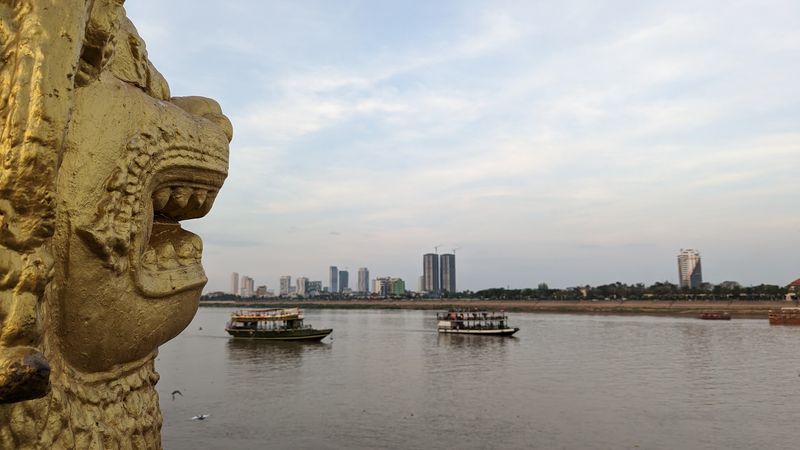
Phnom Penh has a way of surprising first-time visitors who expect only history and heat. Average daily spending sits around $50 per person, with meals costing roughly $22, local transportation about $8, and accommodation near $25.
Two travelers sharing a week in the city spend approximately $704 total.
The Royal Palace complex covers more than 183,000 square meters and anchors the city’s cultural identity. The neighboring Silver Pagoda earns its English nickname from over 5,000 silver tiles covering its floor.
Cambodia’s Ministry of Tourism notes the palace remains a functioning royal residence, with areas like the Throne Hall open to visitors when official events allow.
Beyond the palace, the city rewards walkers. The riverside promenade, local markets, and the National Museum of Cambodia offer hours of exploration without heavy admission fees.
Street food stalls serve fresh noodle soups and grilled skewers for under a dollar. Phnom Penh is the kind of city that teaches you something new every afternoon, and it does so without demanding much from your bank account.
Buenos Aires, Argentina
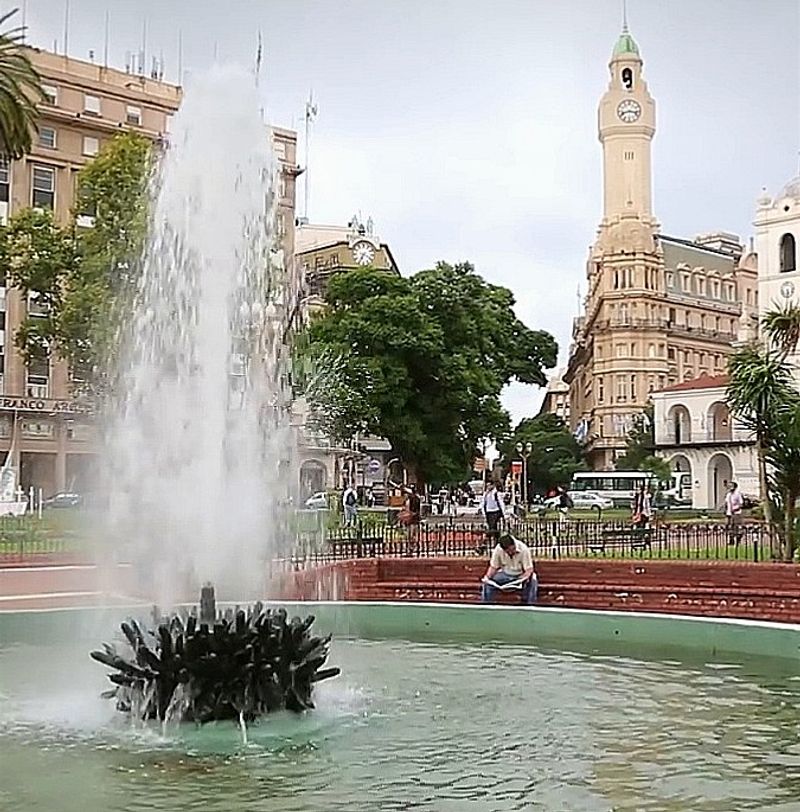
Buenos Aires is proof that a world-class city does not have to come with a world-class price tag. Average daily spending for travelers currently sits around $55 per person, while budget-conscious visitors often manage closer to $24.
The Argentine capital offers an enormous urban experience for that cost.
Argentina’s tourism authority points visitors toward San Telmo’s cobblestone streets and antique markets, the vibrant corrugated facades of La Boca’s Caminito, the elegant architecture of Recoleta, and the waterfront dining scene at Puerto Madero. Free or low-cost tango performances appear in public squares throughout the week.
Museums, parks, and neighborhood cafes fill the gaps without requiring much spending.
One important note: Argentine prices can shift quickly due to ongoing inflation, and payment methods including currency exchange options are worth researching before departure. Checking current hotel rates and local payment norms right before booking is a smart move.
When conditions align, though, Buenos Aires delivers European-style energy, culture, and cuisine at a cost that would be nearly impossible to match in Madrid or Paris.
Belgrade, Serbia
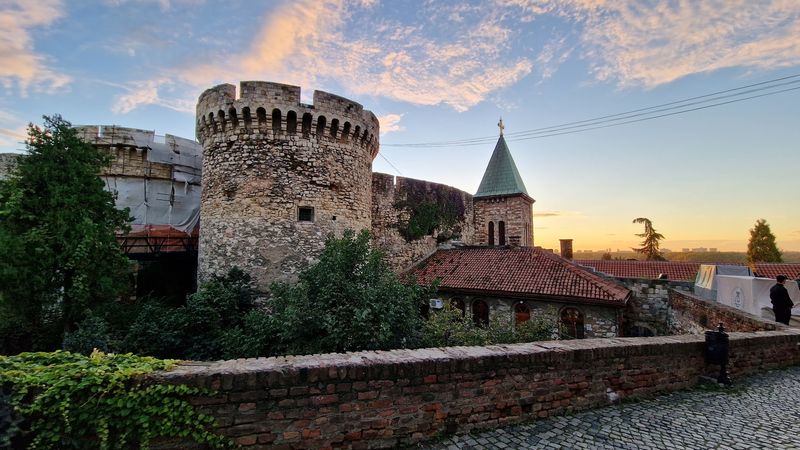
Belgrade has a reputation for wild nightlife, but its real secret is how affordable it is even when you skip the clubs entirely. Typical daily spending comes in around $56 per person, with food averaging just $17 and local transportation only $6.
That leaves real room in the budget for food, culture, and unplanned adventures.
Belgrade Fortress sits on the hill where the Sava and Danube rivers meet, and walking through it costs nothing. Centuries of Roman, Serbian, Ottoman, and Habsburg history are layered into the stone walls, towers, and gates.
Kalemegdan Park wraps around much of the fortress and serves as one of the city’s most beloved public spaces for locals and visitors alike.
The city’s food scene punches well above its price point. Traditional Serbian restaurants serve slow-roasted meats, hearty stews, and fresh bread at prices that would be unthinkable in Western Europe.
Coffee culture is strong here, and spending an afternoon at a riverside cafe costs almost nothing. Belgrade rewards travelers who enjoy mixing history, local food, and genuine neighborhood energy without worrying about the bill.
Hanoi, Vietnam
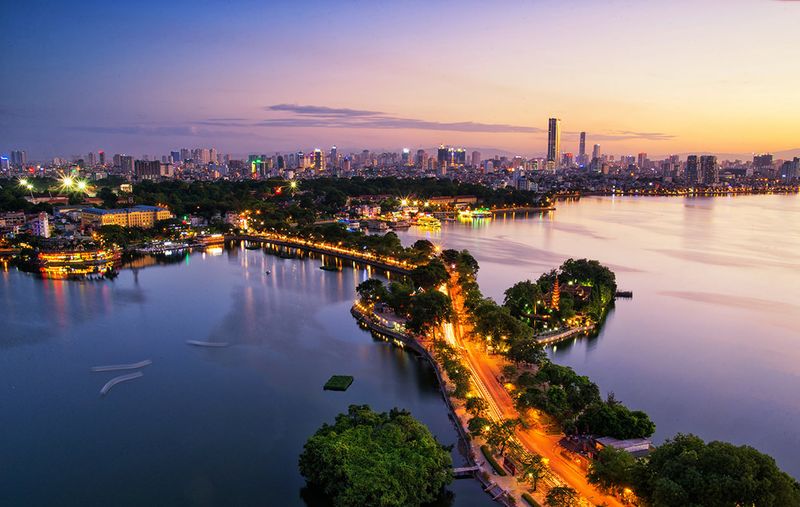
Hanoi is one of those cities where the streets themselves are the attraction. Average daily spending sits around $57 per person, while budget travelers frequently manage closer to $21.
That figure covers accommodation, food, local transport, and sightseeing reported by real visitors.
Vietnam Tourism describes the Old Quarter as a network of 36 streets historically organized by trade, packed today with pagodas, cafes, flower stalls, food carts, and motorbikes. Dishes like pho and bun cha are not tourist inventions here.
They are part of daily neighborhood life, available fresh from street stalls for the equivalent of a couple of dollars.
Travelers can spend entire mornings walking through the Old Quarter, stopping at a lakeside tea stall by Hoan Kiem Lake, and watching the city wake up, all without spending more than a few dollars. Ticketed attractions like the Temple of Literature and the Ho Chi Minh Mausoleum complex are inexpensive but add real historical depth.
Hanoi rewards patient, curious travelers who prefer discovery over structured itineraries and do not mind sharing the sidewalk with a scooter or two.
Chiang Mai, Thailand
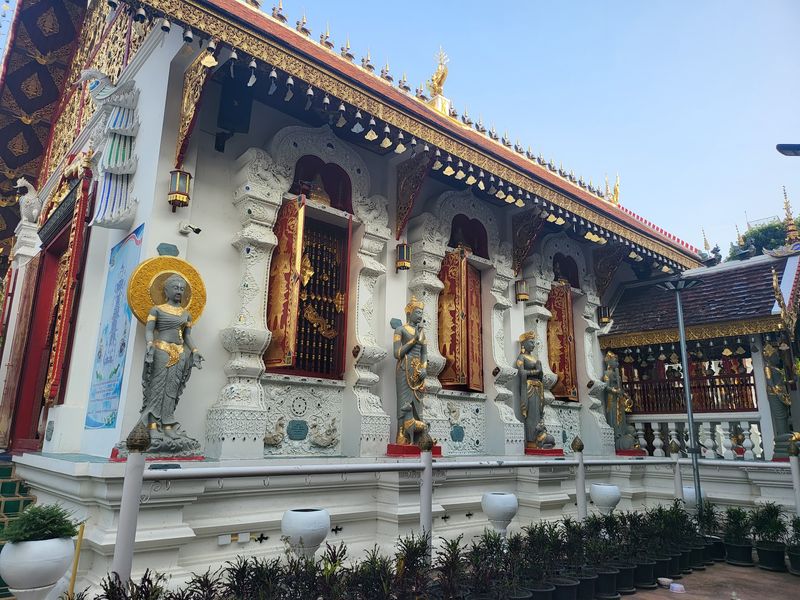
Chiang Mai has quietly become one of Southeast Asia’s most beloved destinations, and the price tag is a big reason why. A typical trip costs around $59 per person per day, while budget travelers average roughly $22.
That leaves a generous cushion for temples, markets, cooking classes, and day trips into the surrounding mountains.
Thailand’s tourism authority highlights Wat Phra That Doi Suthep, perched on a mountain at about 1,073 meters, as one of northern Thailand’s most sacred sites. Inside the old city, ancient walls and a moat frame temples including Wat Phra Singh and Wat Chedi Luang.
Doi Inthanon, Thailand’s highest peak at 2,565 meters, is accessible on a day trip and offers a completely different landscape from the city below.
Weekend walking streets are a highlight for food lovers. Vendors serve northern Thai dishes including khao soi noodle curry, sai oua sausage, and fresh mango sticky rice at prices that feel almost absurdly low.
Handmade crafts, silk, and silverwork make shopping genuinely interesting. Chiang Mai manages the rare trick of being simultaneously relaxed and endlessly engaging, which is why so many visitors end up staying much longer than planned.
Yogyakarta, Indonesia
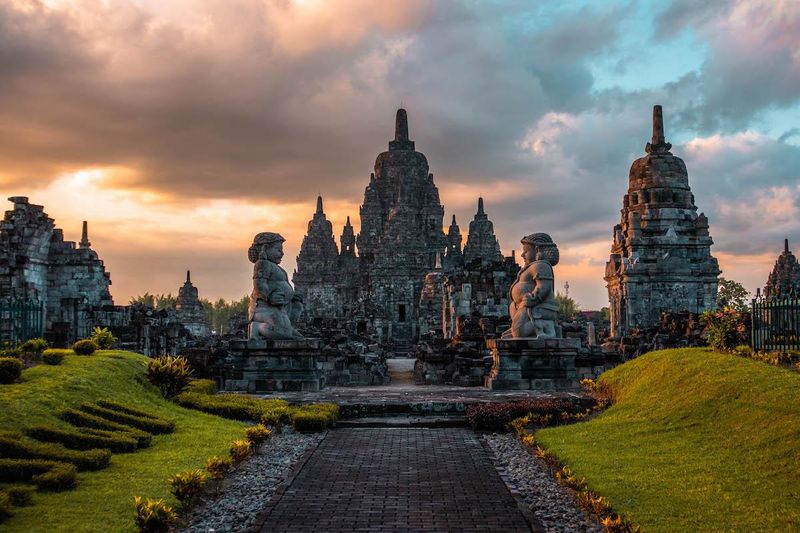
Yogyakarta sits at the cultural heart of Java, and at around $60 per person per day, it offers one of the most remarkable heritage experiences per dollar anywhere in Asia. Food spending averages just $18 daily, keeping the overall budget low even when accommodation and sightseeing are factored in.
Indonesia’s tourism authority describes Yogyakarta as a gateway to two of the ancient world’s great architectural achievements. Borobudur, a 9th-century Buddhist monument, and Prambanan, a massive Hindu temple complex built around the same era, both sit within easy reach of the city.
These are not minor ruins; they are among the most significant religious monuments ever constructed in Southeast Asia.
Within Yogyakarta itself, the Sultan’s Palace, known as the Kraton, remains an active royal residence open to visitors. Malioboro Road offers a lively mix of street food, batik fabric, and handmade crafts at prices that reward patient bargainers.
The silversmithing village of Kotagede adds another layer of traditional craft culture. Yogyakarta is built for travelers who want to learn something real about a civilization, not just photograph it from a tour bus window.
Krakow, Poland
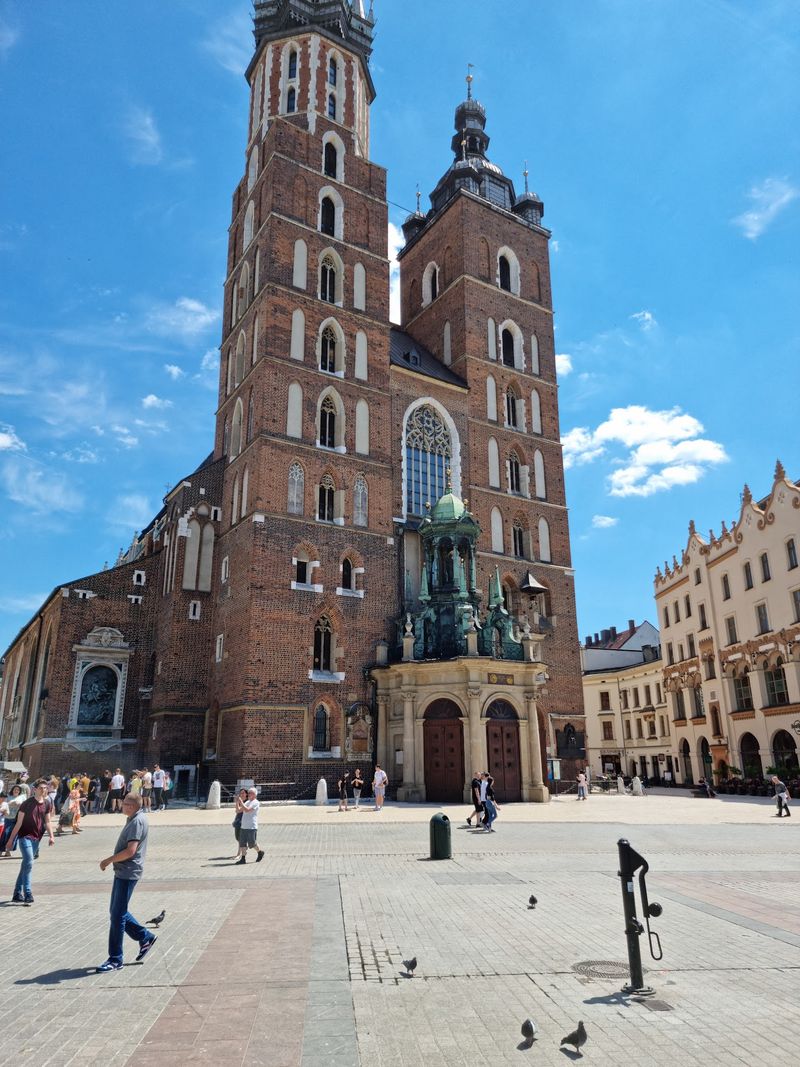
Poland’s former royal capital consistently ranks among Europe’s best value city breaks, and the numbers back that up. Average traveler spending in Krakow sits around $80 per person per day, with food costing about $25 and local transportation only $7.
A week for two works out to roughly $1,119 before flights.
The savings arrive alongside a seriously impressive historic center. Poland’s tourism authority notes that Krakow’s medieval core was among the very first sites inscribed on UNESCO’s World Heritage List back in 1978.
The Main Market Square, one of Europe’s largest medieval plazas, is ringed by the Cloth Hall, St. Mary’s Basilica, and outdoor cafes that stay busy well into the evening.
Wawel Hill rises above the old city with a royal castle and cathedral that served Polish royalty for centuries. The nearby Kazimierz district carries a rich Jewish heritage including 16th-century synagogues and historic cemeteries.
Day trips to Wieliczka Salt Mine and Auschwitz-Birkenau are sobering but important additions to any visit. Krakow manages to deliver genuine European grandeur at a cost that makes most Western European capitals look extravagant by comparison.
Bali, Indonesia
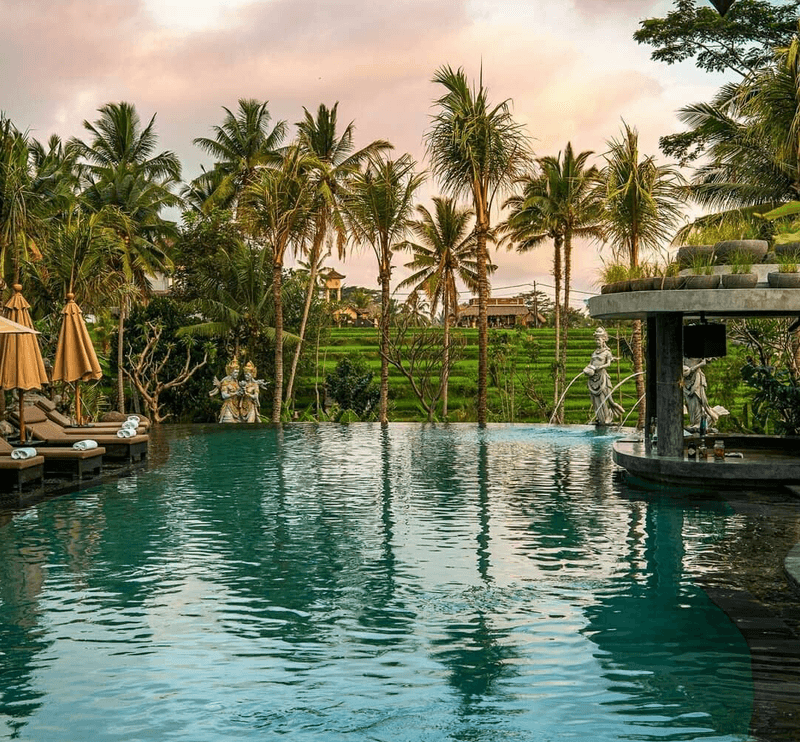
Bali has a reputation for luxury, but the typical traveler spends around $80 per person per day, and budget visitors manage closer to $29. A week for two in current traveler-reported costs comes to about $1,118, which buys a genuinely varied experience across the island.
Indonesia’s tourism authority emphasizes that Bali’s temples are not simply historic monuments. Places like Besakih, Ulun Danu Batur, and the clifftop Tanah Lot remain active centers of Balinese spiritual and community life.
Visiting during a temple ceremony offers a glimpse into a living culture that has maintained its traditions for centuries despite heavy international tourism.
Rice terraces around Tegallalang, volcanic hikes up Mount Batur, surf beaches near Canggu and Seminyak, and the art-gallery district of Ubud all sit within reach of a reasonable budget. Eating at local warungs, using ride-hailing apps for transport, and booking mid-range guesthouses rather than private villas keeps daily spending manageable.
The key with Bali is making intentional choices, because the island is equally capable of draining a budget in a single afternoon at a beach club.
Sofia, Bulgaria
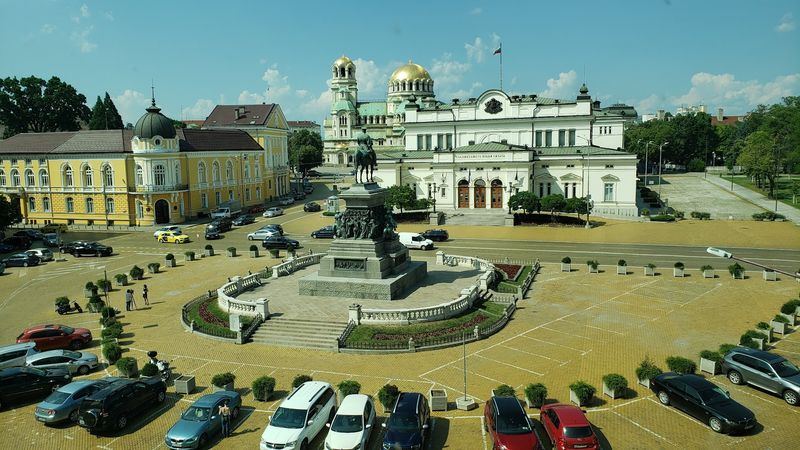
Sofia quietly delivers some of the best value in all of Europe, with average daily spending around $84 per person. Food costs roughly $34 and local transportation averages just $9.
A one-week trip for two comes to approximately $1,172 in current traveler data, which is far below comparable Western European capitals.
The city layers Roman archaeology, Byzantine churches, Ottoman mosques, and grand 19th-century civic architecture into a surprisingly compact walkable center. Sofia’s official tourism organization reported nearly 670,000 visitors and more than 1.5 million overnight stays in the first half of 2026 alone, confirming that its affordability has not kept it off the international radar.
The Alexander Nevsky Cathedral, one of the largest Orthodox cathedrals in the world, is free to enter.
The free Sofia Tour, a walking tour run on a tip basis, gives a solid introduction to the city’s many historical layers in a couple of hours. Vitosha Mountain rises just outside the city and offers hiking trails accessible by public transport.
Sofia’s restaurant and cafe scene has grown considerably in recent years, offering everything from traditional Bulgarian taverns to modern European bistros, all at prices that feel like a pleasant shock after visiting cities farther west.
Kuala Lumpur, Malaysia
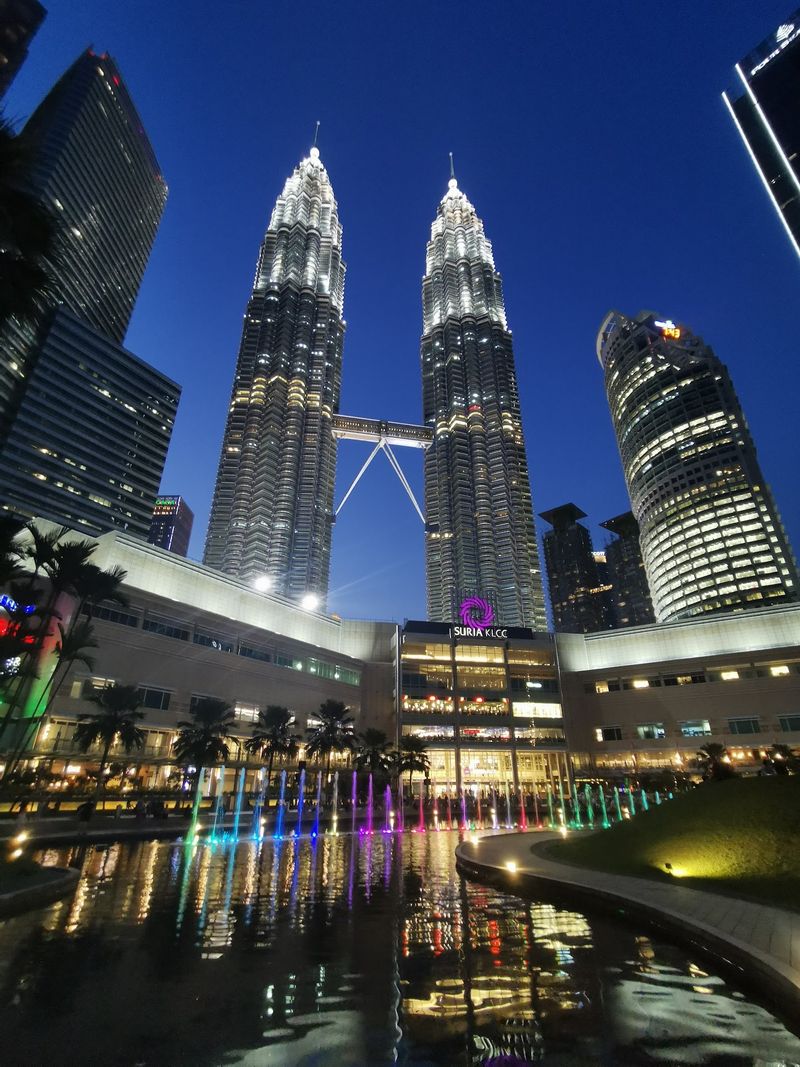
Kuala Lumpur proves you can have a fully modern, cosmopolitan city experience without the price tag that usually comes with it. Average daily spending sits around $85 per person, including roughly $30 for meals and under $8 for local transportation.
A week for two runs approximately $1,197 in current traveler figures.
Malaysia’s tourism authority highlights the Petronas Twin Towers as the city’s most iconic landmark. Standing 452 meters tall, they held the title of the world’s tallest buildings from 1998 to 2004.
The observation deck and sky bridge offer views across the city, and the surrounding KLCC Park is free to explore any time of day.
Beyond the skyline, Kuala Lumpur delivers serious food value. Jalan Alor night market, the hawker stalls of Chinatown, and the Indian Muslim restaurants of Brickfields serve outstanding food for very little money.
The MRT and LRT rail network makes getting around cheap and efficient. Travelers can move between mosques, Hindu temples, colonial heritage buildings, and modern shopping districts in a single afternoon.
For visitors who want big-city comfort with controlled costs, Kuala Lumpur is hard to beat in the Asia-Pacific region.
Lima, Peru
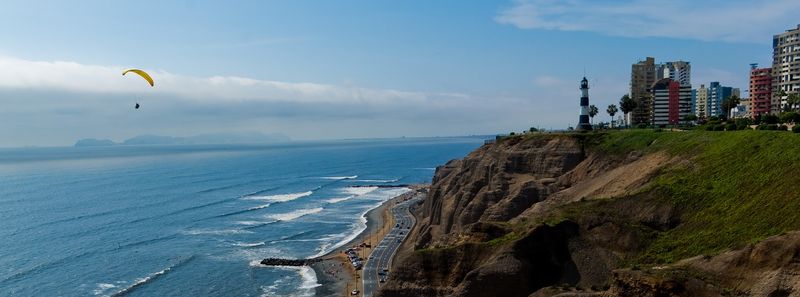
Lima often gets treated as a quick layover before Cusco and Machu Picchu, but that undersells one of South America’s most rewarding capitals. Average daily spending sits around $99 per person, with meals costing roughly $33 and local transportation only about $6.
A week for two runs approximately $1,380 in current traveler data.
The city’s historic center earned UNESCO World Heritage status in 1991 and contains the Plaza Mayor, the Cathedral of Lima, ornate colonial mansions, and the distinctive carved wooden balconies that appear throughout the old neighborhoods. Peru’s tourism authority also points to a strong museum scene, including Museo Larco, which houses thousands of pre-Columbian artifacts in a beautifully restored colonial building.
Lima’s food reputation has exploded globally over the past decade, and eating well here does not require a reservation at a famous restaurant. Ceviche, causa, and anticuchos are available at local markets and casual restaurants for a fraction of what fine-dining versions cost.
The coastal districts of Miraflores and Barranco sit directly above Pacific Ocean cliffs, offering dramatic scenery and a relaxed neighborhood atmosphere that balances the energy of the historic center perfectly.
Sarajevo, Bosnia and Herzegovina
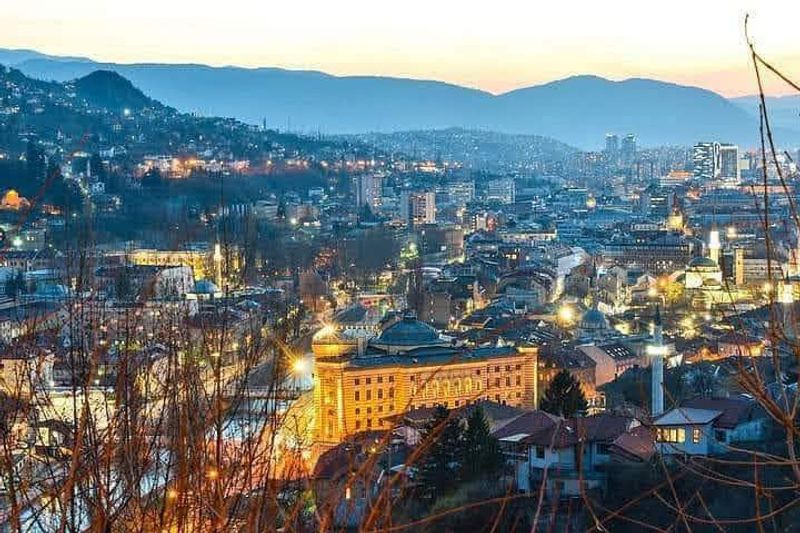
Sarajevo is unlike any other European city, and it manages that distinction at a daily cost around $101 per person, with budget travelers getting by closer to $40. Local transportation averages under $8 per day, and the city’s compact layout means walking covers most of the key ground for free.
The Ottoman-era commercial district of Bascarsija grew from specialized trade streets in the 16th century, many associated with the charitable endowment of Ottoman governor Gazi Husrev Bey. Goldsmiths, copper craftsmen, and leather workers still operate in lanes that have changed remarkably little in centuries.
Walking a few blocks west shifts the architectural story entirely, from Ottoman to Austro-Hungarian to 20th-century modernism, all within the same afternoon stroll.
Mountain viewpoints rise on all sides of the valley, and cable car access to Trebevic Mountain reopened after years of post-war restoration, offering sweeping views and a reminder of the 1984 Winter Olympics hosted here. The city’s cafes serve strong Bosnian coffee in small copper pots, a ritual that locals take seriously and visitors quickly adopt.
Sarajevo rewards travelers who read a little history before arriving, because the layers of the city make far more sense with context.
Marrakech, Morocco
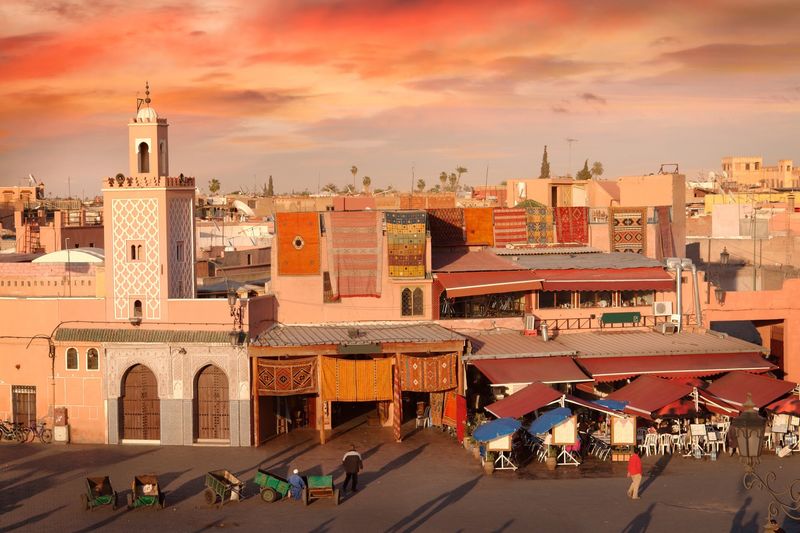
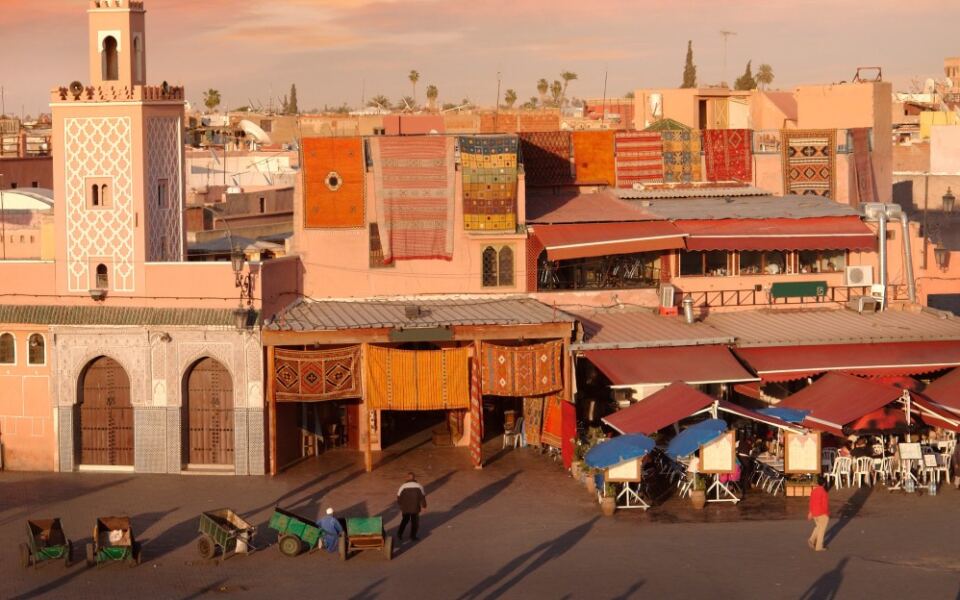
Marrakech grabs you the moment you step into Jemaa el-Fna square, where snake charmers, storytellers, food vendors, and musicians compete for your attention simultaneously. Average daily spending sits around $101 per person, while budget travelers manage closer to $38 by choosing local riads and street food over tourist-facing restaurants.
Morocco’s tourism authority highlights the Koutoubia minaret, which rises approximately 77 meters above the medina and served as an architectural model for Seville’s Giralda tower in Spain. The surrounding medina carries nearly a thousand years of history through its souks, where craftsmen still produce leather goods, carpets, ceramics, and spices using traditional methods.
Riad guesthouses built around interior courtyards offer atmospheric accommodation that often costs less than a standard hotel room.
Menara Gardens and the Majorelle Garden offer quieter escapes from the medina’s energy. Day trips to the Atlas Mountains, the Ourika Valley, or the ancient city of Essaouira are easy to arrange and reasonably priced.
The best value in Marrakech comes from doing your research beforehand: comparing riad prices, understanding guide costs, and knowing which souks are genuinely local versus heavily touristed. Travelers who put in that effort tend to love every moment here.
Istanbul, Turkiye
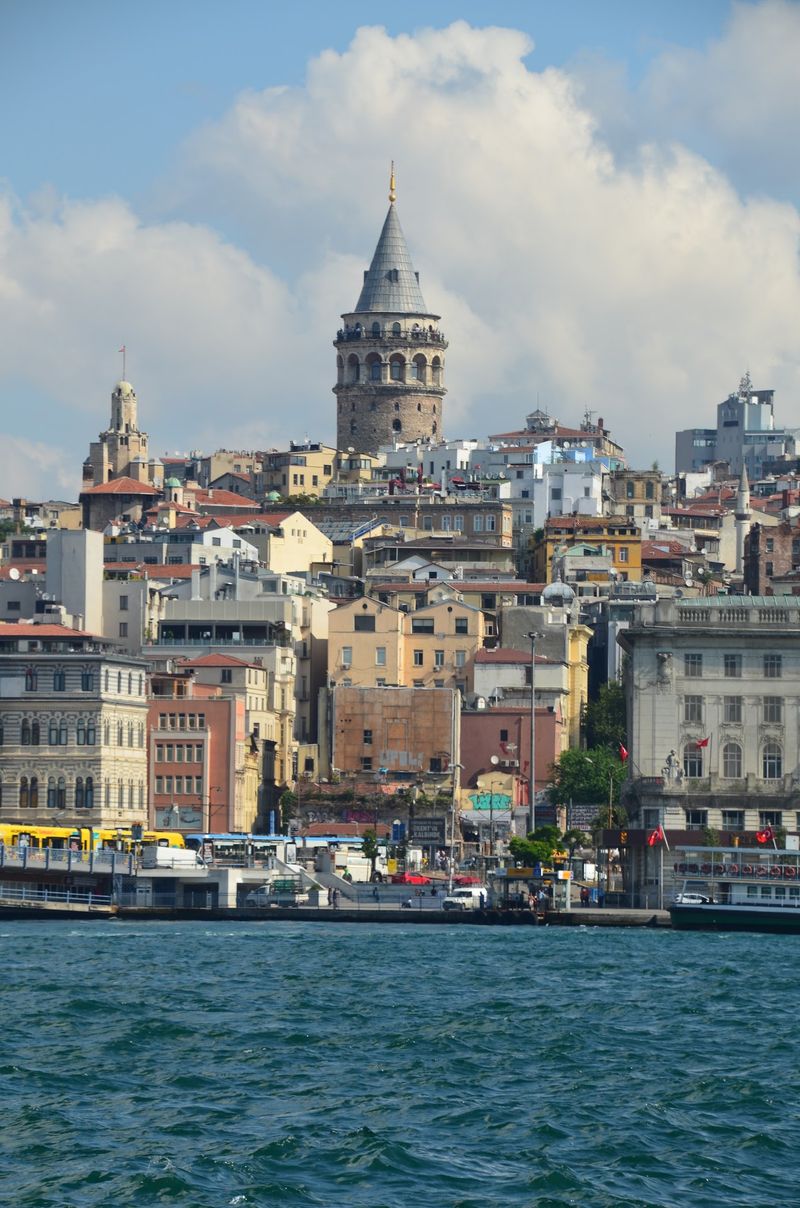
Istanbul is no longer the bargain it once was, but calling it expensive misses the full picture. Current average daily spending sits around $153 per person, yet budget travelers still manage roughly $63 by leaning on public ferries, local restaurants, and simpler accommodation.
The gap between those two numbers is where smart planning pays off.
GoTurkiye describes the Historic Peninsula as the former capital of both the Eastern Roman and Ottoman empires, enclosed by ancient walls and flanked by the Bosphorus, the Sea of Marmara, and the Golden Horn. Hagia Sophia, the Blue Mosque, Topkapi Palace, and the Grand Bazaar all sit within walking distance of each other.
Most of Istanbul’s most famous sights charge modest admission fees or, in some cases, none at all.
The city’s real magic often happens away from the big monuments. Riding a public ferry across the Bosphorus costs only a few lira and delivers views that rival anything in Europe.
Neighborhood markets in Besiktas or Kadikoy serve fresh produce, fish sandwiches, and tea at local prices. Istanbul’s combination of Byzantine history, Ottoman grandeur, and contemporary city life remains genuinely unmatched, and with thoughtful choices, it stays within reach of a reasonable travel budget.
Share this story