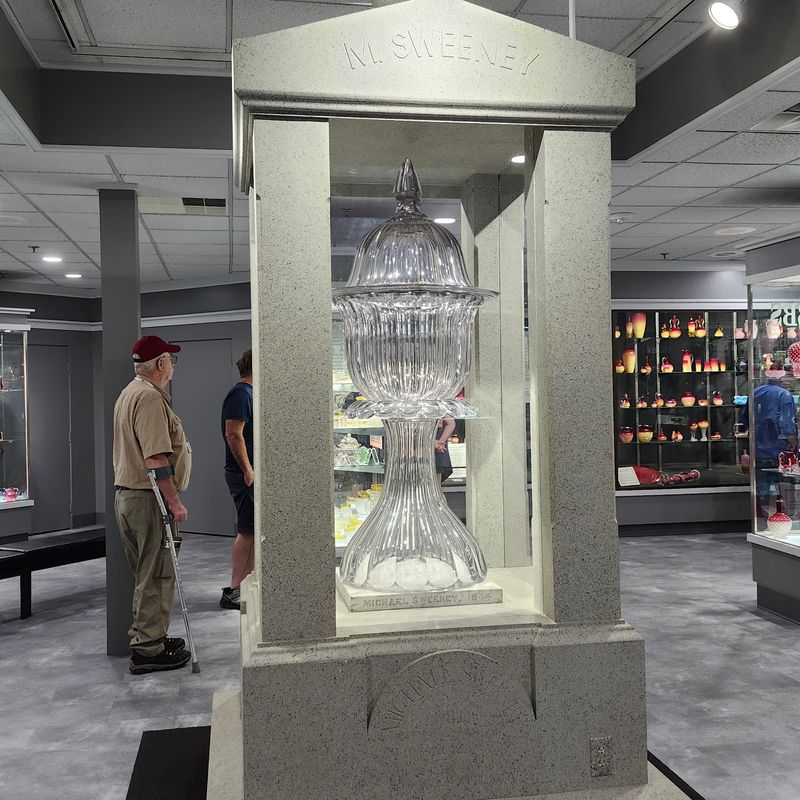
A five-foot-tall, 225-pound crystal punch bowl is one of the first clues that Wheeling’s glassmaking history was anything but ordinary. The massive 1844 piece now displayed at the Oglebay Institute Glass Museum even spent decades at a local gravesite before eventually joining the collection.
The museum preserves more than 4,000 pieces connected to a glass industry that once played a major role in Wheeling’s economy. Visitors can see historic cut, pressed, and decorative glass while learning about the companies and craftspeople that helped turn the city into an important American glassmaking center.
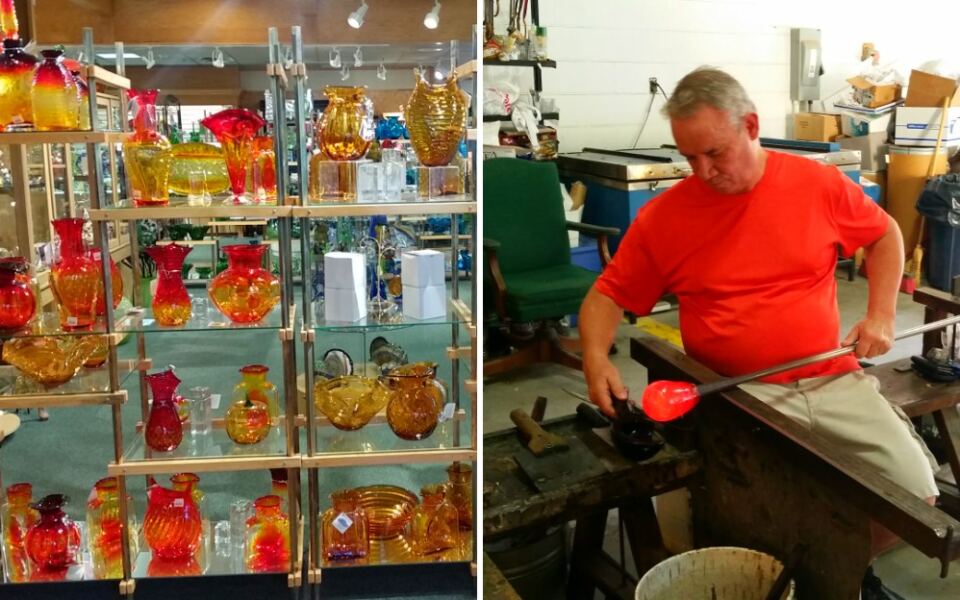
The experience goes beyond display cases. Live glassblowing demonstrations show how the material is shaped by hand, while workshops give visitors a chance to make a glass keepsake of their own.
Where Glass Town Comes to Life
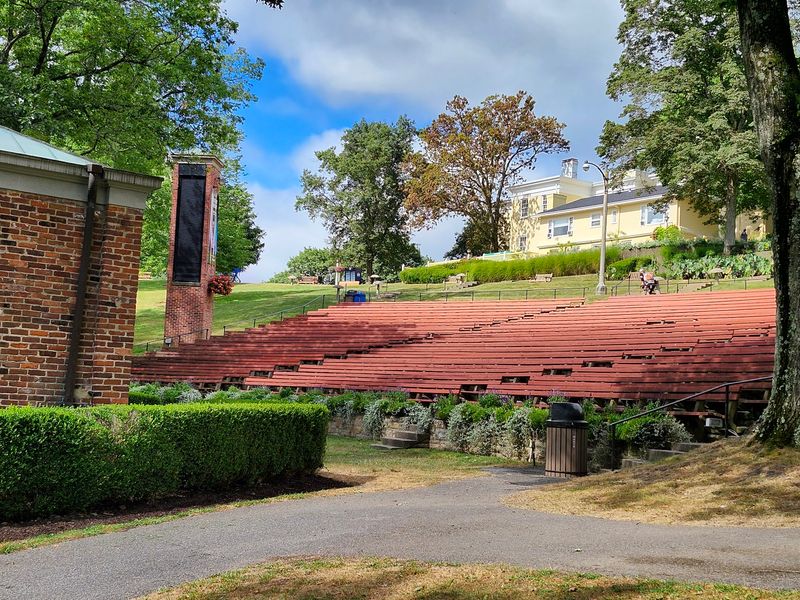
Tucked beneath the Carriage House Glass gift shop at 1330 Oglebay Dr in Wheeling, West Virginia 26003, the Oglebay Institute Glass Museum sits inside one of the most scenic park settings you will find attached to any museum in the country.
Oglebay Park wraps around the building with rolling hills and clean walking paths, so the trip here feels like more than just a museum visit. You are arriving at a place that has been carefully maintained to honor something genuinely important to this region.
The museum is open daily from 10 AM to 5 PM, and admission runs $10 for adults, while anyone 17 and under gets in free with an accompanying adult. A combo ticket that includes the nearby Oglebay Mansion Museum costs $15, which makes for a full afternoon of history.
You can reach the museum by calling 304-242-7272 for any questions before your visit.
How Wheeling Became the Glass Capital of America

A window glass factory opened in Wheeling in 1821, and that one building set off a chain reaction that would define the city for more than a century. By 1829, John and Craig Ritchie had established a cut glass factory, and the industry kept building from there.
Sweeney and Co. Glass Works launched in 1835, followed by Hobbs, Brockunier and Co. around 1845, which grew into a global leader in glass production and even displayed the first piece of pressed glassware at the 1876 Centennial Exposition.
Harry Northwood later took over the Hobbs, Brockunier factory in 1902, adding yet another legendary chapter to the city’s story.
At the peak of the industry, nearly half of all pressed-glass tableware made in America came from the Wheeling-Pittsburgh corridor, with one in ten Wheeling residents working in glass. The museum preserves this legacy with care, and the more you read about the timeline, the more impressive the scale becomes.
The Giant Crystal Bowl With a Strange Past
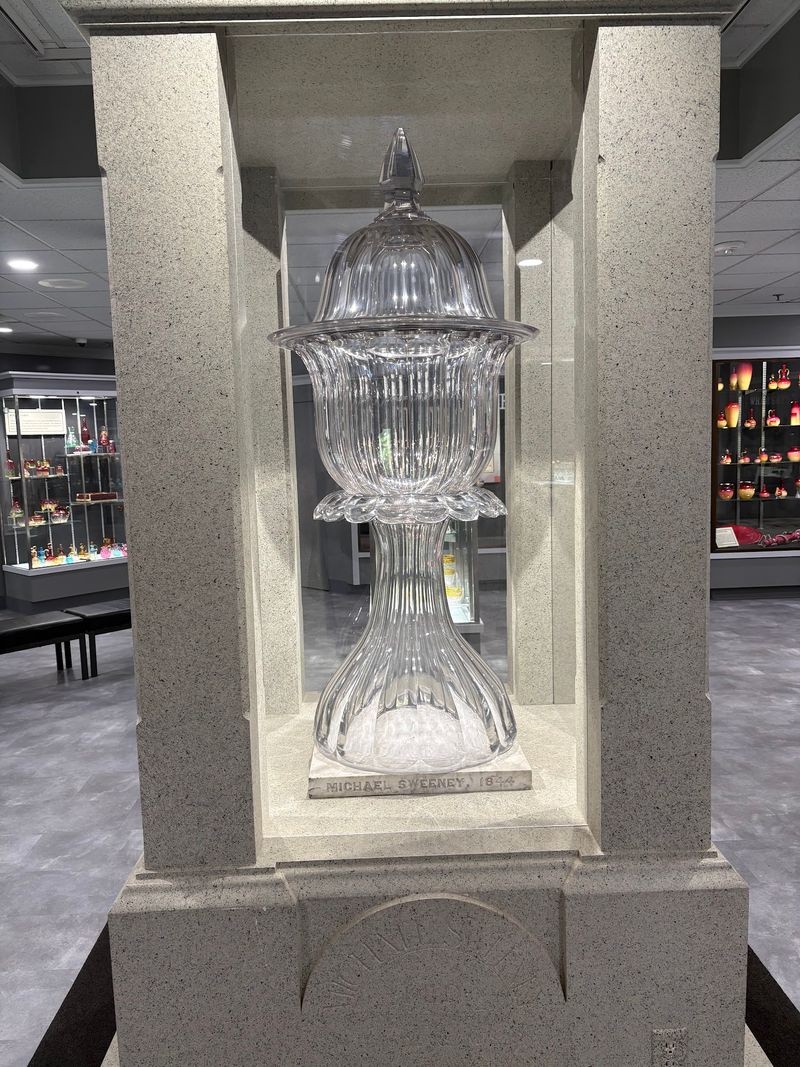
Most museums have a centerpiece that stops people in their tracks, and this one has a bowl that does exactly that. The Sweeney Punch Bowl stands five feet tall, weighs 225 pounds, and was crafted in 1844, reportedly by Thomas Sweeney and his brothers at their Wheeling glassworks.
It is widely described as the largest piece of cut glass in the world, which alone would make it worth seeing. But the story behind it adds a layer that no other museum artifact can match.
After its creation, the bowl eventually ended up resting on Michael Sweeney’s grave for 74 years before being removed in 1949 and brought to the museum.
The craftsmanship is extraordinary up close, with deep cuts that catch the light from every angle. There is something almost surreal about standing next to an object this large that was made entirely by hand, and it tends to be the piece that visitors talk about long after they leave.
Over 4,000 Pieces and a Century of Color
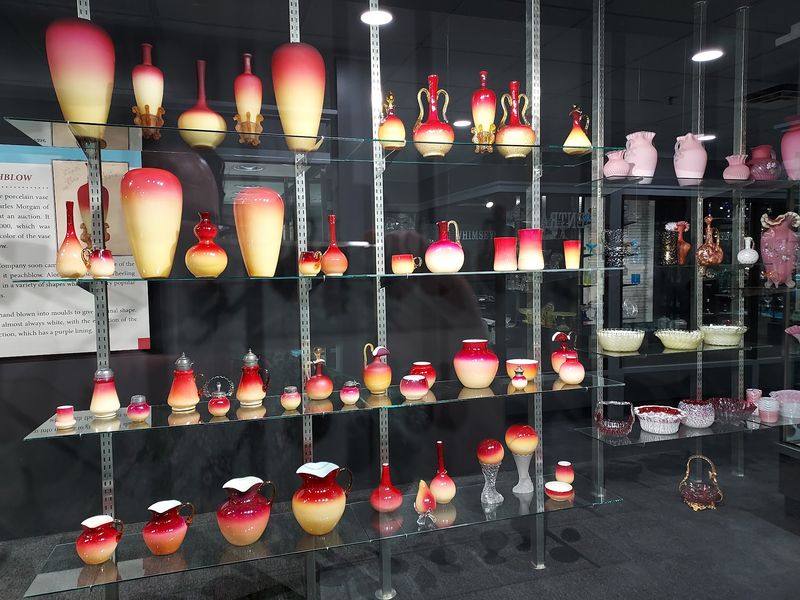
The museum’s collection spans from 1829 to 1939 and holds more than 4,000 pieces of historic Wheeling-made glass. That number alone is staggering, but the variety of what is inside those cases is what really earns your attention.
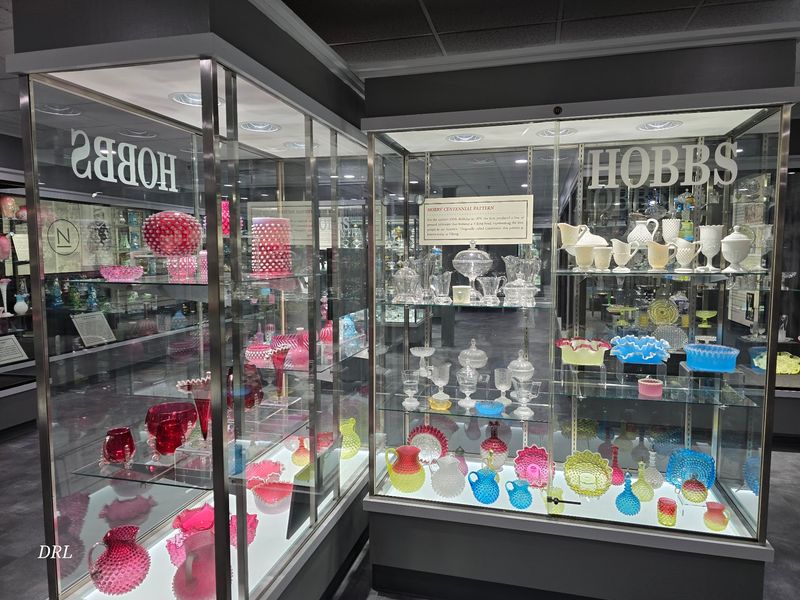
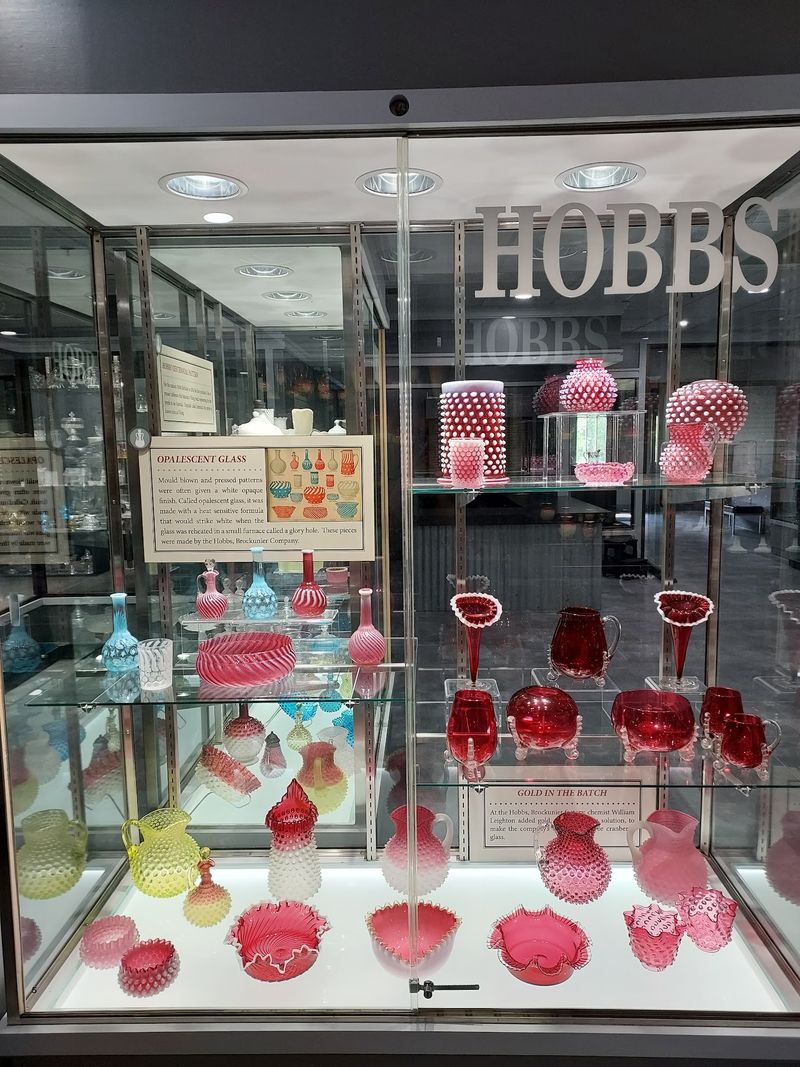
Peachblow glass glows with a soft gradient from cream to deep rose. Northwood carnival glass catches the light with an iridescent shimmer that looks almost metallic.
Victorian glass pieces carry the ornate, detailed style that defined decorative arts in the late 1800s. The museum holds the world’s largest collection of Northwood glass, which is a significant distinction for anyone who follows the history of American glassmaking.
There is also the largest public collection of Duval glass anywhere, with 13 pieces dating from 1825 to 1837. Curator Holly McCluskey, who brings 40 years of expertise to the role, has noted that her personal favorites include a Duval punch bowl within the collection.
Walking through the cases feels less like browsing and more like reading a visual timeline of an entire industry.
The 2022 Renovation That Changed Everything
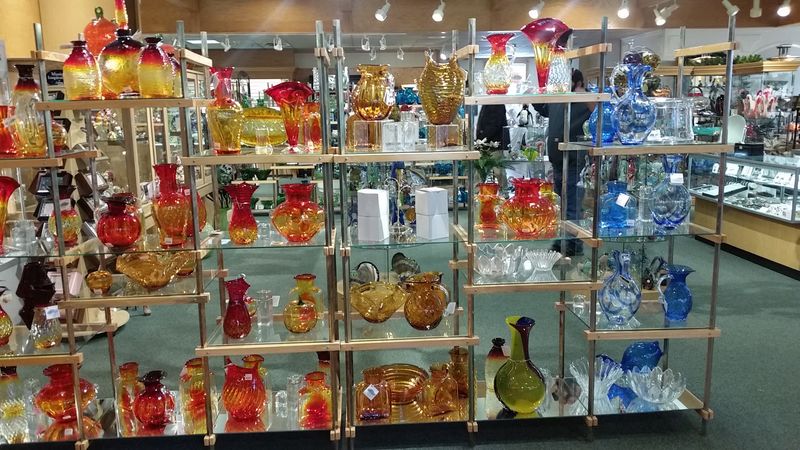
A museum can have a great collection and still feel like a chore to walk through if the space itself is not working. That was part of the feedback that led to a significant renovation unveiled in November 2022, and the difference is noticeable from the moment you step inside.
New lighting was installed specifically to enhance the way glass displays are presented, and anyone who knows how much light affects the appearance of cut or colored glass will understand why this matters. Luxury vinyl flooring replaced the old surfaces, and the walls were repainted in a calming gray that lets the glass do the talking without visual competition.
New seating was added throughout, and updated information panels now highlight the people, products, and processes behind the glassmaking industry in a more engaging way. The renovation addressed earlier feedback about the space lacking context for its displays.
The result is a museum that now feels as polished as the pieces inside it, and the improved flow makes a big difference for how much you actually absorb.
Watching Molten Glass Take Shape Right in Front of You
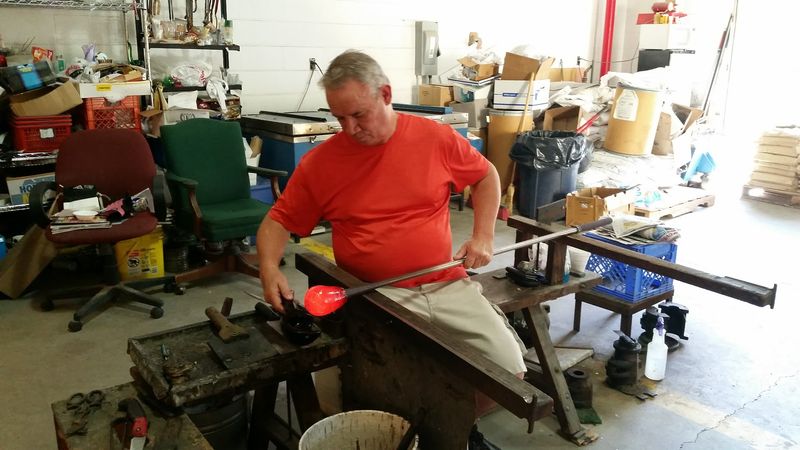
There is a particular kind of quiet that falls over a crowd when someone starts working with molten glass. The material glows orange and red, moves like honey, and responds to every breath and rotation of the blowpipe in ways that feel both precise and unpredictable.
The glassblowers at this museum work with glass pulled from a furnace running at 2,400 degrees Fahrenheit, and watching the process unfold is genuinely one of the most engaging live demonstrations you will find at any cultural institution. The artists are knowledgeable and happy to explain what they are doing as they work.
Visitors have consistently noted how informative and approachable the glassblowers are during these sessions. The Oglebay Institute also runs a traveling program called the Hot Glass Roadshow, which brings live glassblowing to schools and educational events across the region.
The live demonstration is one of those experiences that reminds you why visiting a physical museum still beats reading about something online, and it tends to draw a crowd for good reason.
Make Your Own Glass Keepsake
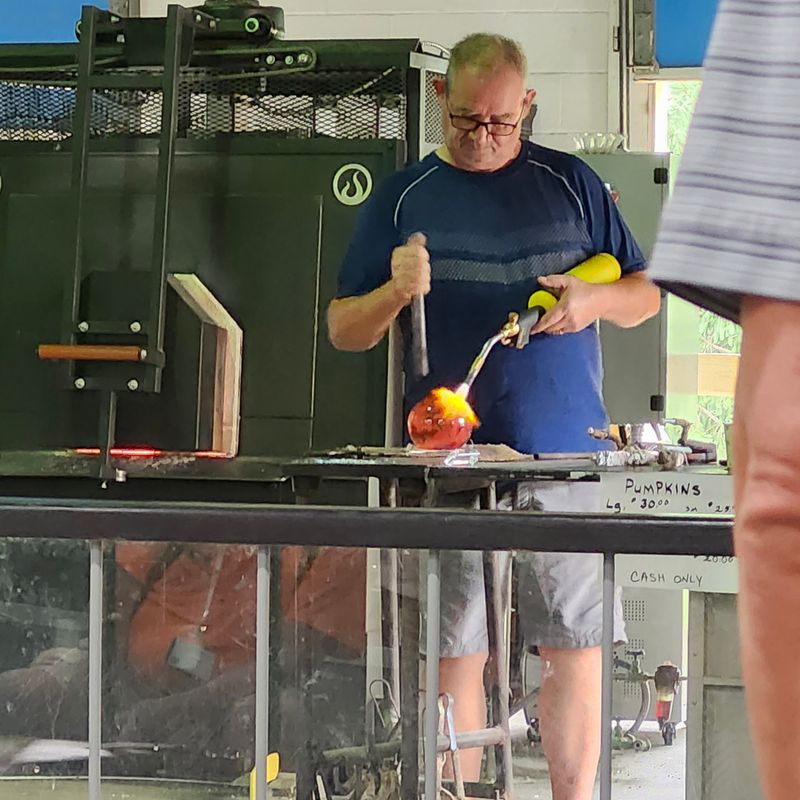
Watching someone else make glass is impressive. Actually making it yourself is a completely different experience, and the museum offers that opportunity through hands-on workshops that let you create your own glass keepsake under the guidance of an experienced glassblower.
The most popular option is making a glass paperweight, and the session runs about 30 minutes. Each workshop is one-on-one with a glassblower who walks you through every step, so there is no prior experience required and no reason to feel intimidated.
Safety gear is provided, and closed-toed shoes are required for participation.
The cost is $50 per person, and reservations are required in advance. If you cannot pick up your cooled piece the following day, there is an additional $10 shipping fee.
The finished product is genuinely yours, shaped by your own hands with professional guidance, and it makes for a far more memorable souvenir than anything you could pull off a shelf. If you thought the live demo was impressive, wait until you try it yourself.
The Curator Who Knows Every Piece by Name
Behind every great collection is someone who genuinely cares about what is inside the cases, and Holly McCluskey brings 40 years of expertise to her role as the museum’s curator of glass. That kind of tenure means she has seen the collection grow, evolve, and earn its reputation over decades.
Her deep familiarity with the pieces shows in the way the museum is organized and presented. She has spoken openly about the importance of remembering the artisans behind each piece of glass, not just the companies or the eras that produced them.
That human-centered perspective shapes how the collection is contextualized throughout the museum.
Among her personal favorites is a Duval punch bowl within the collection, which is part of the largest public collection of Duval glass anywhere in the world. The museum holds 13 Duval pieces dating from 1825 to 1837.
The presence of a curator with that level of passion and institutional knowledge is something you can feel in the quality of the displays, and it elevates the visit well beyond a simple walk through glass cases.
How the Collection Got Its Start in 1937
Every collection has an origin story, and this one begins with a single act of generosity. In 1937, Letitia Sweeney Ewing, the daughter of Thomas Sweeney, made a donation to the Oglebay Institute that set the entire glass collection in motion.
That first contribution came from a family whose name is already permanently attached to the most iconic piece in the museum, the Sweeney Punch Bowl.
From that starting point, the institute built steadily over the following decades, adding pieces that represented the full range of Wheeling’s glassmaking output. The collection grew to reflect not just the products but the people and processes behind the industry, which is a distinction that matters when you are trying to tell a complete story.
The fact that the collection began in 1937 means it has been building for nearly 90 years, and the depth you see today is the result of that long, deliberate accumulation. It is a reminder that great museums are not built quickly, and the Oglebay Institute’s approach has always been rooted in honoring local legacy rather than chasing trends.
Practical Tips for Getting the Most From Your Visit
A few practical details can make a real difference in how much you enjoy your time here. Visiting on a weekday tends to mean smaller crowds, which gives you more space to linger at the cases and actually read the information panels without feeling rushed.
The museum is open every day from 10 AM to 5 PM, so there is good flexibility for planning. The $10 admission covers the glass museum on its own, but the $15 combo ticket that adds the Oglebay Mansion Museum is worth considering if you have a full afternoon available.
Children 17 and under get in free with an adult, which makes this an accessible option for families.
A gift shop on-site carries unique glass art pieces, and fair warning: the selection is genuinely tempting. One visitor noted having to leave early specifically to avoid buying too many fragile items before a flight.
The museum can be reached by Wheeling Transit Authority bus from downtown, or it is a scenic 20 to 30 minute walk from Wheeling Park if the weather is cooperating.
A Place Worth Coming Back To

Some places earn a single visit and that is enough. This museum is not one of them.
The combination of a world-class collection, live demonstrations, hands-on workshops, and rotating exhibitions means there is genuinely something new to discover on a return trip, which is not something every cultural institution can honestly claim.
The setting inside Oglebay Park adds to the appeal in a way that is hard to separate from the museum experience itself. Clean walking paths, views of the surrounding hills, and a peaceful outdoor environment make the whole visit feel more expansive than the museum’s footprint might suggest.
Many visitors pair the museum with a walk through the park or a stop at the Oglebay Mansion Museum next door.
The Oglebay Institute Glass Museum holds a 4.6-star rating from hundreds of visitors, and the consistent praise across reviews points to a place that delivers on its promise. Whether you come for the history, the art, the live glassblowing, or just to see that remarkable punch bowl up close, you will leave with a much clearer picture of why Wheeling once called itself Glass Town.
Share this story