Some of the best places in Oregon don’t shout for your attention. Tucked into a college campus, there’s a museum that looks modest from the outside but hides world-class treasures you’d never guess were waiting inside.
Most folks walk right past it, never knowing about the Asian art, the quiet courtyard, and the rotating exhibits that keep locals coming back. If you love finding gems that tourists overlook, this one deserves a spot on your list.
A Quiet Campus Landmark in Eugene
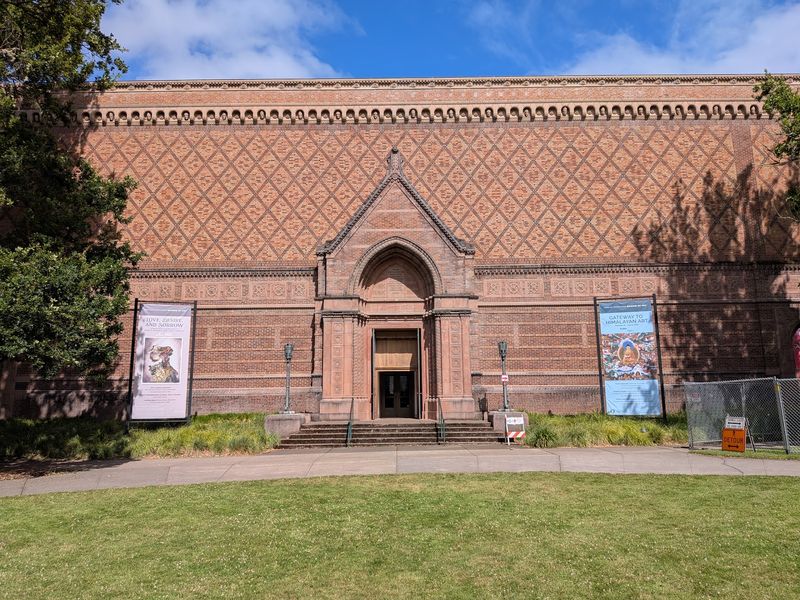
Sitting right in the heart of the University of Oregon campus in Eugene, this museum blends into the surrounding brick buildings so well that plenty of people arrive without realizing they’ve stumbled onto something special.
Officially named the Jordan Schnitzer Museum of Art, it has been part of campus life since 1933. Locals affectionately call it ‘the Schnitz,’ and it’s known statewide for its Asian and Northwest art collections.
Visitors often mention being surprised it sits on a college campus, discovering it only once they’ve parked and started wandering past the old buildings with faces etched into the stone.
What you get is a small, welcoming space packed with more than its size suggests. It rewards the curious Oregonian willing to look beyond Eugene’s usual stops and step into a place tourists rarely think to visit.
Nearly a Century of Collecting Art
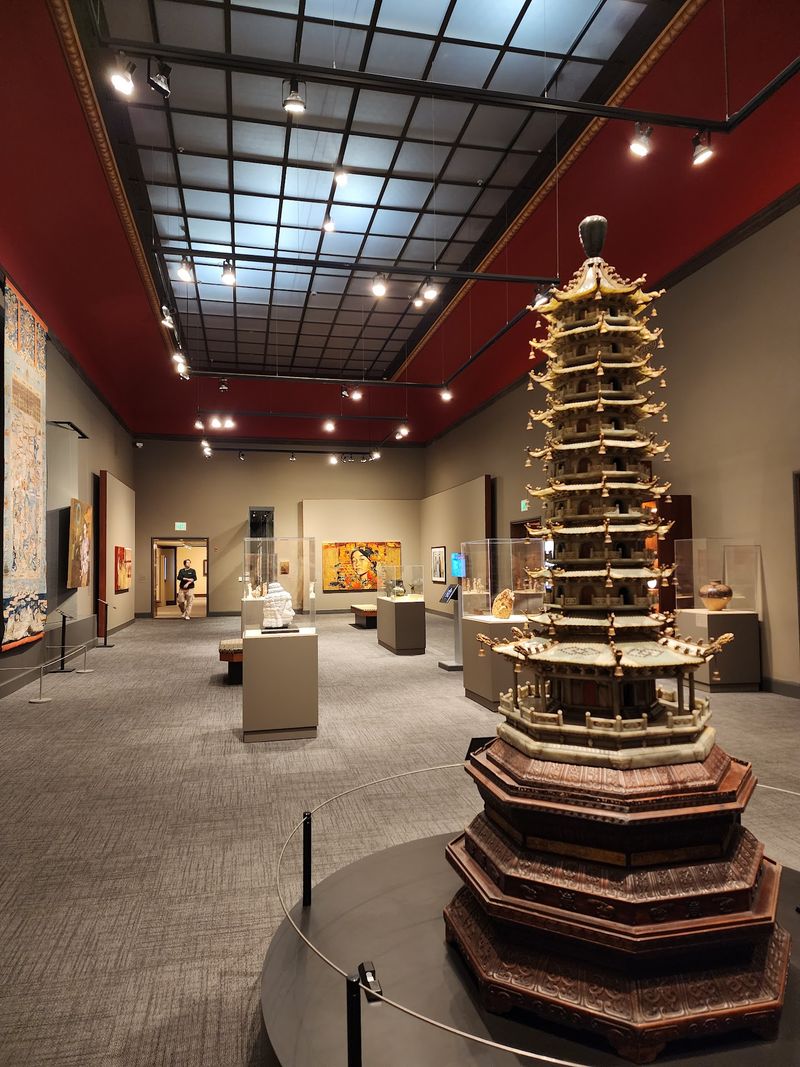
Back in 1933, this museum opened its doors and began quietly building a collection that now spans centuries and continents.
Wander the galleries and you’ll find classic European works dating to the 1700s hanging not far from pieces representing mid-century China. That kind of range feels almost impossible for a museum this size, yet here it is, tucked into Eugene.
Regulars point out the eclectic mix as one of its charms. You never quite know what turn will bring you face to face with a famous name or a forgotten corner filled with something unexpected.
The long history shows in how thoughtfully everything is arranged. Nearly a century of care has shaped a place that feels both grounded and full of surprises, the kind of institution Oregonians can be proud to call their own.
The Asian Art Collection That Steals the Show
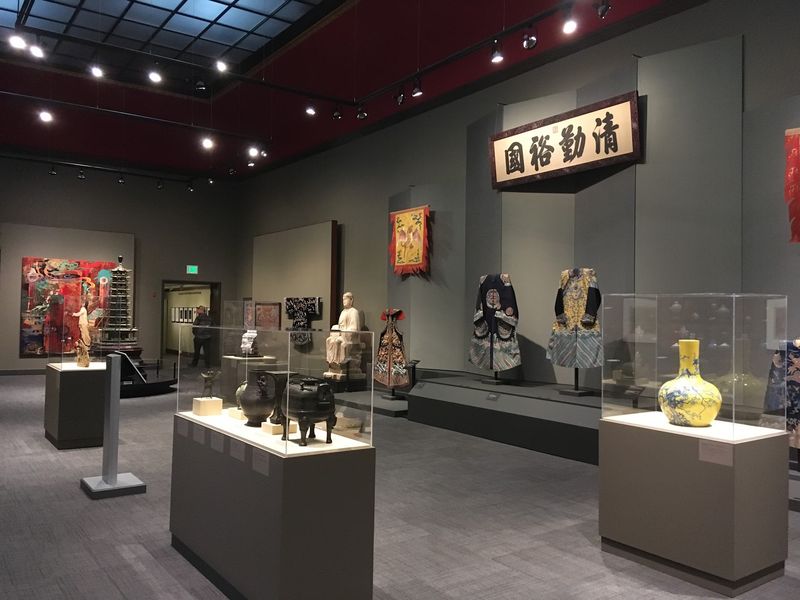
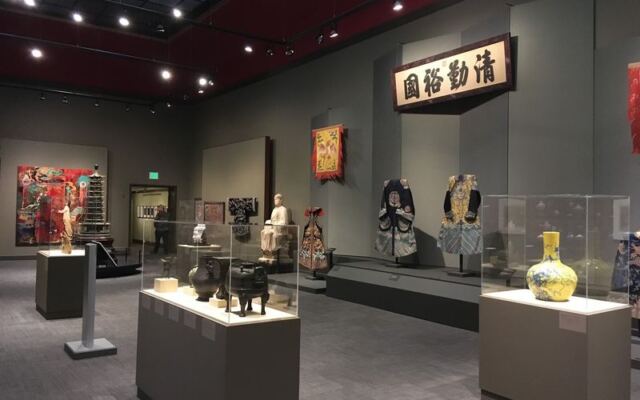
Here’s the part most first-timers don’t see coming: the Asian art is genuinely a standout, drawing praise from people who’ve toured much bigger museums.
Several visitors mention the netsuke collection, those tiny carved Japanese toggles, as worth the trip all by itself. Add in beautiful textiles, sculpture, and mixed-media works, and you’ve got a collection that punches far above the museum’s modest footprint.
One art lover even compared the Eugene holdings favorably against a larger Portland museum, saying they liked what’s on display here better. That’s high praise for a spot many Oregonians drive past without a second glance.
Because the Asian and Northwest collections form the museum’s backbone, they get the attention they deserve. Take your time in these rooms, and you’ll understand why regulars quietly consider this one of the state’s best-kept secrets.
Exhibits That Never Sit Still
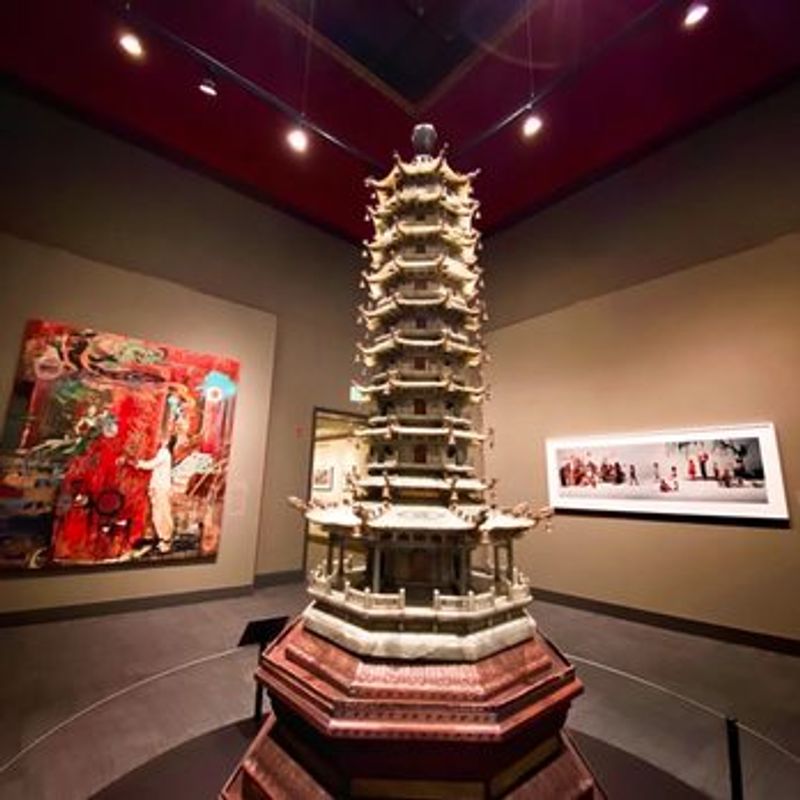
Come back a month after your first visit and you might swear you’re in a different museum entirely.
The layout changes often, and that constant refreshing keeps every trip full of new discoveries. Some collections stay permanent, while others rotate through or travel in from elsewhere, so there’s always a reason to return.
Over the years, visitors have spotted works by big names like Kandinsky, Rothko, and Krasner, plus historical artifacts and interactive displays that make the galleries feel alive.
Locals will tell you that going once a month is the move, since something is almost always different. For a non-local passing through, the permanent collection alone makes it worthwhile.
That mix of the familiar and the fresh gives the place a rhythm most small museums can’t match. You get modern art, cultural celebrations, and thought-provoking projects all under one roof.
A Courtyard Made for Slowing Down
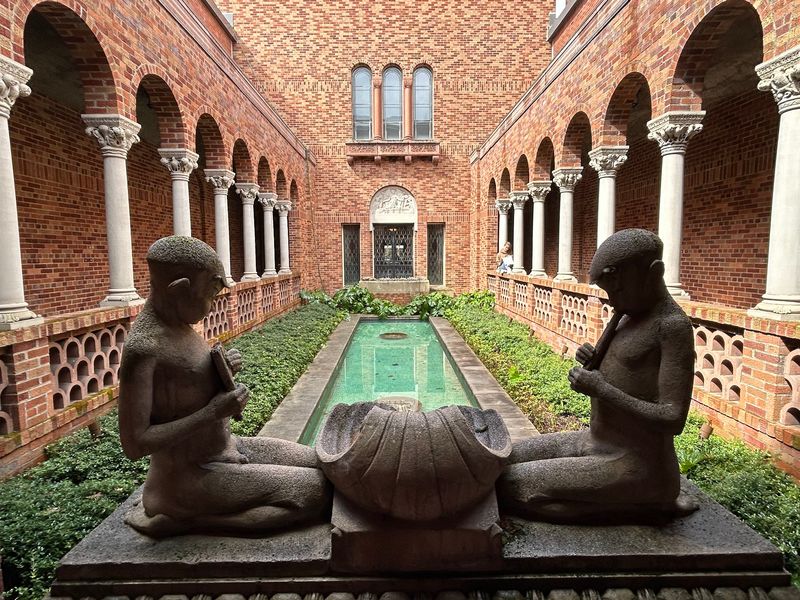
Right in the middle of the museum sits a courtyard that regulars adore, complete with a small fountain pool and sculptures scattered around.
People compare its calm, intimate feel to the smaller Getty down in Los Angeles, which is quite a compliment for a spot in Eugene. The cool cement benches invite you to sit, catch your breath, and let the art settle in your mind.
It stays charming across every season, whether you’re escaping summer heat or watching autumn light shift across the stone. Visitors love pausing here between galleries, treating it as a peaceful reset in the middle of their visit.
The inner space with its water feature has become a favorite for good reason. It’s the kind of quiet corner that turns a quick museum stop into a lingering, unhurried afternoon you won’t want to rush through.
An Easygoing, Welcoming Atmosphere
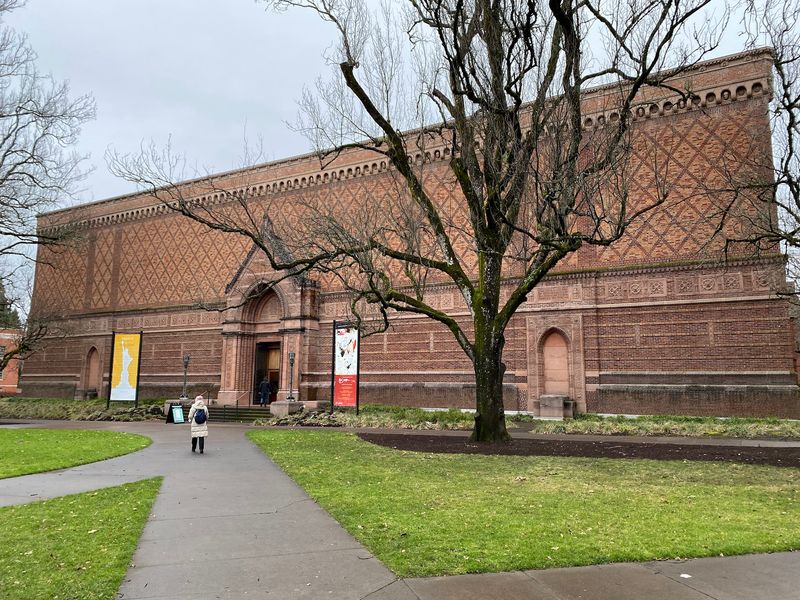
Walk in and you’re often greeted warmly at the front desk, handed a map, and sent off to explore at your own pace.
Many visitors describe the mood as relaxing and inspiring, a place where you can wander without feeling hurried or crowded. Docents are around when you have questions, and the quiet atmosphere makes it easy to focus on the art.
Families, students, and solo explorers all seem to fit right in. During University of Oregon Family Weekend, guests have even received buttons for complimentary entry, adding to the friendly feel.
The museum also hosts cultural events that bring communities together, celebrating diversity and giving people a chance to learn about different traditions.
If you like museums where you can actually hear yourself think, this welcoming, unpretentious space suits you perfectly. It’s calm, thoughtful, and refreshingly free of tourist bustle.
Hours, Prices, and Finding Your Way
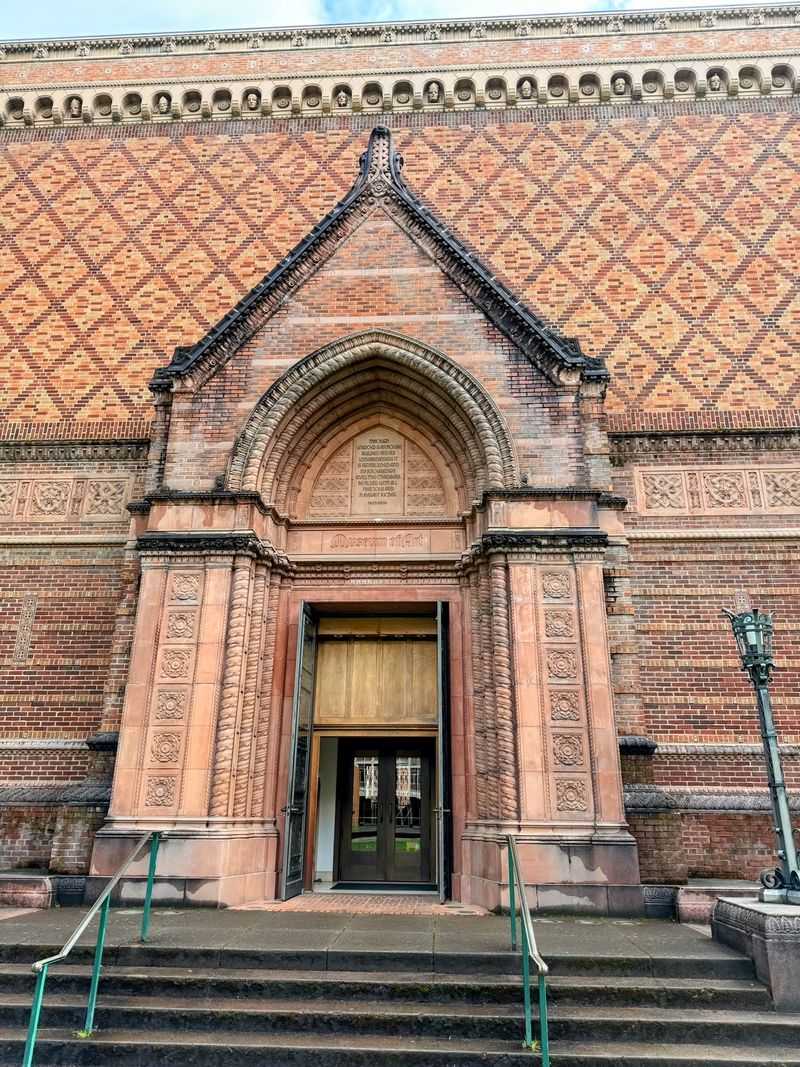
Planning your visit takes a little know-how, since the museum keeps its own schedule.
You’ll find it open Wednesday through Sunday, with doors opening at 11 am. Most days it closes at 5 pm, though Wednesdays stretch later to 8 pm.
Mondays and Tuesdays it stays closed, so plan around that.
Admission runs about $5 for adults, which folks repeatedly call a fantastic deal for what you get. Students enter free, and minors under 18 also visit at no cost, making it budget-friendly for the whole family.
The address is 1430 Johnson Lane in Eugene, right on the University of Oregon campus. Since it sits among campus buildings, give yourself a moment to find it once you park.
Questions? The museum can be reached at +1 541-346-3027 or through its website at jsma.uoregon.edu before you head out.
Why This Hidden Gem Is Worth the Trip
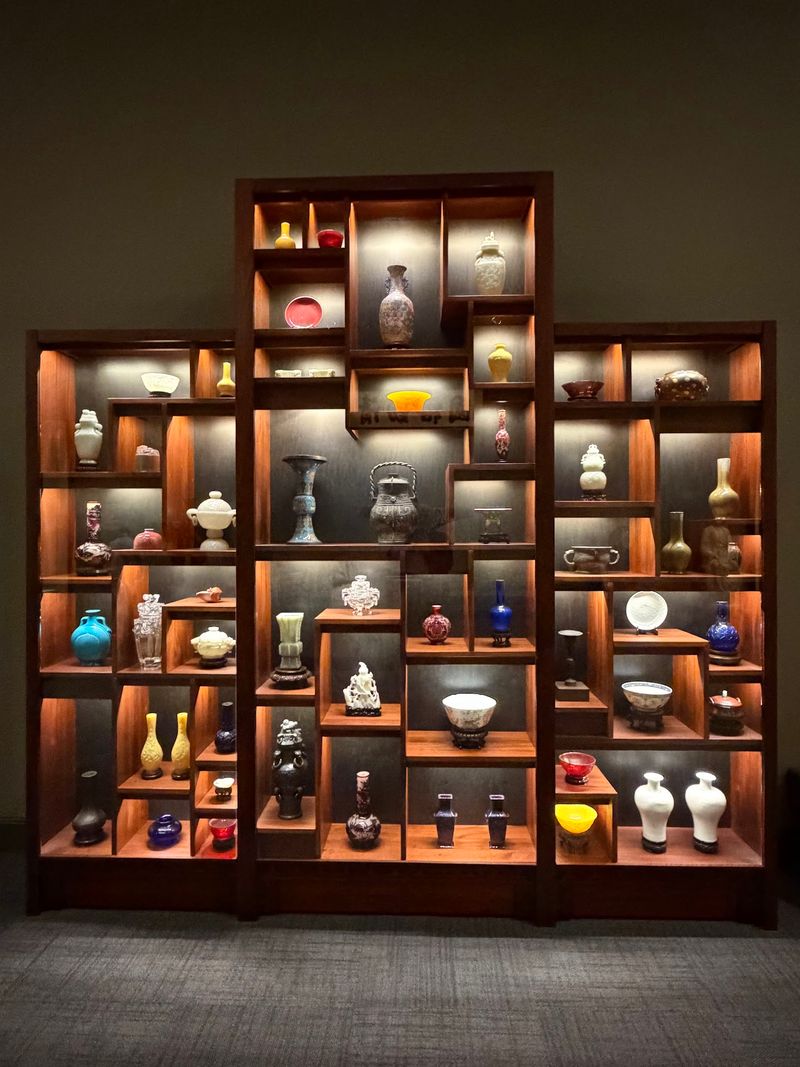
By the time you leave, odds are you’ll wonder why more Oregonians don’t talk about this place.
For around five bucks, you get a wide variety of works that regularly exceed expectations, from wonderful textiles and paintings to that beloved netsuke collection. Many say the museum offers far more than its small size suggests.
Weekend mornings tend to be pleasantly quiet, letting you enjoy the exhibits almost to yourself. Pair your visit with a stroll around the historic campus, a stop at the nearby Museum of Natural History, or lunch from one of the food carts on Kincaid.
If you’re the kind of person who loves discovering spots tourists overlook, this campus treasure delivers. Keep it in your back pocket as a rainy-day plan or a slow-season escape, and you’ll thank yourself later.
Share this story