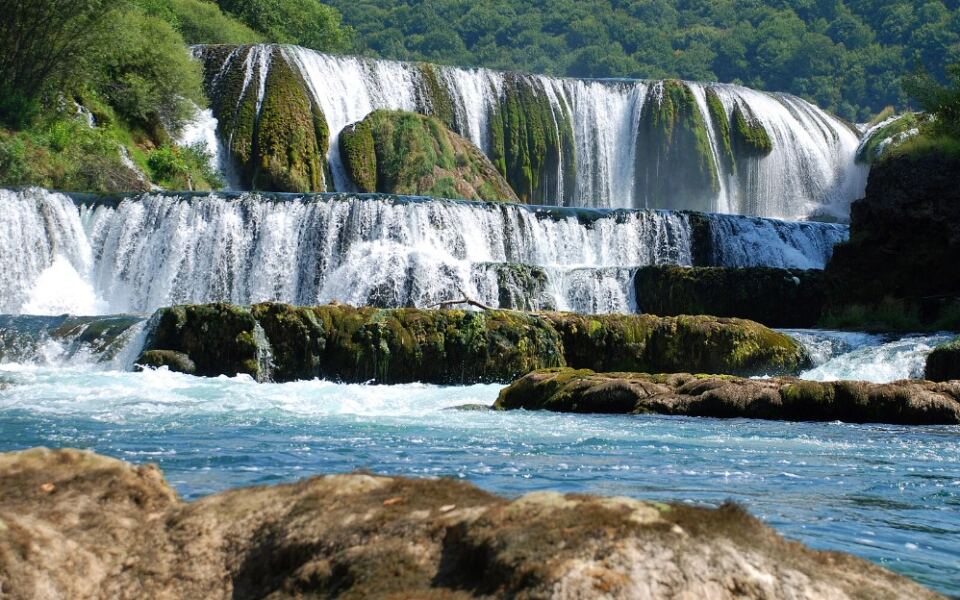
Some rivers are so clear that you can see every pebble, fish, and plant on the riverbed below. These remarkable waterways get their transparency from natural springs, mountain snowmelt, or special geological conditions that filter the water to near-perfect clarity.
Whether tucked in European mountains or winding through tropical jungles, they attract swimmers, snorkelers, and nature lovers from around the world. Read on to discover 15 of the most breathtakingly clear rivers on the planet.
1. Verzasca River, Switzerland
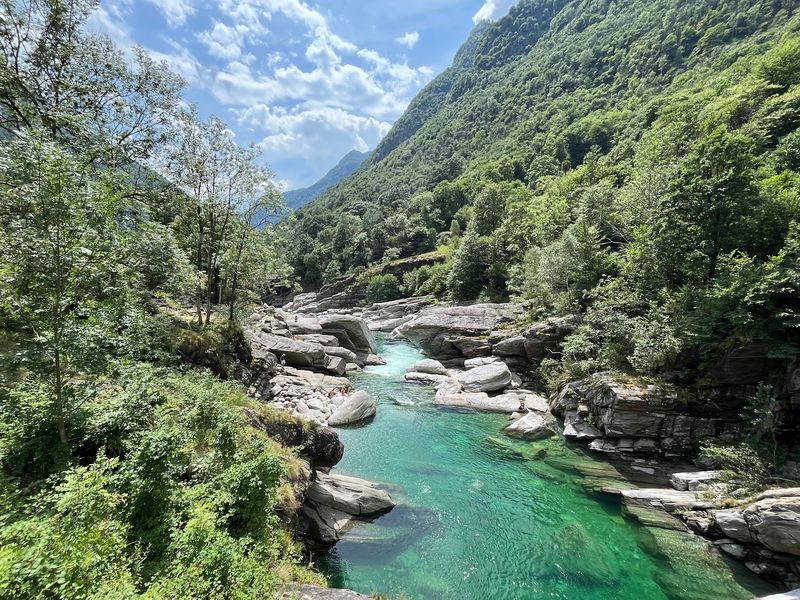
Carved through the granite mountains of Ticino in southern Switzerland, the Verzasca River looks almost too perfect to be real. Its water is an electric shade of emerald green, and on a calm day, you can see every rock and pebble sitting on the riverbed below.
The river stays so clear because it flows quickly over hard granite, which does not dissolve easily into the water. Very little sediment gets stirred up, keeping visibility exceptional throughout much of its length.
Visitors come to swim in its natural pools, photograph its ancient stone bridges, and simply sit beside the water in amazement. The famous Lavertezzo bridge is a top spot for both cliff jumping and photography.
Whether you visit in early summer or early fall, the Verzasca delivers a visual experience that is genuinely hard to forget.
2. Rio Sucuri, Brazil
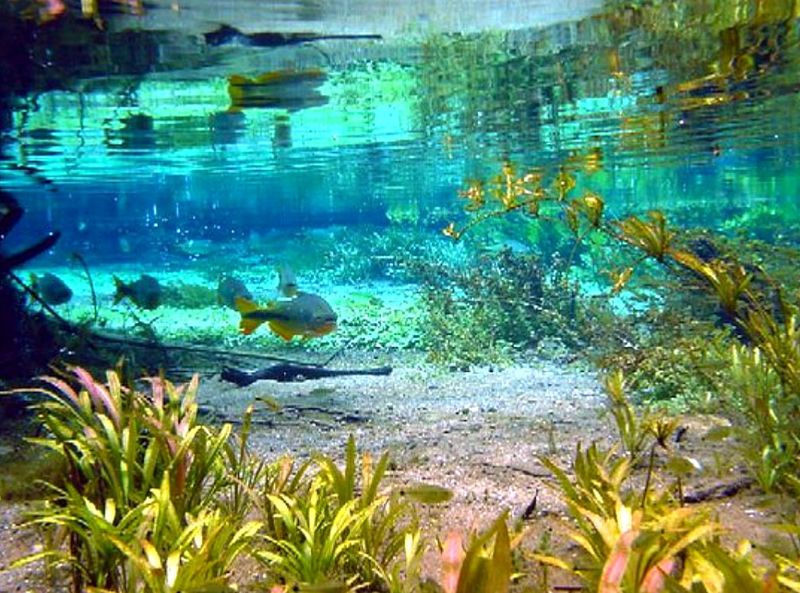
Imagine floating lazily downstream while fish swim inches below you, perfectly visible through water so clear it barely seems to exist. That is exactly the experience waiting for you at Rio Sucuri, located near the town of Bonito in central-western Brazil.
Fed entirely by underground springs, the river maintains a constant temperature and exceptional transparency year-round. Aquatic grasses sway gently along the riverbed, and dozens of fish species move through the water in plain sight, making snorkeling here feel like swimming through a living aquarium.
Visits are carefully managed to protect the ecosystem, so you will need to book a guided tour in advance. Only a limited number of people are allowed on the river each day.
That controlled access is exactly why the water stays so remarkably pristine, and why every visit feels like a truly special privilege.
3. Rio da Prata, Brazil
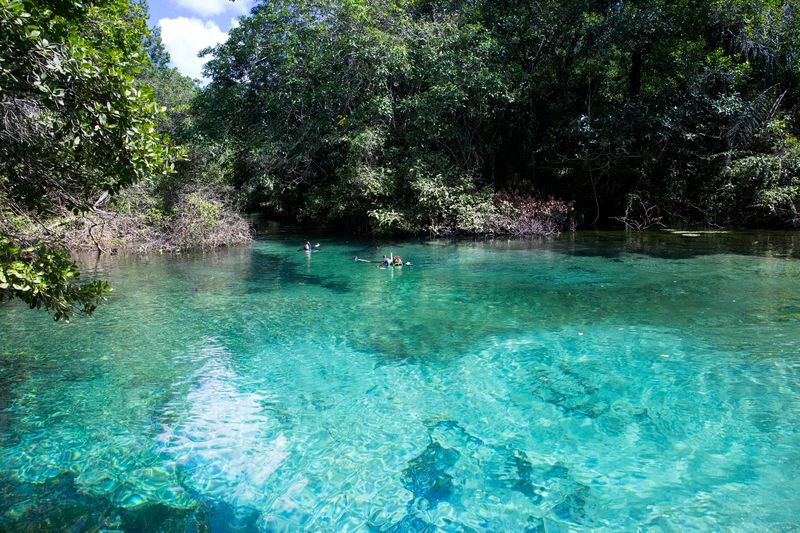
Just a short drive from Rio Sucuri, the Rio da Prata offers its own version of underwater magic. Spring water bubbles up from the ground and flows through a lush forested corridor, creating conditions that rival any natural aquarium you have ever seen.
Swimmers and snorkelers can follow a guided float along the river, watching freshwater fish dart between aquatic plants that grow in thick, swaying carpets on the riverbed. The water is so transparent that depth is almost impossible to judge at first glance.
The surrounding Cerrado and Atlantic Forest ecosystems add to the experience, with birds and butterflies visible from the water. Like Rio Sucuri, this river is protected by strict visitor limits.
Booking ahead is essential, but the effort is well worth it. Few places on Earth let you feel so completely surrounded by living, breathing nature from above and below.
4. Futaleufú River, Chile
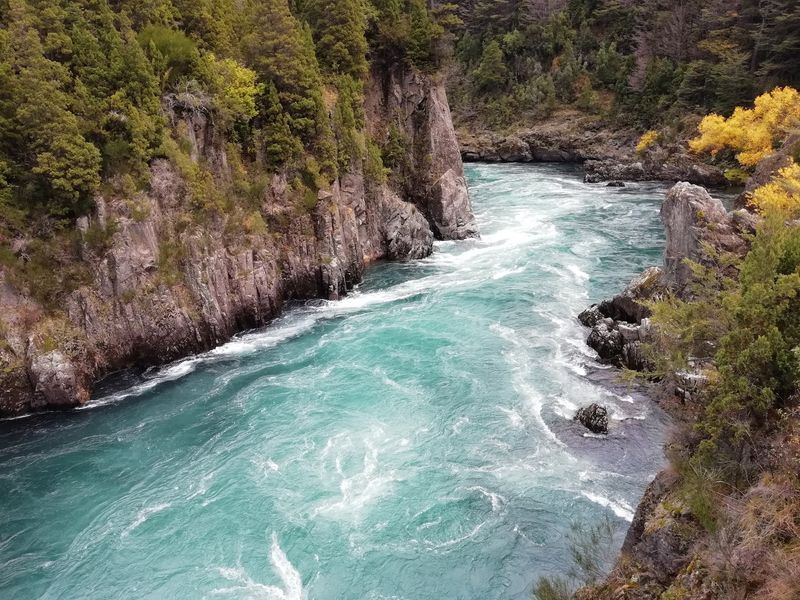
Few rivers on Earth match the raw, wild beauty of the Futaleufú in Chilean Patagonia. Known to whitewater rafters worldwide simply as “the Fu,” this river roars through steep canyons with a color so intensely turquoise it almost looks painted.
In calmer sections away from the rapids, the water clears beautifully, offering stunning views of the rocky riverbed below. The turquoise tint comes from glacial rock flour suspended in the water, which scatters light in a way that produces that signature electric blue-green glow.
Beyond rafting, the Futaleufú valley offers hiking, horseback riding, and fly fishing in some of the most dramatic scenery in South America. The region is remote, which keeps crowds small and the environment largely untouched.
If you are looking for a river that combines visual spectacle with genuine adventure, the Futaleufú absolutely delivers on every level.
5. Rio Celeste, Costa Rica
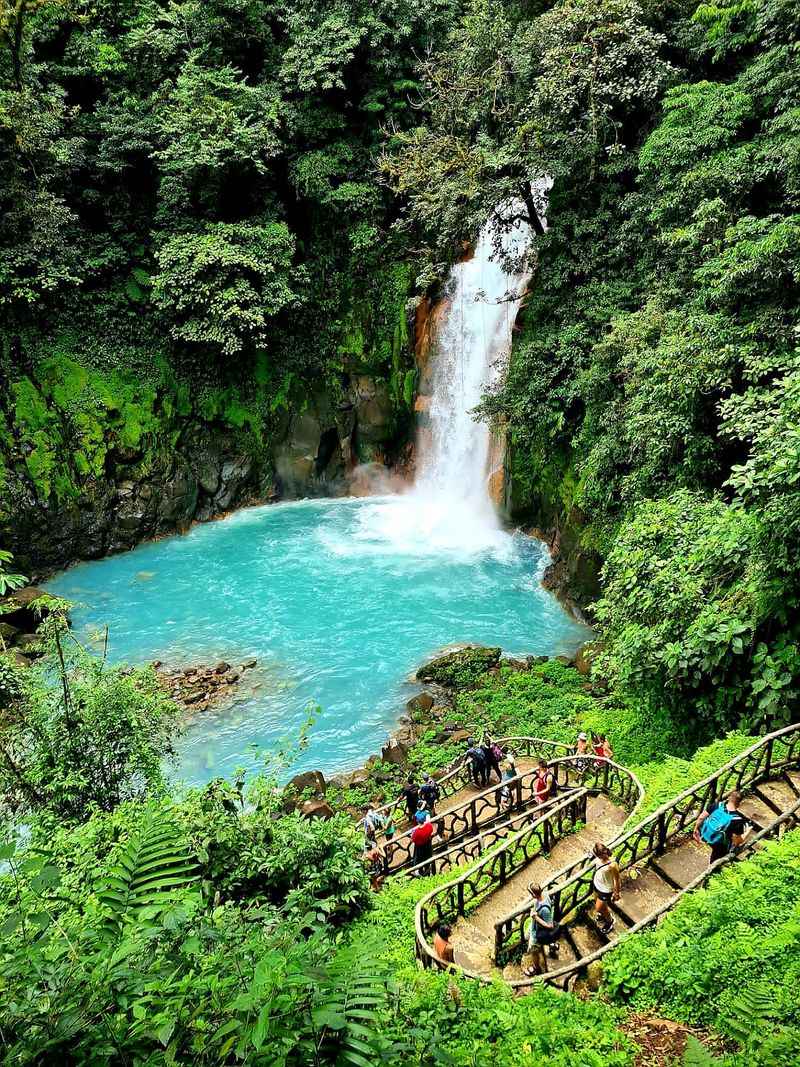
Walking through the rainforest of Tenorio Volcano National Park and suddenly coming upon Rio Celeste is one of those travel moments that stops you completely in your tracks. The river runs in a shade of brilliant sky blue that looks almost supernatural, drawing visitors from across the globe.
The unusual color is caused by a process called Mie scattering. When two streams merge at a spot called La Confluencia, volcanic minerals interact with the water and scatter light in a way that produces that iconic vivid blue.
In shallower, calmer stretches, the water can also appear surprisingly transparent.
Swimming is not permitted in most sections to protect the ecosystem, but hiking along the riverbanks and watching the blue water tumble over waterfalls is a memorable experience in itself. The park is also rich with wildlife, including toucans, sloths, and tapirs, making every visit feel wonderfully full.
6. Soca River, Slovenia
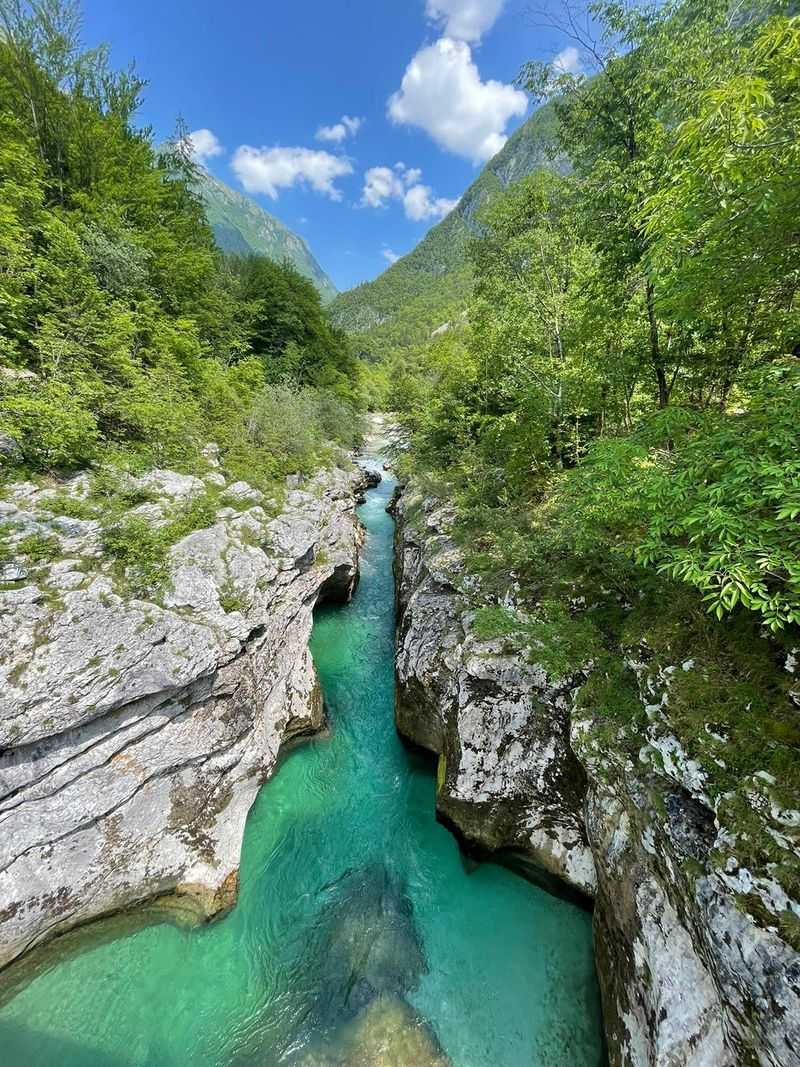
Ernest Hemingway wrote about the Soca Valley during World War I, and the river he described is just as breathtaking today. Known in Italian as the Isonzo, the Soca runs through the Julian Alps in northwestern Slovenia with a color that shifts between vivid emerald and deep turquoise depending on the light and season.
The water is fed by Alpine snowmelt and limestone springs, which gives it remarkable clarity in periods between heavy rainfall. On a clear day, you can see straight down through several meters of water to the smooth, pale riverbed below.
Kayaking and fly fishing are popular activities on the Soca, and the surrounding Triglav National Park adds spectacular mountain scenery to every outing. The combination of extraordinary water color, Alpine backdrop, and rich wartime history makes this one of the most layered and rewarding river destinations in all of Europe.
7. Tara River, Montenegro and Bosnia-Herzegovina
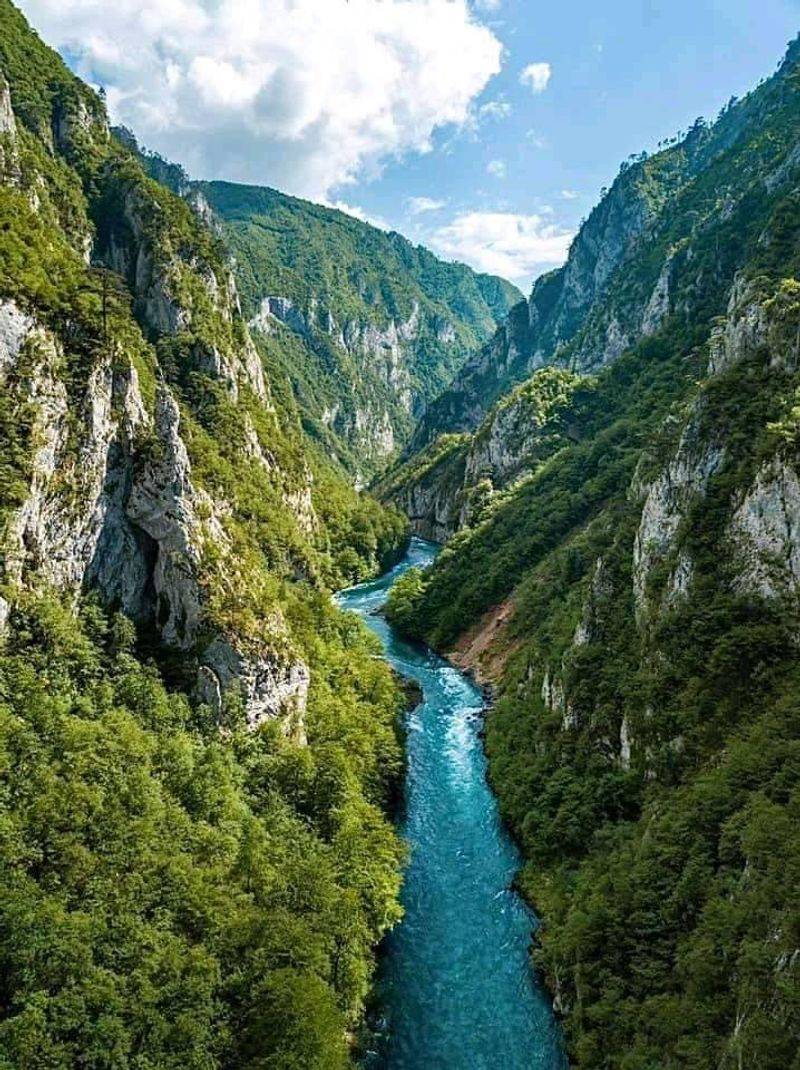
Cutting through the deepest canyon in Europe, the Tara River is a natural wonder that few places can match. The canyon walls rise over 1,300 meters in some sections, and far below, the river runs cold, clean, and brilliantly clear through its limestone bed.
The Tara is a UNESCO World Heritage Site, and its water quality is among the highest of any river on the continent. The blue-green color of the water against the grey canyon walls creates a contrast that is genuinely stunning, especially when viewed from one of the famous old bridges spanning the gorge.
Rafting the Tara is a popular multi-day adventure that lets you experience the canyon from water level. Campsites along the banks offer nights under extraordinarily dark, star-filled skies.
The combination of pristine water, dramatic geology, and peaceful wilderness makes the Tara River a bucket-list destination for any outdoor enthusiast.
8. Cetina River, Croatia
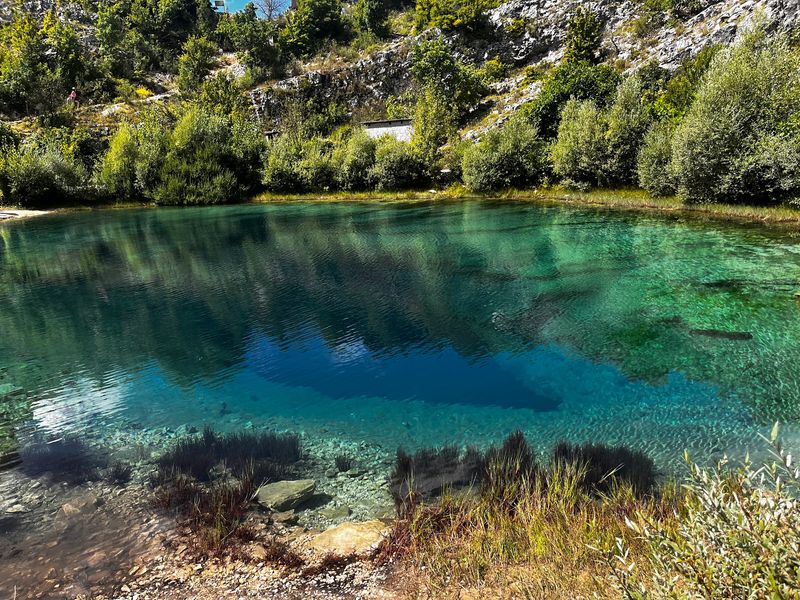
Hidden in the Dalmatian hinterland of Croatia, the Cetina River begins its life at one of the most dramatic karst springs in the Balkans. Cold, clear water wells up from deep underground at the foot of a towering limestone cliff, forming an emerald pool that looks almost impossibly vivid.
The spring-fed sections of the river are particularly transparent, with visibility reaching several meters on calm, sunny days. Freshwater fish are easy to spot hovering near the bottom, and the surrounding vegetation reflects beautifully off the glassy surface.
Downstream, the Cetina passes through canyons, waterfalls, and old mill towns before eventually reaching the Adriatic coast near Omis. Kayaking and rafting trips are popular along the middle section, while the upper reaches near the source are perfect for quiet walks and photography.
Croatia is famous for its coastal beauty, but the Cetina proves the interior holds just as many wonders.
9. Una River, Bosnia-Herzegovina and Croatia
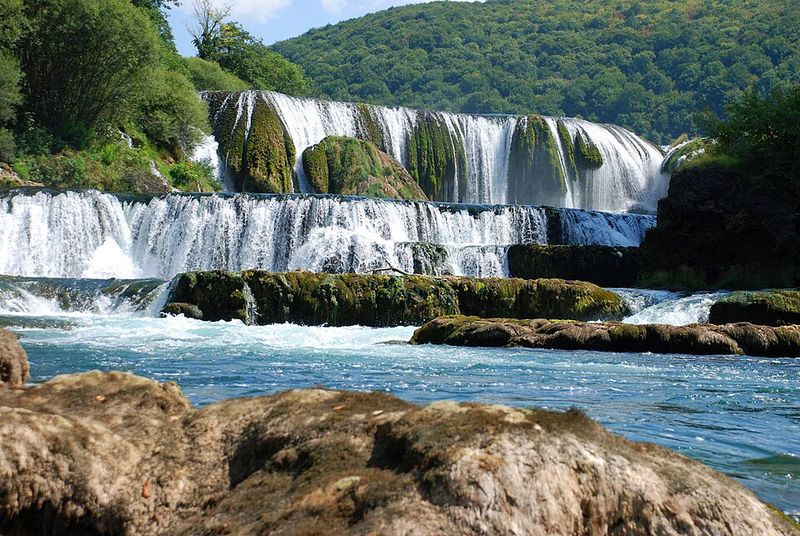
Named simply “the One” in Latin, the Una River has a quiet confidence that its name suggests. Flowing through Una National Park on the border of Bosnia-Herzegovina and Croatia, it is celebrated for water that ranges from pale turquoise to deep emerald, with visibility so good you can watch fish navigate the current far below the surface.
Travertine formations similar to those found in Croatia’s Plitvice Lakes create a series of natural dams and waterfalls that give the river its distinctive stepped appearance. The water tumbles over these barriers in cascades that are both photogenic and genuinely mesmerizing.
The Una is also one of the cleanest rivers in the entire Balkans, which explains why its ecosystem is so rich and diverse. Rafting, kayaking, and swimming are all popular here.
The national park surrounding the river adds forests, meadows, and wildlife to make every visit feel wonderfully complete and unhurried.
10. Krka River, Croatia
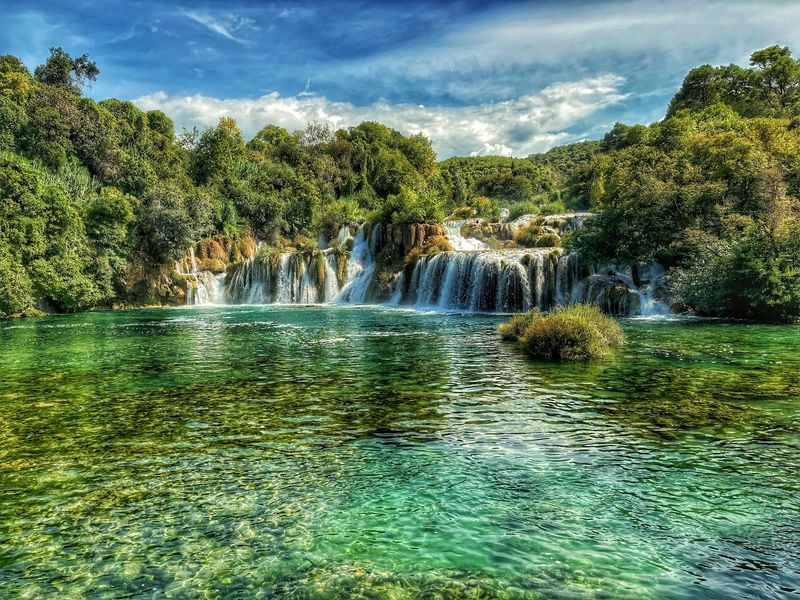
Croatia’s Krka River is one of those places that photographs beautifully but somehow still exceeds expectations in person. Fed by karst springs along its entire length, the Krka flows through a series of travertine waterfalls and pools that are famous throughout Europe for their clarity and color.
The travertine formations are built up over centuries by calcium carbonate deposits from the water, creating natural barriers that form the river’s iconic cascading steps. The water pooling above and below these falls is often remarkably transparent, with aquatic plants, fish, and the pale riverbed all clearly visible.
Krka National Park protects most of the river’s length, and swimming is permitted in certain designated areas around the most famous waterfall, Skradinski Buk. Boat tours offer a relaxed way to explore the upper sections.
Summer crowds can be significant, so visiting in spring or early autumn rewards you with quieter, equally beautiful conditions.
11. Rainbow River, Florida, USA
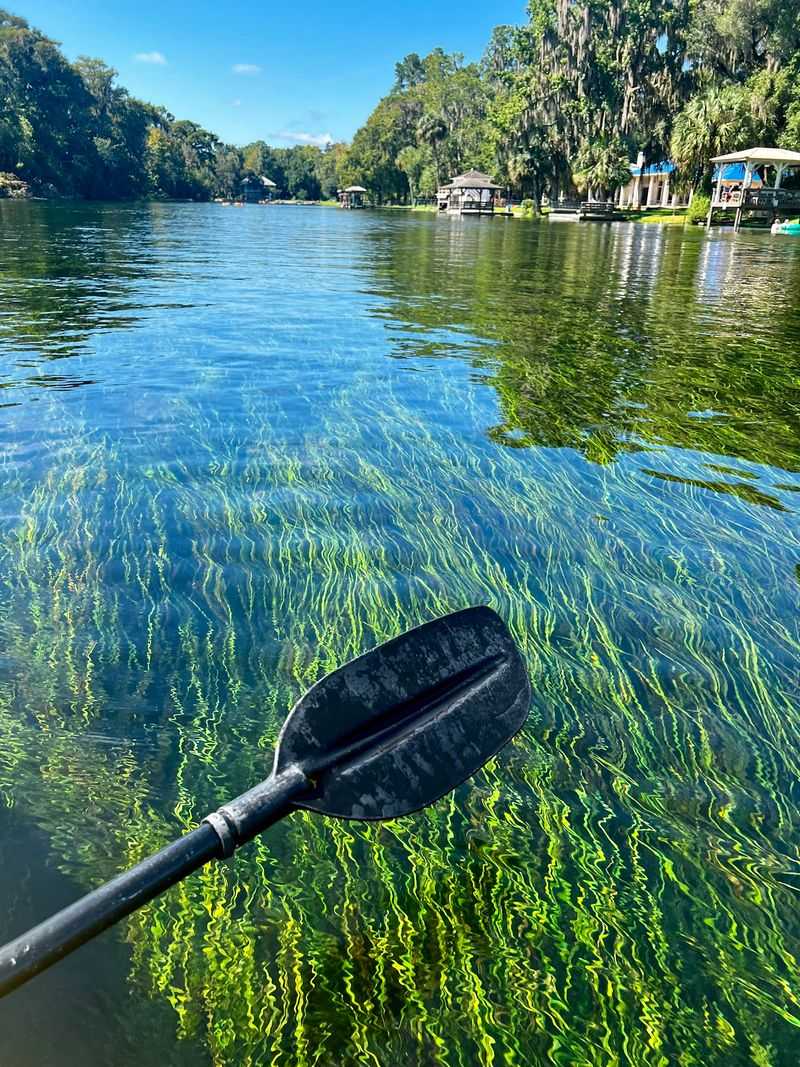
At a constant 68 degrees Fahrenheit year-round, the Rainbow River near Dunnellon, Florida, is fed by one of the largest freshwater springs in the United States. The water emerges from the ground already filtered to an extraordinary degree of clarity, giving the river its reputation as one of the clearest in North America.
Tubing down the Rainbow River is a beloved Florida tradition. Floating along, you can watch bass, turtles, and manatees move through the water below as if you were looking through glass.
Dense mats of aquatic vegetation line the riverbed, swaying with the gentle current and adding brilliant green color to the scene.
Rainbow Springs State Park manages access to the headspring area, where you can swim, snorkel, or kayak. Visibility often exceeds 10 meters in good conditions.
For anyone who has never experienced a Florida spring river, the Rainbow is an ideal and accessible first introduction to this unique natural wonder.
12. Ichetucknee River, Florida, USA
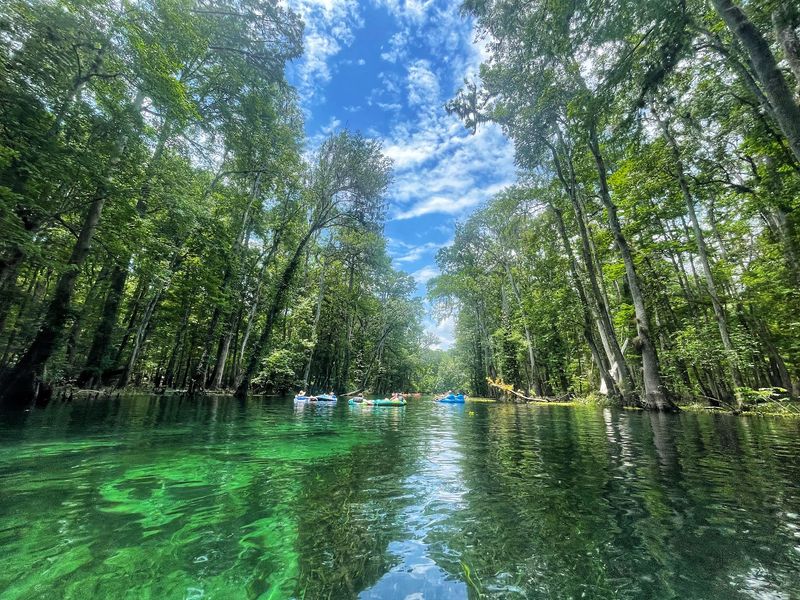
On a hot summer weekend, the Ichetucknee River in north-central Florida becomes one of the most joyful outdoor destinations in the entire state. Thousands of people float its spring-fed waters on tubes and kayaks, laughing and drifting along a current that stays cool and clear no matter how crowded it gets.
Nine separate springs feed the river, collectively pumping out over 230 million gallons of water per day. That constant, powerful flow keeps the Ichetucknee clean, cold, and transparent throughout its short five-mile length.
The sandy riverbed is visible from the surface, and freshwater fish are easy to spot in every direction.
Ichetucknee Springs State Park limits daily visitor numbers to protect the ecosystem, so arriving early is strongly recommended during summer months. Snorkeling is permitted and rewarding, with turtles and various fish species frequently visible.
The surrounding forest adds a canopy of shade that makes the whole experience feel refreshingly peaceful.
13. Weeki Wachee River, Florida, USA
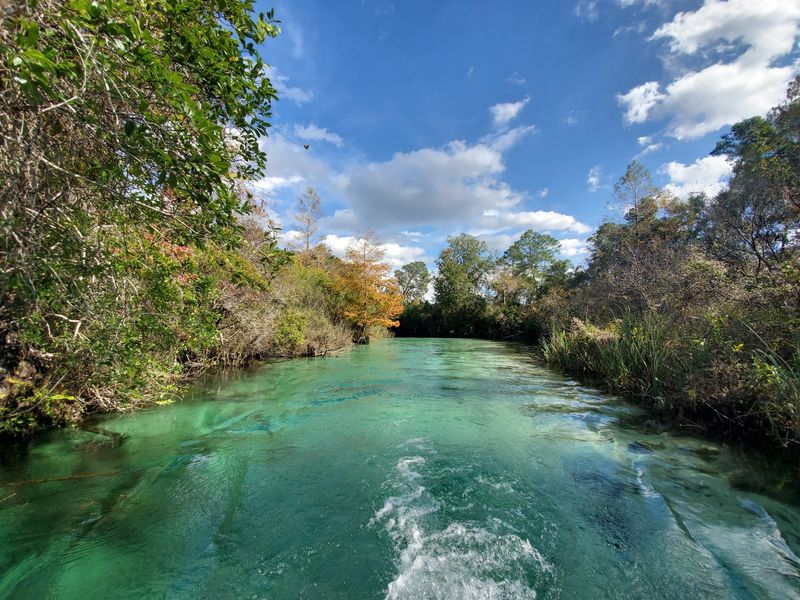
The name Weeki Wachee comes from a Native American phrase meaning “little spring” or “winding river,” and both descriptions fit perfectly. Emerging from one of the deepest natural freshwater springs in the United States, the Weeki Wachee River flows for about 12 miles before reaching the Gulf of Mexico.
The water at the headspring is a brilliant, almost surreal shade of blue, and the sandy bottom is clearly visible even in sections several feet deep. The spring pumps roughly 117 million gallons of water daily, maintaining that signature clarity and a constant temperature of around 74 degrees Fahrenheit year-round.
Weeki Wachee Springs State Park is perhaps most famous for its live mermaid shows, a tradition dating back to 1947. But beyond the performances, kayaking and paddling the river through its quiet, forested corridor is a genuinely peaceful and visually striking experience that feels far removed from everyday life.
14. Blue River, New Zealand
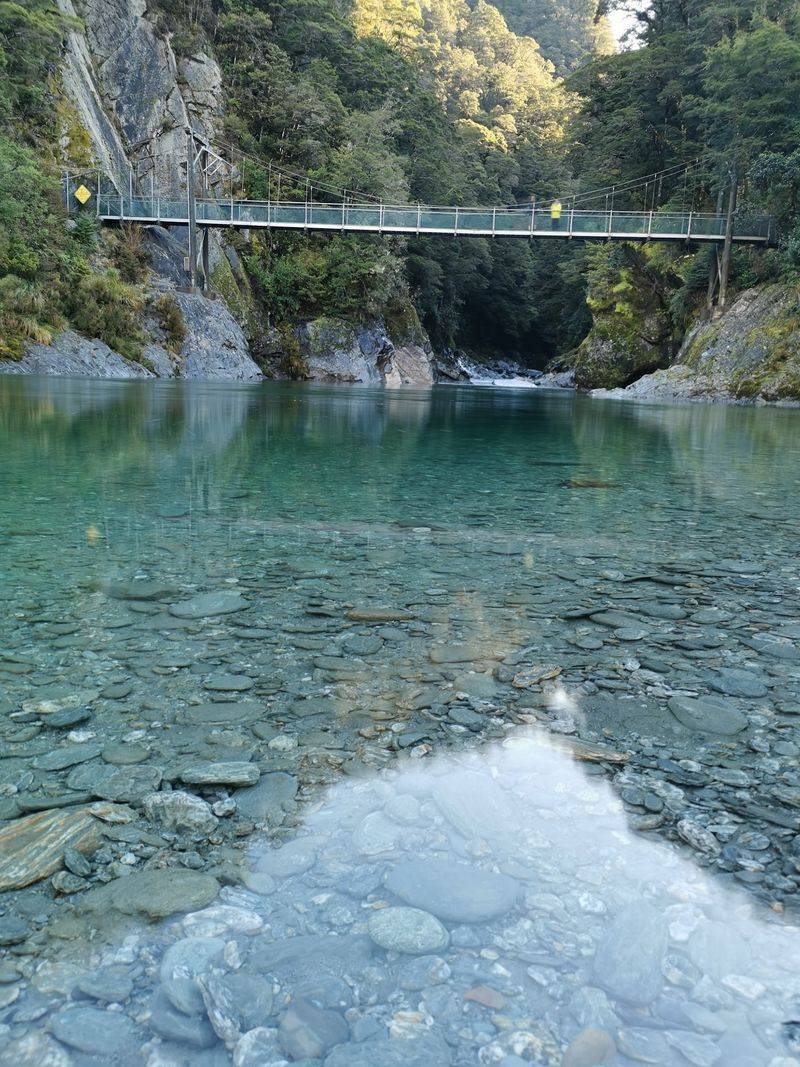
Scientists have actually measured the Blue River in New Zealand’s Nelson Lakes National Park and found its optical clarity approaching that of pure distilled water. That is not poetic exaggeration; it is a documented scientific finding that has made this remote South Island river famous among researchers and nature lovers alike.
The river drains a catchment with almost no agricultural or industrial activity, meaning virtually nothing disturbs the purity of the water before it reaches you. The surrounding beech forests filter rainfall slowly through deep soils, removing particles before the water ever reaches the riverbed.
Reaching the Blue River requires a hike through Kahurangi National Park, which keeps visitor numbers naturally low. That remoteness is part of what makes the experience so special.
Standing beside water that is scientifically among the clearest on Earth, surrounded by ancient forest and mountain silence, is an experience that genuinely stays with you long after the hike is over.
15. Jiuzhaigou River and Stream System, China
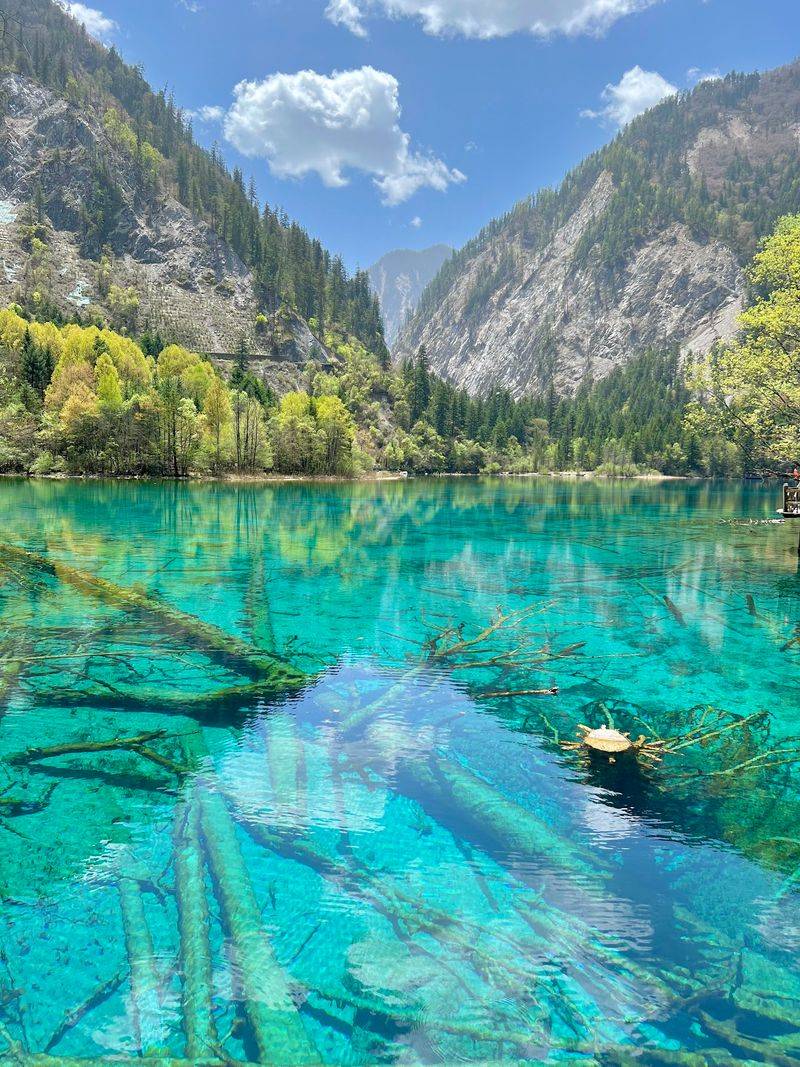
Jiuzhaigou Valley in China’s Sichuan Province is often described as a place that looks like it belongs inside a painting. The valley’s interconnected waterways, fed by snowmelt and underground springs, flow through a series of lakes and streams that display an almost unreal range of blues, greens, and turquoises.
What makes Jiuzhaigou especially magical is what you can see beneath the surface. Ancient submerged logs, mineral deposits, and aquatic plants are all clearly visible through the transparent water, preserved perfectly by the calcium-rich chemistry that also builds the travertine formations throughout the valley.
The site is a UNESCO World Heritage Site and a UNESCO Biosphere Reserve, reflecting its global ecological importance. A major earthquake in 2017 caused significant damage, and the valley spent years in recovery before reopening to limited visitors.
Seeing Jiuzhaigou today feels like witnessing nature’s quiet, determined resilience alongside some of the most beautiful water scenery on Earth.
Share this story