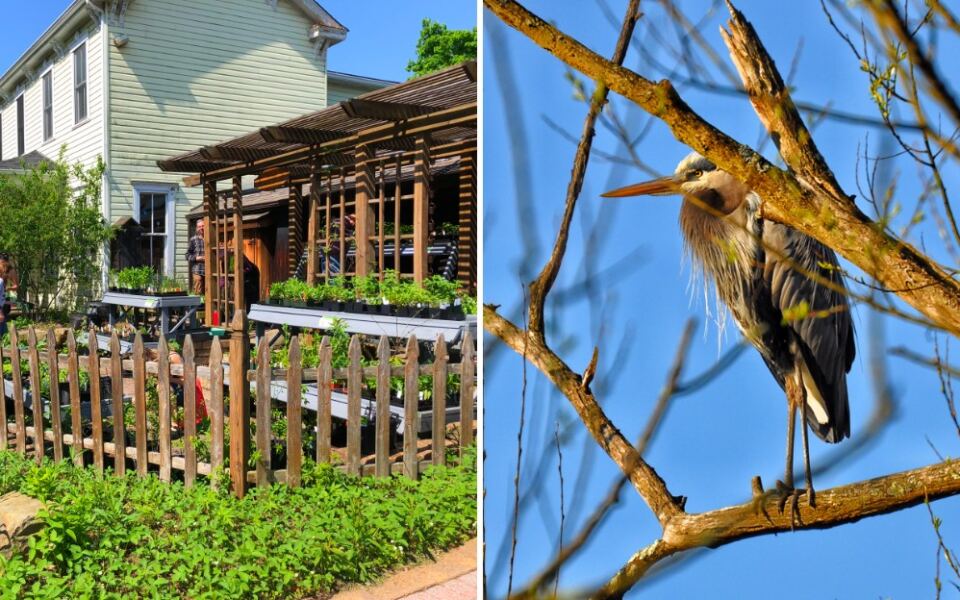
Just outside Pittsburgh, Beechwood Farms Nature Reserve offers 134 acres of free trails, birdwatching, native plants, and wildlife habitat. The Fox Chapel reserve is also home to the Audubon Society of Western Pennsylvania.
Woodlands, meadows, wetlands, and a pond make it especially rewarding for bird lovers, while educational programs and seasonal events add more reasons to visit. It is an easy nature escape that feels surprisingly removed from the city.
The Heart of Western Pennsylvania’s Wild Side
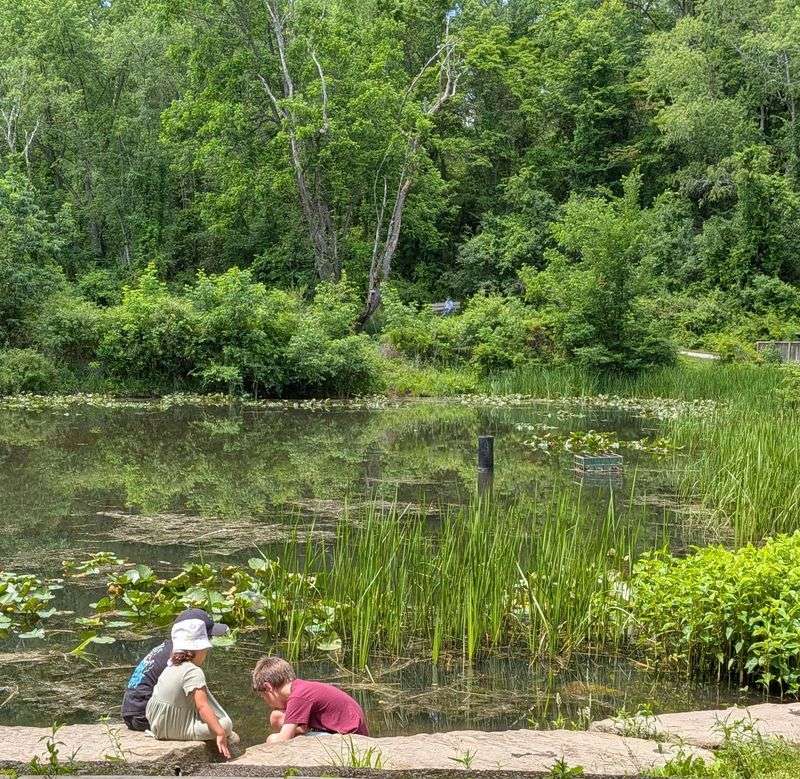
Most people associate Pittsburgh with steel bridges and city skylines, but at 614 Dorseyville Road in Fox Chapel, Pittsburgh, PA 15238, a completely different world begins. The Audubon Society of Western Pennsylvania’s Beechwood Farms Nature Reserve serves as the organization’s headquarters and its most prominent public-facing facility.
Spanning approximately 134 acres, the reserve is managed by ASWP under an agreement with the Western Pennsylvania Conservancy, making it one of the largest private environmental education centers in the region. The moment you arrive, the contrast with urban life is immediate and striking.
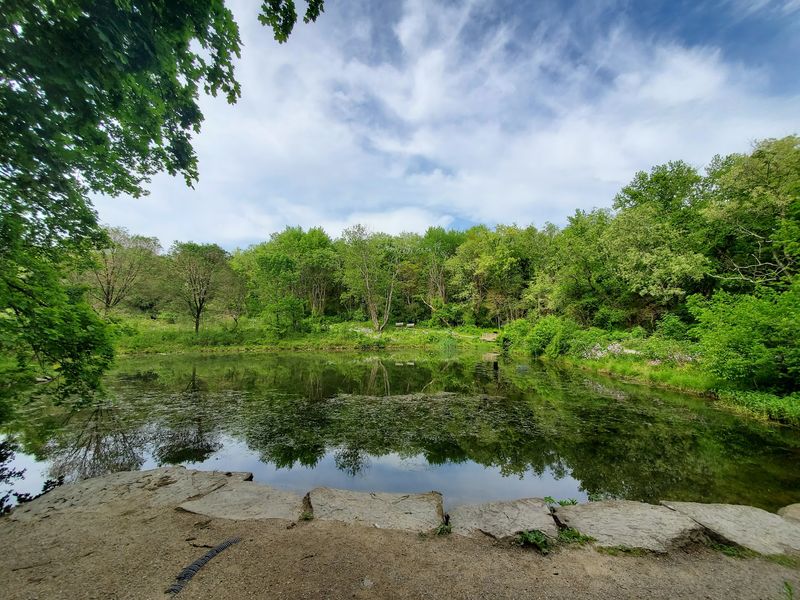
A network of clearly marked trails fans out from the main building, leading through forests, meadows, wetlands, and past a peaceful pond. The center building itself houses classrooms, a nature store, and staff offices, all humming with activity on any given weekday or weekend.
Few places within such easy reach of a major city deliver this kind of genuine natural immersion.
From Dairy Farm to Conservation Landmark
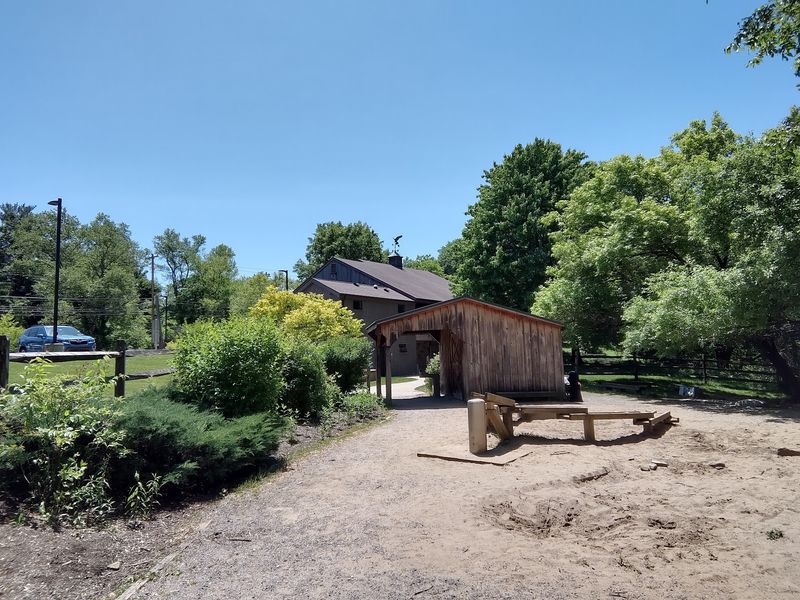
Before the trails existed, before the bird feeders and the native plant nursery, this land was a working farm producing milk. In 1903, Pittsburgh businessman and politician William Flinn purchased the property and named it Beechwood Farms, running it as a working operation known for its registered Guernsey cattle herd.
The estate changed hands over the decades, eventually reaching Rachel Mellon Walton and later her daughter Farley Walton Whetzel, who generously donated portions of the land to the Western Pennsylvania Conservancy during the 1970s. That donation proved to be a turning point for conservation in the region.
Recognizing the ecological richness of the site, the Conservancy selected the Audubon Society of Western Pennsylvania as its steward. Since 1977, the reserve has served as ASWP headquarters, carrying forward a conservation mission that dates back to the society’s founding in 1916.
The old farm fields are now meadows alive with pollinators, and the cattle are long gone, replaced by songbirds and wild turkeys.
Trails That Take You Through Four Distinct Worlds
Over 3.5 miles of trails wind through the reserve, and what keeps the experience interesting is the variety. Within a single afternoon, you can move through dense mixed deciduous forest, open wildflower meadows, a conifer plantation with its own cooler microclimate, and wetland edges where the air smells of mud and green things growing.
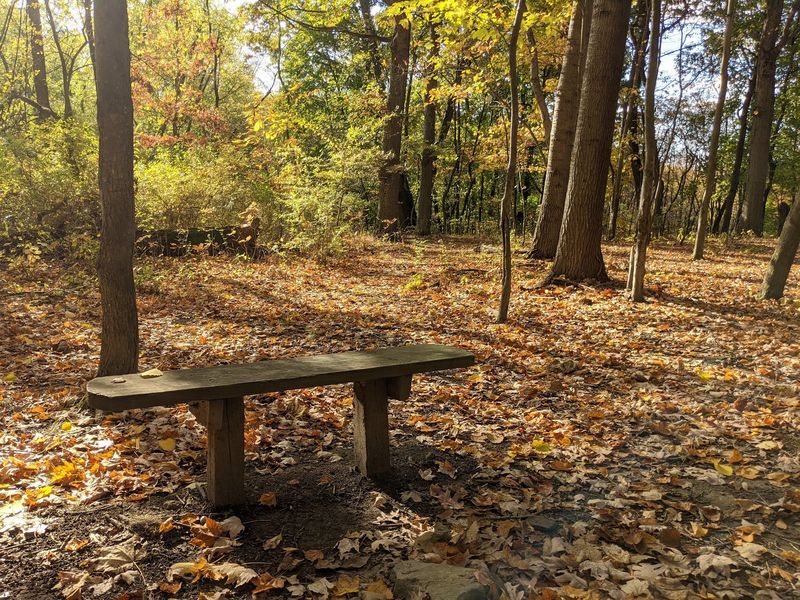
The Spring Hollow Trail is a particular favorite, a 0.45-mile loop that threads through hardwood forest, follows a meandering stream hollow, and curves around a tranquil pond. Benches appear at thoughtful intervals, perfect for sitting quietly and letting the birds come to you rather than chasing them.
A charming treehouse near the Spring Hollow Trail gives younger visitors an elevated view of the forest canopy, and it doubles as a surprisingly effective birdwatching platform for adults willing to climb up. Trail surfaces are generally easy, with a few gentle hills, making the network accessible to most fitness levels.
Poison ivy is present, so staying on the marked paths is genuinely good advice.
A Birdwatcher’s Best Day Out
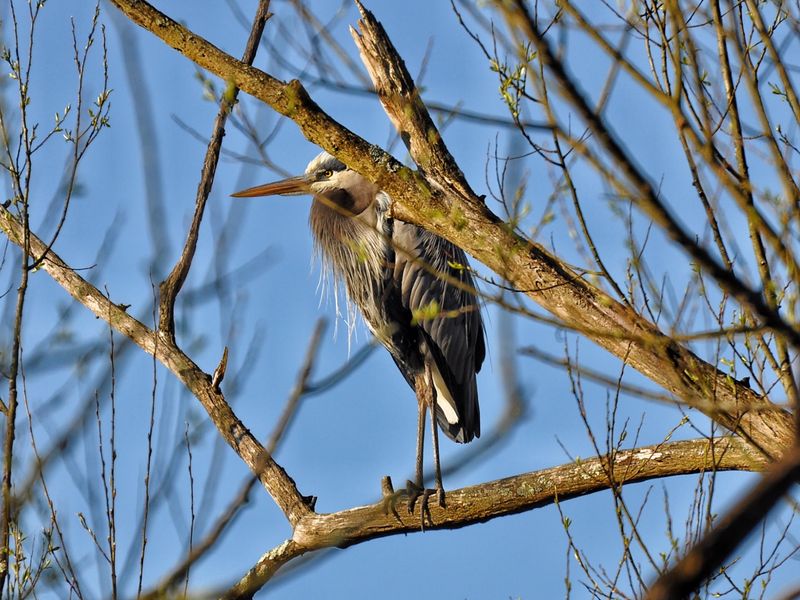
Birding here is not a passive activity. The reserve sits along an important migratory corridor, which means fall visits can turn up an impressive and ever-changing roster of species moving through the region.
Even on a quiet spring morning, the number of bird calls layering over each other is enough to make any birder reach for a field guide.
A dedicated overlook near the entrance provides a comfortable spot to scan the feeders and surrounding shrubs, and the pond pavilion is another reliable station for spotting waterfowl and wading birds. Bluebirds, Baltimore Orioles, and Ruby-throated Hummingbirds are among the species regularly attracted to the reserve’s carefully managed habitat.
The reserve’s on-site raptor center adds a dimension that most nature areas simply cannot offer. Living birds of prey are housed there, and during special events like the Fall Migration Celebration, ASWP’s Raptor Ambassadors are brought out for close encounters that leave a lasting impression on visitors of every age.
That raptor center connects to something even bigger, which we will get to shortly.
The Raptor Center and Avian Health Mission
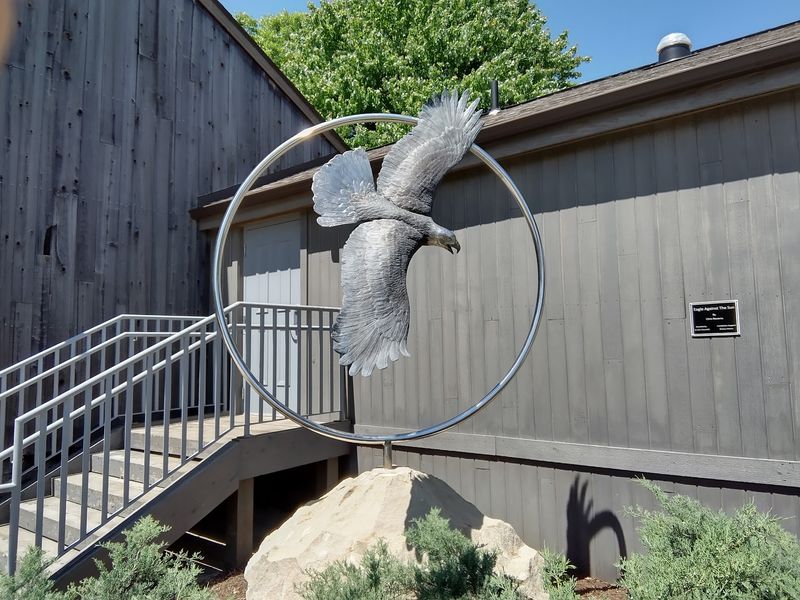
Not every nature reserve has a functioning avian health center on its grounds, and that distinction matters enormously. The raptor center at Beechwood Farms houses birds of prey that serve as educational ambassadors, bringing visitors face to face with species they would never encounter at arm’s length in the wild.
These birds are not simply display animals. Each one represents a broader story about the pressures wild raptors face, from habitat loss to window collisions, and the staff uses those encounters to deliver conservation messages that stick with visitors long after they have driven home.
The avian health component of the center reflects ASWP’s understanding that protecting birds requires more than preserving habitat. It means actively caring for individual animals and educating the public about the everyday choices that affect bird populations.
Attending a raptor presentation during one of the reserve’s seasonal events transforms an ordinary nature walk into something genuinely memorable. The experience pairs naturally with the reserve’s deep commitment to native plants, which supports bird populations in ways that go far beyond a feeder.
Native Plants: The Quiet Engine of the Ecosystem
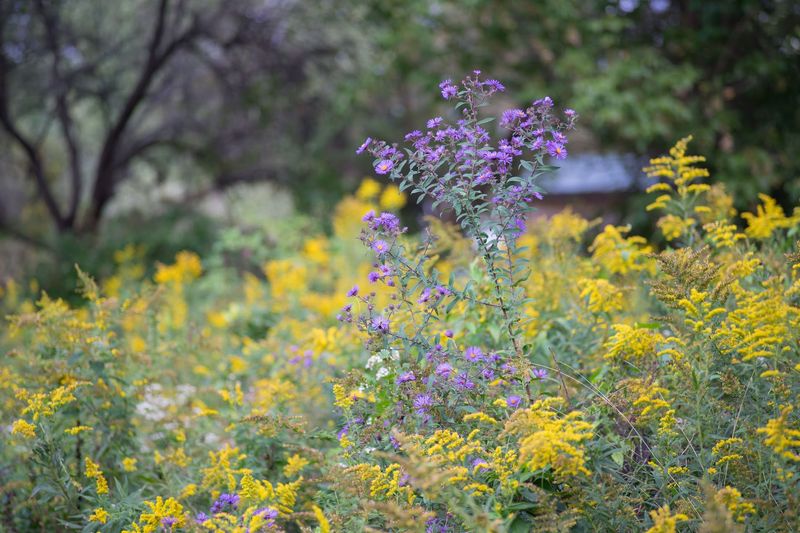
Back in 1985, a group of ASWP volunteers did something quietly remarkable. When the expansion of Interstate 279 threatened to bulldoze native plants in its path, those volunteers showed up, dug them out, and transplanted them to Beechwood Farms.
That rescue mission planted the seed, literally, for what would become the Audubon Center for Native Plants.
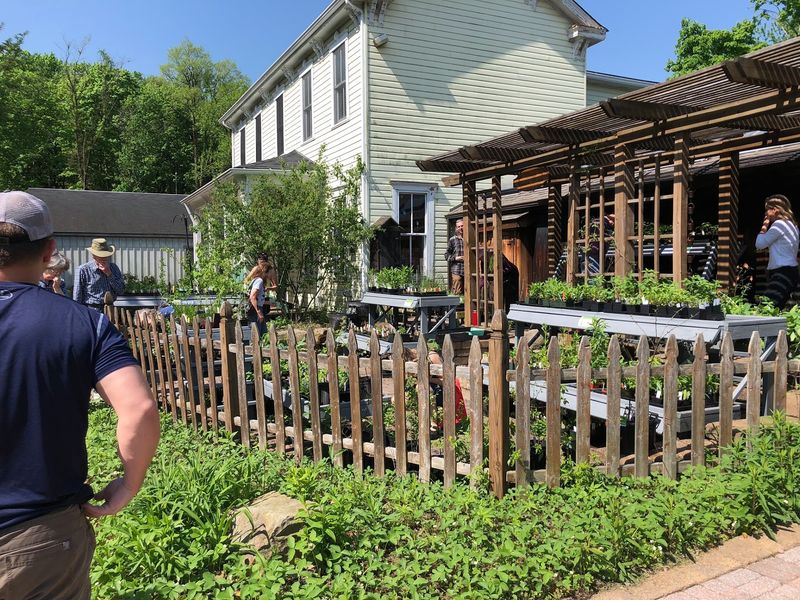
Today the center propagates over 100 Pennsylvania native species, and the Native Plant Nursery operates from May through October inside Betsy’s Garden Shoppe, just outside the main nature store. The selection includes native perennials, shrubs, and trees, with color-coded tags that make it easy to match plants to specific garden conditions like shade, clay soil, or deer pressure.
Each plant label also notes which pollinators and bird species benefit from that particular plant, turning a shopping trip into a small ecology lesson. The staff and volunteers offer habitat garden consultations for anyone who wants to go further.
Buying here is one of the most direct ways a visitor can extend the reserve’s conservation mission into their own backyard.
Education Programs That Actually Inspire
The programming here is built on a simple but powerful idea: people protect what they know and love, so the best conservation work starts with a genuinely good experience outdoors. ASWP delivers on that premise across every age group, from preschool Fledglings programs to adult Citizen Science classes.
Summer day camps are a standout offering, structured so that every session includes a raptor encounter. That single detail tends to become the story kids retell at dinner for weeks.
Homeschool families have access to tailored programs that meet specific learning goals, and school groups can arrange field trips with low student-to-leader ratios that ensure real engagement rather than a rushed walkthrough.
In-school programs extend ASWP’s reach into classrooms across the region, and a library of online resources covers everything from backyard bird identification to broader habitat topics. The volunteer naturalist corps supports year-round programming, bringing a depth of local knowledge that no textbook can replicate.
Few places manage to make environmental education feel this energetic and personal at the same time.
Community Conservation Beyond the Reserve Boundaries
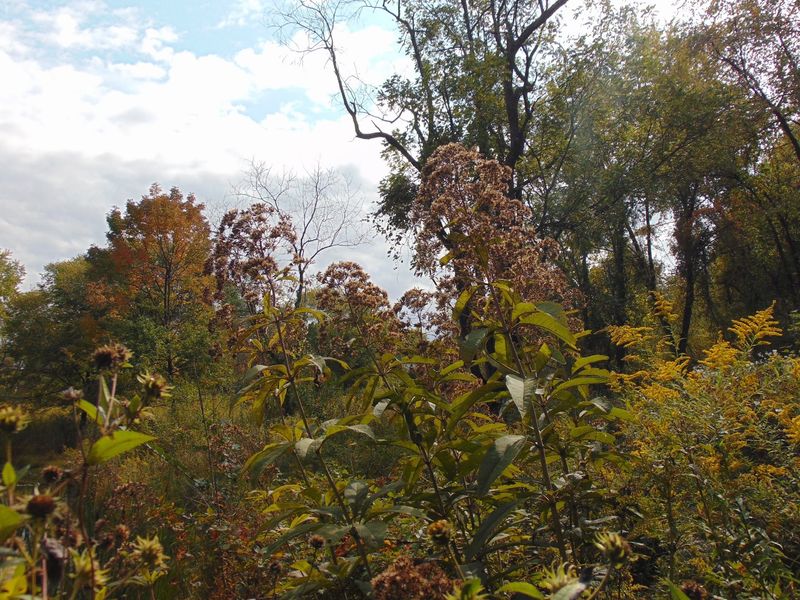
The work of the Audubon Society of Western Pennsylvania does not stop at the edge of the reserve’s 134 acres. Through its partnership with Bird Town Pennsylvania, a statewide grassroots program, ASWP works with local municipalities and organizations to promote community-based conservation actions across southwestern Pennsylvania.
The Certified Backyard Habitat Program encourages homeowners to transform their yards into wildlife-friendly spaces, while the Chimney Swift Tower Program installs nesting structures for these fast-flying, insect-eating birds that have struggled to find suitable nesting sites as older chimneys disappear. The Fishing Line Recovery and Recycling Program addresses a hazard that is easy to overlook but genuinely harmful to wildlife.
ASWP also offers expertise in stormwater management, rain garden design, and bird-friendly building practices, advocating for structural changes that reduce window collision risks for migratory birds. Invasive species removal is another active priority, with volunteer work parties tackling plants that crowd out native flora.
The scope of this outreach makes it clear that the reserve is the visible center of a much wider conservation network.
Seasonal Events That Make Every Visit Different
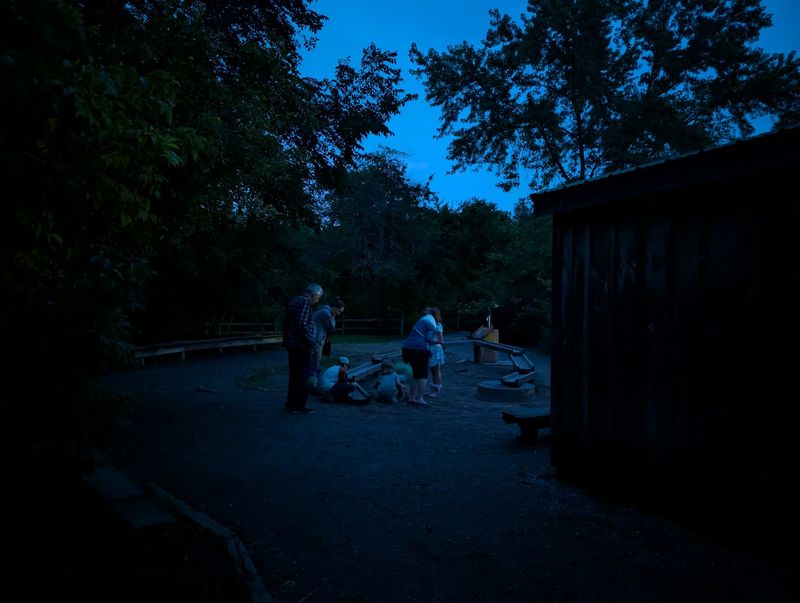
The event calendar at Beechwood Farms is genuinely creative, and it is one of the main reasons locals return throughout the year rather than treating it as a one-time visit. “Creatures of the Night” is a perennial favorite, an outdoor Halloween trek where costumed characters portraying nocturnal animals like Great Horned Owls and Flying Squirrels tell their stories along moonlit trails.
March brings “Maple Madness,” a celebration of maple sugaring history and science that includes a demonstration trail, a maple syrup tasting, and an evening adult program featuring maple-infused treats. It is a surprisingly deep look at something most people take entirely for granted on their pancakes.
The Fall Migration Celebration honors World Migratory Bird Day with guided bird walks, guest speakers, and the always-popular Raptor Ambassador presentations. Each event is designed to teach something specific while keeping the atmosphere relaxed and welcoming.
Checking the ASWP online calendar before a visit is genuinely worthwhile, because arriving on an event day turns a pleasant outing into a full-on experience.
The Nature Store: More Than a Gift Shop
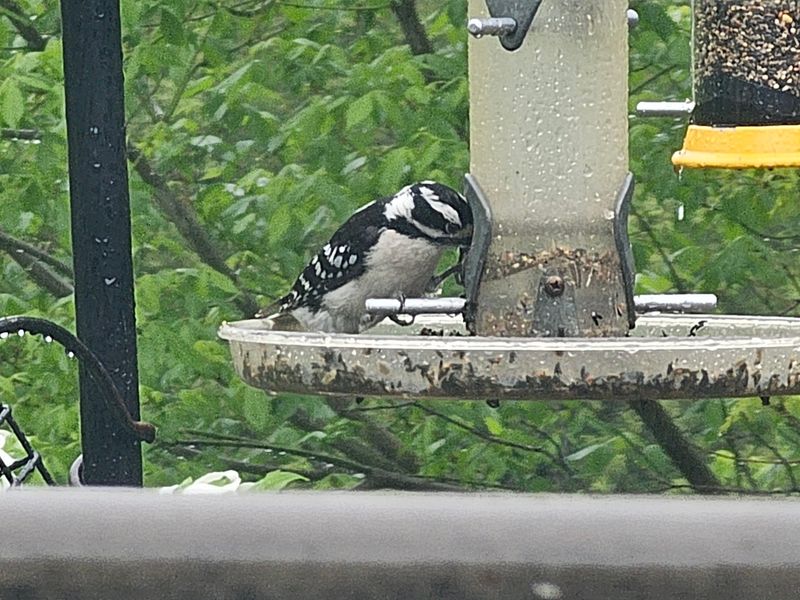
The Audubon Nature Store operates at a level well above the typical gift shop attached to a nature center. The inventory is thoughtfully curated around a clear purpose: helping visitors do more for birds and wildlife once they leave the reserve.
Squirrel-resistant feeders, specialized suet cakes for woodpeckers, and the reserve’s own Beechwood Blend Birdseed sit alongside field guides, nature journals, and a kids’ section packed with hands-on materials.
From the kids’ area, a window looks directly out onto active bird feeders, so browsing and birdwatching happen simultaneously. That small design detail captures the store’s personality perfectly.
Joining the society earns a ten percent discount on all purchases, which adds up quickly if you develop a habit of stopping by.
Every dollar spent here feeds back into ASWP’s programs and conservation work, which gives the act of buying a puzzle or a bag of birdseed a slightly more meaningful dimension. Local honey also appears on the shelves seasonally, and the herb beds maintained by the volunteer Piccadilly Herb Club just outside the entrance are worth a slow walk-through before you leave.
Practical Tips for Your Visit
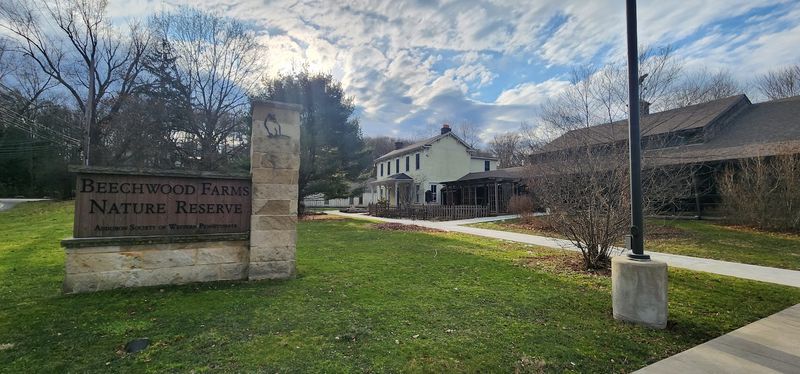
The trails at Beechwood Farms Nature Reserve are open free of charge from dawn to dusk, every day of the year. That kind of open-access policy is genuinely rare for a facility of this quality, and it means there is no reason to plan your visit around ticket windows or entry fees.
The nature center building itself is open Tuesday through Saturday and Sunday from 9 AM to 5 PM, with Monday being a closed day. The phone number for the center is 412-963-6100, and the website at aswp.org carries the full event calendar along with program registration links.
Arriving early on weekday mornings tends to mean emptier trails, which is ideal for birdwatching.
Bring your own water and snacks, as there is no food concession on site. Only service animals are permitted on the trails, a policy that protects the wildlife and the habitat.
Poison ivy is present along some trail edges, so closed-toe shoes and staying on marked paths are both practical choices. The reserve also rents its 125-seat auditorium and classroom for private events.
A Legacy That Grows Stronger Every Season
Over a century of conservation work does not happen by accident. The Audubon Society of Western Pennsylvania has built its reputation through consistent, specific action: rescuing plants from construction sites, training volunteer naturalists, installing chimney swift towers, and keeping 134 acres of irreplaceable habitat healthy and pesticide-free.
The reserve scores a 4.9-star rating from visitors, which reflects something real rather than just enthusiasm. People come here expecting a nice walk and leave having learned something, spotted something unexpected, or bought a plant that will eventually feed a pollinator in their own yard.
That cycle of engagement is exactly what the organization has always aimed for.
Beechwood Farms Nature Reserve is not a passive green space. It is an active, evolving demonstration of what sustained community commitment to the natural world can produce.
For anyone living in or visiting Pittsburgh, it represents one of the most accessible and genuinely enriching outdoor experiences the region offers, a place where every visit feels like both a discovery and a contribution.
Share this story