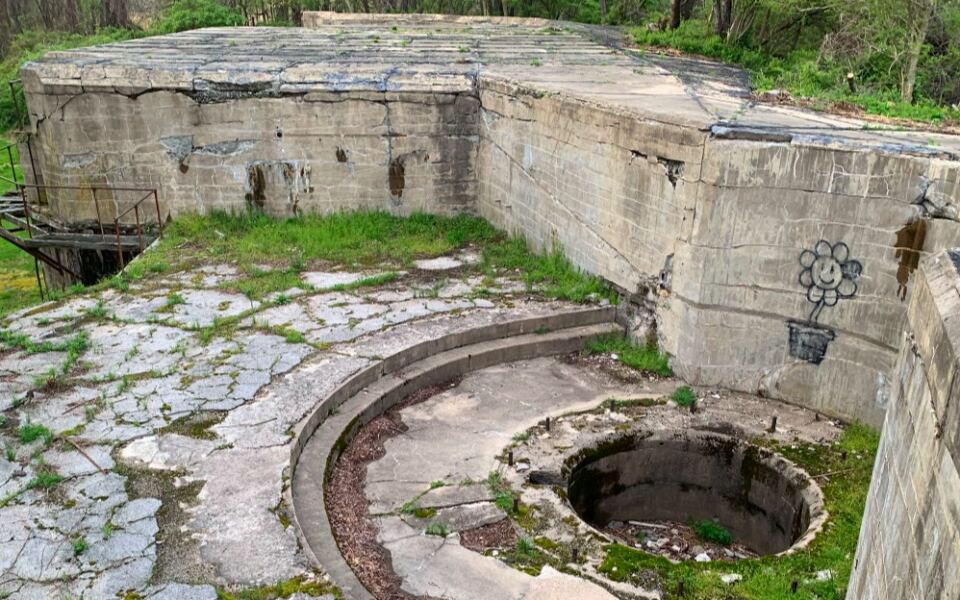
Fort DuPont State Park is not a typical Delaware riverfront park. Its trails pass old concrete gun batteries and other remnants of a military installation whose history reaches back to the Civil War era.
The 322-acre park in Delaware City also sits along the Delaware River near the Chesapeake and Delaware Canal, giving visitors river views, marsh habitat, fishing access, and opportunities for birdwatching alongside its military history.
What makes Fort DuPont especially interesting is how much of that past remains visible. You can walk past former defensive structures, follow the riverfront, and explore a site that continued serving different military and state purposes long after its original coastal-defense role changed.
Where History and the River Meet: The Park’s Location and Setting
Fort DuPont State Park sits at Old Battery Lane, Delaware City, DE 19706, right where the Delaware River and the Chesapeake and Delaware Canal converge on the western shore of the river, just south of town off Route 9. The park office is at 55 Clinton Street, and the phone number is 302-834-7941 for anyone who wants to confirm hours before heading out.
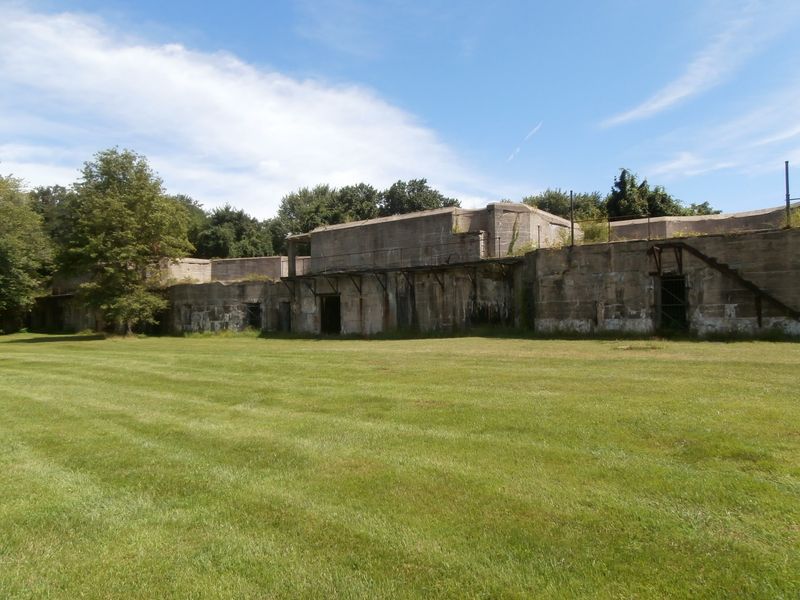
The setting alone is worth the drive. Open green fields roll toward the riverbank, mature trees line the paths, and the water stretches wide and silver in both directions.
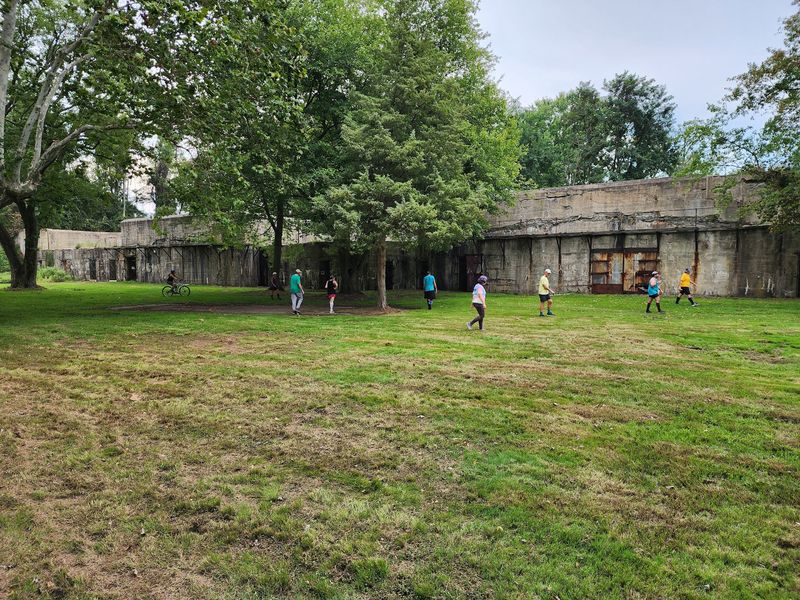
There is a sense of scale here that feels rare for a state park, with 322 acres giving visitors plenty of room to roam without feeling crowded.
The park earns a solid 4.4-star rating from visitors, and it is easy to understand why once you arrive and take in the full sweep of river, sky, and crumbling fortifications all at once. The next section goes back much further in time.
From Ten Gun Battery to Fort DuPont: The Civil War Origins
Most state parks do not trace their roots to the American Civil War, but this one does. The site was originally established in 1863 as the Ten Gun Battery, a strategic riverside outpost designed to support Fort Delaware on Pea Patch Island and protect the western channel of the Delaware River from any naval threat.
The primary mission was clear: keep enemy ships from reaching the busy port cities of Wilmington, Delaware, and Philadelphia, Pennsylvania, further upriver. That defensive purpose gave the site a serious, purposeful character that still feels present when you walk the grounds today.
In 1899, the site was officially renamed in honor of Rear Admiral Samuel Francis Du Pont, a celebrated Civil War naval commander whose legacy is woven into the very soil here. Construction of permanent concrete gun batteries began in 1897 and continued through 1913, adding long-range rifles, rapid-fire guns, and mortars to an already formidable position.
The story only gets more layered from here.
World Wars, POWs, and a Changing Mission
After World War I, advances in military technology made the big coastal guns at Fort DuPont largely redundant, and the fort pivoted toward a new role. By 1922, it had become the headquarters for the First Engineers Regiment of the U.S.
Army, shifting from active coastal defense to the essential work of military engineering and troop preparation.
The First Engineers relocated in 1939, and Fort DuPont spent the entirety of World War II as a training facility. One of the more striking chapters in its wartime history was its designation as a prisoner of war camp, housing approximately 3,000 POWs who contributed labor to regional industries during the conflict.
After the war ended, the fort was deactivated in 1946 and transferred to the State of Delaware. By 1948, the grounds had been repurposed again as the Governor Bacon Health Center, demonstrating a remarkable ability to adapt across generations.
That capacity for reinvention is part of what makes the park so layered and genuinely interesting to explore.
The Batteries That Still Stand: Battery Elder, Read, and Gibson
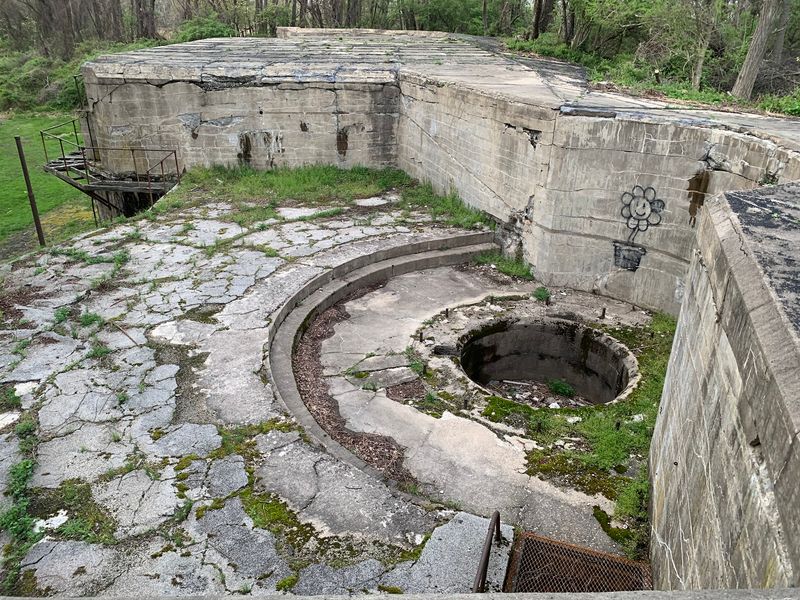
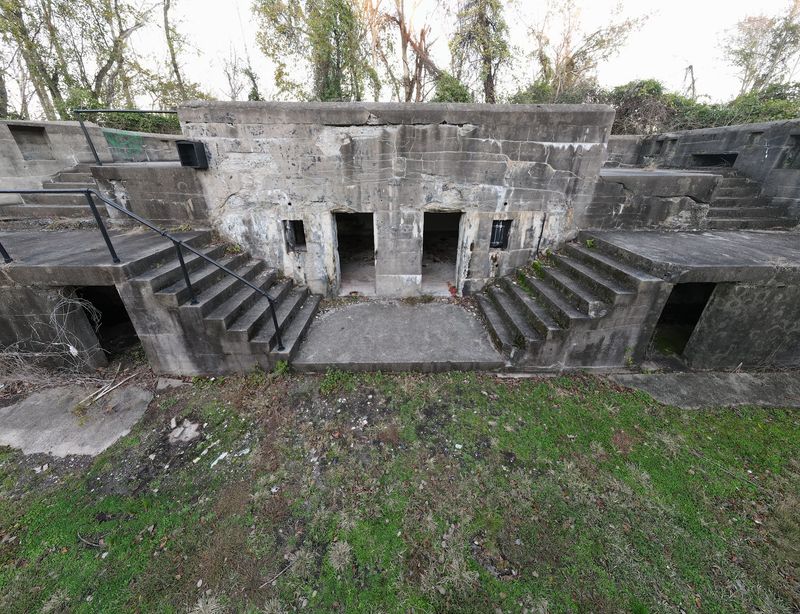
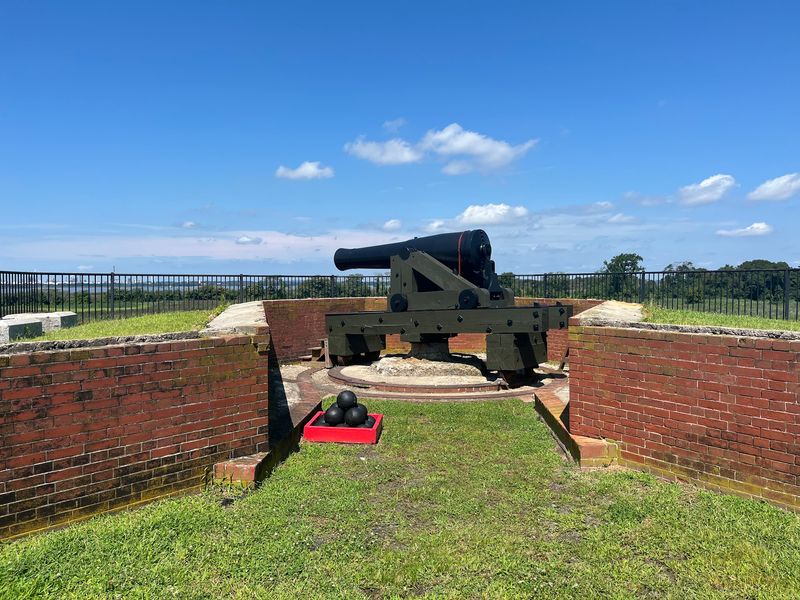
Three concrete gun batteries remain standing at Fort DuPont, and they are the undisputed stars of any visit. Battery Elder, Battery Read, and Battery Gibson were built between 1897 and 1913 as part of a coordinated three-fort defense system that also included Fort Delaware on Pea Patch Island and Fort Mott across the river in New Jersey.
Up close, the scale of these structures is genuinely impressive. The thick concrete walls, deep recesses, and angled firing positions make it easy to imagine the firepower they once housed, even if the guns themselves are long gone.
Moss and vines have crept into the cracks over the decades, giving the batteries a rugged, almost sculptural quality.
The park asks visitors not to climb on the structures, which is a reasonable request given their age and condition. Just walking around them and peering into the shadowed interiors is enough to spark a vivid mental picture of what life on this defensive line must have felt like for the soldiers stationed here.
The Riverview Trail and What You Find Along It
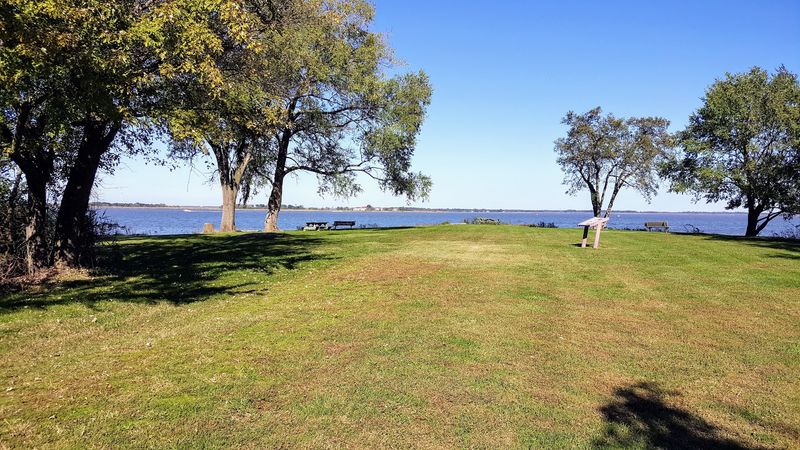
The Riverview Trail is the park’s most popular path, and it earns that status honestly. The packed-earth route runs alongside the Delaware River, offering consistent water views and a comfortable, mostly flat walk that works well for casual hikers, families with young children, and anyone walking a leashed dog.
Along the way, the trail passes all three major gun batteries, giving walkers a natural history lesson without requiring a tour guide. Educational wayside markers appear at key points, providing context for the structures and the people who once operated them.
The trail connects natural scenery with historical substance in a way that feels organic rather than forced.
A few practical notes: summer months bring mosquitoes, and heavy rain can turn sections of the trail quite muddy. Sturdy shoes are a smart choice regardless of the season.
The reward for showing up prepared is a walk that genuinely delivers on both the river views and the historic atmosphere the park promises, with the added bonus of some excellent birdwatching along the marshy edges.
Birdwatching Along the Marsh: What to Look For
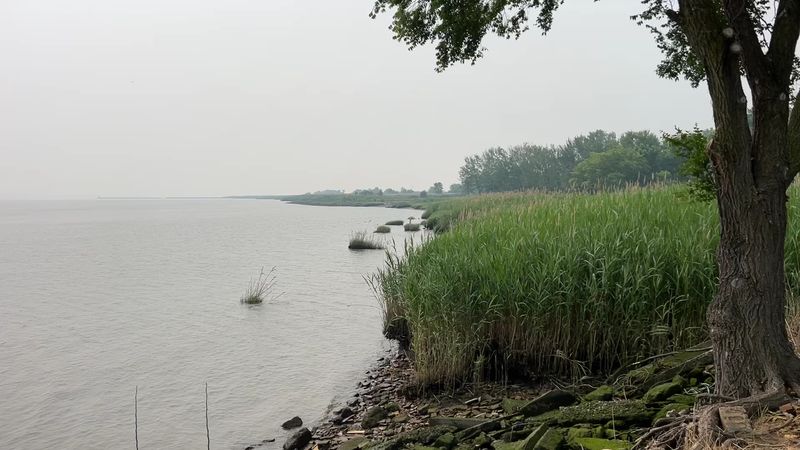
The tidal marshlands bordering the park are quietly extraordinary for birdwatching, and the Riverview Trail puts you right at the edge of that habitat. Great blue herons are a common sight, wading through the shallows with that particular unhurried patience that makes them such satisfying birds to watch.
Osprey are regular visitors to the waterway, and a bald eagle overhead is not out of the question, especially during the cooler months when fishing traffic on the river slows down. The mix of open water, marsh, and wooded areas within the park creates the kind of habitat diversity that draws a wide range of species throughout the year.
Bringing binoculars makes a noticeable difference here. The marsh vistas open up along certain stretches of the trail, and having a little magnification lets you pick out details that would otherwise blur into the background.
Spring and fall migrations turn the park into a genuinely productive birding spot, with species moving through that you would not expect to find in such a compact area.
Fishing and Boating on the Delaware River and C and D Canal
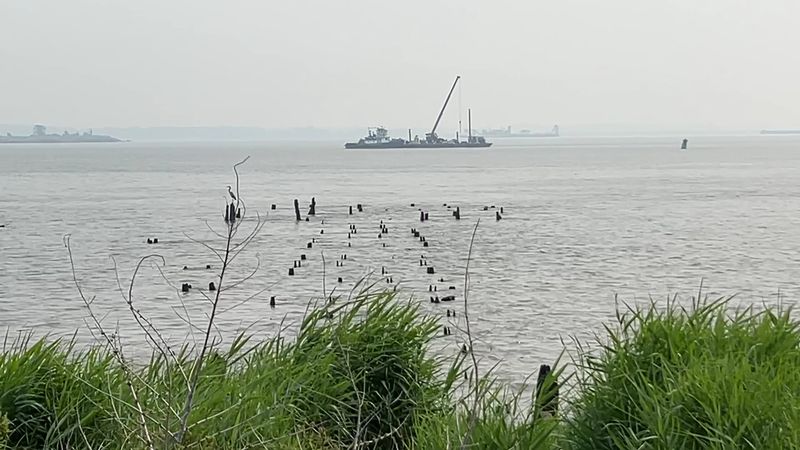
The park’s position at the junction of the Delaware River and the Chesapeake and Delaware Canal makes it one of the more convenient fishing spots in the region. Striped bass, catfish, and perch are among the species that anglers regularly pull from these waters, and the riverbank offers plenty of accessible spots to set up and wait.
A boat launch is available on site, providing direct water access for anyone who prefers to fish from a vessel or simply wants to cruise the canal and river at their own pace. The launch opens up a much wider range of fishing territory and makes the park genuinely useful for boaters who might otherwise overlook it.
Fishing from the bank is relaxed and unhurried, with the river providing a steady, calming backdrop. The combination of accessible shoreline, a functional boat ramp, and productive fishing waters gives the park a practical appeal that goes beyond its historical interest.
Just remember to check current Delaware fishing regulations before heading out to make sure you have the right license.
Picnicking with a View of the River
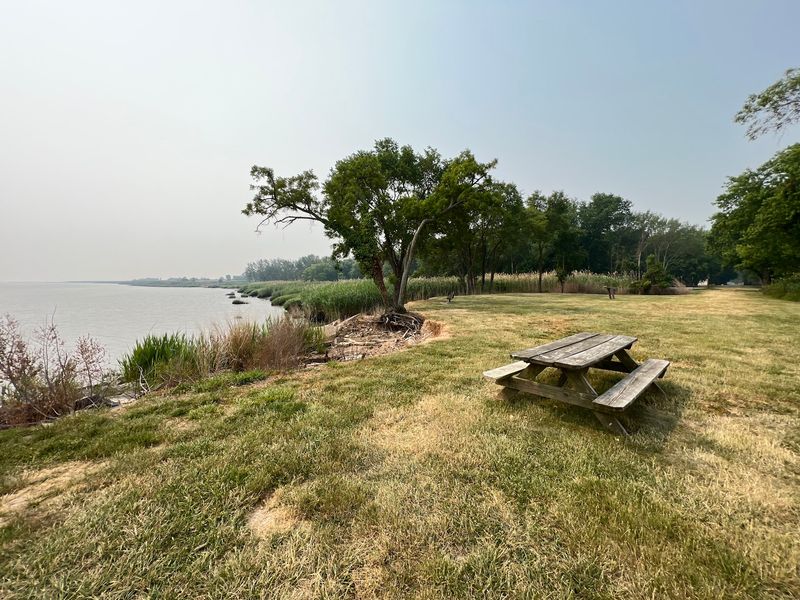
There is something genuinely satisfying about eating lunch outdoors with a wide river view in front of you and a century of history at your back. The picnic areas at Fort DuPont are well-placed along the riverbank, with tables and grills available at several spots that look directly out over the Delaware River.
The atmosphere at the picnic areas is calm and unhurried, the kind of setting where an afternoon can stretch pleasantly without anyone feeling the need to rush. Mature shade trees keep things comfortable on warm days, and the river breeze usually provides natural cooling that makes summer visits more bearable than you might expect.
Spreading a blanket under one of those trees and simply watching the river traffic pass is a perfectly valid way to spend an hour here. No admission fee means you are not paying for the privilege of doing absolutely nothing, which is its own kind of luxury.
The park’s open spaces also give kids room to run around between bites, making it a practical family outing as well.
Historic Buildings, Surprising Bricks, and Restoration Work
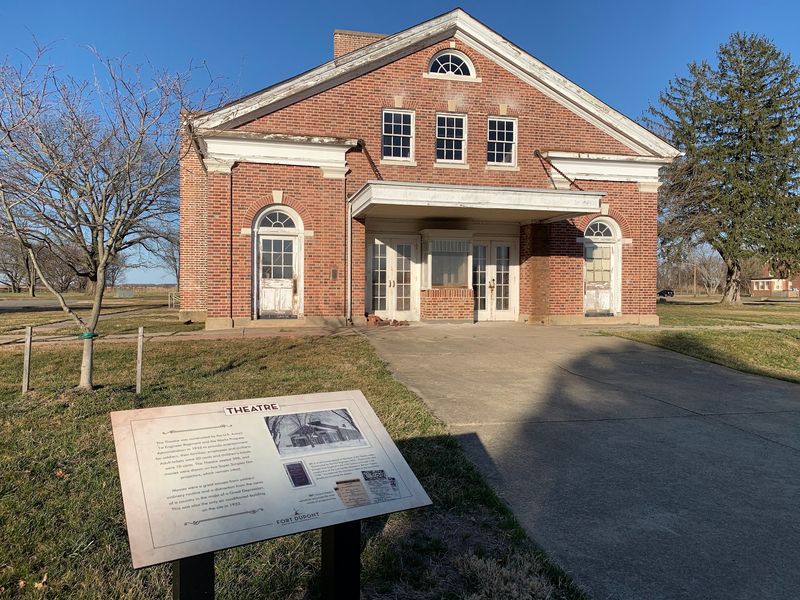
Beyond the gun batteries, the park contains a collection of historic military buildings that range from officer quarters to a post theater. The brick construction is solid and built to last, which explains why so many structures are still standing after a century of varied use and varying levels of maintenance.
One of the more interesting footnotes involves some of the officers’ quarters that were reportedly floated across the inlet from Fort Mott in New Jersey to their current location, a logistical feat that adds an unexpected dimension to the site’s history. Even more surprising, a portion of the bricks used in the post theater, built in the 1930s and still standing today, reportedly came from Lord Fairfax’s Virginia mansion, which dated to 1736.
Active restoration work is underway through the Fort DuPont Redevelopment and Preservation Corporation, with the WWII chapel and the vintage theater among the buildings receiving attention. Progress is visible, though some structures remain in early stages of repair.
The work in progress gives the park an honest, unfinished quality that actually adds to its character rather than detracting from it.
Practical Tips for Getting the Most Out of Your Visit
No entrance fee is charged at Fort DuPont State Park, which makes it an accessible outing for anyone looking to spend a day outdoors without the usual cost. The park is open to leashed dogs, and the flat terrain of the Riverview Trail makes it a reasonable choice for visitors with mobility considerations, with wheelchair access noted at several points.
Spring and fall are the most comfortable seasons for walking the trails and exploring the historic structures. Summer visits are entirely doable but come prepared: mosquitoes are active near the marsh, the trails can get muddy after rain, and hydration matters more than you might think on a warm day along the river.
Restrooms and parking are available on site, though the parking area is on the smaller side. Arriving earlier in the day tends to be quieter and cooler.
The park office hours run Monday through Friday, 8 a.m. to 4 p.m., so mid-week visits offer the best chance of connecting with staff if you have questions about the grounds or current restoration projects.
What Lies Just Beyond the Park Boundaries

Delaware City itself is a short walk or drive from the park, and the historic district rewards a quick detour. The compact downtown features 19th-century architecture, a handful of local shops, and a relaxed small-town atmosphere that pairs well with the quiet, unhurried mood of the park itself.
The most compelling nearby attraction is Fort Delaware State Park on Pea Patch Island, reached by a short ferry ride departing from Delaware City. The island fort offers a detailed living history experience with costumed interpreters, and the views of the river from the ferry crossing alone are worth the trip.
The two parks complement each other well and can easily fill a full day of history-focused exploration.
The Port Penn Interpretive Center, a short drive south, adds another layer of regional context with exhibits focused on the Delaware River’s maritime heritage and the communities that once depended on it. Combining all three stops creates a genuinely rich itinerary that covers military history, river ecology, and small-town Delaware in a single outing, leaving most visitors pleasantly surprised by how much this corner of the state has to offer.
Share this story