Somewhere in the Pocono woods, there’s a loading ramp that riders guard like a prized parking spot. Block it, and you may hear about it from people who have ridden here for years.
The trails beyond that ramp change mood fast. One stretch runs smooth and straight, and the next turns into rock, gravel, or a muddy dip that hides its ruts under brown water.
I like places that don’t pretend to be bigger than they are. This Pennsylvania forest trail system is small enough to learn, yet rough enough in spots to test your suspension and your patience.
It also has a habit that surprises first-timers. Some days the gate stays closed, and the reason has nothing to do with weather.
So what keeps riders loyal to a modest patch of state forest?
Meet the Trail Behind the Tower Road Address
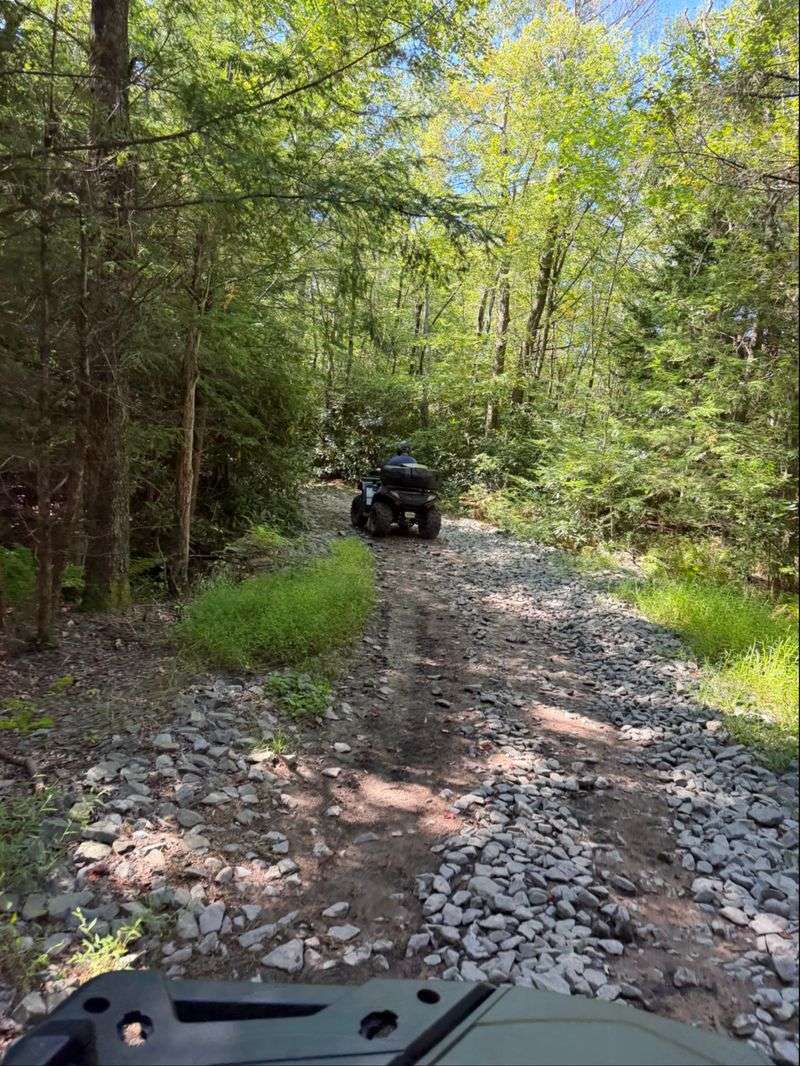
Dixon Miller Recreation Area, also known as the Pohopoco Tract ATV Trail, is located along Tower Road near Albrightsville, Pennsylvania. Google Maps lists the trail at 167 Tower Rd, while Pennsylvania’s Department of Conservation and Natural Resources uses the Dixon Miller Recreation Area name.
The recreation area sits in Carbon County, in the Pocono Mountains, and offers approximately 15 miles of designated ATV trails. Riders can explore a mix of rocky sections, gravel paths, muddy stretches, and smoother forest routes.
What makes this place interesting is how much variety fits into a relatively compact trail system. Some stretches allow for easier cruising, while others require careful navigation around rocks and uneven ground.
The trails are intended for qualifying registered and insured ATVs, including certain smaller Class II vehicles that meet the state’s restrictions. Checking the current vehicle requirements before visiting is important, especially for anyone bringing a side-by-side.
Unlike what the daily hours on Google Maps might suggest, the trails are not necessarily accessible year-round. Seasonal operating schedules and temporary closures can affect access, so checking Pennsylvania DCNR updates before heading out is the safest approach.
Before exploring the trails, there is one more thing to understand: the parking and loading area has its own etiquette, and experienced riders take it seriously.
Respect the Ramp and the Rocks in the Lot
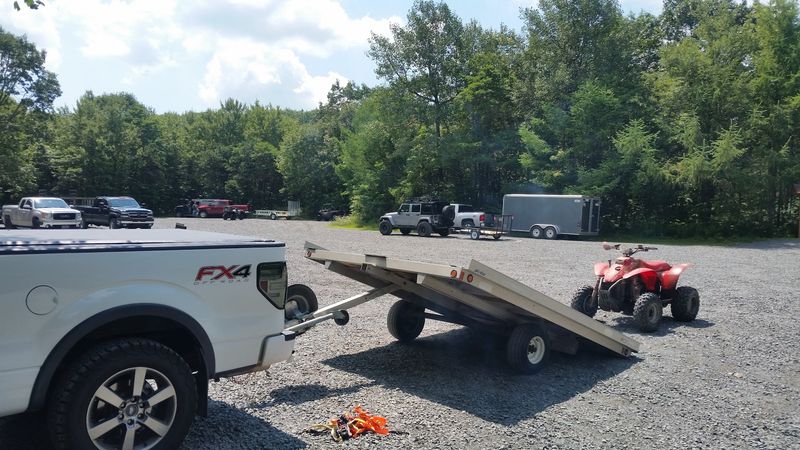
Loading ramps rarely get much attention, but at Pohopoco this one is a big deal. Riders hauling ATVs in pickup trucks rely on it, and blocking it is a quick way to annoy everyone around you.
Park away from the ramp, even for a minute. Longtime visitors warn that blocked vehicles could end up damaged by frustrated people trying to unload.
Another rule sounds obvious but bears repeating. Don’t spin your tires in the lot and fling gravel at other people’s trucks and trailers.
Parking is usually available, especially early in the day. On busy weekends, though, some riders have found the lot crowded and tight.
Arriving early gives you two advantages. You get a better spot, and you get quieter trails before the bigger groups roll in.
Cleanliness is another point of pride here. Regular riders describe the area as tidy, with barely a scrap of litter, and they want it to stay that way.
I’d keep a trash bag in the truck bed for the ride home. Once the lot is sorted, the real question becomes what kind of ground waits past the trees.
Rock Gardens That Test Every Bolt
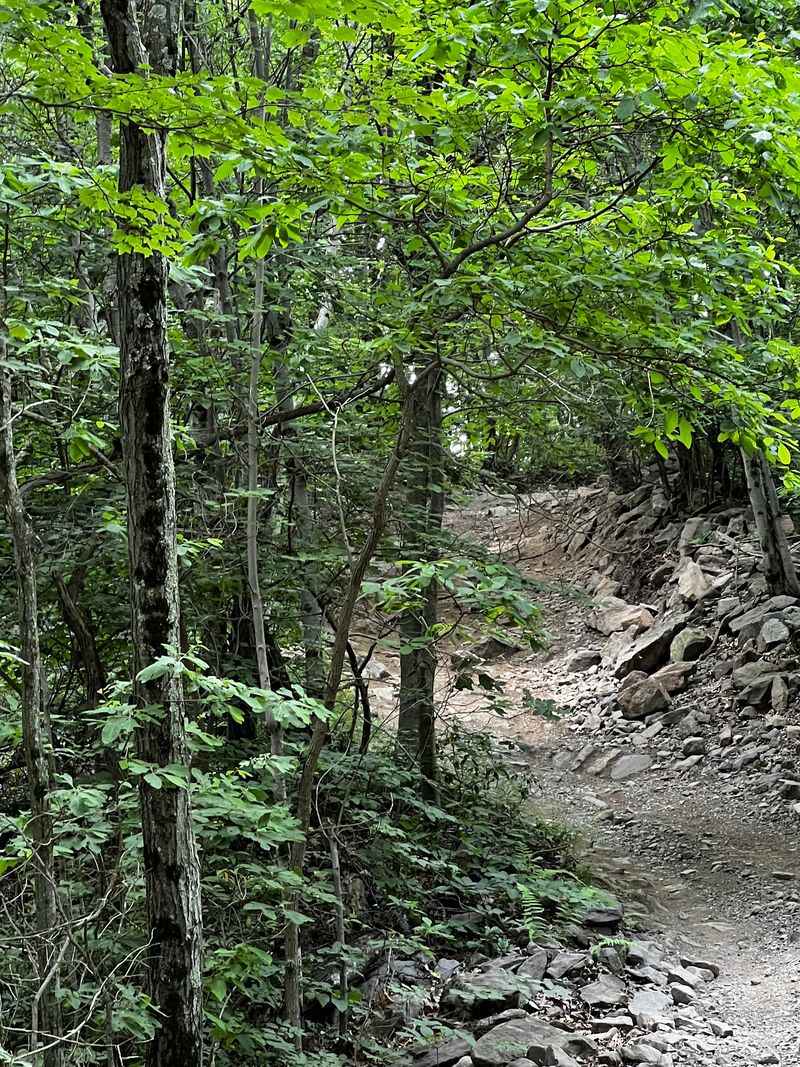
Rocks are the headline here, and not in a subtle way. Rocky terrain shows up again and again in rider feedback, sometimes as a fun challenge and sometimes as a complaint.
Some sections are chunky enough that one rider joked about needing a kidney belt. Another said you might struggle to get out of second gear on the roughest parts.
That roughness has real mechanical consequences. Experienced riders say it is easy to break tie rods and other suspension parts, especially on low-slung racing machines.
For that reason, utility ATVs are the smarter choice. Sport bikes built for speed on smooth tracks can take a beating on these stones.
Still, plenty of people love the challenge. Side-by-side drivers mention enjoying rock climbing sections alongside flatter cruising trails.
One mountain biker noted that many of the chunky stretches can be ridden at speed with some confidence. Your comfort level and your machine will decide how fast that feels.
Check your suspension, tire pressure, and fasteners before unloading. A quick inspection at the truck beats a long push back through the woods.
Luckily, the rocks don’t own the whole forest, and the smoother side of Pohopoco tells a different story.
Smooth Straightaways for Easy Cruising
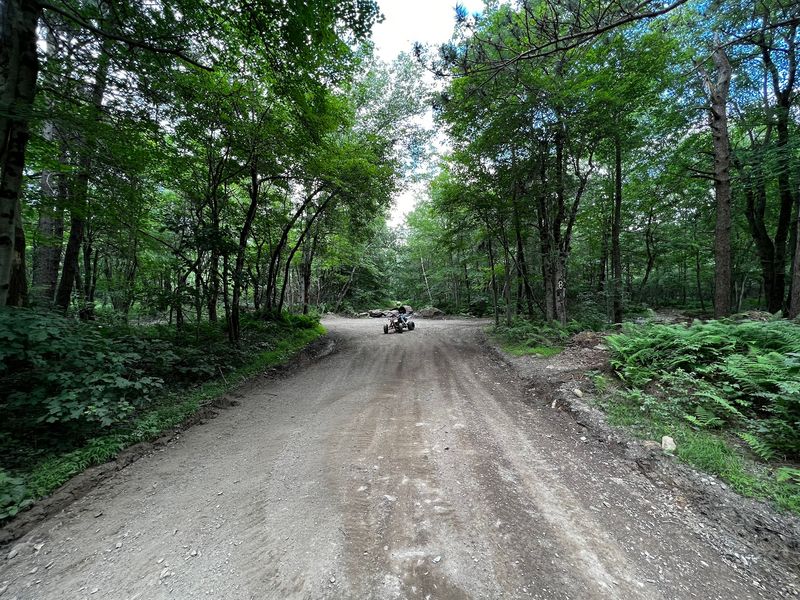
Mellow is a word riders use for parts of this trail system, and it fits. Alongside the rocky sections, you’ll find wide, flat routes made for relaxed cruising.
These smooth straights are where some riders open the throttle a little. Others simply enjoy rolling through the trees without bracing for the next big bump.
A mountain biker who explored the area noticed the southern side felt less rocky. It had fast, flowing sections, though it also included some steep climbs.
That mix lets a group split the day sensibly. You can warm up on easier ground, then decide together whether to tackle tougher terrain.
I like that kind of flexibility for mixed-skill groups. Nobody has to grit their teeth through an entire afternoon of rock crawling.
Gravel paths connect parts of the network too. They add another surface type and help break up the ride.
One fan summed it up as a good place for a little throttle therapy. That phrase captures the appeal of the flatter routes pretty well.
Of course, smooth dirt doesn’t stay dry forever, and the wetter trails bring their own kind of fun.
Mud Holes and the Ruts You Can’t See
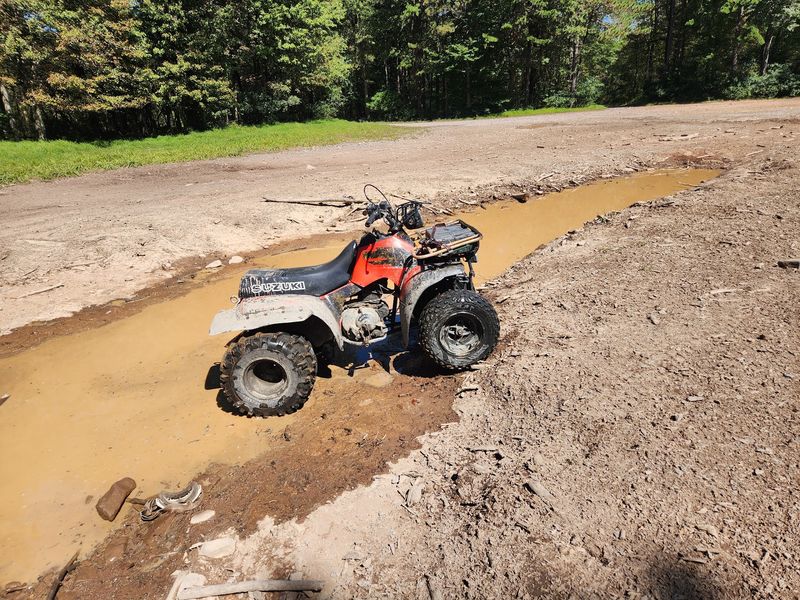
Brown water can be sneaky. A puddle that looks shallow may hide deep ruts underneath, and Pohopoco has plenty of those swampy spots.
Riders mention fun mud holes and swampy trails that suit utility bikes well. For many people, splashing through them is a highlight of the day.
A recent visitor offered smart advice. Always ride with someone, because the water may be hiding ruts your machine can’t get through.
That buddy system matters even more in a dense forest. Help is easier when a friend is right behind you with a tow strap.
Heavy rain also changes the trails. One longtime rider noted that wet seasons made some routes rougher over time.
Here’s my practical approach. Walk to the edge of an unfamiliar hole, look for tire tracks on the other side, and pick a line before you commit.
Pack a few basics for mud days. A tow strap, gloves, and a change of clothes in the truck can save a lot of grumbling.
Mud may be the messy part, but the forest around it is surprisingly lively, as quieter riders often discover.
Wildlife Sharing the Woods With You
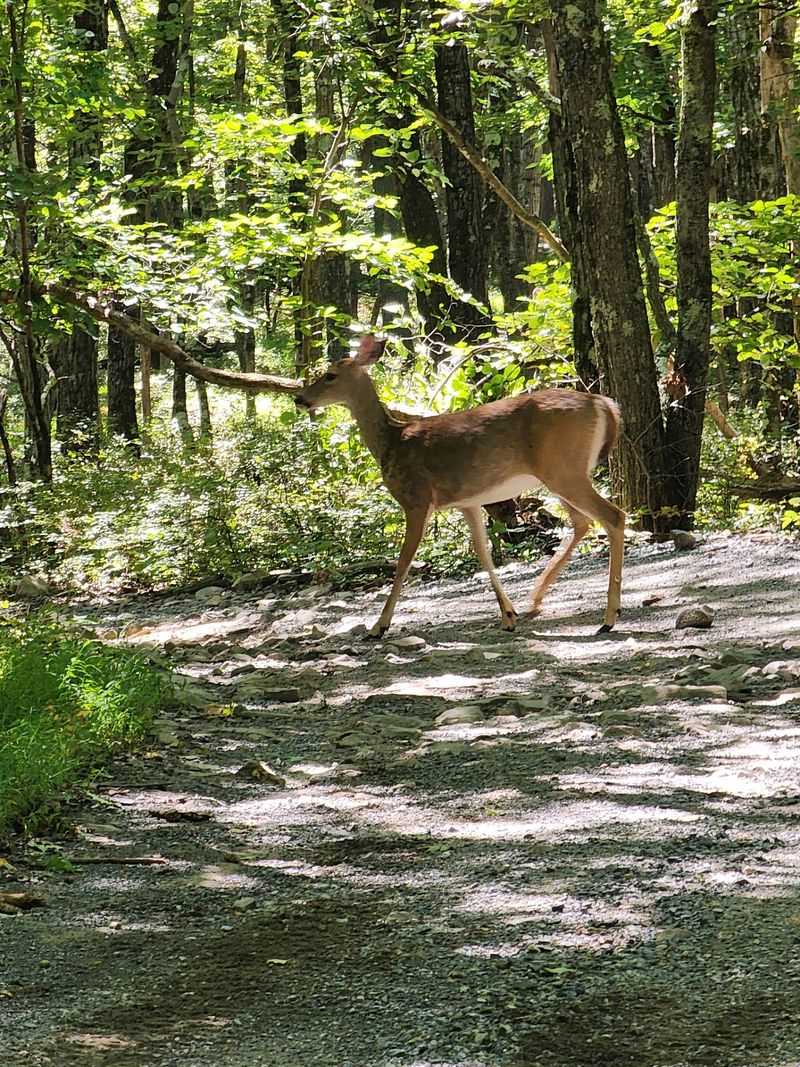
Engines may fill the air, but this is still a living forest. Riders often mention seeing lots of wildlife while exploring the trails.
The woods here are dense in most areas. That thick cover gives animals plenty of space to move, rest, and occasionally cross your path.
Slowing down around blind corners makes sense for everyone. It protects animals and keeps you from a surprise meeting at speed.
One rider shared a pointed opinion about loud aftermarket mufflers. He argued they don’t make anyone faster and mainly disrupt the peace and the wildlife.
I find that a fair reminder. A quieter exhaust lets you hear the forest and keeps the area pleasant for the next group.
The dense trees do have one downside. There aren’t many lookout points, so don’t expect wide mountain views from the trail.
Instead, the scenery is close-up and green. Think tall trunks, rocky ground, and sunlight breaking through the canopy.
That same thick forest also makes navigation tricky, which brings up a piece of gear many riders wish they had packed.
Pack a Map Before You Get Turned Around
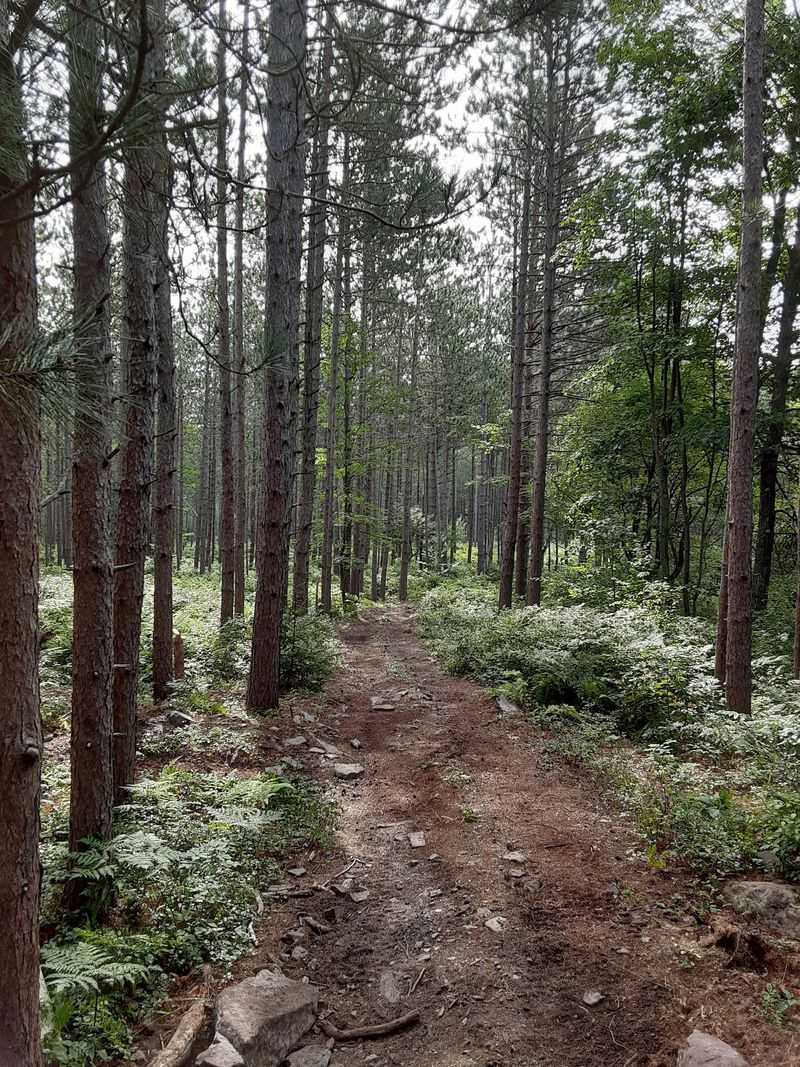
Getting a little lost is part of the adventure, until it isn’t. Several riders say the trail markings at Pohopoco could be clearer.
One visitor put it plainly: take a map, because you will need it. That advice comes from someone who otherwise rated the trails highly.
The system isn’t large, so you won’t wander for days. Still, the tight forest makes junctions look similar and landmarks hard to spot.
A printed map is the simplest backup. Phone signals can be unreliable in wooded areas, and batteries drain faster than expected.
I’d also download an offline map before leaving home. Having two sources means one dead device won’t ruin the afternoon.
Make a habit of noting turns as you ride. Calling out junctions to your group helps everyone stay oriented.
Plan your return time with the closing hour in mind. The trail is listed as closing at 6 PM, and finding your way back takes longer than you think.
Once you know where you’re going, the next question is whether your machine is even the right size for these paths.
Narrow Paths Favor Smaller Machines
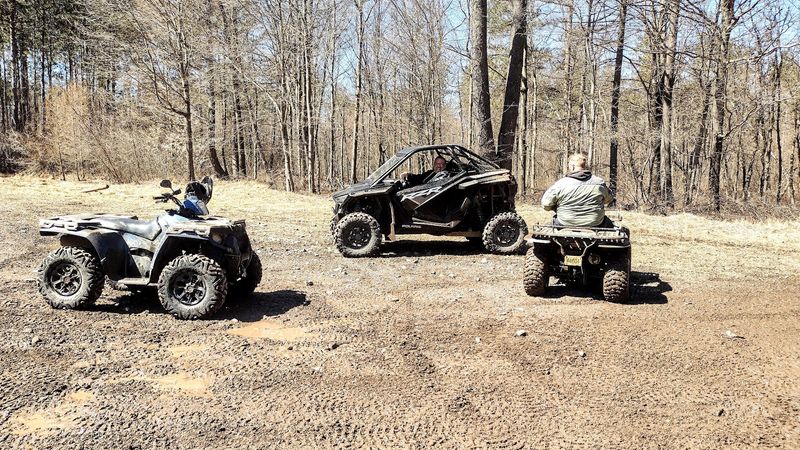
Width limits shape the entire experience at Pohopoco. Riders describe narrow trails that simply don’t suit big, wide machines.
Standard ATVs fit comfortably on most routes. Smaller side-by-sides work too, and several drivers have enjoyed rock climbing in them.
Full-size wide UTVs are another story. The tree spacing and trail design make them impractical on many paths.
Pennsylvania state forest trails generally set vehicle width limits, so checking current rules before you load up is wise. The posted rules from the state forestry office should be your final word.
Machine type matters beyond width. Utility quads with sturdy suspension handle the rocks better than racing models.
Registration is another thing to sort out ahead of time. Pennsylvania requires ATVs ridden on state lands to be properly registered.
I’d call this a trail for practical machines rather than flashy ones. A dependable utility quad will likely have a better day than an expensive sport bike.
If you’re bringing younger riders, the right machine size becomes even more important, and this trail has a reputation that may encourage you.
A Gentle Start for Newer Riders
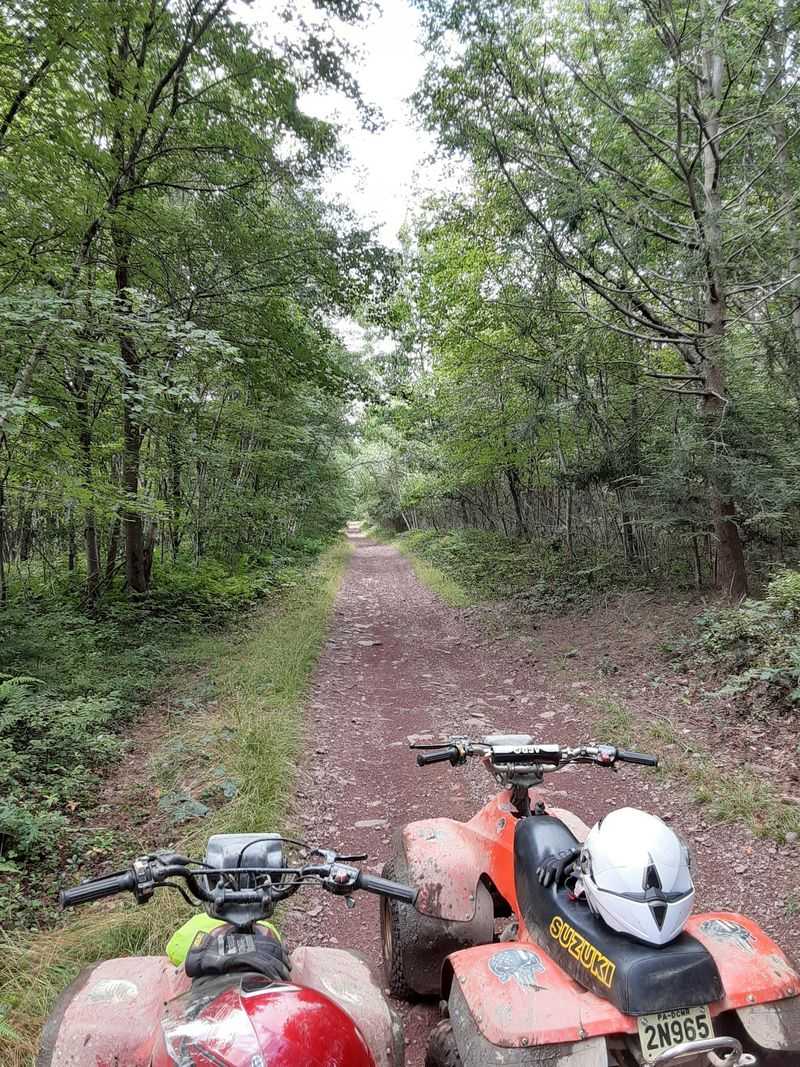
Beginners need a place where mistakes don’t feel scary. Several riders call Pohopoco beginner-friendly, thanks largely to its flatter, mellow trails.
One parent shared riding there with an 11-year-old and having a great time together. That says a lot about the calmer parts of the network.
The quiet atmosphere helps too. Many visitors describe the place as rarely too crowded, which means less pressure from faster traffic.
Start new riders on the wide, smoother routes. Save the rock gardens for later, once they’re comfortable with throttle and braking control.
Proper gear isn’t optional. Helmets, eye protection, gloves, and sturdy boots should come along on every ride.
Pennsylvania also has age and training rules for young ATV operators. Checking those ahead of time keeps the day legal and stress-free.
I’d keep the first outing short and fun. Ending while everyone still wants more is a smart way to build a lifelong riding habit.
Timing your visit matters just as much as choosing the right trail, because the forest doesn’t stay open every single day of the year.
Closures, Seasons, and Smart Timing
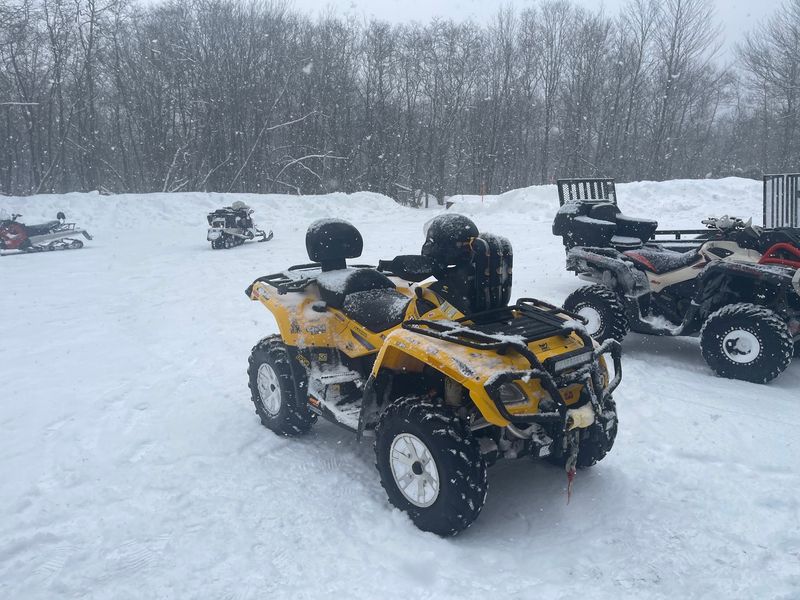
Hunting season changes the plan. Pohopoco sits on state forest land, and riders note that trails close during certain hunting periods and for maintenance.
That surprise catches newcomers who expect year-round access. Checking the state forest district’s current schedule before driving out saves a wasted trip.
Maintenance closures have a bright side. One longtime rider spotted heavy equipment working on rough trails, a sign that repairs do happen.
Weather plays a role as well. Heavy rain can deepen ruts and loosen rocks, so conditions may feel very different from one month to the next.
Cold weather doesn’t always stop the fun. One rider described an icy day on the trails as a blast, though slick surfaces demand extra care.
Early mornings offer the calmest riding. With hours listed from 7 AM, an early start often means fewer people and more parking.
Leave the trails as clean as you found them. Riders here clearly treat that tidiness as part of the experience.
For me, that shared respect is what keeps a modest patch of Pennsylvania forest feeling like a well-kept secret worth protecting.
Share this story