Castle Rocks State Park turns a quiet corner of southern Idaho into a playground of towering granite formations. Climbers come for the established routes, but the park also offers hiking and biking trails, historic pictographs, camping, and unusual overnight stays near the rocks.
Located near Almo and the neighboring City of Rocks National Reserve, the park combines serious climbing terrain with easier ways to explore the landscape. Visitors can hike among granite spires, watch for wildlife, stay in a glamping yurt, or simply explore the formations without ever putting on a harness.
That mix makes Castle Rocks much more than a destination for experienced climbers. Its geology, trails, history, and overnight options give non-climbers plenty of reasons to make the trip too.
Where Exactly Castle Rocks State Park Sits and How to Find It
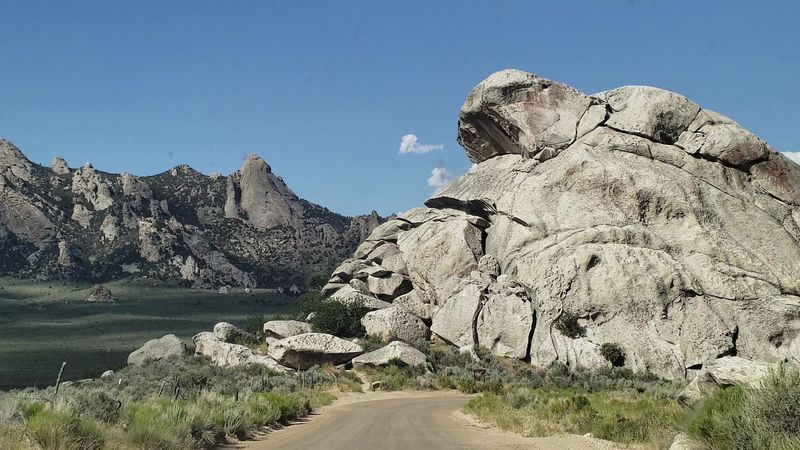
My GPS led me down a smooth paved road out of Almo, and within minutes the granite skyline appeared with zero warning. Castle Rocks State Park is located at 748 E Castle Rock Rd, Almo, ID 83312, roughly two miles northwest of the village of Almo in Cassia County, southern Idaho.
The park sits within Big Cove, a natural basin cradled by the Albion Mountains, with Cache Peak towering visibly to the south. Two access routes exist: the paved road from Almo is the easiest option, while a dirt road through the adjacent City of Rocks National Reserve adds a rugged, adventurous approach that suits those arriving from Oakley.
The Visitor Center, shared with the City of Rocks National Reserve, is the best first stop for maps, local insight, and a short film about the area’s geology. The park phone number is 208-824-5901, and the website at parksandrecreation.idaho.gov provides updated hours and reservation details before you head out.
A Timeline That Stretches Back Nearly 9,000 Years
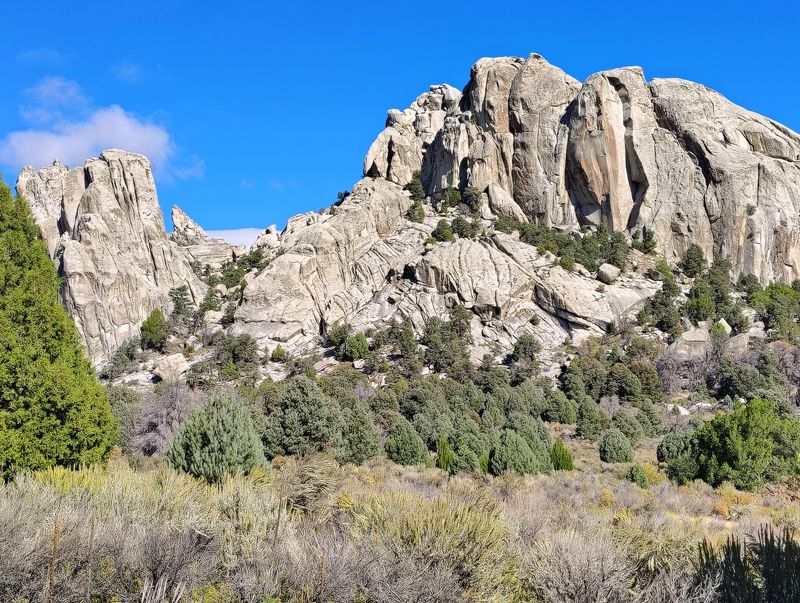
Long before anyone drew a property line or filed a land deed, people were already calling this landscape home. Archaeological evidence suggests human presence at Castle Rocks stretching back nearly 9,000 years, making it one of the more deeply storied state parks in all of Idaho.
Native American pictographs, etched directly onto some of the granite formations, are among the most compelling reminders of these early inhabitants. Their exact age, the identity of their creators, and the materials used remain subjects of ongoing study, which only adds to their quiet power when you stand a few feet away and study them.
The land’s more recent past includes its life as the Castle Rock Ranch, a working cattle operation established in 1888. The Conservation Fund and the Access Fund purchased the property in 1999, Congress passed the Castle Rock Ranch Acquisition Act in 2000, and the park officially opened on May 25, 2003.
A 200-acre expansion followed in 2007, rounding out the park as visitors experience it today.
The Geology Behind Those Jaw-Dropping Formations
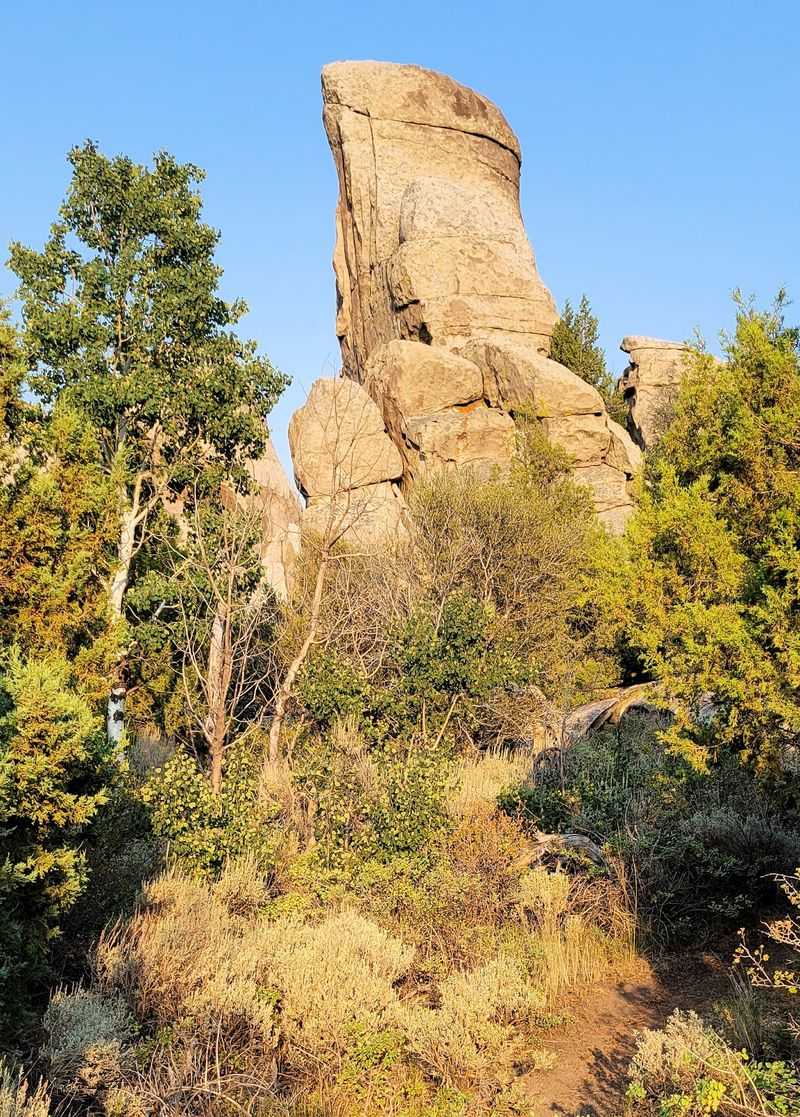
What makes those towering rock shapes look so otherworldly? The answer lies in geology that spans an almost incomprehensible range of time.
The granite formations at Castle Rocks originate from two distinct sources: the Almo Pluton and the far more ancient Green Creek Complex, with ages ranging from 2.5 million to a staggering 2.5 billion years old.
Two weathering processes work together to create the park’s signature shapes. Exfoliation happens when granite cools and contracts deep underground, forming tiny internal cracks called joints.
Once exposed to the surface, the rock breaks away along those lines, producing the jagged spires and rounded domes that define the skyline.
Cavernous weathering adds a second layer of artistry, carving hollows, windows, and arches into the stone. Microscopic salt particles carried by wind crystallize between granite grains, causing them to crumble gradually over millennia.
The combined result is a sculptural landscape that no human hand could replicate, and one that keeps geologists, photographers, and casual hikers equally fascinated with every visit.
Rock Climbing Routes That Draw Athletes From Around the World
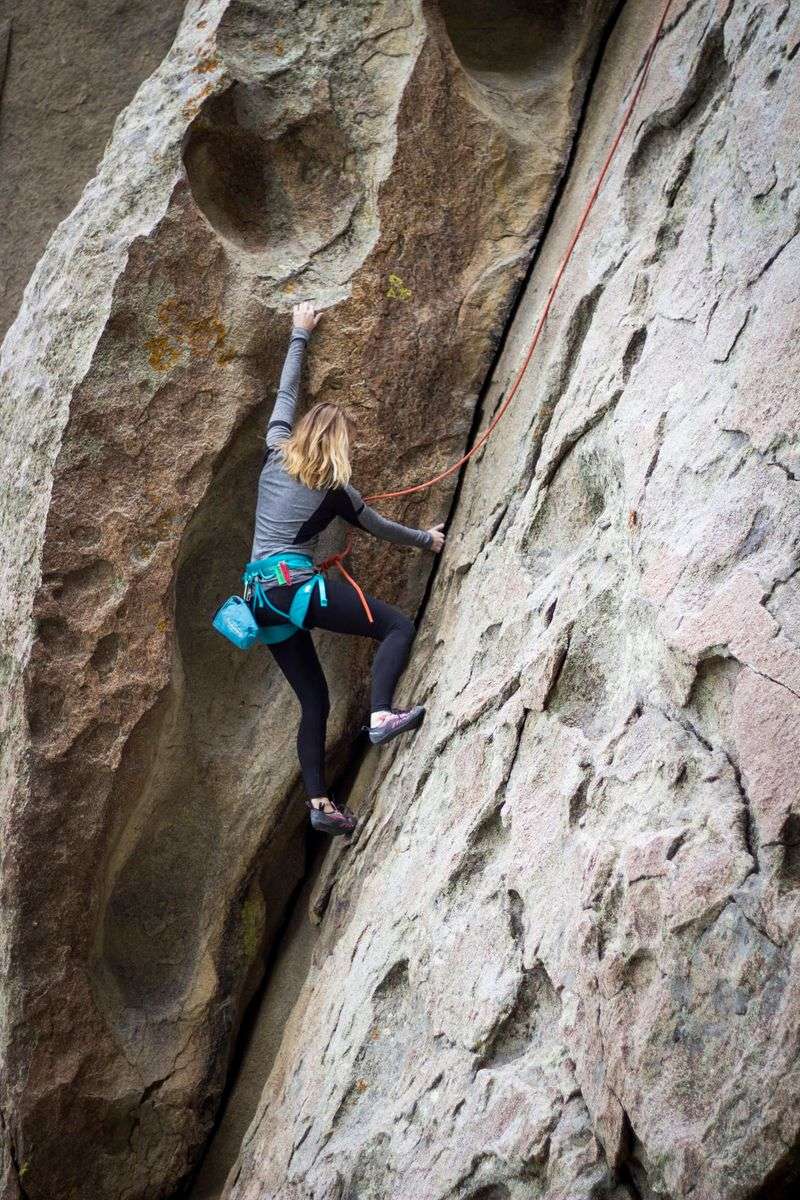
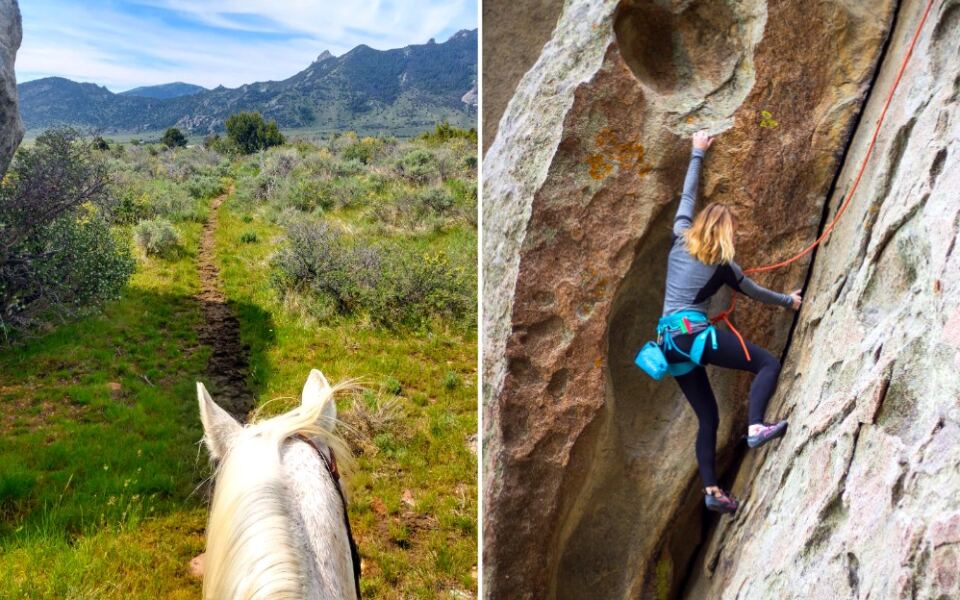
Climbers talk about Castle Rocks the way surfers talk about a perfect wave: with a mix of reverence and barely contained excitement. The park is recognized globally as a world-class climbing destination, offering hundreds of established routes across a spectrum of difficulty levels that genuinely caters to everyone from first-timers to seasoned veterans.
The formations present an impressive variety of challenges: classic crack systems, technical face climbs, smooth slabs, and chimneys that test footwork and patience in equal measure. Many experienced climbers note that the routes here feel more accessible and thoughtfully developed compared to the more intense terrain found in the neighboring City of Rocks National Reserve, making Castle Rocks a particularly welcoming starting point for newer climbers.
Bouldering is equally popular for those who prefer to stay low and focus on short, powerful sequences. Winter brings a completely different challenge to the park, with ice climbing opportunities drawing a dedicated crowd of cold-weather enthusiasts.
The south face four-pitch route and the canyon on the backside consistently rank among visitor favorites, with the northeast side near the Taco formation offering a quieter, less crowded alternative.
Trails for Hikers, Bikers, and Riders on Horseback
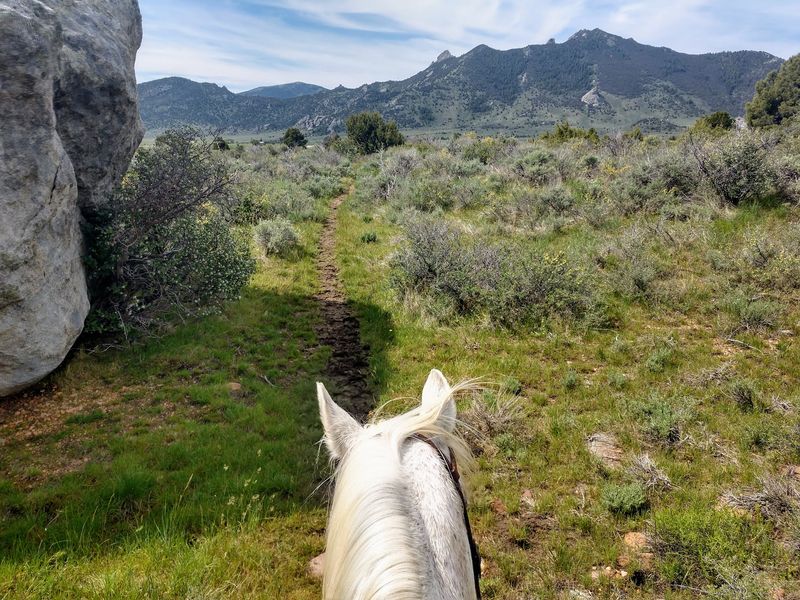
Not every great adventure at Castle Rocks requires a harness and chalk bag. The park’s trail network is genuinely impressive, winding through high desert terrain that shifts from open sagebrush flats to pinyon pine groves and dramatic rock corridors, offering something new at almost every bend.
The Castle Rocks Trail Loop covers 5.4 miles at a moderate difficulty level and provides a comprehensive tour of the park’s varied terrain, including expansive overlooks with views of Cache and Graham Peaks. Families or anyone preferring a lighter outing will appreciate the Backyard Boulders Trail Loop, an easy 1.6-mile path that meanders among some of the more accessible formations and works well for younger visitors.
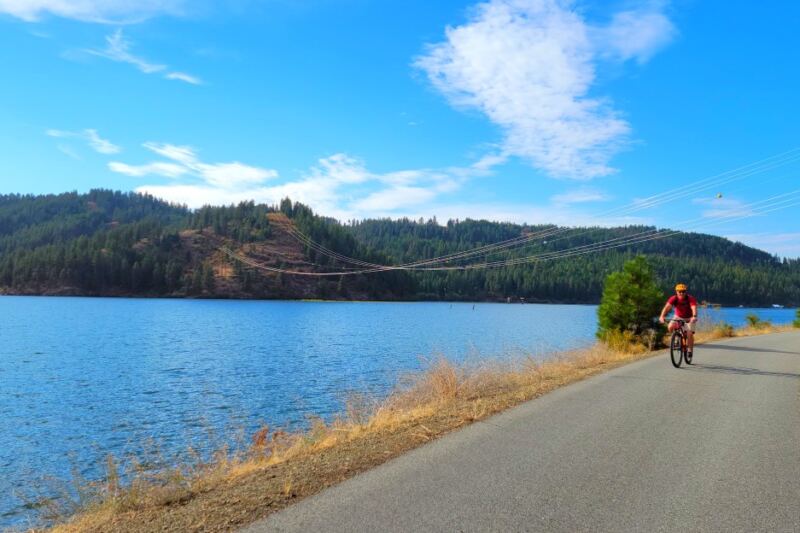
Mountain biking adds another dimension to the experience, with the outer loop drawing e-bike riders and traditional cyclists alike. Horseback riding is also permitted, and the park even provides horse camping facilities with dedicated stalls.
The trail system connects directly to the City of Rocks National Reserve, opening the door to multi-day adventures that extend well beyond the park’s own boundaries.
Wildlife Encounters in Idaho’s Largest Pinyon Pine Forest
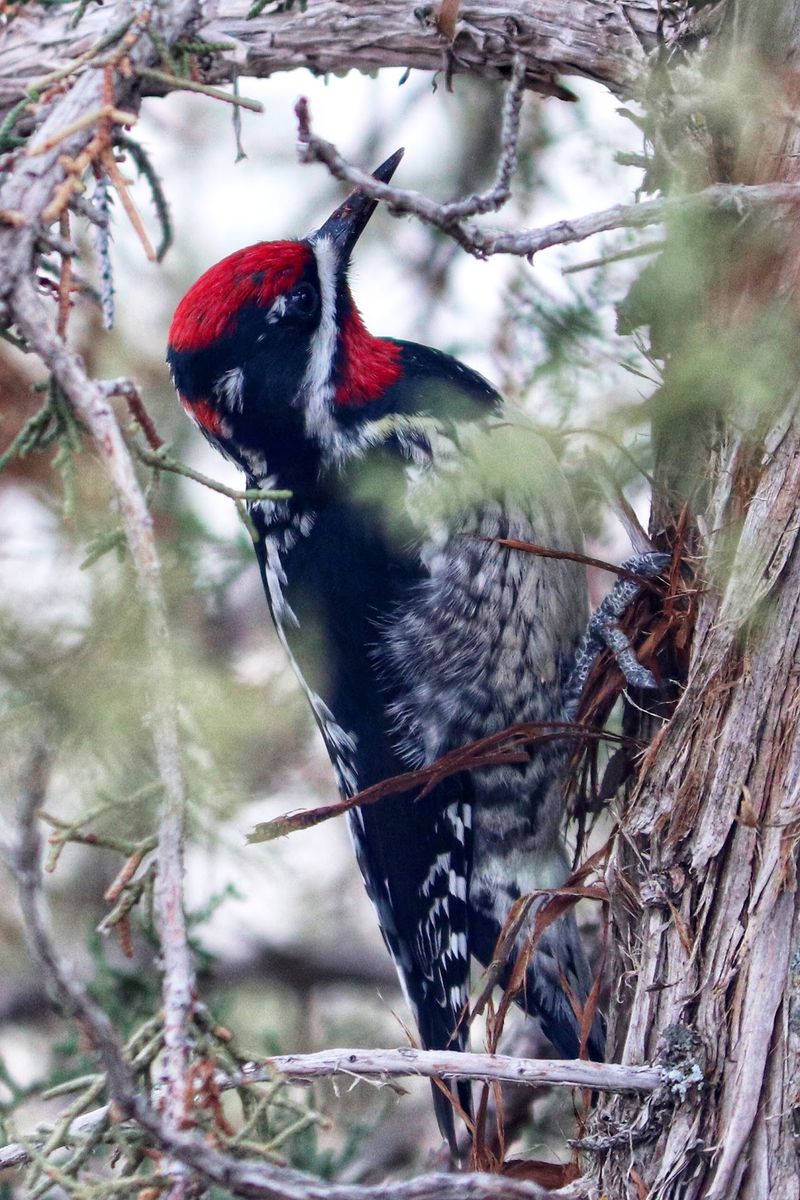
Castle Rocks State Park holds a distinction that most visitors don’t know until they arrive: it contains Idaho’s largest pinyon pine forest. That singular fact sets the ecological stage for a wildlife experience that consistently surprises people who come primarily for the climbing or hiking.
Mule Deer move through the park with casual confidence, and patient observers have spotted Moose in the wetter areas near Almo Creek. Mountain Lions and Coyotes share the landscape as well, though sightings of the former are rare and always memorable.
The sagebrush ecosystems support a healthy reptile population alongside countless insects that keep the food web humming.
Birdwatching is a particular highlight, with Sage Grouse, Pinyon Jays, and Virginia Warblers among the more sought-after species. Fall migration transforms the park into a busy avian corridor, drawing birders who appreciate the combination of open sagebrush habitat and the shelter provided by the pinyon pines.
Every rustle in the undergrowth carries the possibility of a genuine, unscripted encounter with wild Idaho.
Camping Options and the Glamping Yurt With a View That Earns Its Reputation
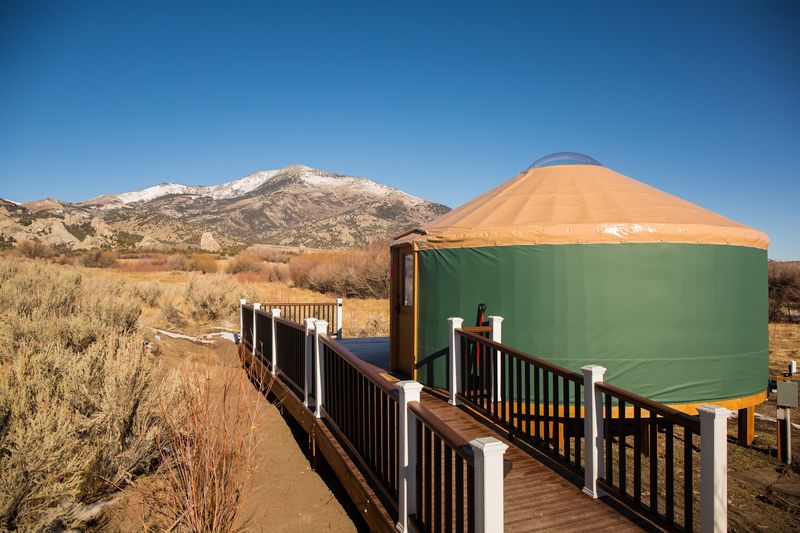
After a full day of climbing and hiking, the question of where to sleep becomes a very pleasant problem at Castle Rocks. The Smoky Mountain Campground offers 37 pet-friendly campsites designed for both tents and RVs, with electric and water hookups available at many sites and an RV dump station conveniently placed near the park entrance.
Restrooms and showers in the campground are consistently praised for their cleanliness, a detail that matters more than people admit after a dusty day on the trails. The campground operates on a pack-it-out policy with no trash service provided, so arriving with extra garbage bags is a practical move.
Collecting firewood is prohibited, which means bringing your own supply or purchasing locally is essential for anyone planning a campfire.
The Willow Glamping Yurt is the park’s showpiece accommodation: a 22-foot diameter canvas structure furnished with a king-size bed, electric fireplace, mini-fridge, microwave, and a spacious deck framing direct views of the rock formations and Cache Peak. The Lodge at Castle Rocks Ranch, a remodeled century-old ranch house, and the Almo Creek Cottage round out the options for those wanting walls and a full kitchen.
Beyond Climbing: Disc Golf, Fishing, and Other Surprises
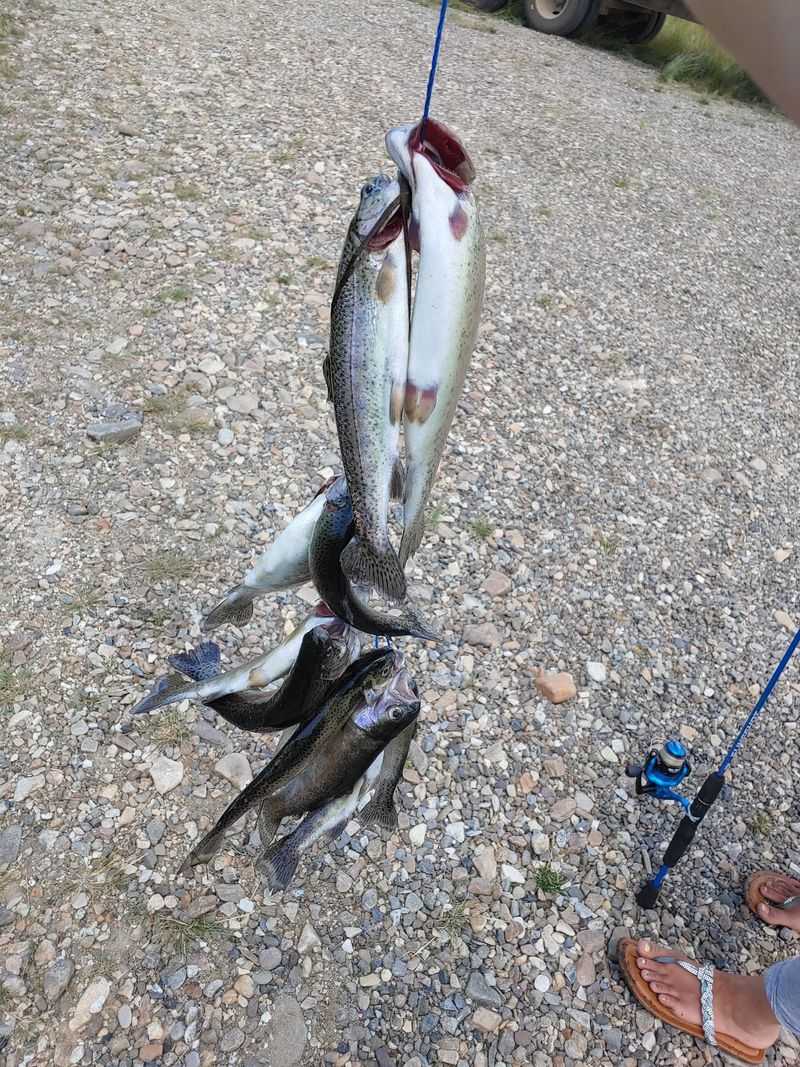
Castle Rocks State Park has a habit of revealing extra layers the longer you stay. Most visitors arrive with climbing or hiking in mind, then discover a small but genuinely stocked fishing pond tucked into the landscape that has produced impressive catches, including 16 fish in a single session for one particularly fortunate group.
A disc golf course adds a casual, social dimension to the park that feels refreshingly low-key against the backdrop of towering granite. An archery range is also available, making the park’s activity menu broader than its rock-focused reputation might suggest.
The covered pavilion near the lodge and bunkhouse provides a shaded group picnic area with vault toilets and recycling facilities nearby.
The park’s covered picnic areas at trailheads are stocked with tables and kept in reliable condition, offering a comfortable place to rest between activities. Hot springs in the surrounding area provide yet another reason to extend your stay beyond a single day.
The variety here is genuine, not just padding, and it rewards visitors who arrive curious and leave with plans to come back.
Choosing the Right Season for Your Visit
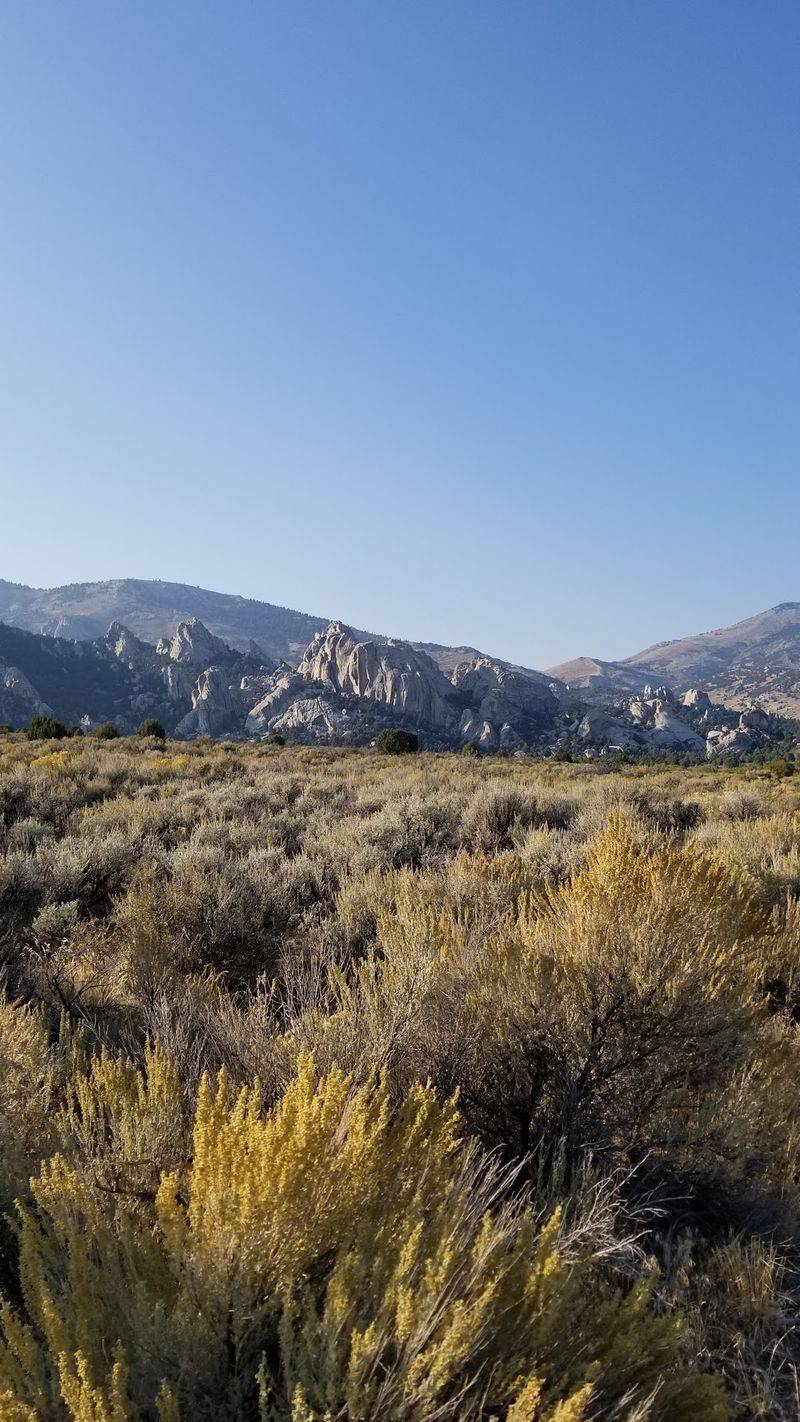
Timing a visit to Castle Rocks requires a bit of thought, because each season delivers a noticeably different experience. Summer brings the longest days and the busiest trails, with warm granite making for ideal climbing conditions and evenings that stretch late enough for a campfire and a sky full of stars before dark even fully arrives.
Fall is quietly the most rewarding season for many visitors. Temperatures cool into a comfortable range, crowds thin considerably, and the pinyon pines and aspens shift into warm gold tones that contrast beautifully against the pale granite.
Wildlife activity increases during the cooler parts of the day, and the night skies reach a clarity that makes stargazing feel almost surreal.
Winter transforms the park into a serene, snow-covered landscape suited for snowshoeing, cross-country skiing, and ice climbing. Spring brings wildflower blooms and the return of warmer-weather climbers eager to shake off the off-season.
The Visitor Center is open seven days a week from mid-April through late October, then shifts to Tuesday through Saturday from November to mid-April, so checking ahead before a winter or early spring trip is always a smart move.
Practical Tips for Making the Most of Your Trip
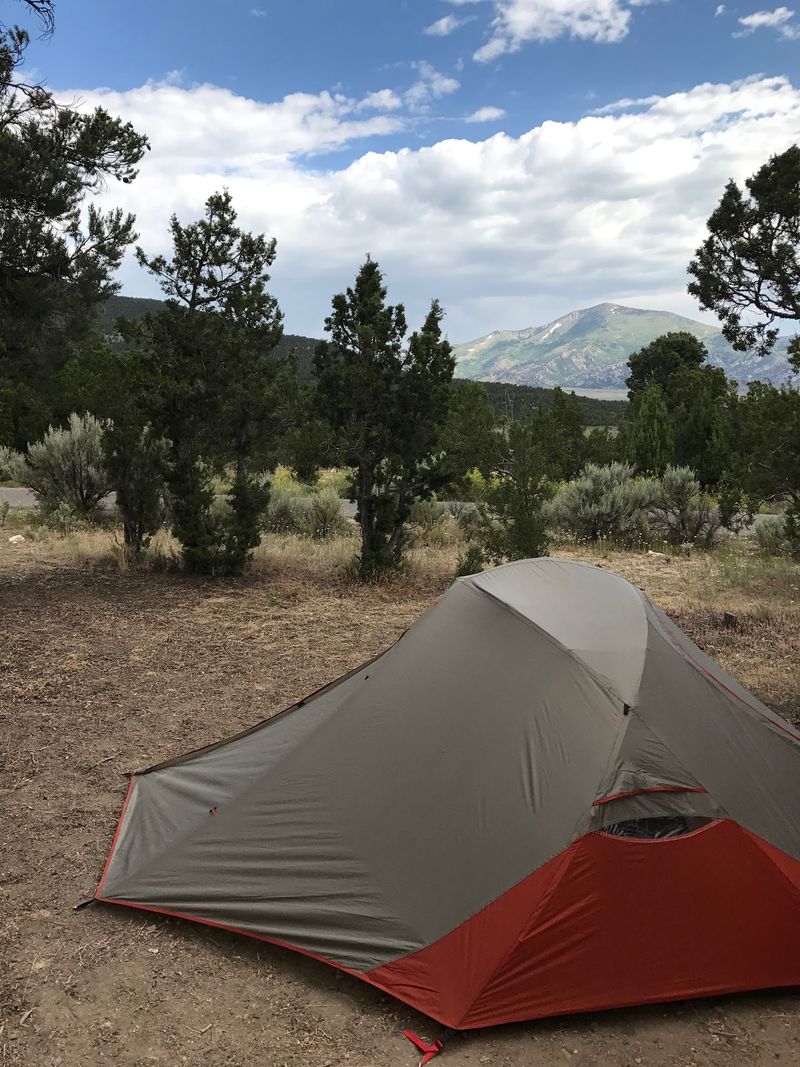
A few key details can make the difference between a smooth adventure and an avoidable headache at Castle Rocks. The daily motor vehicle entry fee is $7, and an Idaho State Parks Passport or Annual Pass waives this cost entirely, making it a worthwhile investment for anyone planning multiple state park visits within Idaho.
Reservations for campsites, the glamping yurt, the Almo Creek Cottage, and the Lodge at Castle Rocks Ranch are strongly recommended during summer and fall. Pets are welcome throughout the park but must remain on a leash no longer than six feet or stay confined within a camper at all times.
The pack-it-out trash policy applies across the campground and park areas, so planning for waste disposal before arriving is essential.
Cell service is limited in many parts of the park, so downloading trail maps and accommodation details ahead of time prevents frustration once you are on-site. Wi-Fi is available at the Visitor Center for quick updates.
Quiet hours in the campground run from 10:00 p.m. to 7:00 a.m., a rule that keeps the atmosphere peaceful for everyone sharing the space under that remarkable Idaho sky.
Share this story