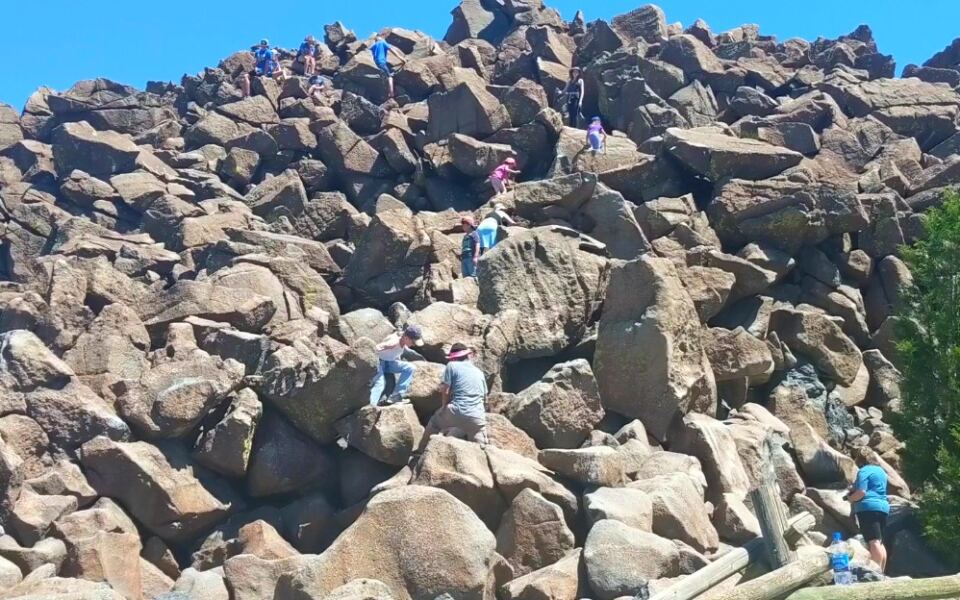
There is a boulder field in southwestern Montana where some of the rocks do something completely unexpected. Strike them with a hammer and, instead of a dull thud, they produce clear metallic tones that can sound like bells or gongs.
Known as Ringing Rocks, the unusual site near Whitehall turns a pile of ancient boulders into something resembling a natural instrument. Visitors can walk across the field testing different rocks, with each successful strike producing its own surprising sound.
Getting there requires a rough drive, but what waits at the end is one of Montana’s strangest natural attractions.
Finding the Place: Location and Access Details
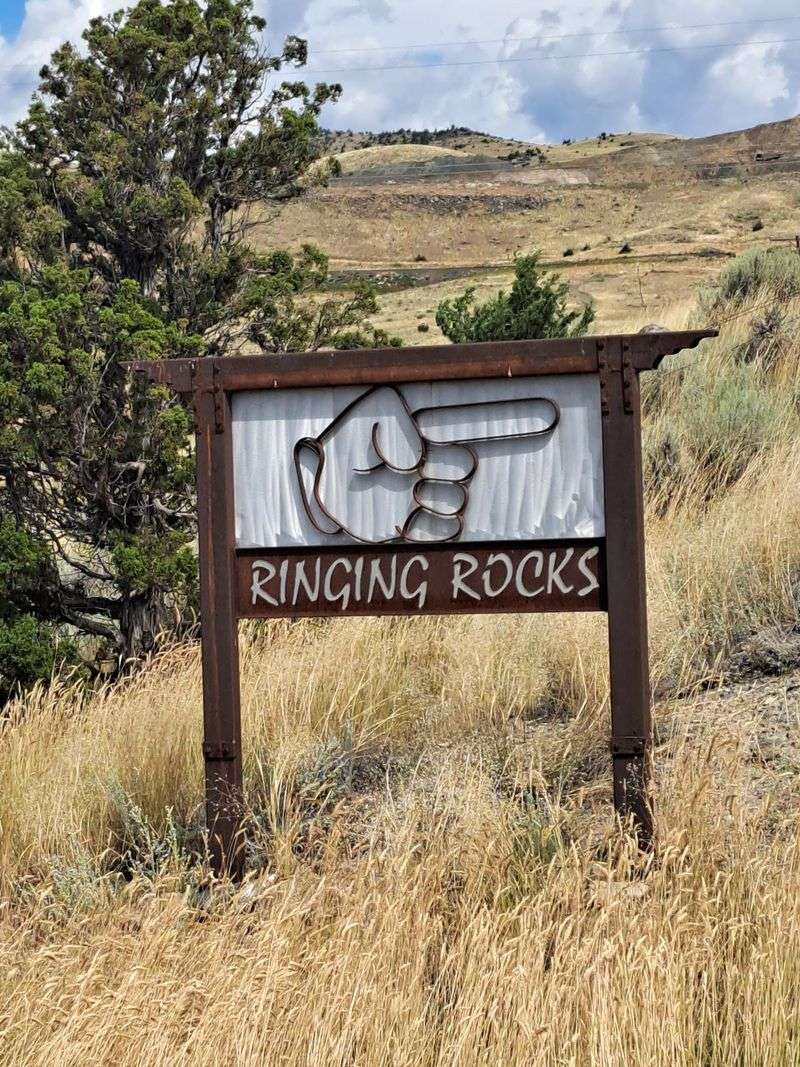
Getting to Ringing Rocks requires a bit of commitment, and that commitment starts the moment you leave the interstate. The site is officially addressed as Whitehall, MT 59759, United States, and sits within Jefferson County on the southwestern flank of Dry Mountain, partly within the Deerlodge National Forest and managed by the Bureau of Land Management.
To reach it, take Exit 241, the Pipestone exit, off Interstate 90, and then follow the signs north along a gravel and dirt road for roughly 3.5 to 6 miles. The road is unmaintained in sections, with rocky patches and washout areas that can catch low-clearance vehicles completely off guard.
A high-clearance vehicle is strongly recommended, and four-wheel drive is a smart addition, especially after rain. Google Maps navigates reliably to the parking area, which is free and spacious.
From there, a short walk of about 10 minutes brings you face to face with one of Montana’s most genuinely surprising natural landmarks.
The Geological Backstory Behind the Bell-Like Boulders
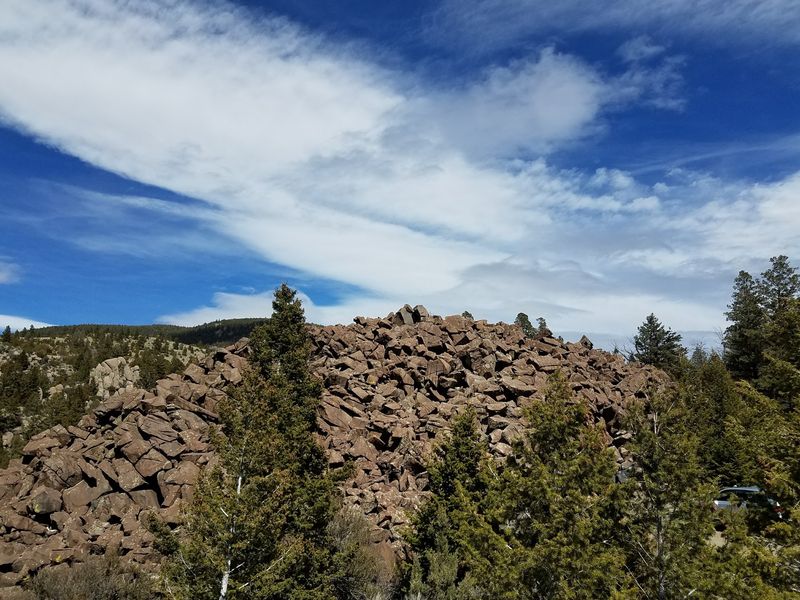
About 76 to 80 million years ago, deep beneath what is now southwestern Montana, two very different types of magma met inside a volcanic vent. A thick granitic magma and an olivine basalt merged, then cooled slowly over millions of years, crystallizing into a dense, hybrid igneous rock now classified as monzonite, rich in iron, olivine, and pyroxene.
This unique mineral blend gives the rock its tightly packed crystalline structure, which allows sound waves to travel cleanly through the material rather than being absorbed. The formation is part of what geologists call the Ringing Rocks Pluton, sitting on the edge of the much larger Boulder Batholith.
Periglacial freeze-thaw cycles during the Pleistocene Epoch eventually shattered the exposed rock towers into the massive boulder field visible today. Wind and rain cleared away smaller debris, leaving the larger stones perched with natural air gaps between them.
Those gaps are the secret ingredient that transforms dense rock into a natural musical instrument.
Why Only Some Rocks Ring and Others Stay Silent
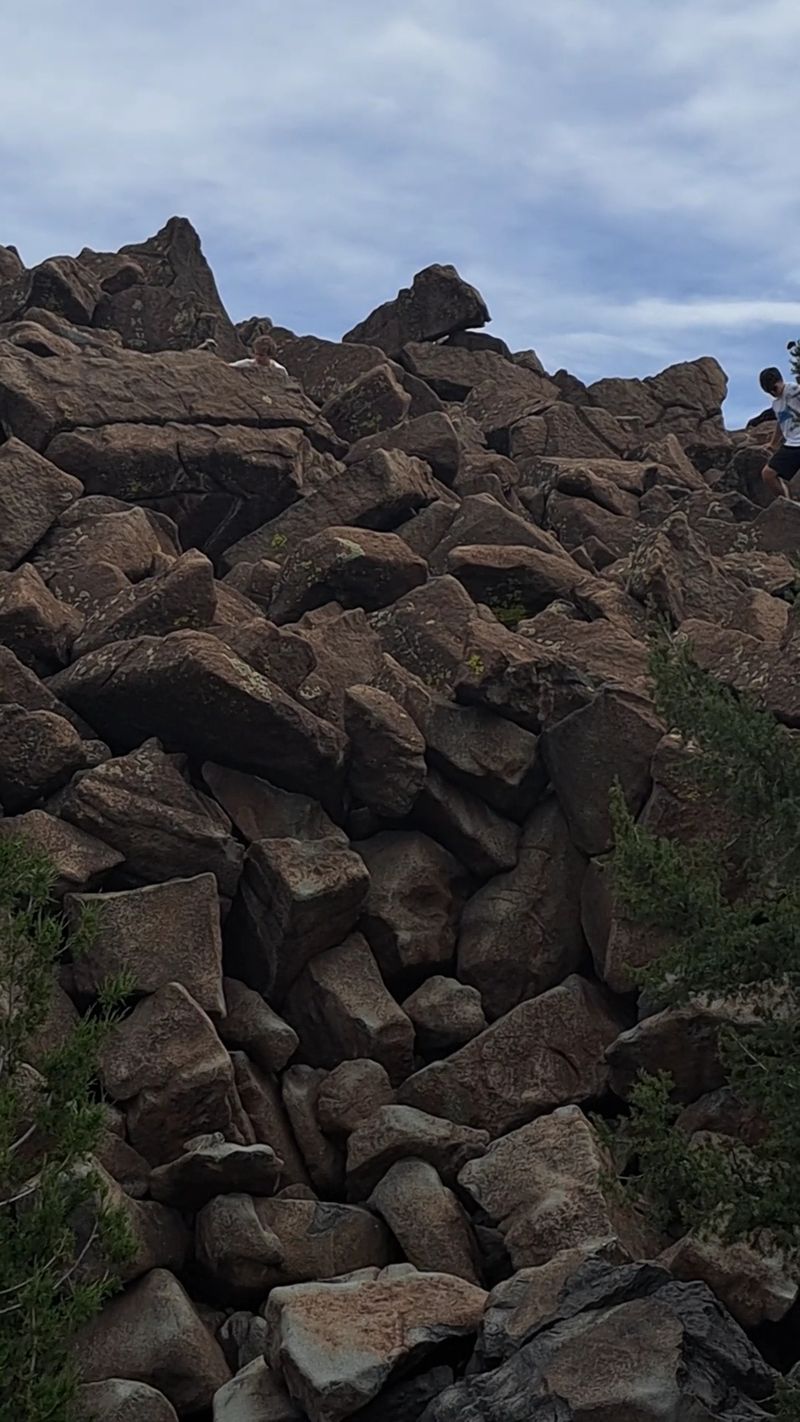
Here is the part that keeps geologists genuinely puzzled: not every boulder in the field rings. Roughly one in three produces that distinctive metallic tone, while the rest respond with a plain, unremarkable thud.
The difference is not always obvious from the outside, which turns the boulder field into an irresistible puzzle.
Scientists have confirmed that removing a ringing rock from its position within the pile eliminates its acoustic ability entirely. The same stone, placed on flat ground, simply stops singing.
This tells researchers that the arrangement of the boulders, specifically the air pockets created between them, is just as critical as the mineral composition of the rock itself.
Those natural hollows act like the resonating chamber of a musical instrument, allowing the dense stone to vibrate freely after each strike. The rocks that sit flat against the ground or are fully surrounded by other stones without air gaps tend to produce the dull thud.
It is a surprisingly delicate acoustic system built entirely by natural forces over millions of years.
The Hammer Rack: Your Invitation to Play
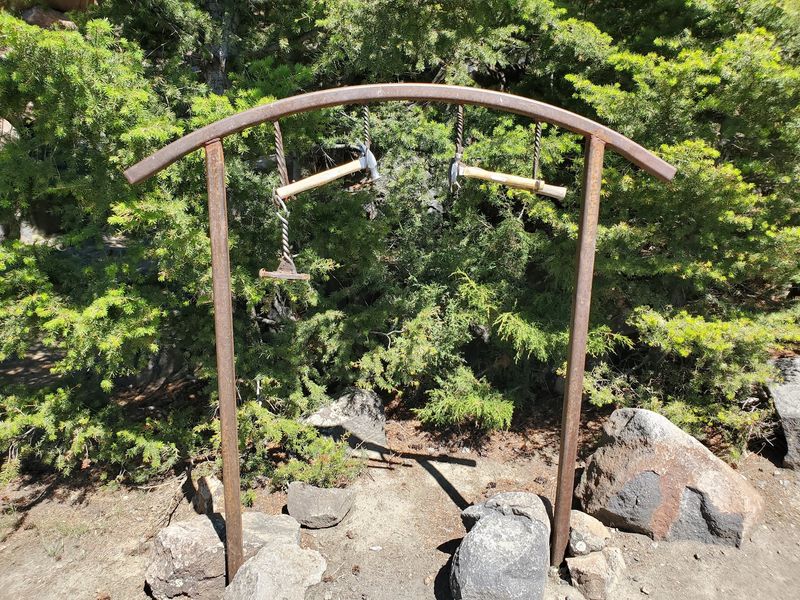
One of the most charming details about this site is the hammer rack waiting at the base of the boulder field. A makeshift post holds an assortment of hammers and large metal bolts that visitors are free to borrow, turning every person who walks up that trail into an instant percussionist.
It is a wonderfully low-tech solution that perfectly matches the spirit of the place.
That said, bringing your own hammer is a genuinely good idea. The number of tools available on any given day varies, and heavier hammers tend to produce fuller, more resonant tones on the larger boulders.
A two-pound mini sledgehammer works particularly well. Leather gloves are also a smart addition, since scrambling across uneven boulder surfaces can be rough on bare hands.
The worn, lighter-colored patches visible on many rocks are the collective record of countless previous visitors, each one searching for the perfect note. That shared history makes the hammer rack feel less like a park amenity and more like a standing invitation to join an ongoing, centuries-long conversation with the stone.
The Range of Sounds: Not Just One Tone
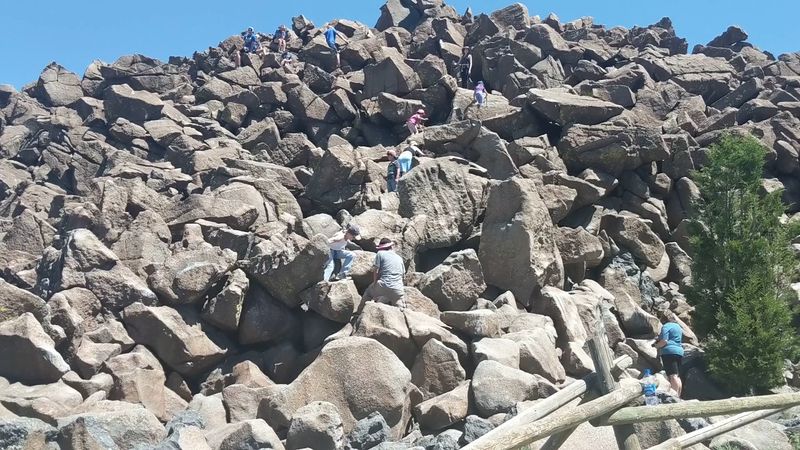
The word “ringing” suggests a single, predictable sound, but the reality is far more interesting. Across the boulder field, the tones vary considerably depending on the size, shape, and position of each stone.
Some produce a sharp, clear bell-like note that hangs in the air for a surprising amount of time. Others deliver a deeper, gong-like resonance that seems to vibrate through your chest.
A few smaller, more isolated stones yield a higher-pitched chime that sounds almost like a xylophone key. The variation means that an afternoon spent exploring the field feels less like a geology lesson and more like wandering through an enormous, open-air instrument.
Different hammer weights pull out different qualities from the same rock, adding another layer of experimentation to the experience.
Children tend to attack the search with wonderful enthusiasm, moving quickly from stone to stone and announcing each successful ring with genuine excitement. Adults, for their part, often slow down and start listening more carefully, trying to identify subtle differences between tones.
Both approaches are completely valid, and both end in the same satisfied grin.
A Global Rarity: How Montana Stacks Up
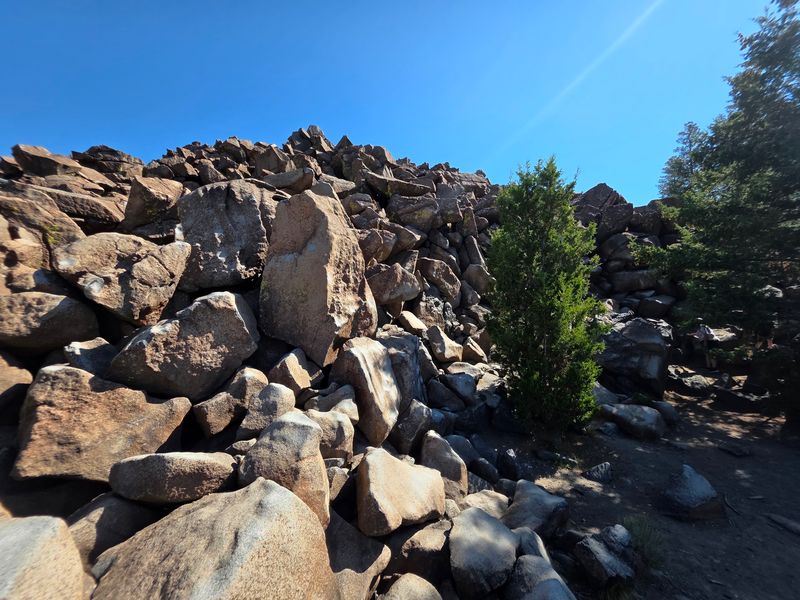
Sonorous rock fields, places where boulders produce musical tones when struck, exist in only a handful of locations around the entire world. The United States has two notable examples: this site in southwestern Montana and Ringing Rocks Park in Bucks County, Pennsylvania.
That is a remarkably short list for a planet with no shortage of rocks.
The Montana site was first formally documented in a scientific context in 1966 by USGS geologist Harold J. Prostka.
Two years earlier, in 1964, the Bureau of Land Management designated the area as the Ringing Rocks Recreation Area, recognizing its unusual character and the need to protect it. The designation covers the northwest quarter of Section 9 in the area, preserving the formation for public enjoyment.
The combination of the specific rock composition, the precise boulder arrangement, and the scale of the field makes this location genuinely difficult to replicate anywhere else on Earth. Visiting means standing in one of a tiny number of places on the planet where geology and acoustics have converged in such a spectacularly odd and entertaining way.
What the Road Actually Feels Like: An Honest Report
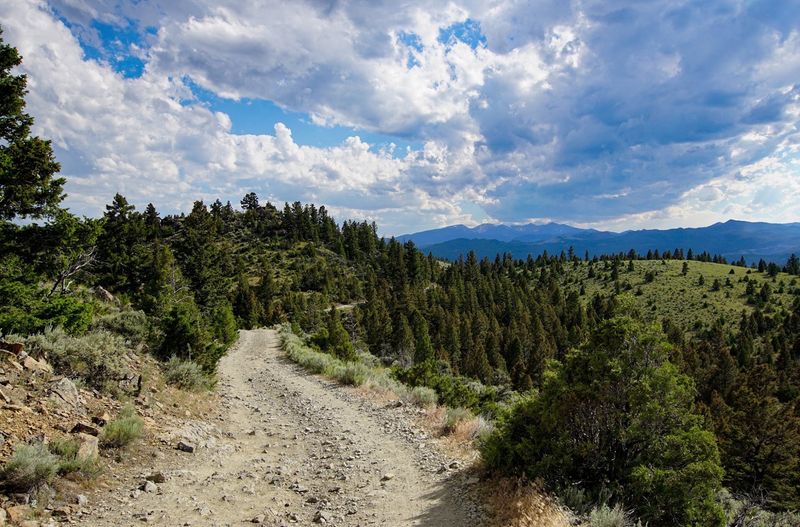
Reviews of the road to Ringing Rocks cover a wide spectrum, and the honest answer is that conditions change depending on the season, recent weather, and how recently the BLM has graded the surface. Road improvement work has been underway in recent years, and some visitors report the majority of the route is now manageable for vehicles with reasonable clearance.
Others have encountered significant erosion and rocky sections that test even a sturdy SUV.
The road is narrow in several spots, barely wide enough for one vehicle, which means passing an oncoming car requires patience and careful maneuvering. Flat tires are a real possibility on the sharper rocky sections, so checking your spare before heading out is a practical precaution.
Rainy or muddy conditions make the entire journey considerably more challenging, and avoiding the road after heavy rain is genuinely wise advice.
Google Maps routes accurately to the parking area, and the junctions along the way are well-signed. The final stretch closest to the boulders is consistently the roughest section, but the parking lot itself is large, flat, and free, offering a welcome flat surface after the bumpy approach.
The Hike to the Boulder Field: Short But Rewarding
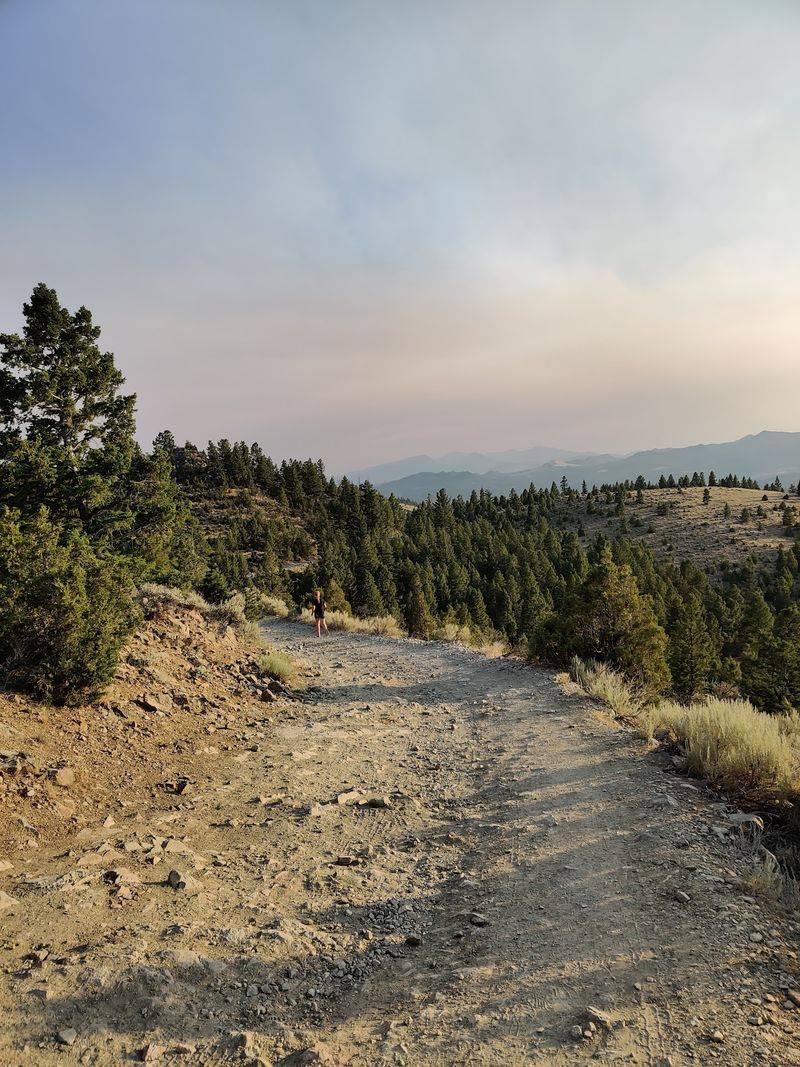
Once parked, the walk to the rocks is mercifully short. Most visitors reach the boulder field in about 10 minutes on the main trail, which follows a gentle zigzag path up the hillside.
A rougher road to the left of the parking area cuts that time to around five minutes if you prefer a more direct approach, though the footing is less even.
The trail itself is not technically demanding, and families with children handle it without trouble. The altitude, however, is worth respecting.
Visitors not accustomed to higher elevations sometimes feel the effects on the steeper sections near the top, so taking a steady pace and carrying water is straightforward, sensible advice rather than overcaution.
Wildflowers appear along the path during the warmer months, adding a pleasant visual contrast to the rugged rock-covered hillside ahead. The views from the upper sections of the trail are genuinely impressive, stretching across the surrounding Montana landscape in multiple directions.
The combination of an easy walk, beautiful scenery, and the promise of musical rocks at the end makes the approach feel like a well-designed warm-up for the main event.
Best Times to Visit and What Each Season Brings
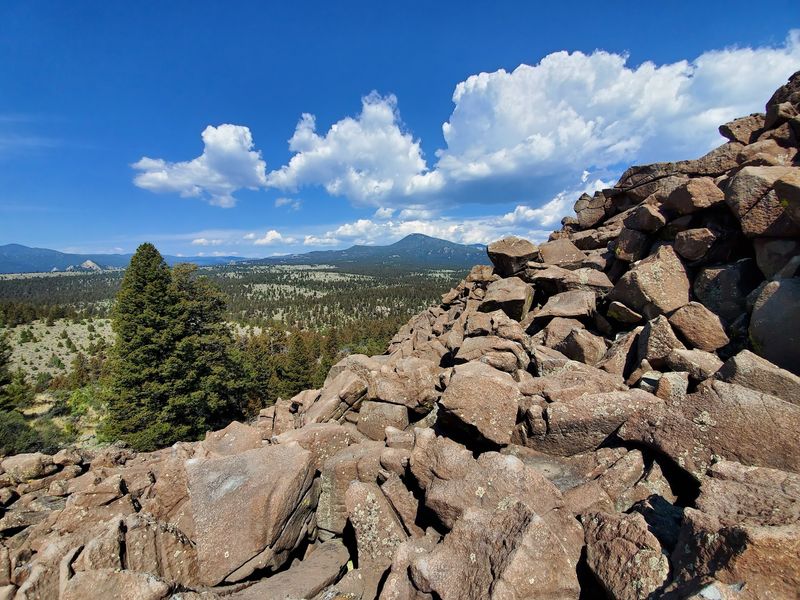
Late spring through early fall covers the most reliable window for visiting, roughly April through October, when road conditions are at their most cooperative and the weather stays comfortable for outdoor exploration. Summer months bring warm, dry conditions ideal for spending a full afternoon on the boulder field, though carrying water is essential since there are no facilities on site.
Fall offers a particularly scenic backdrop, with the surrounding hillsides shifting to gold and amber tones that contrast beautifully against the dark gray boulders. September can bring rain, so checking the forecast before heading out adds a useful layer of planning.
Spring visits are possible but require awareness of lingering snowmelt, which can turn the dirt road into a muddy obstacle course even when the weather above feels mild.
Winter access is technically open around the clock, since the site operates 24 hours a day every day of the week, but deep snow and frozen road conditions make reaching the upper parking area a significant challenge without a capable four-wheel-drive vehicle. For a first visit, late June through early September offers the most straightforward combination of access, weather, and scenery.
Protecting the Rocks: Rules That Actually Matter
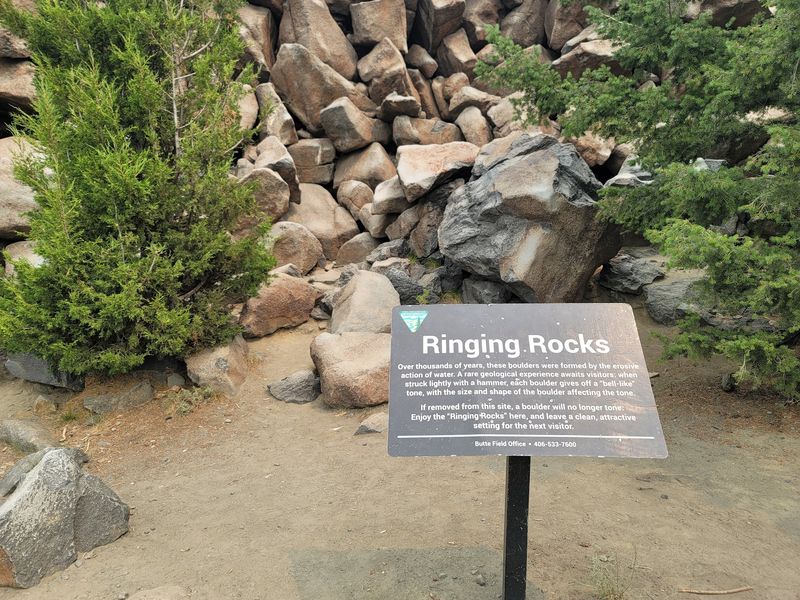
The Bureau of Land Management manages this site and asks visitors to follow a straightforward but critical rule: do not remove any boulders from the pile. This is not a rule born from bureaucratic caution.
Removing a rock from its position destroys its ringing ability completely, since the acoustic properties depend entirely on the way the stones sit together with air gaps between them. Take one away, and it becomes permanently silent.
Leave No Trace principles apply fully here. The site has no trash cans, no restrooms, and no facilities of any kind, so packing out everything you bring in is both expected and necessary.
The open landscape looks pristine precisely because previous visitors have respected it, and maintaining that standard keeps the experience genuine for everyone who follows.
Footwear with solid traction matters more than most visitors anticipate. The boulders are uneven, some surfaces are smooth from weathering, and a misplaced step can result in a fall.
Wet conditions make the rocks noticeably slippery, which is one of the clearest reasons to avoid visiting during or immediately after rain. Responsible visiting here is simply good outdoor common sense applied to an unusually special place.
Practical Tips for Making the Most of Your Visit
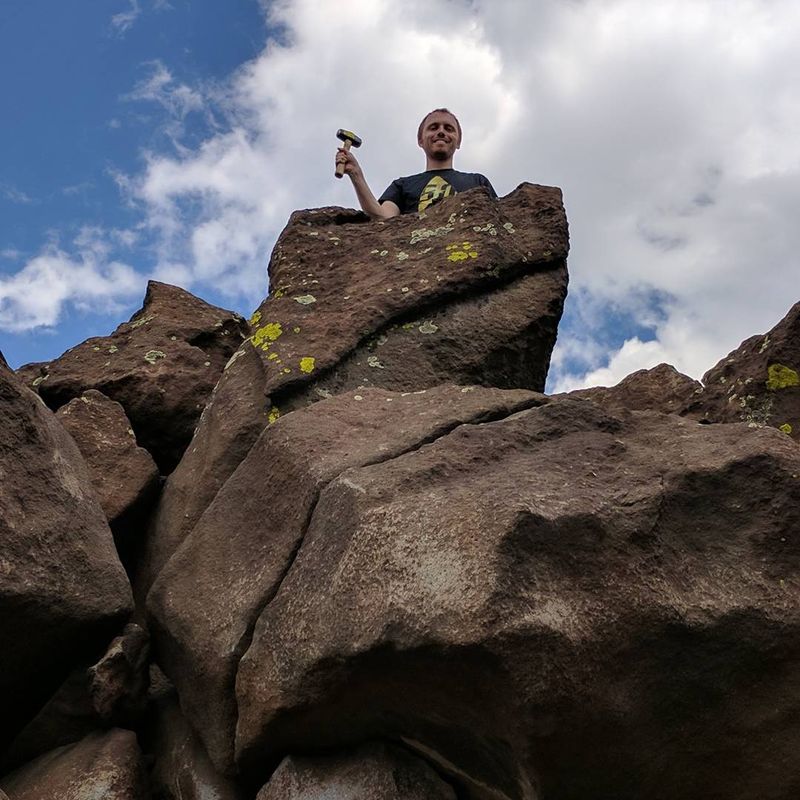
A few practical details make the difference between a smooth visit and an avoidable headache. Bringing your own hammer is the single most useful preparation, since the on-site supply is limited and heavier hammers genuinely produce better results on the larger stones.
A two-pound mini sledgehammer hits a practical sweet spot between portability and striking power. Leather gloves protect hands during scrambling and add grip on smooth rock surfaces.
Water is non-negotiable. The site has no services, no shade structures, and no water sources, and the combination of altitude and physical activity on the boulder field can leave visitors more dehydrated than expected.
Sunscreen and a hat are worthwhile additions during summer months when the open hillside offers no natural shade.
The parking lot is free, the site is open 24 hours a day every day, and admission costs nothing. Cell service in the area is limited, so downloading an offline map or confirming the Google Maps route before leaving the interstate is a sensible move.
Apple Maps has reportedly navigated incorrectly to the site on some occasions, making Google Maps the more reliable choice for the final approach. Arrive prepared and the experience takes care of itself.
Share this story