Somewhere in Ohio, tucked along a quiet residential path in Akron, sits a mansion so grand it almost feels like it belongs in another country. Most people drive right past without a second thought, never suspecting what waits behind those gates.
Stan Hywet Hall and Gardens is the kind of place that stops you cold the moment you step onto the grounds. Once you see it, you’ll wonder how it stayed off your radar for this long.
The Estate Behind the Gates
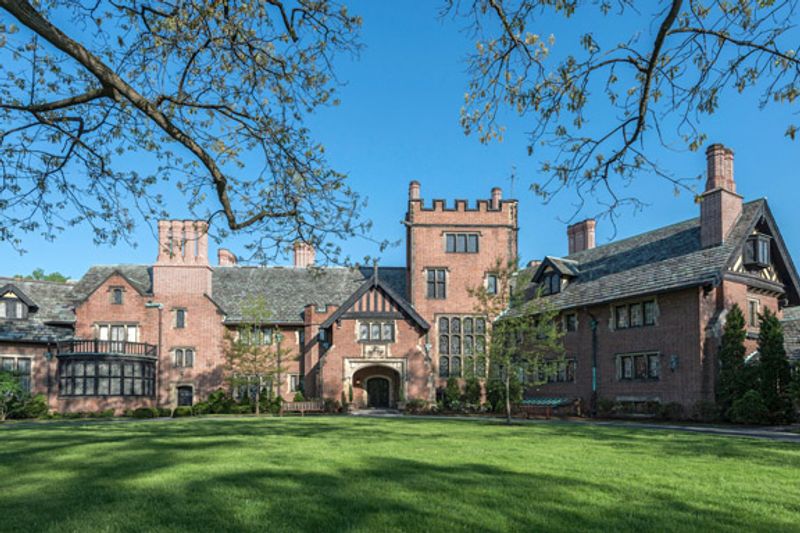
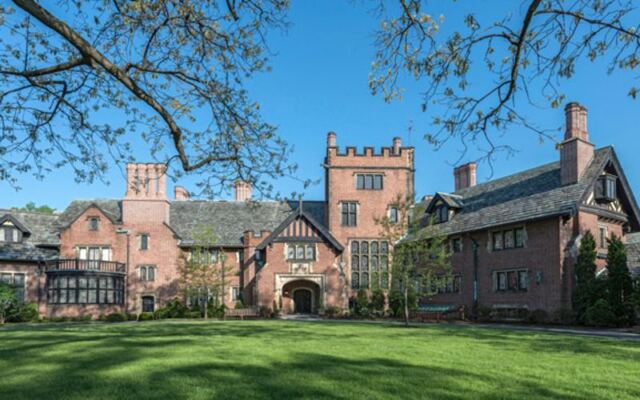
Pulling up to 714 N Portage Path in Akron, the first glimpse of Stan Hywet Hall feels almost surreal. The Tudor Revival mansion stretches across the property with a commanding stone facade, arched entryways, and rows of leaded glass windows that catch the light in a way that feels almost theatrical.
Built between 1912 and 1915, the estate was commissioned by F.A. Seiberling, co-founder of Goodyear Tire and Rubber Company.
The name itself, Stan Hywet, comes from Old English meaning “stone quarry,” a nod to the land’s origins. At roughly 65,000 square feet, the manor house ranks among the largest historic homes in the United States still open to the public.
Visitors consistently describe that first approach as breathtaking. The scale alone is hard to process from photos alone.
Seeing it in person delivers the kind of “wait, this is really in Ohio?” jolt that makes the trip instantly worthwhile.
A Family Legacy Frozen in Time
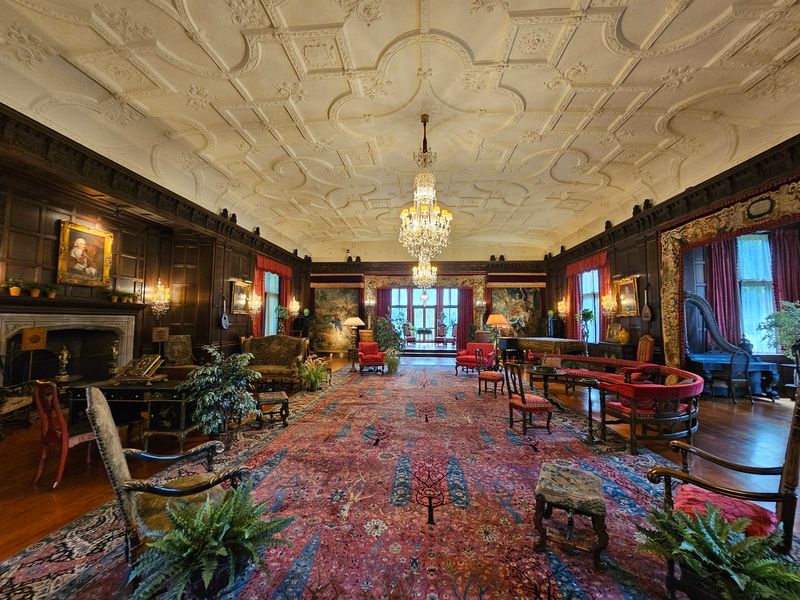
Few historic homes in the Midwest carry as rich a family story as this one. The Seiberling family lived at Stan Hywet for several generations before the estate was eventually opened to the public, and much of what they left behind remains remarkably intact.
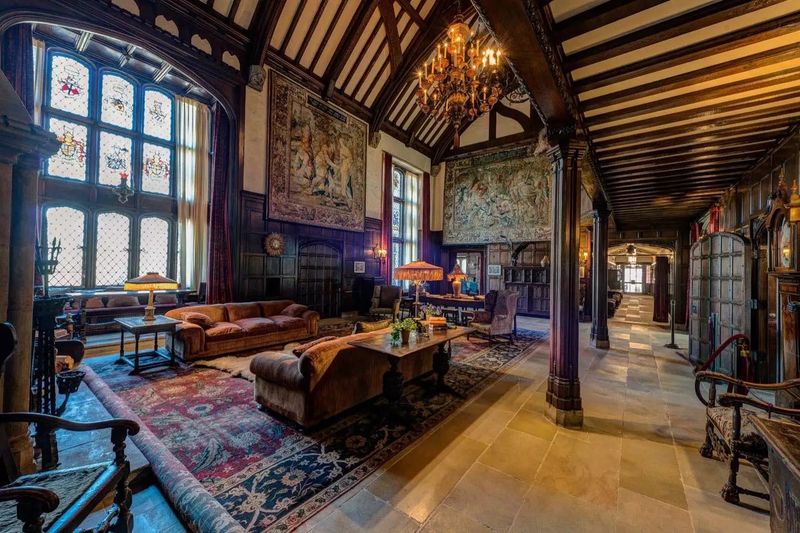
Original furnishings, family portraits, and decorative objects still fill the rooms much as they did a century ago. Visitors who take the time to explore carefully will notice the layered details: intricate carved woodwork lining nearly every corridor, hand-painted murals adorning several walls, and a surprisingly large indoor swimming pool that was considered state of the art at the time of construction.
Regulars mention that the preservation quality is exceptional, and it genuinely feels more like walking through a lived-in home than a sterile museum exhibit. The personal touches scattered throughout each room make the history feel close and real rather than distant and dusty.
Woodwork, Murals, and Craftsmanship Worth Slowing Down For
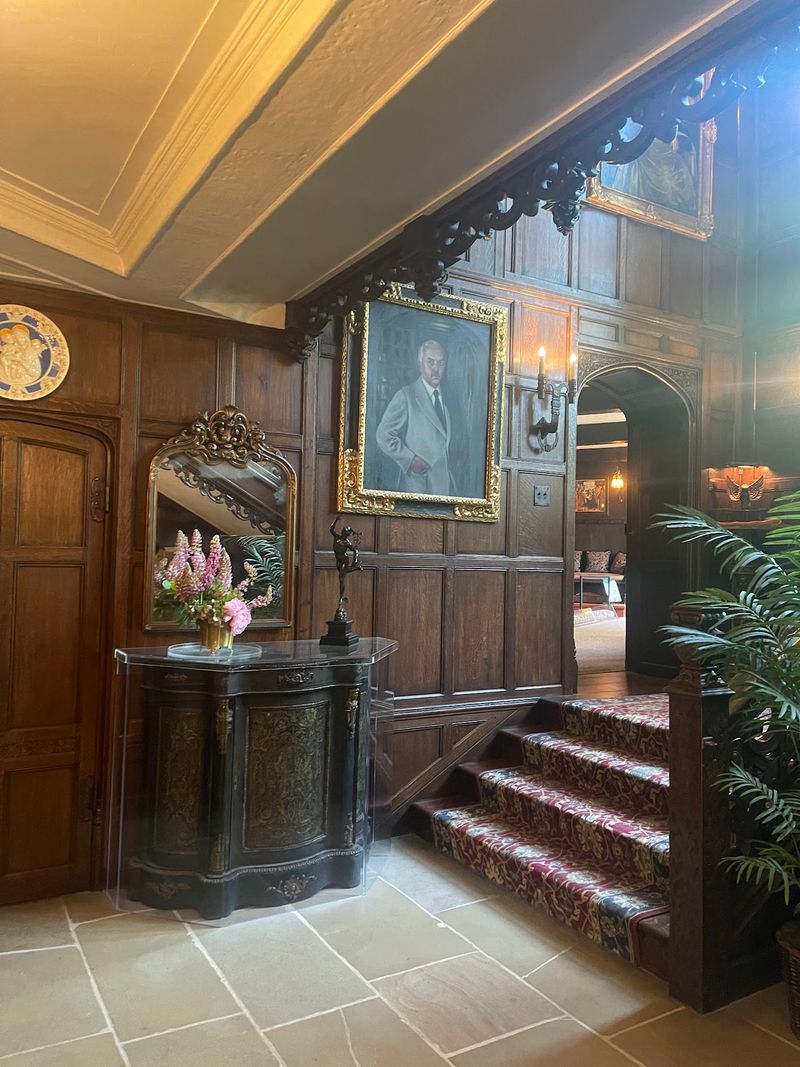
Craftsmanship at this scale rarely survives a hundred years intact, which makes the interior details at Stan Hywet Hall all the more remarkable. Room after room rewards slow, deliberate looking.
The woodwork alone could occupy an architecture enthusiast for hours.
Carved panels, coffered ceilings, and decorative moldings appear throughout the manor house in styles that shift subtly from room to room. The music hall is a particular highlight.
Visitors are encouraged to ask volunteer staff to activate the pipe organ, and hearing it fill that grand space with sound is one of those unexpectedly moving moments that people still talk about afterward.
Hand-painted murals appear in several rooms, each one telling a story or setting a mood specific to that space. The level of artistic intention behind every surface makes it clear that the Seiberlings weren’t simply building a large house.
They were building something meant to last and to inspire for generations.
Gardens That Rival Anything in the Country
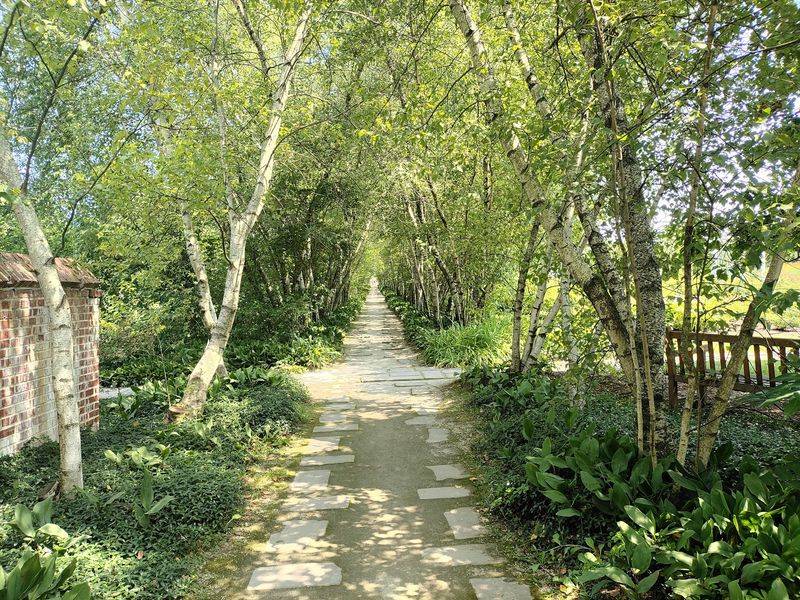
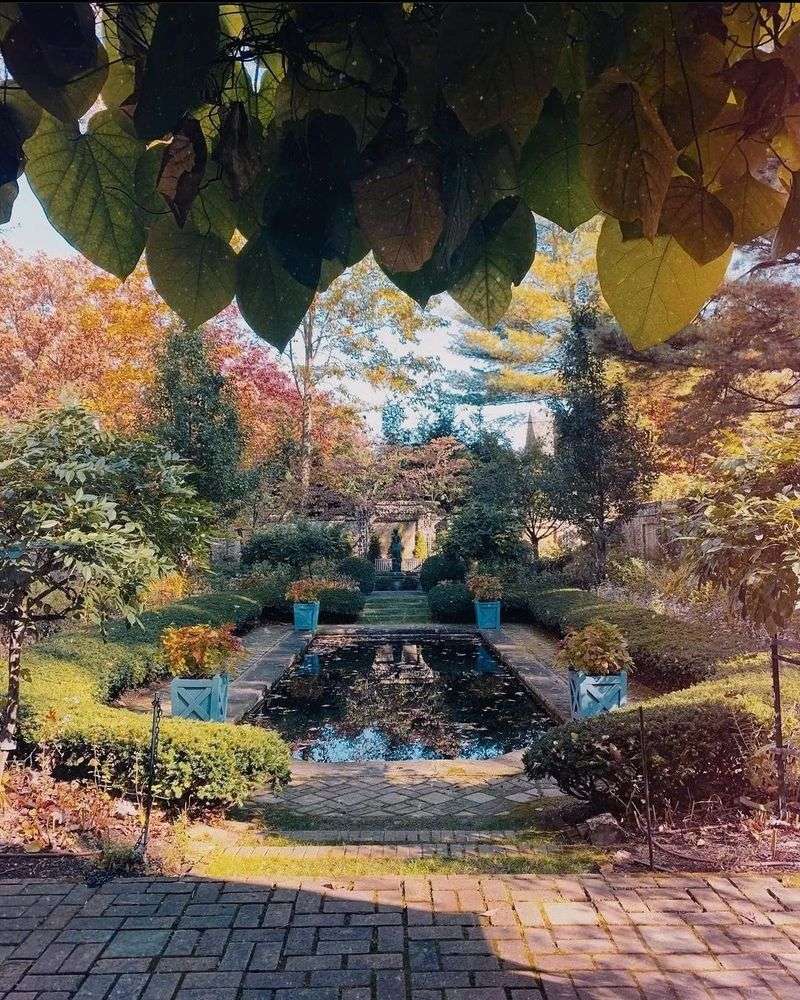
Gardens are mentioned more than any other feature in visitor feedback, and once you walk them, it becomes obvious why. The grounds at Stan Hywet cover over 70 acres and were designed by landscape architect Warren Manning, a contemporary of Frederick Law Olmsted.
The result is a layered, intentional landscape that feels both grand and intimate at the same time.
A Japanese garden tucked behind the mansion offers a serene counterpoint to the formal English gardens closer to the house. A birch tree walkway leads away from the mansion toward the surrounding park, lined in spring with fragrant lily of the valley.
Rose gardens, cutting gardens, and a large conservatory with year-round plantings round out the experience.
Visiting during warmer months means catching the gardens in full bloom, which most people agree is the most visually spectacular version of the property. That said, the conservatory ensures there is always something beautiful to see regardless of season.
The Butterfly House and Children’s Garden
Families with younger visitors will find Stan Hywet Hall far more kid-friendly than the stately exterior might suggest. Beyond the formal gardens and historic rooms, the estate includes a dedicated children’s garden and a butterfly house that reliably steal the show for younger guests.
Feeding butterflies is the kind of hands-on experience that makes a place genuinely memorable for children rather than just another field trip stop. A scavenger hunt through the mansion gives kids a purposeful way to engage with the interior, turning history exploration into a game that keeps energy levels channeled productively.
An outdoor play garden with a proper playground gives younger children a place to burn off energy between the more structured portions of the visit. Visitors who brought elementary-age children noted that the combination of interactive features and open outdoor space kept kids engaged for the better part of three hours.
The estate clearly put real thought into making history accessible for all ages.
Tour Options and the Case for Going Guided
Choosing between a self-guided and guided tour at Stan Hywet Hall shapes the entire experience in ways worth considering before arrival. Both options get you into the mansion and across the grounds, but the depth of what you walk away with can differ considerably.
Guided tours are led by knowledgeable volunteers who bring the Seiberling family story to life with context and detail that printed signage simply cannot replicate. Visitors consistently praise the quality of the guides, noting that their enthusiasm and expertise make the history genuinely interesting rather than just informative.
The “Nooks and Crannies” specialty tour is a fan favorite for those who want to see lesser-visited corners of the estate.
Self-guided tours offer flexibility and a relaxed pace, which suits visitors who prefer to linger in specific rooms or gardens without a schedule. For first-timers, though, springing for the guided option tends to reward the extra investment with a noticeably richer and more connected experience of the property.
Seasonal Events and Year-Round Reasons to Return

One of the quiet secrets about Stan Hywet Hall is that it rewards repeat visits. The estate hosts an ambitious calendar of seasonal events throughout the year, and regulars note that something new or spectacular seems to appear with each return trip.
The holiday light display each winter is among the most beloved events in the Akron region, drawing long lines of visitors willing to wait in the cold for the chance to walk the illuminated grounds. Hot cocoa in hand, the experience is described by many as genuinely magical.
Summer brings outdoor theatrical performances, including a recent production of Macbeth staged on the grounds that received enthusiastic praise from attendees.
Spring brings the lily of the valley-lined birch walkway into fragrant bloom, while fall offers a softer, more contemplative version of the gardens. Each season reframes the property in a way that makes it feel fresh rather than familiar, which explains why so many visitors make it an annual tradition.
Planning Your Visit: Hours, Access, and What to Expect
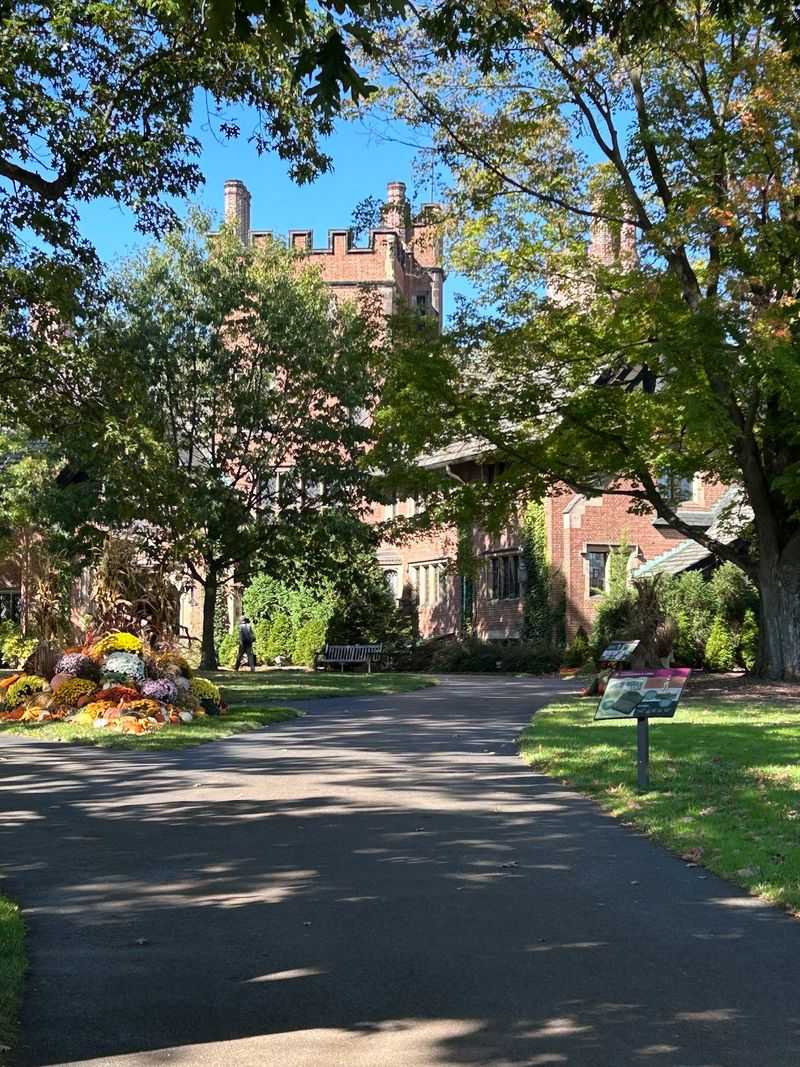
Getting to Stan Hywet Hall is straightforward for most Ohioans. The estate sits at 714 N Portage Path in Akron, well within day-trip range from Cleveland, Canton, Columbus, and beyond.
Parking is available on-site, and during busier events a shuttle service connects overflow lots to the main entrance.
Standard operating hours run Tuesday through Sunday, 10 am to 6 pm, with the estate closed on Mondays. Arriving mid-afternoon on a weekday is a solid strategy for those who prefer a calmer, less crowded experience.
Visitors recommend budgeting between two and five hours depending on how thoroughly you want to explore the house and grounds.
A snack bar on the property offers food and drinks for those who need a break mid-visit. The website at stanhywet.org lists current ticket prices, special event schedules, and tour availability.
For specific questions, the estate can be reached by phone at 330-836-5533. Comfortable walking shoes are a practical must given the mix of stone paths and expansive outdoor terrain.
Share this story