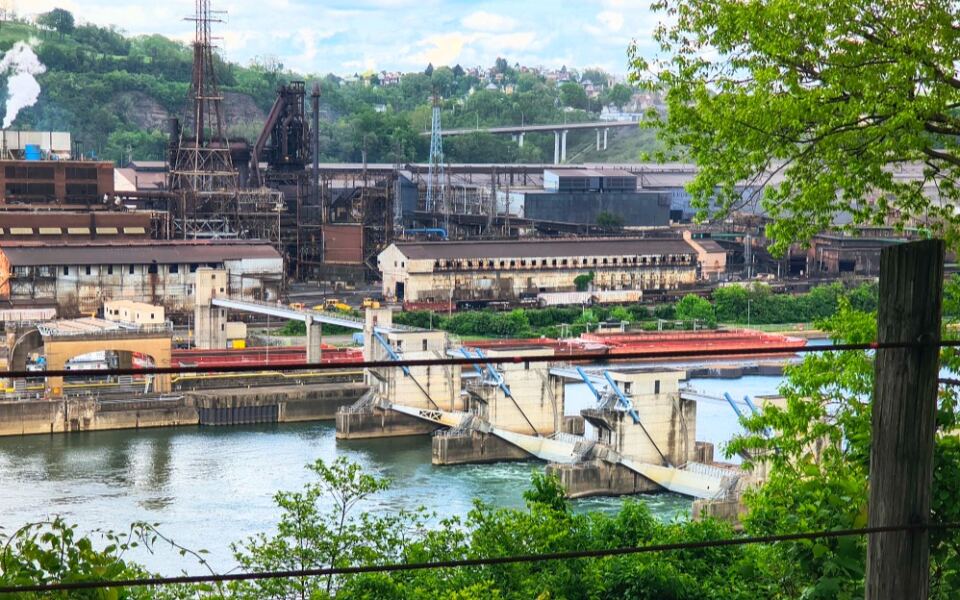
Steel still pours at a mill that sits on ground where a young George Washington had two horses shot out from under him. That mill is the Edgar Thomson Steel Works, the first steel mill Andrew Carnegie ever built, and it opened in 1875.
The battle happened in July 1755, during the French and Indian conflict. British General Edward Braddock led a long column of soldiers across the Monongahela River and into one of the worst defeats of the era.
His name stuck to the land.
I find it fascinating that one small Pennsylvania town holds both a turning point in colonial history and the start of an American steel empire. Few places pack that much story into so few blocks.
The town also claims a famous first that book lovers might not expect from a mill town.
A Riverside Borough With a General’s Name
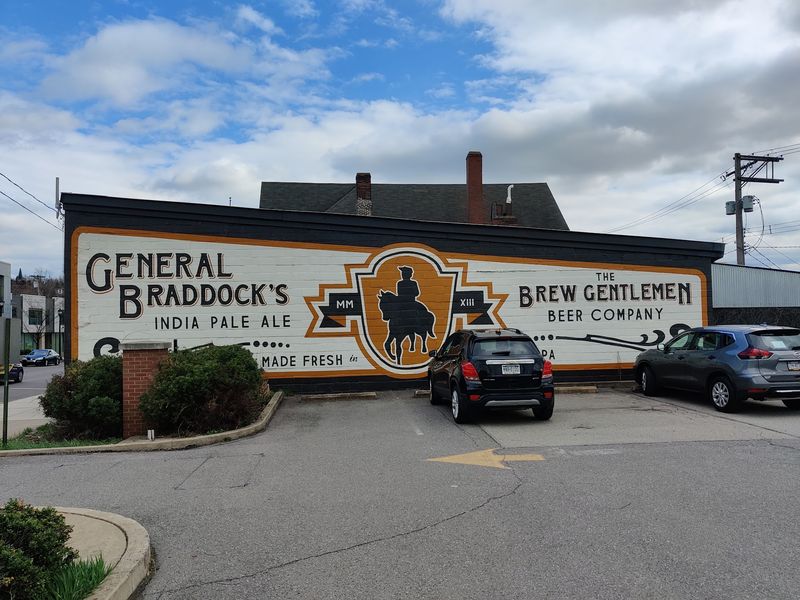
Braddock is a small borough in Allegheny County, Pennsylvania, sitting on the north bank of the Monongahela River. It lies about 10 miles upstream from where the Monongahela meets the Allegheny to form the Ohio River in Pittsburgh.
The town takes its name from General Edward Braddock, the British commander whose army crossed the river here in 1755. Not many towns are named after the losing side of a battle, but Braddock wears the name proudly.
Today the borough is home to about 1,721 people, according to the 2020 census. Back in 1920, more than 20,000 people lived here, so the town has seen huge change over a single century.
That drop tells a story shared by many steel towns in the region. Jobs shifted, families moved, and empty buildings appeared along the main streets.
Still, Braddock has something many bigger towns lack. Its landmarks tie directly to colonial history, industrial history, and the birth of free public libraries in America.
I’d start any visit by simply driving along Braddock Avenue. The mill and the river frame the town, and the first big story begins right at the water’s edge.
July 1755 and the Battle of the Monongahela
On July 9, 1755, roughly 1,300 British and colonial soldiers marched toward Fort Duquesne, the French fort at present-day Pittsburgh. They never got there.
French troops and their Native American allies met the column shortly after it crossed the Monongahela. The fight that followed became known as the Battle of the Monongahela, and many people also call it Braddock’s Defeat.
The British force was badly beaten. General Braddock was gravely wounded and did not survive the retreat.
His troops pulled back in confusion, and the campaign to take the fort collapsed.
The battle mattered far beyond western Pennsylvania. It helped shape how colonists viewed British military methods, and it taught American officers lessons about fighting in the woods.
Historians have written about this clash for more than 250 years. Some details, like exact troop movements, are still debated today.
Here’s a fact that surprises many readers. Much of the battlefield ground later disappeared under rail lines, homes, and a massive steel plant.
That’s right, the most famous industrial site in Braddock rose on the same land where this battle unfolded. The next chapter of the story belongs to Andrew Carnegie.
Washington’s Close Call on the Battlefield
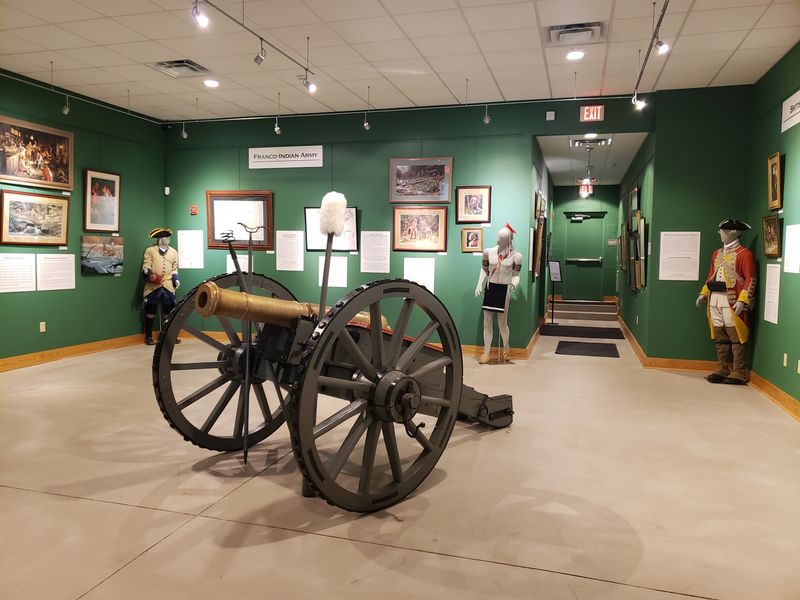
George Washington was just 23 years old when he rode with Braddock’s army. He served as a volunteer aide to the general, not as the famous leader he later became.
During the fighting, Washington had two horses shot out from under him. In a letter afterward, he wrote that four bullets passed through his coat, yet he came away unharmed.
That detail always stops me for a moment. A few inches here or there, and American history might have looked very different.
Washington also helped organize the retreat after Braddock was wounded. His calm work in a chaotic situation earned him respect among colonial leaders.
Other future figures were there too. Daniel Boone served as a wagon driver, and Thomas Gage, who later commanded British troops in Boston, was an officer in the column.
For students who study the American Revolution, Braddock is a fun place to connect the dots. Several key players met here twenty years before the colonies broke from Britain.
Washington’s experience along the Monongahela stayed with him for life. It’s one reason this small borough shows up in so many history books about his early career.
Carnegie’s First Steel Mill Rises
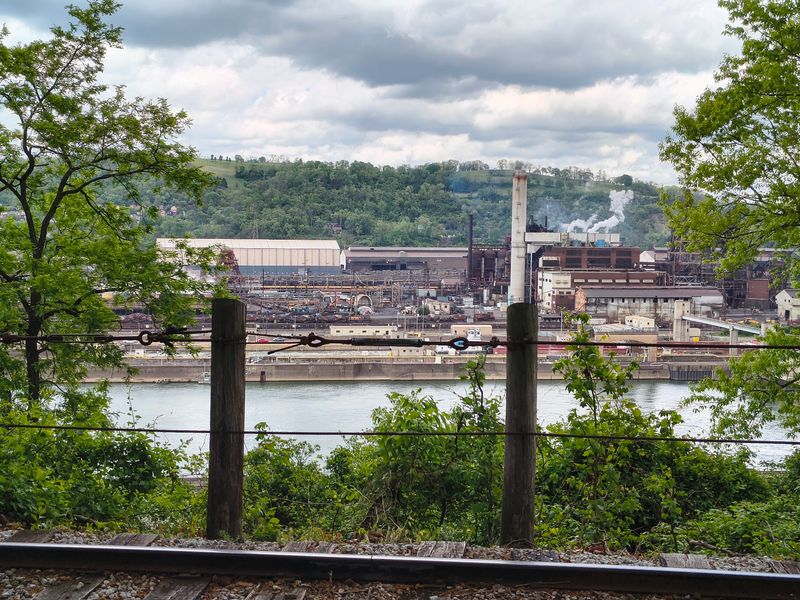
In 1875, Andrew Carnegie opened the Edgar Thomson Steel Works right on the old battlefield site. It was his first steel mill, and it changed his fortunes forever.
Carnegie named the plant after J. Edgar Thomson, president of the Pennsylvania Railroad.
That was a smart business move, since railroads were his biggest customers for steel rails.
The mill used the Bessemer process, a fast way to turn iron into steel. Braddock’s spot was ideal, with river shipping, rail lines, and nearby coal.
Workers here helped build the railroads, bridges, and buildings of a growing nation. The Carnegie Steel Company later became part of U.S.
Steel when it formed in 1901.
Here’s the part that impresses me most. The Edgar Thomson Works still operates today under U.S.
Steel, making it one of the longest-running steel mills in the country.
The plant is private and active, so don’t expect to wander inside. You can see its stacks and buildings from public roads and from across the river.
Carnegie’s money from this mill soon flowed back into Braddock in a very different form, one built for reading instead of rolling steel.
America’s First Carnegie Library
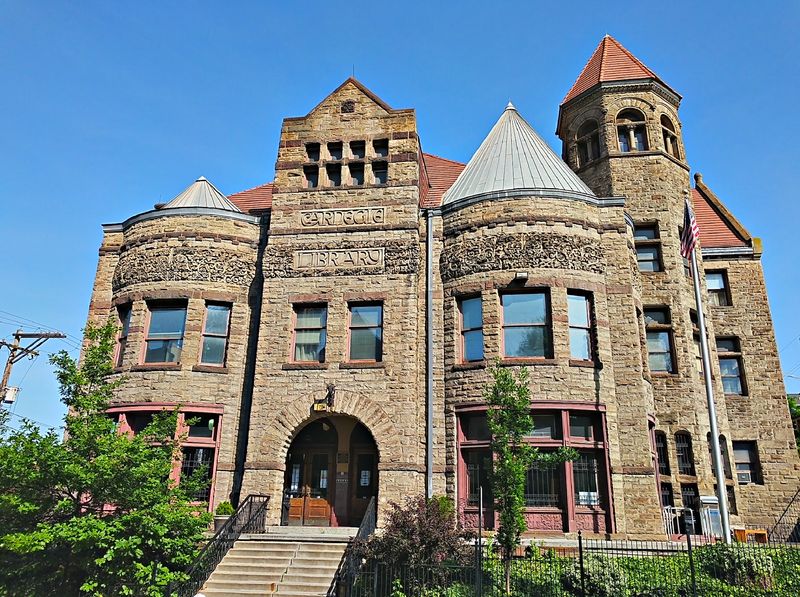
Book lovers, this one is for you. The Carnegie Free Library of Braddock opened in 1889 and was the first Carnegie library built in the United States.
Andrew Carnegie went on to fund more than 1,600 libraries across the country. It all started on a hill above his first steel mill.
The building was designed by William Halsey Wood in a sturdy Romanesque style. A large addition came in 1893, adding a music hall, a gymnasium, and even a swimming pool for mill workers and their families.
Carnegie believed free libraries could help working people improve their lives. Braddock was where he first tested that idea with real bricks and stone.
The library is listed as a National Historic Landmark. Local volunteers and supporters have worked for years to save and restore it.
Programs and events change over time, so check the library’s current schedule before you go. Some spaces may be under repair or open only for special activities.
I’d make this my second stop after viewing the mill. Seeing the factory and the library together shows both sides of Carnegie’s story in one afternoon.
A Mill Town at Its Busiest
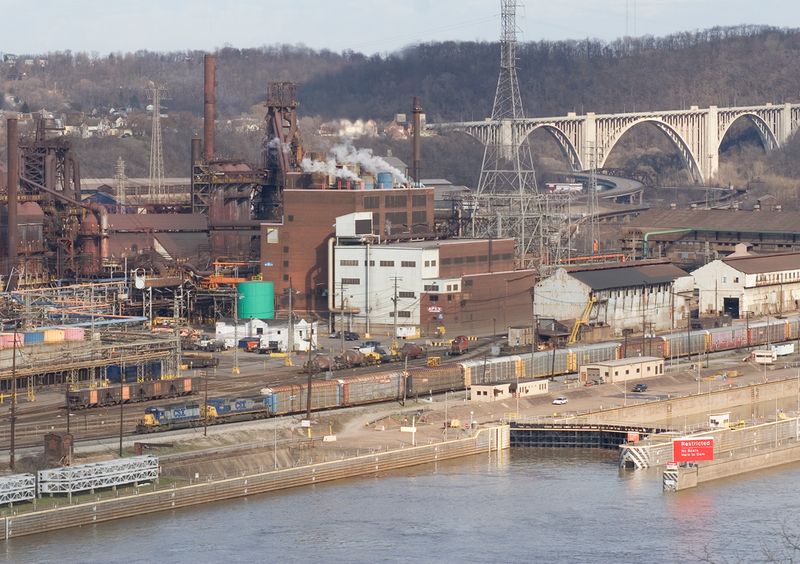
Back in 1920, Braddock buzzed with more than 20,000 residents. Many families came from Eastern Europe, Italy, and other places to work in the mills.
Braddock Avenue was lined with shops, theaters, and churches. Streetcars carried workers between neighborhoods and nearby towns along the river.
Life was not easy for mill workers. Shifts were long, the work was hot and dangerous, and labor struggles shaped the region for decades.
Still, these neighborhoods built strong community ties. Churches, social clubs, and ethnic groups helped newcomers settle into life in western Pennsylvania.
As the steel industry shrank in the late 1900s, many families left for jobs elsewhere. By 2020, the population had fallen by about 92 percent from its peak.
That number can feel startling at first. It helps explain why some streets now have open lots where homes and stores once stood.
When you walk the town today, try looking up at older storefronts. Their cornices and brickwork hint at how busy this place once was, long before the empty lots appeared.
Spotting Battlefield Markers Around Town
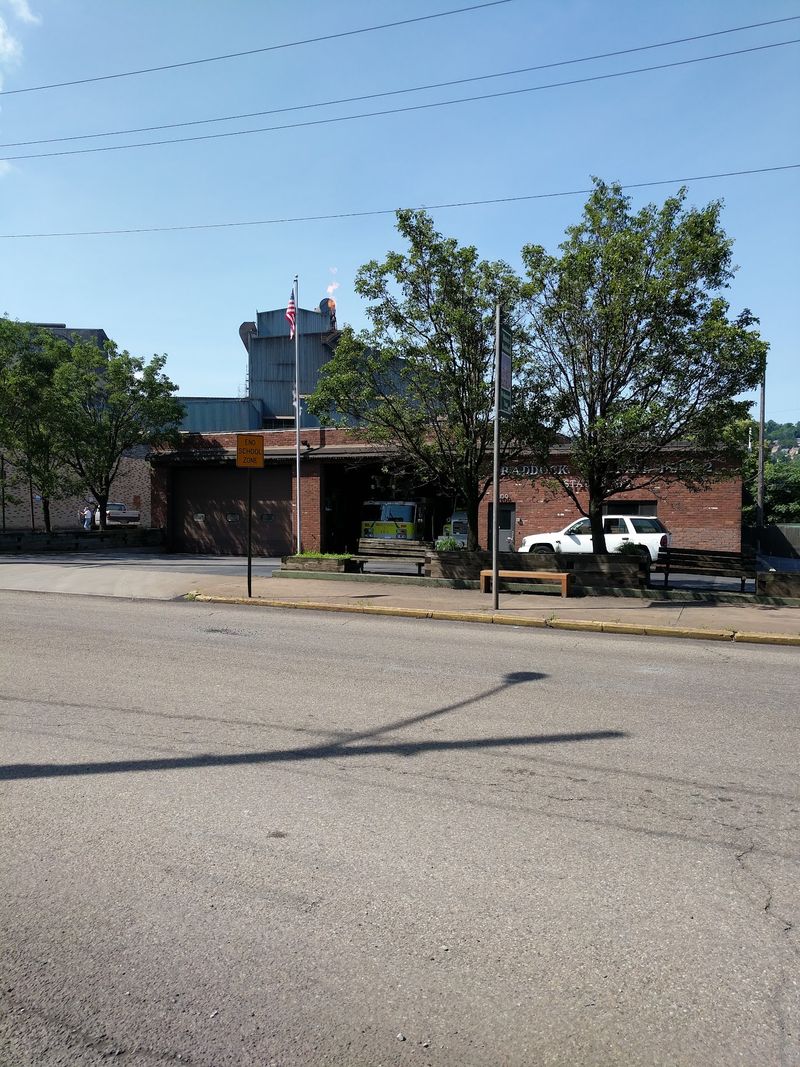
Keep your eyes open for blue and gold signs along the roadside. Pennsylvania’s state historical markers help point out spots tied to the 1755 battle.
Because so much of the battlefield is now covered by streets and industry, these markers do important work. They remind people that a colonial fight happened beneath modern pavement.
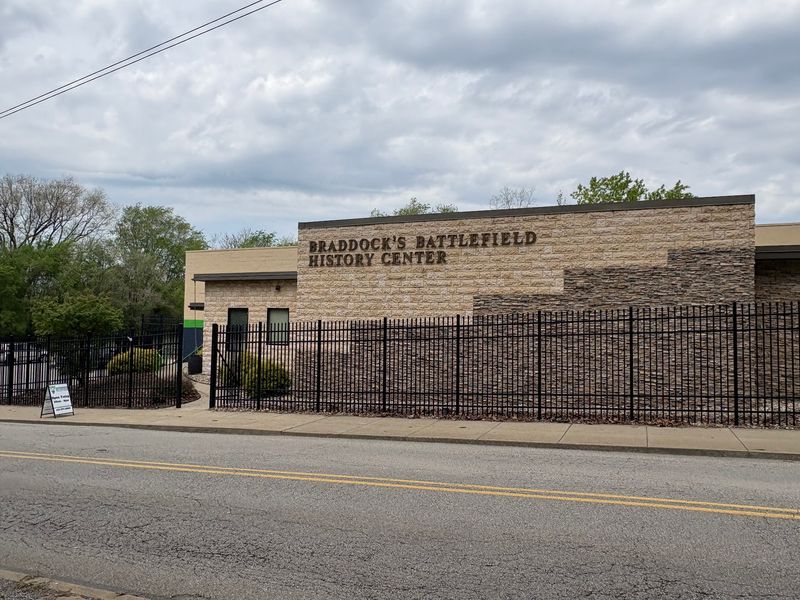
The nearby Braddock’s Battlefield History Center in North Braddock is another helpful stop. It features exhibits, artifacts, and artwork about the 1755 battle.
The center is privately run, so hours can be limited. I’d look up current open days before planning a trip around it.
A statue of George Washington also stands near the history center area. It honors his role as a young aide during the fight.
Kids often enjoy these stops because they make history feel real. Standing near the actual ground beats reading about it in a textbook.
Bring a phone or notebook to snap photos of each marker. Reading them in order helps you piece together how the British column moved, crossed the river, and met the French force.
Good Views of the Monongahela
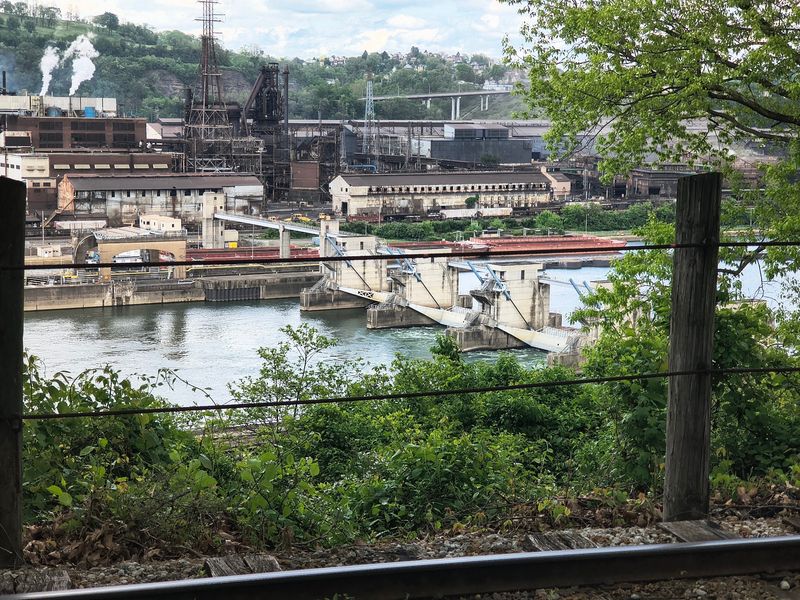
Rivers built Braddock long before steel did. The Monongahela gave armies a path in 1755 and later gave the mill a way to ship heavy products.
Braddock Locks and Dam sits on the river here, helping barges move up and down the Monongahela. Watching a barge slowly pass is a quiet, surprisingly satisfying sight.
For good views, cross one of the nearby bridges and look back toward town. The mill’s long buildings stretch along the bank, with hills rising behind.
Morning light can make the scene especially clear for photos. Late afternoon also works well when the sun hits the water.
The river is a working waterway, so stick to public spots and respect posted signs. Industrial property and rail lines are off limits.
Nearby Kennywood amusement park sits just across the river in West Mifflin. Families can easily pair a history drive with a fun day out.
I like ending a riverside stop by imagining how different this valley looked in 1755. Thick forests stood where smokestacks now rise, and that contrast is the heart of Braddock’s story.
A Comeback Story Still Being Written
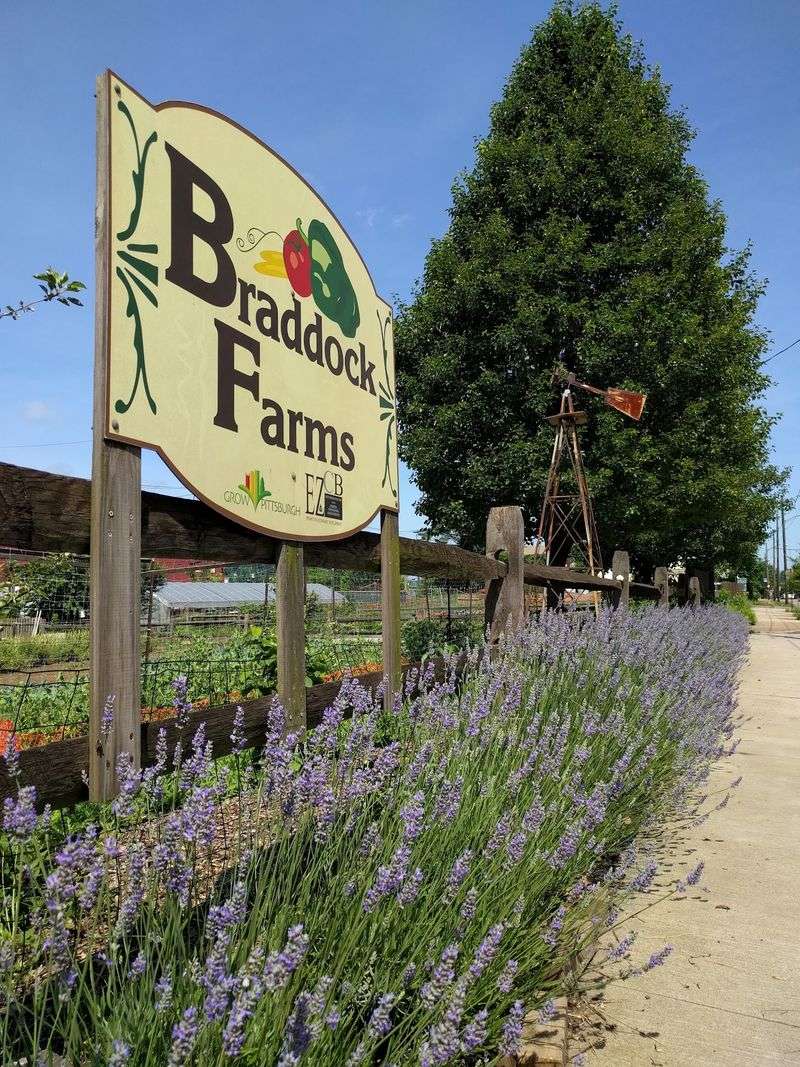
Braddock’s recent chapters focus on rebuilding. Residents and community groups have worked to bring new life into old spaces.
Urban farming became a notable part of that effort. Community gardens and small farms have grown on empty lots, giving neighbors fresh produce and green space.
Artists and makers have also taken interest in the town’s sturdy old buildings. Some former storefronts have found new uses over the years.
Former mayor John Fetterman, who later became Pennsylvania’s lieutenant governor and a U.S. senator, brought national attention to Braddock. His time as mayor put the town in many news stories.
Not every project lasts, and the town still faces real challenges. Change here moves slowly, one block at a time.
What I find encouraging is the local pride. People who stayed, or who moved here, clearly care about the town’s future.
If you visit, supporting a local business or community event helps in a small way. Check local news or community pages for current happenings, since activities shift from season to season.
Planning a Short Visit
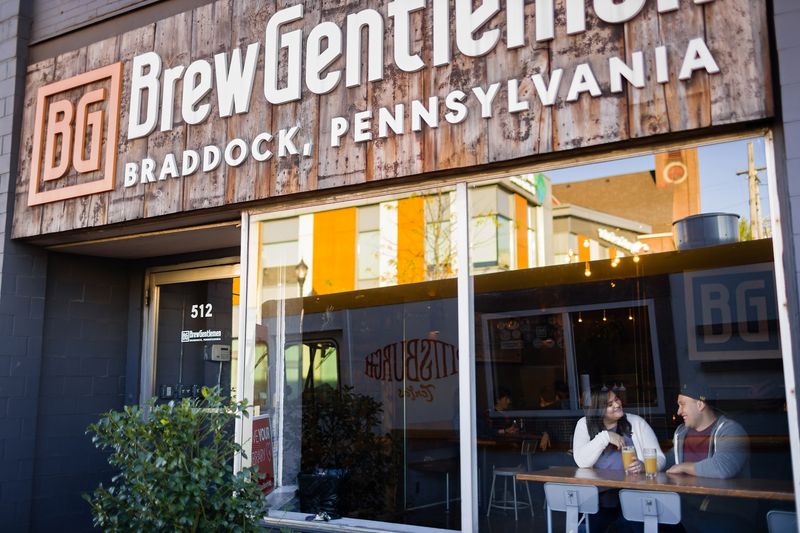
Getting to Braddock is easy from Pittsburgh. The town sits in the eastern suburbs, roughly a short drive from downtown depending on traffic.
A simple plan works best. Start with a view of the Edgar Thomson Works, then head up to the Carnegie Free Library of Braddock.
After that, visit Braddock’s Battlefield History Center if it’s open. Finish with a stop near the river for photos of the valley.
Wear comfortable shoes, since some streets are hilly. Weather in western Pennsylvania can change quickly, so a light jacket is handy outside summer.
Remember that the steel mill is a working industrial site. Stay on public roads and sidewalks, and never cross onto rail tracks.
Food options in town are limited, so nearby communities may be handier for a meal. Pittsburgh’s eastern neighborhoods offer plenty of choices.
For students or history fans, reading a short article about Braddock’s Defeat before arriving makes everything click. You’ll recognize the river crossing, the battlefield setting, and the mill grounds once you’re there.
Braddock rewards curious travelers who enjoy seeing several centuries layered into one small riverside town.
Share this story