
Twice a year, millions of Americans groan as they reset their clocks forward or backward, losing sleep and adjusting schedules all over again. A growing number of states are fed up with the routine and have passed laws to make daylight saving time permanent once Congress gives them the green light.
Right now, 19 states have enacted such legislation, forming a coast-to-coast push to stop the clock-changing madness for good. The U.S.
House passed the Sunshine Protection Act in July 2026, so the fate of permanent DST may finally rest with the Senate.
Florida

Florida fired the starting gun on the whole permanent-DST movement back in 2018, becoming the very first state to pass legislation calling for year-round daylight saving time. The law, nicknamed the Sunshine Protection Act, lit a spark that spread to nearly two dozen other states over the following years.
Pretty fitting for a place that literally calls itself the Sunshine State.
The catch is that Florida cannot flip the switch on its own. Federal law under the Uniform Time Act still controls whether any state can stay on advanced time all year, so Floridians keep changing their clocks every March and November like everyone else.
The state has essentially been sitting in a waiting room for eight years.
Permanent DST would mean later sunsets in winter, which sounds great for evening beach walks, but it would also push winter sunrises well past 8 a.m. in some areas. That trade-off has kept the national debate lively.
Florida remains the symbolic anchor of the 19-state group, the state that started it all and is still waiting for the federal government to catch up.
Delaware

Small but mighty, Delaware jumped into the permanent-DST conversation in 2019, passing legislation that supports year-round daylight saving time the moment Congress authorizes it. The law acts more like a trigger than an instant change, meaning Delaware residents are still doing the clock shuffle every spring and fall just like their neighbors.
Location matters a lot here. Delaware sits right in the heart of the densely packed Eastern Time Zone, surrounded by states with busy commuter corridors and tightly linked business networks.
If Delaware changed its clocks independently while nearby states did not, the resulting time confusion would be a scheduling nightmare for anyone crossing state lines for work or school.
That concern explains why Delaware and many other Eastern states designed their laws around federal action rather than going it alone. The regional domino effect is a real consideration.
One state out of sync can scramble airline schedules, TV broadcast times, and even hospital shift changes across an entire region. Delaware’s approach, patient and coordinated, reflects the practical reality that time policy is rarely just a local issue.
Maine
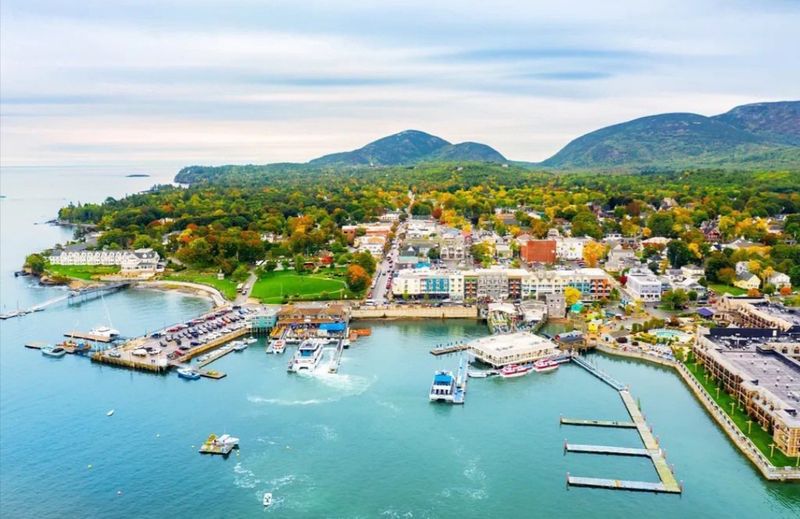
Maine has a dramatic stake in the time debate that most other states simply do not share. Sitting at the far northeastern corner of the country, Maine experiences some of the earliest winter sunsets in the entire continental United States, sometimes before 4 p.m.
Permanent DST would push that sunset an hour later, giving residents a bit more usable evening daylight during the bleakest months.
The state enacted legislation in 2019 favoring year-round daylight saving time, but Maine has never stopped wrestling with the question. Lawmakers have revisited the issue repeatedly, and in 2025 competing bills for both permanent DST and permanent standard time both failed to advance.
The debate is genuinely split because permanent standard time would protect early morning light, which matters for farmers, school kids, and anyone who commutes before sunrise.
Maine remains firmly in the 19-state group despite the ongoing back-and-forth. Its eastern geography makes the stakes feel especially personal for residents who watch the sun disappear in mid-afternoon during January.
Whatever Congress eventually decides will land with particular force in this corner of New England, where the clock and the landscape are in constant conversation.
Oregon

Oregon got creative in 2019 by passing permanent-DST legislation that applies only to the Pacific Time Zone portion of the state. Eastern Oregon runs on Mountain Time, so the law was carefully written to avoid creating a patchwork of conflicting schedules within state borders.
Even so, the situation is more tangled than it looks on a map.
Since passing that initial law, Oregon has had second thoughts. A 2025 bill proposed moving the Pacific Time Zone portion of the state to permanent standard time, but only if California and Washington followed suit.
That proposal failed, leaving Oregon in an interesting position: officially on record for permanent DST while its legislature actively explored the opposite direction.
Oregon’s evolving stance reflects a pattern visible across many states. The original push was almost entirely about ending the twice-yearly clock change, and voters and lawmakers are increasingly open to either permanent option.
The disagreement is not really about whether to stop changing clocks; most people agree on that part. The real fight is about which setting to land on, and Oregon has made clear it has not fully made up its mind yet.
Tennessee
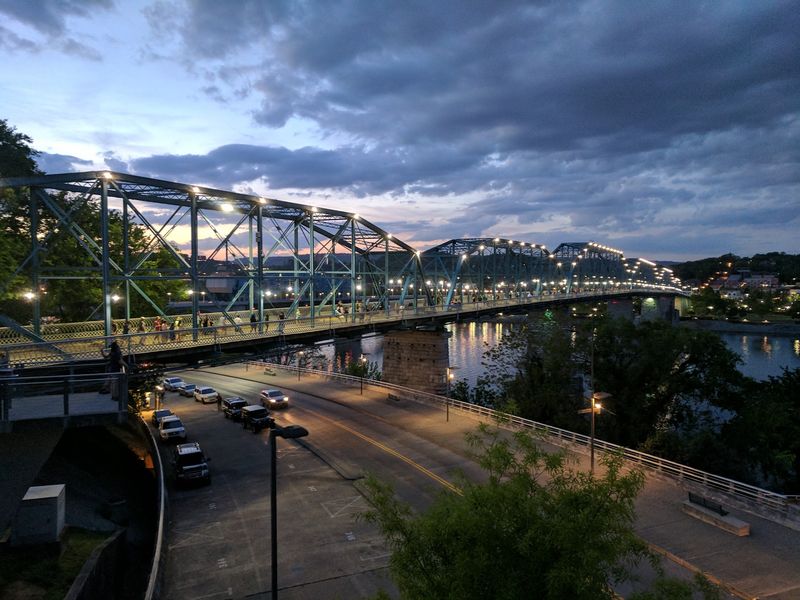
Tennessee is one of the quirkier entries on this list because the state actually spans two time zones, Eastern and Central, which means any time-policy change plays out differently depending on which side of the state you live on. The state enacted permanent-DST legislation in 2019, but the conversation has kept moving in unexpected directions ever since.
Fast-forward to 2026, and Tennessee lawmakers introduced a separate proposal that would instead place the state on year-round standard time beginning in March 2027. The National Conference of State Legislatures listed that bill as pending in its March 2026 update.
So Tennessee simultaneously has an older enacted law favoring permanent DST and a newer proposal pointing the opposite way.
That tension makes Tennessee a perfect example of why tracking state time legislation requires paying attention to both old statutes and current bills. An enacted law from 2019 does not mean the debate is settled.
The two-time-zone geography adds another layer of complexity, since residents in Memphis and residents in Knoxville would experience the same policy change very differently. Tennessee is officially in the 19-state group, but its internal debate is far from over.
Washington
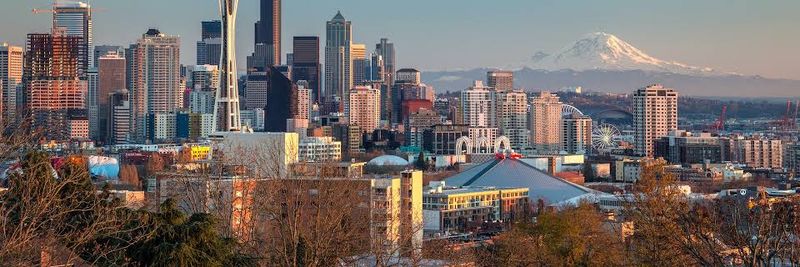
Washington state joined Oregon in 2019 with its own year-round daylight-saving law, making the Pacific Northwest an early regional bloc pushing for the same change. Like every other state on this list, Washington cannot activate the policy on its own because federal law still requires the seasonal clock change.
Residents keep adjusting their clocks twice a year while the law sits on the shelf.
The state has since reconsidered its position. In 2026, House Bill 2119 proposed moving Washington to permanent standard time, a change states already have legal authority to make without waiting for Congress.
The National Conference of State Legislatures listed that bill as pending in its March 2026 update, signaling that the permanent standard time option is gaining traction in Olympia.
Washington’s situation highlights the central tension in the whole national debate. Permanent daylight time means brighter evenings but darker winter mornings.
Permanent standard time means earlier sunrises but earlier sunsets. Neither option is universally popular, and the disagreement cuts across political lines.
Washington has a 2019 law favoring one direction and a 2026 bill pointing the other way, which pretty much captures where the country stands as a whole.
Idaho

Idaho’s 2020 permanent-DST law comes with a geographic asterisk. The legislation applies only to the portion of the state that runs on Pacific Time, which is mainly northern Idaho around the Panhandle region.
The rest of the state operates on Mountain Time, creating an already unusual setup that made a blanket statewide law impractical.
The state has since explored alternatives. In 2024, lawmakers debated a proposal that would have shifted parts of Idaho away from daylight saving time entirely if nearby western states made similar moves.
That measure failed, leaving Idaho in the 19-state group with its existing conditional legislation still on the books.
Idaho’s case is a reminder that time zones do not follow state lines neatly, and that reality shapes how lawmakers write time legislation. A one-size-fits-all approach does not work when half your state is already on a different clock.
The regional coordination requirement built into Idaho’s law reflects a practical attempt to avoid creating new confusion while trying to eliminate the old confusion of biannual clock changes. Idaho is in the club, but with conditions attached that make its path to permanent DST particularly dependent on what its neighbors decide to do.
Louisiana

Louisiana joined the permanent-DST movement in 2020, passing legislation that would lock in the summer clock setting year-round once Congress gives states the authority to do so. Until that federal permission arrives, Louisiana residents keep living by the standard schedule, gaining an hour in November and losing it again in March.
The state’s action was part of a notable burst of legislative energy that followed Florida’s 2018 trailblazing law. Across the country, state legislatures have collectively considered more than 800 bills and resolutions related to year-round daylight or standard time in recent years, according to the National Conference of State Legislatures.
That number alone tells you how widespread the frustration with clock changes has become.
Louisiana’s law reflects a straightforward position: stop changing the clocks and keep the extra evening daylight. The practical effects would be felt most sharply in winter, when sunrise under permanent DST would arrive noticeably later than it does now.
For a state that loves its outdoor culture and evening social life along the Gulf Coast, the trade-off of darker mornings for brighter evenings has clearly seemed worth it to enough lawmakers to pass the legislation.
South Carolina

South Carolina added its name to the permanent-DST list in 2020, joining a growing cluster of Southeastern states that wanted to stop the biannual clock shuffle. The legislation follows the same general pattern: it takes effect only after Congress changes federal law to allow states to stay on daylight saving time throughout the year.
The regional picture in the Southeast is striking. Florida, Georgia, Alabama, Tennessee, and South Carolina have all enacted permanent-DST measures, forming a solid bloc of states across the region.
Even with that collective momentum, none of them can make the switch independently because the federal Uniform Time Act still controls the rules.
That regional alignment actually matters for the policy argument. Synchronized timekeeping across the Southeast is critical for everything from interstate trucking schedules to college football broadcast times.
If one state jumped ahead while its neighbors stayed on the old schedule, the resulting time differences would create real headaches for businesses and commuters. South Carolina’s decision to tie its law to federal authorization rather than attempt a solo move reflects the understanding that time policy works best when neighbors are on the same page, literally.
Utah

Utah enacted its permanent-daylight-saving law in 2020, but the state added an extra layer by building regional conditions into the legislation. It is not enough for Congress to change federal law; Utah’s statute also requires corresponding action by surrounding states before the change kicks in.
That kind of regional trigger is particularly common among Mountain West states, where cross-border travel and commerce are everyday realities.
The Mountain Time Zone creates a specific set of trade-offs under permanent DST. Winter sunrises in Salt Lake City would shift noticeably later, meaning many commuters and school kids would be heading out in the dark for a longer stretch of the year.
On the flip side, winter evenings would hold onto daylight longer, which is appealing for outdoor recreation and after-work activities.
Utah currently follows the standard federal schedule, switching between Mountain Standard Time and Mountain Daylight Time each year. The enacted law keeps Utah counted among the 19 states, but the regional conditions mean it is not a simple on-off switch.
A federal green light alone would not be enough; Utah needs its neighbors on board too, making the path to permanent DST a genuinely collaborative process for this Rocky Mountain state.
Wyoming
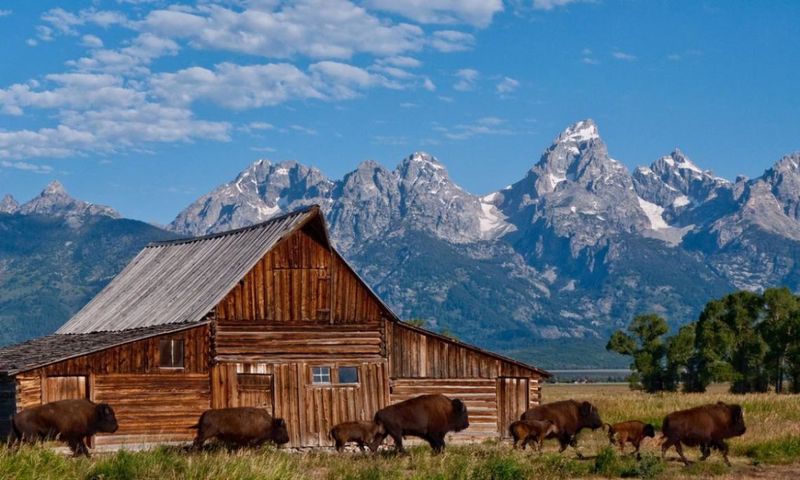
Wyoming passed its permanent-DST legislation in 2020, aligning itself with Utah in a coordinated Mountain West approach to ending seasonal clock changes. The law is conditional, requiring both federal authorization and regional agreement from neighboring states before Wyoming could permanently stay on the summer clock setting.
Here is a fact that surprises many people: Wyoming could legally switch to permanent standard time right now without waiting for Congress, just as Arizona and Hawaii already have. The Uniform Time Act gives states the option to opt out of daylight saving time entirely.
What states cannot do on their own is stay permanently on daylight time. That is the legal wall Wyoming’s enacted legislation is waiting to climb over.
The distinction between the two permanent options has real consequences at Wyoming’s latitude. Permanent DST in winter would push sunrise in Cheyenne past 8:30 a.m. during the darkest weeks of December.
That is a meaningful change for ranchers, school bus drivers, and anyone else whose morning routine depends on natural light. Wyoming’s law reflects a preference for evening daylight, but the regional conditions acknowledge that no single state in this part of the country can afford to be out of step with its neighbors.
Alabama
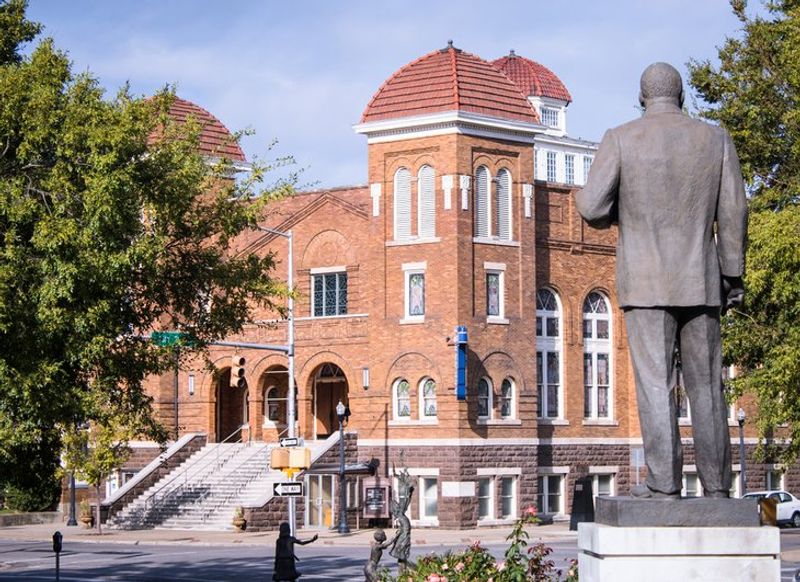
Alabama joined the permanent-DST club in 2021, grouping itself with a string of Southeastern neighbors all pushing for the same goal. The legislation is written to activate once Congress amends federal law to permit year-round daylight saving time, so Alabama residents are still resetting their clocks twice a year for now.
One point worth understanding clearly: permanent DST does not create more daylight. The sun rises and sets based on the Earth’s position, not the clock on your wall.
What permanent DST does is shift the clock so that both sunrise and sunset happen an hour later by the numbers during winter. For Alabama, that means winter evenings would stay lighter longer, but winter mornings would start in deeper darkness.
That trade-off sits at the center of the national debate, and supporters and critics have very different priorities. Fans of permanent DST point to safer evening commutes, more time for outdoor activities after work, and reduced energy use.
Critics worry about children waiting for school buses in the dark and the health effects of misaligned morning routines. Alabama’s law came down firmly on the pro-evening-daylight side, and the state has not wavered from that position since 2021.
Georgia
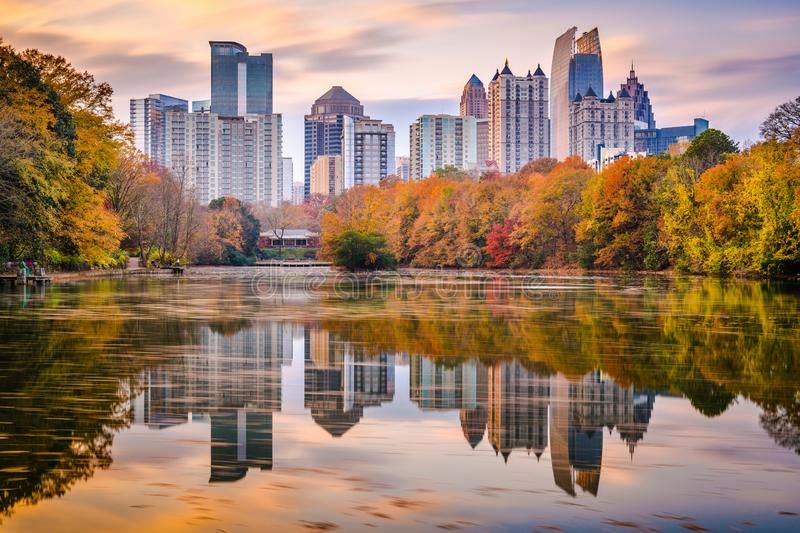
Georgia enacted permanent-DST legislation in 2021, rounding out a formidable Southeastern bloc that now includes Florida, South Carolina, Alabama, and Tennessee. The law is contingent on federal authorization, keeping Georgia on the standard biannual clock-change schedule until Congress acts.
Georgia did not stop there. In 2024, lawmakers introduced a bill that took a completely different approach, favoring permanent standard time if neighboring North Carolina, South Carolina, and relevant portions of Florida and Tennessee made the same move.
That proposal failed, but its existence tells an important story about how the debate has evolved since 2021.
The question in many state legislatures has shifted from whether to stop changing clocks to which permanent setting makes more sense. Permanent standard time aligns clocks more closely with natural solar time, meaning noon actually falls closer to when the sun is at its highest point.
Permanent DST stretches evening daylight but pushes solar noon later in the day. Georgia’s competing proposals from 2021 and 2024 show a legislature genuinely wrestling with both sides of that argument, even if the earlier enacted law officially keeps the state in the permanent-DST column for now.
Minnesota

Minnesota enacted legislation supporting permanent daylight saving time in 2021, adding a Midwestern voice to what had been mostly a Southern and Western conversation. Like every other state on this list, the law cannot take effect until Congress changes the federal rules that currently require the seasonal clock change.
Minnesota later considered a creative workaround. Lawmakers looked at a proposal that would temporarily move the state to year-round standard time, which is already federally legal, as a bridge until permanent daylight time became available nationally.
The idea was to stop the clock-change disruption immediately using the legal tool already available, then switch to permanent DST once Congress acted. That approach did not advance, and Minnesota has stayed on the conventional seasonal schedule.
Hawaii and most of Arizona have already taken the permanent standard time route, opting out of daylight saving time entirely under existing federal authority. Minnesota considered a similar path as a stopgap but ultimately held off.
The state sits far enough north that the difference between summer and winter daylight hours is dramatic, making the stakes of any permanent time decision particularly noticeable for residents. Minnesota remains officially in the 19-state group, waiting alongside the others for the Senate to make its move.
Mississippi

Mississippi enacted permanent-daylight-saving legislation in 2021, adding another Southern state to the growing list. The law waits for federal authorization just like the others, leaving Mississippi residents on the standard spring-forward, fall-back schedule that most of the country follows.
The issue kept coming back to the state legislature. In 2026, House Bill 279 proposed making daylight saving time Mississippi’s permanent year-round standard once federal law was amended, but the National Conference of State Legislatures records that measure as failed.
A new bill failing does not erase the older enacted law, however, and Mississippi stays counted among the 19 states because of the 2021 statute still on the books.
Mississippi’s situation is a useful civics lesson in how state law works. A conditional statute that has not yet taken effect can remain legally valid for years while newer bills on the same topic come and go.
The 2026 failure was essentially an attempt to reaffirm or update existing policy, not to create it from scratch. Mississippi’s position in the permanent-DST group is secure for now, even if the legislature keeps revisiting the question.
The state is clearly not done talking about what time it wants to be.
Montana

Montana approved its permanent-DST policy in 2021, joining a Mountain West group that already included Utah and Wyoming. The legislation requires both federal authorization and regional coordination before Montana could stay on daylight time year-round, reflecting the same careful approach used by its neighbors to the south.
Montana later explored going the other direction. A 2025 proposal would have authorized the state to stay on standard time throughout the year, taking advantage of the legal authority that already exists under federal law.
The National Conference of State Legislatures lists that effort as failed, so Montana continues switching between Mountain Standard Time and Mountain Daylight Time each year.
Northern states like Montana face a particularly stark version of the permanent-time trade-off. Permanent DST would push winter sunrises in Helena past 9 a.m. during the darkest weeks of December, which is a long time to wait for the sun when temperatures are well below freezing.
Permanent standard time would preserve those early morning risings but pull summer sunsets earlier than residents currently enjoy. Montana’s legislature has now considered both options seriously, which suggests the state has not fully settled on which trade-off it prefers, even while its 2021 law keeps it officially in the permanent-DST column.
Colorado
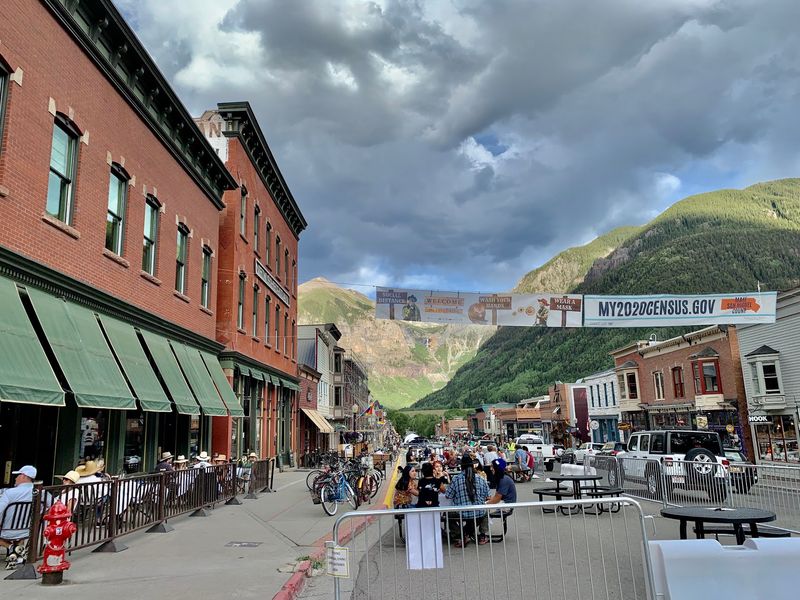
Colorado joined the permanent-DST group in 2022, expanding the Mountain West bloc to include Utah, Wyoming, Montana, and now Colorado as well. The enacted legislation supports year-round daylight saving time once Congress authorizes the change and specified regional conditions are satisfied.
Colorado cannot make the switch unilaterally under current federal law.
The timing of Colorado’s law is worth noting. By 2022, the movement had been building for four years since Florida’s original 2018 act, and momentum was clearly still growing.
Colorado’s inclusion brought a major population center, the Denver metro area, into the permanent-DST camp, adding economic and political weight to the regional push.
The federal picture got significantly more interesting in 2026. The U.S.
House passed the Sunshine Protection Act on July 14 by a vote of 308 to 117, an unusually lopsided margin that signals broad bipartisan support. The bill arrived in the Senate two days later and was referred to the Commerce, Science and Transportation Committee.
If the Senate acts, Colorado and the other 18 states on this list could finally see their conditional laws become operational, ending years of waiting and the twice-yearly clock-change ritual that started this whole conversation.
Oklahoma

Oklahoma came to the party fashionably late, enacting Senate Bill 1200 in April 2024. The law allows daylight saving time to become Oklahoma’s official year-round time standard once federal legislation authorizes states to make that choice.
It is the same conditional structure used by most of the other 18 states, triggered by congressional action rather than state authority alone.
Oklahoma has not been quiet since then. In 2025, lawmakers considered repealing the provision entirely, and in 2026 a separate proposal sought to establish permanent standard time instead.
The National Conference of State Legislatures listed that 2026 measure as pending in its March update. Oklahoma is therefore a state where the enacted law and the active legislative debate are pointing in different directions at the same time.
That rapid evolution shows how quickly political momentum around time policy can shift. Oklahoma passed a permanent-DST law in 2024 and was already debating a reversal by 2025.
The underlying desire to stop changing clocks is consistent across both camps; the disagreement is purely about which permanent setting to choose. Oklahoma’s enacted statute keeps it in the 19-state group, but its legislature is clearly still working through which side of the argument it finds most convincing.
Texas

Texas is the newest member of the permanent-DST group, passing House Bill 1393 in 2025. Lawmakers gave the policy the memorable nickname Texas Time, framing it as a declaration of the state’s preference for year-round daylight saving time once federal law permits the change.
Given that Texas is famously enthusiastic about doing things its own way, the branding feels entirely on point.
The law accounts for Texas’s geographic size by preserving the existing time zone split. Most of Texas runs on Central Time, while a slice of far west Texas near El Paso operates on Mountain Time.
House Bill 1393 keeps those distinctions intact while eliminating the seasonal rollback for both zones, so the state avoids creating new internal time conflicts.
Texas cannot activate the law yet, and the next major decision rests entirely in Washington. The House-approved Sunshine Protection Act would make daylight saving time the permanent national standard, but as of September 23, 2026, the Senate has not passed it.
The bill sits in the Senate Commerce Committee, where it has been since July 16. Texas joined the group last, but if the Senate acts, it will cross the finish line at the same time as all 18 states that came before it, finally putting an end to the clock-changing era.
Share this story