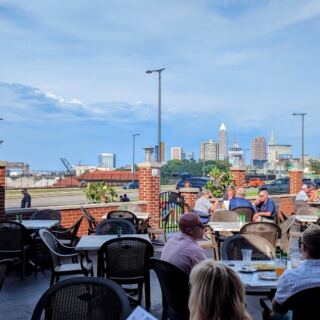
I pulled off a long Oregon drive for a quick lunch and ended up doing math on a napkin instead. Somewhere between the sandwich and the second refill, it hit me that this quiet city might let a person live on roughly $1,300 a month for rent, utilities, and groceries.
In a state where housing costs can feel like a second job, that number sounds almost made up. Stick around, because most Oregonians drive right past this place without a second glance.
A County Seat Near Oregon’s Southern Edge
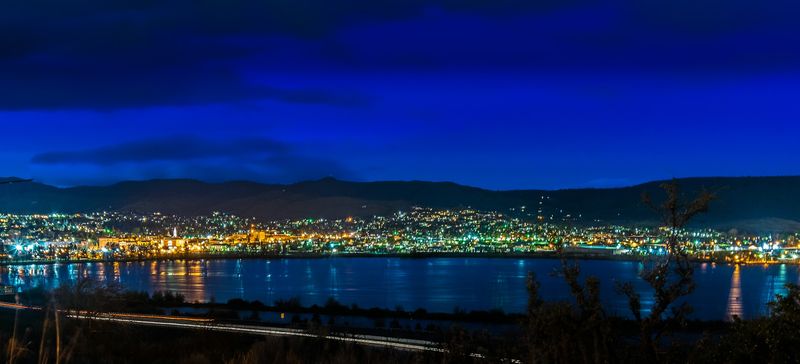
Picture a pin dropped near the bottom of the Oregon map, not far above the California line, and you have found Klamath Falls. It sits at roughly 42.22 degrees north, a spot many Portland and Willamette Valley folks only know as a name on a highway sign.
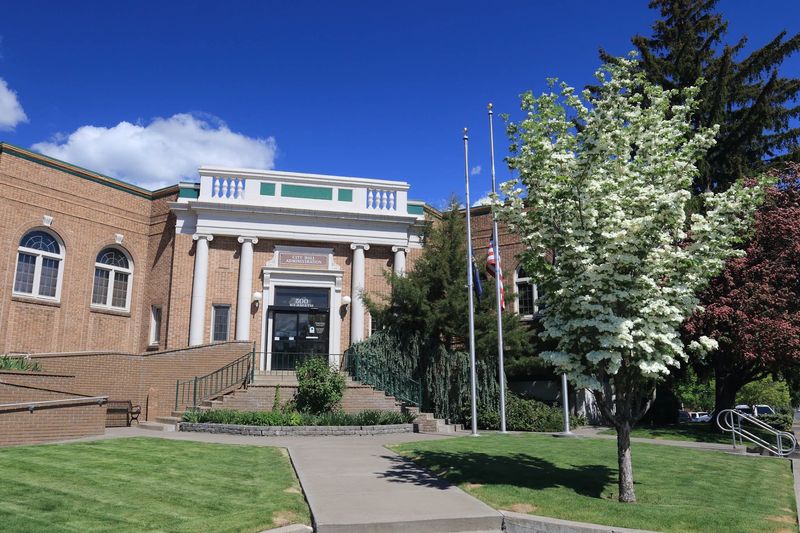
Far from a sleepy crossroads, though, the city serves as the county seat of Klamath County. That means county offices and the everyday business of a whole region funnel through its streets.
Residents get the feel of a hub without the price tag of a big metro.
So why the budget buzz? Cities anchored by steady local government and a smaller population often keep living costs gentler than the famous spots up north.
Around $1,300 a month for the basics is the figure that keeps coming up, and the rest of this guide unpacks what that might look like in real life.
From Linkville to Klamath Falls
Did you know the city once answered to an entirely different name? Back in 1867, a settler named George Nurse founded the town and called it Linkville.
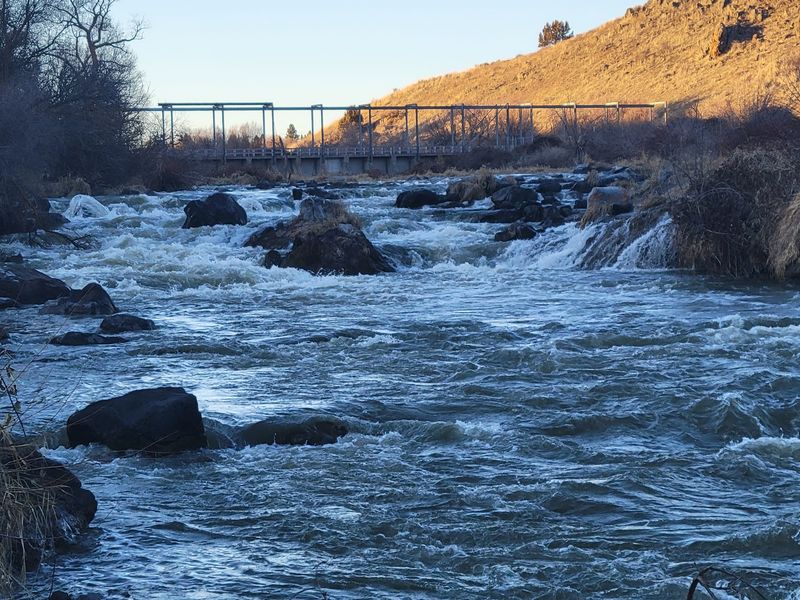
The label came straight from the Link River, the waterway whose falls gave the settlement its reason to exist.
For more than two decades, Linkville it stayed. Then in 1893 the town officially became Klamath Falls, trading a simple river reference for a broader identity tied to the region and the falls themselves.
Locals who know the backstory still enjoy dropping the old name into conversation like a little inside joke.
History like that matters for budget seekers too. Older towns often have established neighborhoods and housing that has been around long enough to settle into reasonable prices.
You are not paying a premium for shiny newness here. Instead, you are buying into a place with roots reaching back more than 150 years.
Life Beside the Link River Falls
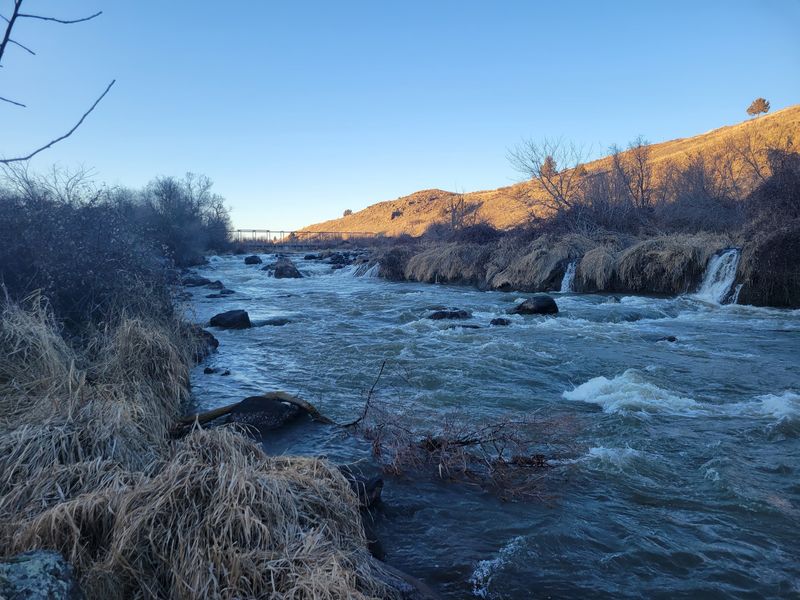
Water shaped everything here. The founders sited their settlement right on the falls of the Link River, and that choice still defines the city’s sense of place today.
For newcomers, living close to moving water brings a certain calm that is hard to put a price on, and here it does not seem to come with a luxury markup. Morning strolls, quiet evenings, and that crisp southern Oregon air can become part of the daily routine rather than a weekend splurge.
Plenty of people who move to cheaper towns worry they will trade scenery for savings, but this setting suggests you might not have to.
Seasons swing noticeably in this part of the state. Spring invites road trips, summer days stretch long, fall turns cozy, and winter settles in with a hush.
Each shift gives the riverside a fresh mood, and none of them arrive with tourist crowds elbowing in.
Rent That Leaves Room to Breathe
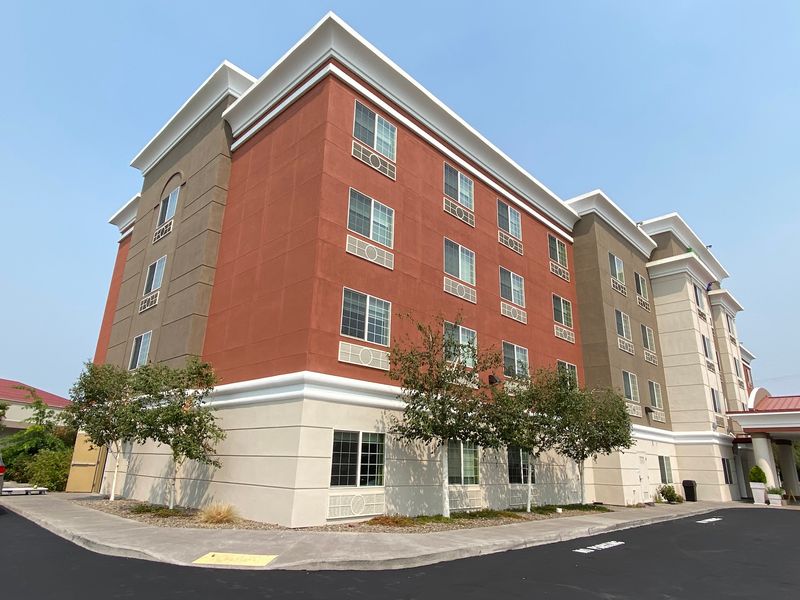
Here is the part everyone wants to hear about: housing. When a monthly budget of about $1,300 is expected to cover rent, utilities, and groceries together, rent naturally claims the biggest slice.
That total would barely touch a studio in many Oregon metros.
Exact numbers shift with the market, the neighborhood, and the size of the unit, so treat any estimate as a starting point rather than a promise. Still, the math suggests renters here may find modest apartments or small homes that fit a tight plan.
For retirees, remote workers, and young people just starting out, that breathing room can change everything.
A smart move is to check current listings before committing. Prices in smaller cities can creep up once word gets out, and Klamath Falls has stayed a bit of a secret so far.
Getting in while the quiet lasts could be the savviest housing decision you make this year.
Stretching Groceries and Utilities
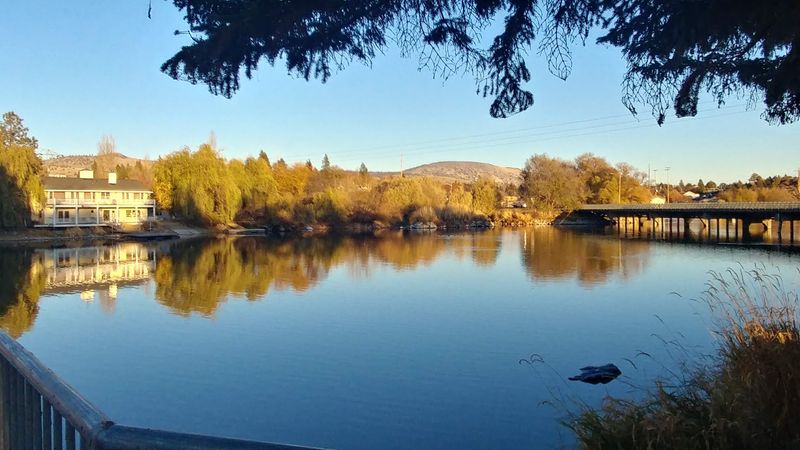
Groceries and utilities are where small budgets either hold together or fall apart. Once rent is settled, the remainder of that roughly $1,300 has to stretch across power, water, heat, and a well-stocked fridge.
Cooking at home is the easiest lever to pull. Planning meals around simple staples, buying in bulk when it makes sense, and leaning on seasonal produce can keep a weekly grocery run surprisingly lean.
Think steaming pots of soup when the air turns cold and crunchy salads when summer rolls in.
Utilities call for a bit of strategy, especially in a place with real winters. Sealing drafty windows, layering up indoors, and keeping an eye on the thermostat may help trim heating costs during the chilliest months.
Bills vary a lot based on home size and habits, so asking a landlord about typical monthly costs before signing is a friendly, practical habit that heads off surprises later.
An Easygoing Pace and the People It Suits
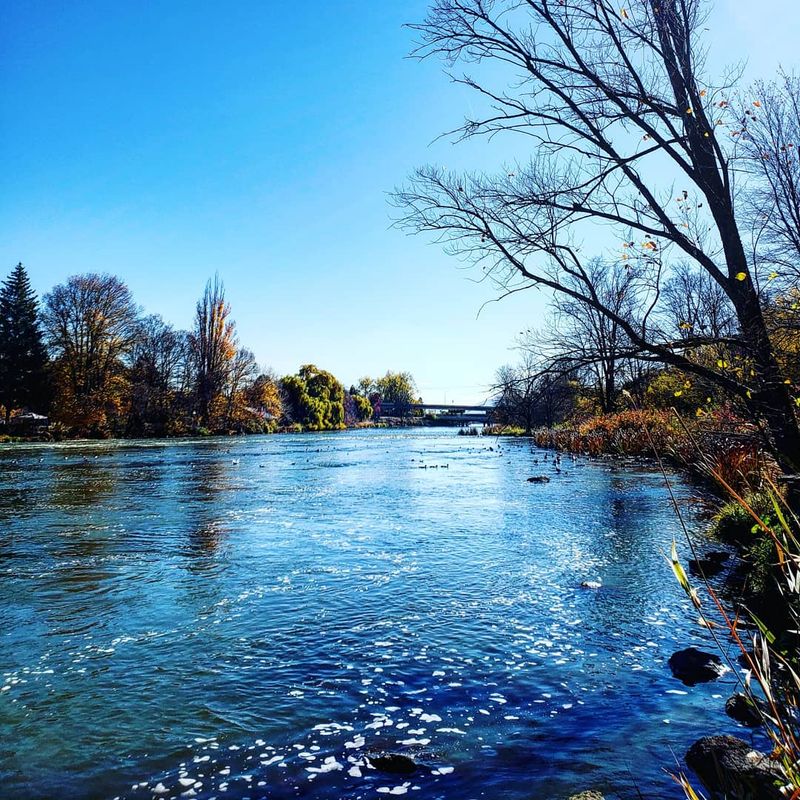
Not everyone wants a city that never sleeps. Some of us want one that says good morning at the counter and remembers our face by week three.
Klamath Falls leans toward that relaxed rhythm. As a county seat with deep history, it offers the everyday essentials of a regional center while keeping a slower, small-city pace.
Packed sidewalks and constant rush tend to be less of a factor than in bigger metros, which is exactly what draws a certain kind of Oregonian.
Who tends to thrive here? Retirees stretching a fixed income, remote workers who mainly need a quiet desk, and families hoping to put money toward savings instead of sky-high rent.
Outdoorsy types who love the idea of a river running through town will feel right at home too. If buzzing nightlife and trendy boutiques top your wish list, a bigger city might suit you better, and that honesty is part of the charm.
Planning a Scouting Trip
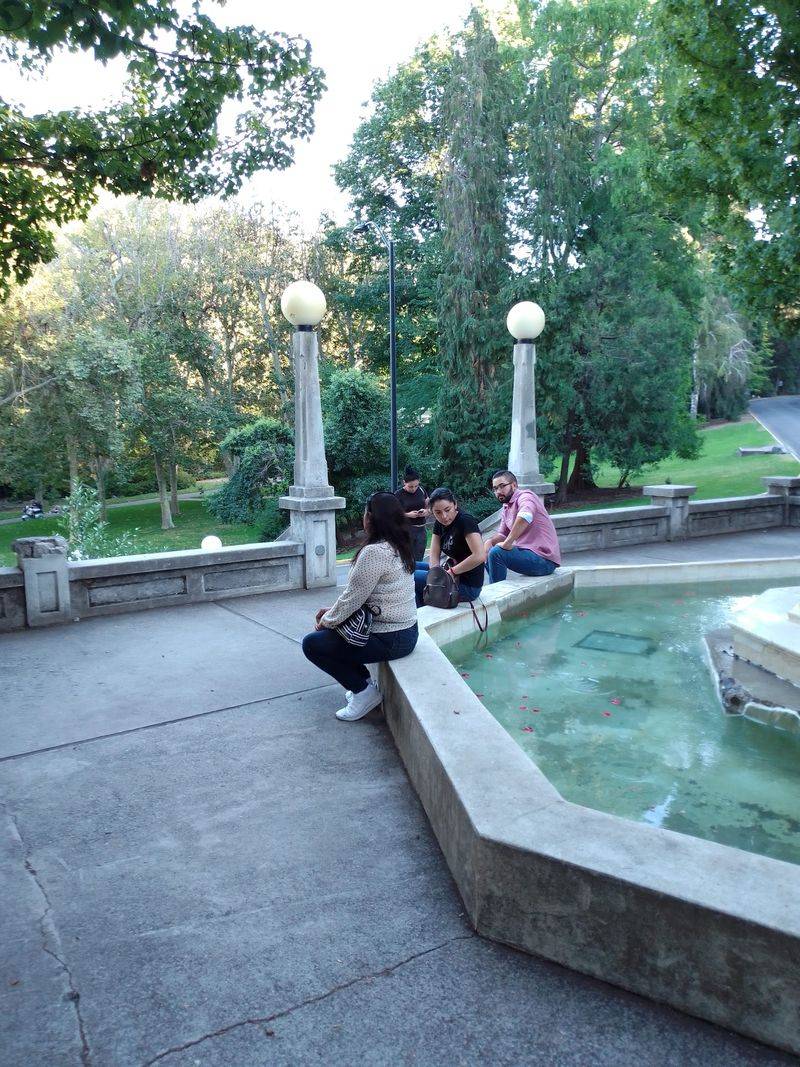
Before renting a moving truck, take a scouting trip. Seeing a place in person beats any spreadsheet, and Klamath Falls rewards a slow, curious visit.
Start with the official city website at ci.klamath-falls.or.us, the best source for current information on city services and local updates. Pair that with a look at rental listings and utility providers so your budget reflects today’s numbers rather than older estimates.
Map lovers can plot the city near coordinates 42.2249, -121.7817, handy for planning the drive.
Timing matters too. Visiting in spring or fall gives a realistic feel for daily life without the extremes of peak summer or deep winter, and crowds stay thin.
Spend a day cruising through different neighborhoods, pop into a local grocery store to compare prices, and chat with a few residents. Those small conversations often reveal more than any online guide ever could.
A Quiet Case for Southern Oregon Living
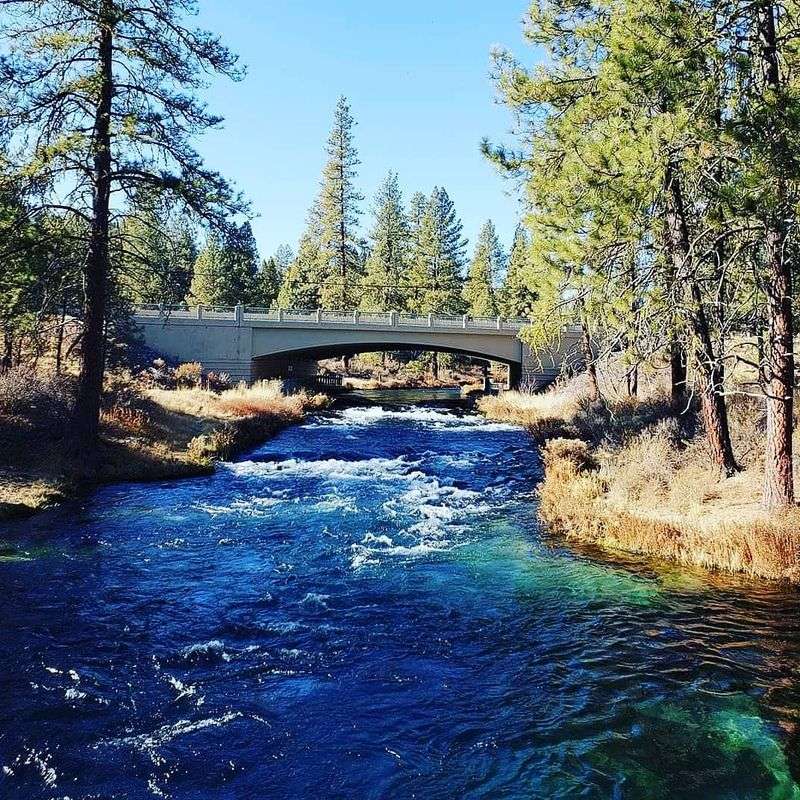
Call it a hunch, but Klamath Falls feels like one of those places Oregonians will be talking about more in a few years. For now, it remains refreshingly under the radar.
A monthly budget near $1,300 for rent, utilities, and groceries will not fit every lifestyle, and costs can shift over time. Yet the blend of a historic county seat, a river setting that gave the town its very name, and a gentler pace makes a compelling case.
From its Linkville beginnings in 1867 to its renaming in 1893, the city has always seemed practical at heart.
If rising costs elsewhere in the state have you feeling squeezed, a weekend visit might be the most useful trip you take all year. Stroll by the Link River, crunch some numbers over lunch, and see how it feels.
You may drive home with a brand new plan tucked in your pocket.
Share this story