Some clothing brands charge prices that look more like car payments than shopping receipts. Rare materials, expert hand work, and long histories all help explain those tags.
Knowing what sits behind the price can make you a smarter shopper, even if you never buy a thing. Here are fifteen luxury names from France, Italy, and the United States, listed in order.
1. Hermès – France
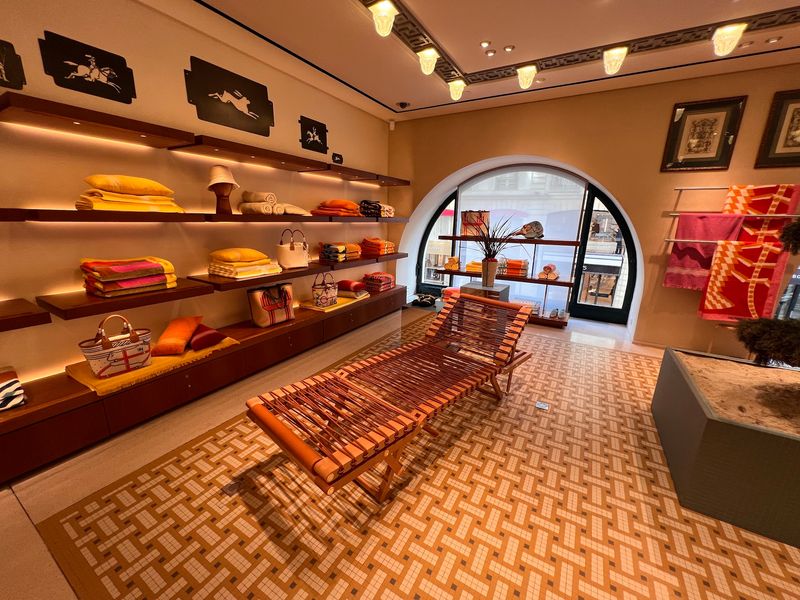
A single Hermès Birkin bag can take a skilled artisan about eighteen hours to stitch by hand. That slow pace is a big part of why the brand sits at the top of most luxury lists.
Founded in Paris in 1837, it started out making harnesses for horses.
Today the company is known for leather goods, silk scarves, watches, and ready-to-wear clothing. Each piece is made in French workshops, and many craftspeople stay with the company for decades.
Bags are often sold in limited numbers, so customers may wait months or even years.
Prices for a Birkin or Kelly bag often start in the five-figure range, and rare versions made with exotic skins can sell for far more at auction. Because demand stays high, many Hermès items hold their value remarkably well.
Some even sell for more on the resale market than they cost in the store.
2. Chanel – France
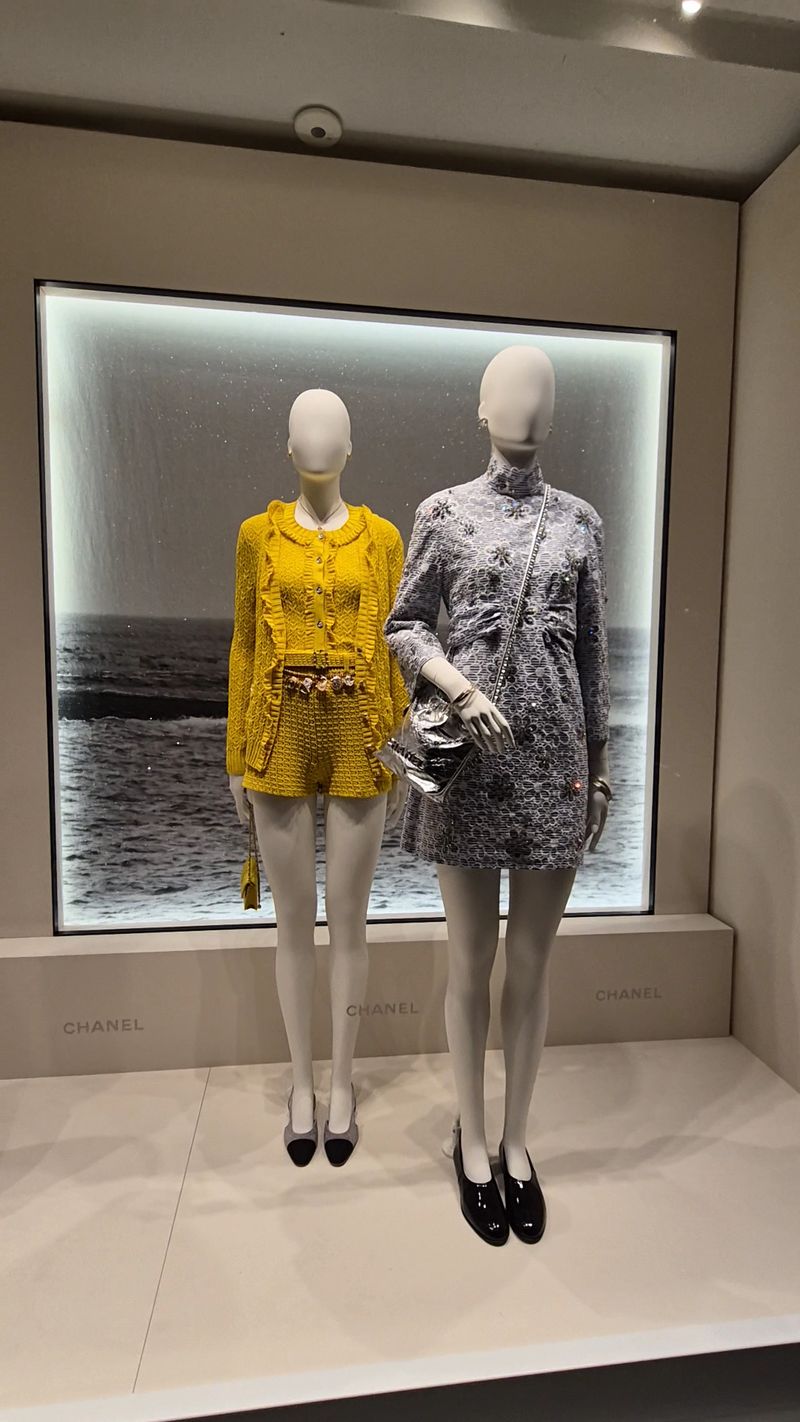
Few outfits are as easy to spot as a boxy Chanel tweed jacket trimmed with braid. Gabrielle Chanel opened her first hat shop in Paris in 1910 and went on to change how women dressed.
She freed them from stiff corsets and introduced simple, comfortable shapes.
The brand now covers couture gowns, handbags, shoes, jewelry, and perfume. Its Haute Couture pieces are sewn by hand in Paris, and a single gown can need hundreds of hours of work.
Beading and embroidery are done by specialist workshops that Chanel owns.
Prices have climbed steadily in recent years. The classic flap handbag now costs well over ten thousand dollars in many markets.
Even so, shoppers line up for it, because the design has barely changed in decades and is seen as a long-term keepsake.
3. Louis Vuitton – France
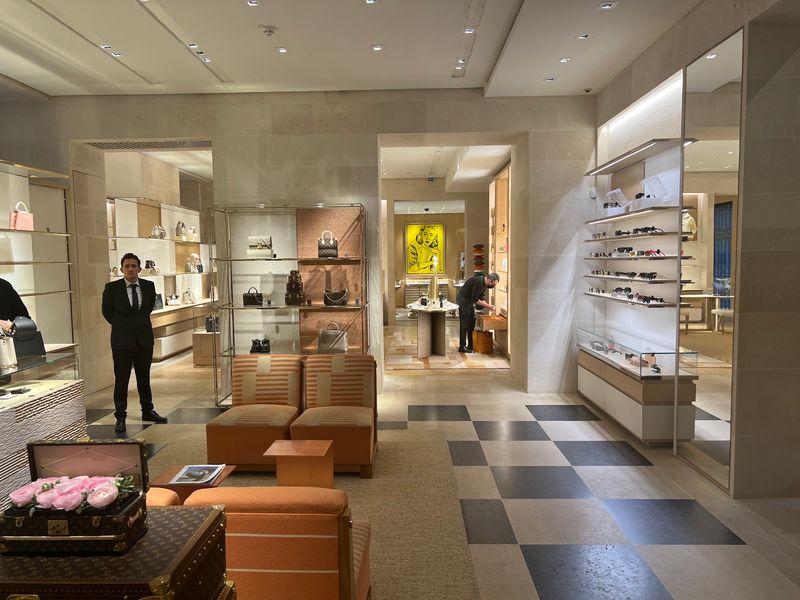
Back in 1854, Louis Vuitton opened a shop in Paris selling sturdy travel trunks. Their flat tops made them easy to stack on trains and ships, which set them apart from the rounded trunks of the time.
That practical idea grew into a global fashion empire.
The famous monogram pattern appeared in 1896 and was partly meant to stop copycats. Today it appears on bags, luggage, shoes, belts, and ready-to-wear collections.
Many travel pieces are still made by hand in French workshops.
Prices range from several hundred dollars for small accessories to tens of thousands for custom trunks and limited runs. The brand also works with artists and designers, and these collaborations often sell out fast.
Part of the cost reflects the name, but part also reflects durable materials and careful construction.
4. Loro Piana – Italy
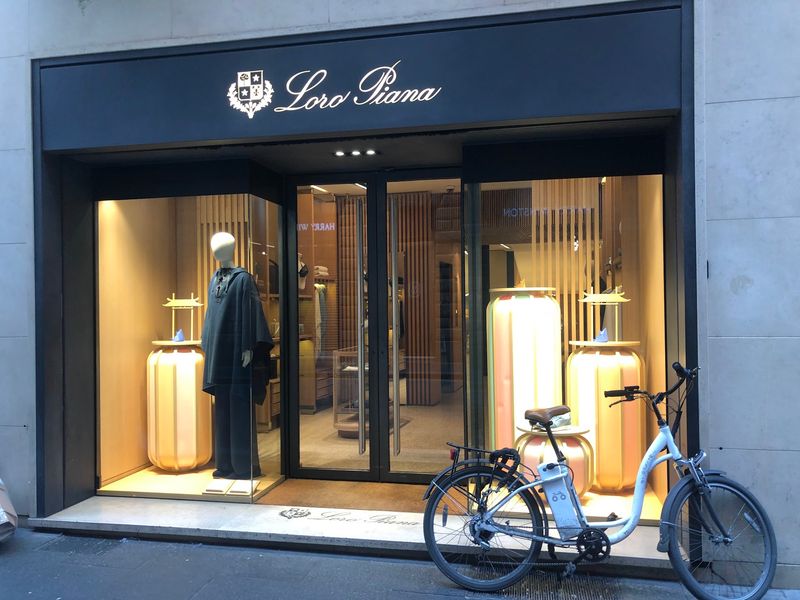
Touch a Loro Piana sweater and the first thing you notice is how soft it feels. The Italian family company has worked with wool since the early 1800s, and it is famous for sourcing some of the finest fibers on Earth.
Its cashmere comes from goats in Inner Mongolia.
The brand is best known for vicuña, a fiber from a small Andean animal. Vicuñas are shorn only once every few years, and each animal gives very little wool.
That rarity is why a vicuña coat can cost tens of thousands of dollars.
Loro Piana does not rely on loud logos. Its style is called quiet luxury, where the quality of the cloth speaks for itself.
Customers tend to be people who value comfort, subtle colors, and clothing that lasts for many years.
5. Brunello Cucinelli – Italy
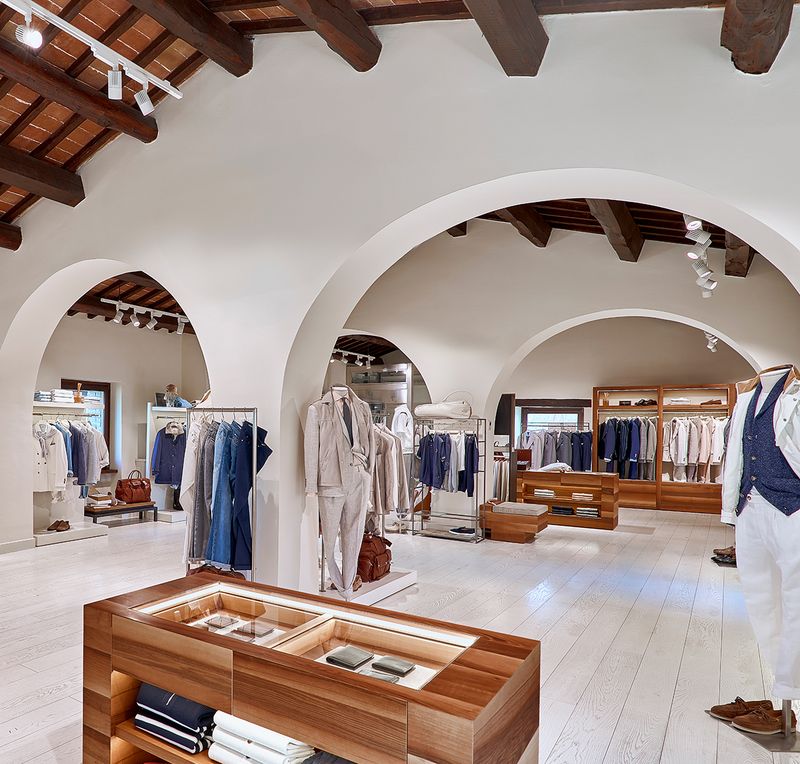
Deep in the hills of Umbria sits a restored medieval village called Solomeo, and it is the home of Brunello Cucinelli. The founder began in 1978 by dyeing cashmere sweaters in bright colors.
He later built a company that treats its workers as partners.
Employees take real lunch breaks, work in bright, pleasant spaces, and are paid above industry averages. Cucinelli says this respect shows up in the quality of the clothes.
Pieces are cut and finished by hand in Italy.
The look is soft, neutral, and relaxed, often in shades of beige, gray, and cream. A cashmere sweater can run well over a thousand dollars, while suits and coats cost much more.
Buyers are paying for fine fabric, careful tailoring, and a calm, understated style.
6. Dior – France
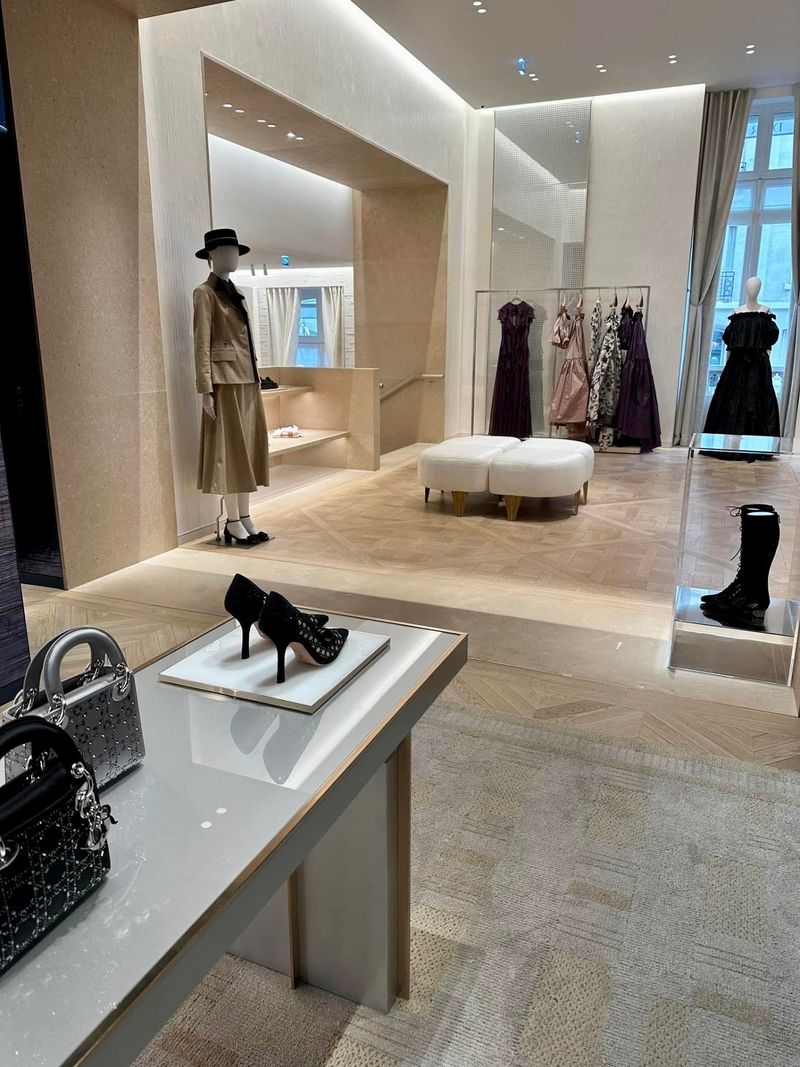
When Christian Dior showed his first collection in 1947, a magazine editor called it the New Look. Skirts were full, waists were tiny, and fabric was used in great amounts.
After years of wartime shortages, people were stunned and delighted.
The house has stayed close to the idea of elegant, feminine shapes ever since. Dior sells couture gowns, ready-to-wear, handbags, perfume, and makeup.
The Lady Dior bag, named after Princess Diana, remains one of its best-known designs.
Couture dresses are made by hand in Paris ateliers, often with embroidery that takes weeks to finish. Prices for gowns can reach six figures.
Even a basic Dior handbag can cost several thousand dollars, a price tied to both craftsmanship and the weight of the famous name.
7. Kiton – Italy
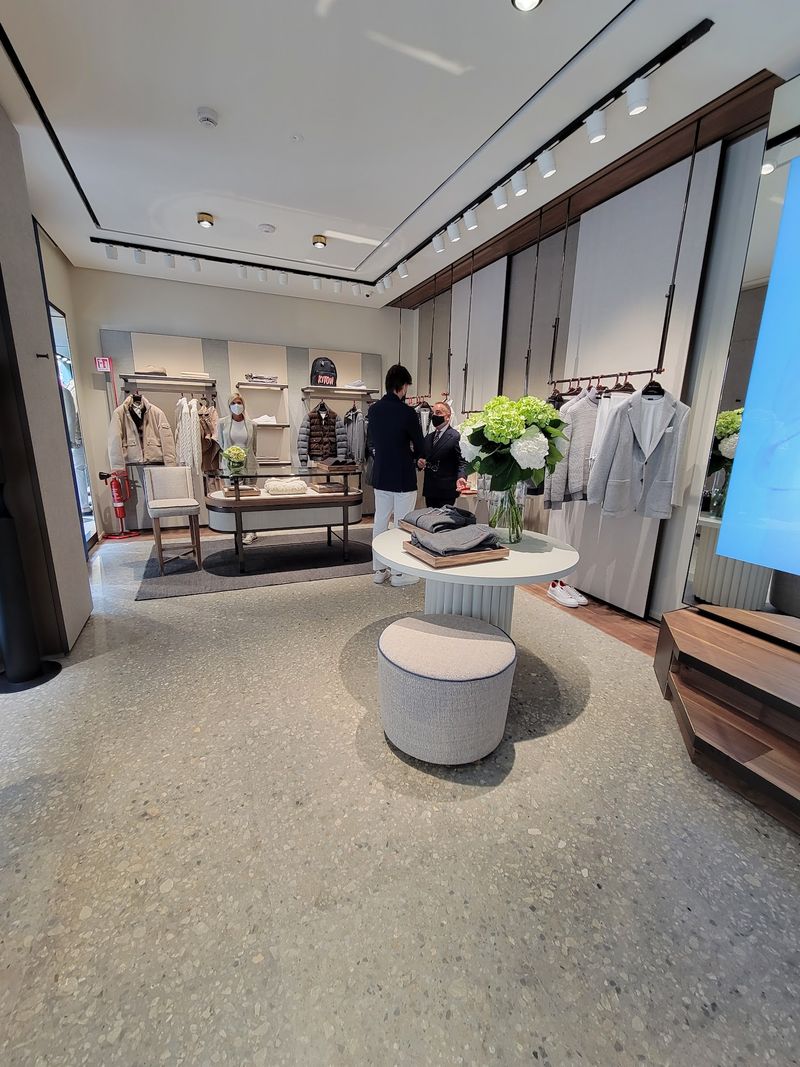
At Kiton, a single suit can pass through the hands of many tailors, and the work is almost entirely done without machines. The company was founded in Naples in 1968 by Ciro Paone.
Its name comes from the Greek word for tunic.
Neapolitan tailoring is known for soft shoulders and light construction, which let a jacket feel almost like a cardigan. Kiton runs its own tailoring school to train new workers.
A jacket can take around twenty-five hours to complete.
The fabrics are among the finest available, including cashmere, vicuña, and rare wools. Suits often start at several thousand dollars and can climb past ten thousand, with a few special pieces costing much more.
Fans of the brand say the comfort and fit are unlike anything off the rack.
8. Stefano Ricci – Italy
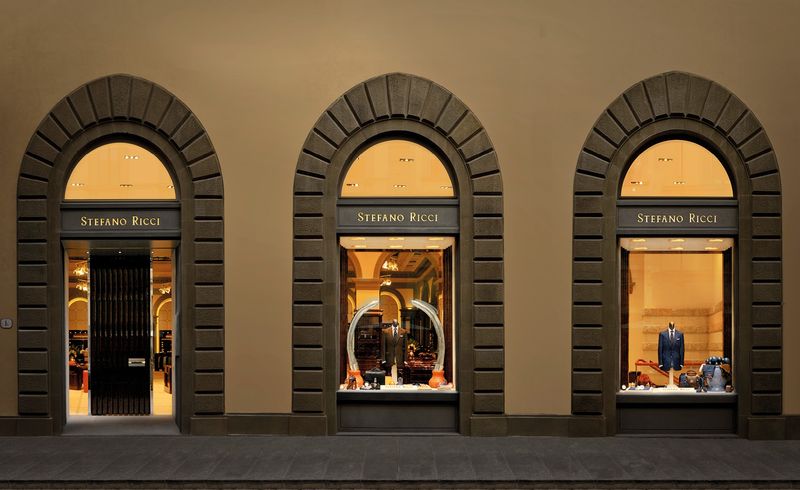
Gold-plated eagles on a necktie might sound over the top, but that is just the kind of detail Stefano Ricci is known for. The label began in Florence in 1972 with a small collection of ties.
It has since grown into a full menswear house.
The eagle is the company symbol and shows up on buttons, buckles, and accessories. Silk for the ties and shirts is woven in Italy, and many items are finished by hand.
Ricci also uses unusual materials such as crocodile leather and rare furs.
This is a brand aimed at customers who want a bold, polished image. A tie can cost several hundred dollars, while a crocodile jacket may be priced in the tens of thousands.
The company often dresses business leaders, athletes, and heads of state.
9. Brioni – Italy
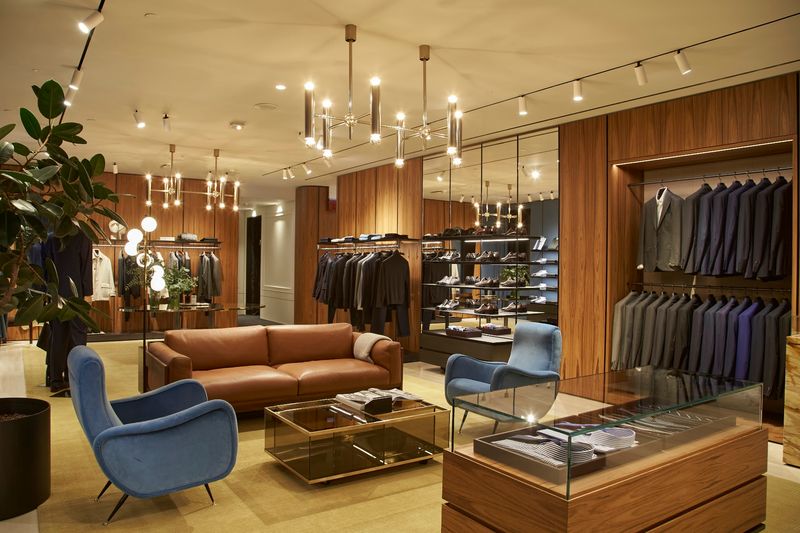
Long before streaming shows and film premieres, Brioni was already dressing movie stars. Founded in Rome in 1945 by Nazareno Fonticoli and Gaetano Savini, the label held the first men’s fashion show in Italy in 1952.
That event helped put Italian tailoring on the world map.
Brioni later became linked with film and spy stories, as several well-known actors wore its suits on screen. The company still trains tailors in its own school in Penne, Italy.
A single suit may take over a hundred steps and many hours of handwork.
Customers can order made-to-measure pieces in fine wools and silks. Ready-made suits often cost five thousand dollars or more, and bespoke ones go higher.
The reputation rests on precise fit, soft structure, and a classic look that avoids passing trends.
10. Zegna – Italy
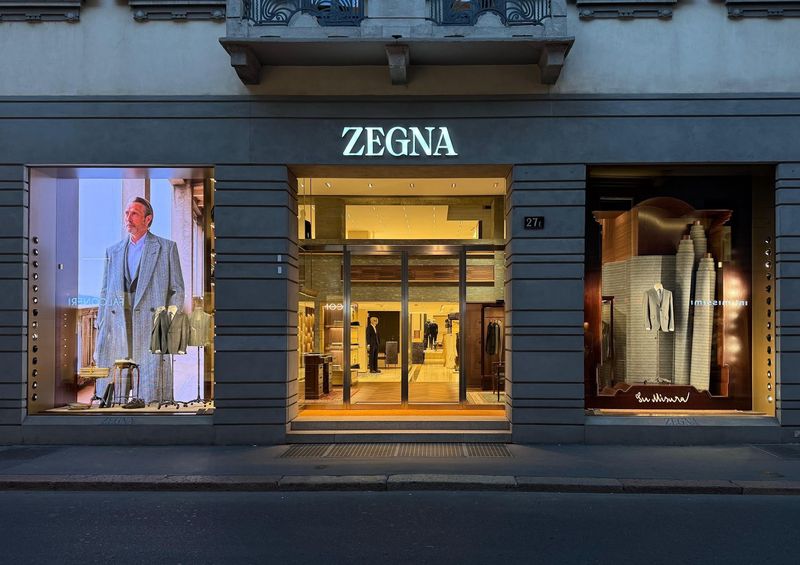
Ermenegildo Zegna started out in 1910 as a small wool mill in the Italian Alps, and the family still runs the company today. Controlling the whole process, from raw fiber to finished suit, has always been its strength.
That approach is called vertical integration.
The company even runs a nature reserve called Oasi Zegna, which covers a large area near its mills. It also buys wool directly from farms, rewarding growers who produce very fine fibers.
Its fabrics are used by many other fashion brands too.
Zegna suits are known for clean lines and modern fabrics, including lightweight travel wools. Prices for a ready-to-wear suit often begin around three thousand dollars.
Made-to-measure and high-end lines cost more, reflecting the careful sourcing and Italian production.
11. Tom Ford – United States

Tom Ford made his name by reviving Gucci in the 1990s, and he launched his own label in 2005. The brand is based in the United States, though much of its clothing is made in Italy.
Its style is sharp, sleek, and glamorous.
Menswear is the core of the business, especially tuxedos and tailored suits with strong shoulders. Ford also sells shoes, eyewear, perfume, and makeup.
His sunglasses and fragrances are often a first step into the brand for many shoppers.
Suits generally start around five thousand dollars, and special leather or evening pieces cost far more. Part of the price covers Italian fabrics and careful finishing.
Part is tied to the polished image of the founder, who also directed films and became a well-known cultural figure.
12. Giorgio Armani – Italy
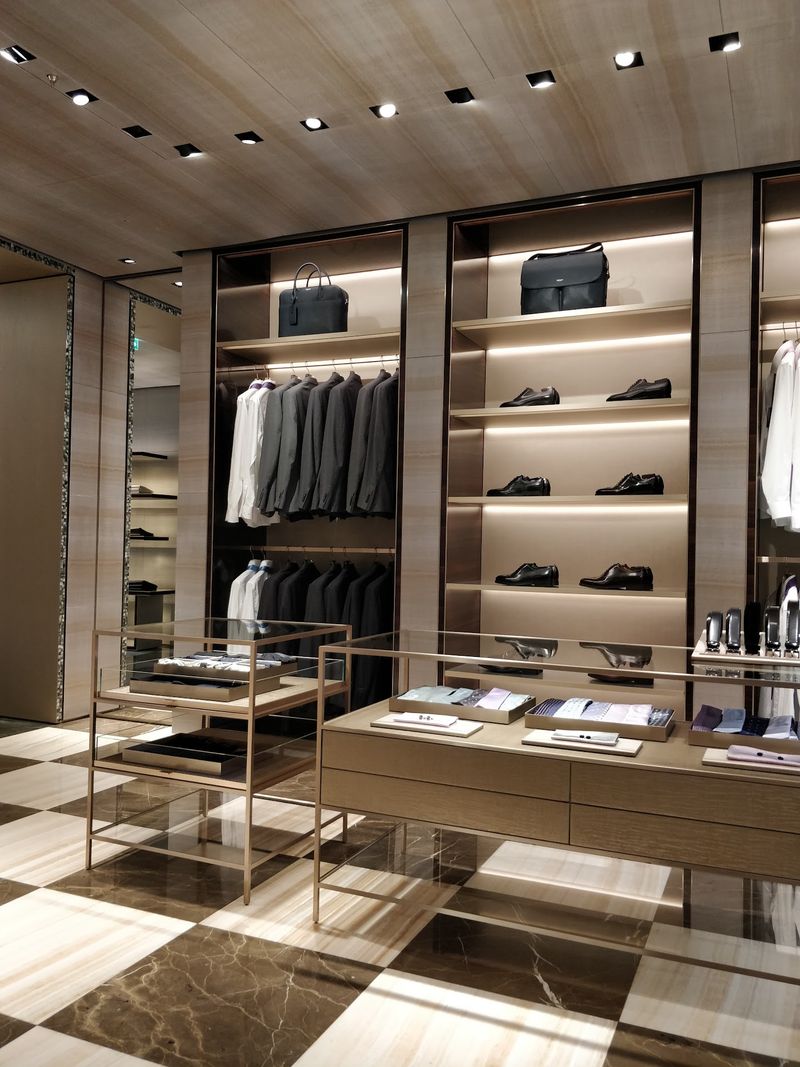
The soft, unstructured jacket was once a bold idea, and Giorgio Armani helped make it popular. He founded his company in Milan in 1975 after working in menswear and retail.
His relaxed suits changed how professionals dressed.
A breakthrough came in 1980 when actor Richard Gere wore Armani in the film American Gigolo. The look spread quickly across the United States.
Armani then expanded into womenswear, perfume, home furnishings, and even hotels.
The Giorgio Armani label is the top-priced line within a wider family of brands. Its suits and evening gowns often cost thousands of dollars, and fabrics are chosen for drape and comfort.
The palette leans toward greige, a mix of gray and beige, which became a signature of the house.
13. Valentino – Italy
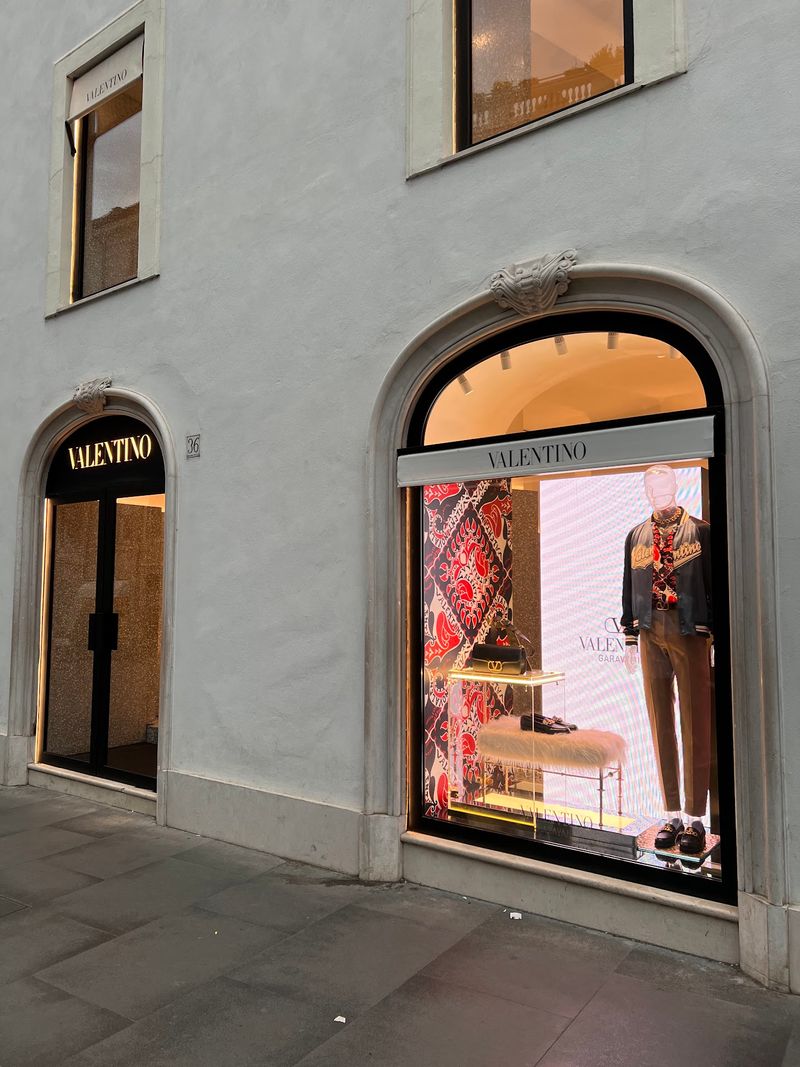
There is even a shade named after this house: Valentino Red. Valentino Garavani opened his label in Rome in 1960, and his dramatic red gowns soon became his trademark.
Hollywood actresses and royal guests wore them to major events.
The brand is known for romantic details such as lace, ruffles, bows, and long flowing skirts. Couture dresses are made in Rome ateliers where seamstresses sew by hand.
Some gowns require hundreds of hours of embroidery.
Today Valentino also sells handbags and shoes, and the Rockstud pumps are among its best sellers. Ready-to-wear dresses can cost several thousand dollars, and couture gowns can run into six figures.
Shoppers pay for dramatic design and fine handwork that few other houses match.
14. Gucci – Italy
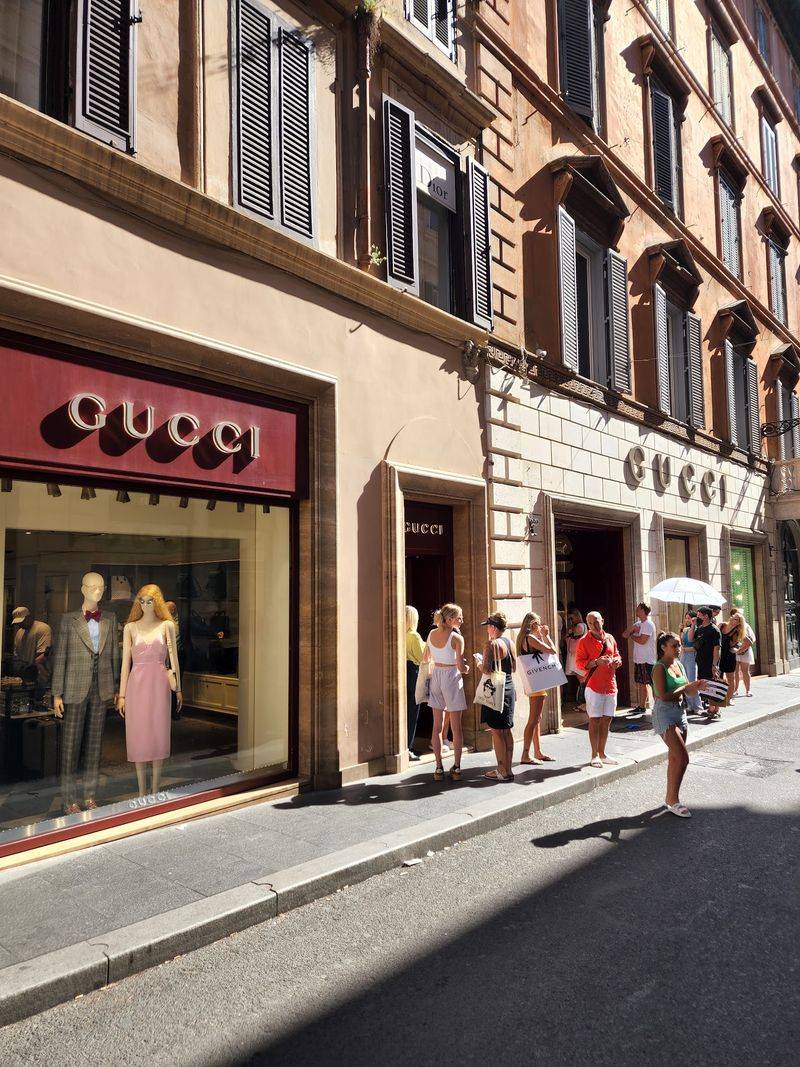
Guccio Gucci once worked as a porter at a London hotel, and watching wealthy travelers with their luggage gave him an idea. He opened a leather goods shop in Florence in 1921.
The company grew from saddles and suitcases into one of the best-known names in fashion.
Gucci’s green and red stripe, double G logo, and horsebit loafers are recognized around the world. Over the years the brand has shifted between classic elegance and playful, colorful designs.
Both phases drew large audiences.
Prices are lower than some names on this list, but still high. Handbags usually cost between one and several thousand dollars, and special collections can cost far more.
Gucci remains a major force in luxury, and its vintage pieces are popular with collectors.
15. Prada – Italy
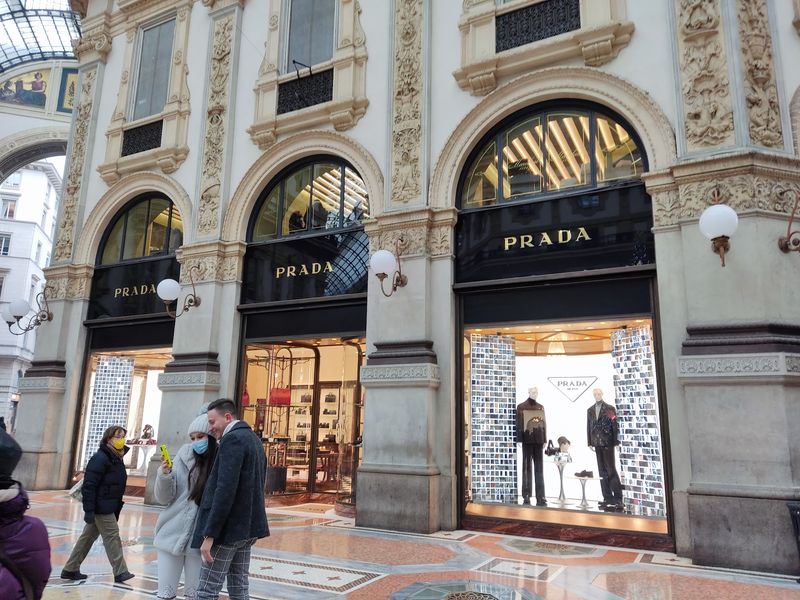
Black nylon does not sound glamorous, yet it made Prada famous. Mario Prada opened a leather goods shop in Milan in 1913.
His granddaughter Miuccia Prada introduced a nylon backpack in 1984 that surprised the fashion world.
The idea was to take a humble, industrial fabric and treat it as a luxury material. That choice shaped the label’s smart, slightly unconventional style.
Prada also owns the brand Miu Miu and has earned praise for its runway shows and art projects.
The company sells clothing, shoes, bags, and eyewear. A nylon bag can cost over a thousand dollars, while leather coats and special runway pieces are priced much higher.
Customers are often drawn to the brand’s clever design and its reputation for challenging fashion ideas.
Share this story