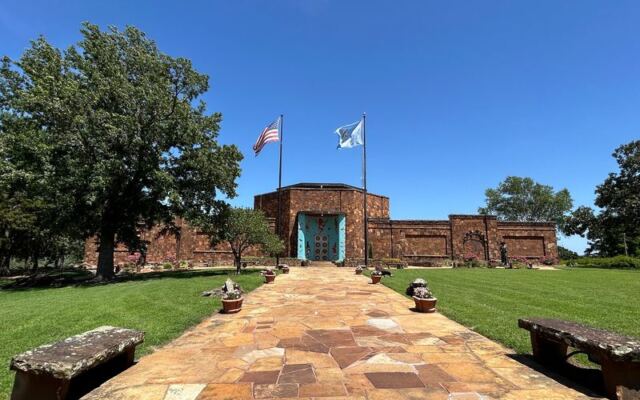
Oklahoma has a way of hiding its best surprises behind quiet country roads and unassuming gates. Somewhere north of Tulsa, tucked into rolling green hills, sits a place that feels less like a museum and more like stepping into another century entirely.
Bison graze near the water, deer wander the tree line, and a world-class collection of Western art waits inside a building most people have never heard of. Once you find it, you will wonder how it stayed off your radar for so long.
What Woolaroc Actually Is and Where to Find It
Sitting on 3,700 acres of Oklahoma countryside about 45 minutes north of Tulsa, Woolaroc Museum and Wildlife Preserve is one of those rare places that genuinely defies a single label. Part wildlife preserve, part world-class art museum, part living history experience, it started as the personal ranch of Frank Phillips, the oil tycoon who co-founded Phillips 66.
The name itself is a mashup of the words woods, lakes, and rocks, which pretty well describes the terrain. Rolling hills, scattered timber, and peaceful water features form the backdrop for everything that happens here.
Visitors arrive along a scenic drive that winds through the preserve before reaching the main buildings, and that drive alone sets the tone for the whole experience.
Frank Phillips began developing the property in the 1920s as a retreat from his oil empire. Over the decades, it grew into something far bigger than a private getaway.
Today, Woolaroc operates as a nonprofit and welcomes visitors from across the country, many of whom describe it as one of the best-kept secrets in the entire region. Finding it feels like a reward in itself.
Frank Phillips and the Oil Fortune Behind It All
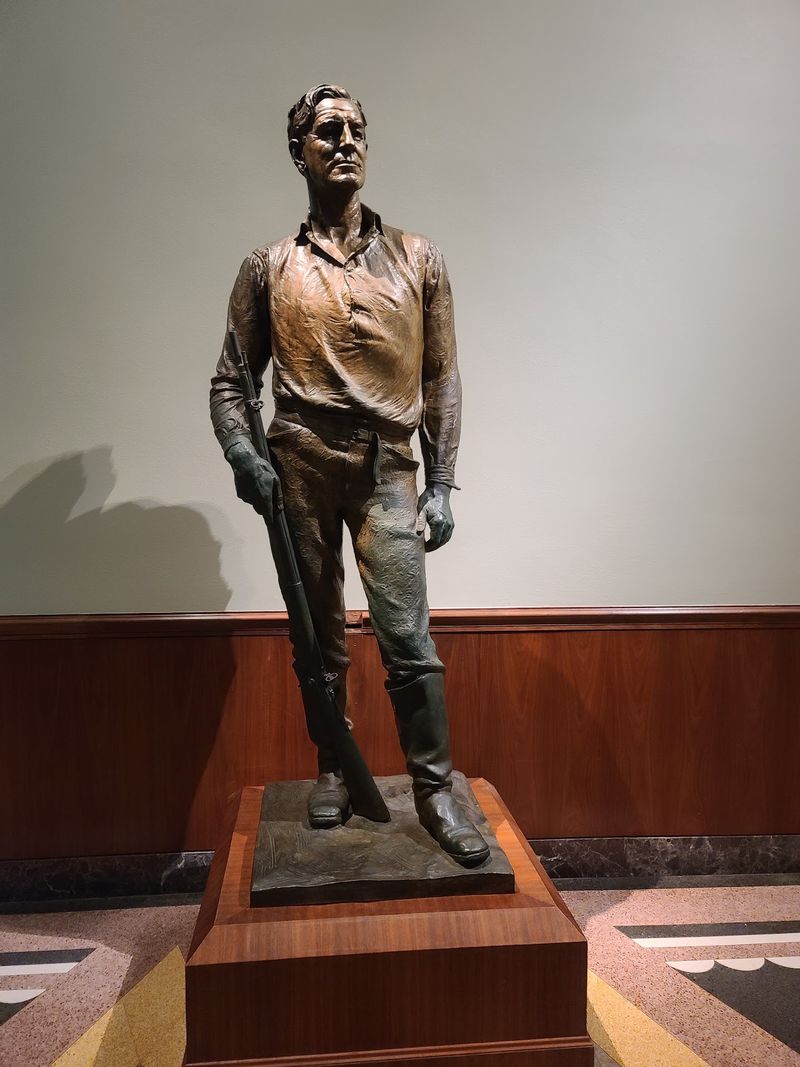
Frank Phillips grew up far from wealthy, but by the early 1900s he had struck oil in northeastern Oklahoma and was on his way to building one of the most recognizable petroleum companies in American history. Phillips Petroleum, which eventually became Phillips 66, made him one of the most powerful businessmen of his era.
And like many self-made men of that time, he poured his wealth into collecting things he loved.
He had a deep fascination with the American West, with Native American culture, and with the rugged history of the frontier. That passion drove him to acquire thousands of artifacts, paintings, sculptures, and historical objects over several decades.
Woolaroc became the permanent home for all of it, a place where his personal obsessions could be shared with the public long after his lifetime.
Visitors today often say they had no idea who Frank Phillips was before arriving, and that learning his story is one of the most unexpected highlights of the trip. He hosted U.S. presidents and celebrities at the ranch, and the lodge itself still carries the atmosphere of those glamorous early gatherings.
His personality is woven into every corner of the property.
The Scenic Drive In and the Wildlife Along the Way
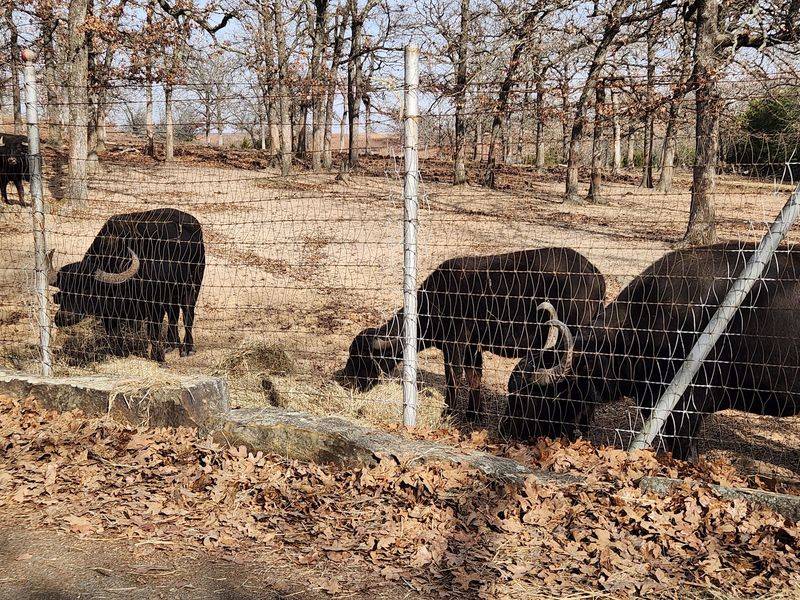
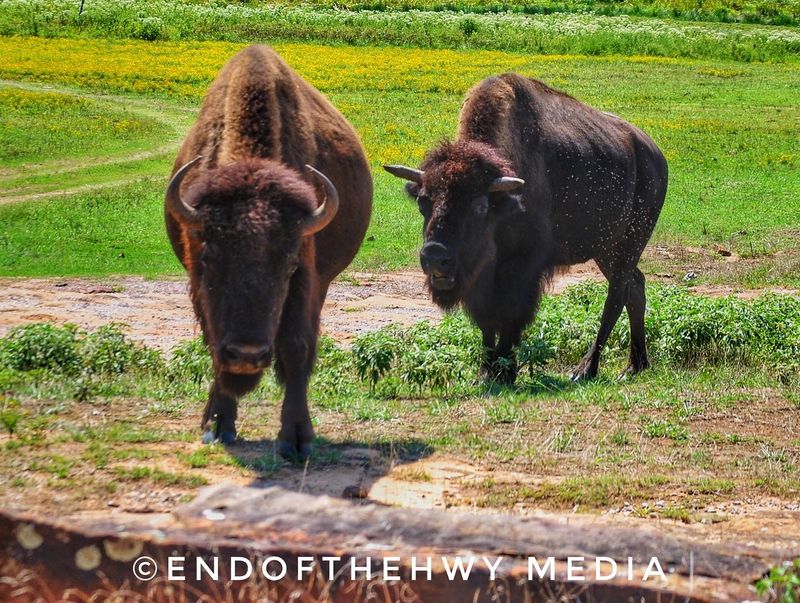
Before a single painting or artifact comes into view, Woolaroc starts making its impression through the windshield. The entry road winds through open preserve land where animals roam freely, and spotting a bison herd grazing near a lake while still inside your car is the kind of moment that catches first-time visitors completely off guard.
Bison are the undisputed stars of the drive, but they share the landscape with a surprising variety of other animals. Visitors have reported seeing deer, longhorn cattle, water buffalo, emu, and even a wild bobcat darting across the road.
The preserve feels genuinely wild, not manicured or staged, and that sense of real nature makes the whole approach feel like an adventure rather than a parking lot walk.
Families with kids especially love this part of the experience because the excitement builds naturally before anyone has even stepped out of the vehicle. Regulars mention doing the loop a second time on the way out just to catch animals they missed on the way in.
On a clear day with the hills green and the bison moving slowly through the grass, the drive alone could justify the trip to northeastern Oklahoma.
Inside the Museum – Western Art, Native Artifacts, and a Few Surprises
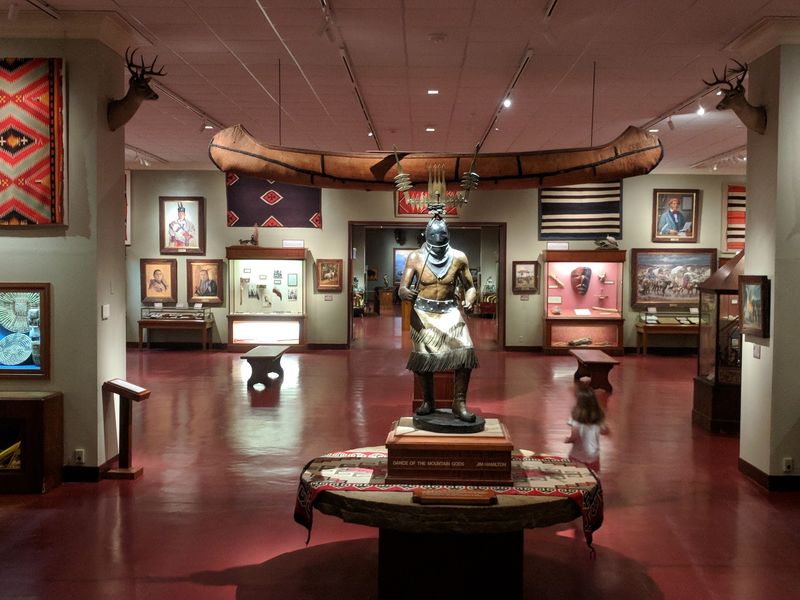
Walking into the Woolaroc museum building for the first time tends to produce a specific reaction: quiet astonishment. The collection is far larger and far more refined than most visitors expect, and that gap between expectation and reality is exactly what makes it so memorable.
Western oil paintings cover the walls alongside bronze sculptures, historical photographs, and cases packed with Native American objects collected over generations.
The Native American collection alone draws serious attention. Beadwork, ceremonial items, pottery, and clothing from multiple nations are displayed with genuine care and context.
The history of the Osage people and other tribes of the region is woven throughout, and the exhibits give real weight to the cultural stories behind each object. Visitors who came expecting cowboy paintings often leave talking about what they learned here.
Then there are the surprises. The museum houses an extensive collection of Colt handguns that enthusiasts describe as one of the most impressive they have seen anywhere.
And tucked into one of the galleries, a set of shrunken heads draws curious double-takes from nearly everyone who passes them. The museum manages to be both scholarly and genuinely fun, which is a harder balance to strike than it sounds.
The Historic Lodge and Its Old-Money Atmosphere
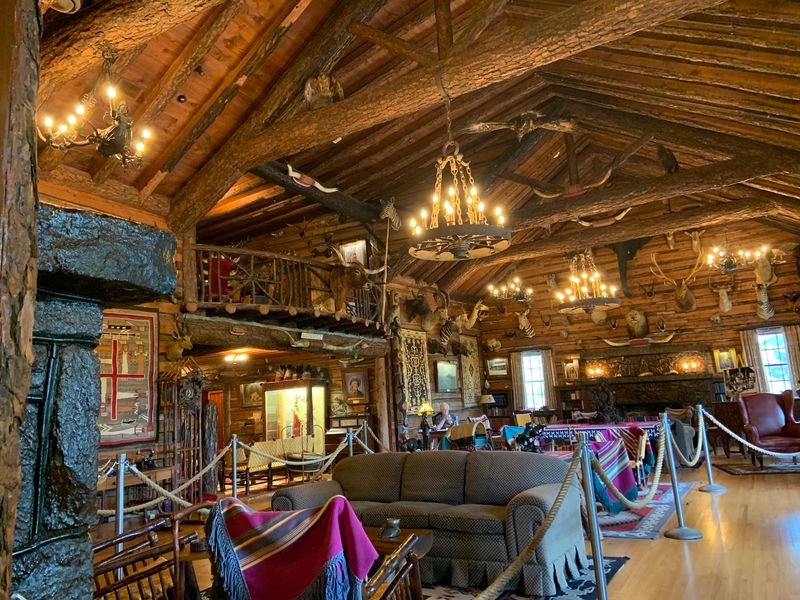
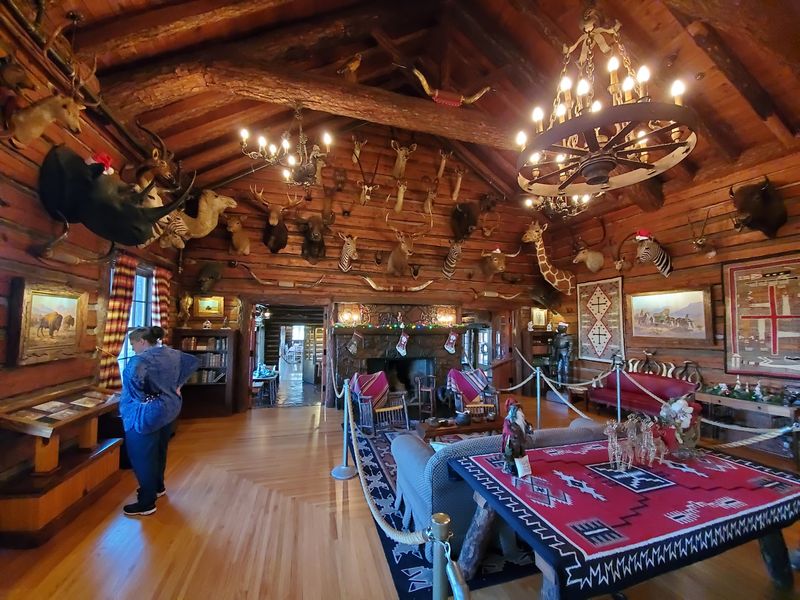
The original lodge that Frank Phillips built on the property is still standing, and stepping inside it feels like being let into a very exclusive club from about 1930. The building combines rough-hewn log construction with the kind of decorative detail that only serious money could produce.
Animal mounts, Navajo rugs, and hand-crafted furniture fill rooms that once hosted U.S. presidents, movie stars, and oil barons.
Knowledgeable volunteers staff the lodge and share stories about the gatherings Phillips hosted here, the famous guests who visited, and the way the ranch operated during its golden era. Visitors consistently mention how much they enjoyed talking with those volunteers, who bring the history to life in a way that no exhibit label can quite replicate.
One visitor described a conversation with a gentleman in the lodge as one of the most enjoyable parts of an already exceptional day.
The atmosphere inside the lodge is genuinely transporting. There is a weight to the space, a sense that important things happened here and that the walls absorbed some of that significance over the decades.
Whether visitors are drawn to architecture, history, or just the feeling of an old and storied place, the lodge delivers something that stays with people long after they drive home.
The Petting Zoo, Playground, and Hands-On Activities for Kids
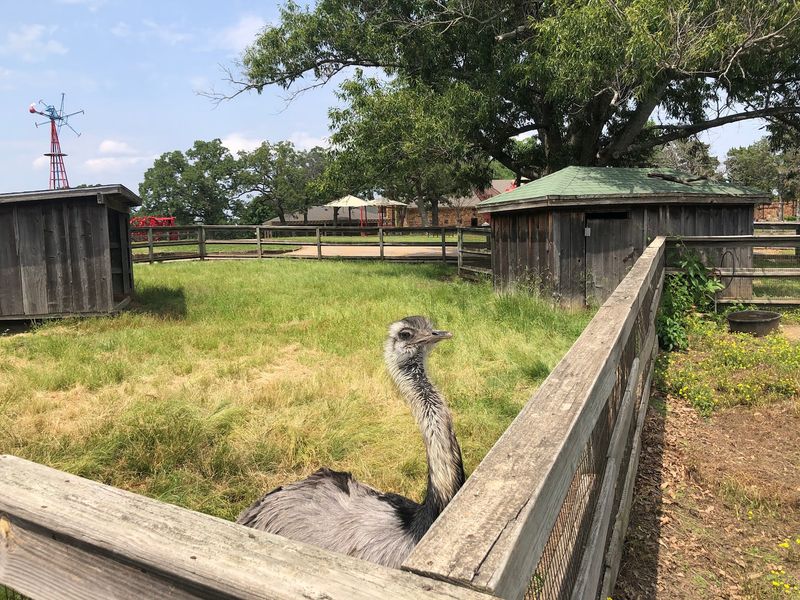
Woolaroc puts genuine effort into making the experience work for families with young children, and it shows. The petting zoo gives kids a chance to get hands-on with animals in a way that the wildlife preserve drive does not allow, and the playground offers a climbing structure built around a fire lookout tower that both younger children and teenagers apparently find irresistible.
During special events like Kidsfest, the property adds inflatables, horse rides, and other activities that turn an already full day into something closer to a festival. Even on a regular visit, the combination of animal encounters, open space to run, and genuinely interesting things to look at keeps kids engaged without parents having to work at it.
That is a harder thing to pull off than most family attractions manage.
The mountain men encampment near the entrance adds another layer of hands-on fun that tends to surprise visitors of all ages. Historical interpreters set up camp and demonstrate frontier skills, answer questions about the era, and sometimes offer activities like tomahawk throwing and black powder musket shooting.
Children and adults alike tend to linger here longer than they planned, drawn in by the novelty and the enthusiastic knowledge of the people running it.
Mountain Men, Tomahawk Throwing, and Living History
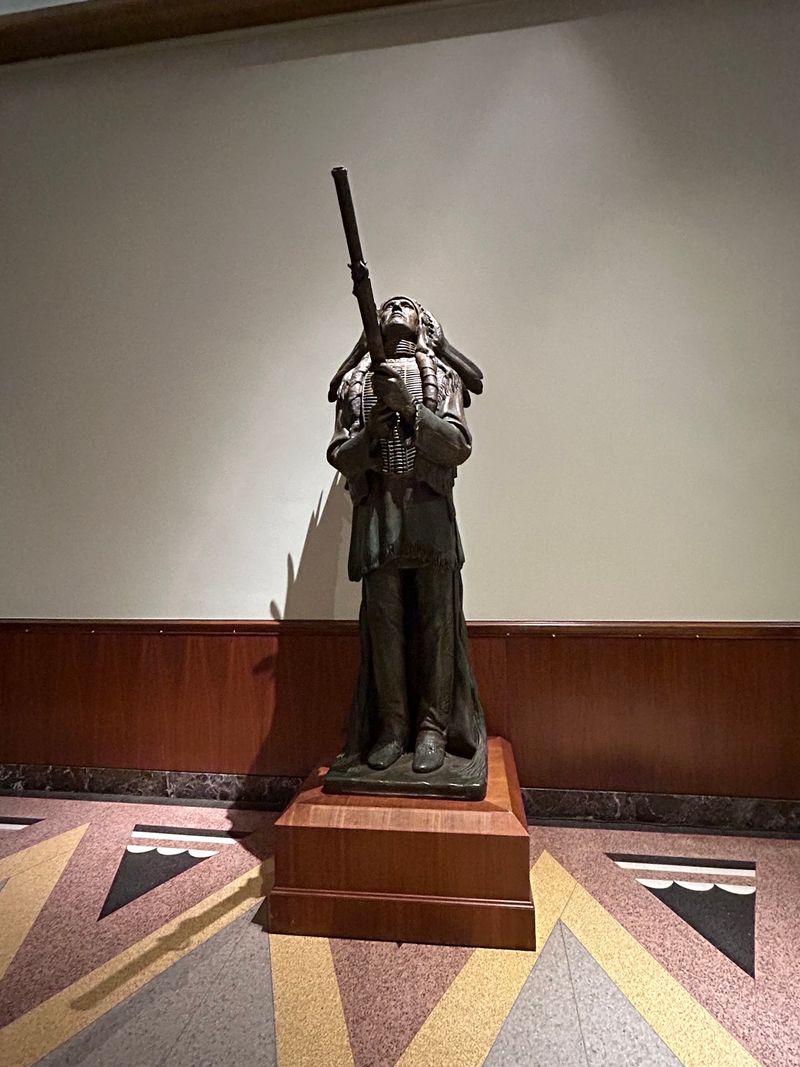
Near the entrance to the main grounds, a living history encampment brings the early American frontier to life in a way that feels far less staged than the typical museum diorama. The mountain men stationed here dress in period-accurate clothing, set up authentic camp gear, and engage visitors in conversations about what life actually looked like for fur trappers and frontiersmen in the 1800s.
The activities available at the encampment tend to be the ones visitors talk about most on the way home. Tomahawk throwing draws obvious enthusiasm, and the chance to fire a black powder musket is the kind of unusual, memorable experience that stands out in a landscape of conventional tourist attractions.
The interpreters are patient with questions, knowledgeable about the history, and clearly enjoy what they do, which makes a big difference in how the whole interaction feels.
Families with curious kids find this section particularly rewarding because the learning happens naturally through doing rather than reading. One visitor noted that their child’s favorite part of the entire trip was the time spent at the mountain men camp, which says something given everything else the property offers.
History becomes something tactile and alive here rather than something behind glass.
Hiking Trails and the Natural Beauty of 3,700 Acres
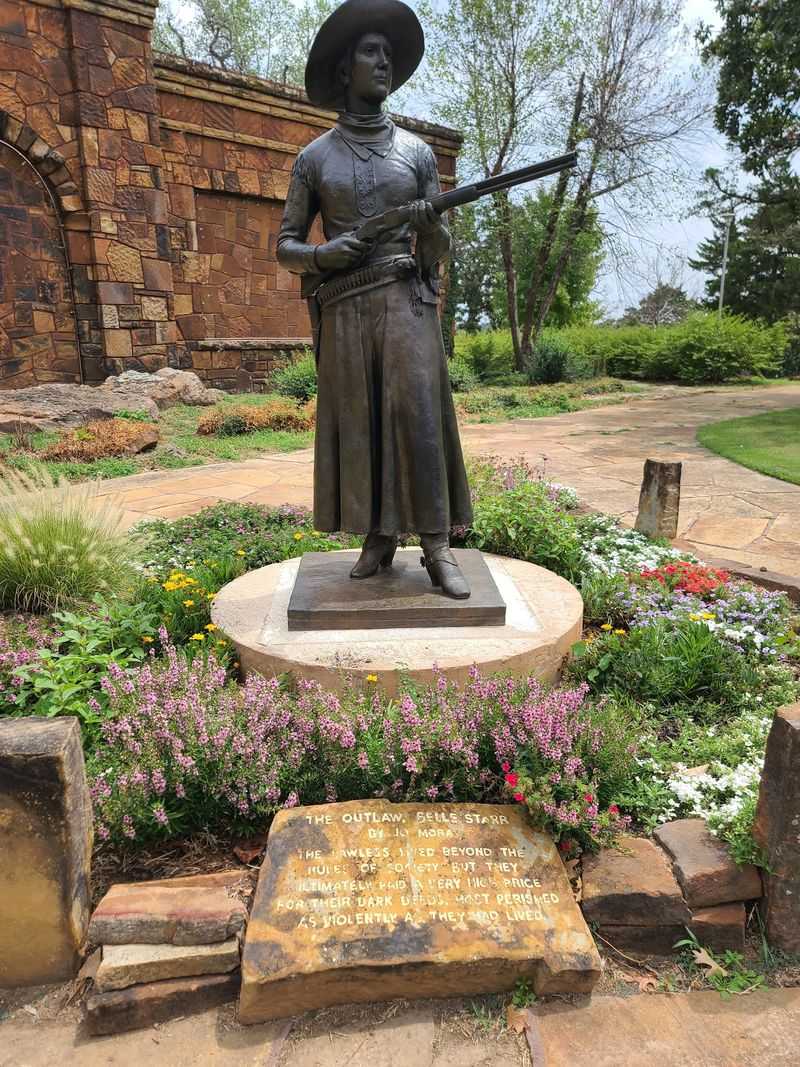
Beyond the animals, the museum, and the encampment, Woolaroc offers something that many visitors overlook entirely: genuine trails through beautiful Oklahoma countryside. The preserve spans 3,700 acres of woods, lakes, and rocky terrain, and the hiking available here gives a different perspective on the landscape than the drive-through route provides.
Walking the trails means moving at a pace where small details register, the sound of water, a deer disappearing into the tree line, the particular quality of light through Oklahoma timber in the late afternoon. The scenery is consistently described by visitors as more beautiful than they anticipated, which reflects how thoroughly this part of Oklahoma tends to surprise people who think of the state as flat and featureless.
The trails also offer a welcome quiet after the more populated areas near the museum and petting zoo. Visitors who want a break from crowds can find genuine solitude out on the preserve paths, with wildlife encounters that feel accidental and therefore more satisfying.
The combination of structured attractions and open natural space gives Woolaroc a flexibility that most destinations lack entirely. A family with young children and a solo hiker looking for a peaceful afternoon can both find exactly what they need here without compromise.
Wonderland of Lights – Woolaroc After Dark in Winter
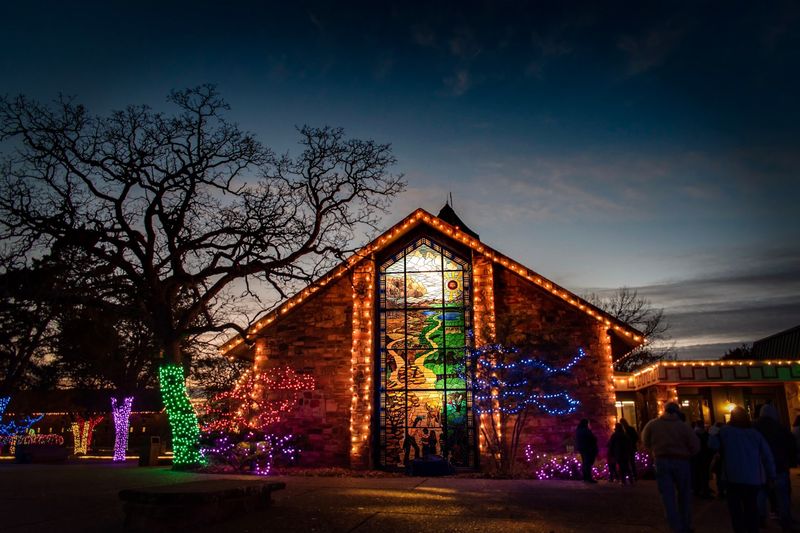
When the temperatures drop and the days shorten, Woolaroc transforms into something entirely different with its Wonderland of Lights event. Running in the evening hours during the holiday season, the event draws long lines of cars at the gate before it even opens, which tells you something about how popular it has become with local families who return year after year.
The grounds fill with light installations, and the museum opens for evening visits that include photos with Santa and Mrs. Claus in the lobby. The petting zoo stays active, hayrides depart from near the barn, and the whole property takes on a festive warmth that feels genuinely special rather than commercially generic.
Visitors who attend regularly have developed their own strategies for managing the crowds, suggesting the hayride first and the museum photos afterward to avoid the longest waits.
The event is busy by any measure, and weekend nights especially bring significant crowds. But visitors who have attended consistently say the experience is worth the wait and the packed parking.
The combination of the historic setting, the lights, the animals, and the family activities creates an atmosphere that people describe as unlike any other holiday event they attend during the season. Woolaroc in winter earns its own devoted following.
Planning Your Visit – Hours, Admission, and Getting There
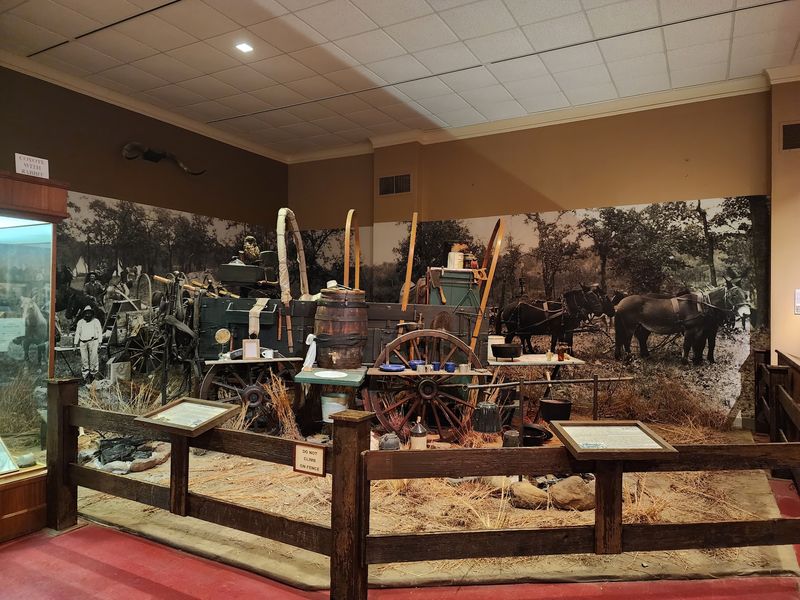
Woolaroc is open Wednesday through Sunday from 10 AM to 5 PM, with Monday and Tuesday set aside as closed days. That schedule is worth checking before making the drive, especially if a weekday trip feels more appealing than a weekend visit.
The property phone number is 918-336-0307, and the official website at woolaroc.org carries current event listings and any schedule updates worth knowing before arrival.
The address is 1925 Woolaroc Ranch Rd, Bartlesville, OK 74003, and the property sits roughly 45 minutes north of Tulsa. For road-trippers passing through northeastern Oklahoma, the location makes it a natural and rewarding detour that adds genuine depth to any regional itinerary.
Visitors consistently note that the admission price feels very reasonable given how much the property offers across a full day.
Practical advice from regulars includes arriving with enough time to do the scenic drive, walk the museum properly, and explore the outdoor areas without rushing. Most people find that a full day is easy to fill, and some wish they had stayed longer.
Bringing a picnic is an option, with a spot near the entrance mentioned by visitors as a pleasant place to settle in before heading back. The cafe on site also receives positive mentions, particularly for the bison chili.
Who Will Love Woolaroc Most – and Why It Stays With You
Woolaroc has the unusual quality of genuinely working for almost everyone, which sounds like marketing language until you actually look at who shows up and what they get out of it. History enthusiasts find a museum collection that rivals anything in the region.
Families with young children find animals, playgrounds, hands-on activities, and open space to burn energy. Hikers and nature lovers find trails through beautiful Oklahoma landscape with real wildlife encounters.
Art lovers encounter a serious Western American collection that includes paintings, sculptures, and decorative objects gathered with real connoisseurship rather than casual accumulation. People drawn to Native American history find exhibits that treat the subject with care and depth.
And visitors who simply want a beautiful place to spend an afternoon find scenery that consistently surprises people who underestimate northeastern Oklahoma.
What tends to stay with visitors after the drive home is not any single exhibit or animal sighting but the cumulative effect of a place that clearly cares about what it is doing. The staff and volunteers draw repeated praise for their warmth and knowledge.
The grounds feel tended without feeling artificial. And the whole experience carries a generosity of spirit that makes Woolaroc feel less like a tourist attraction and more like somewhere worth returning to, which many visitors clearly do.
Share this story