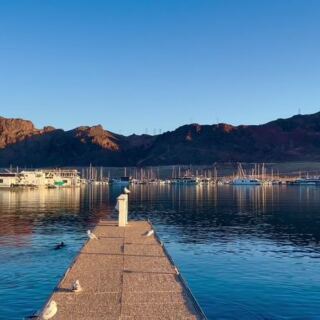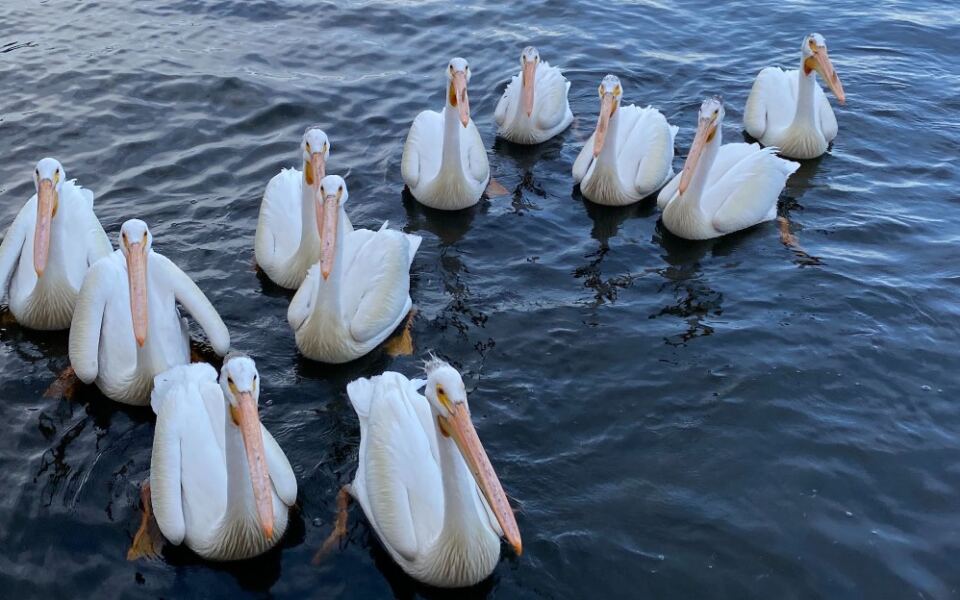
There is a lake in northern Minnesota where loons call out across glassy water at dawn, trumpeter swans glide past rocky shorelines, and the only road in eventually gives way to wilderness you can only reach by boat. Most people have never heard of it, yet it sits right at the doorstep of one of the most remote and spectacular national parks in the entire country.
Kabetogama Lake is not just a pretty body of water. It is a living entry point into Voyageurs National Park, a place defined by water, boreal forest, and a kind of quiet wildness that is genuinely hard to find anywhere else in the lower 48 states.
Once you understand what waits on the other side of this lake, it becomes very difficult to look away.
The Lake That Opens a Door to Voyageurs National Park
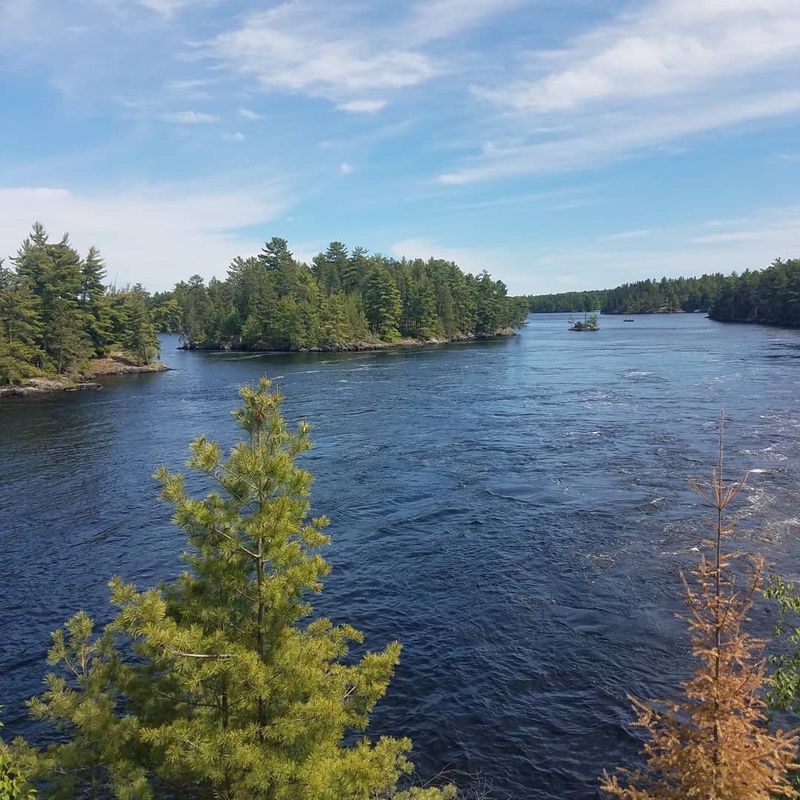
Not many lakes in the United States can honestly claim to be the front door to a national park, but Kabetogama Lake makes that claim with full confidence. Sitting in northern Minnesota near the Canadian border, this sprawling body of water serves as one of the primary access points to Voyageurs National Park, a park so water-dominated that most of it cannot be reached by car at all.
Kabetogama Lake stretches across roughly 25,000 acres and connects directly into the park’s interior waterways. Boaters and paddlers launch from the Kabetogama Lake area and push off into a network of lakes, bays, and channels that define the Voyageurs experience.
The lake sits within St. Louis County, Minnesota, USA. What makes it stand apart from other access points is its calm, relatively sheltered character, which makes it approachable for a wider range of watercraft and skill levels.
A National Park You Can Only Explore by Water
Voyageurs National Park is genuinely unlike any other national park in the country. There are no major hiking trails leading you deep into its core.
The park is built around water, with more than 500 islands and over 900 miles of shoreline spread across four large interconnected lakes.
To get anywhere meaningful inside the park, you need a boat, a canoe, or a kayak. That reality is exactly what keeps Voyageurs feeling so wild and uncrowded compared to parks that are easily accessible by road.
Kabetogama Lake feeds directly into this water-based world. Once you cross from the lake into the park’s interior, the sense of isolation grows quickly.
The forests close in, the sounds of civilization fade, and you start to understand why this corner of Minnesota has earned a reputation for being one of the most raw and untouched places in the entire Midwest.
Fishing That Draws Anglers Back Season After Season
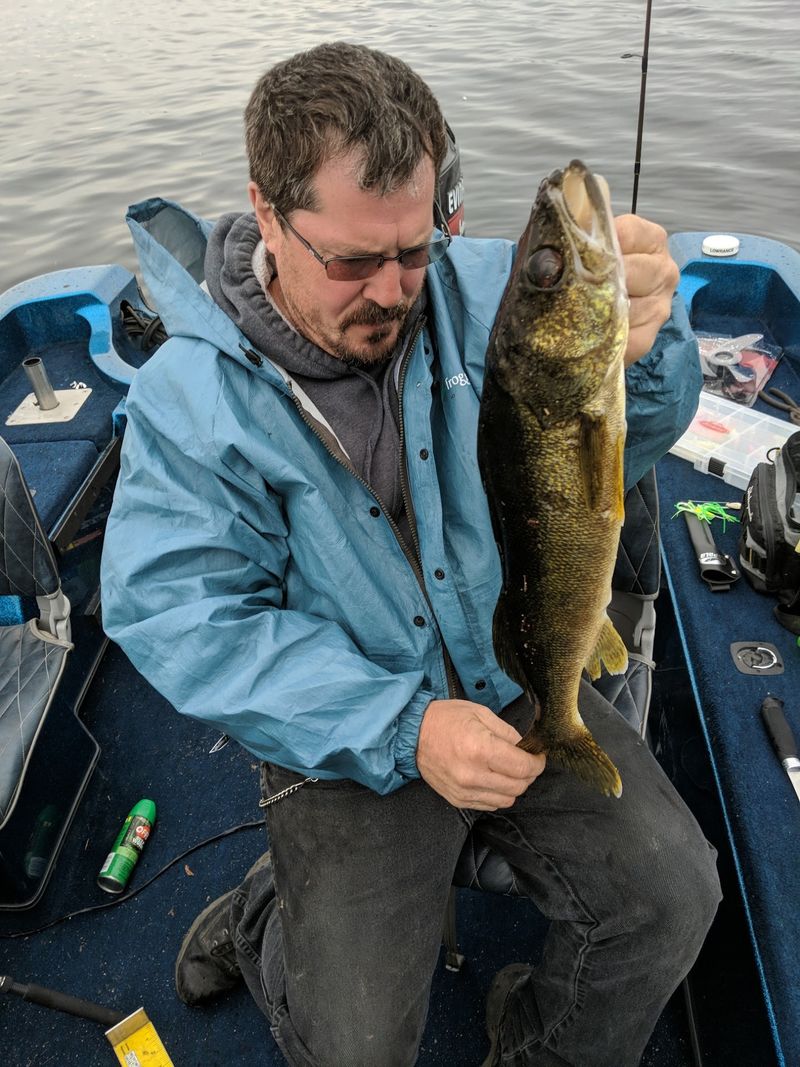
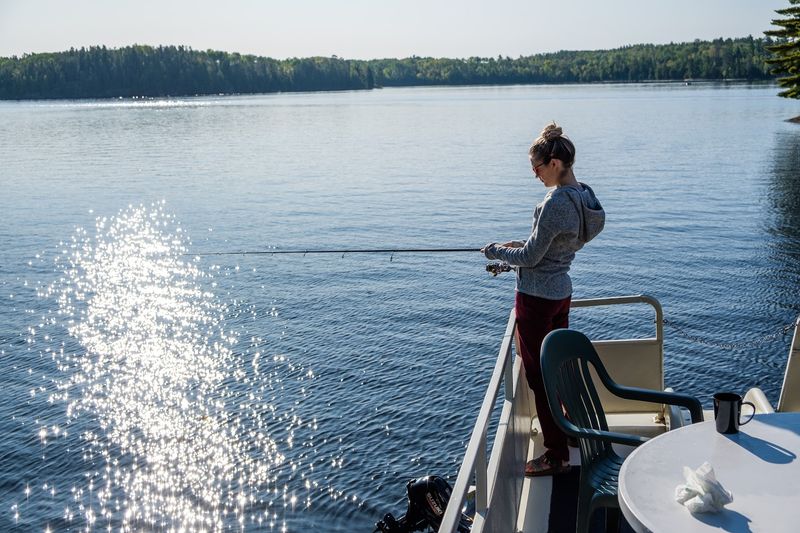
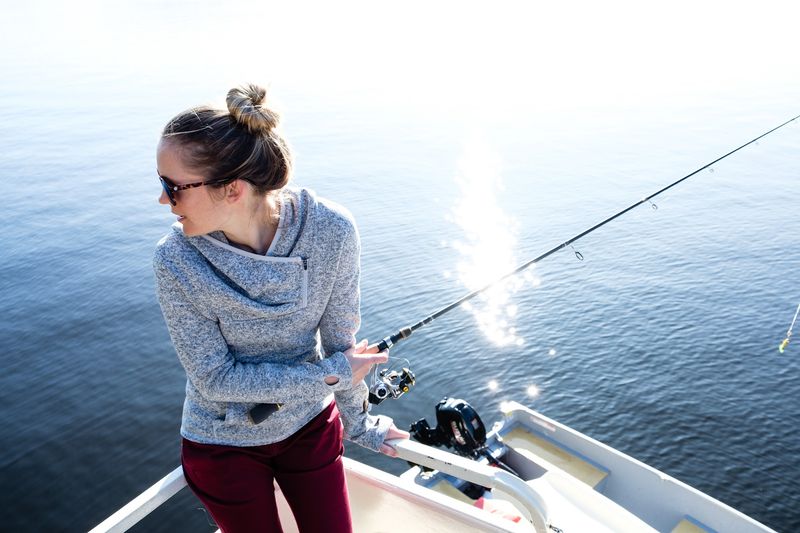
Fishing is the heartbeat of Kabetogama Lake for a large portion of its visitors. The lake holds walleye, northern pike, smallmouth bass, sauger, and yellow perch, giving anglers a genuine variety of targets depending on the season and conditions.
Walleye are the most sought-after species here, and a 28-inch fish is not out of the question on a good day. Northern pike and smallmouth bass also put up serious fights, making the lake appealing even when walleye are less cooperative.
The sheer size of the lake means there are always new spots to explore.
One thing experienced anglers mention consistently is the need to pay attention to submerged rocks and marker buoys. The lake’s rocky structure creates great fish habitat, but it also demands careful navigation.
Arriving with a detailed lake map and a respectful attitude toward the water makes the experience much more rewarding.
The Wildlife That Shares the Shoreline With You
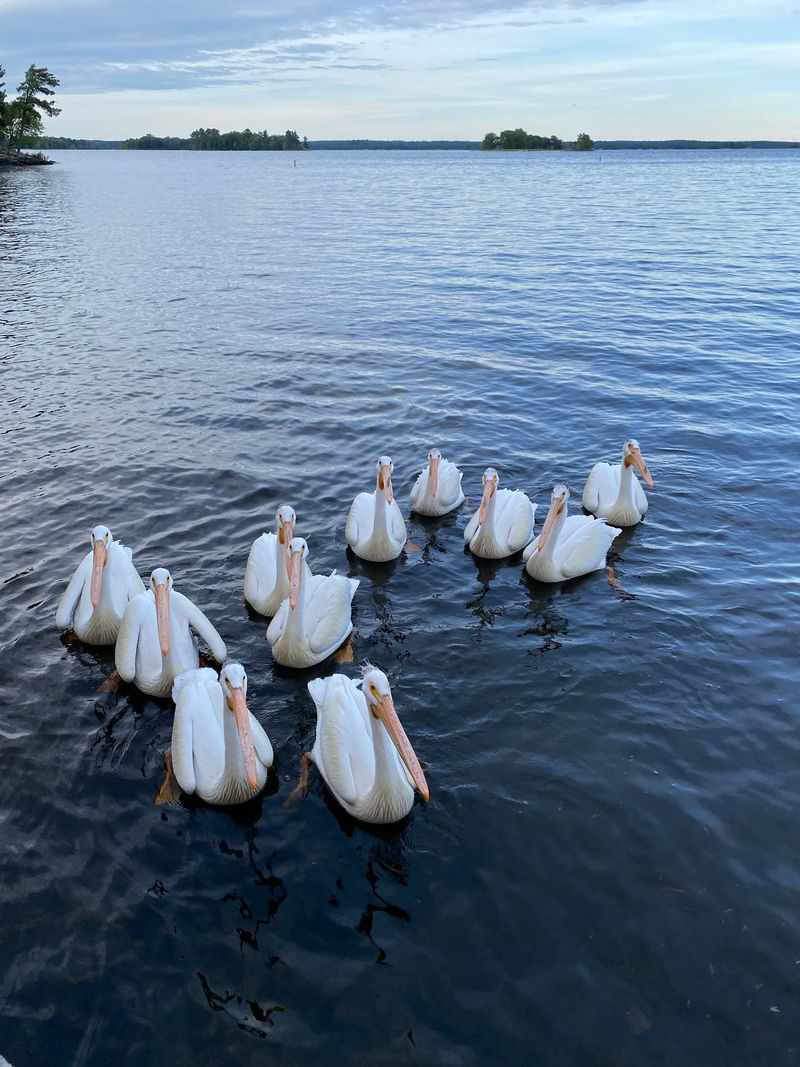
Spending a morning on Kabetogama Lake without spotting wildlife would take real effort. The lake and its surrounding boreal forest support an impressive range of animals that go about their lives with very little concern for human visitors.
Loons are practically a given here. Their distinctive calls echo across the water at dawn and dusk in a way that stays with you long after you leave.
Trumpeter swans have also been spotted on the lake, which is always a special sighting given how large and striking these birds are up close.
Black bears, white-tailed deer, beavers, and osprey all make regular appearances along the shoreline and in the forest edges. Voyageurs National Park, which the lake borders, is also one of the few places in the lower 48 states with a documented wolf population, adding a layer of genuine wildness to the entire region.
Winter on the Lake Is a Completely Different World
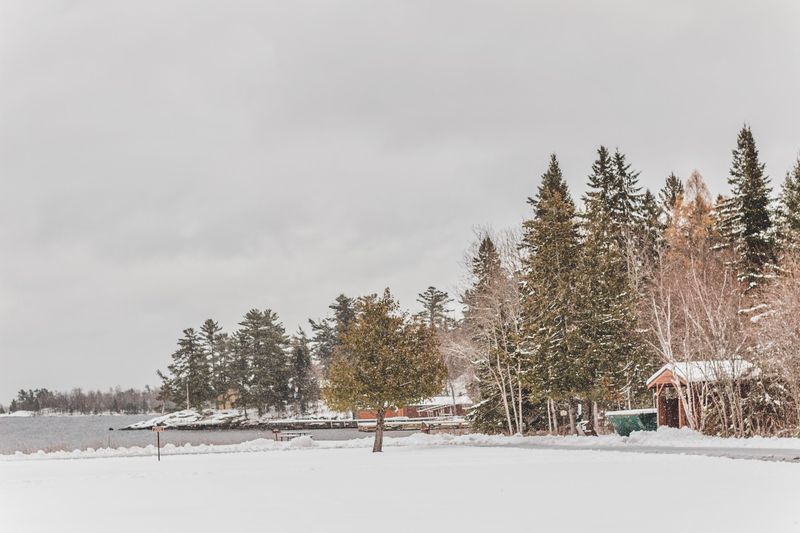
Most people think of Kabetogama Lake as a summer destination, and they are missing something genuinely magical by skipping the colder months. When temperatures drop in northern Minnesota, the lake transforms into a quiet, snow-covered landscape that feels almost otherworldly.
In years when the lake freezes completely, snowmobilers and ice fishermen take over the surface. In milder winters, partially frozen conditions create an eerie and beautiful scene where steam rises off open water patches surrounded by ice and snow-draped pines.
Voyageurs National Park operates year-round, and winter actually opens up access to areas that are unreachable by boat in summer. Groomed snowmobile trails and skiing routes wind through the park’s interior, giving cold-weather visitors a completely different perspective on the landscape.
For anyone willing to bundle up and embrace the cold, winter at Kabetogama delivers scenery that is genuinely hard to match anywhere in the region.
Boating and Paddling Across Open Water and Hidden Bays
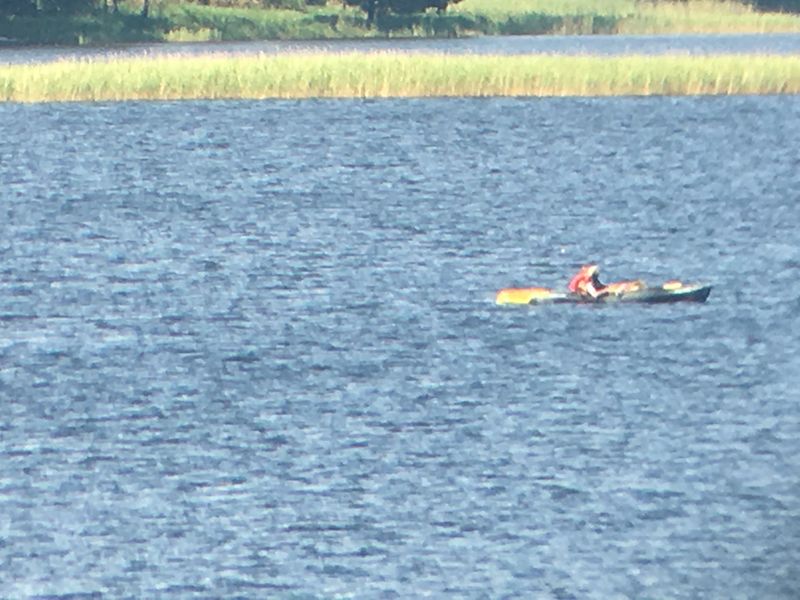
Getting out on the water at Kabetogama Lake is not just a way to reach Voyageurs National Park. It is the main event itself.
The lake’s size and varied shoreline give boaters and paddlers an enormous amount of territory to cover, with rocky points, sheltered coves, and forested islands breaking up the open water in interesting ways.
Motorboats are common here and well-suited for covering larger distances quickly, especially for anglers wanting to reach specific fishing spots. Kayaks and canoes, on the other hand, let you slow down and get close to the shoreline in ways a powerboat simply cannot.
One practical note worth keeping in mind: the lake has submerged rocks in several areas, and some navigation markers can shift position over time. Running slowly and watching the water carefully is standard practice for anyone who wants to keep their lower unit intact.
The lake rewards patience and attentiveness on the water.
The Scenery That Stops People Mid-Sentence
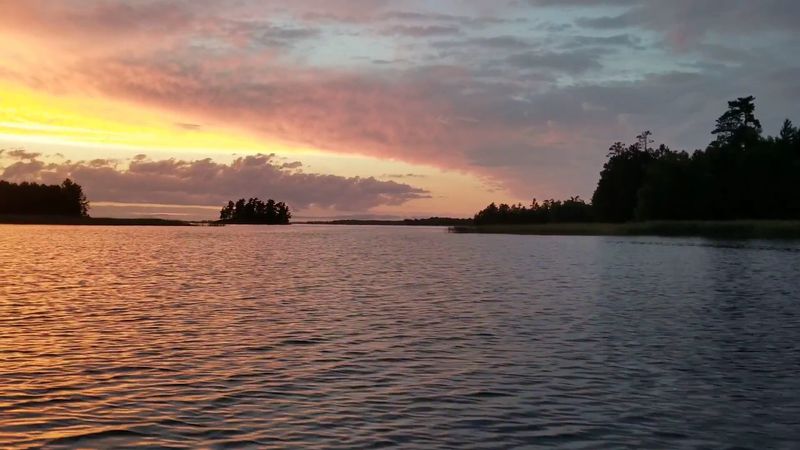
There is a reason people run out of words when trying to describe Kabetogama Lake. The scenery operates on a scale and quality that makes even experienced travelers pause and go quiet for a moment.
The combination of open water, rocky Canadian Shield outcroppings, dense boreal forest, and sky that seems wider than it should be creates a visual experience that photographs struggle to capture fully. Early mornings tend to be the most striking, when mist sits low on the water and the light turns everything gold and copper before the day fully wakes up.
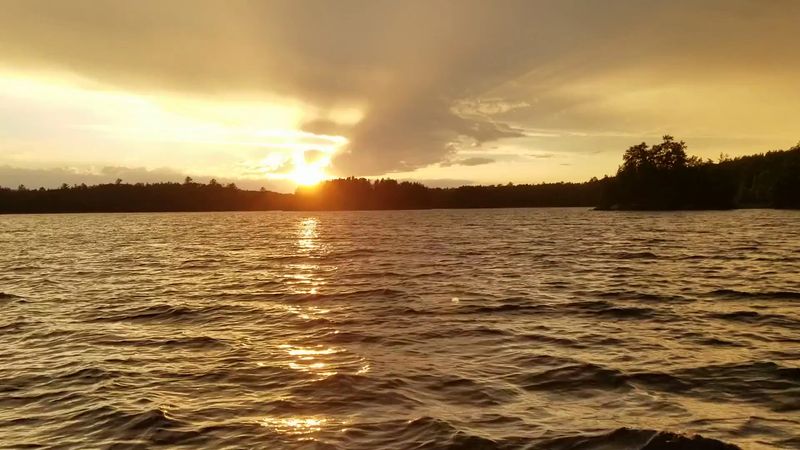
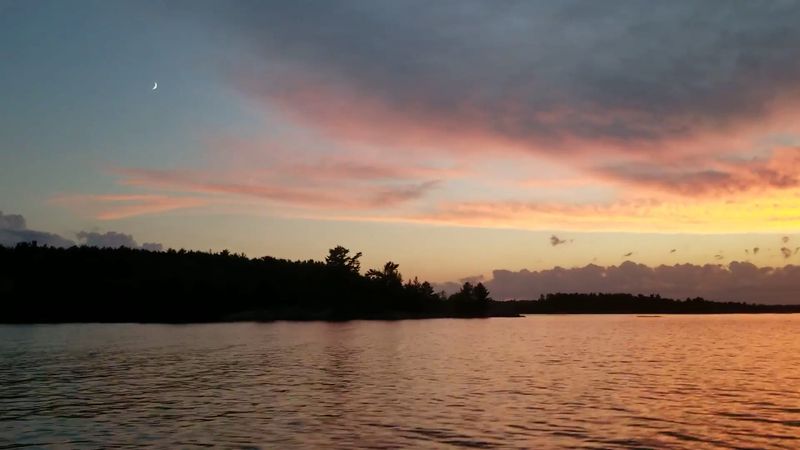
Sunsets over the lake draw people to the shoreline every evening during the warmer months. The sky reflects across the calm surface in a way that makes it hard to tell where the water ends and the clouds begin.
Photographers consistently rate this lake as one of their favorite subjects in the entire state of Minnesota.
The Voyageurs History Behind the Park’s Name
The name Voyageurs National Park is not random. It honors the French-Canadian fur traders who paddled through this exact region hundreds of years ago, moving goods and pelts across a vast network of waterways that stretched between Montreal and the interior of North America.
These voyageurs traveled in large birchbark canoes, covering enormous distances through the same lakes and rivers that visitors explore today. Kabetogama Lake was part of this historic route, sitting within a landscape that has looked remarkably similar for centuries.
Understanding this history adds a real layer of meaning to a trip on the water. When you paddle across Kabetogama Lake early in the morning with no engine noise around you, it is not hard to connect mentally with the people who made the same crossing generations ago under very different circumstances.
The park preserves not just nature but the memory of a whole way of life built entirely around these waters.
Camping Under Some of the Darkest Skies in the Midwest
Light pollution is essentially nonexistent in this corner of northern Minnesota, and that fact alone makes Kabetogama Lake and Voyageurs National Park a serious destination for anyone who has forgotten what a truly dark sky looks like.
Voyageurs is recognized as one of the better places in the Midwest for stargazing, with the Milky Way visible on clear nights in a way that simply does not happen near any major city. The park’s boat-in campsites, many of which are accessible from Kabetogama Lake, put you far enough from any artificial light source to see the full depth of the night sky.
Camping here means falling asleep to loon calls and waking up to the smell of pine and lake water. The National Park Service maintains designated campsites throughout the park, and reservations are recommended during peak summer months to secure a spot in this genuinely remote setting.
Planning Your Visit and What to Know Before You Go
A visit to Kabetogama Lake takes a bit of planning, and that preparation is genuinely worth the effort. The lake is located in northern Minnesota near the town of Kabetogama, and several resorts and outfitters operate in the area, offering boat rentals, fishing guides, and lodging options ranging from rustic cabins to more comfortable lakeside accommodations.
The Kabetogama Lake Visitor Center for Voyageurs National Park operates seasonally and is a smart first stop for orientation, maps, and ranger information. Cell service is limited in this region, so downloading offline maps before arrival is a practical move that saves frustration on the water.
Summer is the most popular season, but shoulder seasons in late spring and early fall offer thinner crowds and excellent fishing conditions. Whatever time of year you choose, the lake rewards visitors who come prepared, move slowly, and let the landscape set the pace rather than rushing through it.
Share this story