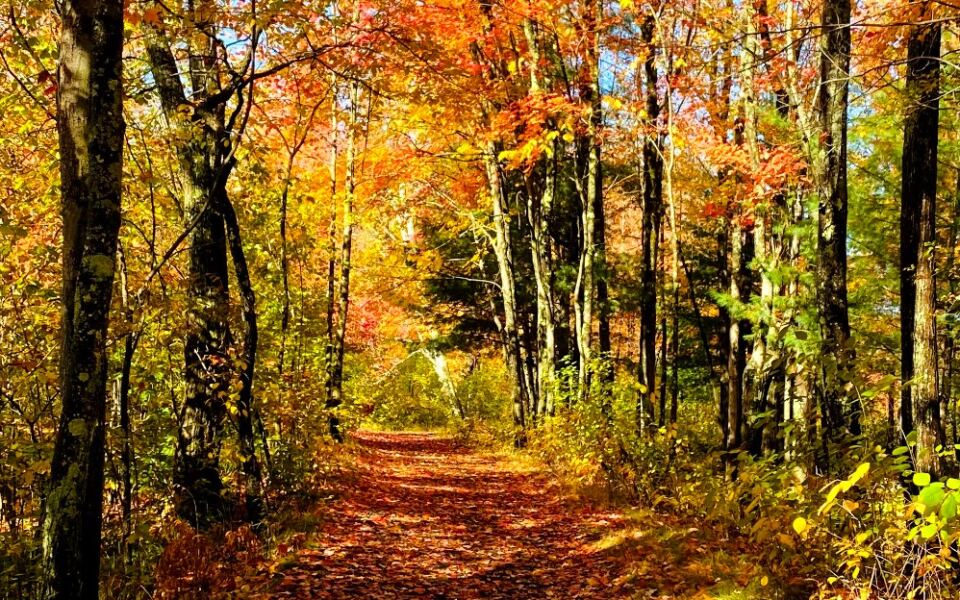
A 157-acre riverside park sits surprisingly close to the center of Keene, New Hampshire, with walking trails, wetlands, an arboretum, a historic dam, and a pedestrian suspension bridge all packed into the landscape.
Ashuelot River Park follows the river through the city while giving walkers, runners, cyclists, birders, and dog owners plenty of room to explore. Paved routes mix with more natural paths, and the trail network connects with longer routes extending beyond the park.
There is considerably more here than a simple riverside walk. More than 95 tree species have been identified throughout the park, wildlife includes great blue herons and other birds, and remnants of Keene’s industrial history survive along the water.
The suspension bridge may be the most photogenic feature, but it is the combination of nature, history, and easy downtown access that makes this park such an unexpected Keene find.
A Welcoming Embrace in the Heart of Keene
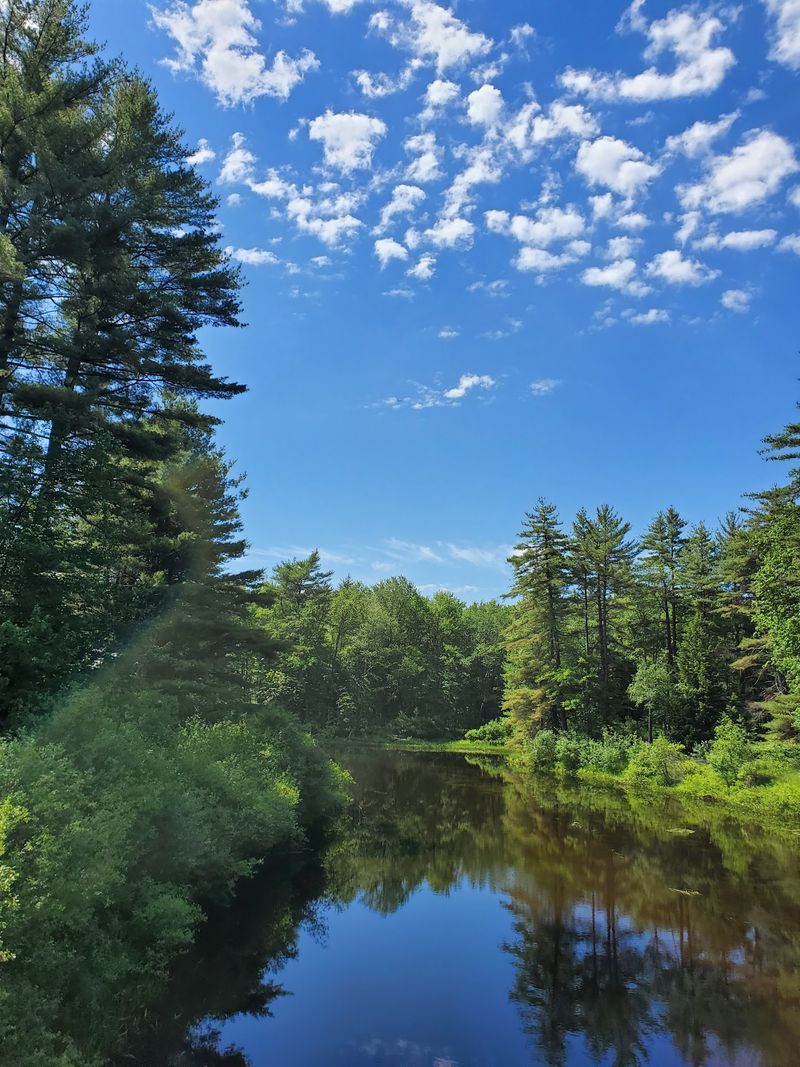
Most urban parks feel like afterthoughts, small patches of grass squeezed between parking lots and traffic lights. Ashuelot River Park, at 273 West Street in Keene, New Hampshire, is a completely different story.
This 157-acre public space sits right in the middle of the city, yet the moment you pass through its entrance, the surrounding streets seem to vanish. The park wraps around the Ashuelot River, using the water as its natural spine, and everything else, the trails, the benches, the arboretum, radiates outward from there.
Keene is a small New England city in Cheshire County, and this park is genuinely one of its most beloved features, rated 4.5 stars across hundreds of reviews. Locals use it daily for runs, dog walks, and lunch breaks.
Visitors often stumble upon it by accident and end up staying far longer than planned. The park is open 24 hours a day, every day of the week, which makes spontaneous visits easy and rewarding.
The River That Named a City
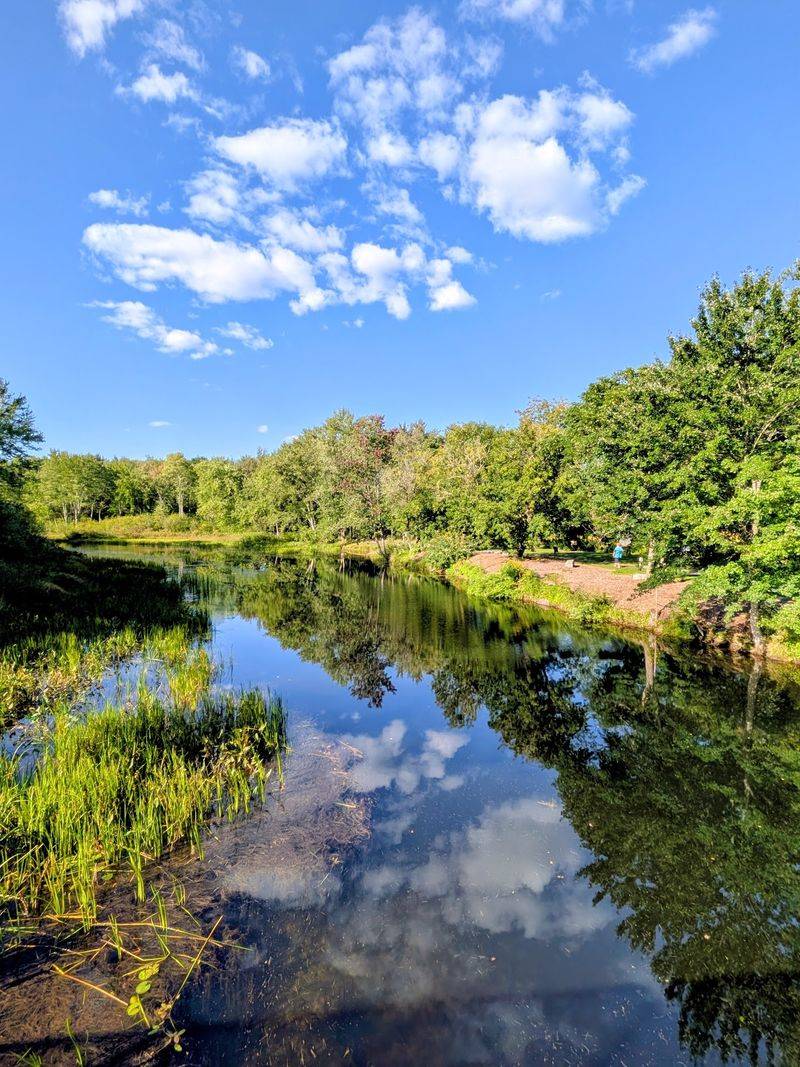
The name Ashuelot comes from the Abenaki language and is generally understood to mean “place between” or “collection of many waters.” That description fits perfectly, because the river itself is a 64-mile stretch of water that begins in Pillsbury State Park to the north and eventually joins the Connecticut River to the south.
Keene was originally called “Upper Ashuelot” when European settlers first established it, which tells you just how central this river was to the city’s identity from the very beginning. The Abenaki people had relied on it for centuries before that, using it for fishing and as a transportation corridor through the region.
Today, the river runs right through the park in a way that feels both dramatic and calming. The water moves with quiet purpose, and the banks are accessible enough that you can get close without any difficulty.
Watching the current from one of the many benches along the trail is one of those simple pleasures that somehow never gets old.
The Historic Dam That Stops You in Your Tracks
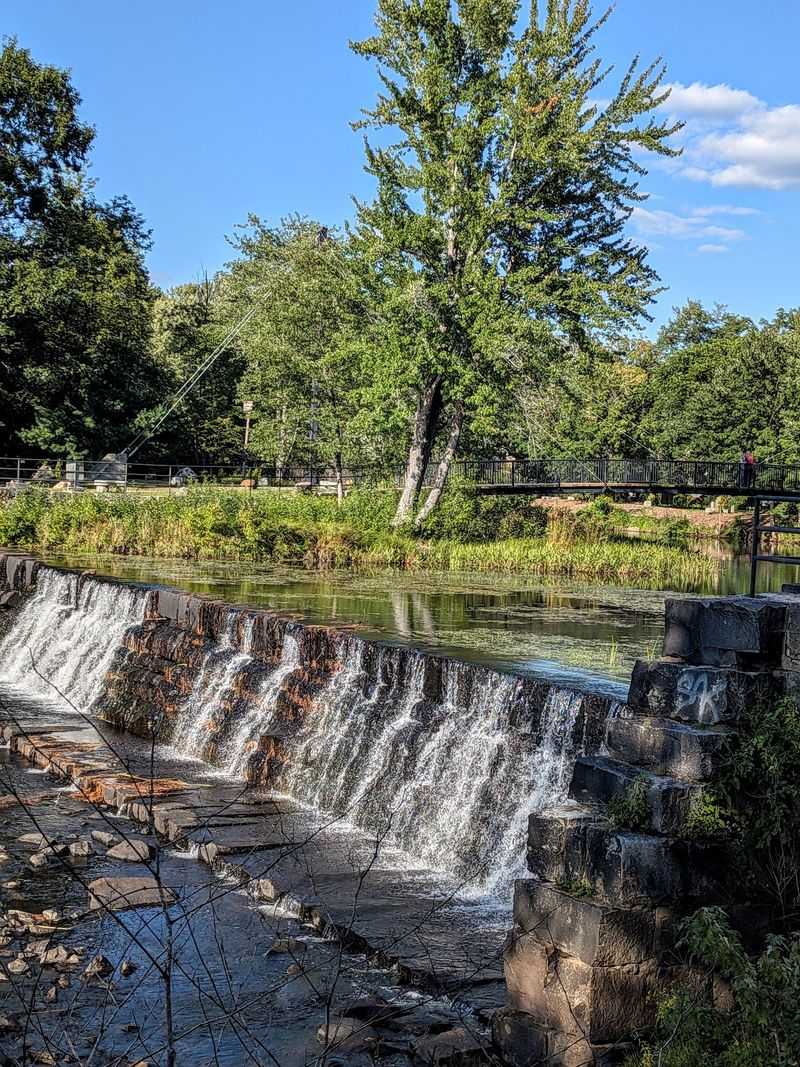
There is a moment on the main loop walk where the sound of rushing water gets noticeably louder, and then the West Street Dam comes into view. It is one of those features that surprises first-time visitors, because it looks genuinely dramatic for something tucked inside a city park.
The dam has been part of this landscape for well over a century, originally built to harness the river’s power for the mills that once operated along these banks. The Faulkner and Colony textile mill, established in 1815 near West Street, was one of the most prominent operations that depended on this water flow.
That industrial era has long since passed, but the dam remains as a vivid physical reminder of how Keene earned its place on the map.
Water cascades over the dam’s edge in a steady white sheet, and the mist that rises from the base gives the surrounding area a cool, refreshing quality even on warm days. It is one of the most photographed spots in the entire park, and honestly, that reputation is well deserved.
More Than 95 Trees and Counting
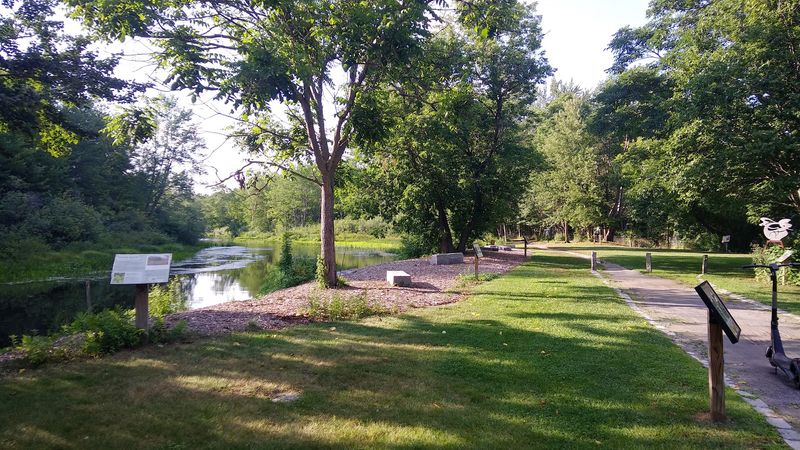
Not many city parks can claim to double as a working arboretum, but Ashuelot River Park does exactly that. Over 95 different tree species have been identified and labeled throughout the park, turning a simple walk into an unexpectedly educational experience.
The Rachel Marshall Outdoor Learning Lab, known locally as the RMOLL, extends this botanical focus even further. Educational signs throughout the area cover topics like pollinator habitats, food webs, invasive species identification, and the biology of individual trees.
One particularly interesting resident is the American Hornbeam, sometimes called “musclewood” because its bark has a smooth, sinewy texture that genuinely resembles muscle tissue. The River Birch is another notable find, considered state-threatened in New Hampshire and preferring the moist, rich soils found along floodplains exactly like this one.
A pedestrian bridge arcs gracefully over the Ashuelot River, connecting the main arboretum area to the RMOLL on the opposite bank. Crossing it feels like a transition between two different chapters of the same green story, with new discoveries waiting on either side.
Running, Riding, and Walking the Trails
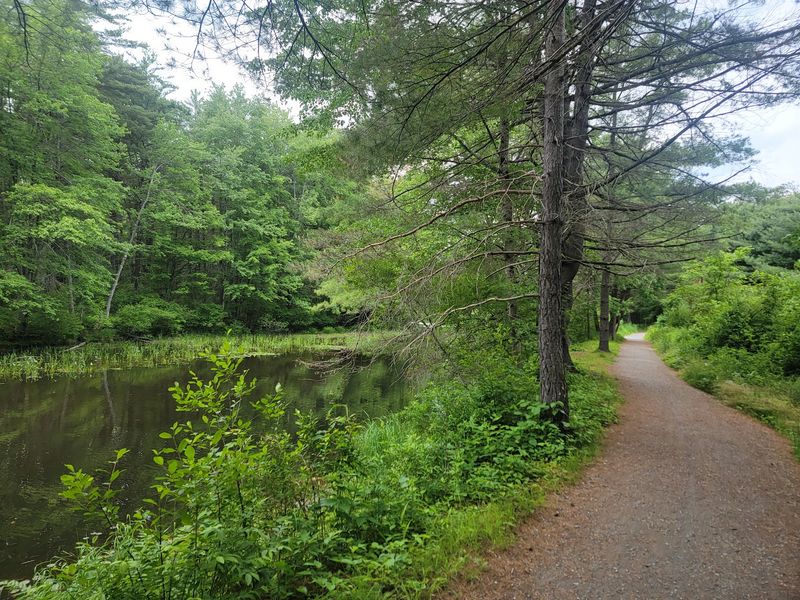
The trail system at Ashuelot River Park is genuinely well-suited for a wide range of activities. Paved sections make for smooth, reliable running and cycling routes, while unpaved forest paths offer a softer, more textured experience for those who prefer a natural surface underfoot.
The Jonathan Daniels Trail cuts through the heart of the park and connects to a broader network that includes the Appel Way Trail leading toward Wheelock Park. From there, adventurous visitors can access the Ashuelot Rail Trail, a 21-mile route that follows the former path of the Ashuelot Branch of the Boston and Maine Railroad all the way from Keene to Hinsdale.
That trail passes through farmland, wetlands, and quiet stretches of river scenery that feel worlds away from the city.
For those who prefer a shorter outing, the main loop walk around the park takes roughly 30 to 45 minutes at a relaxed pace. The flat terrain makes it accessible for most fitness levels, and the river views along the way keep the experience fresh from start to finish.
The trails here reward both speed and slowness equally.
Wildlife That Shows Up Uninvited and Steals the Show
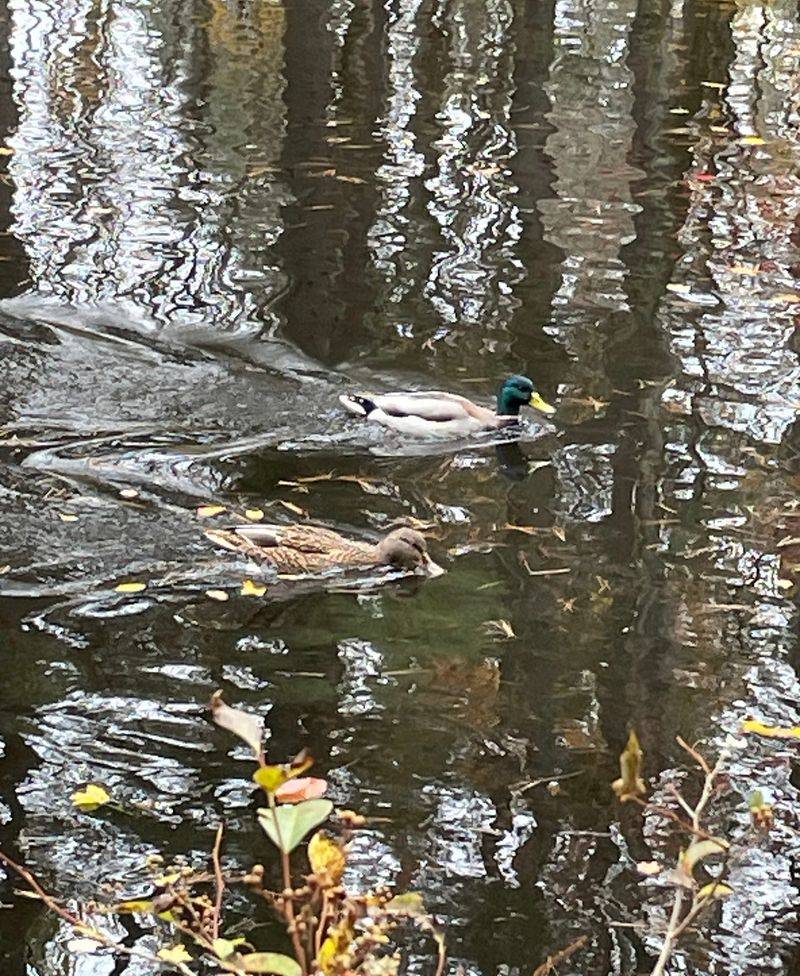
Urban parks rarely deliver genuine wildlife surprises, but this one has a habit of proving that assumption wrong. The Ashuelot River corridor acts as a natural green highway for animals moving through the region, and the park sits right in the middle of that route.
Great blue herons are among the most reliable sightings, often spotted wading in the shallows with impressive patience. Bald eagles have been observed overhead, and smaller birds like the blue-gray gnatcatcher and various woodpecker species are regular visitors.
The river itself supports the rare dwarf wedge mussel, a protected species that requires clean, well-oxygenated water to survive, which says something positive about the river’s health. Turtles, frogs, and the occasional crane round out a wildlife roster that genuinely impresses.
Bat houses installed throughout the park support the nocturnal side of this ecosystem, giving local bat populations a reliable roosting spot. Visiting at dusk offers a chance to watch them emerge and begin their nightly sweeps across the water.
It is a quietly spectacular sight that most visitors never expect to find in the middle of a New England city.
Kayaking the River From a Different Angle
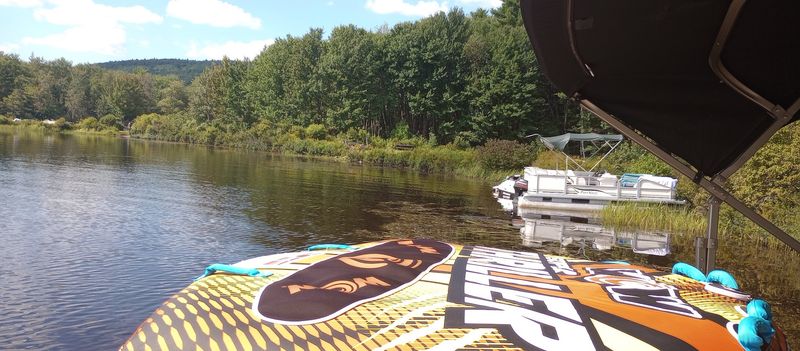
Most visitors experience the park from the trails, but the Ashuelot River itself offers a completely different perspective for those willing to get on the water. Kayaking and canoeing are both popular options, and the gentle current makes the river approachable for paddlers of varying experience levels.
A common route starts near the American Legion and ends at the park, covering the distance in roughly an hour and a half at a relaxed pace. Along the way, the riverbanks shift between open stretches and canopied sections where tree branches reach out over the water, creating a tunnel-like effect that feels surprisingly remote.
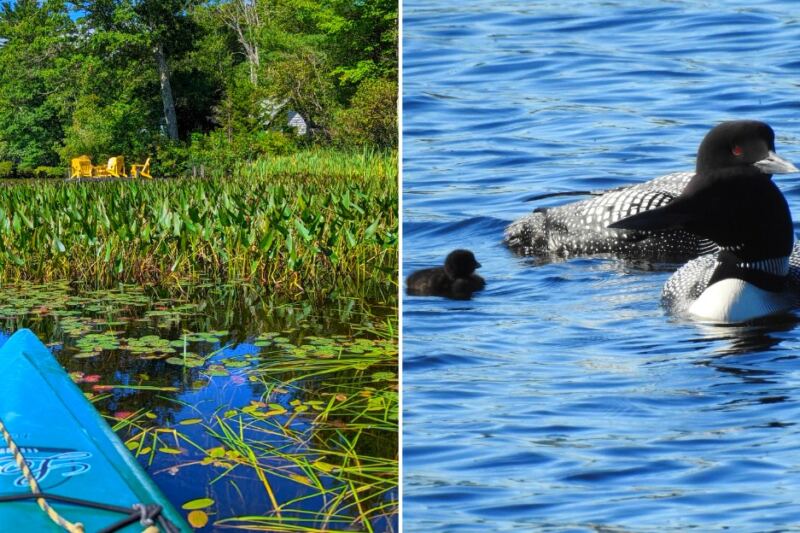
Wildlife sightings from the water tend to be even more frequent than from the trails, partly because animals on the banks are less startled by a quiet kayak than by foot traffic.
The park provides easy water access, and the calm stretch near the dam is particularly appealing for those who want to float quietly and take in the scenery. Fishing from the banks is also common here, with anglers finding peaceful spots throughout the park where the water moves slowly and predictably.
Art in the Park and the Community Spirit Behind It

Every year, Ashuelot River Park transforms into something even more vibrant than usual when Art in the Park takes over the grounds. This event has been running for 68 years, making it one of the longest-standing community traditions in Keene.
Artists display their work outdoors, and the park’s natural backdrop adds a visual richness that no gallery wall can replicate.
The park also features a permanent sculpture by Martina Angela Muller called “Flight,” an abstract piece that sparks genuine curiosity. Some visitors see a bird mid-wingbeat, others see something more geometric and open to interpretation.
Either way, it adds a cultural layer to the outdoor experience that feels earned rather than forced.
Weddings are held here too, which speaks to the park’s versatility as a gathering place. The combination of the river, the arboretum, and the well-maintained grounds creates a setting that works for everything from quiet solo walks to large community celebrations.
That range of use is part of what makes the park feel genuinely alive rather than simply maintained. The community clearly claims it as its own.
The Suspension Bridge That Earns Its Own Fan Club
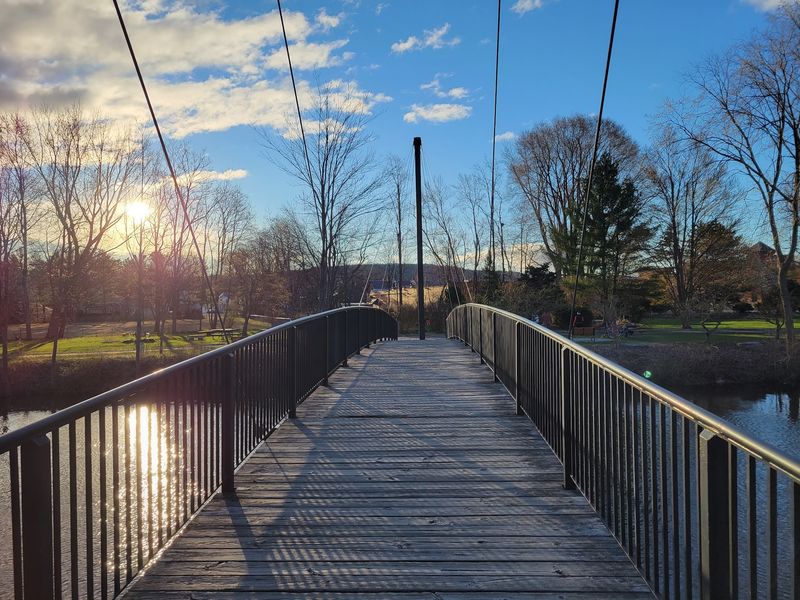
There is something about a suspension bridge that makes people slow down and pay attention. The pedestrian suspension bridge at Ashuelot River Park has developed its own quiet following among regular visitors, and it is easy to understand why once you actually cross it.
The bridge sways gently underfoot, just enough to remind you that you are suspended above moving water. Below, the Ashuelot River flows with its characteristic calm, and the view from the center of the bridge looks out across a stretch of water framed by overhanging trees.
It is the kind of spot where people stop mid-crossing to take a photo or simply stand and look for a moment longer than they intended.
The bridge also serves a practical purpose, connecting the southern section of the park to the northern trail network and, eventually, to the hospital on the far side. That dual function, scenic landmark and useful connector, is exactly the kind of design detail that makes a park feel thoughtfully built rather than assembled by accident.
Crossing it is a small pleasure that somehow never loses its appeal no matter how many times you do it.
Practical Tips for Getting the Most Out of Your Visit
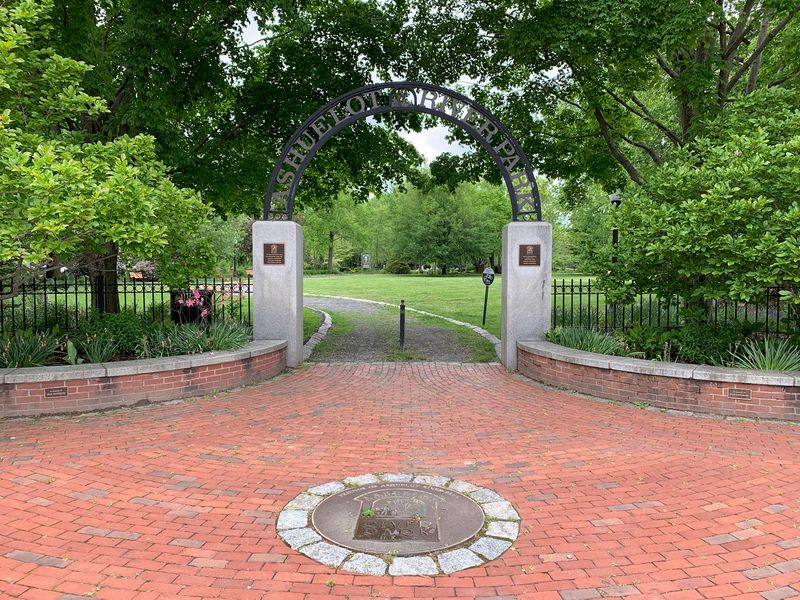
The park is open 24 hours a day, seven days a week, which gives you a lot of flexibility in terms of when you show up. Early mornings tend to be the quietest, with the river mist still sitting over the water and the bird activity at its peak.
That window before 9 a.m. is genuinely special if you can manage it.
Parking is available at the Mascoma Bank lot near the West Street entrance, and the nearby Starbucks makes it easy to grab a coffee before or after your walk. Dogs are welcome on leashes, and mutt mitt stations are placed throughout the park to encourage responsible pet ownership.
If you are visiting after rain, stick to the paved sections, because the unpaved forest paths can get slippery with mud and require a bit more caution.
Comfortable walking shoes are all you really need for most of the trails. The main loop is flat and accessible, including for wheelchair users.
There are no restrooms inside the park itself, so plan accordingly before you arrive. The combination of easy access and thoughtful amenities makes repeat visits feel completely effortless.
A Downtown Escape That Actually Delivers on Its Promise
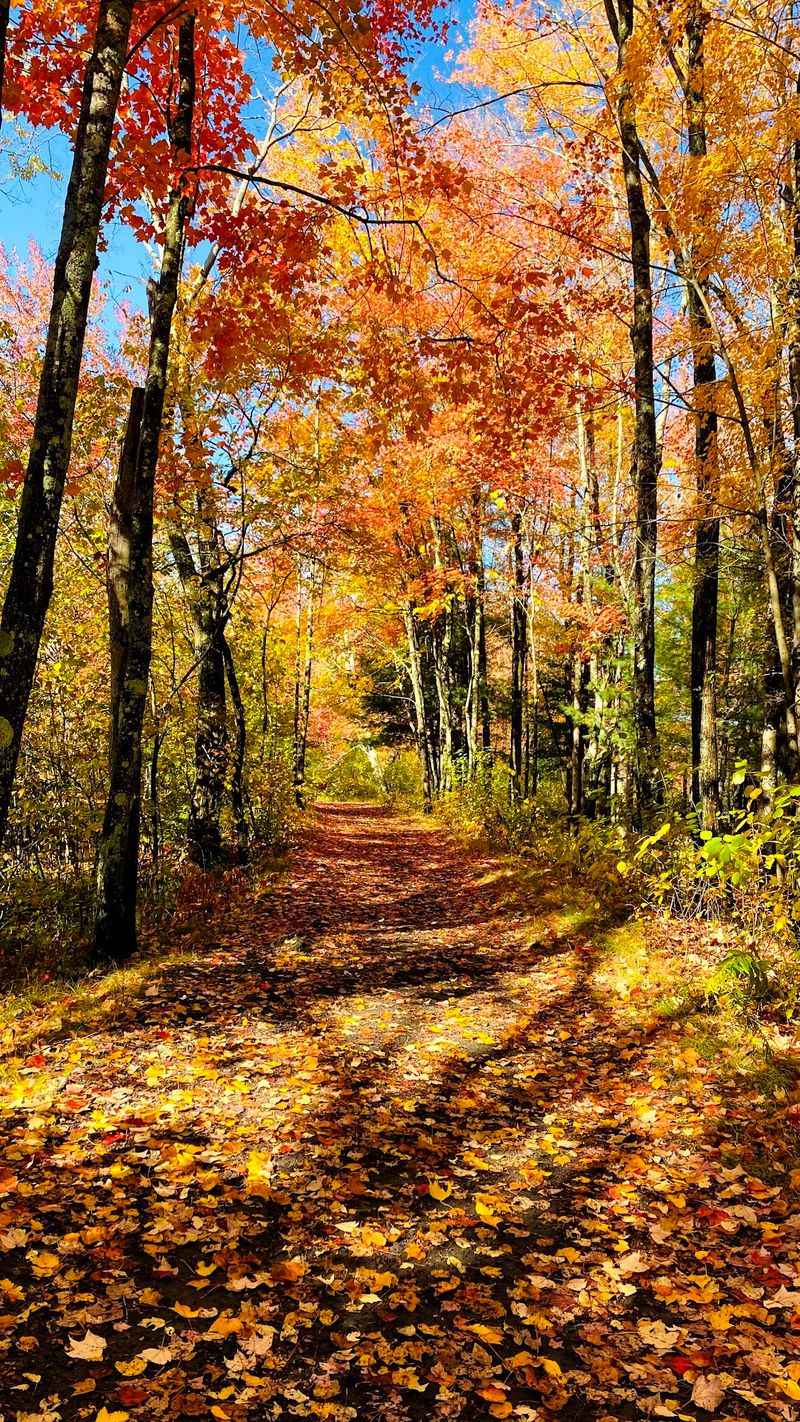
Some parks promise a natural escape and deliver a mowed lawn with a few picnic tables. Ashuelot River Park actually follows through.
The combination of a living river, a curated arboretum, wildlife habitat, historic infrastructure, and well-maintained trails creates an experience that feels layered and genuine rather than decorative.
The park has been shaped by decades of community investment, starting with the original land donation in 1960 and continuing through ongoing volunteer maintenance and educational programming. That history of care shows in the details, the labeled trees, the bat houses, the sculpture, the clean paths, and the overall sense that people here actually value what they have built.
Returning to the city after a walk through the park feels like surfacing from something restorative. The river keeps moving, the trees keep growing, and the trails stay ready for whoever shows up next.
For a city the size of Keene, having a space like this right downtown is not something to take for granted. Ashuelot River Park earns every one of those 4.5 stars, and then some.
Share this story