A quiet pond, wooded walking trails, and some surprisingly challenging mountain bike routes all come together in southwest Nashua. Lovewell Pond and Yudicky Farm Conservation Area offers an easy escape from city streets without requiring a long drive.
Visitors can follow paths near the water, explore protected wetlands, or head into the woods for technical singletrack. Some biking trails even have unusual names like Wormhole, Windigo, and Creepy Teepy.
The area also connects to a larger trail network, giving walkers and cyclists plenty of routes to explore. And the pond is only part of what makes this corner of Nashua worth visiting.
Where the Pond Meets the Woods in Southwest Nashua
Lovewell Pond Yudicky Farm Conservation Area sits at 9 Jenny Hill Lane in Nashua, New Hampshire, in the United States. It occupies the far southwest corner of the city, close to the town lines of Hollis and Dunstable.
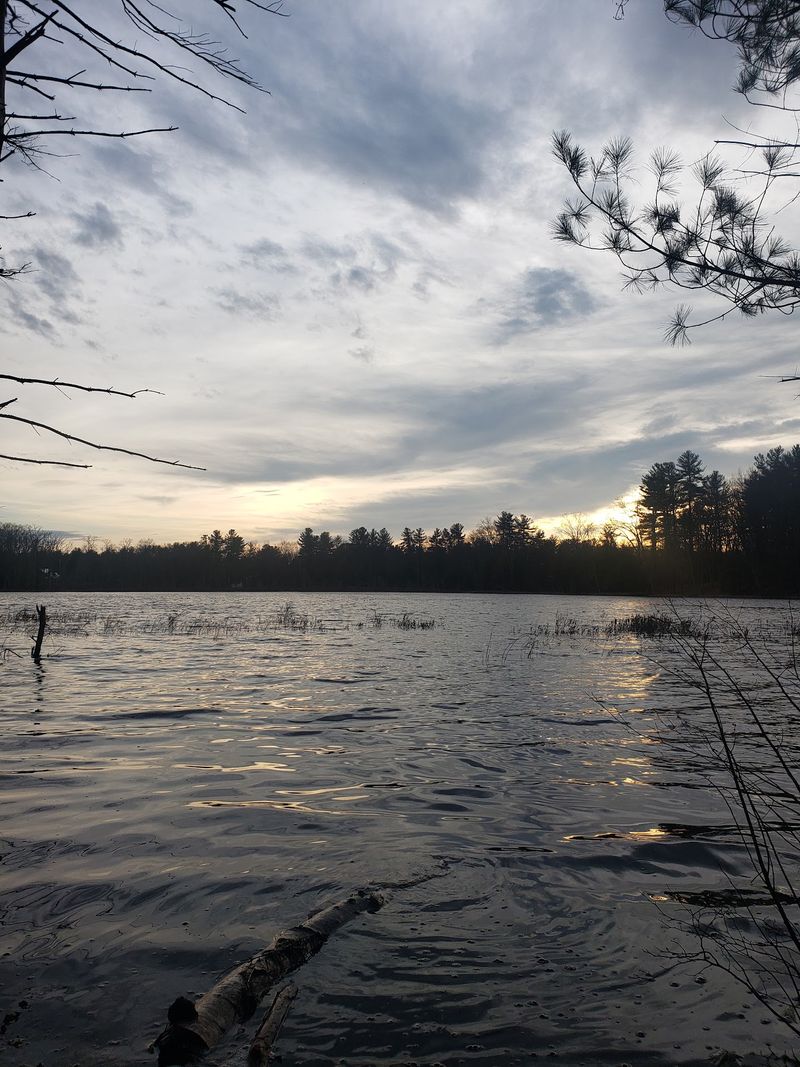
That location surprises plenty of people. Nashua is a busy small city, yet this spot feels quiet and raw, with tall trees, a still pond, and patches of swamp.
The land is really several parcels stitched together by hiking and biking trails. Some pieces hug Lovewell Pond, while others stretch into thick woods west of the Tanglewood Drive neighborhoods.
I find that patchwork layout part of the appeal. You can head out one day for an easy pond walk and come back the next day for a tough forest ride.
The area is listed as open around the clock, though daylight visits make the most sense on unlit wooded paths. Parking is available, and a portable toilet has been placed near the ball field lot.
Facilities stay simple, so pack water and snacks. The real draw is the land itself, and the water is a good place to start exploring it.
A Paved Loop Beside Lovewell Pond
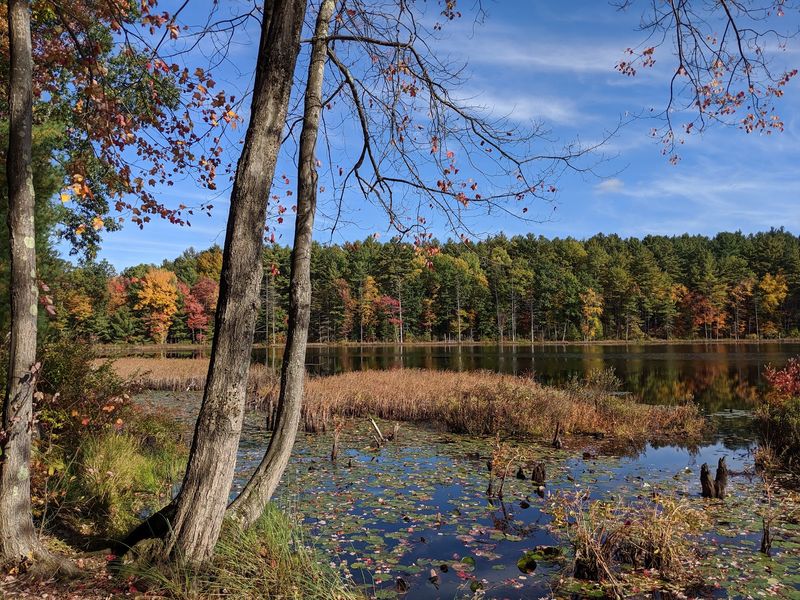
Ducks often drift across Lovewell Pond while walkers move along the shore. The main path here is paved, which makes it the easiest way to enjoy the water views.
A trail circles the pond, so you can make a full loop without backtracking. It works well for strollers, runners, and anyone who prefers solid ground over roots and rocks.
Do expect a little wear and tear. The pavement is semi-rough in spots, and tree roots can poke through, so watching your step is smart.
In spring, leaves, pine needles, and fallen sticks can pile up after the quiet months. Heavier foot and bike traffic usually clears much of it as the season goes on.
I would start any first visit right here. The pond loop gives you a feel for the land before you decide whether to wander into the forest.
Older walkers and families with little kids may find this the most comfortable route in the whole area. The paved path also heads north from the dog park, giving you more distance on easy footing.
Along the way, side trails peel off into the trees and wetlands.
Swamps, Ducks, and Quiet Wildlife Moments
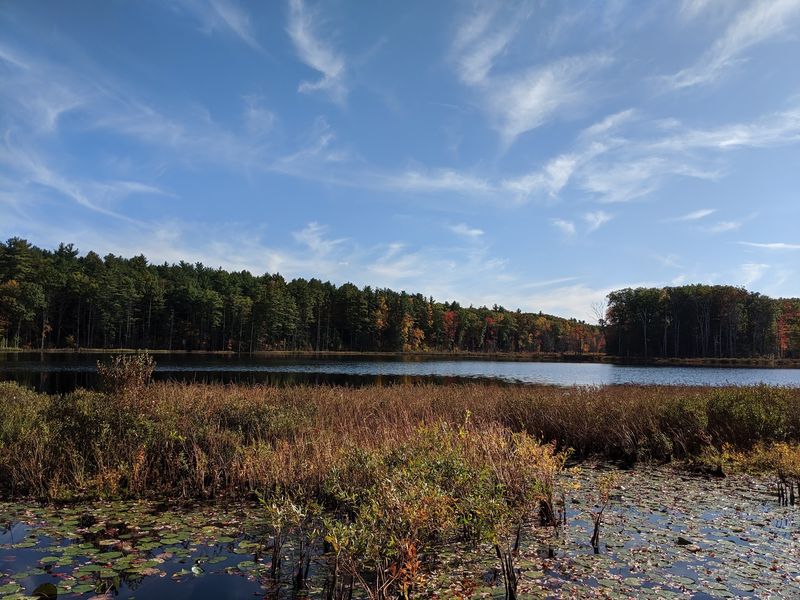
Wetlands might not sound exciting, but they give this conservation area much of its personality. Swampy pockets sit beside the trails, adding still water, mossy edges, and a wilder feel.
Ducks and other animals use the pond and nearby wet areas. Bringing binoculars or simply slowing down can turn a regular walk into a small wildlife hunt.
Conservation land like this protects habitat that would be hard to find elsewhere in a growing city. Much of the area stays relatively unspoiled, which is pretty rare this close to neighborhoods.
Early mornings tend to be calm on most trails, and calm usually helps when you’re looking for animals. Moving quietly gives you a better chance of spotting something before it spots you.
Please keep a respectful distance from any creatures you see. Feeding ducks or wandering off trail into soggy ground can harm the habitat everyone came to enjoy.
Kids especially might enjoy making a simple checklist of birds or critters. It keeps young eyes busy and teaches them that a swamp is full of life.
Of course, the wet ground also attracts some smaller visitors that deserve a warning of their own.
Trail Names Worth Saying Out Loud
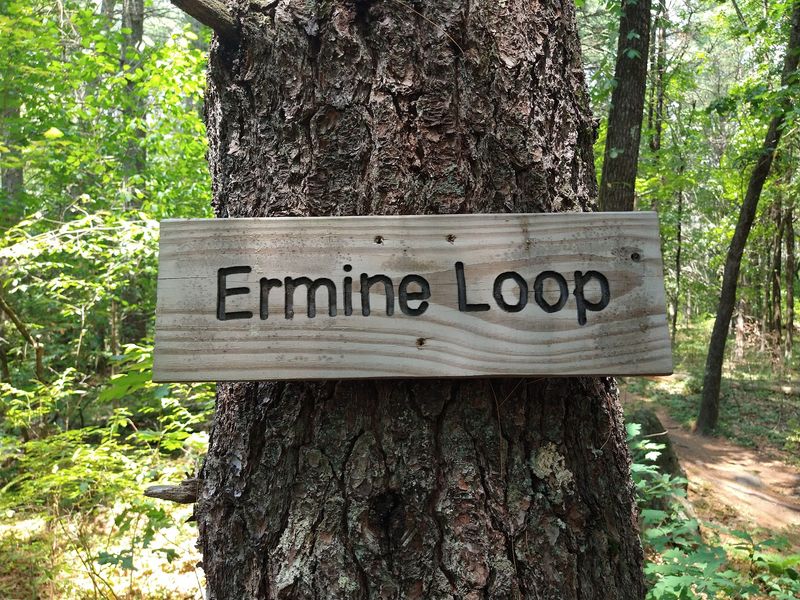
Creepy Teepee, Wormhole, Windigo, Barbed Wire, and Stargazer. These are actual trail names in the Yudicky Farm network, and they make planning a ride a lot more fun.
Other names keep the theme playful. Salamander, Inchworm, and Ermine Loop nod to small woodland creatures, while Development Trail and the Red Dot and Yellow Dot trails sound more practical.
One suggested route on the north side starts on Red Dot, reached by turning right off the paved path near the dog park. From there riders can roll into Development, Ermine Loop, and Salamander before crossing to Inchworm.
Inchworm leads toward Barbed Wire, Wormhole, Windigo, and Creepy Teepee. Another option begins on Stargazer at the back of the parking lot, heading downhill until it meets Creepy Teepee.
Near the end, a Teepee Topper loop gives riders one more stretch to enjoy. Exiting toward Yellow Dot links back to the start of other loops.
I like how the names help you remember where you’ve been. Saying you survived Wormhole is far more satisfying than saying you finished trail number seven.
Those names, though, hint at the real challenge riders find out there.
Singletrack That Twists, Drops, and Flows
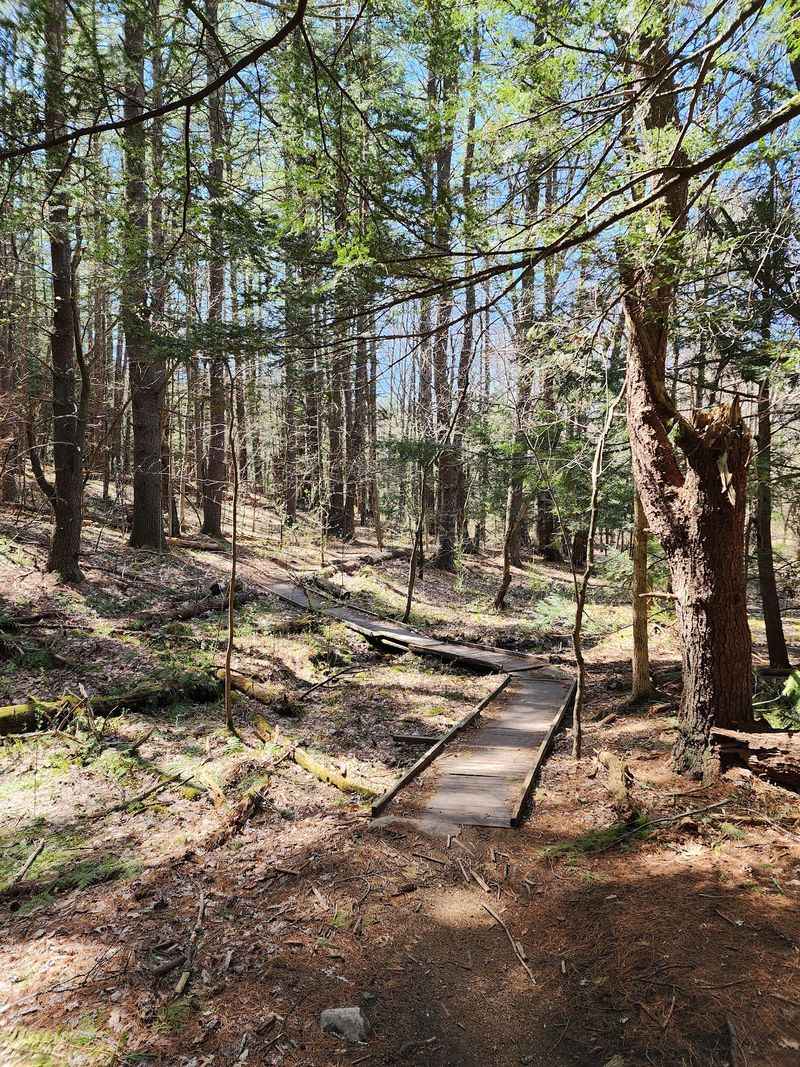
Mountain bikers get a serious playground in these woods. The singletrack mixes fast, flowing stretches with tight twists and technical rocky sections.
Riders can find features like wooden skinnies, drops, rock rolls, and doubles. Some sections have stunts built in, while others simply let you carry speed through the trees.
Skill levels vary across the network. Beginners can stick to smoother trails, and experienced riders can string together harder sections for a longer, tougher outing.
Much of the twisty riding sits in the woods west of the Tanglewood Drive developments. That area packs a lot of turns into a fairly compact space.
A quick safety note matters here. Some singletrack sees traffic going both ways, so ride under control and watch for people coming around blind corners.
Wear a helmet, check your tires, and carry a basic repair kit. Rocks and roots can be hard on bikes as well as bodies.
I would happily walk a feature first before trying it. There’s no shame in scouting a drop, and it can save a ride from ending early.
Speaking of planning ahead, finding your way deserves its own conversation.
Bring a Map Before You Bring Your Bike
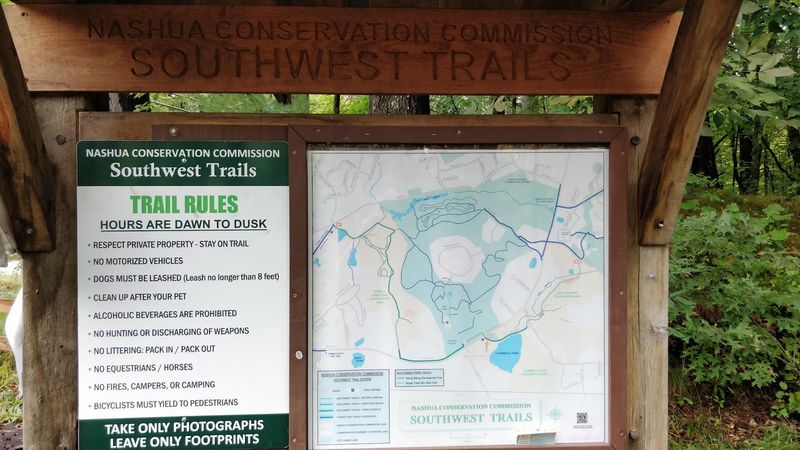
Getting turned around happens easily in a trail network made of several connected parcels. Junctions pop up often, and choices multiply quickly once you leave the pond.
Many trails are marked, yet posted overview maps near the parking areas have been hard to find. That means a big-picture view may not be waiting for you at the trailhead.
The fix is simple. Download or print an online trail map before heading out, and keep it handy on your phone.
Trailforks lists the Yudicky Farm region, which helps riders and hikers see how the pieces connect. Checking it ahead of time also lets you plan which direction to travel on each loop.
With a little planning, you could visit often without repeating the exact same route. I find that idea genuinely exciting for anyone who gets bored of familiar paths.
Tell someone where you’re going if you plan a long outing. Cell service and battery life are worth checking before you start.
A charged phone, a saved map, and a rough plan make the forest far more relaxing. Once you know the layout, you can even ride beyond the conservation area itself.
A Gateway to the Nashua River Rail Trail
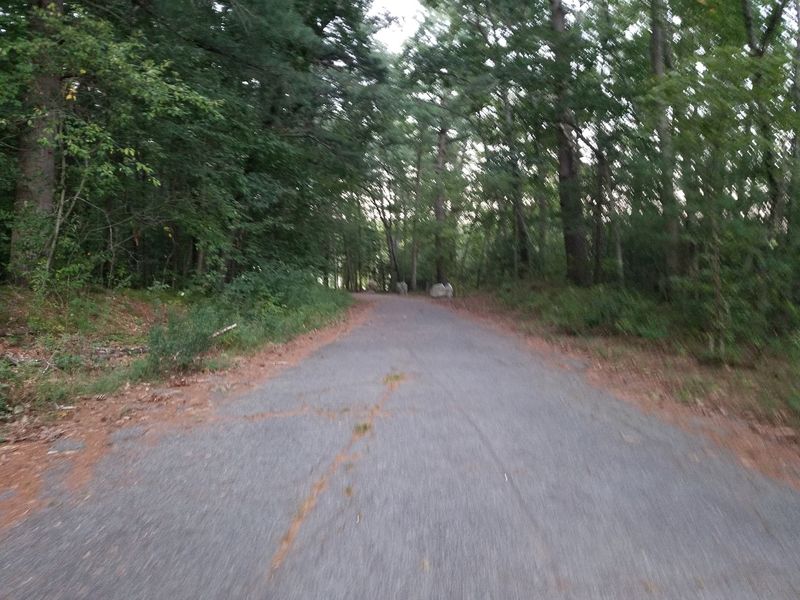
Distance cyclists have a reason to love this corner of the city. Trails here connect with the Nashua River Rail Trail, opening up much longer rides.
Access to the rail trail sits off Gilson Road. It suits riders who want steady miles on smoother ground instead of rocky forest climbs.
Rail trails follow old railroad routes, so grades tend to stay gentle. That makes them friendly for families, casual riders, and runners who like predictable footing.
Combining the two experiences is where things get fun. You could warm up on the rail trail and then test your skills on the twisty woods singletrack.
Other trails branch off from this area as well. The whole system rewards curious people who enjoy linking one path to the next.
I like the flexibility this gives a single outing. A morning could include a pond view, a forest climb, and a long glide down an old rail corridor.
Bring enough water if you plan to roll far. Services along these routes are limited, so pack for the distance you intend to cover.
Back near the start, four-legged visitors have their own special space.
A Huge Dog Park With One Catch
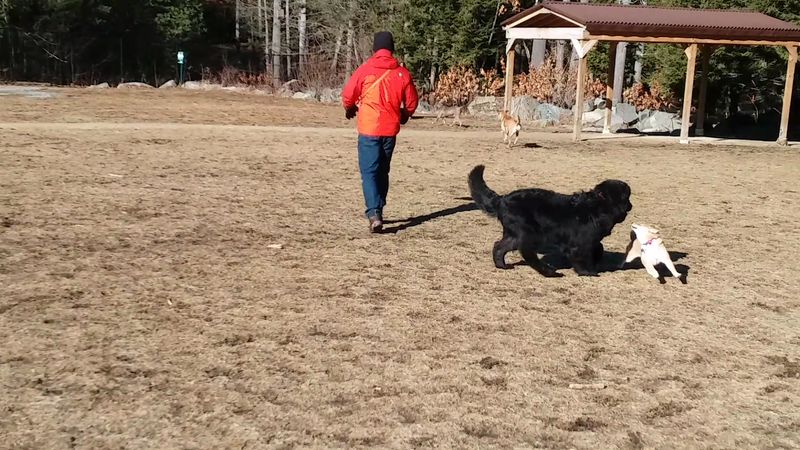
The dog park on the property is big, larger than a football field. Lots of trails also welcome dog walkers, making this area handy for pet owners.
Here’s the catch. The dog park gate is locked, and you need to arrange access in advance to get a code.
Showing up unprepared means your pup will be watching from outside the fence. Some visitors have learned that the hard way, so plan before you load the car.
Check with the City of Nashua about current dog park registration rules. Policies can change, and getting the details straight saves a wasted trip.
Meanwhile, the regular trails remain a fine option for leashed walks. The paved path north from the dog park gives easy footing for older dogs and their humans.
Pack waste bags and water for your pet. Cleaning up keeps the trails pleasant for the next walker and protects the nearby pond and wetlands.
I appreciate a city that sets aside this much room for dogs to run. It just pays to read the fine print first.
Dogs, however, can pick up unwanted passengers out here, and so can people.
Tick Smarts for Woods and Wetlands
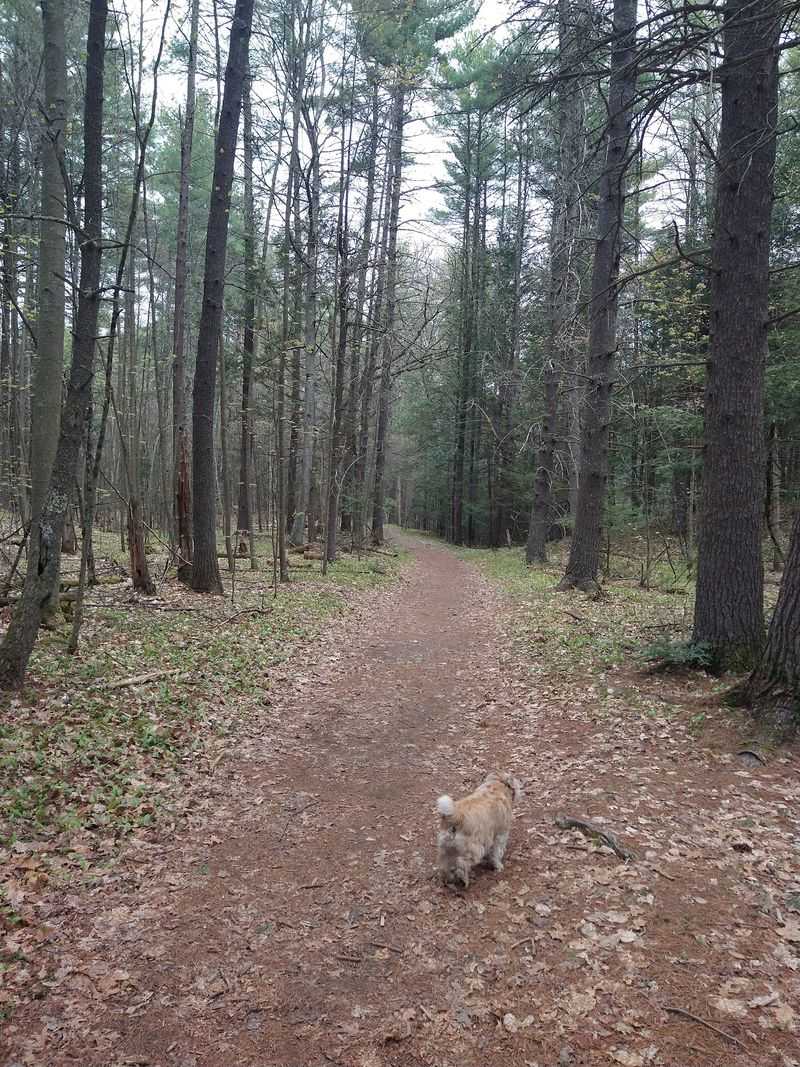
Deer ticks live in these woods, and visitors have found them on clothes and pets after walks. That’s normal for wooded New England land, but it calls for some smart habits.
Long sleeves and long pants help a lot. Tucking pant legs into socks may look silly, but it blocks a common path ticks use to reach skin.
Insect repellent is another good layer of protection. Follow the label directions, and ask a vet about the right tick prevention for your dog.
Staying near the middle of trails also helps. Tall grass and brush along the edges are where ticks often wait for passing legs.
After your outing, do a full tick check at home. Look behind knees, around waistbands, along the hairline, and between your dog’s toes.
A quick shower soon after returning can help you spot anything hiding. Tossing clothes in a hot dryer is another simple step.
None of this should scare you away. I’d rather spend five minutes checking than skip a beautiful pond walk.
With bugs handled, the next question is which kind of outing fits you best.
Statues, Fishing, and Little Surprises Along the Way

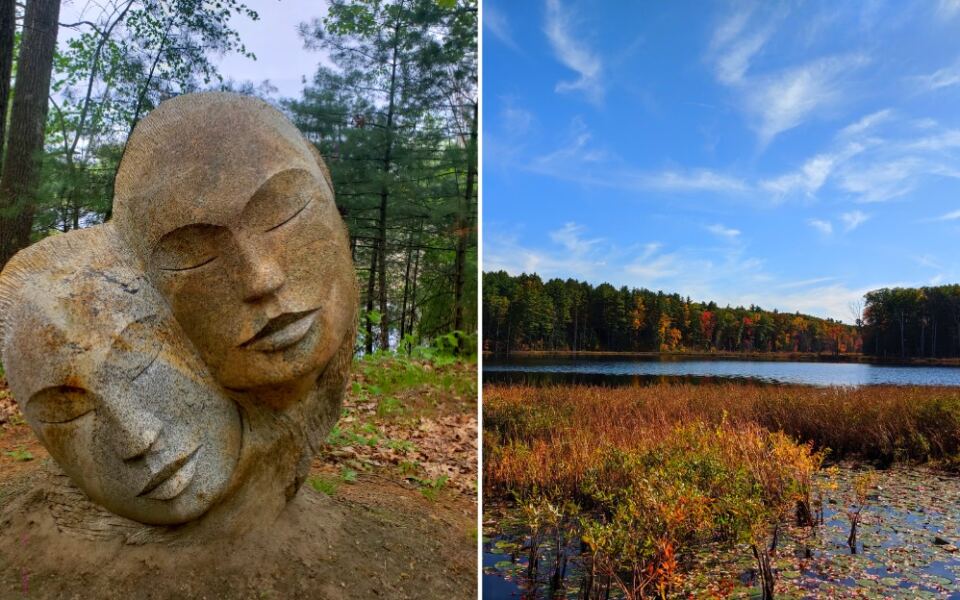
Curious walkers may come across statues along certain routes. Depending on which path you choose, the trails can lead to some interesting finds.
I won’t spoil exactly where they are. Part of the fun is wandering and letting the trail surprise you a little.
Fishing is another activity people enjoy at Lovewell Pond. Check New Hampshire fishing license rules before casting a line, since anglers over a certain age need one.
Running is popular too. The mix of paved path and dirt trail gives runners options for easy recovery days or rooty, hilly workouts.
The area feels far from town, yet downtown Nashua is roughly ten minutes away. That closeness makes a quick after-school or after-work visit realistic.
Weekdays tend to be quieter, while weekends may draw more people. Some trailheads have small lots that fit only a handful of cars, so arriving early can help.
Please carry out any trash you bring, and maybe grab one extra piece. A small habit like that keeps this green corner of New Hampshire clean.
Pond views, forest trails, and quiet wetlands all wait in one spot, ready whenever you are.
Share this story