Most Americans follow a pretty standard routine: wake up, shower, get on with the day. But travel to almost any other part of the world, and you will quickly realize that the bathroom is one of the most culturally revealing rooms in any home.
What counts as normal, necessary, or even polite when it comes to getting clean varies wildly depending on where you are. Some countries treat bathing as a communal ritual with centuries of history behind it.
Others have reshaped their routines around drought, architecture, or energy costs. A few have invented bathroom fixtures that Americans have barely encountered.
None of these habits is strange once you understand the logic behind them. This list covers 13 countries where shower culture differs from the American norm in ways that are surprising, fascinating, and occasionally very funny.
1. Japan
Japan flips the entire logic of what a shower is actually for. Rather than being the main event, the shower is a preparation step that happens before anyone even touches the bathtub.
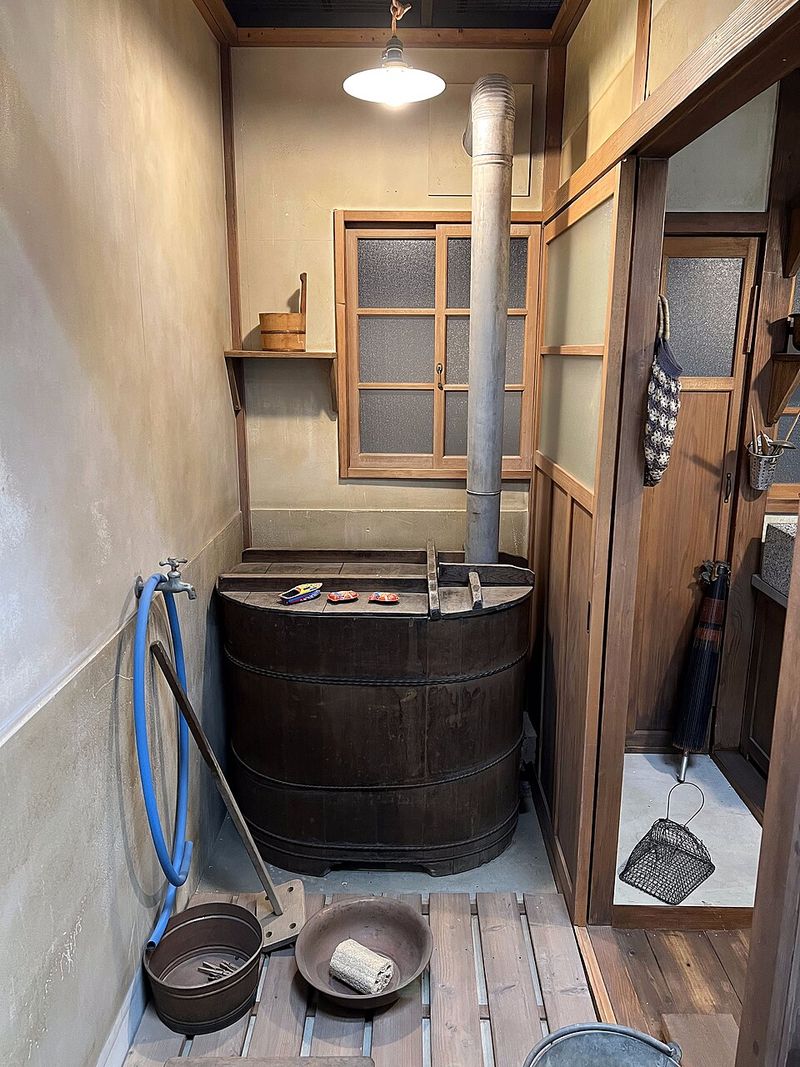
In a traditional Japanese bathroom routine, people wash and rinse thoroughly in a dedicated washing area first. The bathtub is reserved purely for soaking and relaxation, not scrubbing.
Soap and dirt never enter the bathwater itself.
Japanese homes commonly feature a low stool and a handheld showerhead beside the tub for this purpose. The same principle applies at public bathhouses and hot springs, where guests must wash completely before entering communal water.
Japanese tubs are also noticeably deeper than American ones, built for full immersion rather than a quick half-soak. The philosophy is simple: get genuinely clean first, then enjoy the bath.
2. South Korea
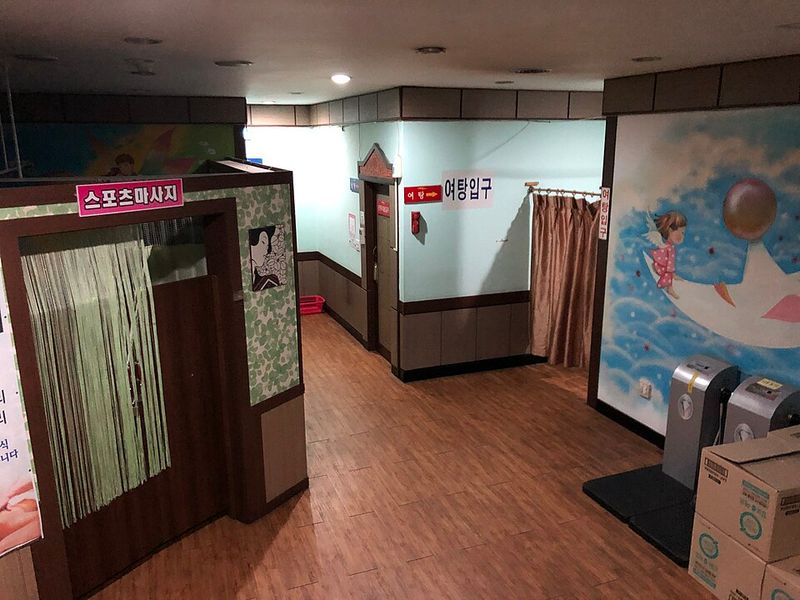
South Korea has turned the act of bathing into something that can genuinely fill an entire afternoon. The country’s jjimjilbang culture combines bathing facilities with saunas, sleeping areas, food, and socializing under one roof.
Public bath facilities include multiple pools set at varying temperatures, alongside washing stations where guests scrub down before entering the water. One tradition that consistently surprises first-timers is the professional body exfoliation service called seshin.
Trained attendants use a textured mitt to scrub the skin with considerable force, removing layers of dead skin in a way that can look dramatic but leaves the skin noticeably smooth. The amount of material removed during a first session tends to produce an expression of genuine disbelief.
Home showers are of course standard in Korea, but the jjimjilbang turns bathing into a social and wellness occasion rather than a two-minute morning task.
3. Finland
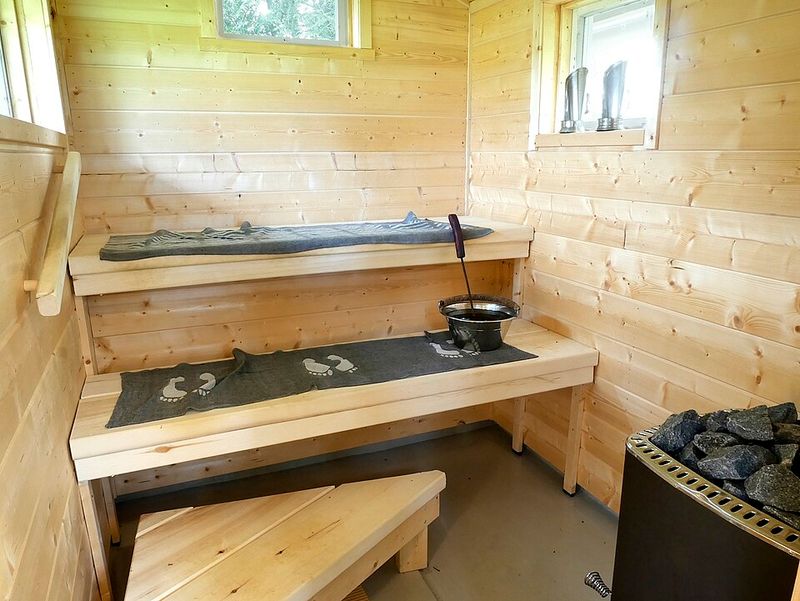
Finland has approximately 3.3 million saunas for a population of about 5.5 million people, which gives a fairly clear indication of how central the sauna is to daily life there. Getting clean without mentioning it is simply not possible.
A typical Finnish bathing routine involves heating up in the sauna, cooling down with a shower or a dip in a nearby lake, and repeating the cycle. The shower functions as one stage in a larger process rather than a standalone event.
For Americans who associate saunas primarily with hotel spas, their everyday presence in Finnish apartments, workplaces, and lakeside cottages can be genuinely surprising. The sauna is not a weekend treat or a fitness club perk.
For many Finns it is as ordinary as making coffee in the morning, practiced regularly across generations and considered essential to both physical and mental wellbeing.
4. Sweden
Sweden’s approach to showering is shaped less by tradition and more by a national conversation about environmental responsibility. Water and energy consumption come up regularly in public life, and the bathroom is no exception to that scrutiny.
Heating water requires energy even in a country with abundant freshwater, and many Swedes are conscious of how long they let the tap run. This has contributed to a cultural tendency toward efficient, purposeful showers rather than long, leisurely ones.
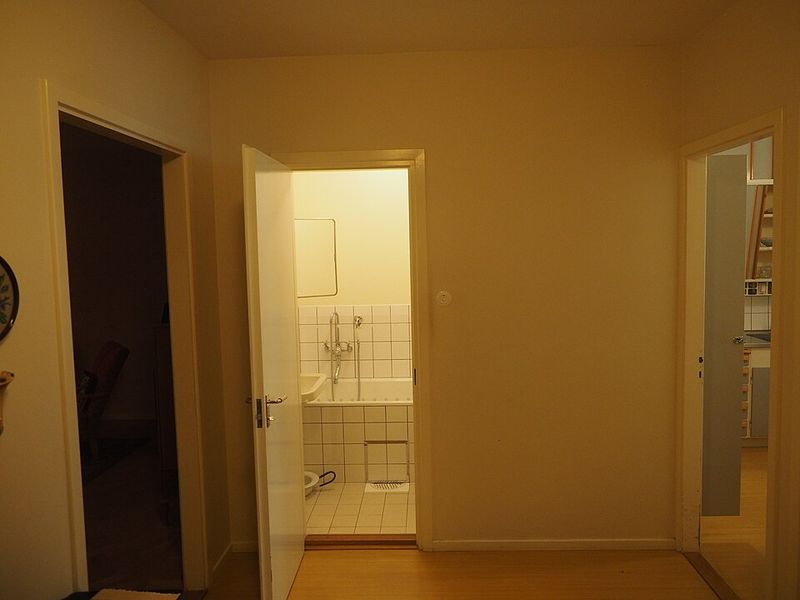
Swedish bathroom design often reflects this mindset. Wet-room layouts, where the entire floor is waterproofed and drains freely, are common in smaller apartments.
Walk-in showers with minimal framing and simple fixtures are standard rather than exceptional. The cultural difference is therefore not purely about duration or frequency.
The room itself has often been designed around a fundamentally different set of priorities, where practicality and resource awareness shape every fixture choice.
5. Germany
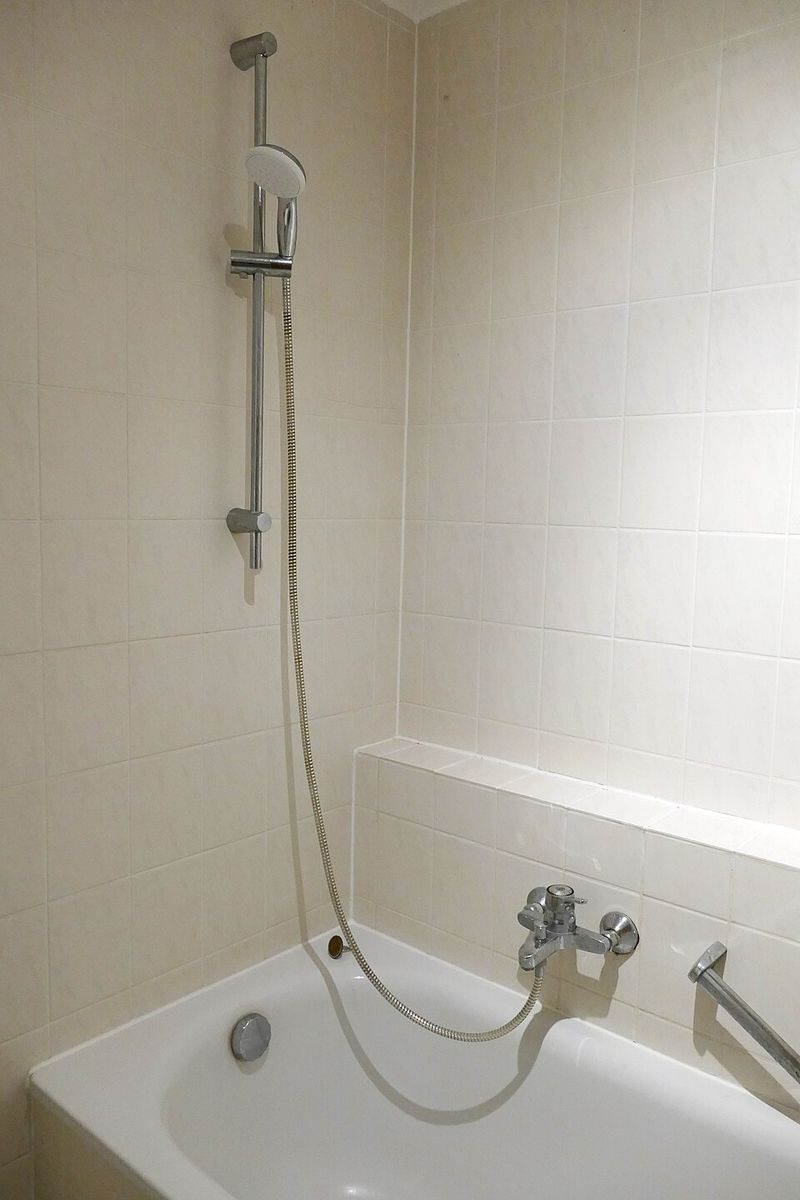
German bathrooms look familiar at first glance, right up until you try to figure out the showerhead. Fixed overhead showers mounted high on the wall are far less common than handheld units attached to adjustable rails, giving users control over height and direction.
Bathtubs fitted with flexible handheld shower attachments are also standard in many homes. The design encourages precise, targeted washing rather than simply standing under a continuous stream of water.
Utility costs provide a practical reinforcement to this approach. Water and energy are not treated as unlimited resources, and German households tend to be aware of what running the hot water costs.
This does not mean every German showers for exactly three minutes on a government-approved schedule. Personal habits vary widely.
The difference is more subtle: a combination of thoughtful bathroom design, real energy costs, and environmental awareness makes efficient water use feel like a natural part of everyday life rather than a sacrifice.
6. Brazil
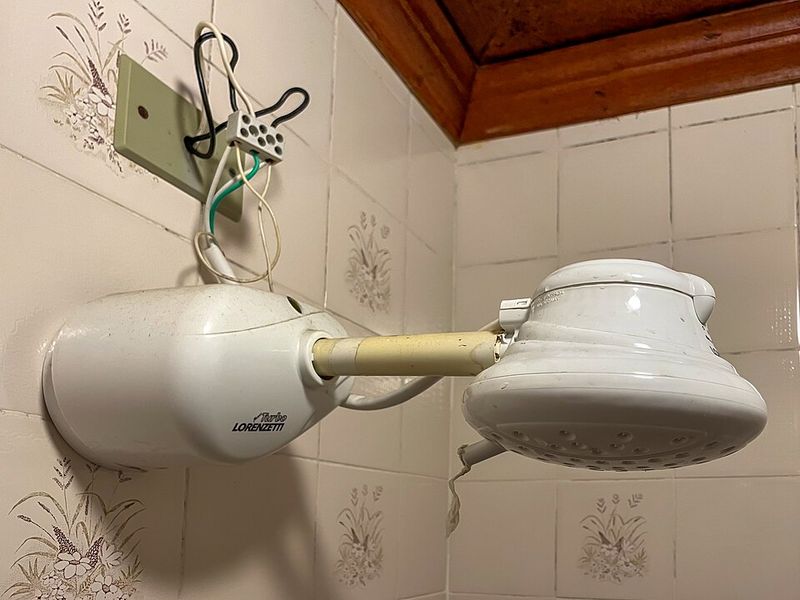
Brazil holds a record most Americans would never guess: it leads the world in shower frequency, with many residents averaging around two showers per day. The country’s warm, humid climate makes this feel less like a luxury and more like basic survival strategy.
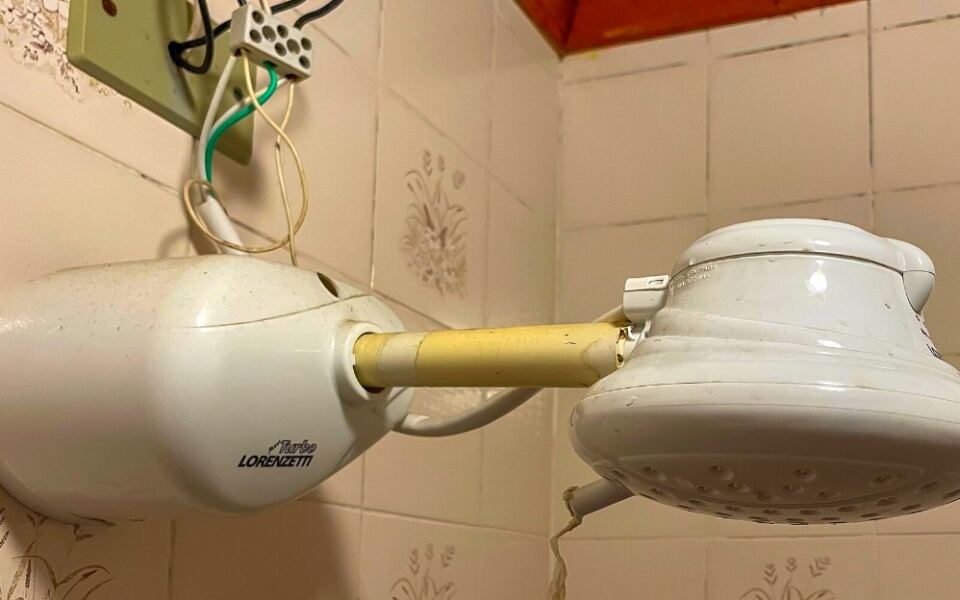
What surprises visitors even more is the technology involved. Electric showerheads, known locally as chuveiro eletrico, heat water on demand right inside the fixture.
Over 70 percent of Brazilian homes use them instead of a central water heater.
To an American eye, seeing electrical wiring running directly toward a shower can look alarming. Properly installed units are, however, designed specifically for this purpose and have been common in Brazil since the 1930s.
The result is affordable hot water without the need for a large centralized heating system.
7. France
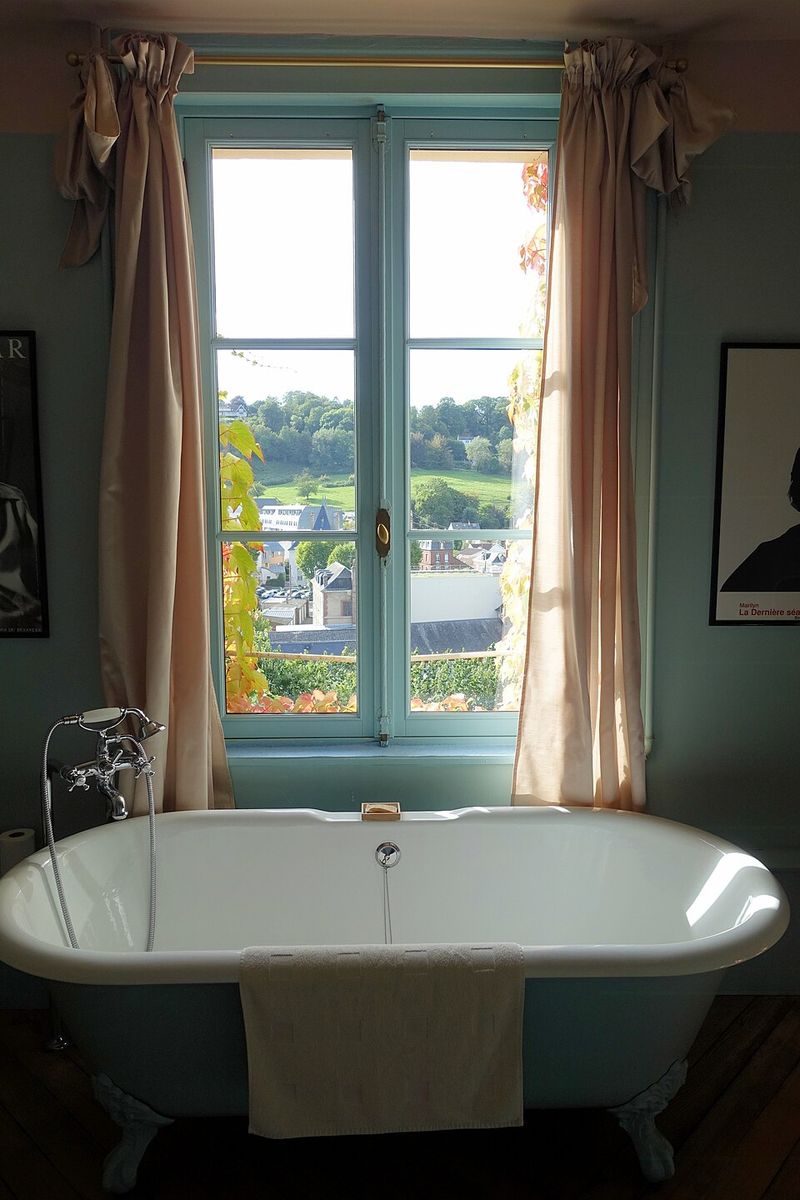
One of the most persistent stereotypes Americans sometimes repeat about French hygiene turns out to be mostly fictional. Modern French homes have ordinary showers and baths, and personal cleanliness routines are as varied as those found anywhere else.
What is genuinely different is the bathroom design visitors sometimes encounter, particularly in older buildings. Compact layouts, handheld showerheads, and fixtures squeezed into spaces originally built before indoor plumbing existed are common in historic apartments across Paris and other cities.
France also has a direct historical connection with the bidet. The fixture originated there centuries ago before spreading through parts of Europe and beyond.
While standalone bidets are no longer present in every French home, their history reflects a broader point: showering is not the only method cultures have developed for personal washing. For American visitors, the biggest revelation is often how little the old stereotypes resemble actual modern French bathroom life.
8. Italy
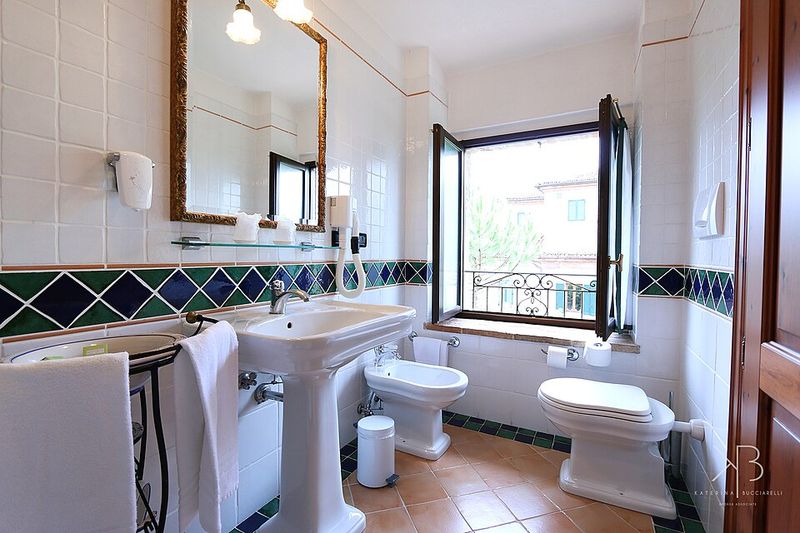
The fixture most likely to stop an American in their tracks inside an Italian bathroom is not the shower. It is the bidet, a low ceramic basin positioned beside the toilet that many Americans have never used and struggle to identify on first encounter.
Italian building regulations have historically supported the bidet as a standard feature in residential bathrooms. Its purpose is to supplement regular bathing rather than replace it, providing a quick and targeted rinse without requiring a full shower every time.
Beyond the bidet, Italian showers themselves can be notably compact, particularly in older apartments in historic city centers. These buildings were constructed long before anyone imagined the large, walk-in shower enclosures common in American homes.
The overall picture illustrates how bathroom culture can diverge significantly between wealthy countries with otherwise similar living standards. Different tools, different priorities, and centuries of different habits all shape what ends up in the room.
9. Spain
Spain’s bathing habits shift noticeably with the seasons, and summer in the south makes the logic very clear. When temperatures climb in inland and southern regions, a quick additional shower after time outdoors is less of an indulgence and more of a practical response to the heat.
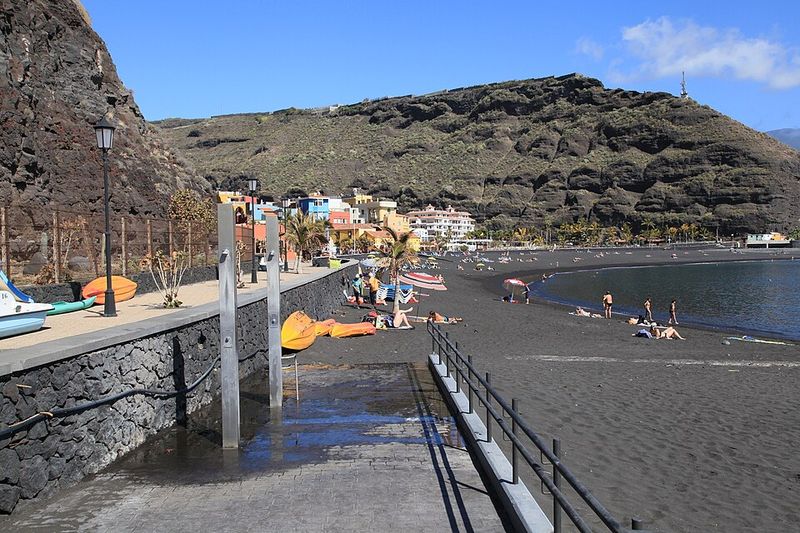
Coastal areas add another layer to the picture. Public rinsing stations near beaches are common, giving swimmers a convenient way to remove sand and saltwater before heading home or to a nearby restaurant.
These outdoor fixtures are a standard part of beach infrastructure rather than an unusual amenity.
Water conservation has also become increasingly relevant across Spain, particularly in regions that experience regular drought. This creates a direct tension: hot weather makes people want to shower more often at exactly the moment when water supplies call for restraint.
The practical resolution is usually an emphasis on short, efficient rinses rather than extended sessions, treating every shower as purposeful rather than leisurely.
10. Australia
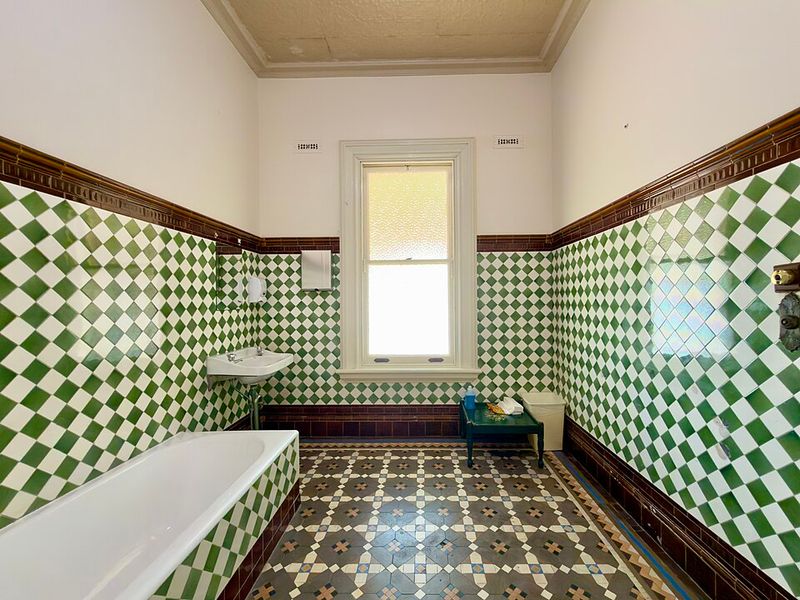
Australia is a wealthy, modern country with excellent plumbing infrastructure, and yet the shower has become a topic of genuine national debate there on multiple occasions. Recurring droughts have forced communities to confront the reality that reliable water cannot simply be assumed.
During severe dry periods, governments and water authorities have promoted shorter showers and water-efficient showerheads as practical conservation measures. The four-minute shower became a recognizable concept during several significant water-saving campaigns, appearing in public messaging across the country.
Not every Australian times their shower to the second, and personal habits vary as widely there as anywhere else. The point is that many Australians have lived through periods when shower length became part of a broader public conversation about shared water security.
For Americans from regions where drought restrictions are uncommon, that collective mindset around something as personal as a daily rinse can feel genuinely surprising and worth thinking about.
11. India
Describing a single Indian bathing routine would miss the point entirely. The country spans an enormous range of climates, income levels, housing types, religious customs, and regional traditions, making any single generalization immediately inaccurate.
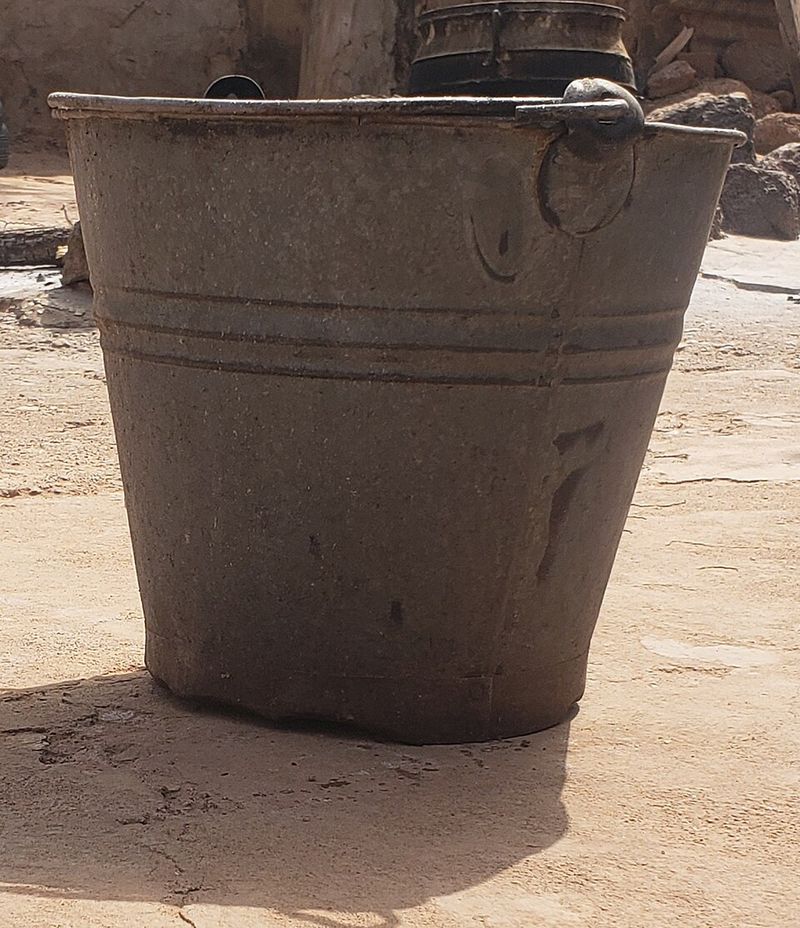
One practice that tends to surprise Americans, however, is the continued familiarity of bucket bathing across many households. Water is drawn into a bucket and poured over the body using a small dipper or mug.
The method gives precise control over how much water is used and works effectively with limited plumbing infrastructure.
Urban homes and newer construction increasingly include conventional showers, and both approaches often exist side by side. During periods of extreme heat, washing more than once a day is a practical and common choice rather than an unusual one.
India offers a useful reminder that the overhead shower is only one technological answer to an ancient human need, and not necessarily the most efficient one available.
12. Turkey
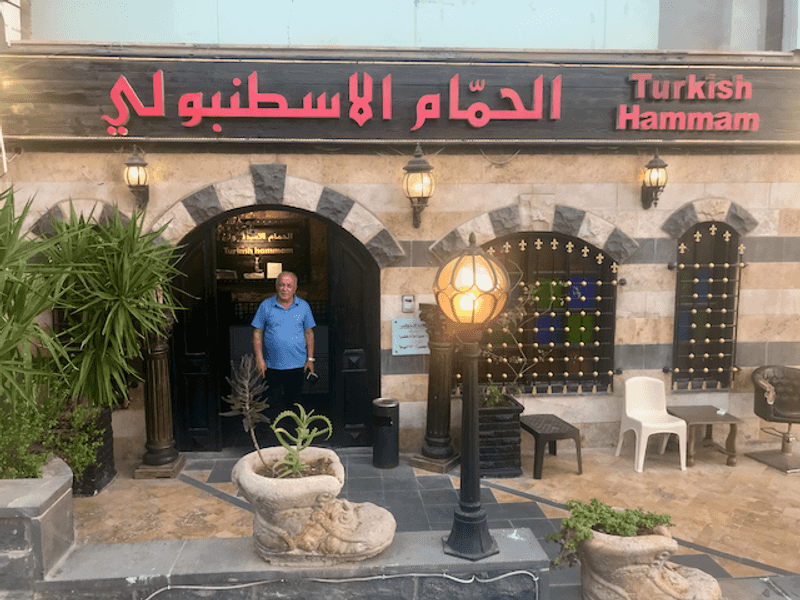
Turkey’s bathing culture goes back well before the invention of the modern shower, and it shows. The hammam, or Turkish bath, developed from earlier Roman and Byzantine traditions and became a central institution across the Ottoman Empire.
A traditional hammam experience involves much more than rinsing off. Bathers sit or lie on a large heated marble slab called a gobek tasi while their pores open from the warmth.
An attendant then uses a coarse textured mitt called a kese to scrub the skin vigorously, followed by a thorough soap wash and a rinse.
Modern Turkish homes have standard showers, and the hammam is not a daily necessity for most people today. It remains, however, an active cultural tradition rather than a museum piece, with hammams still operating in cities across the country.
For Americans who treat bathing as a private and rapid task, the hammam represents a fundamentally different philosophy about what getting clean can mean.
13. Iceland
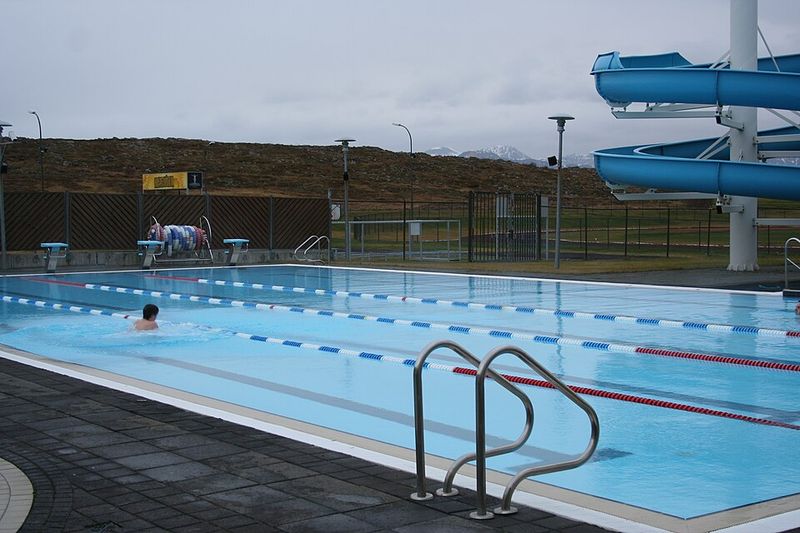
Iceland has abundant geothermal energy, a strong swimming culture, and some of the strictest pre-bathing rules visitors will encounter anywhere in the world. Before entering any public pool, swimmers are required to shower thoroughly without a swimsuit.
No exceptions, and the signs make this extremely clear.
For visitors from countries where a quick rinse in swimwear is considered adequate preparation, this requirement can produce genuine surprise. The practical reason is straightforward: thorough washing removes contaminants that would otherwise require heavy chemical treatment of the water.
Because Icelanders wash properly before entering, their pools can use significantly less treatment than pools in many other countries, preserving the quality of geothermal water that is naturally heated beneath the ground. Public pools function as important social spaces in Iceland, used year-round regardless of weather.
The surprising element is not reluctance to shower but rather the level of seriousness with which pre-swim showering is treated as a collective responsibility.
Share this story