Something quietly charming is happening in North Carolina, and it feels like a page torn straight from a 1950s neighborhood. Glass bottles, porch pickups, and recurring deliveries are not just a memory from your grandparents’ stories.
A new generation of home milk delivery services is bringing that familiar ritual back, and some North Carolina residents can order it right now from their phones. If you have ever wondered whether the old milk-route tradition survived or simply found a modern second life, the answer is worth checking out.
Milk routes have roots in parts of North Carolina
Long before grocery store coolers lined every aisle, some North Carolina farmers found a practical solution to leftover milk: they loaded it onto wagons and started delivering it directly to neighbors. NCpedia’s history of the dairy industry notes that some farmers with milk surpluses began regular routes after 1900, with activity especially concentrated in the Piedmont and western parts of the state.
That history is useful context, but it should not be stretched too far. Doorstep delivery was not a universal fixture in every North Carolina city during the 1950s, and there is no documented evidence that any single route ran continuously without interruption from that era to today.
What the history does show is that the idea of a regular, relationship-based milk delivery has deep regional roots. That tradition makes the modern services worth paying attention to, even if the connection is one of spirit rather than an unbroken chain of glass bottles on the same porch.
Asheville has a promising lead, not a confirmed current route
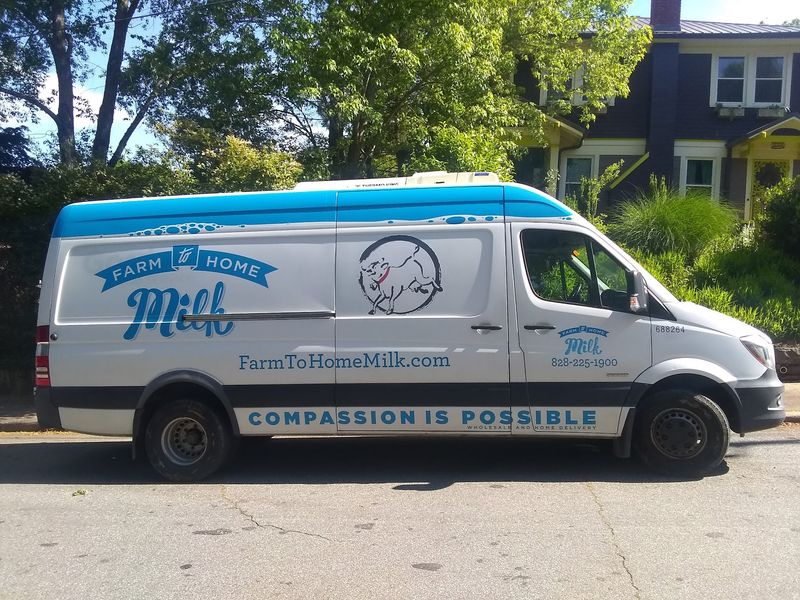
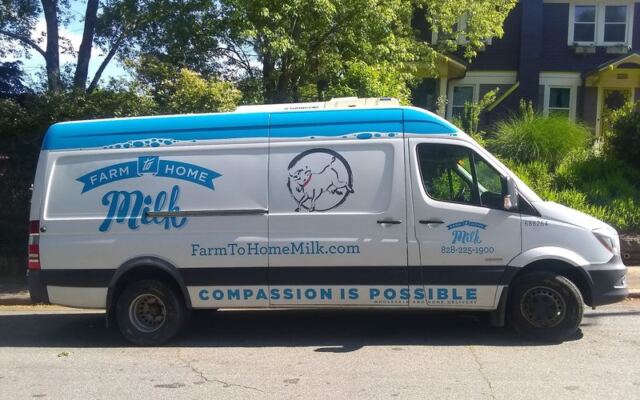
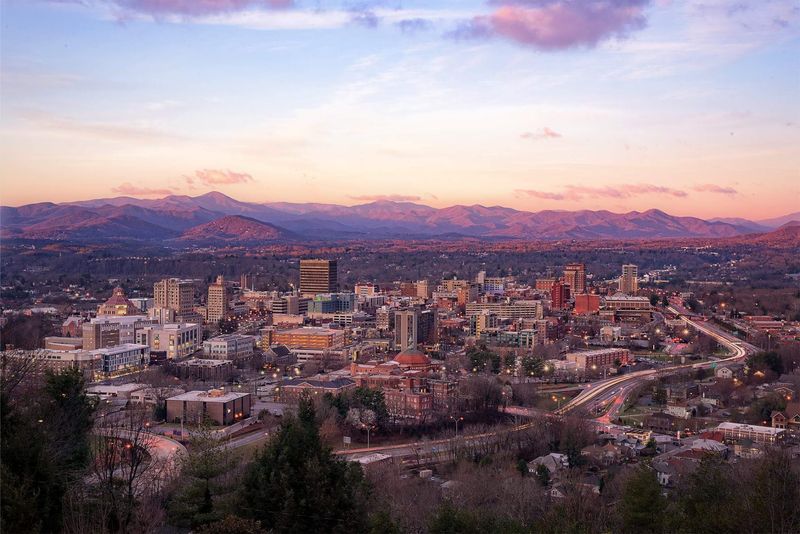
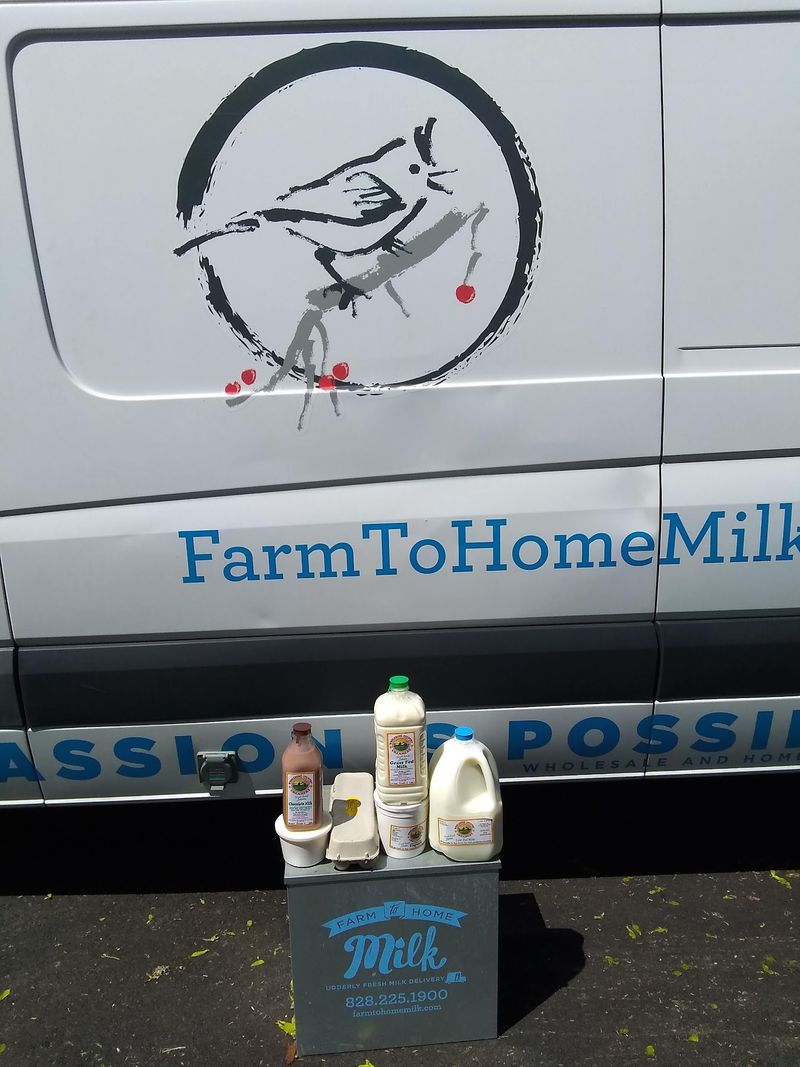
Asheville stands out as the most specific city-level lead that research turned up. The Appalachian Sustainable Agriculture Project’s local-food guide includes a listing for Farm to Home Milk, describing it as a provider offering reusable glass bottle service for Asheville homes.
For anyone who loves the idea of a locally connected milk source in the Blue Ridge foothills, that listing is genuinely encouraging.
The catch is that the listing does not show when it was last verified. A visit to Farm to Home Milk’s own website shows the company identifies itself as an Asheville business and outlines ordering information, but the site places a heavier emphasis on wholesale delivery than on residential routes.
Before counting on a regular porch pickup through this provider, contact Farm to Home Milk directly to confirm whether residential delivery is currently available in your part of Asheville, what the route schedule looks like, and what ordering terms apply. A promising listing is a great starting point, not a guarantee.
Online ordering brings a modern route to eligible addresses
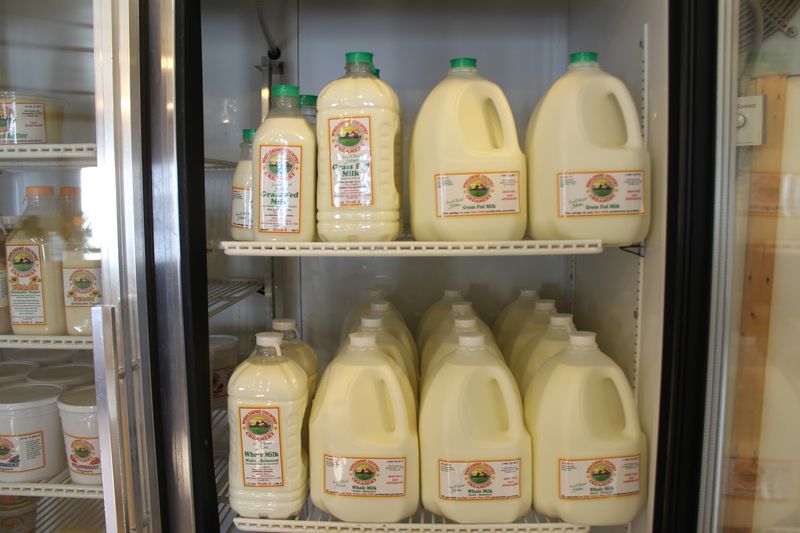
South Mountain Creamery offers a different model: a fully online ordering system that lets customers browse products, set up recurring orders, and receive deliveries as often as weekly. The process is designed to feel familiar, like the old route, but managed through a website rather than a handshake with a neighborhood driver.
According to South Mountain Creamery’s delivery page, customers can schedule regular shipments and adjust their orders online, making it easy to pause, skip, or change quantities between deliveries. The company does confirm service in parts of North Carolina, but its North Carolina delivery page requires customers to enter their address to check eligibility.
Coverage is not guaranteed for every zip code or city.
A few details are worth knowing before ordering. South Mountain Creamery’s farm is located in Middletown, Maryland, so the milk is not locally produced within North Carolina.
Its FAQ confirms the milk is pasteurized, which is the standard required for consumer milk sales. Old-fashioned bottles and farm-style branding are part of the appeal, but they do not change the product’s pasteurized nature or its origin.
Bottle returns create a repeatable ritual
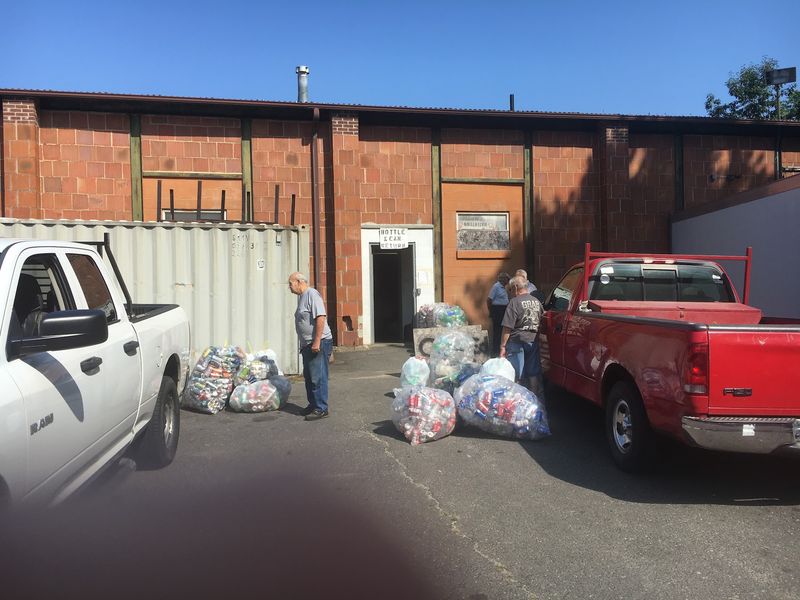
Part of what makes glass-bottle delivery feel different from grabbing a jug at the grocery store is the return system. South Mountain Creamery has built a specific process around it: the company’s FAQ lists a $3 deposit per glass bottle.
When the driver arrives for the next delivery, they collect the empty bottles left out by the customer, and the deposit is credited back to the customer’s account.
That back-and-forth rhythm, leave an empty, receive a full one, is genuinely reminiscent of the old route system. But those deposit and return terms are specific to South Mountain Creamery and may not apply to other providers, so check the details with any service you consider.
Reusable glass sounds like an obvious environmental win, and it can be, but the picture is more nuanced than it first appears. A peer-reviewed life-cycle study on reusable packaging found that outcomes depend on factors including return rates, the number of times a bottle is reused, transport distances, and the energy used in cleaning.
Glass delivery can reduce single-use packaging, but its net environmental benefit depends on how well the whole system actually performs in practice.
A porch cooler is a handoff, not long-term storage
Leaving the front door unlocked for a delivery driver is not exactly practical anymore, which is why the modern version of porch delivery relies on a simple substitute: a cooler. South Mountain Creamery’s FAQ recommends that customers leave out a cooler or porch box, ideally stocked with ice packs or frozen water bottles, so products stay cold from the moment the driver sets them down.
That cooler is a helpful bridge, but it is not a substitute for the refrigerator. Federal food safety guidance is clear: cold perishable foods should be refrigerated within two hours of delivery.
When outdoor air temperatures climb above 90 degrees Fahrenheit, that window shrinks to just one hour. Refrigerated food should be kept at 40 degrees Fahrenheit or below.
South Mountain also notes that milk keeps best stored toward the back of the refrigerator rather than in the door, where temperatures fluctuate more with each opening. A porch cooler makes the handoff smooth and keeps your order safe until you bring it inside.
After that, the clock is still running, and the back of the fridge is where the bottle belongs.
The tradition is familiar; check the route before you count on it
There is real warmth in the idea of a milk bottle waiting on the porch when the day starts. That feeling connects to something genuine in North Carolina’s dairy history, even if the old routes were never as widespread or unbroken as nostalgia sometimes suggests.
Modern services like South Mountain Creamery and the Asheville-area lead in Farm to Home Milk show that home delivery is not just a memory. Before you plan around either one, enter your address on South Mountain Creamery’s North Carolina page or reach out directly to any local provider to confirm current routes, residential availability, and bottle-return terms.
The ritual of a glass bottle on the porch is available to some North Carolina households right now, but the first step is making sure your address is on the route. Once you confirm that, the rest of it, the cooler, the deposit, the weekly delivery, feels a lot like something old made new again.
Share this story