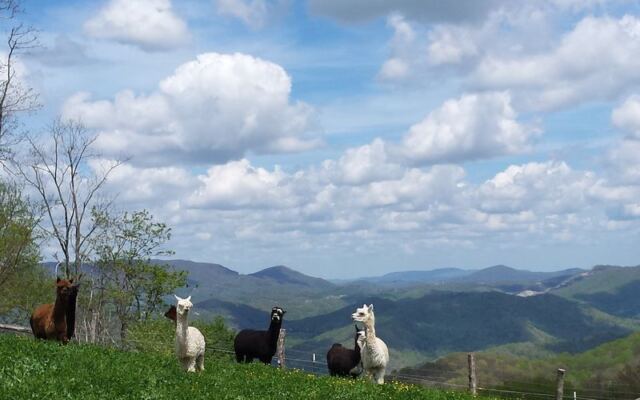
I went looking for a quick mountain stop in North Carolina and found a fuzzy crowd of alpacas waiting at the top of a winding road. A friendly farm dog trotted over to say hello before I even reached the gate.
By the end of the hour, I had fed goats, learned llama trivia, and left with the softest socks I have ever owned. Some places you visit, and some places quietly steal a piece of your heart.
A Working Mountain Farm Above Banner Elk
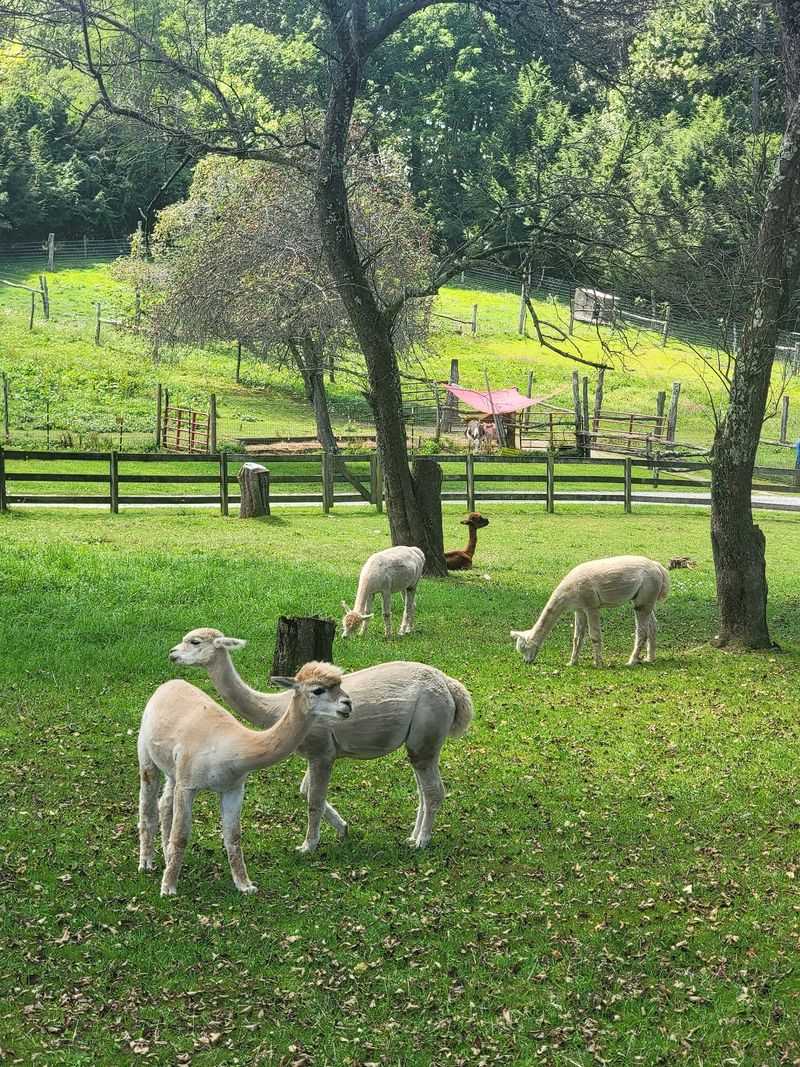
Perched high in the North Carolina High Country, Apple Hill Farm sits at 400 Apple Hill Rd in Banner Elk. It is a real working farm, not a theme park, and that difference shows the moment you arrive.
Visitors come here to meet alpacas, llamas, goats, donkeys, and a lineup of other friendly animals up close. Guided tours lead small groups through the pastures, sharing stories about each animal along the way.
Afterward, a gift shop offers alpaca fiber goods, yarn, and local treats.
The name on maps includes a helpful reminder: Tickets Required. Walk-ups are not the plan here, so booking ahead matters.
That small step keeps groups small and the animals relaxed.
Think of it as a mountain classroom with fluffy teachers. For families, couples, and curious travelers, it offers a calm, hands-on way to spend a morning or afternoon in the hills.
Views That Steal the Show
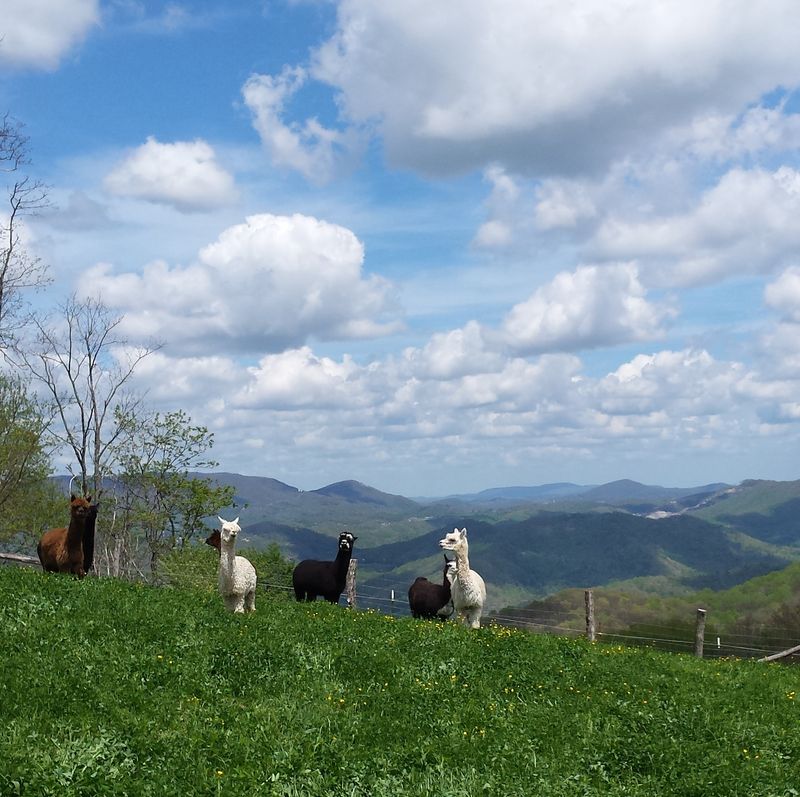
Even a four-year-old noticed. One family shared that their young son stopped mid-tour just to point out the mountains, and honestly, it is hard to blame him.
The farm sits high enough that rolling ridges stretch out in nearly every direction. Visitors often call the setting spectacular, and many say the scenery alone would be worth the drive.
Pair those views with alpacas grazing in the foreground, and you have a photo that practically takes itself.
Bring your camera, or at least a fully charged phone. Fall is a natural fit for color lovers, when the High Country hillsides glow orange and gold.
Spring and summer bring lush green pastures and cooler mountain air than the lowlands.
Guests also describe the mood as calm and tranquil. One couple admitted they felt a little sad to leave, which says plenty about how peaceful the hilltop feels.
Meeting the Alpacas Face to Face
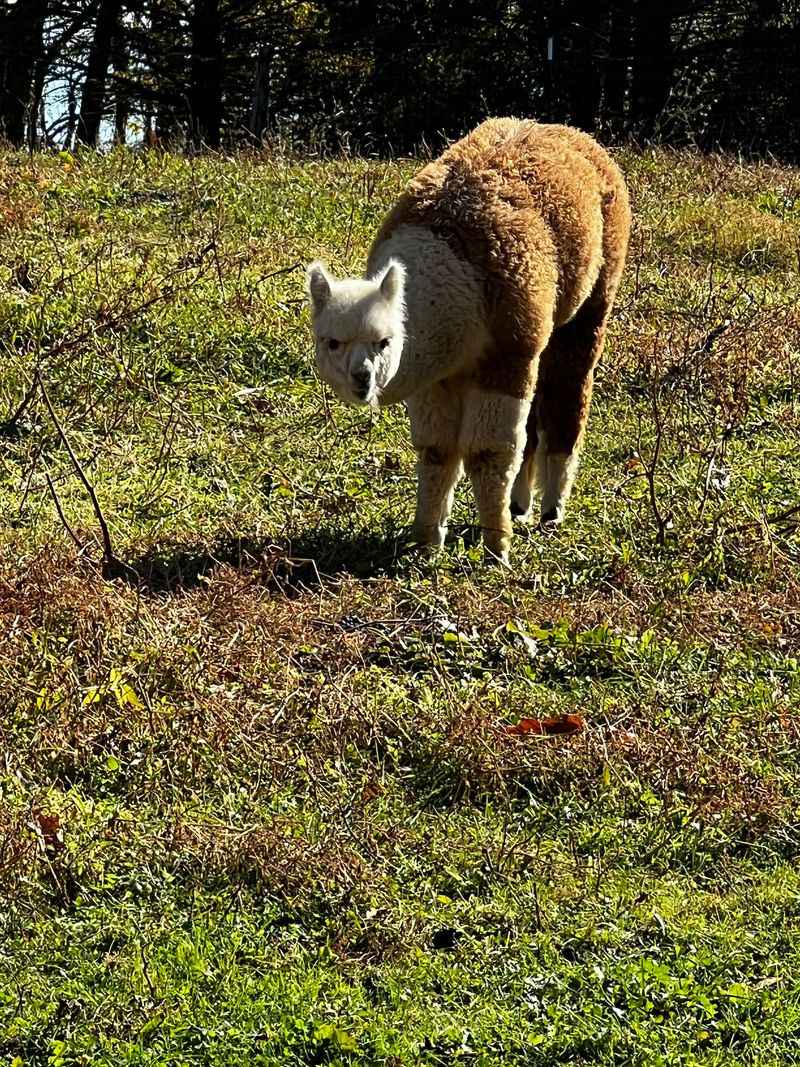
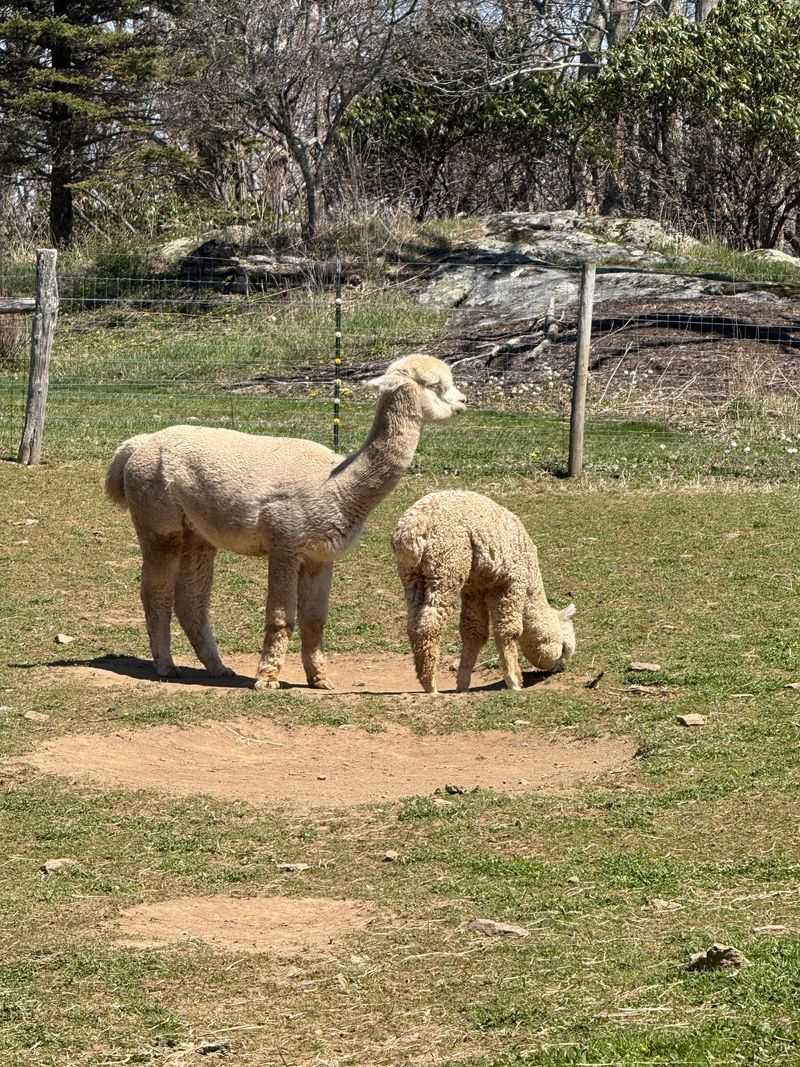
Picture a cloud with long eyelashes and a curious stare. That is the alpaca, and at Apple Hill Farm, they are the undisputed headliners.
Alpacas come up more than anything else when people talk about this place. Guests describe them as amazing, and one recent visitor gushed over a baby alpaca who was a total sweetheart.
Their soft faces and quiet hums make them easy to love.
Here is a fun fact to share on the tour: alpacas are raised mainly for their fleece, which is prized for warmth and softness. That same fiber ends up in the yarn and socks sold right on site, so you meet the source before you shop.
Guides explain each animal’s personality, so you will leave knowing more than just how cute they look. Some visitors even time trips around the farm’s alpaca shearing event to see the fleece process in action.
Llamas, Donkeys, and a Highland Cow
Alpacas may get top billing, but the supporting cast is just as charming. Taller and bolder, the llamas tower over their fuzzy cousins and carry a more independent attitude.
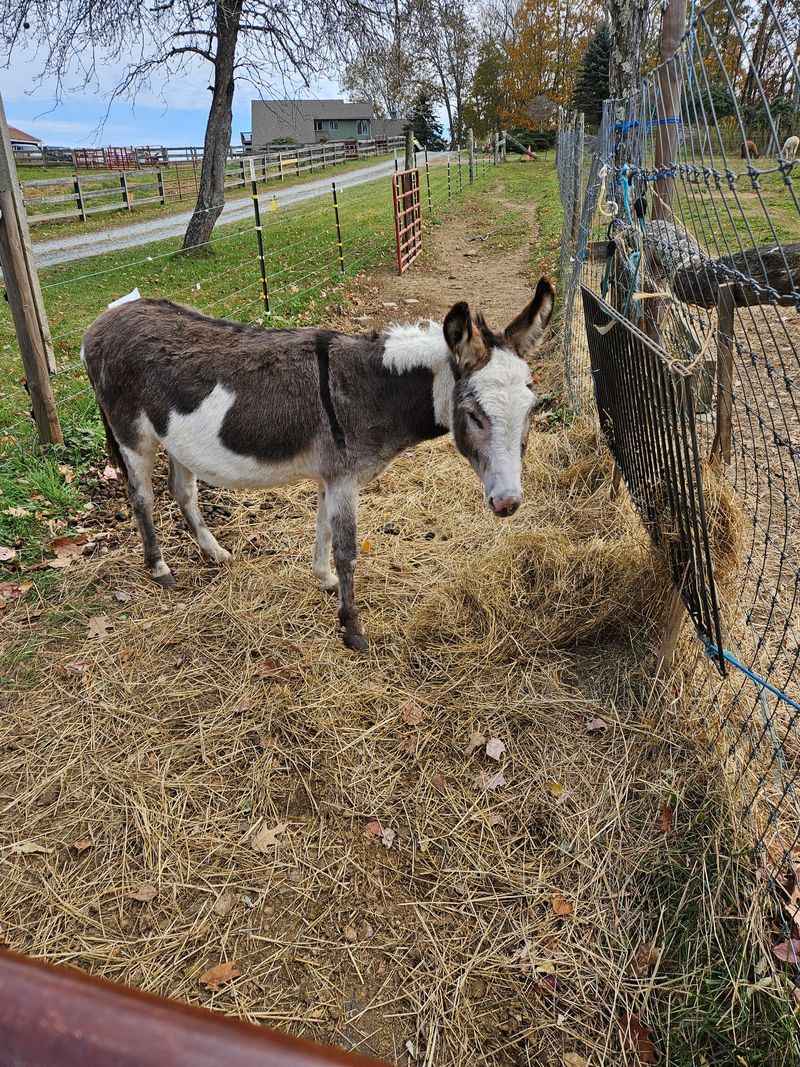
Then come the donkeys, a crowd favorite with their big ears and steady expressions. Guests regularly mention them as a highlight, along with horses and chickens wandering through the property.
One recent visitor even named the shaggy highland cow as their personal favorite of the whole tour.
Not sure how to tell a llama from an alpaca? Size is the quick clue, since llamas are noticeably larger with longer, banana-shaped ears.
Your guide will happily point out the rest of the differences.
Seeing so many species in one walk keeps things lively. Kids stay engaged because there is always a new face around the next fence.
Adults enjoy it too, especially when the guide shares the personalities behind each animal.
Goat Feeding and Pot-Bellied Pig Charm
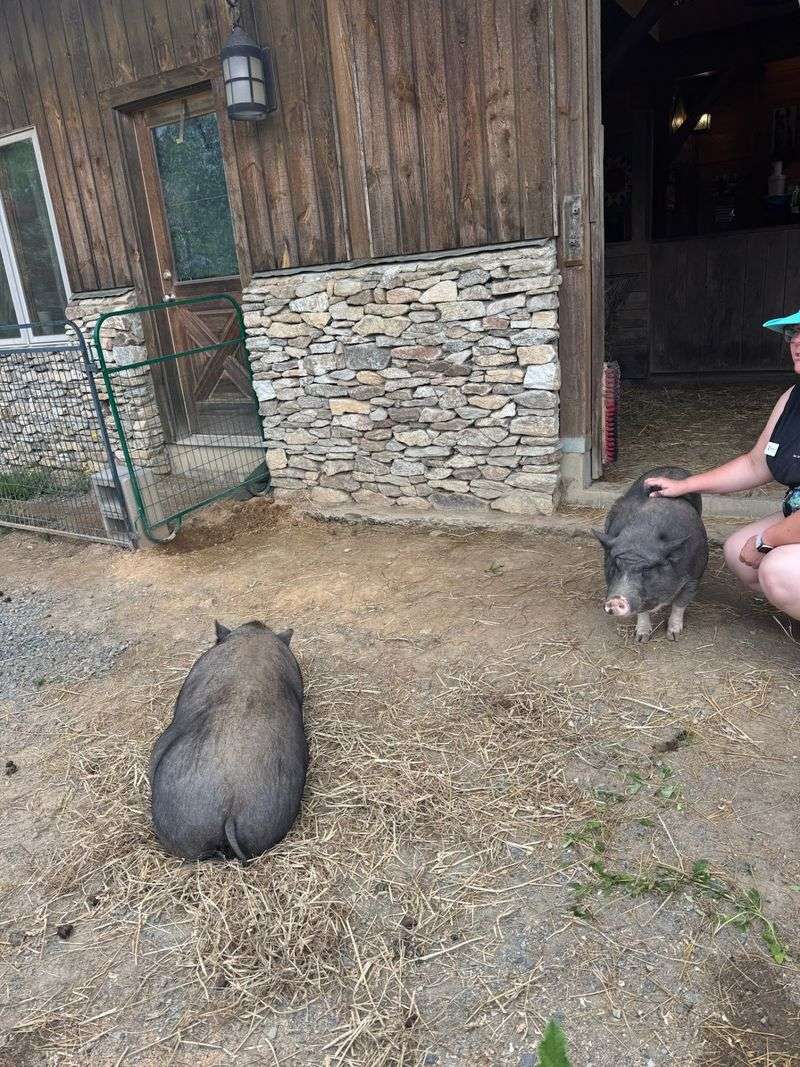
Goats galore. That is how one visitor summed it up, and the description fits perfectly.
Guests mention seeing around 15 goats on a single tour, and feeding them ranks among the most hands-on moments. Kids especially love reaching out with a snack and feeling those eager little lips go to work.
Guides have been known to let young visitors take the lead at feeding time.
Nearby, a pair of pot-bellied pigs named Laverne and Shirley steal plenty of hearts. Visitors call them pretty cute, which might be an understatement once you see them trotting around.
Names like that make the animals feel like old friends by the end of the walk.
This part of the visit tends to bring out the giggles. If you have little ones who learn best by touching and doing, the goat pen will probably be the moment they talk about all the way home.
Clyde and the Guardian Dogs
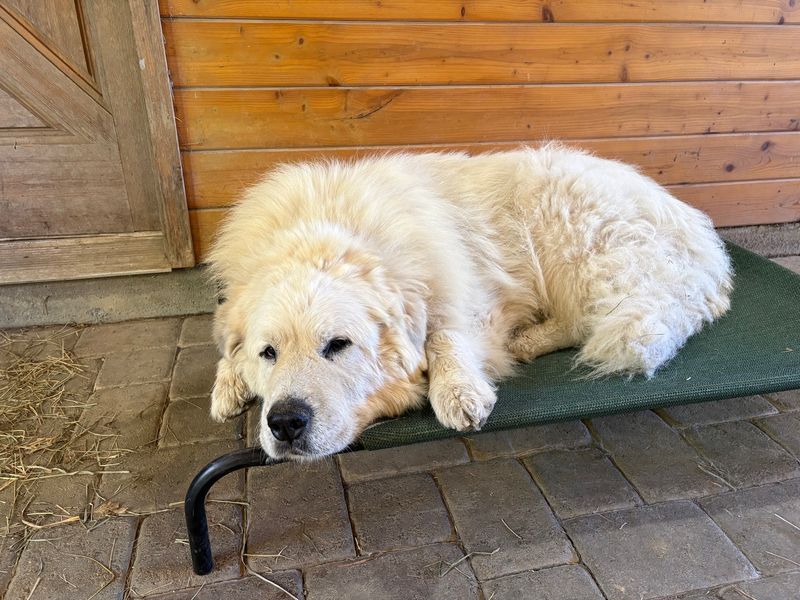
Every farm needs a greeter, and this one has a fluffy celebrity. Meet Clyde, a retired Great Pyrenees whom guests describe as the sweetest, cutest, and most beautiful fuzzy old dog around.
Visitors talk about Clyde almost as much as the alpacas. One family flatly called him the star of the tour.
Several guests also loved being welcomed by the dogs right at the start, which sets a warm tone from the first minute.
The working Great Pyrenees on the farm have a serious job too. These large white herd dogs help watch over the livestock, a role their breed has filled for centuries in mountain pastures.
Watching them patrol calmly among the animals is fascinating. Guests say these dogs are beautiful to observe, and the guides share how they fit into daily farm life.
Dog lovers, prepare to fall a little bit in love.
Guides Who Know Every Animal by Name
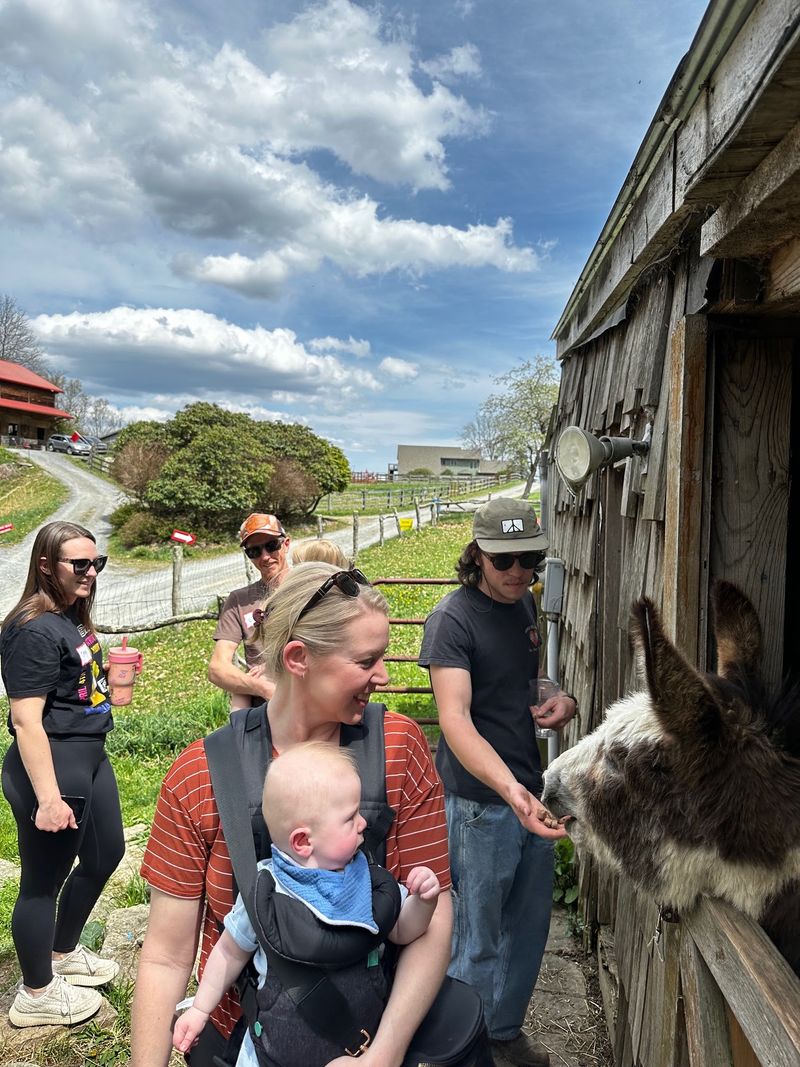
Kat, Emily, Tyler, Kiley, Teri. Read through visitor feedback and you will see these names pop up again and again, always with praise attached.
Knowledgeable guides are one of the most talked-about parts of the farm. Guests say the tours feel relaxed and personal rather than scripted, with plenty of fun facts and patient answers to every question, silly ones included.
Several mention that guides work right on the farm and know each animal’s personality.
Families with young kids appreciate the patience. One guest noted their guide handled a lively group of little ones with ease, while another said even a newer guide came across confident and informed.
Experiences can vary from guide to guide, as with any live tour. Still, the overall picture is a team that clearly cares about the animals.
For travelers who love a real human telling the stories, this is a big part of the appeal.
The Gift Shop and Its Alpaca Treasures
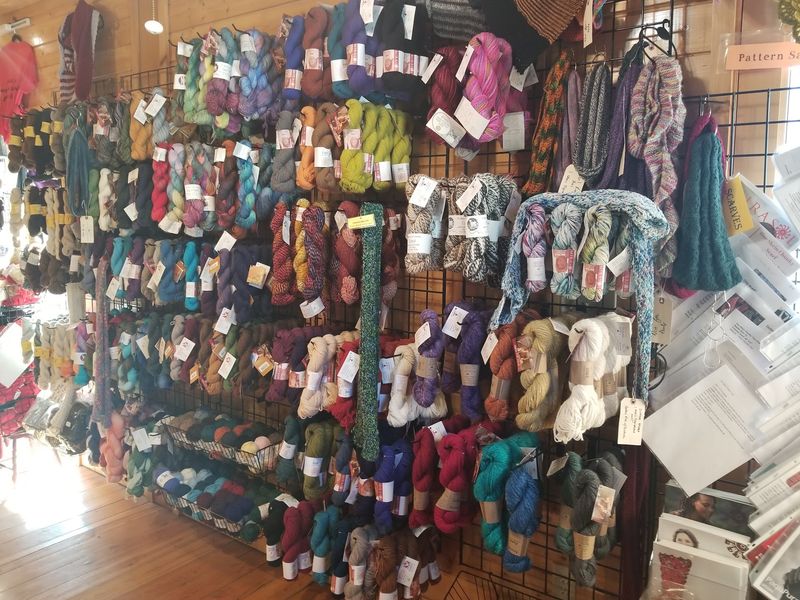
Save room in your bag. The tour ends at the gift shop, and many guests walk out with something soft tucked under their arm.
Alpaca socks are the clear crowd-pleaser. Visitors rave about how much they love theirs, with one guest calling them the soft socks they cannot stop wearing.
Others picked up an adorable stuffed animal made with alpaca fur and a jar of delicious honey.
Knitters and crafters will want to browse the yarn, spun from the very fleece you just admired in the pasture. Buying here also connects you to the farm’s daily work of caring for its herd.
One small heads up: a visitor mentioned the shop felt a bit warm on a summer day. Shopping early in the season or on a cooler afternoon may make browsing more comfortable.
Either way, it is a sweet spot for unique, farm-made souvenirs.
Shearing Days and Quilt Painting Classes
Want more than a standard tour? Special events add a creative twist to the farm calendar.
The alpaca shearing event draws curious crowds each year. Guests who attended describe it as fun and educational, with weavers on hand working alpaca fiber into fabric.
It is a rare chance to see how fleece starts its journey toward yarn.
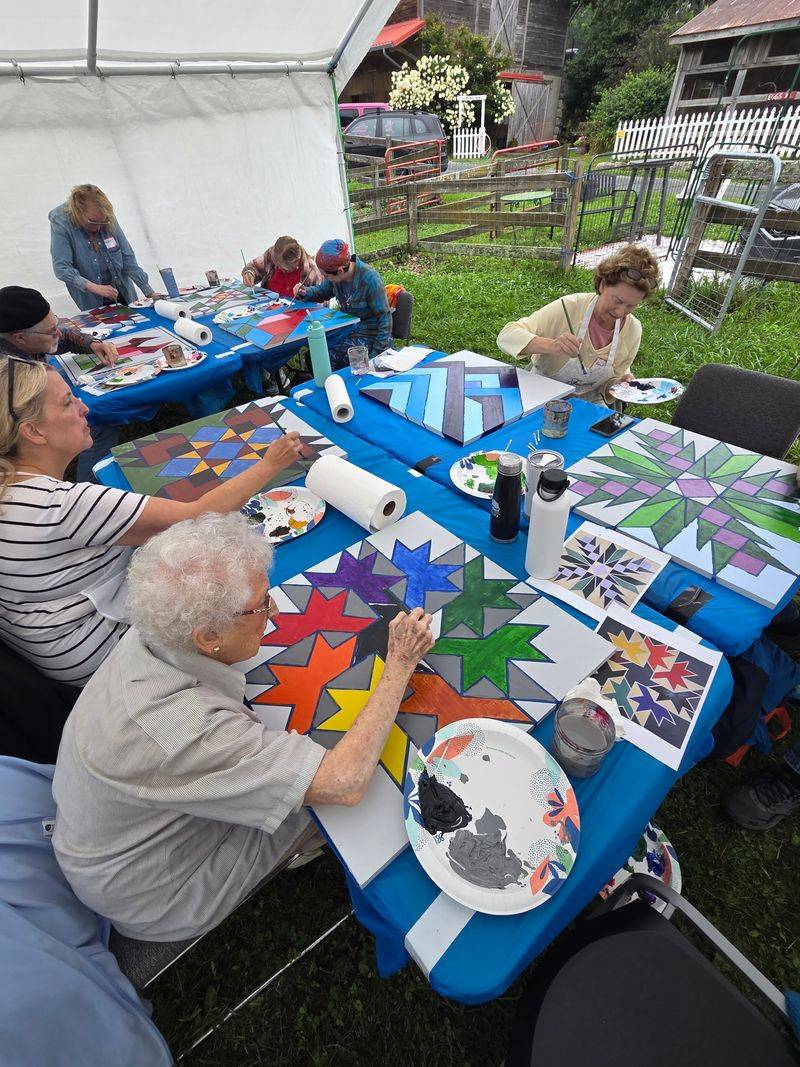
There is also a once-a-month wooden quilt painting class. Participants say the instructor is friendly, helpful with mixing just the right colors, and very knowledgeable.
Imagine painting while llamas, alpacas, and goats watch you work from the pasture.
One group brought along a 95-year-old mom, and everyone had a fantastic time. Couples have called the class a beautiful experience with magnificent scenery.
If you love hands-on crafts, check the farm’s website for event dates before planning your trip, since these offerings fill a different niche than the daily tours.
Who Will Love This Outing Most
Grandparents, toddlers, newlyweds, and everyone in between seem to find their own joy here. Still, a few groups stand out.
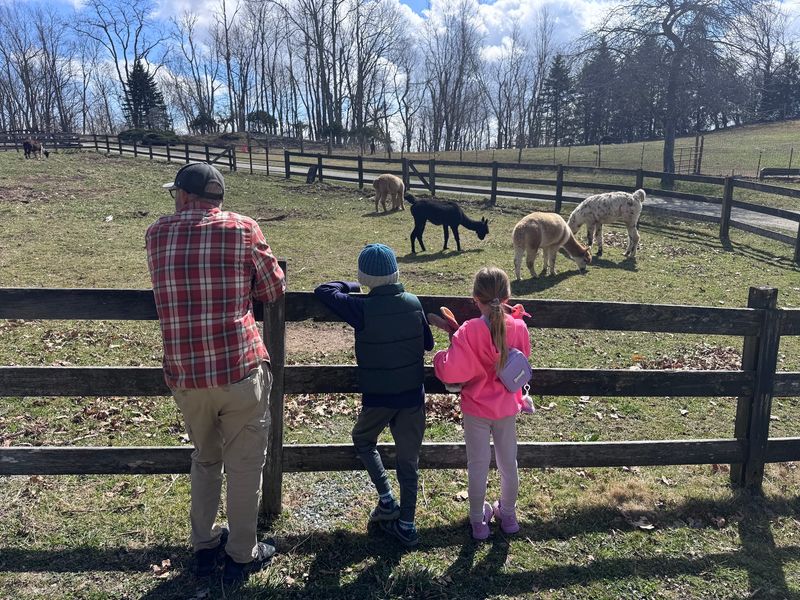
Families with young kids top the list. A three-year-old reportedly had a blast petting and learning, and one visitor suggested children between five and ten may get the most out of the tour.
The pace and animal variety suit short attention spans nicely.
Couples looking for a peaceful mountain break also fit right in. Guests describe the energy as calm and laid-back, perfect for slowing down.
Older travelers enjoy it too, as the painting class with a 95-year-old guest proves.
Animal lovers will appreciate how well cared for the herd appears. One guest felt their ticket money was well spent helping feed and care for farm animals and rescues.
If heartwarming, low-key outings are your style, this farm checks every box.
Hours, Tickets, and Tour Basics
Planning ahead pays off. Apple Hill Farm opens Wednesday through Sunday from 10 AM to 4 PM and closes on Mondays and Tuesdays.
Tickets are required, so reserve before you head up the mountain. The website at applehillfarmnc.com is the best place to book and check current details.
You can also call 828-963-1662 with questions.
The public tour runs about one hour, which many guests call the perfect length. Groups stay small, with one visitor estimating a maximum of around 15 people.
That keeps things personal and gives everyone a chance to see and interact with the animals.
Wear comfortable shoes for walking on farm ground, and dress for mountain weather, which can shift quickly. Give yourself a little extra time after the tour to enjoy the grounds and browse the gift shop.
A relaxed schedule makes the whole visit feel even better.
Worth the Winding Drive
Some stops fill an afternoon. Others fill a memory bank, and this farm firmly belongs in the second group.
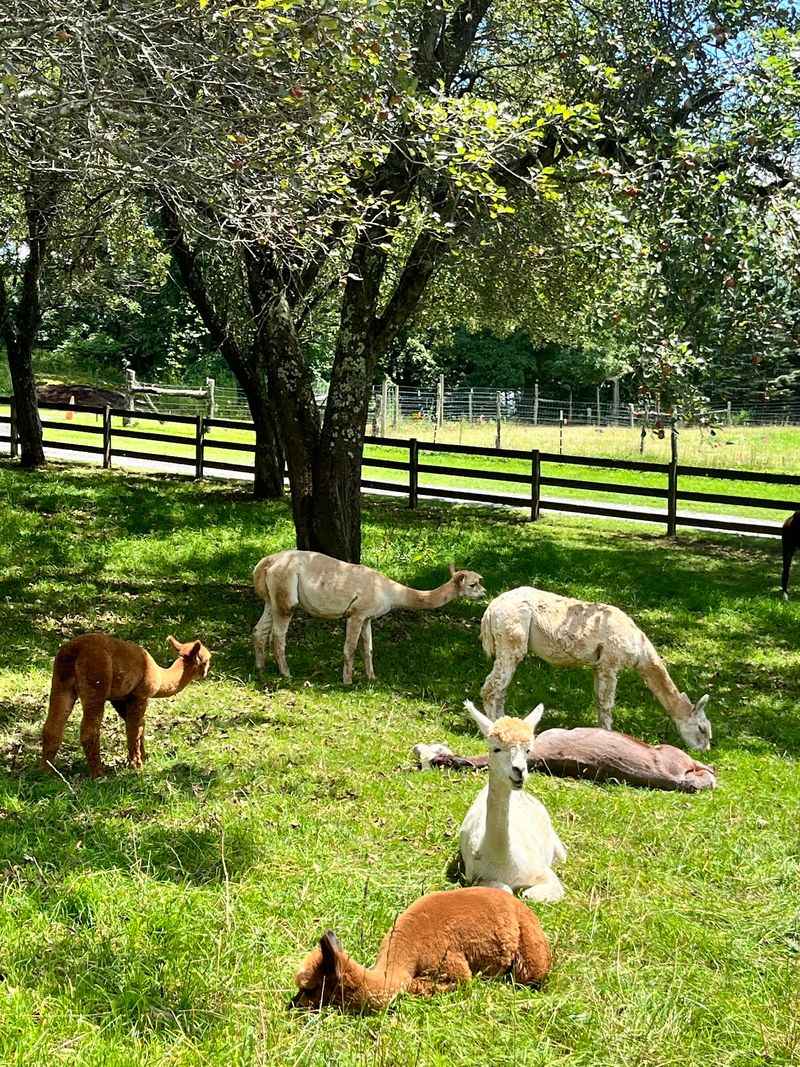
Between the fluffy alpacas, the goat feeding, Clyde the gentle giant, and those sweeping High Country views, there is a lot packed into one easy hour. Guests regularly call it a highlight of their mountain trip, and many plan to come back with kids or grandkids.
What makes it special is the sincerity. It feels like a real farm run by people who adore their animals and enjoy sharing them.
You will likely leave knowing more about llamas than you ever expected, plus wearing new socks.
If you find yourself in the Banner Elk area, book a tour and make the climb. Bring curiosity, a camera, and maybe a little extra room in your luggage for yarn.
Chances are, you will be planning a return visit before you reach the bottom of the hill.
Share this story