Some places wear their history like a living coat, not a glass case. You can taste it in the food, hear it in the music, and feel it in the cobblestones under your feet.
For retirees who want more than a guided tour, these ten cities and towns offer history as a daily experience rather than a scheduled attraction. From the American South to the heart of Mexico, each destination lets you step straight into the story.
Savannah, Georgia
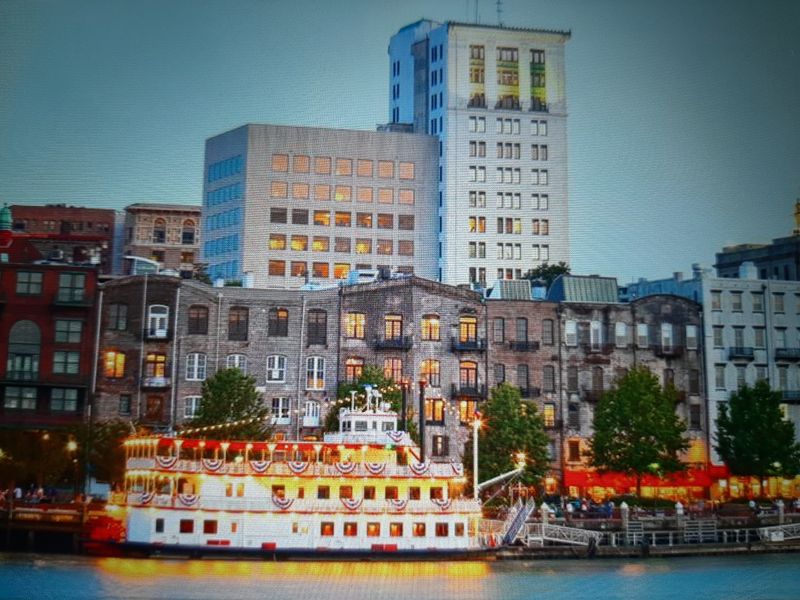
Strolling through Savannah feels less like sightseeing and more like accidentally wandering into a very beautiful neighborhood that forgot to modernize. Founded in 1733, the city’s historic core is built around 23 leafy public squares, each one framed by preserved homes, churches, and shops that have been doing business for generations.
The squares themselves are the real attraction. Locals eat lunch there, dogs chase squirrels there, and retirees read paperbacks on iron benches surrounded by architecture that predates the American Revolution.
There is no velvet rope and no admission fee.
Beyond the main tourist corridor, the Victorian District offers block after block of 19th-century residential homes that feel genuinely lived-in. River Street runs along former cotton warehouses that now hold restaurants and galleries without losing their industrial bones.
AARP recognized Savannah in its 2025 Great Places to Live list, pointing specifically to the green spaces, waterways, and walkable historic squares that make the city so easy to enjoy at a slower pace.
St. Augustine, Florida
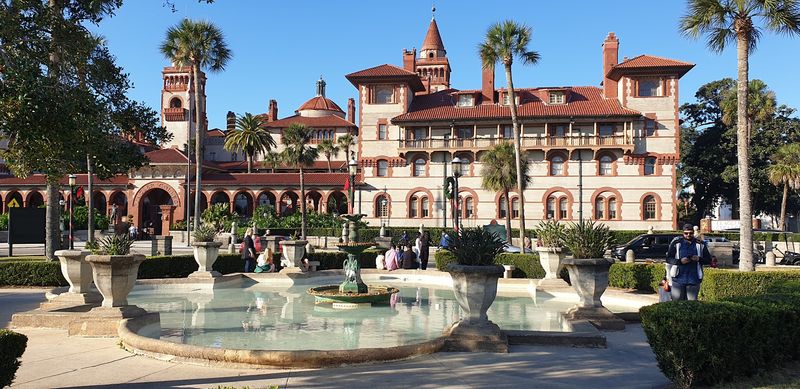
Nowhere else in the United States can you walk down a street that existed before the country did. St. Augustine’s historic downtown contains buildings from the 1700s and a street network even older, all organized in a compact area that rewards an unhurried afternoon on foot.
The Spanish colonial story is just the beginning. Lincolnville, established by formerly enslaved people after the Civil War, preserves churches and homes that carry the city’s Civil Rights history in a way no exhibit could replicate.
Retirees who care about the full picture of American history will find both chapters here, side by side.
Daily life in the historic district runs on the same streets the Spanish laid out centuries ago. Residents shop, attend services in active historic churches, and eat at restaurants occupying buildings that have been repurposed dozens of times over.
The bayfront offers easy walking with water views, and the general pace of the city makes extended exploration feel comfortable rather than exhausting. St. Augustine rewards slow walkers more than fast ones.
Williamsburg, Virginia
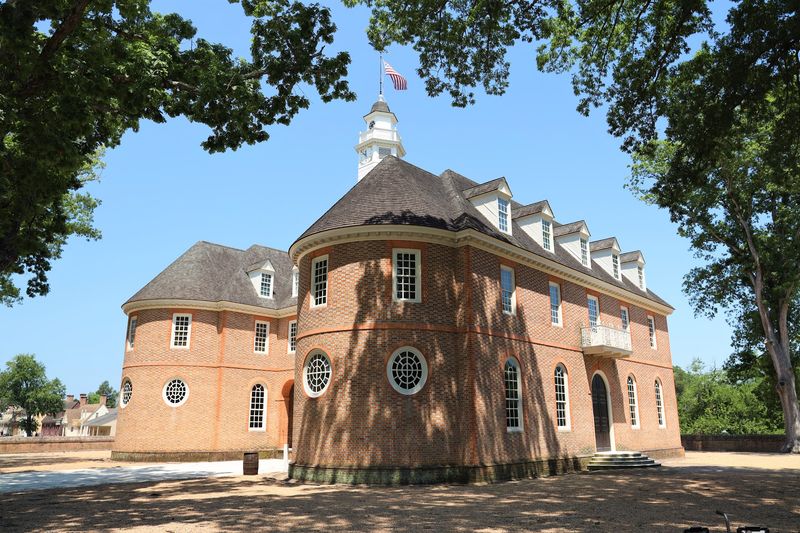
Few places in America let you watch someone shoe a horse, print a broadside, and then sit down for a meal in a tavern that has been serving guests since the 1700s, all within the same afternoon. Colonial Williamsburg covers more than 300 acres and contains 89 original 18th-century buildings, making it far more than a theme park impression of the past.
The daily activity inside the historic area is what separates it from a conventional museum. Blacksmiths, bookbinders, carpenters, and wigmakers work in period shops using period tools, and the conversations they invite are genuinely educational without feeling like lectures.
The surrounding Historic Triangle adds even more depth. Jamestown, founded in 1607, sits just a short drive away, and Yorktown Battlefield marks the spot where the Revolutionary War effectively ended in 1781.
Much of central Williamsburg is walkable, and local transit helps connect the broader area without requiring a car for every outing. For retirees who want American history served in large, immersive portions, Williamsburg delivers with unusual consistency.
Santa Fe, New Mexico
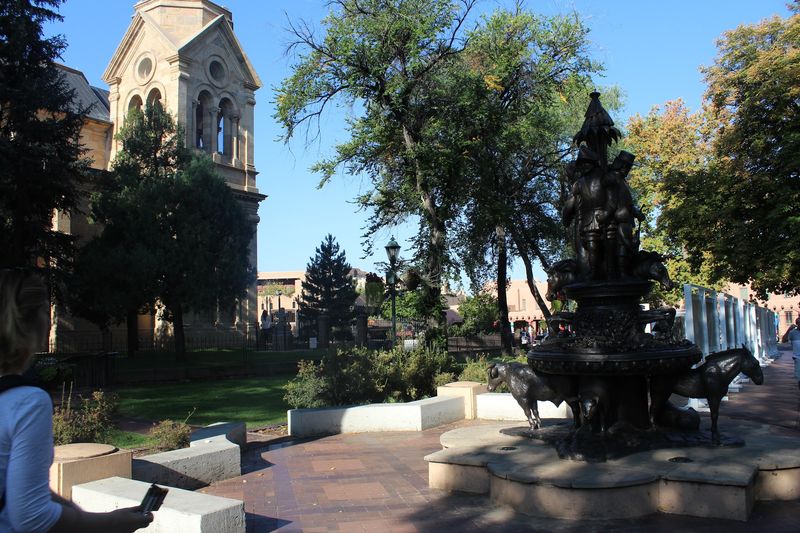
Santa Fe has a remarkable talent for making history feel completely optional to seek out, because it keeps showing up on its own. Spanish colonists formally established the city in 1610, though Pueblo communities called the area home centuries before that, and both histories remain visible in the architecture, food, and traditions of everyday Santa Fe.
The historic Plaza is still a functioning public square where people eat lunch, browse art, and watch the world go by. The Palace of the Governors, one of the oldest public buildings in the United States, sits right on the Plaza and hosts Native American artisans selling jewelry and crafts under its portal every day.
What makes Santa Fe especially appealing for retirees is the overlap between history and contemporary culture. The arts scene here is genuinely strong, meaning a single afternoon might include a gallery showing Indigenous pottery alongside a contemporary sculpture exhibit.
Southwestern food traditions, Spanish colonial architecture, Indigenous ceremony, and modern creativity share the same streets without competing. The city sits at 7,000 feet, so the dry mountain air and brilliant light are part of the experience too.
Annapolis, Maryland
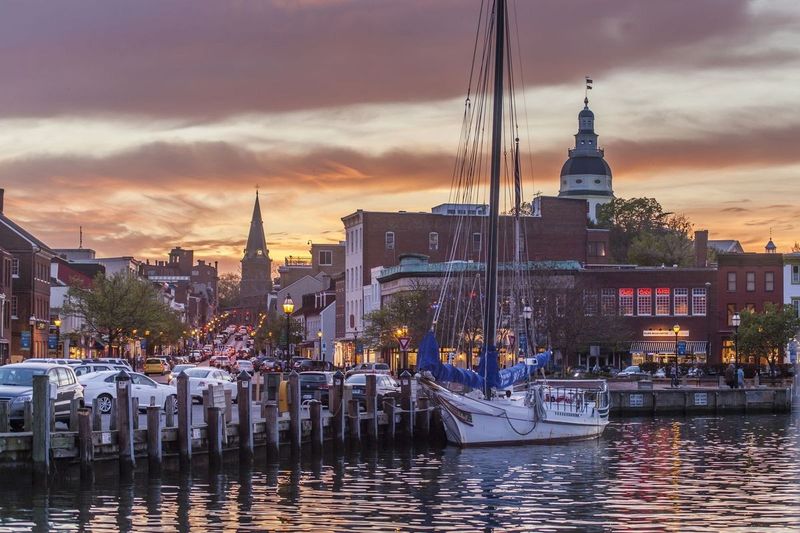
Annapolis has the unusual distinction of being a colonial city that never really stopped being itself. The historic downtown layout has changed very little since the 1700s, and buildings that are 300 years old now contain pubs, restaurants, galleries, and music venues that fill up on weekend evenings.
Main Street descends from the Maryland State House directly to City Dock, where sailboats bob in the water and the working waterfront keeps the old port connected to present-day life. The State House, still an active government building, is the oldest state capitol in continuous legislative use in the United States.
That detail alone says a lot about how Annapolis treats its past.
The compact, walkable downtown means retirees can move between history, food, harbor views, and live music without planning each step like a military campaign. A short walk covers architecture from multiple centuries, a farmers market, waterfront benches, and enough restaurant variety to keep any two-week stay interesting.
Annapolis works especially well for retirees who want a mid-Atlantic coastal city that feels historic without feeling frozen in time or overly touristy.
Charleston, South Carolina
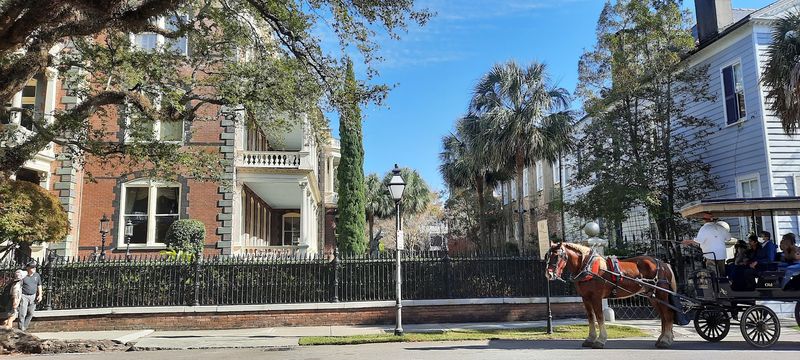
Charleston smells like history, which sounds odd until you walk down a cobblestone alley lined with 18th-century homes and realize the city has been cooking, trading, and arguing in the same streets for nearly 350 years. King Street remains a serious shopping corridor, and Charleston City Market continues a public-market tradition that includes Gullah sweetgrass basket weavers whose craft connects directly to West African heritage.
The city’s layered past deserves more than a quick stroll past pretty mansions. National Park Service interpretation covers slavery, emancipation, African American community life, and Civil Rights history alongside the more familiar architectural landmarks.
Retirees who want historical substance rather than just scenery will find both available here.
The food culture alone could justify a long stay. Charleston’s culinary traditions draw from Gullah Geechee, West African, French, British, and Caribbean influences in ways that show up on menus across the city.
The historic district is walkable and compact, the waterfront is accessible, and the calendar stays full of cultural events throughout the year. Few American cities pack this much layered history into such a genuinely pleasant place to spend time.
New Orleans, Louisiana
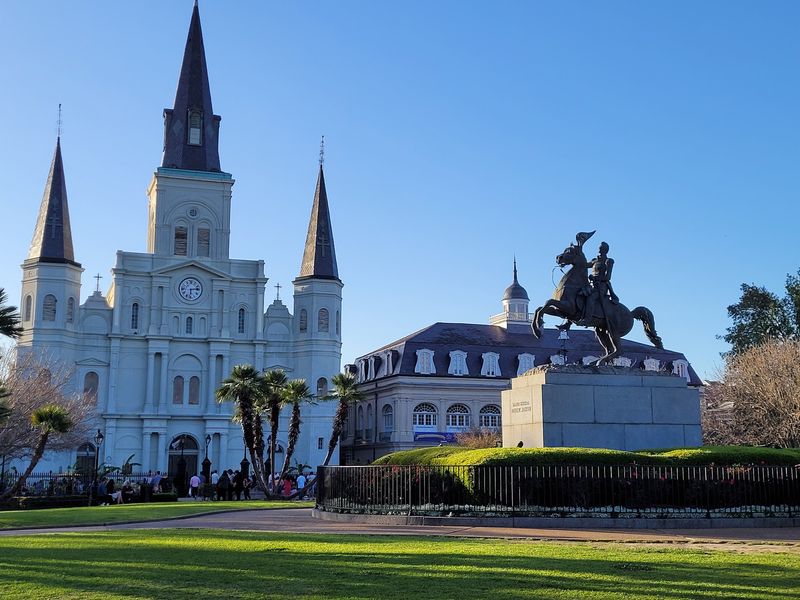
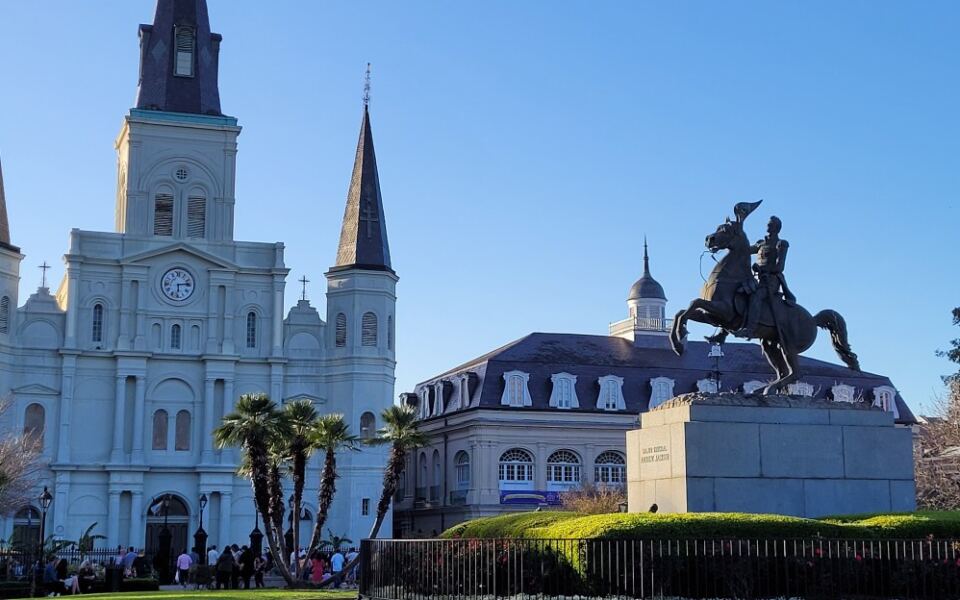
New Orleans does not preserve its history so much as it continues living inside it. The French Quarter dates to 1718, yet its old buildings remain packed with restaurants, residences, bars, music venues, and churches that treat the neighborhood as a living address rather than a historic exhibit.
The French Market has operated in some form since the 18th century and still combines food stalls, artisan vendors, festivals, and public life in one continuous stretch along the river. Brass bands and jazz musicians perform on actual streets, not in designated performance areas, and the music feels like a civic reflex rather than a tourist production.
Creole cooking, African and Caribbean traditions, French and Spanish architecture, and a calendar packed with celebrations mean retirees experience history through their senses every single day. Historic restaurants like Antoine’s, open since 1840, serve dishes with documented roots in the city’s multicultural past.
For retirees who want history experienced through food, music, and neighborhood rhythms rather than roped-off rooms, New Orleans offers a depth of daily culture that is genuinely hard to match anywhere else in North America.
Quebec City, Quebec, Canada
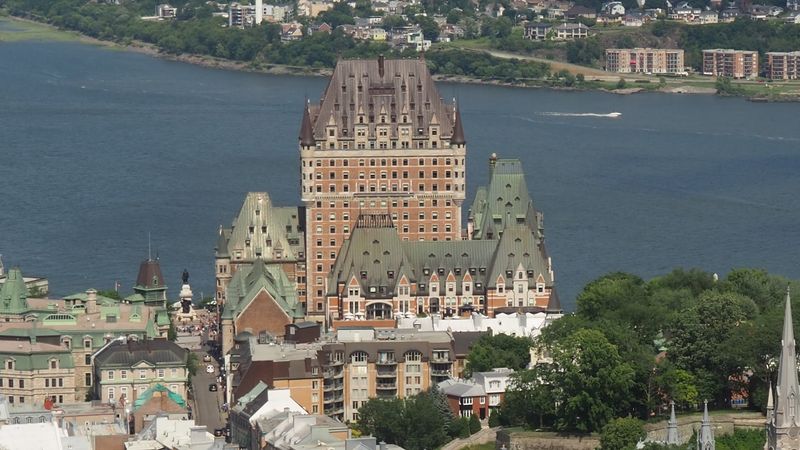
Old Quebec is the kind of place that makes you feel slightly guilty for not having visited sooner. UNESCO designated it a World Heritage Site in 1985, recognizing it as the most intact fortified town north of Mexico, and walking its ramparts confirms that description is not an exaggeration.
The streets, gates, churches, and stone buildings of Old Quebec preserve more than 400 years of French North American history in a neighborhood that still functions as a real residential community. Petit-Champlain, widely considered one of the oldest commercial streets in North America, is lined with galleries, antique shops, and cafes that feel genuinely rooted rather than assembled for visitors.
Tourism officials specifically recommend exploring the historic center on foot, and the compact layout makes that easy even for visitors who prefer a leisurely pace. The Old Port adds waterfront restaurants and activity to the mix, keeping the experience from feeling purely ceremonial.
One honest note for retirees considering a longer stay: Quebec City winters are genuinely cold and snowy, so late spring through early fall offers the most comfortable conditions for outdoor exploration of this extraordinary, beautifully preserved city.
San Miguel de Allende, Mexico
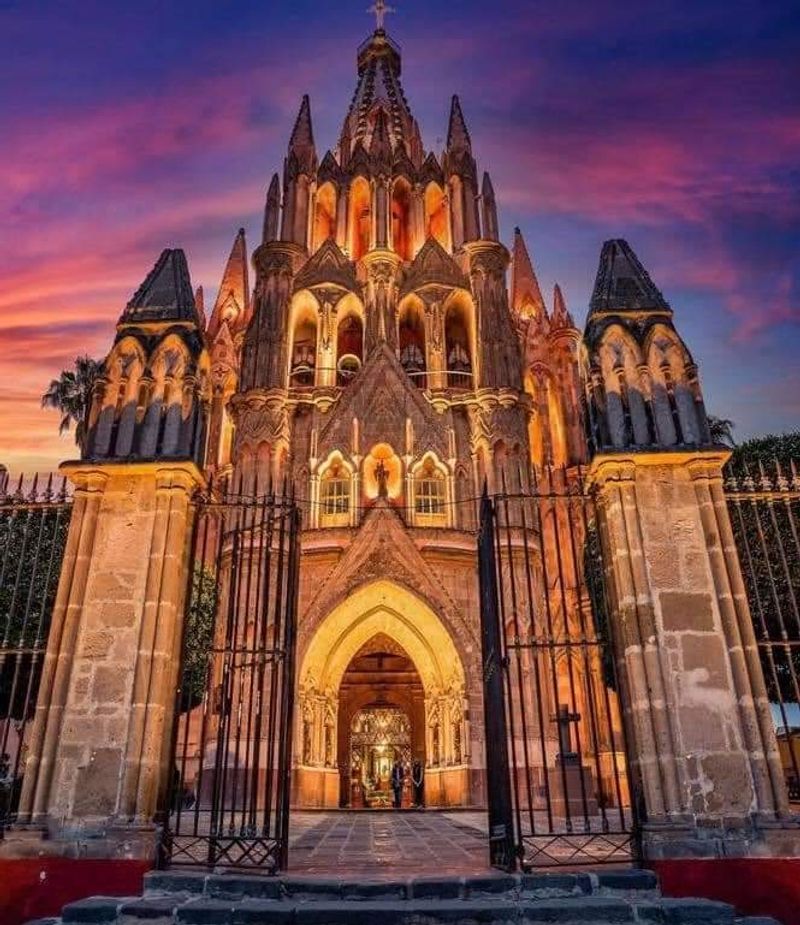
San Miguel de Allende has a secret that its narrow cobblestone streets give away immediately: almost nothing here was built recently, and the town seems entirely fine with that. UNESCO describes it as a 16th-century fortified town that flourished in the 18th century, when the extraordinary Baroque architecture that defines its skyline was constructed.
The historic center is full of churches, plazas, private courtyards, small restaurants, and galleries that occupy buildings centuries old without making a fuss about it. UNESCO specifically noted that the town’s urban form has seen relatively few significant alterations, meaning the street plan you walk today closely resembles the one colonial residents used.
Nearby Atotonilco adds a remarkable Baroque sanctuary that played a central role in Mexico’s War of Independence, giving history-minded visitors an easy and genuinely moving day trip. A long-established international community of retirees and artists means English is widely spoken and the infrastructure for longer stays is well developed.
The combination of architecture, public plazas, cultural events, and regional Mexican food traditions makes San Miguel one of the most satisfying places in Latin America to experience history as ordinary neighborhood life.
Merida, Yucatan, Mexico
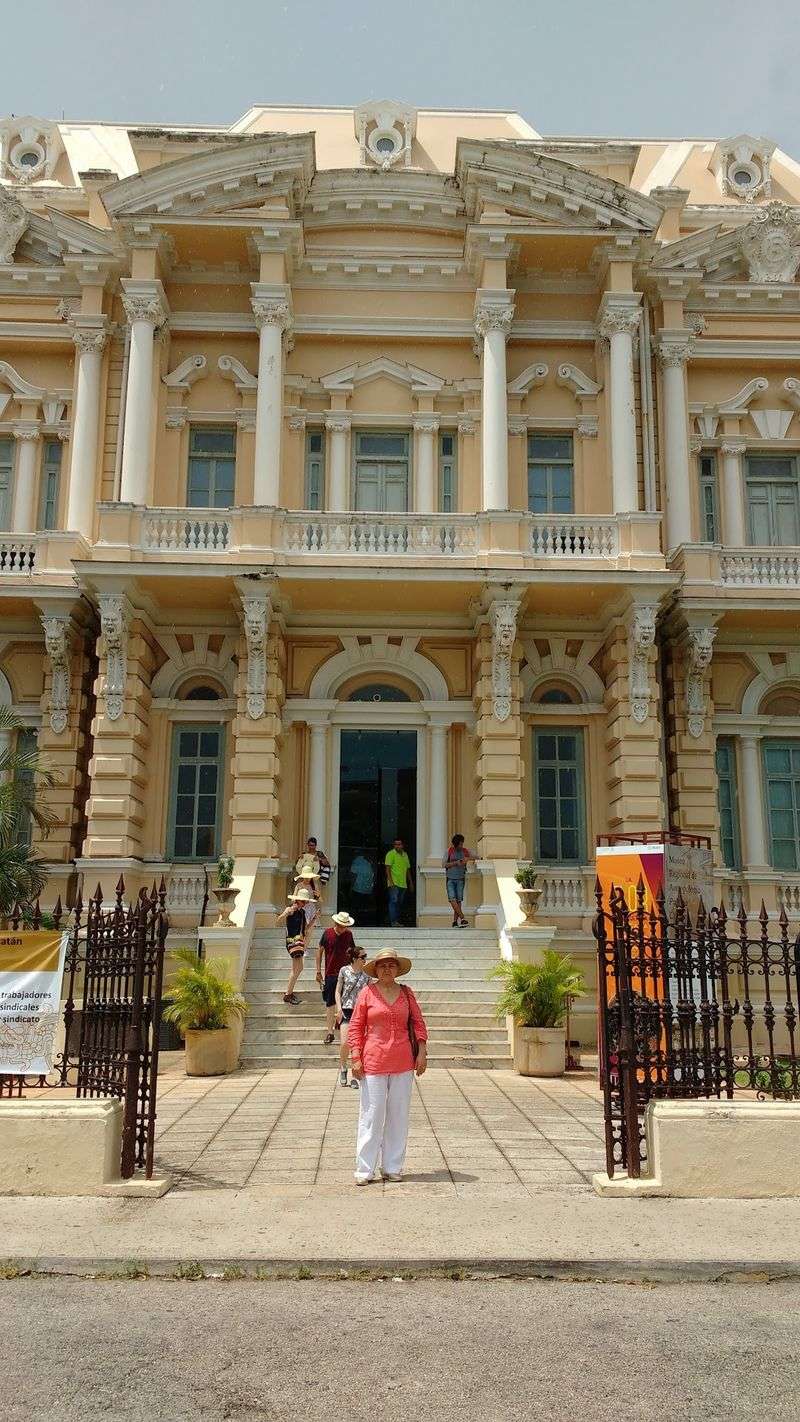
Merida is the kind of city where you can eat breakfast in a former hacienda, walk past a Maya archaeological remnant on your way to the market, and end the day watching a free concert in a plaza surrounded by 16th-century architecture. Founded by the Spanish in 1542 on the site of the Maya city of T’ho, Merida has been layering history on top of history ever since.
Plaza Grande remains a genuinely active gathering place, surrounded by the cathedral, the Casa de Montejo, and government buildings that have been in continuous use for centuries. The Casa de Montejo, built in 1549, features carvings on its facade that include conquistadors standing on the heads of defeated warriors, which tells you something about the city’s complicated and fascinating past.
Paseo de Montejo, constructed between 1886 and 1905, reflects the enormous wealth generated by the henequen industry and is lined with elaborate mansions that now house museums, restaurants, and cultural institutions. Regional Yucatecan food traditions survive vigorously in the city’s markets, particularly Santa Ana.
For retirees who want history served with warmth, color, and genuinely excellent food, Merida is hard to beat.
Share this story