Chocolate is usually something you unwrap, break into squares, and finish before anyone else notices it is gone. But at these 14 attractions, it becomes something else entirely: sculpture, architecture, fashion, fountains, miniature landmarks, and entire immersive worlds built from cacao.
Some creations stand three meters tall. Others weigh hundreds of kilograms.
A few look so convincingly like stone, wood, or fabric that visitors forget what they are actually looking at. These are not ordinary factory tours with a free sample at the end.
Every place on this list is a currently operating attraction with real visitor access and displays that genuinely stop people in their tracks. From a nine-meter bas-relief of Italy in Sicily to an oversized chocolate cow in the Swiss countryside, the range of creativity here is remarkable.
Get comfortable, because this list is going to make you question every time you ever casually unwrapped a chocolate bar without giving it a second thought.
1. Choco-Story Paris – Musée du Chocolat, Paris, France
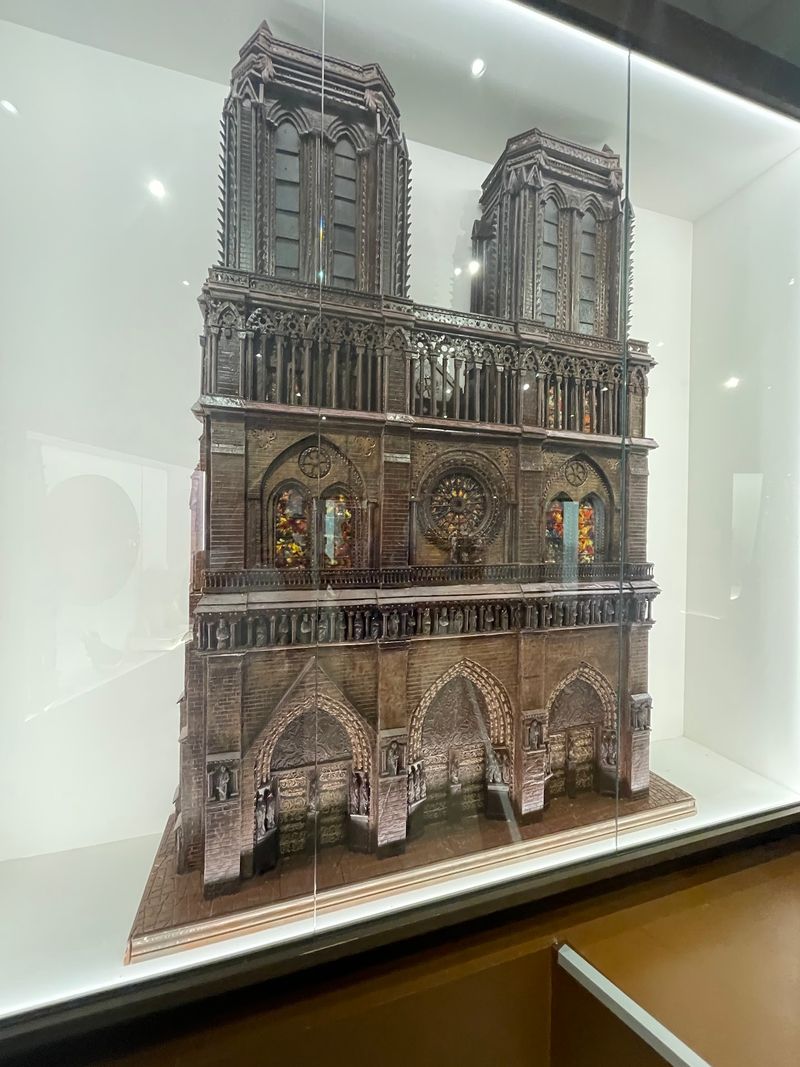
Belgian chocolate artist Peter Teerlinck is the creative force behind some of the most jaw-dropping pieces at Choco-Story Paris, including chocolate dresses, hats, shoes, and handbags that look far too elegant to be edible.
The museum’s dedicated chocolate art section also features recreations of the Eiffel Tower and Notre-Dame Cathedral, with one monumental sculpture reaching approximately three meters tall and weighing around 200 kilograms.
The displays are not for tasting, but complimentary tastings are built into the overall experience, so no one leaves feeling shortchanged.
Across three floors, the museum covers 4,000 years of chocolate history using over a thousand authentic artifacts. Live demonstrations by master chocolatiers run throughout the day, and hands-on workshops are available for visitors who want to go beyond admiring the art and actually try making some of their own.
2. Choco Story Colmar, Colmar, France
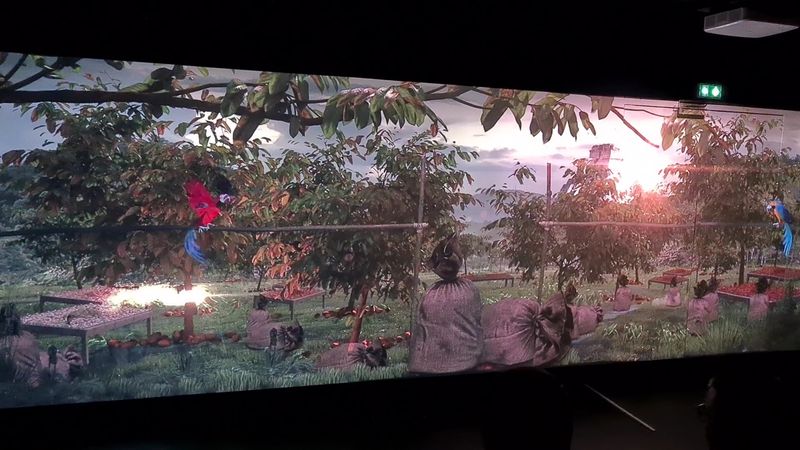
Colmar is already one of France’s most photogenic towns, with its half-timbered buildings and flower-lined canals, so it takes something genuinely extraordinary to compete with the scenery outside.
Choco Story Colmar manages it with monumental chocolate sculptures, including one creation that reaches approximately two meters in height and weighs around 300 kilograms, making it one of the heaviest chocolate art pieces on this list.
Landmark recreations and chocolate fashion pieces fill the rest of the space, turning the museum into a showcase of what pastry craftsmanship looks like when scale and ambition are both dialed up to their maximum.
The contrast between the storybook streets outside and the enormous edible art inside gives the visit a pleasantly surreal quality. One moment you are admiring cobblestone architecture, and the next you are standing before a chocolate creation that weighs as much as a small car.
3. Museu de la Xocolata, Barcelona, Spain
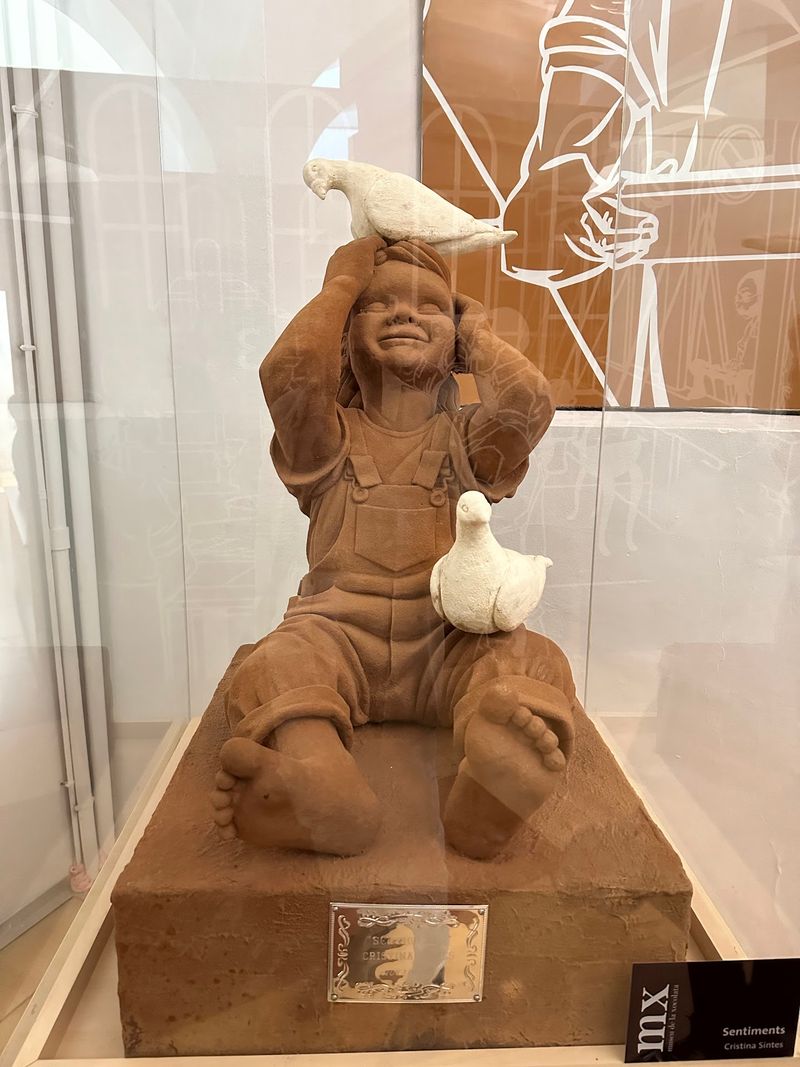
Barcelona has a long and serious tradition of pastry craftsmanship, and the Museu de la Xocolata is where that tradition gets its most elaborate showcase.
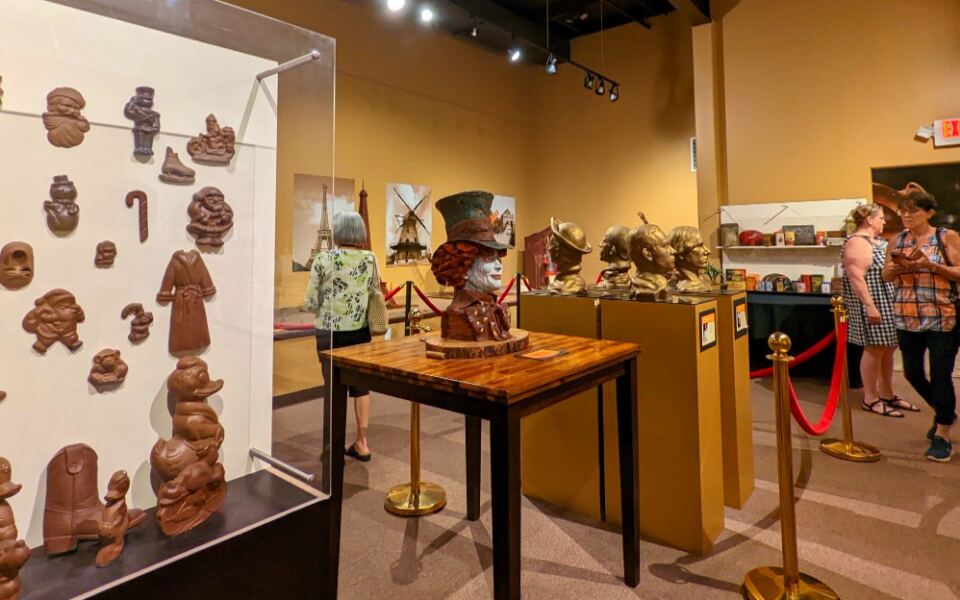
The permanent collection spans around 600 square meters and includes intricately shaped and molded chocolate figures that demonstrate just how far skilled confectioners can push the material.
Some pieces are so detailed that visitors often find themselves examining individual features before remembering that the entire object is made from chocolate. That moment of realization tends to be a highlight of the visit.
The museum also covers the broader history of cacao and chocolate in Barcelona, providing context for why the city developed such a strong connection to the craft. It is part art gallery, part history lesson, and entirely worth the visit for anyone curious about what chocolate looks like when treated as a serious artistic medium.
4. Museo del Cioccolato di Modica, Modica, Sicily, Italy
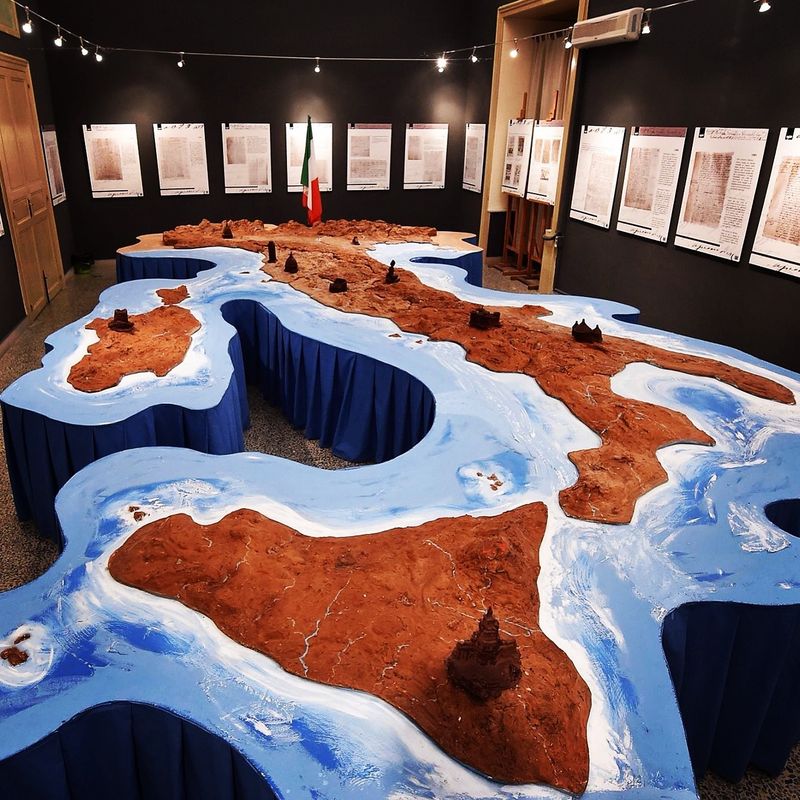
A nine-meter bas-relief of the entire Italian peninsula, crafted entirely from Modica chocolate, is the undisputed centerpiece of this museum, and it is exactly as impressive as it sounds.
Accompanying it are chocolate sculptures representing Italy’s regional capitals and a separate relief depicting Malta, making the display feel more like an edible geography lesson than a typical chocolate exhibit.
Modica has its own distinct style of chocolate production, using ancient techniques that result in a grainy, unrefined texture quite different from mainstream chocolate. That local identity gives the museum a personality that goes well beyond displaying pretty sculptures.
The combination of elaborate stone architecture throughout Modica and the chocolate reliefs inside creates an interesting visual parallel. Seeing the same impulse toward detailed craftsmanship expressed in such a different material gives the whole museum an unexpectedly thoughtful dimension.
5. Chocolate Museum & Cafe, Orlando, Florida
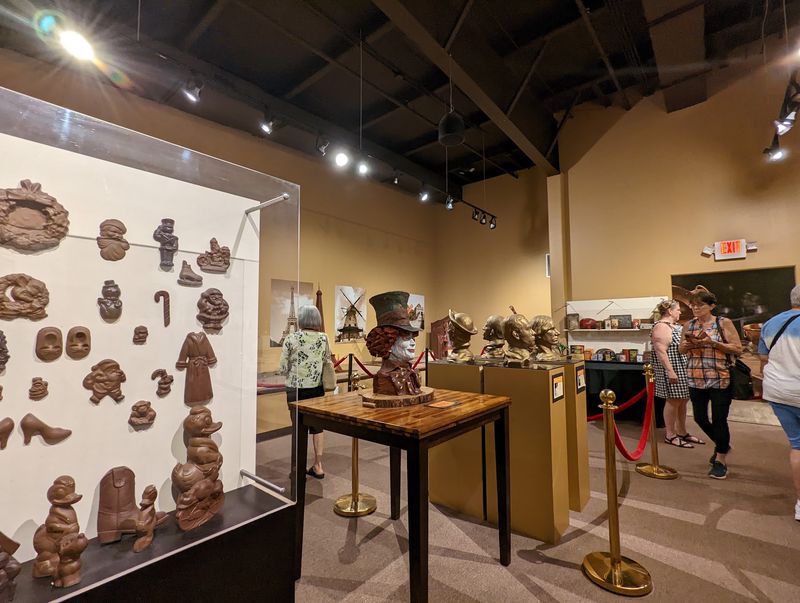
Orlando is not the first city that comes to mind when thinking about serious chocolate artistry, but this museum makes a strong case for its place on the map with 25 solid-chocolate sculptures of recognizable landmarks and famous figures.
The sculptures are the clear focal point of the guided tour, which also covers cacao history, antique chocolate-making equipment, and production methods, giving visitors a well-rounded experience rather than just a visual one.
Flash photography is restricted in the sculpture area, which actually works in the museum’s favor since it encourages visitors to slow down and look carefully at the details instead of rushing through for a quick photo.
A tasting room waits at the end of the tour, which provides a satisfying conclusion. After spending time admiring chocolate you cannot eat, reaching the section where you actually can feels like a very well-earned reward.
6. Lindt Home of Chocolate, Kilchberg, Switzerland
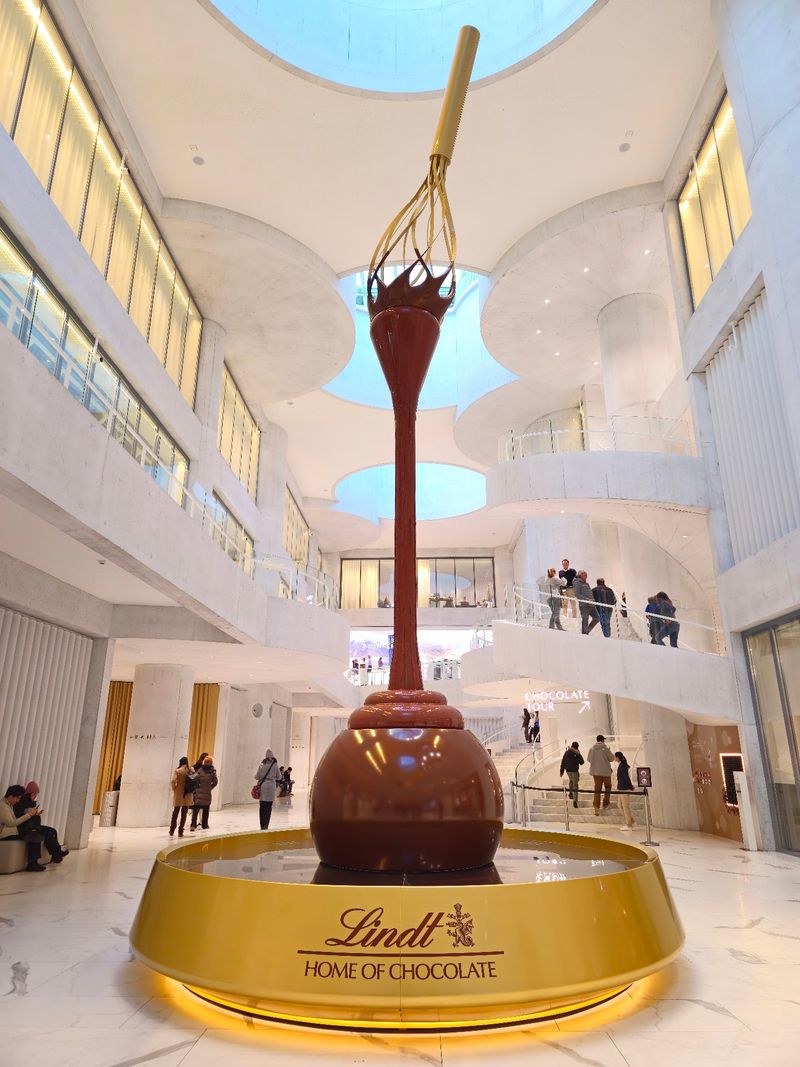
The enormous chocolate fountain at Lindt Home of Chocolate in Kilchberg has become the attraction’s defining visual, and it earns that status with its sheer scale and the straightforward confidence of placing something so theatrical right at the center of the experience.
Interactive exhibits trace chocolate from cacao cultivation through Swiss chocolate-making traditions, giving the fountain some meaningful context rather than leaving it as a standalone spectacle.
The building itself has a sleek, contemporary design that sets it apart from the older, more traditional chocolate museums on this list. Everything from the layout to the exhibit design feels deliberate and polished.
Between the fountain, the exhibits, the tastings, and the enormous shop, the visit covers a lot of ground. It functions less like a single attraction and more like a carefully organized chocolate universe where every section connects logically to the next.
7. Muzej čokolade Köln, Cologne, Germany
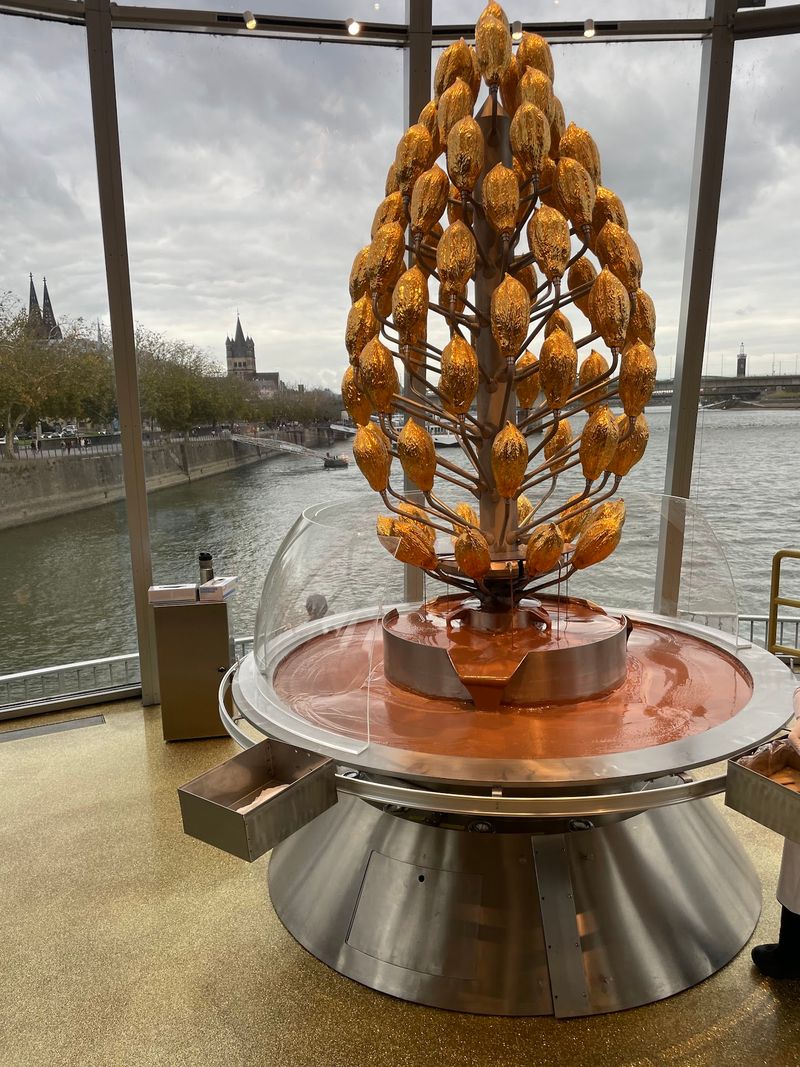
Cologne’s Chocolate Museum built its reputation around a three-meter fountain filled with approximately 200 kilograms of fresh chocolate, and the golden installation remains one of the most photographed features of any chocolate attraction in Europe.
The museum surrounds it with a walk-through tropical house, a glass-walled production facility where visitors can watch chocolatiers at work, and exhibits covering the full history of chocolate from its origins to modern production.
Watching real chocolatiers work through the glass adds a layer of movement and activity to what might otherwise be a static display experience. It turns observation into something closer to an active behind-the-scenes look.
Visitors can also sample fresh chocolate near the fountain, which makes this one of the few places on this list where temptation is not just permitted but actively built into the visit plan. The museum essentially dares you to resist, and most people wisely choose not to.
8. Chocolate Nation, Antwerp, Belgium
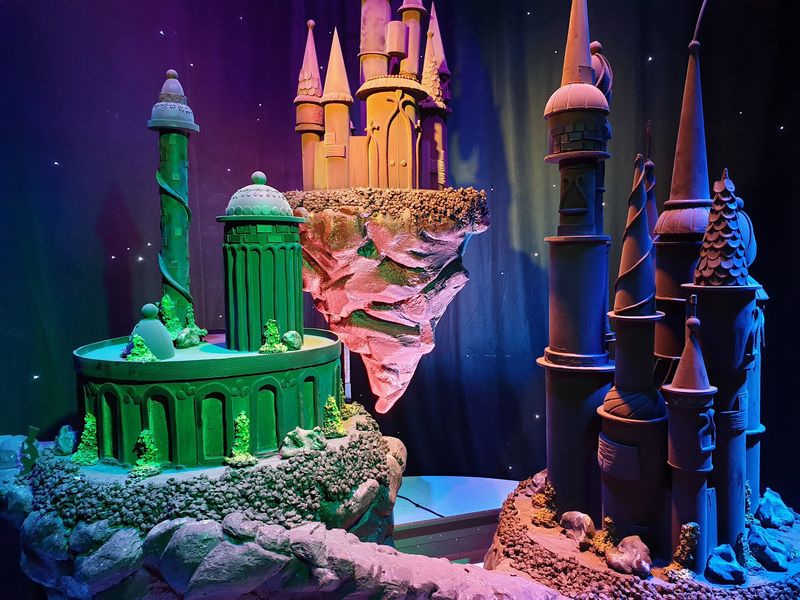
Fifteen themed rooms is an ambitious structure for any museum, and Chocolate Nation in Antwerp fills each one with audiovisual installations, interactive displays, and storytelling that follows cacao from tropical plantations all the way to finished Belgian pralines.
The approach feels more theatrical than traditional, which is a deliberate design choice. Rather than presenting information behind glass with printed labels, the museum builds an experience that moves visitors through the story in a more active way.
By the time visitors reach the tasting area, where ten different types of chocolate can be compared side by side, the experience has built enough context that the tasting actually means something beyond just eating chocolate.
Antwerp is already one of Belgium’s premier chocolate cities, and Chocolate Nation fits naturally into that identity. It is the kind of attraction that works equally well for curious adults and for younger visitors who learn better through interaction than through reading.
9. Choco-Story, Chocolate Museum, Bruges, Belgium
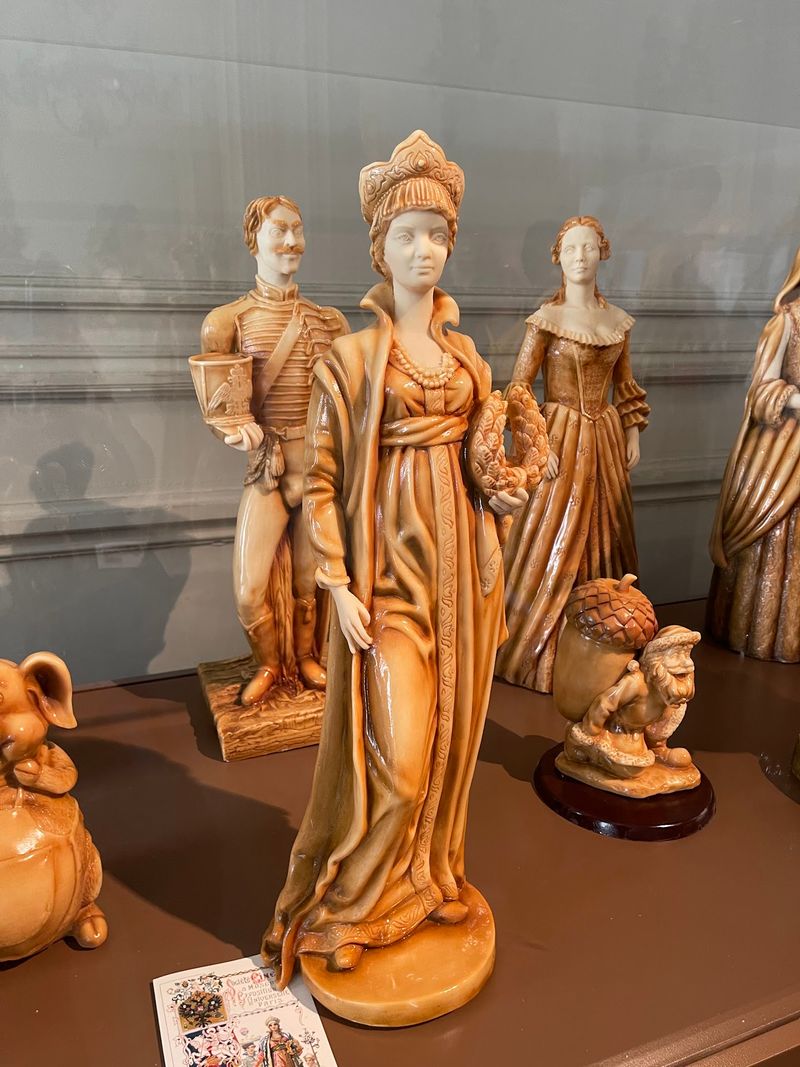
Bruges already has more chocolate shops per square kilometer than most cities have coffee shops, so adding a dedicated chocolate museum to that environment might seem like overkill. Choco-Story earns its place by going deeper than the shops outside can.
Historic exhibits, live chocolatier demonstrations, and artistic chocolate figures combine to show how chocolate functions as a sculptural material rather than simply a confection sold in pretty boxes.
The museum also covers the full journey from cacao bean to finished Belgian chocolate, which provides a logical foundation for everything the displays are showing. Understanding the process makes the artistry more impressive rather than less.
Watching chocolatiers demonstrate their craft provides the satisfying connection between the elaborate decorative pieces in the galleries and the familiar pralines visitors have been buying from shops outside all morning. It turns a pleasant outing into something genuinely educational without ever feeling like a lecture.
10. Schokoladenmuseum Wien, Vienna, Austria
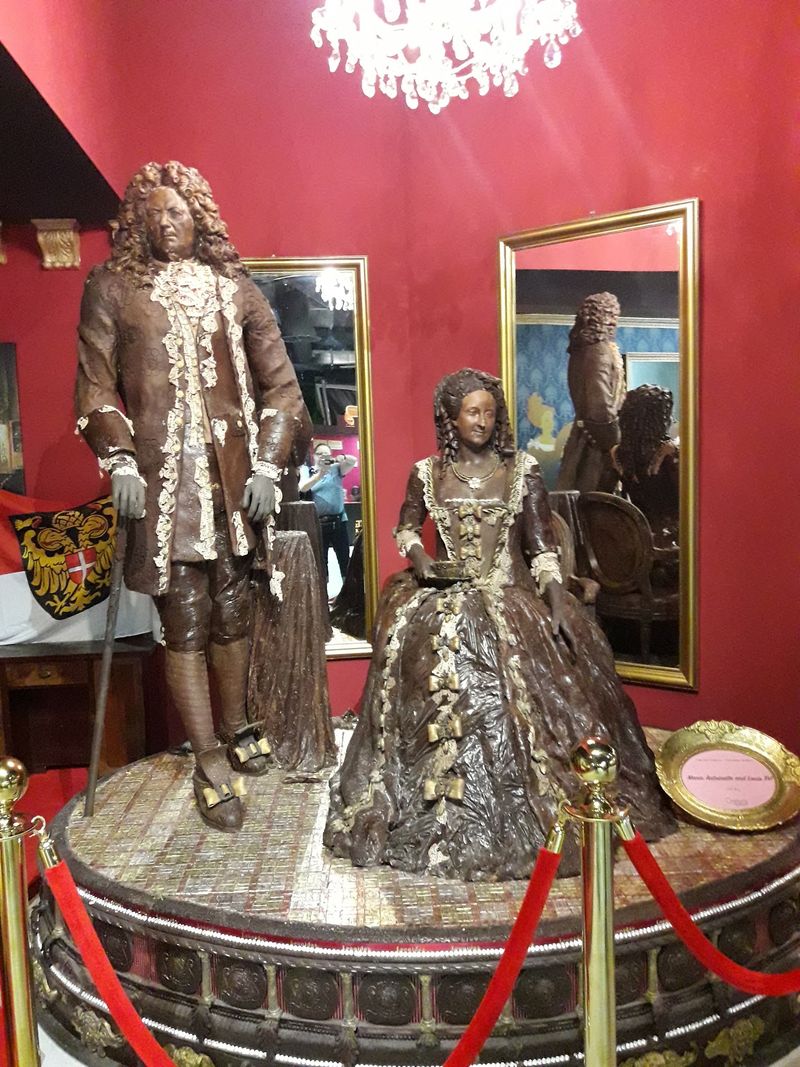
Vienna has a centuries-old love affair with elaborate confectionery, from ornate tortes to intricate pastry work, so a chocolate museum that leans into theatrical presentation fits the city’s personality remarkably well.
Schokoladenmuseum Wien takes that theatrical instinct seriously, displaying life-sized figures and decorative chocolate creations that recreate elaborate historical costumes and characters with enough detail that the material is not always immediately obvious.
That moment of realizing you are looking at chocolate rather than fabric or painted plaster is one of the museum’s best recurring surprises. It happens repeatedly as visitors move through the galleries, which keeps the experience from becoming predictable.
The museum turns Vienna’s long confectionery tradition into something far more playful and photogenic than a standard patisserie display. For a city already famous for its visual grandeur, it manages to add something genuinely unexpected to the cultural landscape.
11. Choco-Story Torino, Museo del Cioccolato e del Gianduja, Turin, Italy
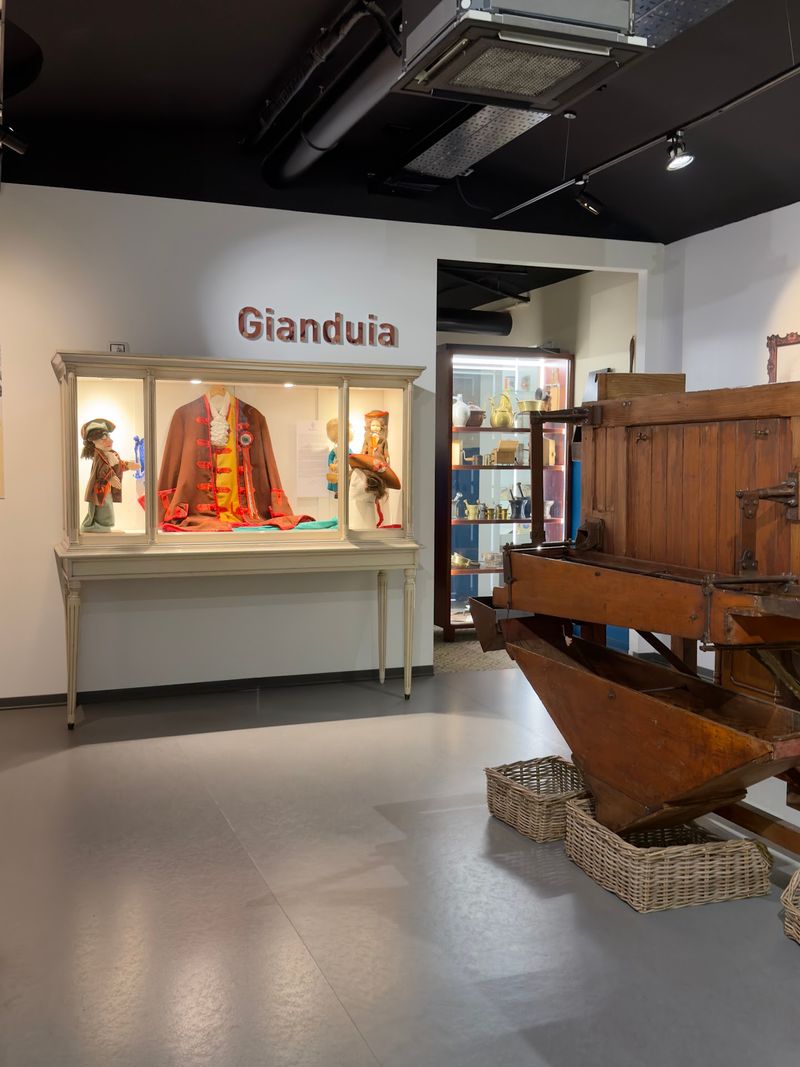
Turin has a stronger claim to chocolate heritage than most Italian cities, largely because of gianduja, the hazelnut-chocolate blend that was invented here in the early 19th century and eventually inspired the global spread of hazelnut chocolate products.
Choco-Story Torino celebrates that history directly, combining exhibits on cacao origins with displays devoted to the artistry behind chocolate-making and the specific traditions that developed in this part of northern Italy.
Decorative chocolate creations throughout the galleries make the transition from food to sculpture feel natural rather than forced. The local context gives each piece a grounding that purely artistic chocolate museums sometimes lack.
Turin’s own confectionery identity gives the experience more character than a generic chocolate attraction would have. Visitors leave with a clear sense of why this particular city developed such a deep and lasting connection to chocolate, which is a more satisfying takeaway than a simple sugar rush.
12. Maison Cailler, Broc, Switzerland
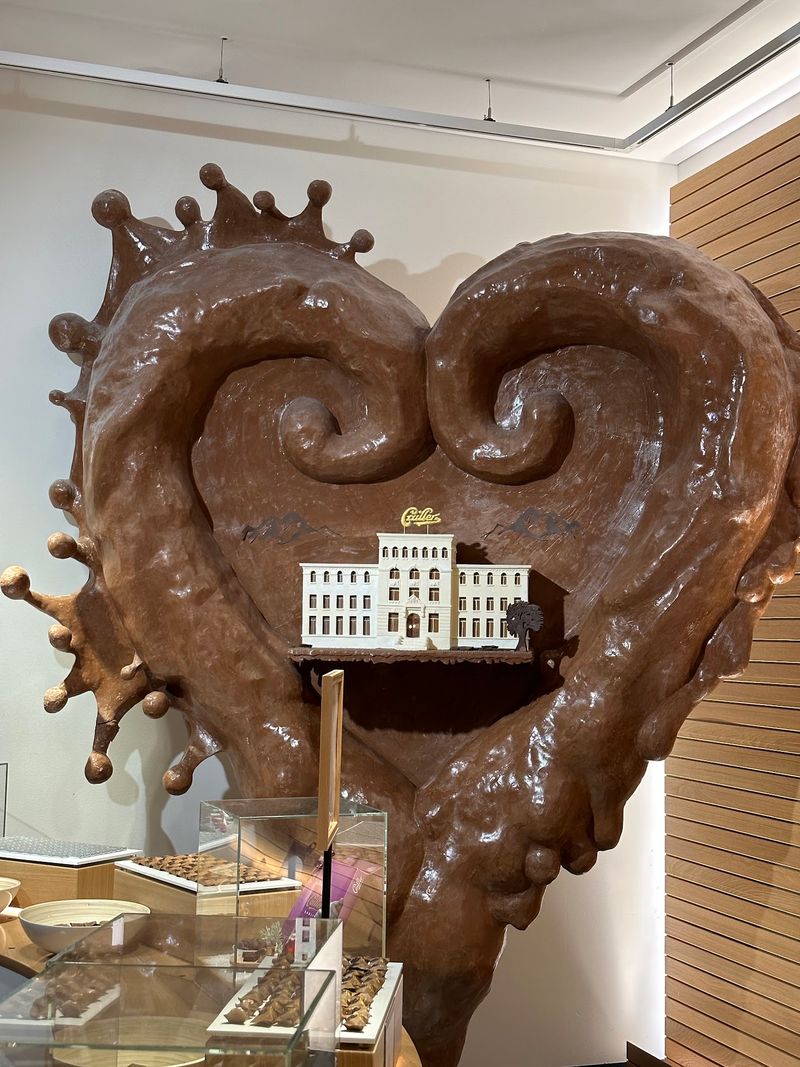
Maison Cailler sits in the Swiss countryside near the Alps, and the rural setting immediately signals that this is a different kind of chocolate experience from the urban museums elsewhere on this list.
The attraction blends Swiss chocolate history with interactive exhibits, live demonstrations, workshops, and generous tastings, covering the full arc from raw cacao to finished Cailler products in a format that works for visitors of most ages.
In 2026, the museum added JOY, an oversized cow sculpted entirely from chocolate and displayed as part of the main museum route. Given the Alpine backdrop and Switzerland’s dairy-farming identity, the choice of subject feels both obvious and perfectly executed.
By the time visitors reach the tasting portion at the end, the line between museum visit and dessert experience has blurred considerably. Maison Cailler is one of those rare attractions where the free sample at the end feels genuinely deserved rather than just a marketing gesture.
13. Choco-Story Brussels, Brussels, Belgium
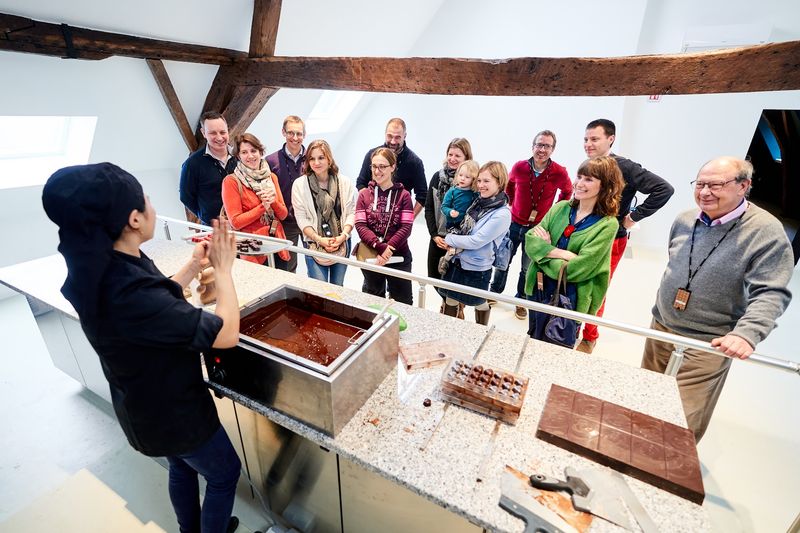
Brussels is a city where elaborate chocolate window displays are part of everyday street scenery, particularly around the Grand-Place, which makes Choco-Story Brussels a natural extension of what visitors are already seeing outside.
The museum explores chocolate through historical displays, decorative pieces, and demonstrations focused on the techniques behind Belgian pralines, covering both the broader history and the specific local craft that made Belgian chocolate internationally recognized.
Live demonstrations are a particular strength here. Watching the precise process of creating delicate chocolate shells and fillings gives visitors a much clearer appreciation of why quality Belgian pralines cost what they do.
After seeing the level of skill involved, even a single small praline starts looking less like candy and more like miniature craftsmanship. That shift in perspective is one of the more quietly impressive things a chocolate museum can achieve, and Choco-Story Brussels manages it consistently.
14. Cadbury World, Birmingham, England
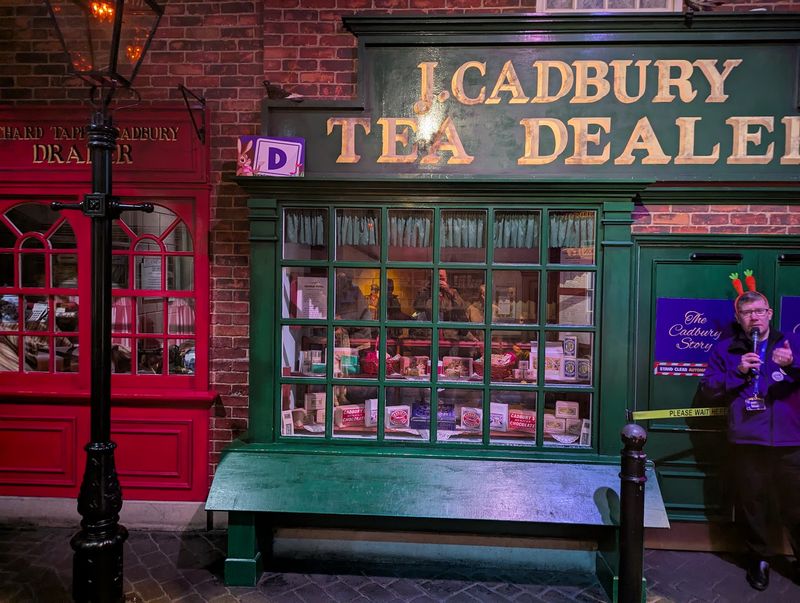
Cadbury World takes the chocolate attraction concept in a more immersive direction than any other entry on this list, building an experience that combines recreated historic streets, theatrical sets, interactive stations, demonstrations, and a dedicated ride.
The Chocolate Quest ride uses three-dimensional scenery and special effects to move visitors through a chocolate-themed narrative, which separates Cadbury World from museums that rely purely on static displays and guided tours.
Advertising Avenue is a standout section: a life-sized street recreated from decades of Cadbury imagery, complete with chocolate-themed storefronts and nostalgic displays drawn from the brand’s long advertising history.
For visitors who grew up recognizing Cadbury packaging and television commercials, the avenue adds a personal dimension that purely artistic chocolate museums cannot replicate. It turns a visit into something that connects brand memory with physical space, which is a clever and effective way to close out a list of chocolate wonderlands.
Share this story