Most people plan vacations to the same popular spots: Paris, Bali, or New York. But scattered across the globe are entire countries packed with ancient ruins, jaw-dropping reefs, volcanic peaks, and living cultures that most travelers never even consider visiting.
Some of these places welcome fewer visitors in a whole year than a single busy weekend at Disneyland. If you are curious about what the world looks like when tourism has not taken over, these 15 destinations are worth knowing about.
Tuvalu – South Pacific
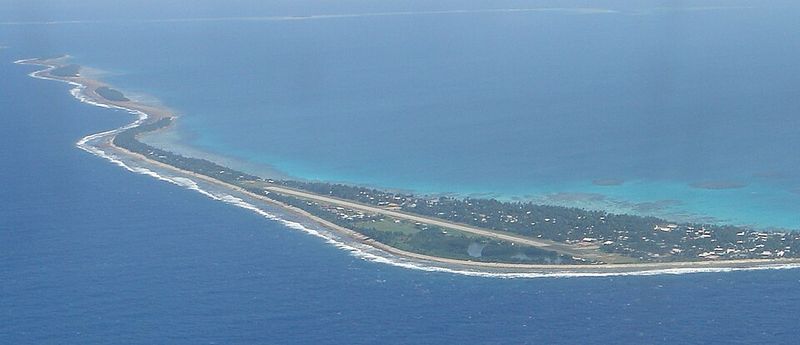
Picture an entire country so small that its airport runway moonlights as a soccer field and a community gathering space when no planes are around. Tuvalu, tucked deep in the South Pacific, recorded only 3,136 visitors in all of 2023, making it one of the least-visited countries on the planet.
Those numbers are not a typo.
What draws the rare traveler here is not grand architecture or theme parks but something harder to find: genuine, unfiltered Pacific island life. Lagoons shimmer in shades of blue that cameras struggle to capture, fishing traditions stretch back generations, and Polynesian culture shapes every part of daily routine.
The coral atolls are so narrow in places that you can see ocean on both sides at once.
Getting here requires real effort, with very limited flight connections making the journey long and sometimes unpredictable. But that same remoteness is exactly why Tuvalu feels so different from anywhere else.
Tourism has not reshaped the landscape or the culture on the scale seen in other Pacific nations, and that, for the right traveler, is the whole point.
Marshall Islands – North Pacific
Bikini Atoll sounds like a beach holiday, but its real story is far more sobering and strange. Between 1946 and 1958, the United States detonated 23 nuclear weapons here, leaving behind a landscape that UNESCO describes as direct evidence of the dawn of the nuclear age.
Sunken ships, a massive crater, and military ruins rest beneath the lagoon’s surface like a frozen moment in history.
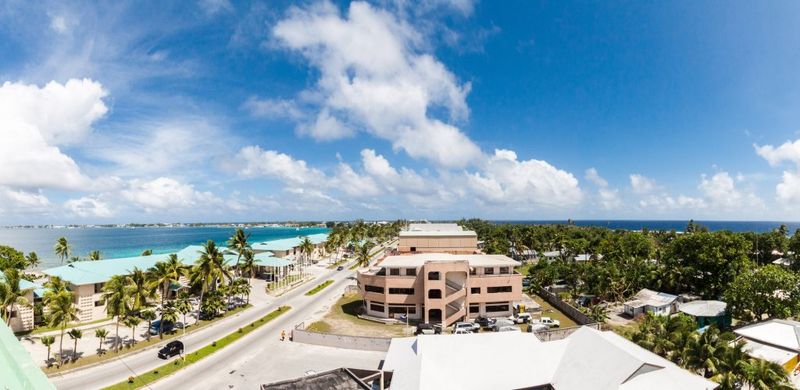
The Marshall Islands as a whole receive only a fraction of the visitors seen at better-known Pacific destinations. The country is made up of low coral atolls spread across vast stretches of open ocean, which means getting from island to island takes time, planning, and patience.
There are no towering jungle peaks here, just flat, wind-swept land and enormous sky.
Beyond the atomic history, the islands offer lagoon diving, traditional navigation techniques passed down through generations, and a cultural identity shaped by ocean life. The story of the Marshallese people, including their displacement and health impacts from nuclear testing, is inseparable from any honest visit to the atolls.
Travelers who come leave with a much more complicated understanding of the Pacific than they arrived with.
Kiribati – Central Pacific
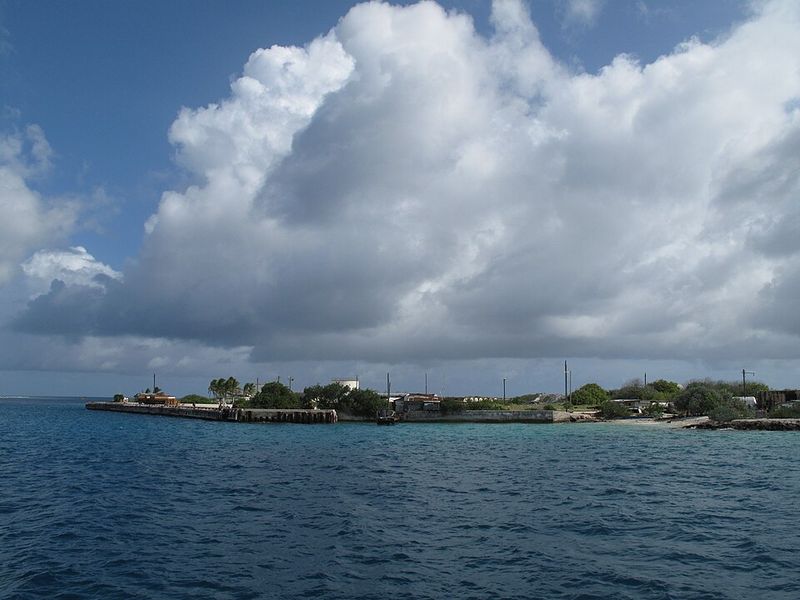
Kiribati holds a geographic record that sounds almost impossible: it is the only country in the world that sits in all four hemispheres at once, crossing both the Equator and the International Date Line. That quirky fact barely scratches the surface of what makes this scattered nation of 33 islands and atolls so remarkable.
Relatively few international travelers ever set foot here.
The real headline is underwater. The Phoenix Islands Protected Area covers more than 408,000 square kilometers of ocean and protects one of the largest intact oceanic coral-archipelago ecosystems on Earth.
UNESCO recognizes it as a globally significant marine environment, home to coral reefs, seamounts, sharks, turtles, dolphins, giant clams, and roughly 500 known fish species. It is essentially a living ocean laboratory that most of the world has never heard of.
Limited air routes and basic tourism infrastructure keep visitor numbers low, which means the reefs and wildlife here experience far less human pressure than comparable sites elsewhere. For serious ocean lovers willing to handle a complicated journey, Kiribati offers encounters with marine life that feel genuinely wild.
The effort required to reach it is, in a way, part of what keeps it special.
Federated States of Micronesia – Micronesia
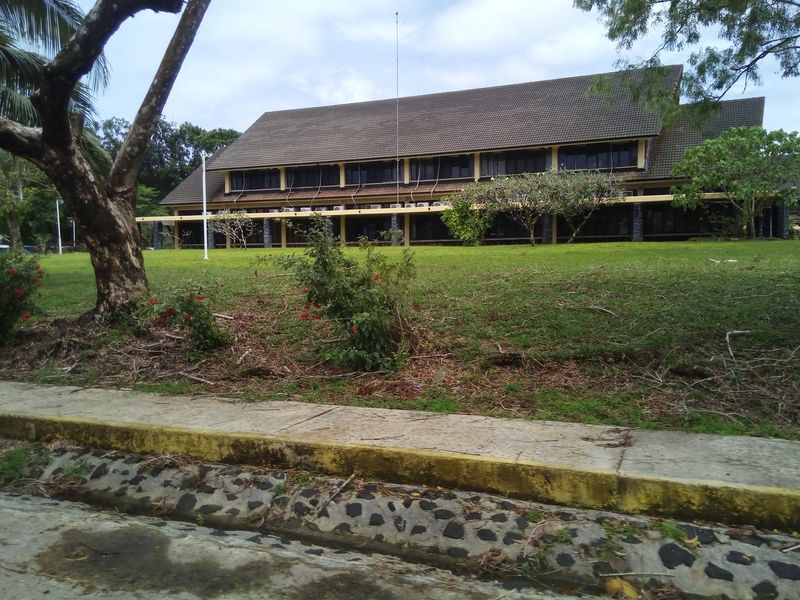
Somewhere in the middle of the Pacific, rising straight out of the ocean on artificial islands, sits one of the most extraordinary archaeological sites most people have never heard of. Nan Madol, on the island of Pohnpei, was built from massive basalt and coral blocks between roughly 1200 and 1500.
More than 100 artificial islets once supported palaces, temples, tombs, and the entire royal court of the Saudeleur dynasty.
The Federated States of Micronesia stretches across hundreds of islands divided into four states: Yap, Chuuk, Pohnpei, and Kosrae. Each has its own distinct traditions, languages, and landscapes, making the country feel like several destinations packed into one.
Yap is famous for its enormous stone money discs, which are still used in certain traditional exchanges today.
Chuuk draws experienced divers from around the world for its World War II shipwrecks, which lie scattered across the lagoon floor in remarkable condition. The country’s sheer geographic isolation helps preserve experiences that feel radically removed from anything resembling conventional tourism.
Visitor numbers remain surprisingly low given the cultural and marine wealth packed into these islands, which means those who do visit rarely share the experience with crowds.
Solomon Islands – South Pacific
Guadalcanal is a name that echoes through military history books, but standing on the actual island is a completely different experience from reading about it. The Solomon Islands were the site of one of the Pacific War’s most grueling campaigns, and the physical evidence is still very much present.
Battlefield remains, wartime caves, rusted vehicles, and memorials are scattered across the landscape in ways that feel immediate rather than museum-distant.
Underwater, the history becomes even more dramatic. Ships, aircraft, submarines, and other wreckage have settled across the seafloor, creating dive sites that range from shallow enough to snorkel to deep enough to challenge experienced divers.
The official tourism organization notes that some wrecks sit in just a few meters of water, making them accessible to almost anyone willing to get in the ocean.
Beyond the wartime story, the Solomon Islands offer something that mainstream Pacific tourism rarely delivers. Rainforest, traditional villages, lagoon systems, volcanic islands, and surf breaks are spread across an archipelago that mass-market tourism has barely touched.
Visitor numbers remain modest, which means the cultural and natural experiences here feel genuinely unscripted. The islands reward patience and curiosity in equal measure.
Sao Tome and Principe – Central Africa
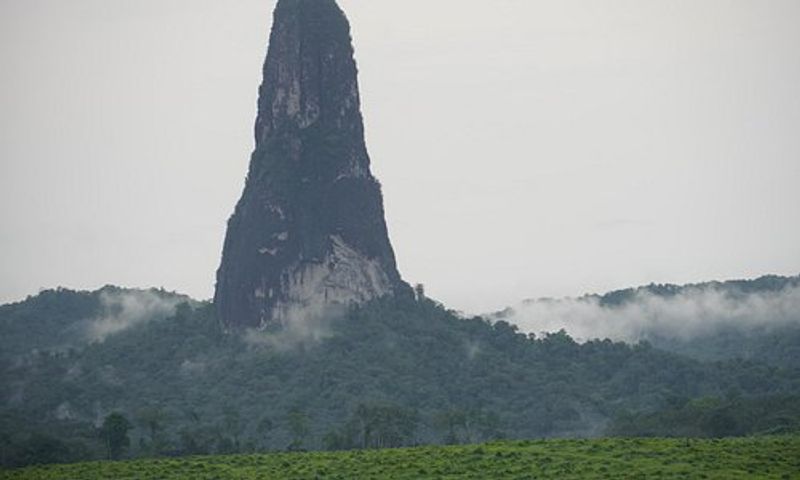
Two tiny volcanic islands sitting in the Gulf of Guinea off Africa’s west coast might not sound like a major travel story, but Sao Tome and Principe quietly punches above its weight in almost every category. Volcanic mountains draped in rainforest, historic cacao plantations, endemic wildlife, and beaches that see almost no tourist foot traffic all share this small country.
In 2026, UNESCO added the Rocas of Sao Tome and Principe to the World Heritage List.
The Rocas are the plantation estates created through colonial agriculture and forced migration, and they tell a complicated, important story about the islands’ history. Visiting them is not simply a scenic excursion but an encounter with the layered past of a place shaped by centuries of outside influence.
Some have been converted into lodges or cultural sites, offering visitors a way to engage with that history directly.
Tourism contributed roughly 11% of GDP in 2024 despite relatively modest absolute visitor numbers, suggesting the sector punches above its weight economically even while remaining small in scale. Rainforest hikes, endemic bird species, cacao tasting, and volcanic formations round out the experience.
For travelers seeking Africa beyond the safari circuit, these islands offer something genuinely off the beaten path.
Comoros – Indian Ocean
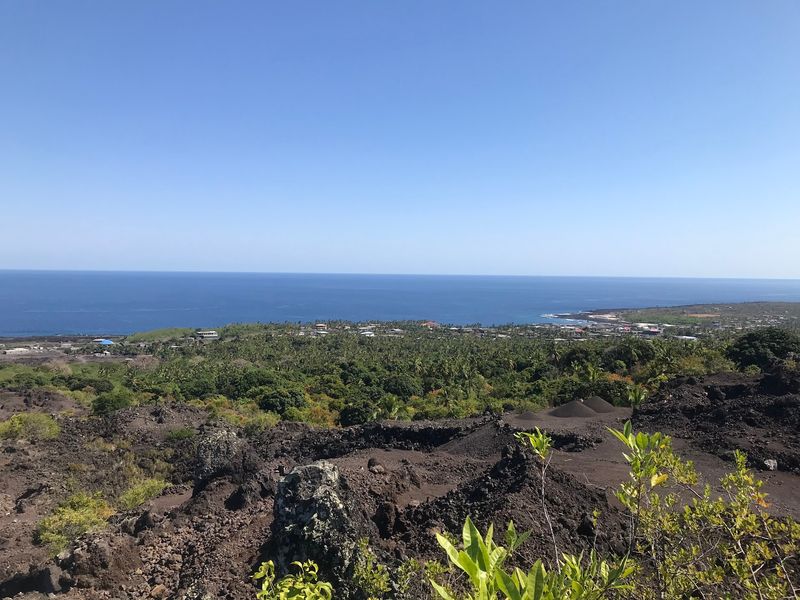
Most Indian Ocean itineraries skip right past the Comoros, which is a shame because these islands pack a remarkable amount of geological drama into a very small space. Grande Comore is dominated by Mount Karthala, an active volcano that rises to 2,361 meters above sea level and last erupted in 2006.
The crater at the top is one of the largest active calderas in the world, and hiking to it is as memorable as it sounds.
In 2026, Karthala National Park was submitted to UNESCO’s tentative World Heritage list. The protected area runs from the eastern coastline all the way to the summit, covering forest, lava flows, savanna, mangroves, and layered volcanic terrain in a single protected zone.
That kind of ecological range in such a compact area is genuinely unusual anywhere on Earth.
The Comoros blend African, Arab, Malagasy, and French influences into a cultural mix that feels unlike anywhere else in the Indian Ocean. Smaller Moheli island is part of a UNESCO Biosphere Reserve with coral reefs, seagrass beds, mangroves, and nesting marine turtles.
The beaches remain largely undeveloped, and the islands see only a small share of the tourism flowing through the broader western Indian Ocean region. That means the whole place still feels quietly, wonderfully itself.
Guinea-Bissau – West Africa
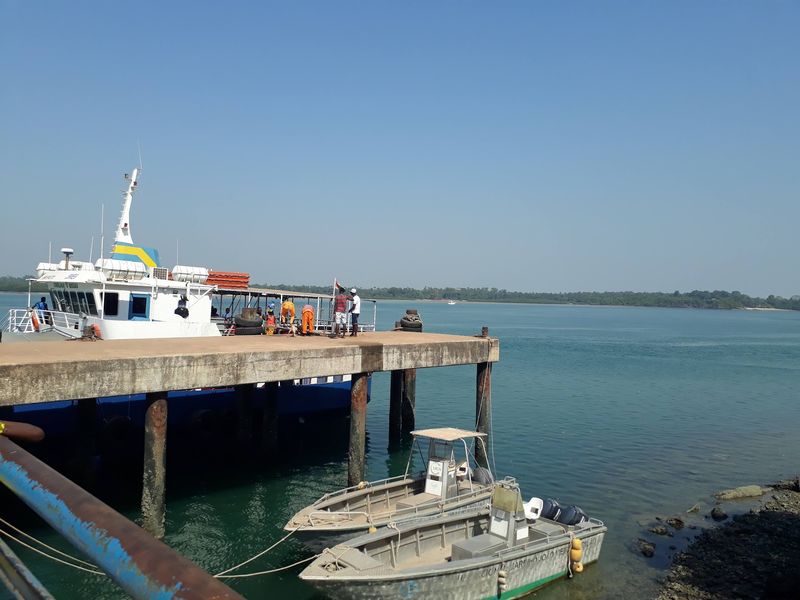
Guinea-Bissau barely registers on most African travel maps, yet just offshore lies one of the continent’s most biologically extraordinary places. The Bijagos Archipelago is a scattered collection of islands, mangroves, tidal flats, beaches, and forest that UNESCO designated a Biosphere Reserve back in 1996.
In 2025, its best-preserved coastal and marine ecosystems were added to the World Heritage List.
The wildlife numbers here are staggering by any measure. The archipelago supports globally important green-turtle nesting beaches, manatees, dolphins, sharks, rays, and enormous concentrations of migratory birds that use the islands as a critical stopover.
UNESCO specifically notes that tourism development remains limited despite the area’s biological importance, which is a polite way of saying almost nobody goes there yet.
Traditional communities on the islands maintain cultural practices and relationships with the land and sea that have remained largely intact. The Bijagos people have historically been known for their strong sense of independence and distinct spiritual traditions tied to the natural world around them.
For travelers willing to handle the logistical challenge of reaching Guinea-Bissau, the archipelago offers an encounter with both wild nature and living culture that feels completely removed from Africa’s established beach tourism circuit. That combination is increasingly rare.
Timor-Leste – Southeast Asia
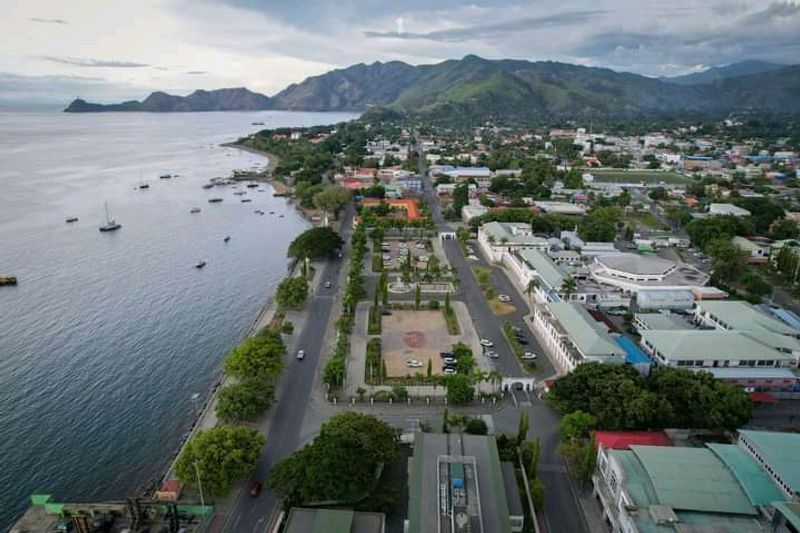
Southeast Asia’s newest country is also one of its least explored, which makes Timor-Leste a genuinely surprising destination for travelers who think they have already seen the region. The Ministry of Tourism describes the country as lying within the Coral Triangle, a zone of ocean recognized globally for having some of the highest marine biodiversity on Earth.
Atauro Island in particular has been cited by researchers as having some of the densest reef fish populations ever recorded.
Inland, the mountainous terrain opens up a completely different experience. Coffee-growing communities, traditional sacred houses called uma lulik, Portuguese colonial remnants, and highland villages sit within a landscape that sees very little organized tourism.
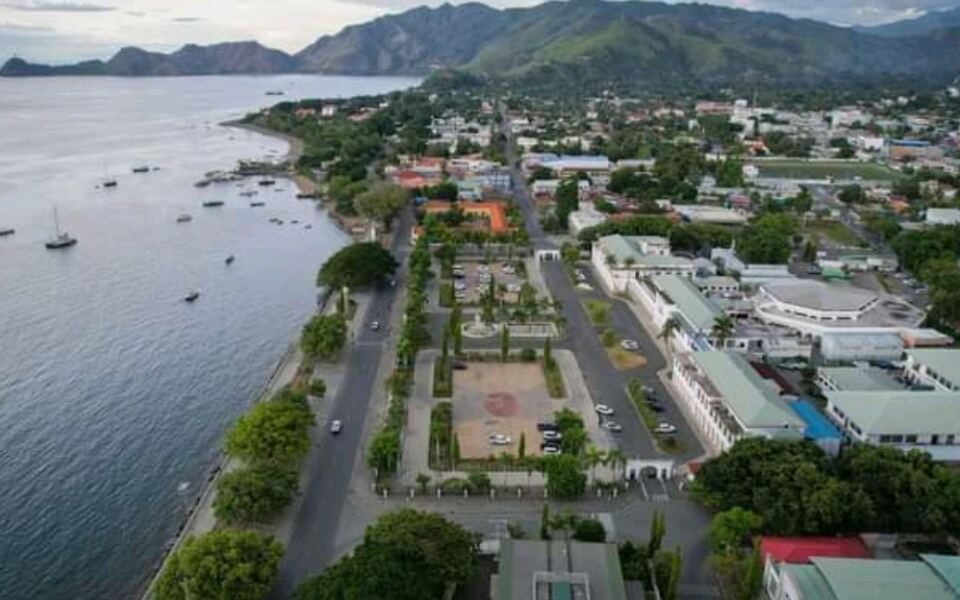
The capital, Dili, combines a relaxed waterfront atmosphere with sites connected to the country’s long and painful struggle for independence from Indonesian occupation, which only ended in 2002.
The tourism sector has historically faced real challenges, including limited infrastructure, weak international awareness, and high flight costs relative to other Southeast Asian destinations. A newly rebuilt national tourism platform launched in August 2026 as part of a broader effort to raise the country’s profile with international travelers.
For now, Timor-Leste remains one of those rare places where the infrastructure is basic but the natural and cultural rewards are anything but.
Bhutan – South Asia
Bhutan is the rare country that actively chooses not to maximize tourist arrivals. The Himalayan kingdom follows a high-value, low-impact tourism model designed to protect both cultural traditions and fragile mountain ecosystems from the pressures that have reshaped other Himalayan destinations.
Visitor numbers are deliberately kept modest, and a sustainable development fee applies to most international travelers.
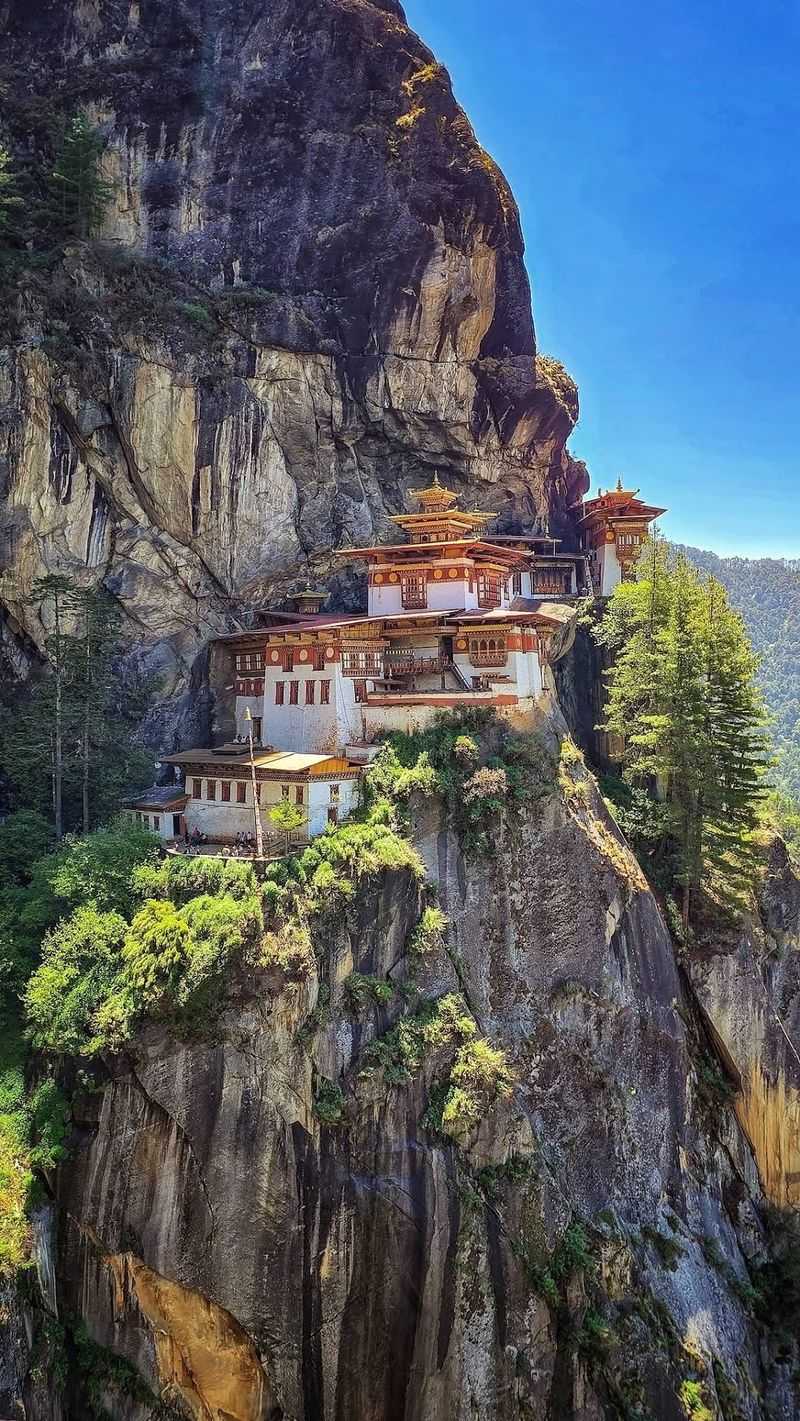
The most photographed landmark is Paro Taktsang, commonly called Tiger’s Nest Monastery, which clings to a sheer cliff face roughly 3,000 feet above the Paro Valley floor. Built in 1692 according to Bhutan’s official tourism records, it remains an active place of Buddhist worship and a demanding uphill hike that rewards the effort with views that feel almost absurdly dramatic.
On a clear day, the scene looks like something out of a fantasy novel.
Beyond Tiger’s Nest, Bhutan offers fortified dzong fortresses, high-altitude trekking routes, traditional architecture preserved through strict building codes, and valleys where farming rhythms have changed little over centuries. The country receives far fewer visitors than neighboring India or Nepal, but that is partly by design.
Bhutan is not hiding from travelers; it is simply very deliberate about the kind of tourism it allows and the pace at which it grows.
Palau – Western Pacific
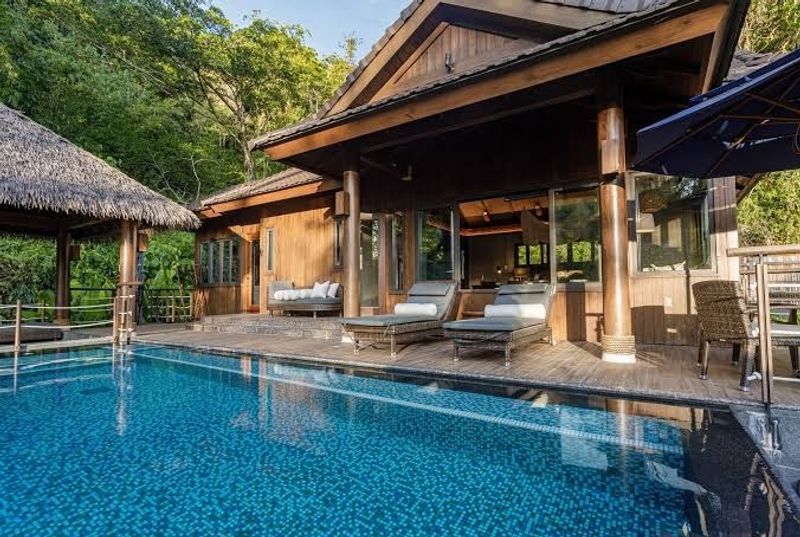
Jellyfish Lake in Palau is one of those places that sounds made up until you are floating in it surrounded by millions of pulsing golden jellyfish that have evolved to lose their sting. Access is limited to snorkeling rather than scuba diving specifically to protect the lake’s unusual stratified water chemistry.
It is the kind of experience that stays with you long after the flight home.
The Rock Islands Southern Lagoon, listed by UNESCO as a World Heritage Site, contains 445 limestone islands draped in jungle and surrounded by coral reefs. The area covers more than 100,000 hectares and supports sharks, dugongs, extensive reef systems, and archaeological remains from ancient Palauan settlement.
Seen from above, the mushroom-shaped islands rising from turquoise water look almost too picturesque to be real.
Palau’s visitor numbers remain tiny compared with major tropical resort destinations, partly because of its remote location in the western Pacific and partly because of serious environmental controls the government has put in place to protect its reefs. Sunscreen containing certain chemicals is banned, and some dive sites have strict quotas.
That commitment to conservation gives Palau’s marine environment a health and vitality that more visited reef systems have lost. The trade-off is a smaller tourism economy, but a far richer ocean.
Tonga – South Pacific
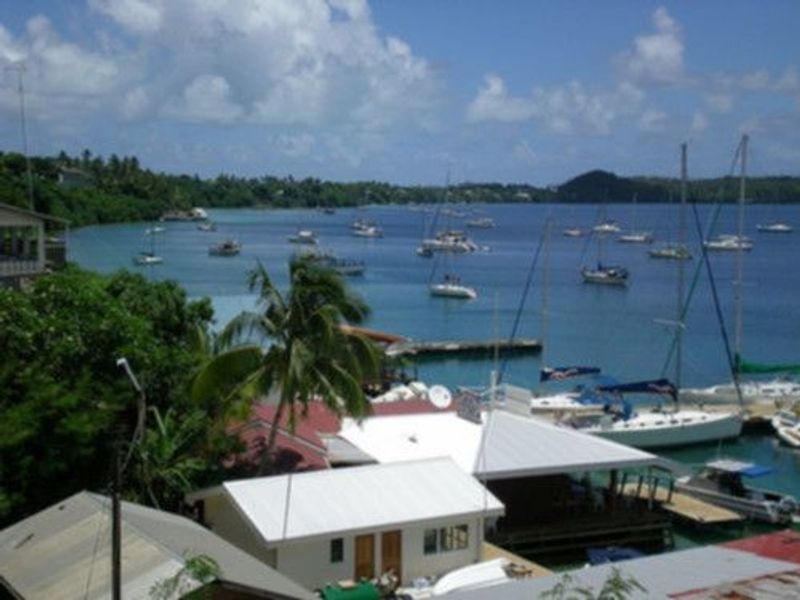
Every winter in the Southern Hemisphere, humpback whales make their way into the warm waters around Tonga to breed and give birth, and for a few months the archipelago becomes one of the only places on Earth where swimming with humpbacks is legally permitted. Watching a 40-ton animal hover quietly a few meters away in clear tropical water is the kind of moment that resets your sense of scale entirely.
Tonga built a reputation around this experience long before whale watching became trendy.
The country consists of more than 170 islands spread across groups including Tongatapu, Ha’apai, and Vava’u, each with its own character. Traditional village life, royal heritage, sailing, reefs, and beaches shape an experience that feels genuinely Polynesian rather than resort-packaged.
Tonga is also the Pacific’s only remaining indigenous monarchy, which gives the culture a particular continuity and pride.
Visitor numbers stay low partly because of the limited accommodation base and the long distances from major traveler origin markets. Those same factors leave much of the archipelago feeling closer to everyday Pacific life than to a purpose-built holiday destination.
Travelers who make the journey often describe feeling like they arrived somewhere that has not yet decided tourism is its primary identity, which is increasingly hard to find in the Pacific.
Moldova – Europe
Moldova is the odd one out on this list because it is not remote, expensive to reach, or logistically complicated. It sits right between Romania and Ukraine, within easy train or bus ride of major European cities, and yet it attracts surprisingly little international leisure tourism.
Official statistics recorded only 67,600 foreign visitors handled through Moldovan travel agencies and tour operators in 2024, a number that seems almost impossible for a European country.
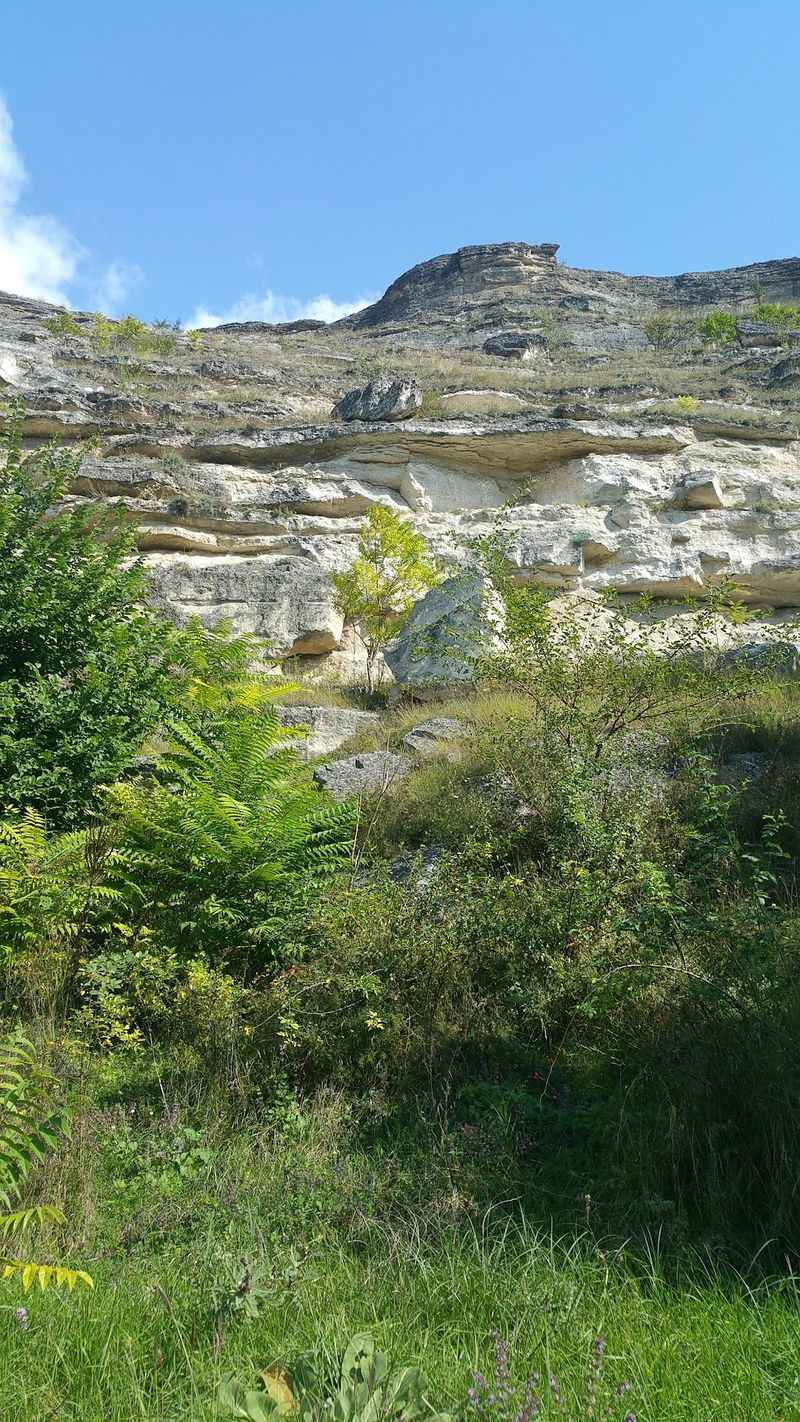
The attractions are real and varied. Orheiul Vechi is an archaeological and monastic landscape carved into limestone cliffs above a river bend, where monks still live in cave monasteries that date back centuries.
The wine scene is genuinely world-class: Moldova has more vineyard land per capita than almost any other country, and its underground cellars at places like Milestii Mici stretch for kilometers beneath the earth, storing millions of bottles in cool limestone tunnels.
Rural guesthouses, Orthodox monasteries, and a growing agritourism scene round out the picture. The food is hearty, the hospitality is warm, and prices remain very affordable by Western European standards.
Moldova is essentially a well-kept secret hiding in plain sight on the European map. The low visitor numbers say more about awareness than about what the country actually has to offer.
Papua New Guinea – Oceania
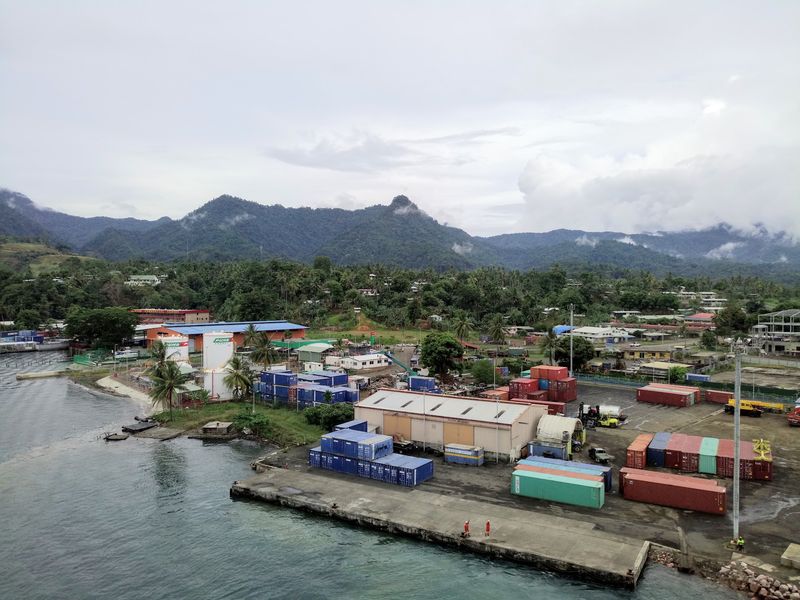
Papua New Guinea has over 800 distinct languages, which is more than any other country on Earth and a hint at just how culturally layered this place really is. Spread across mountains, rainforest, river systems, and islands, communities here have developed traditions so varied that traveling between regions can feel like moving between entirely different worlds.
Yet international tourism remains surprisingly limited relative to what the country holds.
Highland festivals bring together communities in displays of ceremonial dress, music, and dance that are among the most visually spectacular cultural events anywhere in the Pacific. The Kokoda Track follows rugged terrain through jungle and mountains associated with a pivotal World War II campaign, drawing hikers who want to experience both physical challenge and significant history.
Sepik River carvings are recognized globally as some of the finest traditional art produced anywhere in Oceania.
High travel costs, limited road infrastructure, remote village locations, and logistical complexity all restrict tourism growth in meaningful ways. Those same factors mean cultural landscapes here remain far removed from mass-market tourism pressure.
Planning a trip requires real research and flexibility, but travelers who commit to the effort often describe Papua New Guinea as one of the most genuinely rewarding destinations they have ever visited. That kind of feedback is hard to manufacture.
Mongolia – Central Asia
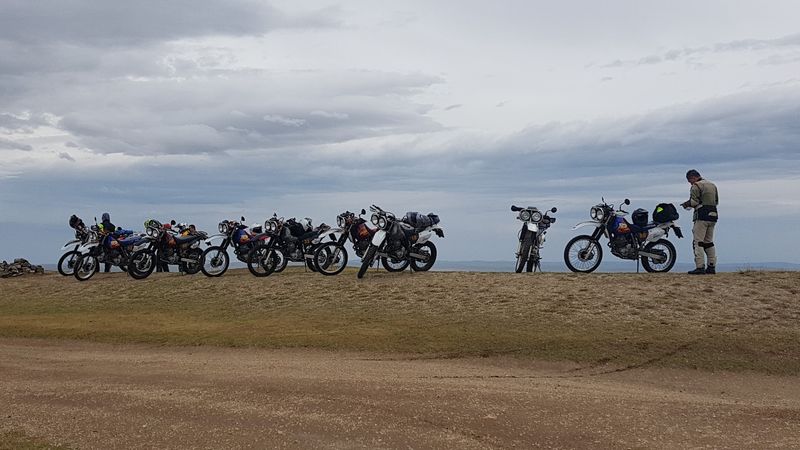
Mongolia is so large and so sparsely populated that the country has roughly the same land area as Western Europe but a population smaller than the city of Los Angeles. Most of that territory is grassland, desert, mountain, and steppe where nomadic herding families still move with the seasons in a lifestyle that has defined this part of the world for thousands of years.
Visitor numbers remain modest considering the sheer scale of what is on offer.
The Orkhon Valley sits at the historical heart of successive nomadic empires and contains the ruins of Karakorum, the 13th-century capital of the Mongol Empire. UNESCO recognizes the valley as a cultural landscape of global importance, and the archaeological remains scattered across it span centuries of steppe civilization.
Nearby, Buddhist monasteries and ancient inscriptions add further layers to an already dense historical record.
Beyond the historical core, the Gobi Desert offers camel trekking and dramatic sand dunes, the Altai Mountains provide serious trekking terrain, and Lake Khövsgöl in the north is one of the largest freshwater lakes in Asia. Mongolia’s vast distances and short peak summer travel season naturally keep visitor density low.
Even the country’s most famous landscapes can feel almost completely empty, which is a quality that is becoming genuinely rare in global tourism.
Share this story