Some places earn their fame before you ever uncork a bottle. The world’s greatest wine regions are not just about what ends up in your glass but about the dramatic slopes, ancient soils, and jaw-dropping scenery that make the grapes possible in the first place.
From terraced riverbanks in Portugal to volcanic craters in the Canary Islands, these destinations turn a wine trip into something closer to an adventure. Pack a corkscrew, bring good walking shoes, and get ready to fall in love with the view.
Douro Valley, Portugal
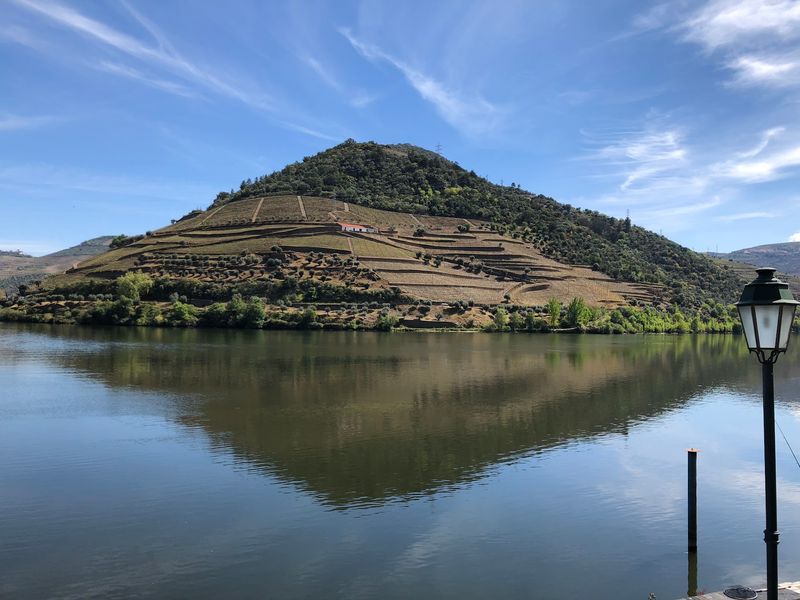
Picture a river so dramatic it looks like someone folded the earth into accordion pleats just to grow grapes on the creases. The Douro Valley in northern Portugal does exactly that, with vines climbing near-vertical schist hillsides above a river that twists through some of Europe’s most stunning terrain.
UNESCO recognized the Alto Douro Wine Region as a World Heritage cultural landscape, and the designation feels completely deserved.
The region was formally demarcated in 1756, making it one of the oldest regulated wine zones on the planet. Port wine built its reputation here, but dry Douro reds and whites have been earning serious international respect over the past two decades.
Around Pinhão, estates tumble almost directly toward the water, creating geometric patterns that look like a painting from a distance.
Exploring by vintage train between Porto and Pocinho offers river-level views that no car journey can match. Staying at a quinta gives you sunset terraces, vineyard walks, and the kind of quiet that reminds you why people fell in love with this valley centuries ago.
Bring a camera and plenty of memory cards.
Santorini, Greece
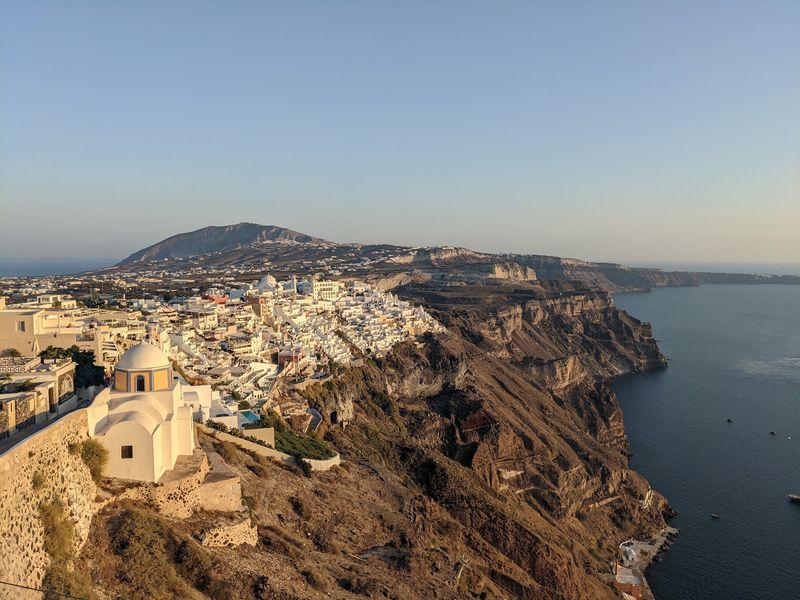
No other vineyard in the world looks quite like this. On Santorini, farmers train their vines into low, coiled basket shapes called kouloura, a technique developed over centuries to protect grapes from the island’s ferocious winds and scorching Cycladic sun.
The result is a landscape that looks almost alien, with dark volcanic earth, pale villages, and vines hugging the ground like sleeping creatures.
Assyrtiko is the star grape here, producing wines with piercing acidity and a salty mineral edge that seems to carry the sea breeze right into the glass. The volcanic soil, shaped by one of the ancient world’s most catastrophic eruptions, gives the wines a character that is genuinely impossible to replicate anywhere else on Earth.
Tastings around Pyrgos and Megalochori often come with caldera views that make it hard to focus on the wine.
What makes Santorini truly special is that the geology and the wine are the same story told twice. The island blew apart, left behind extraordinary soil, and those extraordinary soils produce extraordinary grapes.
Visiting during late summer, just before harvest, shows the vines at their most loaded and beautiful.
Mendoza and the Uco Valley, Argentina
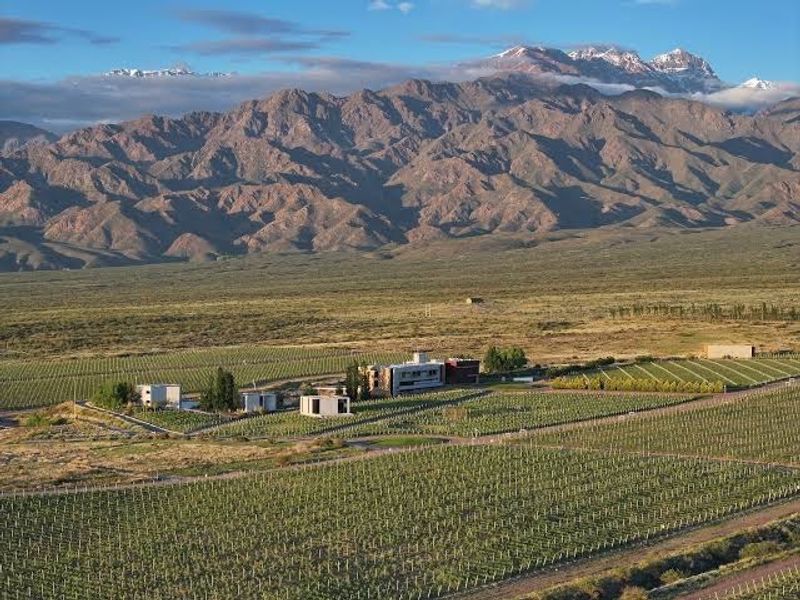
Standing in a Mendoza vineyard with the Andes filling your entire western horizon is the kind of moment that makes you forget what you came to taste. Argentina’s most famous wine province sits at high altitude in a dry, sun-drenched landscape where the mountains do not just provide scenery but actively shape the climate, the soil, and ultimately the wine in your glass.
Malbec found its true home here after struggling in its native France, thriving in the thin mountain air and intense UV light that produce grapes with thick skins and deep, concentrated flavors. The Uco Valley pushes even higher, with vineyards at elevations exceeding 1,000 meters where cool nights preserve the acidity that keeps the wines fresh.
Zuccardi’s Piedra Infinita estate has received repeated international recognition for both its vineyard setting and its wines.
Beyond Malbec, Cabernet Franc and Chardonnay are proving their worth at altitude, giving wine lovers plenty of reasons to keep tasting. Many wineries offer mountain-view terraces and restaurant experiences that pair serious food with serious wine.
The backdrop never gets old, no matter how many glasses you work through.
Moselle Valley, Germany
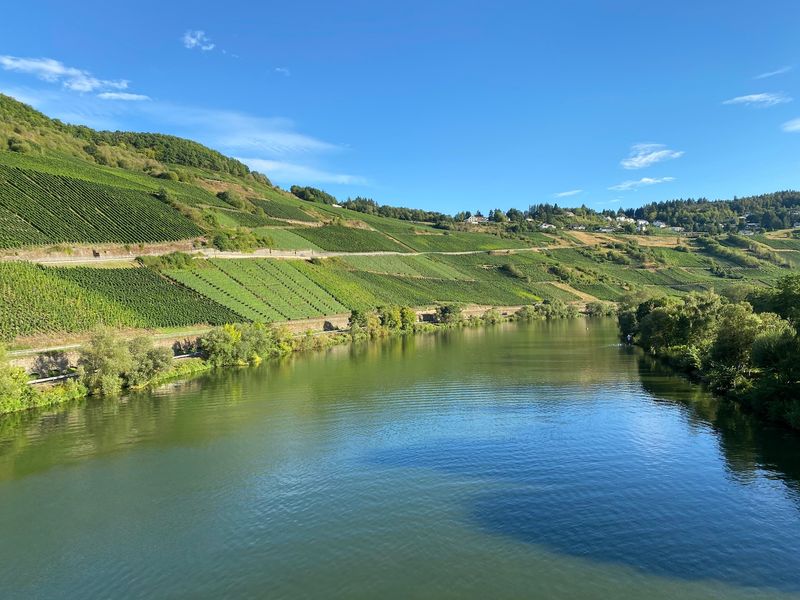
Whoever said wine country needs to be gentle clearly never visited the Moselle. Germany’s oldest wine-growing region features vineyards so steep that workers sometimes use monorail systems to haul equipment up slopes that would challenge a mountain goat.
The Calmont at Bremm is promoted as Europe’s steepest commercially worked vineyard, and standing at its base makes that claim very believable.
Riesling dominates these dramatic slate hillsides, absorbing warmth from the dark rock during the day and releasing it overnight to protect vines from frost. The result is wines with extraordinary aromatic complexity, a signature slate-mineral quality, and a balance of sweetness and acidity that wine lovers travel across continents to experience.
River bends, castle ruins, and half-timbered villages complete a landscape straight out of a Romantic-era painting.
The 365-kilometer Moselsteig trail gives walkers repeated high vantage points over vineyards and river loops, with towns like Bernkastel-Kues and Cochem offering excellent bases. Wine festivals run from spring through autumn, and cellars carved into the slate hillsides add a theatrical dimension to every tasting.
Few wine landscapes reward slow exploration as generously as this one.
Wachau Valley, Austria
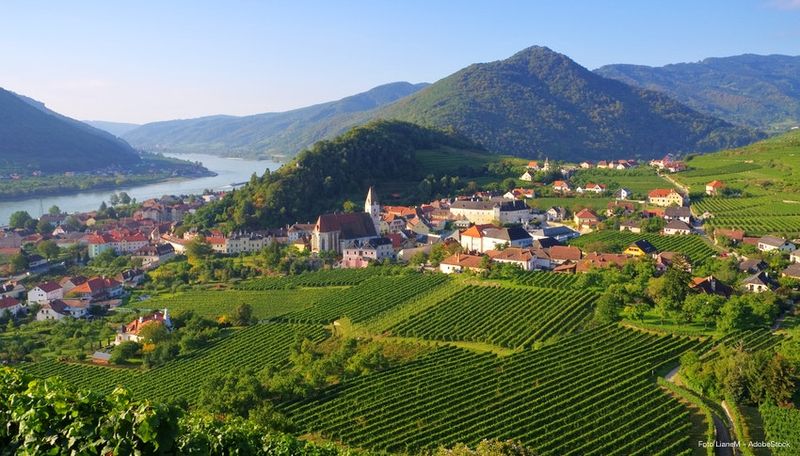
Austria’s Wachau Valley has the rare quality of making every visitor feel like they have discovered a secret, even though UNESCO has been telling the world about it for years. Vineyards rise in steep terraces above the Danube between Melk and Krems, interrupted by apricot orchards, castle ruins, church spires, and medieval towns that look unchanged from a century ago.
Riesling and Gruner Veltliner are the two great local grapes, both benefiting from hillside exposure and the interplay between warm Pannonian air from the east and cool Alpine influence from the west. The local Vinea Wachau classification system, with its Steinfeder, Federspiel, and Smaragd categories, reflects how seriously the valley takes the relationship between place and wine.
Durnstein and Spitz are ideal bases for combining wine tasting with cycling along the Danube.
Traditional Heuriger wine taverns, where producers serve their own wines alongside simple food, give the region a warmth that more polished wine destinations sometimes lack. Sitting on a vineyard terrace with a cold Smaragd Riesling while the river moves quietly below is one of those experiences that stays with you.
The Wachau earns every superlative it receives.
Chianti, Italy
Chianti is the wine region that convinced the entire world that Italian hills are the most beautiful hills on Earth. Between Florence and Siena, rows of Sangiovese vines spread across terrain so perfectly composed it seems staged, with cypress trees, olive groves, stone farmhouses, and medieval hilltop villages all arranged as if a very talented art director spent centuries on the layout.
The wines themselves have a history of ups and downs, but modern Chianti Classico producers have pushed quality to levels that match the scenery. Sangiovese here produces reds with bright cherry character, earthy depth, and the kind of food-friendly acidity that makes a long Italian lunch feel like a perfectly reasonable idea.
Castello di Brolio, historically linked to Baron Bettino Ricasoli and the development of the classic Chianti formula, is worth a visit for the setting alone.
Greve in Chianti, Gaiole, and Radda all offer excellent enotecas, local restaurants, and nearby estates to explore. Cycling between vineyards on quiet gravel roads is a genuinely wonderful way to experience the region, especially in September when harvest brings extra energy to every village.
Chianti is not just a wine style but a way of life.
Rioja Alavesa, Spain
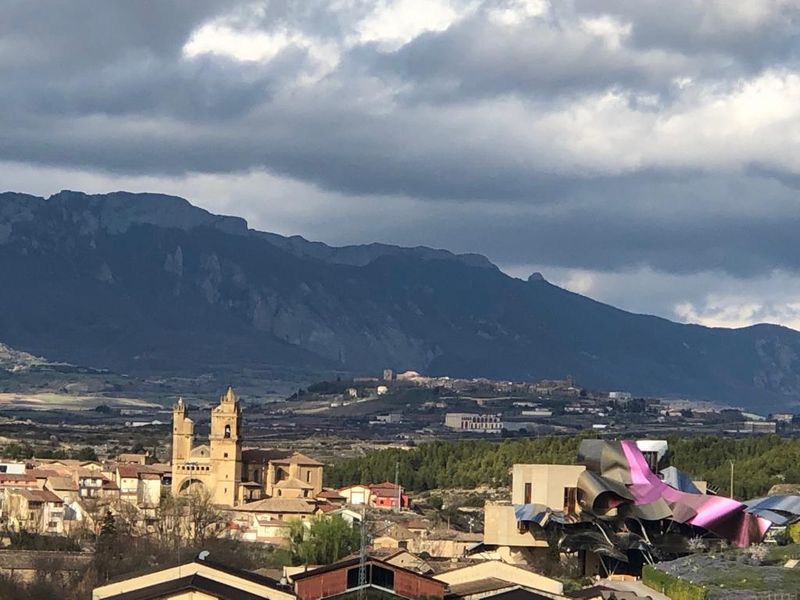
Rioja Alavesa plays an entertaining architectural trick on visitors who think they know what a wine region looks like. One moment you are walking through a medieval walled village like Laguardia, tasting wines from underground cellars that predate most modern nations.
The next moment you are standing in front of a futuristic winery designed by a world-famous architect, wondering if you accidentally wandered into an art museum.
The geography sets the stage beautifully. A strip of vineyard country sits between the Ebro River and the Sierra de Cantabria, sheltered by the mountains from northern Atlantic weather while benefiting from warm southern air.
That microclimate gives Tempranillo-based reds their characteristic depth and structure. More than 50 visitor-oriented bodegas operate along the Rioja Alavesa Wine Route, ranging from tiny family producers to internationally known estates.
Frank Gehry’s titanium-clad Marques de Riscal hotel near Elciego has become one of Spain’s most photographed buildings, turning wine tourism into architectural tourism almost by accident. The compact geography means you can visit medieval cellars, contemporary design landmarks, and vineyard viewpoints all in a single day.
Rioja Alavesa keeps surprising people who think they already know Spain.
Burgundy’s Cote d’Or, France
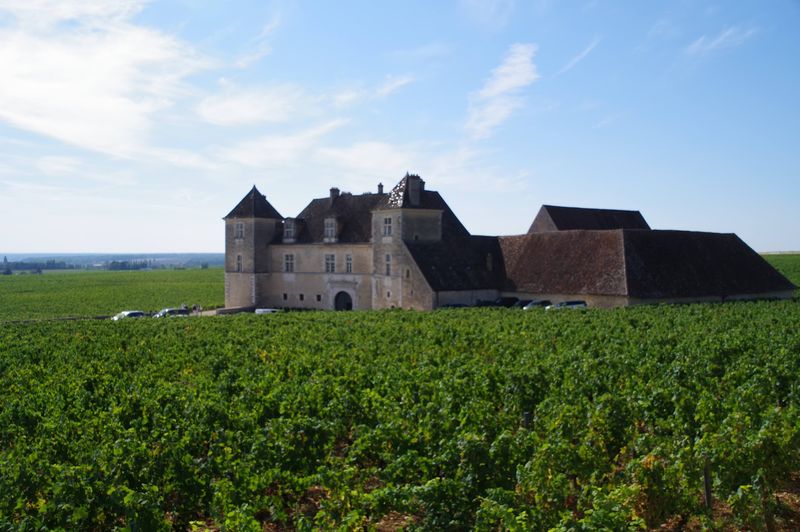
Burgundy rewards the kind of traveler who enjoys obsessing over tiny differences. The Cote d’Or is divided into hundreds of small vineyard parcels called climats, each with its own historical identity, soil profile, and wine character.
UNESCO recognized 1,247 of these climats as a World Heritage cultural landscape, acknowledging that centuries of careful observation have turned this hillside into one of the most precisely mapped agricultural landscapes on Earth.
Pinot Noir and Chardonnay share the stage here, but the fascination is less about the grape varieties and more about how the same grape tastes different a few hundred meters down the slope. Villages like Gevrey-Chambertin, Vosne-Romanee, and Pommard each have distinct reputations built over generations.
Dry-stone walls called murgers mark the boundaries between plots, and learning to read them is a kind of vineyard literacy that Burgundy enthusiasts spend lifetimes developing.
The Route des Grands Crus winds through about 37 villages across roughly 50 miles, passing some of the most expensive farmland in the world. Beaune sits near the middle and makes an ideal base, with its famous Hospices auction, excellent restaurants, and a wine school for visitors who want to go deeper.
Burgundy is not just a destination but a discipline.
Stellenbosch, South Africa
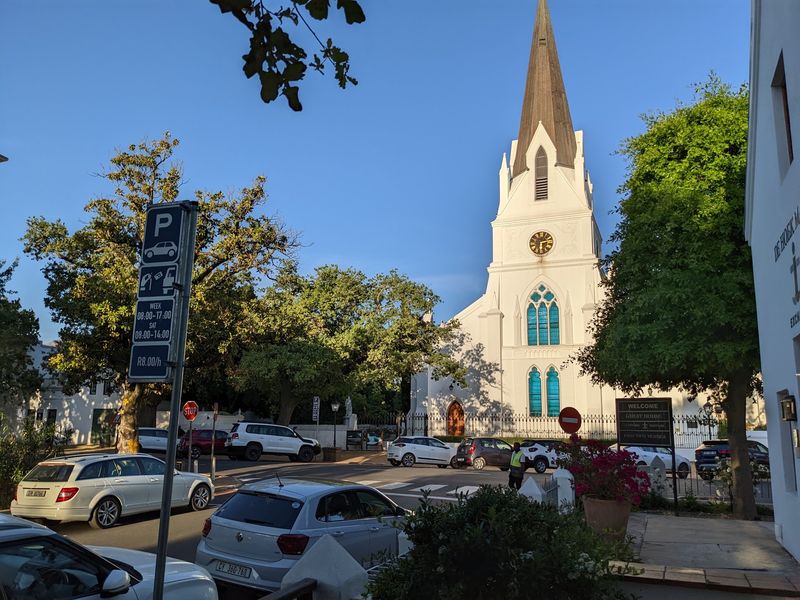
Stellenbosch has a habit of making visitors stop mid-sip to stare at the mountains. Wine estates spread beneath the Simonsberg, Helderberg, and surrounding Cape ranges, with peaks that shift color dramatically through the day from morning blue to late-afternoon orange.
The combination of mountain backdrop, historic Cape Dutch architecture, and ancient oak-lined roads gives the region a visual richness that few wine destinations can compete with.
Cabernet Sauvignon, Chenin Blanc, and Bordeaux-style blends have built Stellenbosch’s international reputation, but the diversity of the region’s producers keeps things interesting. Mountain road routes like Helshoogte and the Jonkershoek Valley take visitors through some of the most spectacular winery settings in the Southern Hemisphere.
Harvest runs between January and April, bringing extra color and energy to the vineyards during what is technically the Southern Hemisphere’s summer.
Many estates have developed serious restaurant programs alongside their tasting rooms, making it easy to spend an entire day on a single property without feeling like you are missing anything. The proximity to Cape Town, just 50 kilometers away, makes Stellenbosch an easy addition to any South African trip.
The wine is genuinely excellent, and the scenery makes every glass taste even better.
Kakheti, Georgia
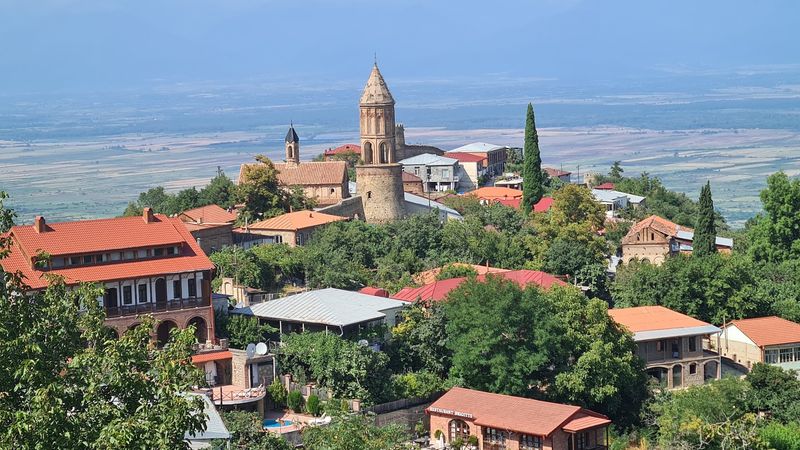
Georgia does not just claim to be one of the world’s oldest wine cultures. It has the archaeological evidence to back it up, with grape seeds and winemaking residue dating back approximately 8,000 years found in the South Caucasus region.
Kakheti, in the country’s east, is the heart of that tradition, producing roughly 70 percent of Georgia’s grapes from a region that contains around 200 distinct native varieties.
The winemaking method here is genuinely unlike anything practiced in mainstream wine production. Traditional Georgian winemakers ferment and age wine in qvevri, large egg-shaped clay vessels buried underground, sometimes leaving the grape skins in contact with the juice for extended periods to produce the amber wines that have fascinated the natural wine world.
UNESCO inscribed this ancient technique on its Representative List of Intangible Cultural Heritage in 2013.
The setting adds considerably to the experience. Vineyards spread beneath Caucasus foothills, and the hilltop town of Sighnaghi overlooks broad agricultural valleys with a romantic, slightly crumbling beauty.
Autumn harvest season is the best time to visit, when vines are heavy with fruit and communities celebrate with food, music, and wine in a way that feels deeply rooted rather than performed for tourists.
Central Otago, New Zealand
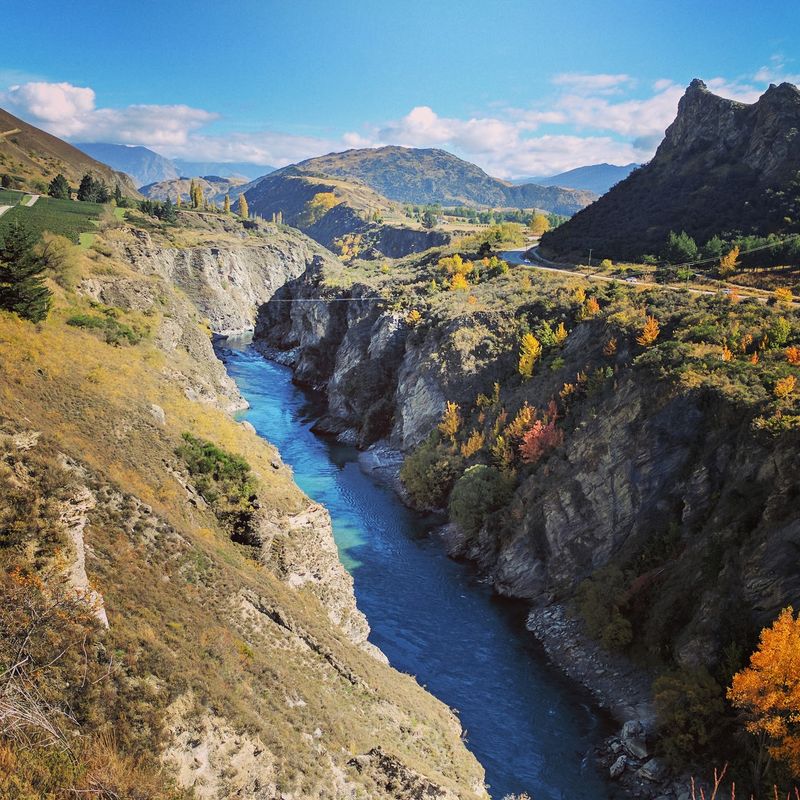
Central Otago is the kind of wine region that makes you question whether you accidentally drove into a national park. Vineyards occupy dry valleys between jagged mountain ranges, glacial lakes, and deep river gorges on New Zealand’s South Island, at latitudes that make it the world’s southernmost significant wine region.
The scenery feels more like the backdrop for an adventure film than a wine map.
Pinot Noir is the defining variety here, shaped by a cool continental climate and soils derived from ancient glacial deposits and schist rock. The combination produces wines with elegant red fruit character, earthy complexity, and a freshness that reflects the cool mountain air.
Subregions including Bannockburn, Gibbston, Cromwell, and Wanaka each add their own nuance to what Central Otago Pinot can be.
Rippon Vineyard near Lake Wanaka is perhaps the most photographed wine estate in New Zealand, with vines descending toward impossibly blue water while snow-capped peaks rise across the lake. The image has appeared in so many travel magazines that visitors sometimes arrive expecting disappointment.
They almost never find it. The real thing is better than any photograph, and the wine poured in that setting tastes exactly as good as it looks.
La Geria, Lanzarote, Spain
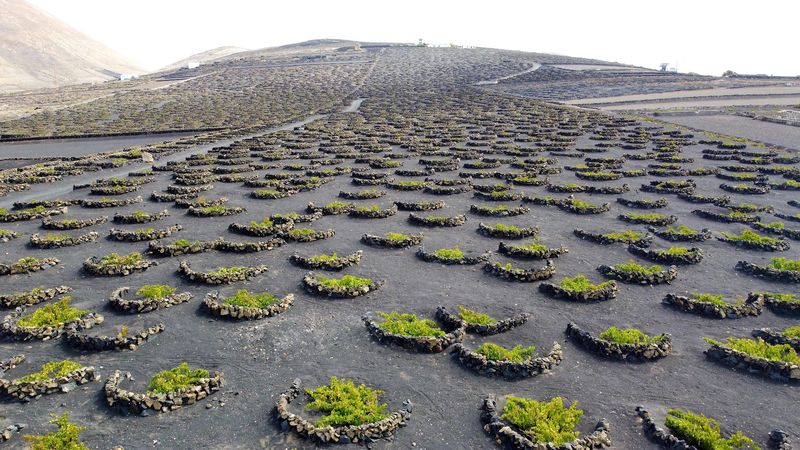
La Geria is what happens when human ingenuity meets an almost impossibly hostile landscape and refuses to give up on wine. On Lanzarote, one of the Canary Islands, farmers responded to a volcanic eruption that buried their agricultural land in black ash not by abandoning farming but by digging individual holes through the ash to reach the fertile soil beneath, then planting a single vine in each one.
The result is a vineyard landscape unlike anything else on Earth. Thousands of individual vine depressions, each surrounded by a low semicircular stone wall to catch moisture and block wind, cover the black terrain in a pattern that looks more like a lunar garden than a conventional wine estate.
Malvasia is the signature grape, producing aromatic, slightly sweet wines that pair memorably with the island’s seafood. El Grifo, founded in 1775, is among the oldest wineries in the entire Canary Islands archipelago.
The visual contrast between black volcanic ground, vivid green vines, and white winery buildings creates an image that sticks in the memory long after the bottles are empty. Lanzarote’s dry climate means the vines survive almost entirely on moisture drawn from the porous ash overnight.
It is farming as a form of determination, and the wines taste like proof that it worked.
Napa Valley, California
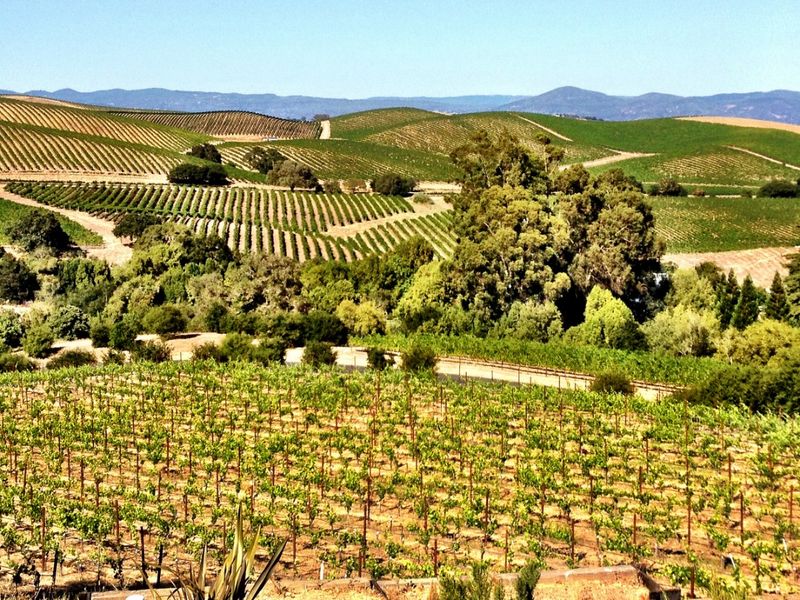
Napa Valley has been polished to a high shine by decades of wine tourism, but its physical beauty still catches first-time visitors off guard. A narrow Northern California valley framed by the Mayacamas and Vaca mountain ranges changes from vivid green in spring to a spectacular patchwork of gold and crimson during harvest season, offering a different visual experience depending entirely on when you show up.
More than 400 wineries operate tasting programs across the valley, ranging from rustic barn experiences to architecturally ambitious estates with cave systems carved directly into the hillsides. Cabernet Sauvignon is the variety most closely identified with Napa’s international reputation, though Chardonnay, Sauvignon Blanc, and Merlot all play important supporting roles.
The 1976 Paris Tasting, where Napa wines beat French benchmarks in a blind competition, gave the valley a confidence it has never lost.
Hot-air balloon flights at sunrise provide the most dramatic possible perspective over the valley floor, with mist still sitting between the vine rows and the mountains catching the first light. Yountville, St. Helena, and Calistoga each offer distinct atmospheres and nearby wineries worth exploring.
Napa can feel expensive, but the combination of wine quality and landscape justifies the reputation it has spent 50 years building.
Colchagua Valley, Chile
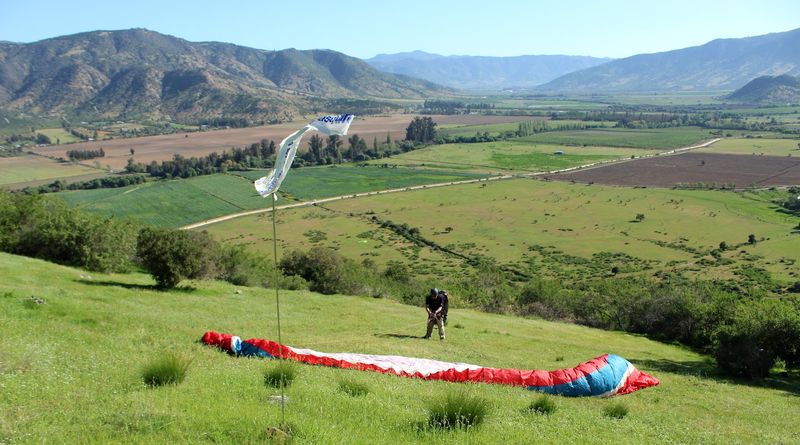
Chile’s Colchagua Valley has a spaciousness that European wine regions simply cannot offer. Broad valleys and rolling foothills spread between the Andes and the coastal range in central Chile, with wine estates laid out across terrain that feels genuinely rural and unhurried.
After the dense vineyard patchworks of Burgundy or the Mosel, the scale here feels almost extravagant.
Carmenere and Cabernet Sauvignon are the varieties most closely associated with Colchagua’s identity. Carmenere, a grape that nearly disappeared from France, found a second life in Chile after being confused with Merlot for decades.
Its discovery as a distinct variety in the 1990s gave Chile something genuinely its own in the global wine conversation. Santa Cruz serves as the cultural hub for exploring the region, with the Colchagua Museum offering an unexpectedly excellent collection of pre-Columbian artifacts alongside wine exhibits.
Several estates have developed visitor experiences that go well beyond standard tastings, including horseback rides through vineyard country, astronomy sessions at on-site observatories, and restaurant programs using local ingredients. The clear Andean skies are exceptional for stargazing, making Colchagua a destination where wine tourism and night-sky tourism overlap in a genuinely satisfying way.
The combination feels easy and unforced.
Marlborough, New Zealand
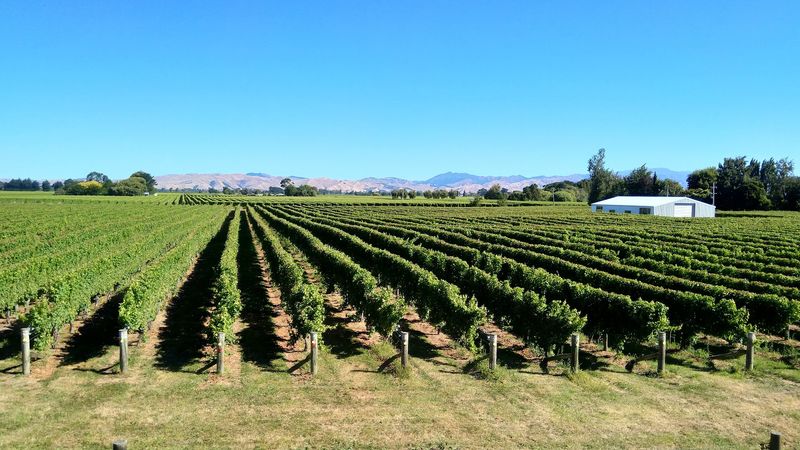
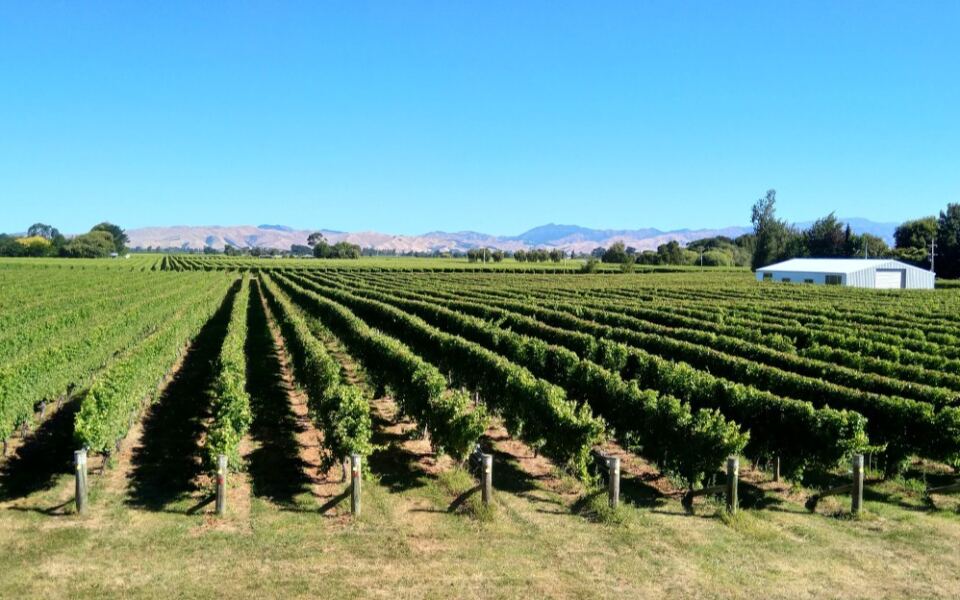
Sauvignon Blanc made Marlborough famous, but the landscape around it deserves equal credit for making people fall in love with this corner of New Zealand’s South Island. Wide, sun-drenched valleys spread across the northern tip of the island, framed by dry hills and distant mountains that shift from brown to purple depending on the light and the season.
New Zealand’s largest wine-growing region clusters most of its cellar doors around Blenheim and Renwick, making it unusually easy to explore by bicycle on flat, quiet roads through the vines. More than 30 tasting rooms operate across the region, with styles ranging from the grassy, intensely aromatic Sauvignon Blanc that put Marlborough on the map to increasingly serious Pinot Noir and Chardonnay from cooler subregions like the Southern Valleys and Awatere.
What genuinely elevates Marlborough beyond a single-variety destination is the geography surrounding the vineyards. Within about 20 minutes from the vineyard floor, the landscape transforms into the Marlborough Sounds, a network of sheltered bays, forested ridges, and quiet waterways that feel completely different from wine country.
Combining a morning at a cellar door with an afternoon on the Sounds creates the kind of day that makes you immediately start planning a return trip.
Share this story