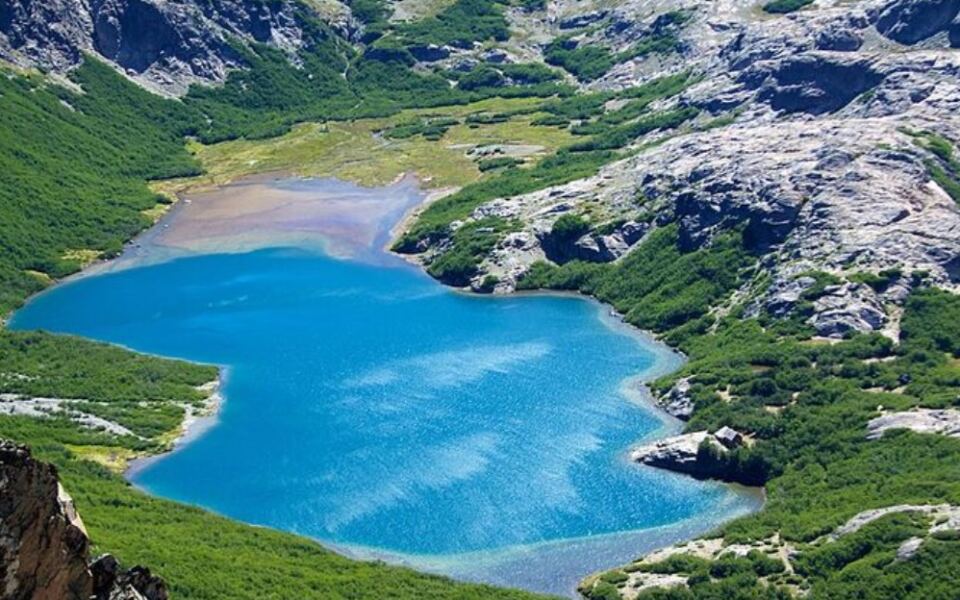
Argentina is one of those countries that genuinely has it all, from thundering waterfalls and colorful mountain valleys to world-class wine regions and some of the most dramatic glaciers on Earth. It stretches across an enormous stretch of South America, meaning a single trip can take you from subtropical jungle to frozen Patagonian wilderness.
Whether you are a first-time visitor or a seasoned traveler, Argentina has a way of surprising you at every turn. Get ready to explore 15 of the country’s most unforgettable destinations.
Buenos Aires
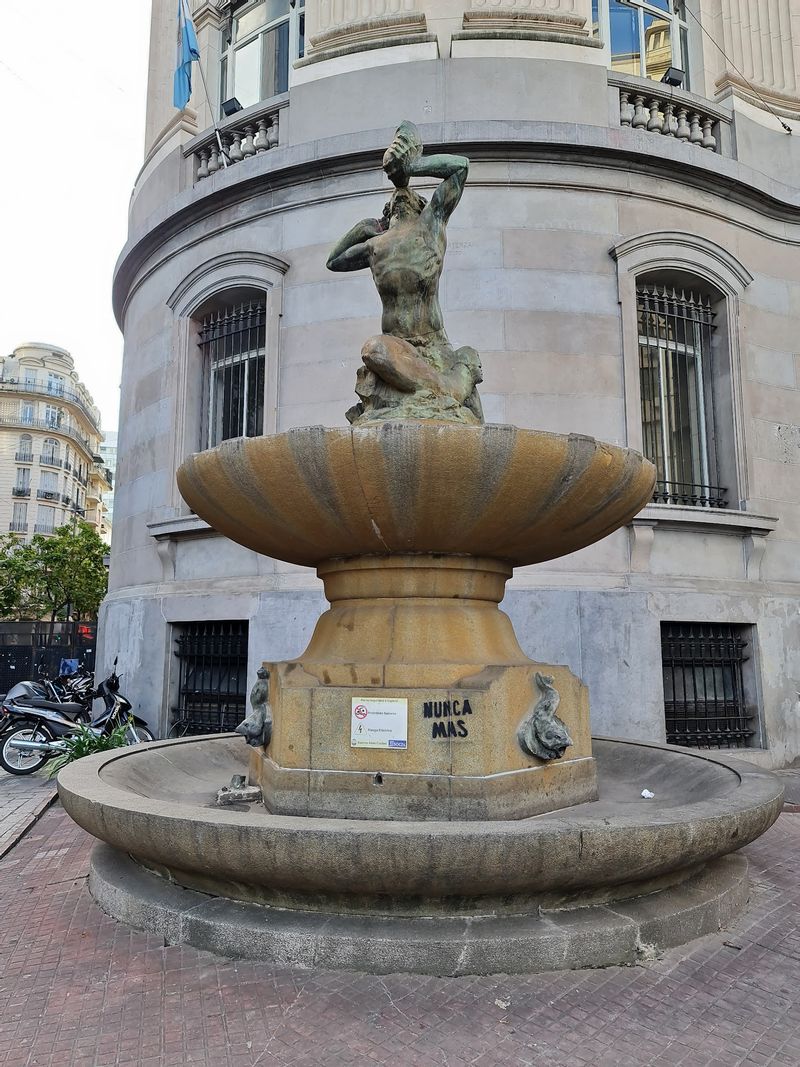
Few cities in the world can match Buenos Aires for sheer personality. The Argentine capital is a place where grand European-style architecture shares the sidewalk with street art, where the smell of grilled meat drifts out of every other doorway, and where people genuinely stay out until 3 a.m. on a Tuesday.
Start at Plaza de Mayo, the historic heart of the city, and work your way through the cobbled lanes of San Telmo.
La Boca is famous for its brightly painted houses along Caminito, while Recoleta is home to an ornate cemetery where Argentina’s elite, including Eva Peron, are buried in elaborate mausoleums. Palermo is the neighborhood for trendy restaurants, boutique shops, and leafy parks where locals jog and picnic on weekends.
Tango is woven into the city’s identity. UNESCO recognizes it as an intangible cultural heritage, and attending a neighborhood milonga, a social tango dance gathering, gives you a far more authentic experience than a polished stage show.
Buenos Aires rewards slow, curious exploration more than any rushed city tour ever could.
Iguazu Falls
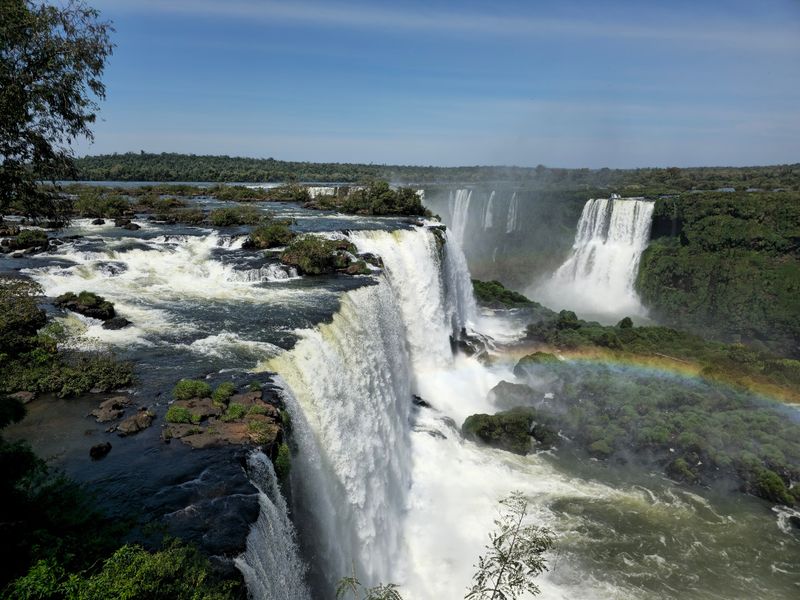
Eleanor Roosevelt reportedly saw Niagara Falls and said, “Poor Niagara.” Once you stand at Devil’s Throat and feel the spray hit your face, you will completely understand her reaction. Iguazu Falls is a UNESCO World Heritage site straddling the border between Argentina and Brazil, and the Argentine side puts you right in the middle of the action.
Elevated boardwalks wind through the subtropical rainforest and bring you to viewpoints that are almost uncomfortably close to the roaring water. The Upper and Lower circuits offer totally different perspectives, and a boat excursion will drench you thoroughly while giving you a jaw-dropping view from below the falls.
Wildlife is everywhere: toucans, coatis, caimans, and monkeys are regular sights along the trails.
The surrounding national park adds serious ecological value to what is already a visual spectacle. Plan at least two full days here if possible.
One day is enough to see the highlights, but a second day lets you slow down, spot more wildlife, and appreciate the sheer scale of what you are looking at without constantly rushing to the next viewpoint.
Ibera Wetlands
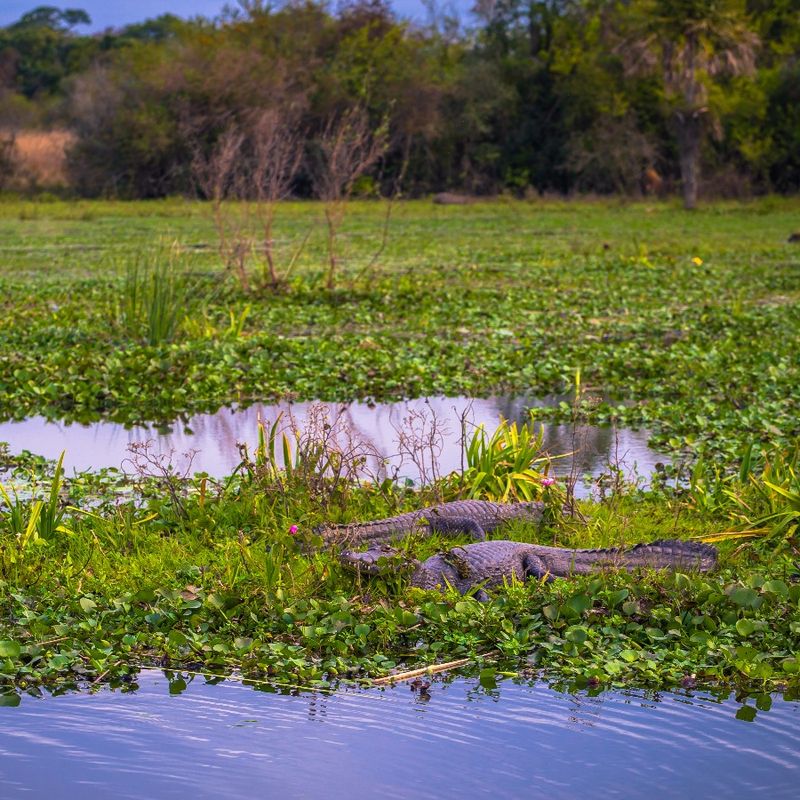
Most people picture Argentina as a land of mountains and glaciers, so the Ibera Wetlands come as a genuine and wonderful shock. Covering roughly 1.3 million hectares in the province of Corrientes, this immense freshwater ecosystem is one of the largest wetland systems in the world.
Think of it as Argentina’s answer to the Pantanal, and you will not be far off.
Capybaras are basically the unofficial mascots of Ibera. You will see them everywhere, lounging on riverbanks like they own the place.
Yacare caimans, marsh deer, howler monkeys, and hundreds of bird species are also regular sightings. Maned wolves and giant river otters are harder to find but genuinely worth the effort.
Colonia Carlos Pellegrini is the main gateway town, and it offers boat rides, canoeing, horseback excursions, and night safaris. The best time to visit runs from March through November, when wildlife activity is at its peak and water levels are more manageable.
Ibera is the kind of destination that converts skeptics into nature lovers almost instantly, and it is still far less crowded than it deserves to be.
Salta
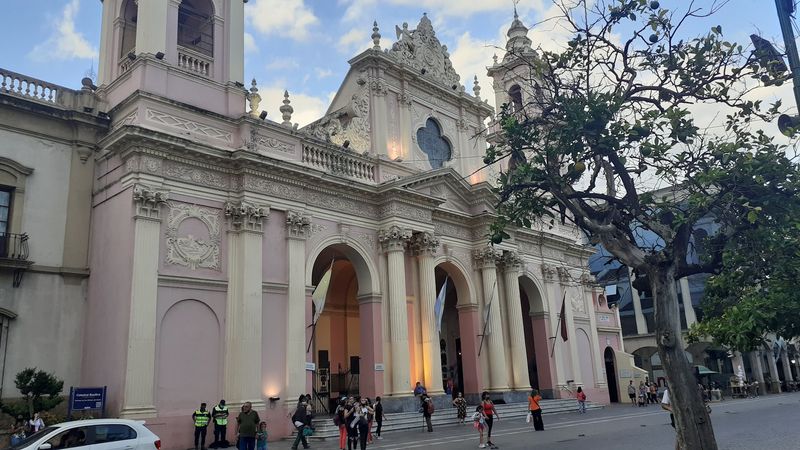
Salta has a nickname, “Salta la Linda,” which translates to “Salta the Beautiful,” and the city earns it without much argument. Surrounded by green Andean foothills, it has one of Argentina’s best-preserved colonial centers, a seriously good food scene, and a nightlife culture built around folk music and regional wine.
It is the kind of place that makes you extend your stay by a day or two without regret.
Start at Plaza 9 de Julio, where the pink cathedral, the historic Cabildo, and the ornate San Francisco Church all compete for your attention within a short walk. The Museo de Arqueologia de Alta Montana is a must-visit, housing extraordinary mummies discovered at a high-altitude Inca sanctuary on Llullaillaco volcano.
The artifacts are among the most significant archaeological finds in South America.
Evenings in Salta belong to the penas, lively venues where regional food is served alongside live folk music. Salta also works brilliantly as a base.
The Calchaqui Valleys, Cafayate wine country, the Quebrada de Humahuaca, and dramatic high-altitude Andean routes all radiate outward from here. Few Argentine cities pack this much history, scenery, and culture into one location.
Quebrada de Humahuaca
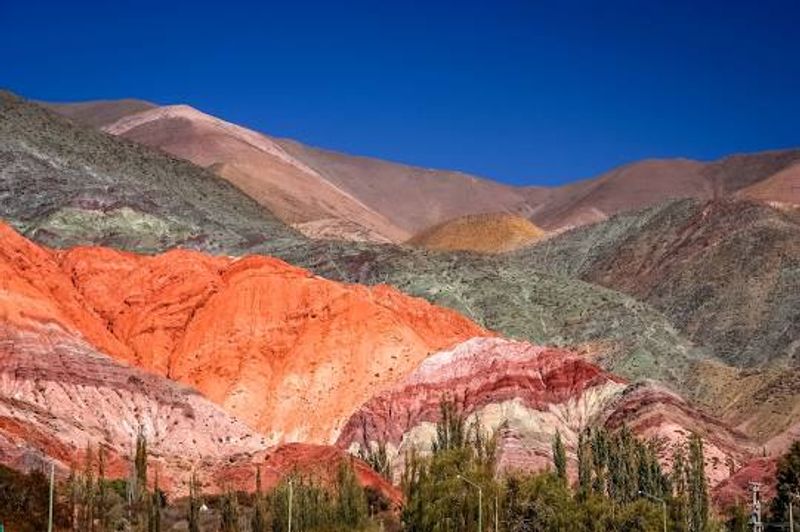
Painted by geology over millions of years, the mountains of Quebrada de Humahuaca look almost too vivid to be real. This ancient Andean corridor in Jujuy province has been a human thoroughfare for thousands of years, used by pre-Columbian cultures, Inca rulers, Spanish colonizers, and independence fighters.
UNESCO recognized it as a World Heritage cultural landscape in 2003, and every kilometer of the valley justifies that status.
Purmamarca is the village most visitors fall hardest for, sitting at the foot of the famous Cerro de los Siete Colores, a mountain striped with seven distinct mineral colors. Tilcara offers a pre-Columbian fortress called the Pucara and a small but excellent archaeological museum.
The town of Humahuaca itself has a lively market and a monumental independence memorial that animates dramatically at noon.
Nearby attractions include the blinding white salt flats of Salinas Grandes and trails into the cloud forests of the Yungas. Altitude here is significant, reaching well above 3,000 meters in places, so a slower pace is genuinely helpful rather than just a suggestion.
The dramatic temperature swings between day and night are also worth packing for carefully before you head up.
Cafayate Wine Region
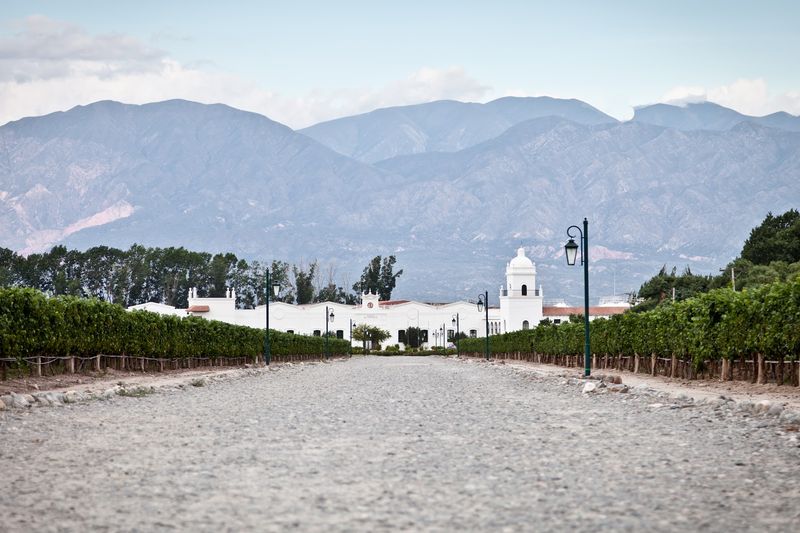
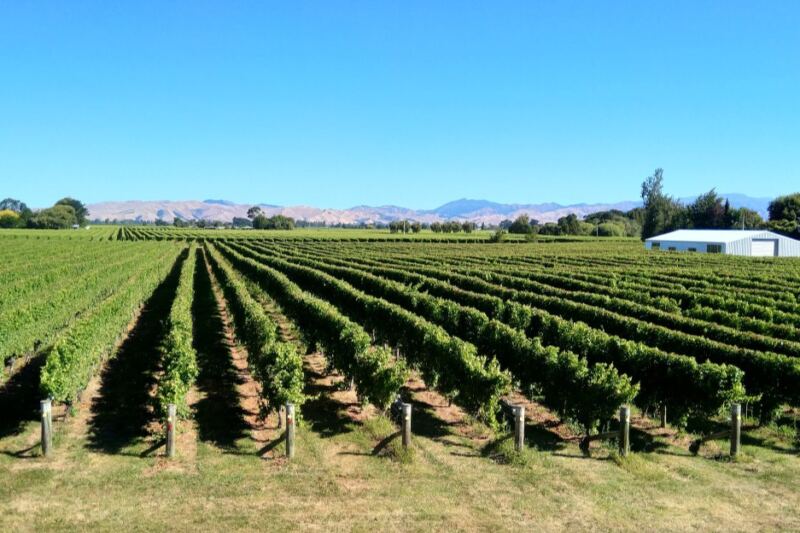
At 1,683 meters above sea level, Cafayate sits in a sun-drenched valley where the combination of altitude, dry air, and intense sunlight produces grapes unlike anywhere else in Argentina. This small town in the Calchaqui Valleys is the spiritual home of Torrontes, a floral white wine that is uniquely Argentine and pairs beautifully with the region’s spiced empanadas and goat cheese.
The Wine Route connects estates throughout the valley, and many bodegas welcome visitors for tours and tastings without requiring reservations. The town itself is genuinely charming, with a central plaza ringed by cafes, craft stalls, and a regional museum dedicated to the history of winemaking in the area.
Folk music often drifts out of restaurants in the evenings.
The drive north from Cafayate toward Salta through the Quebrada de las Conchas is one of Argentina’s great road trip moments. Erosion has carved red rock formations with dramatic names like the Amphitheater and the Garganta del Diablo, creating a canyon landscape that shifts color as the sun moves.
Even if you are not a wine enthusiast, the scenery and food alone make Cafayate worth the detour from the main Andean routes.
Mendoza and Aconcagua
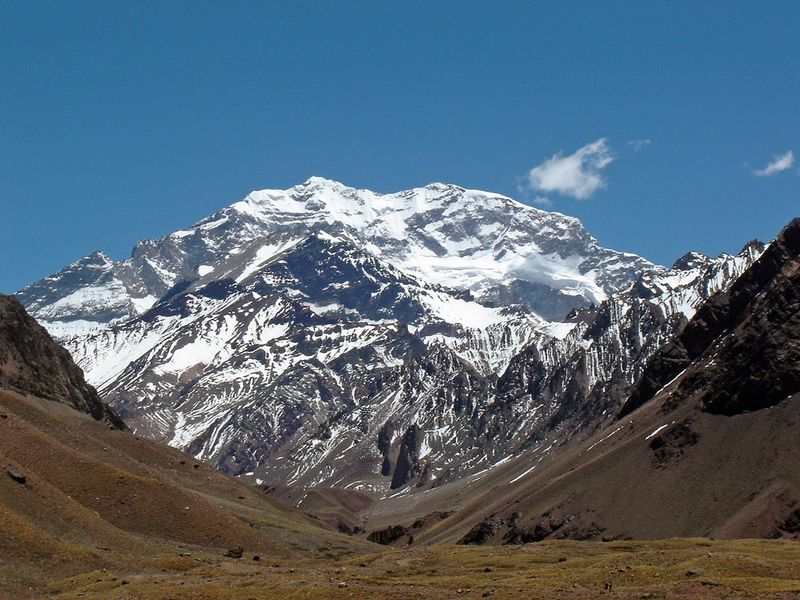
Mendoza is where Argentina keeps two of its greatest bragging rights side by side: world-class Malbec and the highest mountain in the Western Hemisphere. The contrast between the lush, irrigated wine estates of the Uco Valley and the stark, arid high Andes just to the west is genuinely striking, and it makes for a destination that satisfies very different types of travelers at once.
Wine routes spread through Lujan de Cuyo, Maipu, and the Uco Valley, where boutique bodegas and large established estates both offer tastings, tours, and pairing lunches. Malbec is the star, but Cabernet Franc and Bonarda also thrive here.
Many visitors rent bikes to pedal between wineries in Maipu, which is one of the most enjoyable afternoons you can spend in Argentina.
Aconcagua Provincial Park protects the 6,962-meter peak and its surrounding wilderness. You do not need to be a mountaineer to appreciate it.
The Horcones valley offers accessible day hikes with clear views of the South American giant. Even from a distance, the scale of Aconcagua is humbling in a way that no photograph quite captures.
Mendoza rewards visitors who take a few extra days to combine both the wine and mountain experiences properly.
Cordoba and Jesuit Heritage

Argentina’s second-largest city often gets skipped in favor of Buenos Aires and Patagonia, which is a genuine mistake. Cordoba has a vibrant university culture, a thriving food and craft beer scene, and at its historic core, one of the most significant colonial legacies in South America.
The Jesuit Block, a UNESCO World Heritage property, sits right in the city center and tells a fascinating story about power, religion, and agriculture.
The complex includes the Church of the Society of Jesus, the Colegio Monserrat, and the National University of Cordoba, which was founded in 1613 and is one of the oldest universities in the Americas. What makes the Jesuit story particularly interesting is how the religious order also ran a sophisticated economic network of farms, workshops, vineyards, and livestock estates.
Five rural estancias outside the city extend that story further. Alta Gracia, Jesus Maria, Santa Catalina, and Colonia Caroya are all reachable as day trips and show how Jesuit institutions shaped the landscape and economy of the region for over a century.
Cordoba city itself rewards evening walks through its pedestrian center, where street food stalls, live music, and busy plazas create an atmosphere that feels distinctly and warmly Argentine.
Ischigualasto and Talampaya
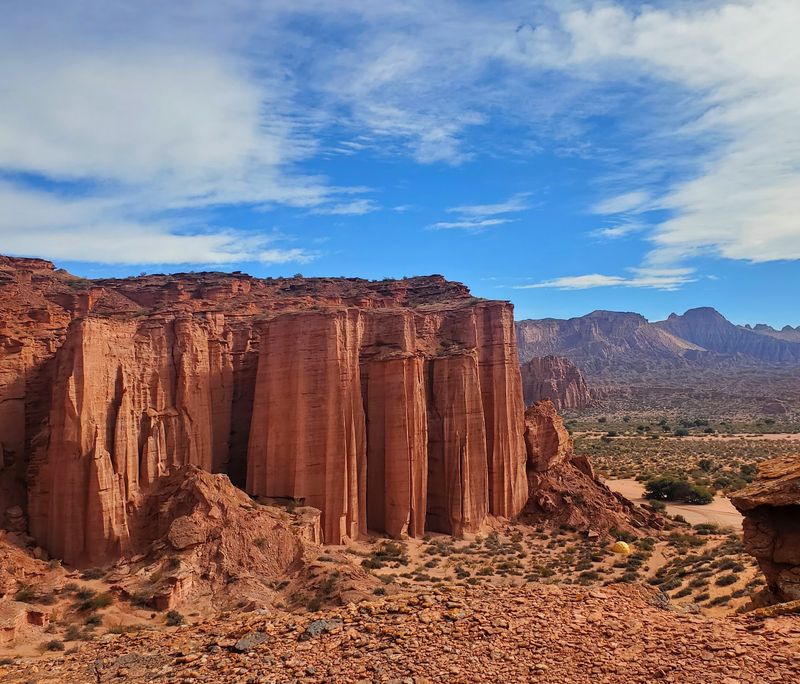
Picture a landscape so strange and otherworldly that scientists use it to study the origins of dinosaurs, and you are starting to imagine Ischigualasto. Popularly known as the Valley of the Moon, this provincial park in San Juan contains pale, eroded terrain sculpted by wind and water into formations that look like they belong on another planet.
Together with neighboring Talampaya, it forms a UNESCO World Heritage property of serious scientific importance.
The fossil record here is extraordinary. The region preserves one of the most complete sequences of Triassic continental fossils in the world, with evidence of some of the earliest dinosaur species ever identified.
For anyone who spent childhood obsessed with prehistoric life, this is a deeply satisfying destination. Guided tours are mandatory in both parks to protect the fragile geological environment.
Talampaya shifts the visual mood entirely, replacing the pale lunar tones of Ischigualasto with towering red canyon walls that glow intensely at sunset. Petroglyphs left by later Indigenous cultures are visible on some canyon surfaces, adding a human dimension to the deep geological timeline.
The two parks are best combined over two days, and the remote location in northwest Argentina makes the experience feel genuinely off the beaten track.
Bariloche and Nahuel Huapi
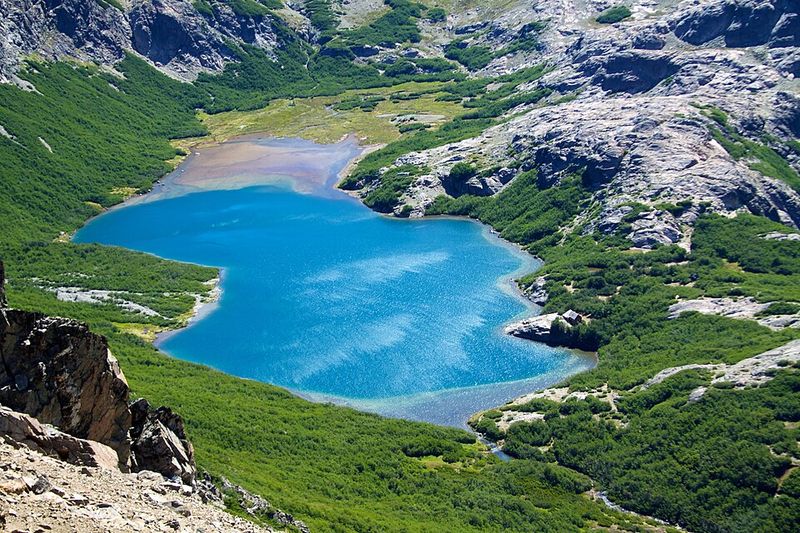
Chocolate, mountains, and a lake so blue it looks photoshopped. That is the short version of what Bariloche offers, and it barely scratches the surface.
Argentina’s self-declared national capital of both adventure tourism and chocolate sits beside Lake Nahuel Huapi at the foot of the Andes, surrounded by forests, beaches, and trails that shift dramatically between seasons.
Winter brings serious skiing and snowboarding at Cerro Catedral, one of the largest ski resorts in South America. Summer flips the script completely, opening up hiking, kayaking, sailing, rafting, and cycling.
The Circuito Chico is a compact loop that introduces the lake and mountain scenery beautifully, while boat excursions reach Victoria Island and deeper corners of Nahuel Huapi National Park.
The city’s Central European culinary influence, inherited from Swiss and German immigrants who settled here in the early twentieth century, is still very much alive. Chocolate shops line the main streets, and smoked trout, craft beer, and regional cheeses fill the restaurant menus.
Bariloche is also a natural hub for exploring the wider Lake District. The Route of the Seven Lakes heads north from here, making the city a logical anchor for a longer Patagonian road trip through this region.
Route of the Seven Lakes
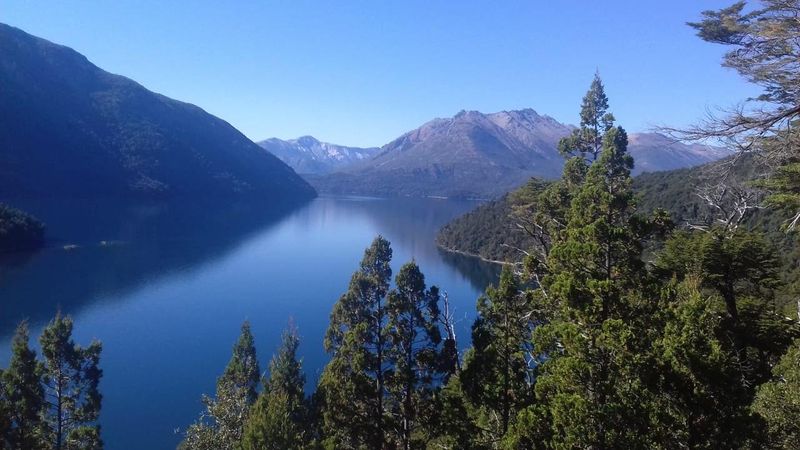
Some road trips are about the destination. The Route of the Seven Lakes is entirely about the journey.
Stretching roughly 100 kilometers through Andean Patagonia between San Martin de los Andes and Villa La Angostura, this legendary drive threads through forests and past a succession of glacial lakes that shift in color from deep turquoise to steel blue depending on the light and season.
The principal lakes along the route include Machonico, Hermoso, Villarino, Falkner, Escondido, Espejo, and Correntoso, though several additional lakes and forest viewpoints appear along the way. In autumn, the lenga beech trees turn gold and red, creating one of the most photographed landscapes in all of Argentina.
Summer is ideal for stopping at lake beaches, taking short walks, and camping under remarkably clear skies.
San Martin de los Andes is a charming mountain town with good restaurants and access to Lanin National Park and the gorgeous Lake Lacar. Villa La Angostura connects naturally with Nahuel Huapi and the tiny Los Arrayanes National Park, home to a rare forest of ancient arrayane trees with cinnamon-colored bark.
Renting a car and taking two days for this route, rather than rushing through in one, makes a significant difference in how much you enjoy it.
Peninsula Valdes
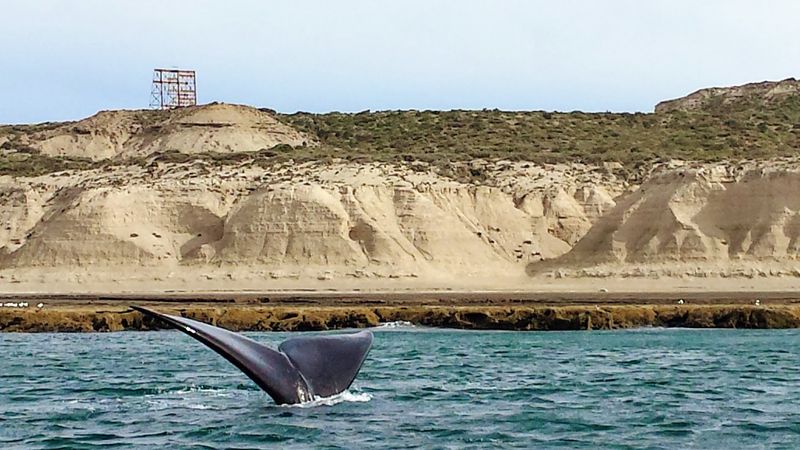
Every year, southern right whales travel thousands of kilometers to gather in the sheltered bays of Peninsula Valdes, and witnessing one breach from a small boat is the kind of moment that rearranges your sense of scale. This UNESCO World Heritage peninsula juts into the Atlantic from the Patagonian steppe and hosts one of the most remarkable concentrations of marine wildlife anywhere in South America.
Timing your visit well is genuinely important here. Southern right whales are typically present from around June through October, with September and October offering a particularly rich overlap of species.
Magellanic penguins, elephant seals, sea lions, Patagonian dolphins, and occasionally orcas can all be spotted within the wider peninsula area during the peak season.
Puerto Madryn is the main regional gateway city, with good accommodation options and whale-watching tour operators. Tiny Puerto Piramides sits inside the peninsula and is the departure point for whale-watching boats, making it the better base if you want to maximize time on the water.
The landscape itself, flat steppe meeting dramatic Atlantic cliffs, has a stark beauty that feels completely different from the mountain scenery that dominates most Argentina itineraries. Peninsula Valdes deserves at least two full days.
El Chalten and Fitz Roy
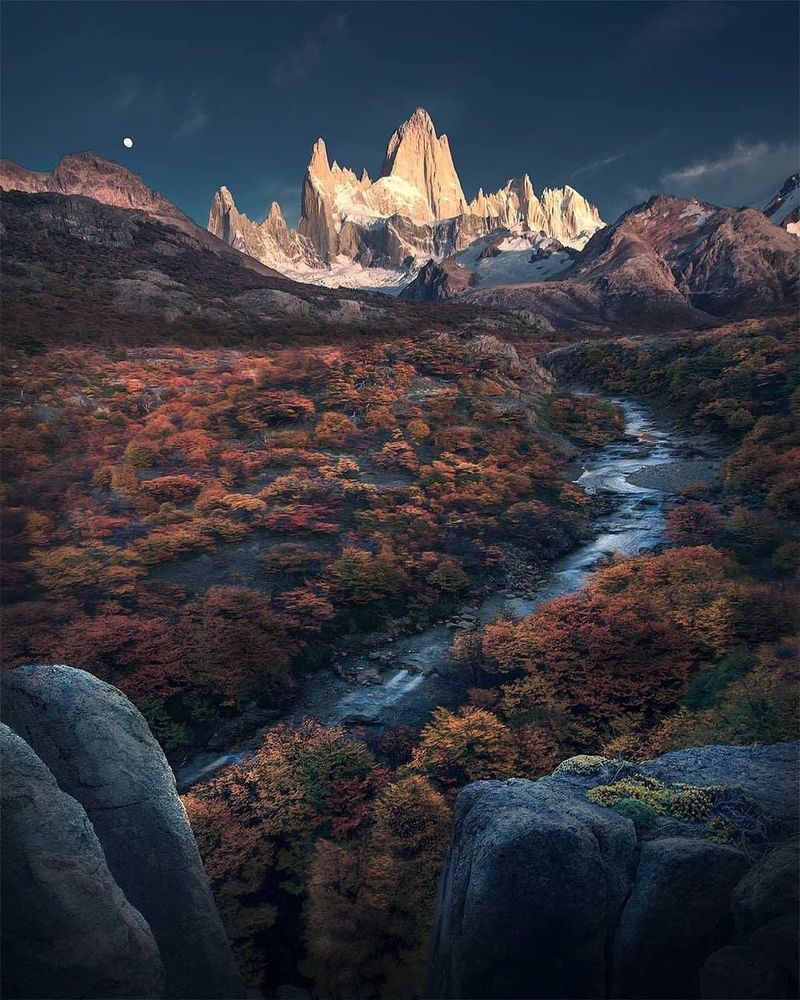
El Chalten was founded in 1985 specifically to assert Argentine sovereignty over the region, and it has since grown into one of the best hiking towns on the entire planet. Trails leave directly from the edge of town and head straight toward the granite spires of Fitz Roy and Cerro Torre, meaning you can walk out of your hostel after breakfast and be in genuinely wild Patagonian backcountry within an hour.
Laguna de los Tres is the classic hike, a long but accessible day trip that ends at an alpine lake sitting directly below the jagged Fitz Roy massif. On a clear day the reflection in the water is stunning.
Laguna Torre offers a different drama, finishing at a lake filled with floating ice chunks calved from Glaciar Grande. Laguna Capri is a shorter option that still delivers spectacular mountain views.
The nearest airport is in El Calafate, about 210 kilometers away by road. Most visitors combine both towns in a single Patagonia trip.
El Chalten stays refreshingly simple: no big hotels, no complicated logistics, just trails, mountain air, and some surprisingly good craft beer waiting for you when you return. Patagonian weather changes fast, so flexible plans always work better than rigid ones.
El Calafate and Perito Moreno Glacier
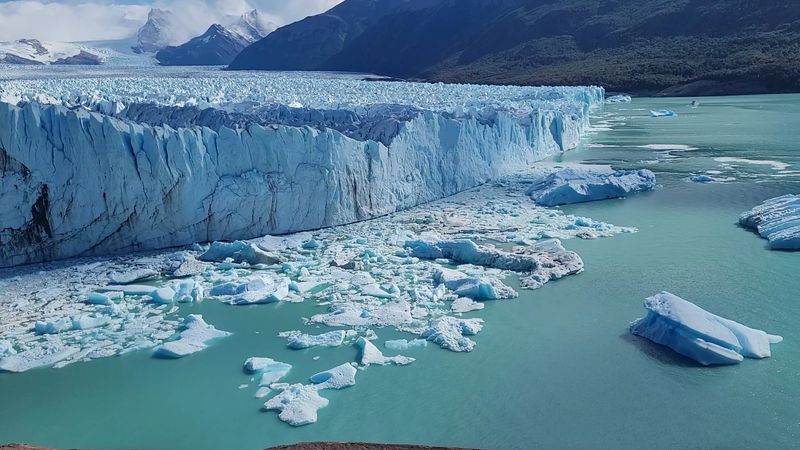
Hearing a glacier calve is something you genuinely cannot prepare for. One moment the ice front of Perito Moreno stands in silent, frozen grandeur above Lago Argentino.
Then a crack echoes like a rifle shot, a massive chunk of blue ice topples forward, and the whole lake shudders. It is one of the most dramatic natural events you can witness anywhere in Argentina, and it happens regularly enough that patience is rewarded.
El Calafate is the base for exploring southern Los Glaciares National Park, a UNESCO World Heritage property fed by the enormous Patagonian Ice Field. The town is about 80 kilometers from Perito Moreno, and a well-organized network of walkways at the glacier site provides multiple viewing angles of the towering ice front, which reaches up to 74 meters high in places.
Boat excursions approach the glacier from the water, offering a completely different perspective. Guided ice trekking trips allow visitors to strap on crampons and walk directly on the glacier surface, which is a surreal and genuinely memorable experience.
Other cruises travel further into Lago Argentino toward the massive Upsala and Spegazzini glaciers. El Calafate pairs naturally with El Chalten to create a full southern Patagonia itinerary that covers both ice and granite peaks.
Ushuaia and Tierra del Fuego
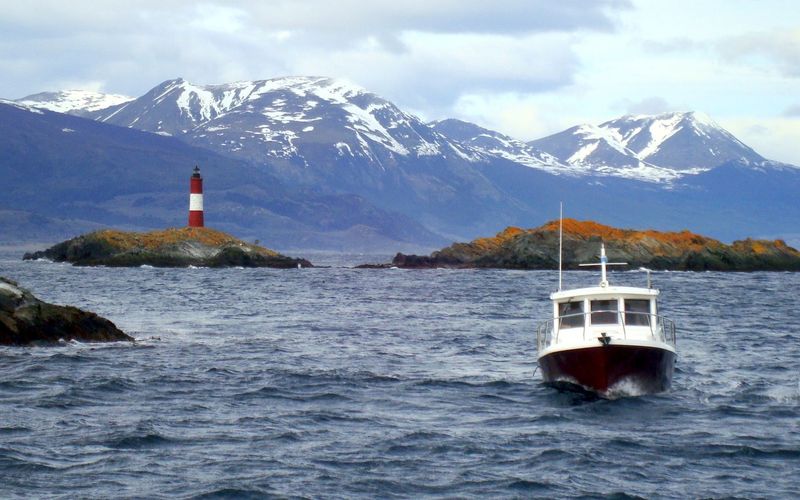
Ushuaia calls itself the southernmost city in the world, and while that claim has some geographical debate attached to it, the feeling of standing at the end of the Earth is completely real. Mountains drop steeply toward the Beagle Channel, the air carries a cold maritime sharpness even in summer, and the landscape has a raw, windswept beauty that feels like nowhere else in Argentina.
Tierra del Fuego National Park begins just 10 kilometers from the city center and protects 630 square kilometers of sub-Antarctic forest, peatlands, glacial lakes, mountain rivers, and marine coastline. Around 40 kilometers of marked trails lead to places like Lapataia Bay, Laguna Negra, and Acigami Lake.
The End of the World Train, a narrow-gauge railway that once transported prisoners, now carries tourists through beech forest to the park entrance in considerable style.
Boat trips on the Beagle Channel visit sea lion colonies, penguin rookeries, and lighthouse islands. Ushuaia is also the primary departure point for Antarctic cruises, which typically run from October through March.
The former Presidio prison museum adds a sobering human history to a destination that is otherwise defined entirely by the wild, cold, and magnificent landscapes of the far southern tip of South America.
Share this story