Clay is one of the oldest materials humans ever worked with, and yet a well-made ceramic piece still stops people in their tracks. There are places around the world where pottery is not just a craft but a way of life, a town identity, and sometimes even a reason to book a flight.
From Japanese footpaths lined with ancient kilns to Italian museums packed with centuries-old maiolica, these 13 destinations turn humble clay into something genuinely worth traveling for. Whether you are a seasoned collector, a curious beginner, or simply someone who appreciates objects made by actual human hands rather than a machine, this list has a destination with your name on it.
Some of these spots are famous among ceramic enthusiasts, while others are quiet surprises that reward anyone willing to seek them out. Get ready to add a few new pins to your map.
1. Tokoname Pottery Footpath, Tokoname, Aichi, Japan
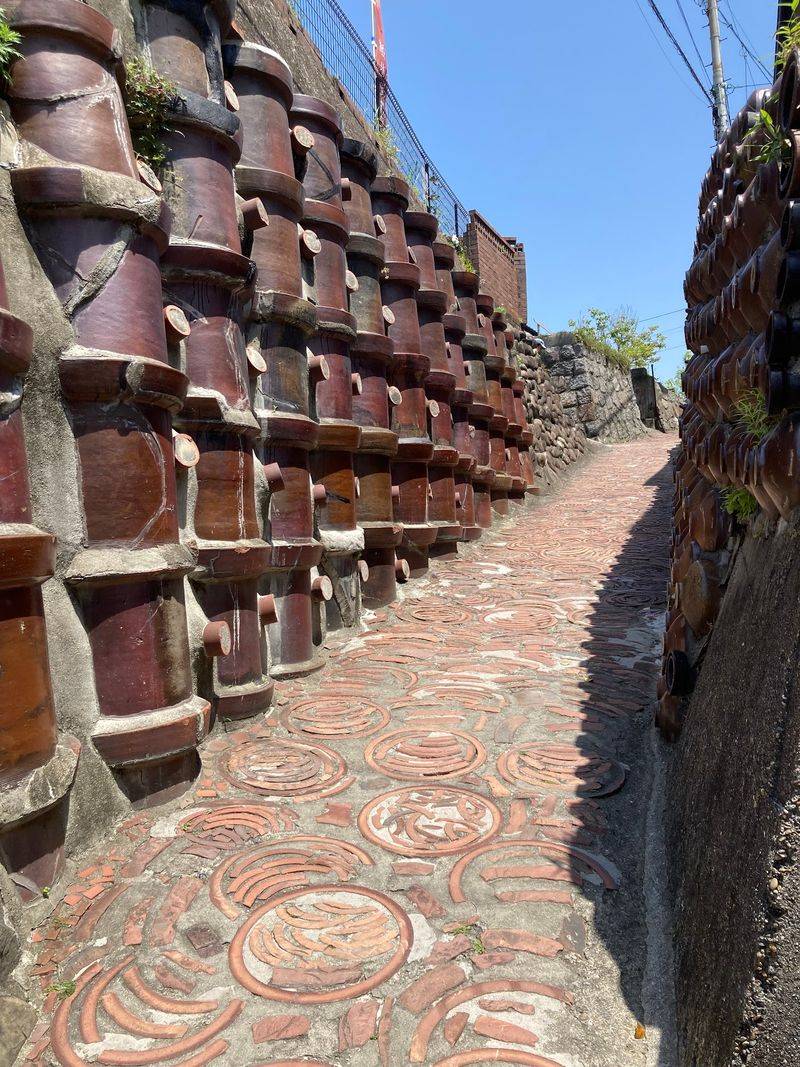
A town where the streets themselves are made of pottery deserves a place on every ceramic lover’s travel list. Tokoname’s famous walking route winds through a historic district where brick chimneys, working kilns, and little shops appear around quiet corners.
The highlight is Dokanzaka, a sloping lane bordered with ceramic pipes and traditional shochu bottles pressed directly into the walls. It gives the neighborhood a wonderfully textured, timeworn character that no museum exhibit could replicate.
This is less about staring at objects behind glass and more about wandering through a place where pottery became part of the actual streetscape. Visitors regularly describe finding working studios, independent cafes, and shelves stacked with handmade pieces just waiting to be picked up and examined.
Tokoname has been producing ceramics for over a thousand years, and that deep history is visible in every corner of the district. Plan for at least half a day here.
2. Shigaraki Ceramic Cultural Park, Koka, Shiga, Japan
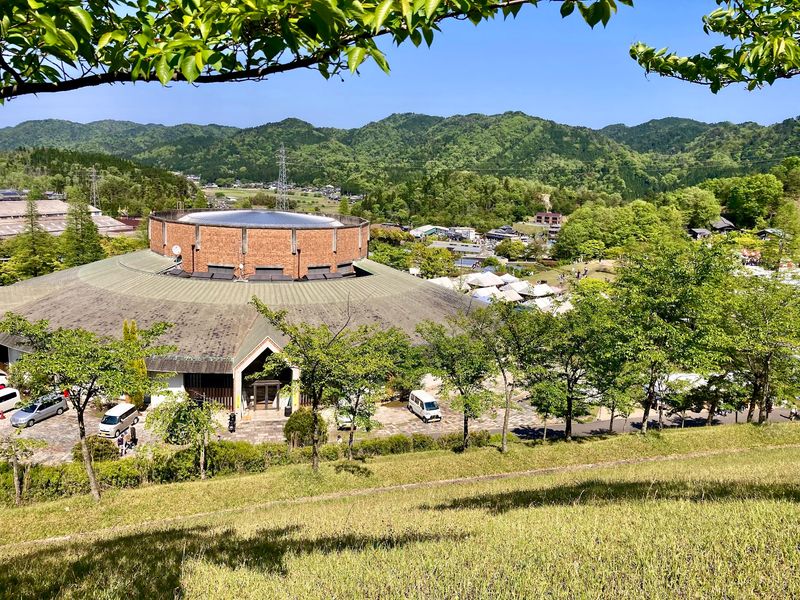
Nestled among green hills in one of Japan’s oldest and most respected pottery regions, Shigaraki Ceramic Cultural Park manages to feel both ambitious and unhurried at the same time.
The complex is divided into four main areas, including a museum dedicated to contemporary ceramic art, an industrial exhibition hall with a gallery and shop, and a Creative Training Center with artist-in-residence studios. Outdoor spaces connect these areas with ceramic sculptures placed along pathways through the grounds.
Visitors can also view traditional kilns on-site, including wood-fired anagama and climbing kilns, which give a clear picture of how different firing methods produce dramatically different results in finished pieces.
For anyone who enjoys seeing where craft and contemporary art meet, Shigaraki offers an unusually satisfying combination. Recent visitors have praised both the working ceramic facilities and the relaxed pleasure of wandering through the sculpture-filled park without any particular agenda.
3. Mashiko Museum of Ceramic Art, Mashiko, Tochigi, Japan
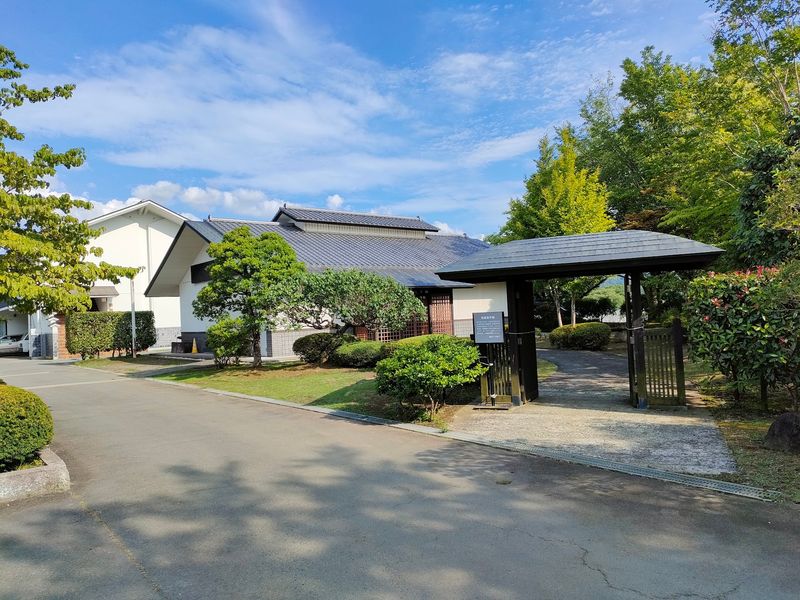
Mashiko is practically a pilgrimage destination for pottery lovers, and the town has earned that reputation honestly over many decades of ceramic production. The museum at its center provides a thoughtful, well-organized introduction to Mashiko’s ceramic identity through historical and contemporary displays.
What makes a visit here feel especially rewarding is that ceramics do not end at the museum door. The surrounding area is packed with pottery shops, independent studios, and working kilns, turning a museum stop into an entire clay-centered day if you let it.
Local potters are active throughout the town, and browsing their handmade pieces after viewing the museum’s curated collection gives you an interesting sense of how the tradition has evolved over time.
Mashiko became widely known after the legendary potter Shoji Hamada set up his studio here in the mid-twentieth century. That legacy still shapes the town’s ceramic culture in ways that are easy to feel even on a short visit.
4. Arita Porcelain Park, Arita, Saga, Japan
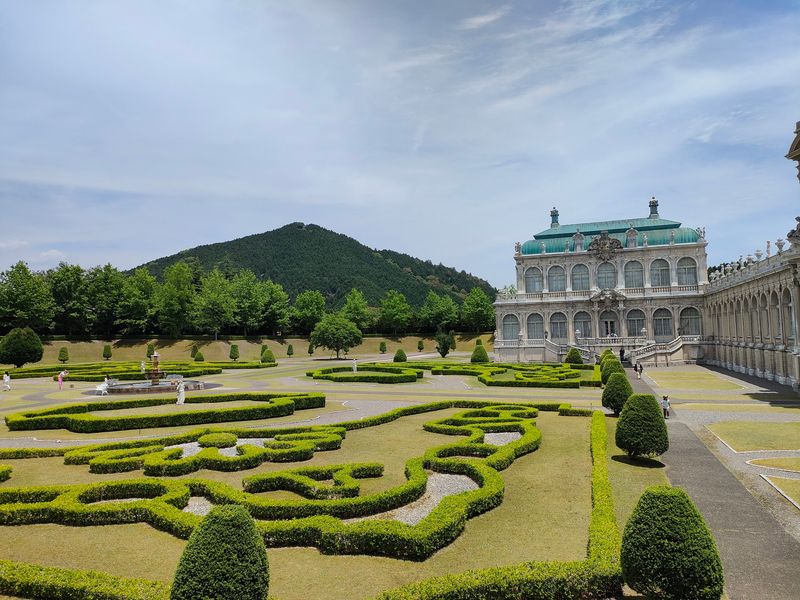
Not many ceramic destinations open with a full-size replica of a Baroque European palace, but Arita Porcelain Park is not interested in playing it safe. The architectural centerpiece is a faithful reconstruction of Germany’s Zwinger complex in Dresden, complete with ornate stonework and formal gardens.
That unexpected setting creates a slightly surreal backdrop for a town that has been producing fine Japanese porcelain since the early seventeenth century. The contrast between the European architecture and the distinctly Japanese craft tradition is genuinely interesting rather than just gimmicky.
Beyond the visual spectacle, the park offers hands-on workshops where visitors can try porcelain painting or use a pottery wheel, along with souvenir shops stocked with Arita ware in a wide range of styles and price points.
Recent visitor reviews confirm that the park remains a popular and accessible stop, with the workshop experiences receiving particular praise from people who wanted more than just a browsing session among finished pieces.
5. Setogura Museum, Seto, Aichi, Japan
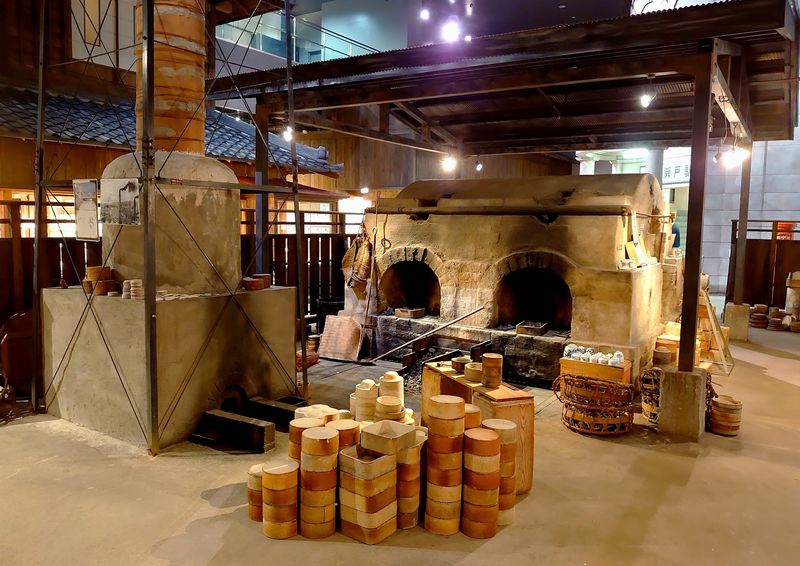
Seto’s relationship with ceramics runs so deep that the Japanese word for pottery, “setomono,” literally comes from the city’s name. That kind of etymological bragging right tells you something about just how seriously this place takes clay.
The Setogura Museum brings that story indoors across three well-organized floors. The ground floor features ancient kilns, a recreated Seto townscape, and workshops that show how production was actually organized.
The second floor displays working machinery and a coal-fired kiln alongside a reproduction of the old Owari Seto train station.
The third floor presents rare and representative pieces, including ceramics from the Heian Period and notable Chinese-style vases that demonstrate the range of Seto’s historic output.
The first floor also houses the Seto ZAO Ceramic Plaza, a shop selling a wide variety of locally made wares, which consistently functions as an irresistible final stop. Recent visitors have spent hours working through the exhibits before arriving here.
6. Mosaic Tile Museum Tajimi, Tajimi, Gifu, Japan
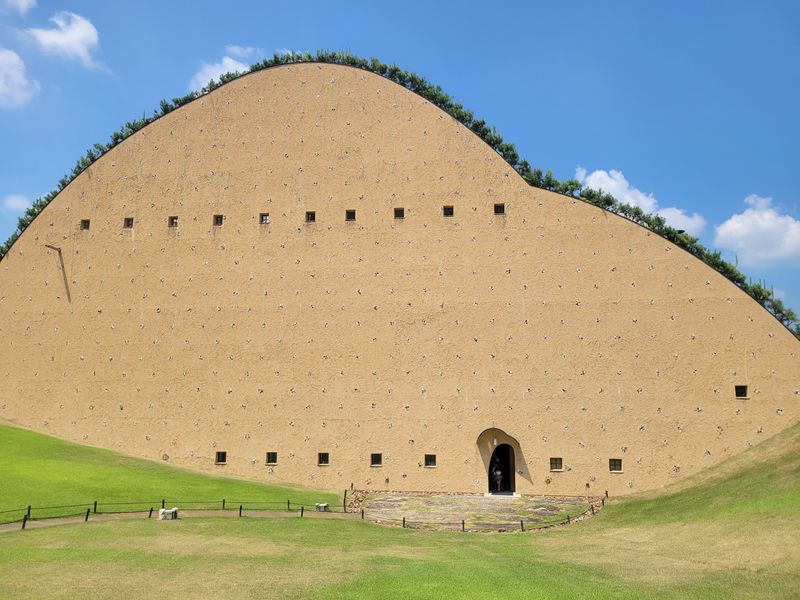
Before you even get through the front door, the Mosaic Tile Museum Tajimi makes a statement. Architect Terunobu Fujimori designed the building to resemble an earthen mound or clay quarry, and the result is one of the most unusual museum exteriors in Japan.
Tajimi produces a significant portion of Japan’s mosaic tiles, and the museum documents that industrial and artistic legacy through a vast collection of historic tiles, design examples, and informational displays that trace the craft from raw materials to finished surface.
Hands-on workshops on the first floor let visitors create their own small mosaic pieces, such as decorated photo frames or tile coasters, which gives the visit a satisfying practical dimension beyond simply viewing exhibits.
The combination of a genuinely strange building, a surprisingly rich subject, and the option to make something yourself puts this museum in a category of its own. Visitors regularly report leaving with both a mosaic coaster and a new appreciation for what tiles can do.
7. New Taipei City Yingge Ceramics Museum, Yingge, New Taipei City, Taiwan
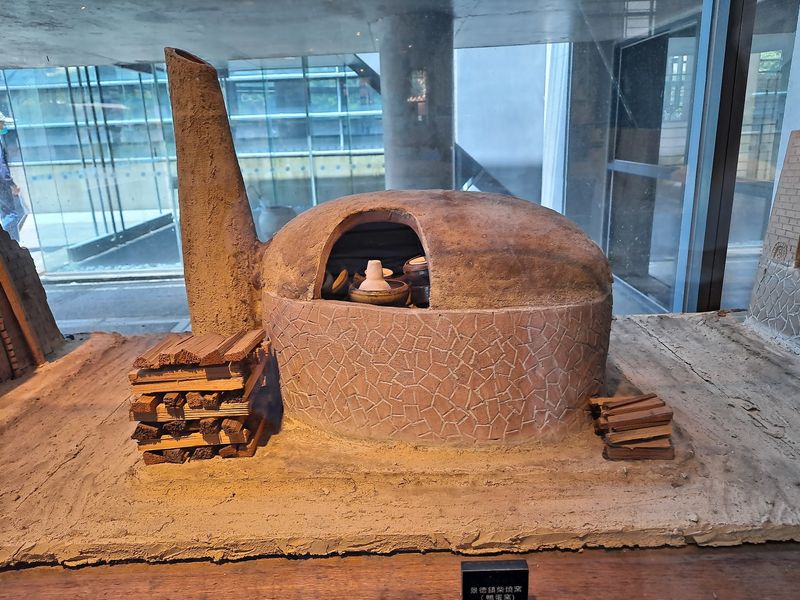
Yingge has been Taiwan’s ceramic heartland for over two hundred years, and its major museum takes that tradition seriously without making the experience feel heavy or academic.
Exhibits cover a genuinely broad range of territory, including raw materials, production techniques, local ceramic history, decorative work, everyday wares, and contemporary pieces that push the craft in new directions. The modern building gives all that material plenty of room to breathe, with clear sightlines and thoughtful display design throughout.
Interactive elements are built into the experience specifically to explain what happens between a lump of raw clay and a finished ceramic object, which is useful whether you know a lot about pottery or almost nothing.
Recent reviews also highlight the museum’s well-stocked shop, which offers a strong selection of locally made ceramics at various price points. After the museum, the surrounding Old Street area in Yingge adds more shops, studios, and browsing opportunities that can easily fill the rest of an afternoon.
8. International Museum of Ceramics, Faenza, Emilia-Romagna, Italy
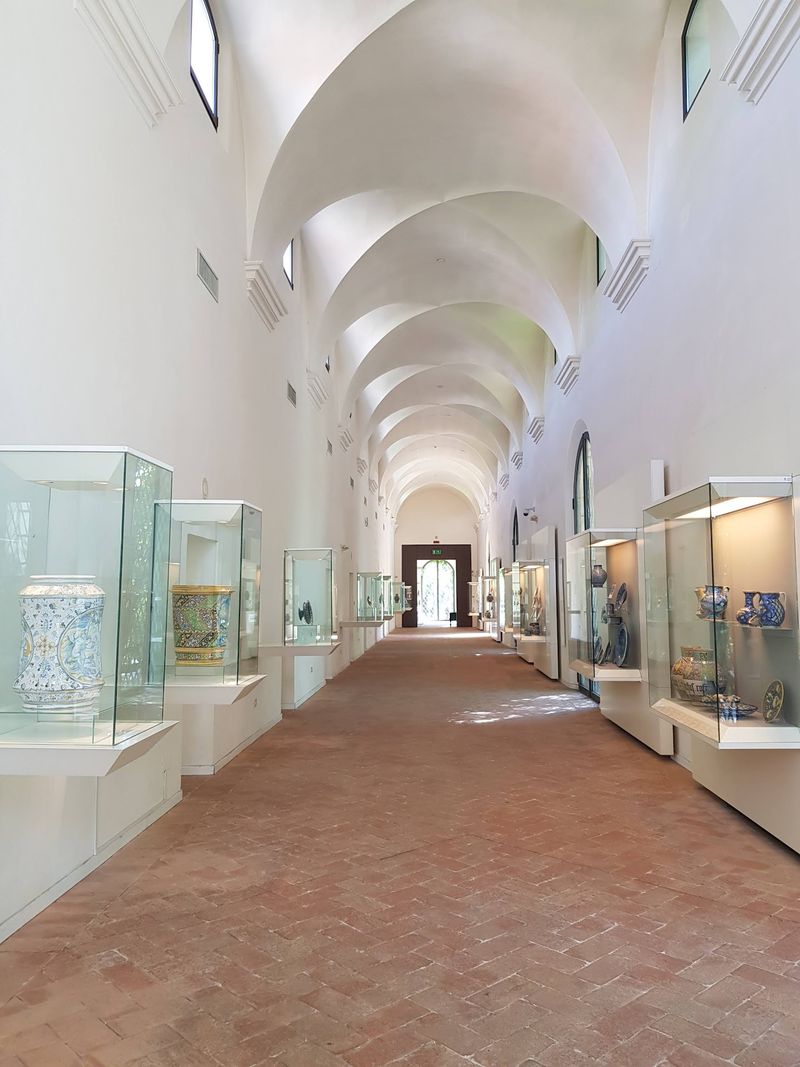
The word “faience” comes directly from this city’s name, which tells you everything you need to know about Faenza’s standing in the global history of ceramics. The International Museum of Ceramics here is one of the most comprehensive ceramic collections in the world.
Displays travel across historical periods, geographical regions, techniques, and artistic movements rather than narrowing the focus to a single style or era. Ancient artifacts share space with Art Nouveau pieces, and contemporary ceramic art appears alongside centuries-old earthenware from across Europe and beyond.
This is the sort of museum where a planned one-hour visit quietly becomes half a day without anyone feeling cheated. The sheer variety of what is on display means that even visitors who arrive as casual observers tend to leave with a genuine interest in the craft.
Faenza itself is worth exploring after the museum, with the city’s ceramic tradition still visible in local shops and studios scattered through the historic center.
9. Museo Regionale della Ceramica, Deruta, Umbria, Italy
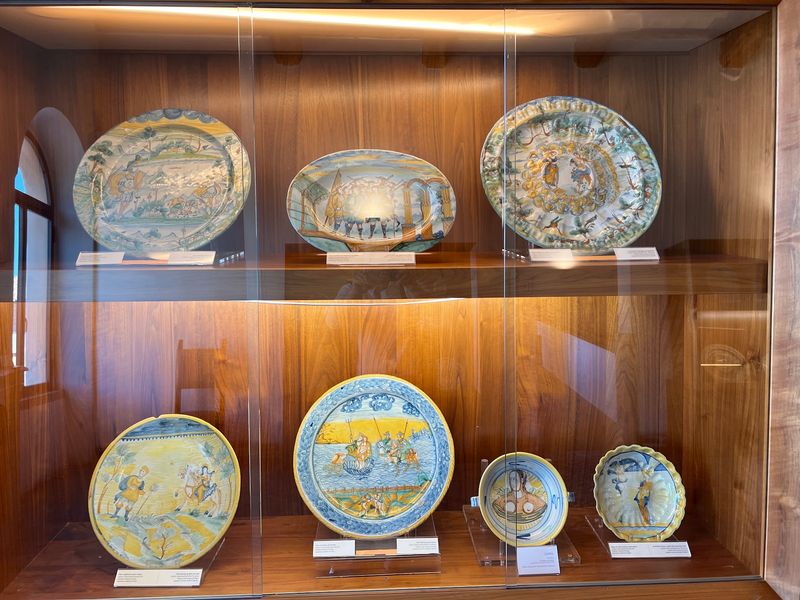
Founded in 1898, Deruta’s regional ceramics museum has had well over a century to build up one of Italy’s most remarkable collections of decorated maiolica, and it has used that time productively.
The museum occupies the former convent of San Francesco in Deruta’s historic center, a setting that feels appropriately weighty for a collection of over 6,000 works spanning centuries of ceramic craftsmanship. The building itself adds historical texture to every room you move through.
One feature stands out above everything else: a publicly accessible storage area where rows of ceramics fill glazed shelving across several levels. It feels less like a curated selection of highlights and more like opening the doors to an enormous archive, which is a genuinely rare experience in any museum context.
Deruta’s streets outside are lined with ceramic shops selling the town’s signature hand-painted wares, so the museum visit flows naturally into a browsing session that can easily run longer than expected.
10. Museo della Ceramica, Grottaglie, Puglia, Italy
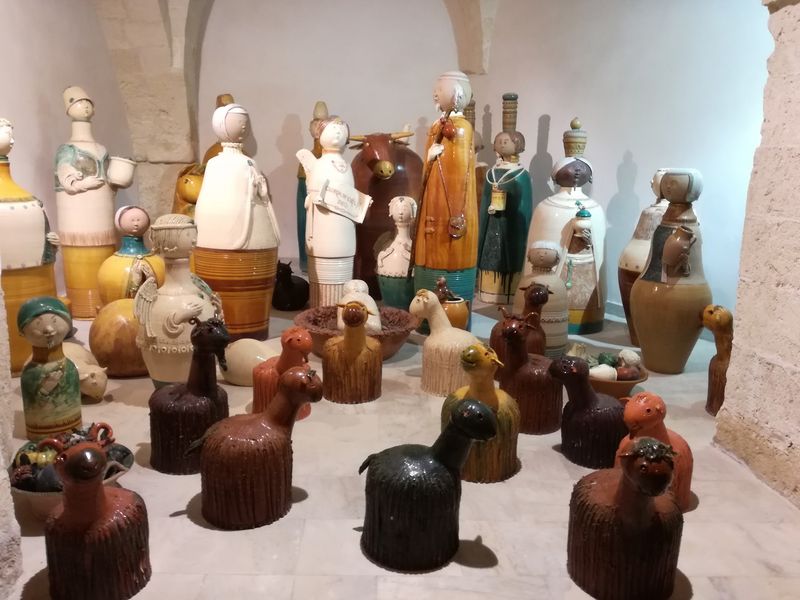
Grottaglie is one of southern Italy’s most characterful ceramic towns, and its museum earns extra points for location alone. The collection is housed inside the Castello Episcopio, a historic castle positioned above the town’s famous ceramics quarter.
Inside, the collection traces ceramic production through both historical artifacts and contemporary pieces, establishing a clear connection between what is displayed in the castle rooms and the active workshops found just below in the Quartiere delle Ceramiche.
That district is something special in its own right. Artisan potters work in studios, some of which are carved directly into the local tufa rock, with techniques and forms passed down through generations of the same families.
After examining ceramics in castle rooms, heading into the surrounding district means encountering a living craft culture rather than simply a preserved one. The contrast between the museum’s historical framing and the active production happening steps away makes Grottaglie one of the most complete ceramic destinations on this list.
11. Keramikmuseum Westerwald, Höhr-Grenzhausen, Rhineland-Palatinate, Germany
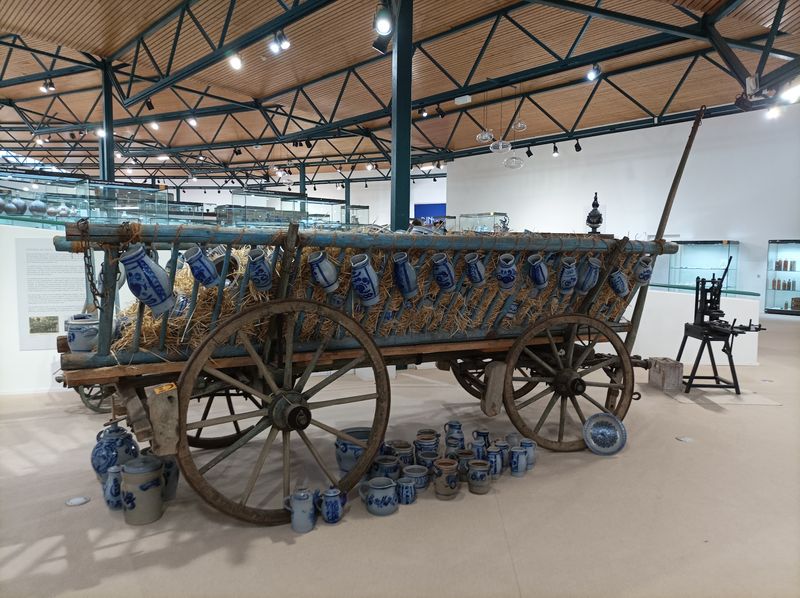
Germany’s Westerwald region has been producing stoneware for centuries, and this museum in Höhr-Grenzhausen makes a convincing case for why that tradition deserves more international attention than it typically receives.
The collection spans a wide range, from functional and historic stoneware to contemporary artistic work, with exhibits that explain the history and technical processes behind clay in ways that give finished objects genuine context. Understanding how something was made tends to make it more interesting, and the museum leans into that principle throughout.
Open Tuesday through Sunday from 10 am to 5 pm, the museum also runs a shop stocked with ceramics from local and international artists, along with books and jewelry for visitors who want to take something home beyond a catalog.
Understated compared to some entries on this list, Keramikmuseum Westerwald is exactly the kind of place that ceramic enthusiasts tend to remember long after leaving. Sometimes the quieter destinations leave the deepest impression.
12. Gladstone Pottery Museum, Stoke-on-Trent, England, United Kingdom
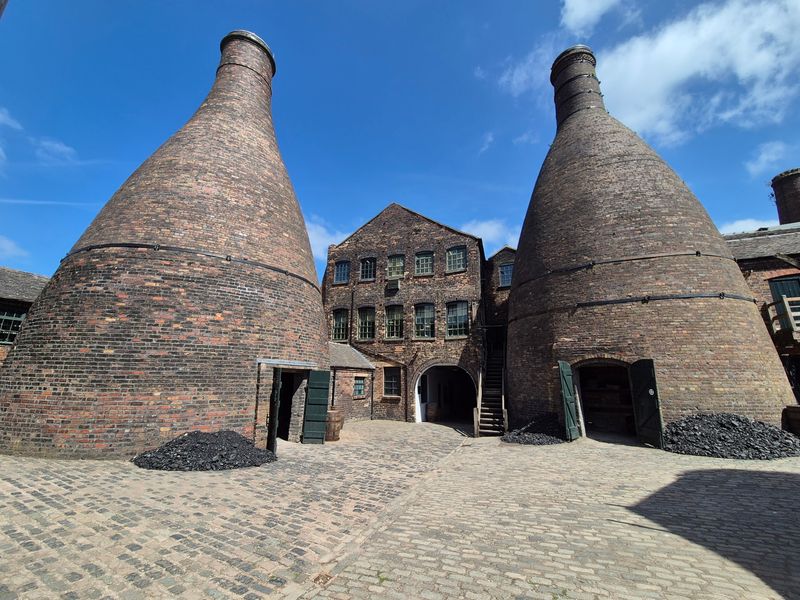
Most museums clean up their subject matter before presenting it to visitors. Gladstone takes the opposite approach, preserving a Victorian pottery factory largely as it stood when workers were producing wares inside it.
The complex is built around distinctive bottle kilns, those tall rounded brick structures that once defined the Stoke-on-Trent skyline. Visitors can walk through original workshops, examine the actual equipment used in production, and even step inside some of the enormous kilns to get a physical sense of the scale involved.
Demonstrations and hands-on activities add a practical layer to the experience, covering pot throwing, bone china flower making, and pottery decorating. Recent reviews from 2025 and 2026 describe visitors spending hours working through the material on offer, with the hands-on sessions receiving consistently strong feedback.
Stoke-on-Trent built its reputation as England’s pottery capital over centuries, and Gladstone is the most direct way to understand how that reputation was earned through hard work rather than heritage marketing.
13. Medalta in the Historic Clay District, Medicine Hat, Alberta, Canada
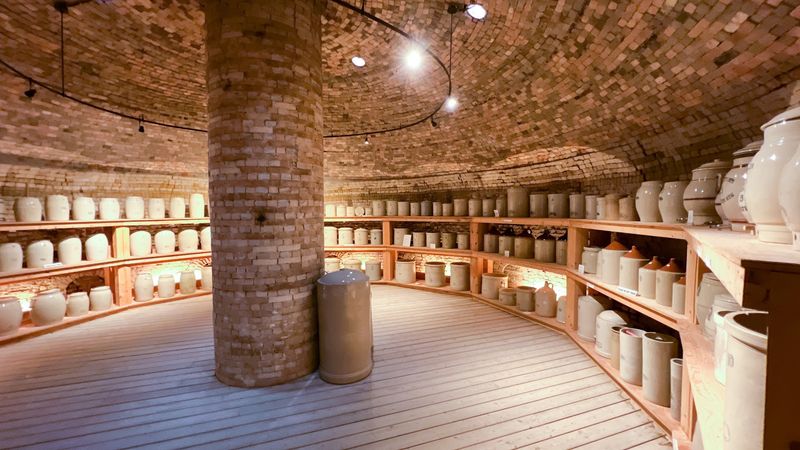
Canada is not always the first country that comes to mind when people think about ceramic destinations, but Medalta in Medicine Hat makes a strong argument for reconsideration. This former pottery factory has been converted into one of North America’s most distinctive ceramic sites.
The scale of the place is immediately striking. Huge beehive kilns, original factory machinery, and vast open production spaces have been preserved and opened to visitors through both self-guided and guided tours.
The “Ol’ Factory” section retains its original tools and equipment, giving a clear picture of how industrial ceramic production actually functioned.
Stepping inside the surviving kilns is a highlight that visitors consistently mention, since the physical experience of being inside one of those structures communicates the scale of historic production in a way that photographs simply cannot match.
Medalta also operates as a non-profit museum, art gallery, and community hub, with active workshop programs and artist-in-residence opportunities running alongside the historic preservation work. Past and present share the same building here.
Share this story