An 80-acre wildlife refuge beside Lake Sunapee has an unexpected connection to Abraham Lincoln and some remarkably old trees hidden along its trails.
John Hay National Wildlife Refuge in Newbury protects forest, wetlands, streams, and undeveloped shoreline that provide habitat for migratory birds and other wildlife. Some of the hemlocks along its trails are estimated to be 300 to 400 years old.
The history is just as interesting. John Hay served as Abraham Lincoln’s personal secretary before going on to become Ambassador to Great Britain and Secretary of State under Presidents William McKinley and Theodore Roosevelt.
Land connected to the Hay family later became the wildlife refuge that bears his name.
Today, visitors can explore easy forest trails, look for migratory birds, follow old stone walls through former farmland, and reach the protected shoreline of Lake Sunapee.
A Sanctuary Steeped in History
Few wildlife refuges in New England carry the kind of historical weight that greets you the moment you learn the story behind this land. The John Hay National Wildlife Refuge sits at 456 NH-103A in Newbury, New Hampshire, on the eastern shore of Lake Sunapee, and its 80 protected acres have been carefully managed since 1987.
John Hay himself was no ordinary landowner. He served as Abraham Lincoln’s personal secretary, later became Ambassador to Great Britain, and ultimately held the position of Secretary of State under both Presidents William McKinley and Theodore Roosevelt.
When his daughter-in-law Alice Hay gifted this land for conservation, she ensured the natural beauty and ecological value would endure long after the family’s era had passed. The refuge was formally established to serve as an inviolate sanctuary for migratory birds, a mission it continues to honor with quiet dedication every single day.
The Forest Ecology Trail Worth Every Step
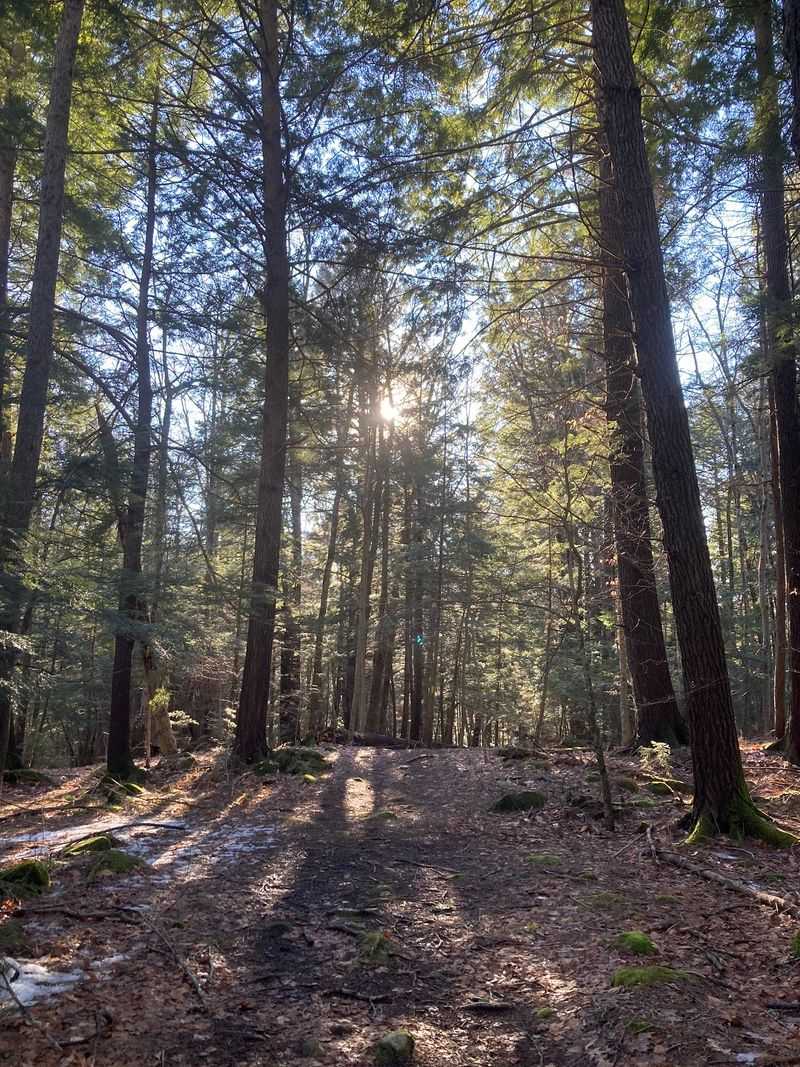
Arguably the most beloved path on the property, the John Hay Forest Ecology Trail stretches between 0.9 and 1.5 miles and was created in honor of John Hay’s grandson, also named John Hay, who became a celebrated New England naturalist in his own right.
The trailhead is accessible from The Fells parking lot off NH Route 103A, and a helpful interpretive guide is usually available at the entrance kiosk to enrich your experience as you walk.
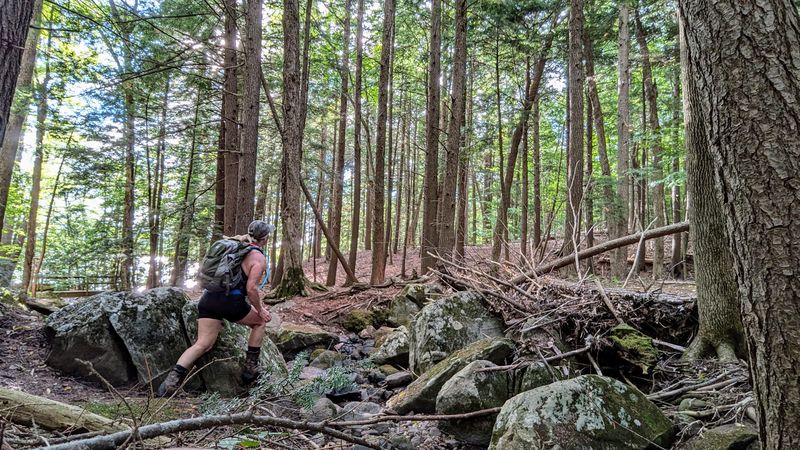
The route passes through former farmland and open pastures that were abandoned more than a century ago, now reclaimed by impressive stands of white birch, red pine, and ancient hemlocks estimated to be between 300 and 400 years old. The path also crosses Beech Brook, a gentle waterway where brook trout dart through clear, cold pools.
Very little elevation gain makes this trail genuinely welcoming for all ages, turning a simple walk into a quietly memorable encounter with New Hampshire’s resilient forest.
Ancient Trees and Hidden Stone Walls
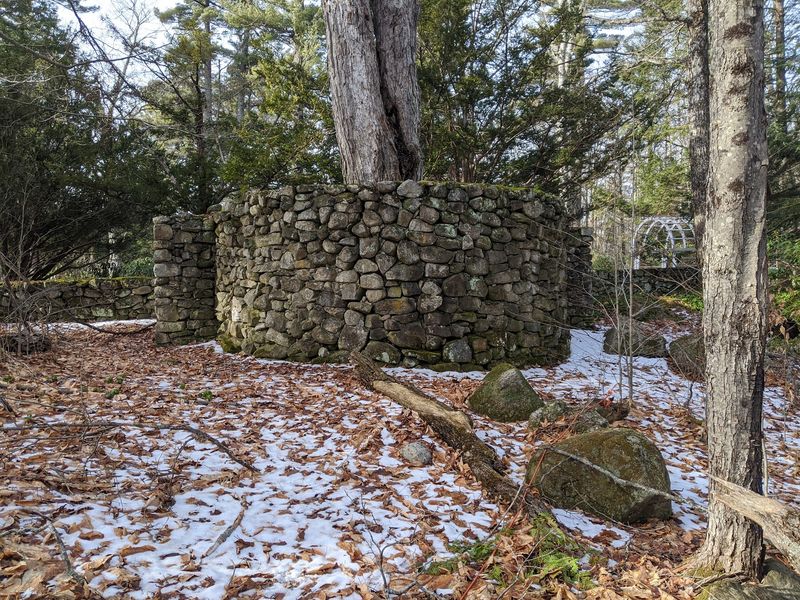
One of the quieter pleasures of exploring this refuge is the way the landscape reveals its past without announcing it. Scattered throughout the woodland are remnants of historic stone walls, built by farmers generations ago to mark field boundaries that have long since returned to forest.
These walls now serve as subtle reminders that the land was once actively worked, and the contrast between that agricultural history and the towering trees that have reclaimed it is genuinely striking. Some of the hemlocks along the trail are estimated at 300 to 400 years old, their thick trunks and layered branches creating a cathedral-like atmosphere that feels both ancient and alive.
Sugar maples, beech, white ash, and red oak round out the forest canopy, each species contributing to the seasonal color palette that shifts dramatically from spring through autumn. Glacial erratics, boulders deposited by retreating ice sheets thousands of years ago, add a geological dimension that makes the woods feel even more layered with story.
Birdwatching That Actually Delivers
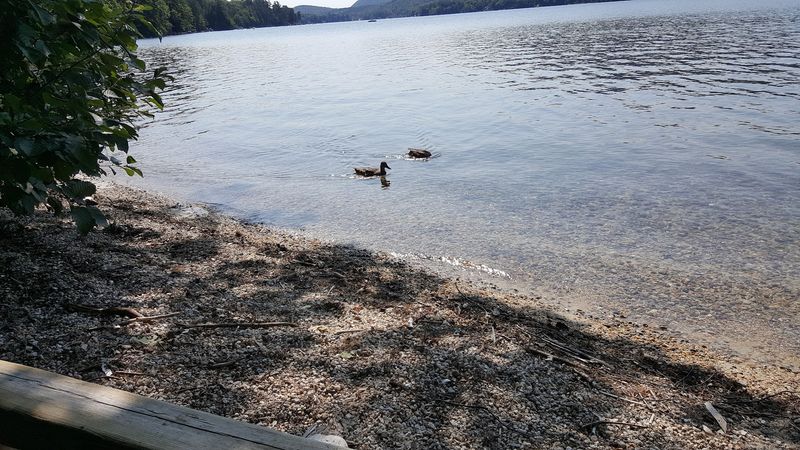
The refuge was established with a specific and unwavering mission: to serve as an inviolate sanctuary for migratory birds. That language is not just administrative language; it translates directly into the quality of birdwatching experience you get when you show up with binoculars and patience.
The variety of habitats packed into 80 acres is remarkable. Mature forest, open wetlands, Beech Brook, and the undeveloped shoreline of Lake Sunapee each attract different species, creating a mosaic of birdlife that changes with every season.
Nesting warblers flash through the foliage in spring and summer, pileated woodpeckers announce themselves with unmistakable drumming, and osprey soar over the lake with impressive regularity. Bald eagles have also been spotted in the area, making any visit feel like a potential highlight reel moment.
The refuge’s commitment to maintaining undisturbed habitat means birds actually use this land the way nature intended, and patient observers are consistently rewarded with sightings that feel genuinely earned rather than accidental.
Lake Sunapee’s Last Undeveloped Shore
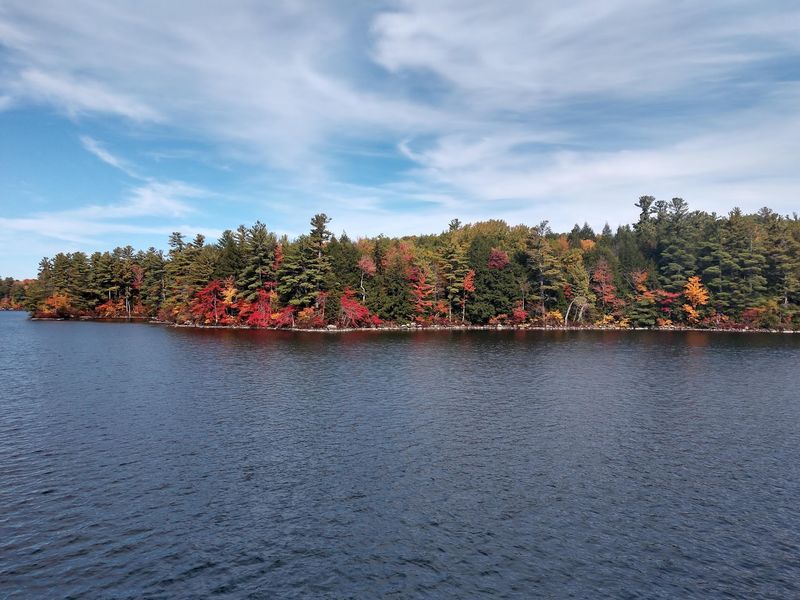
Most of Lake Sunapee’s shoreline has been developed over the decades, which makes what the refuge preserves all the more extraordinary. The property protects the longest stretch of undeveloped shoreline on the entire lake, a fact that becomes viscerally meaningful the moment you emerge from the tree line and see the water spreading out before you.
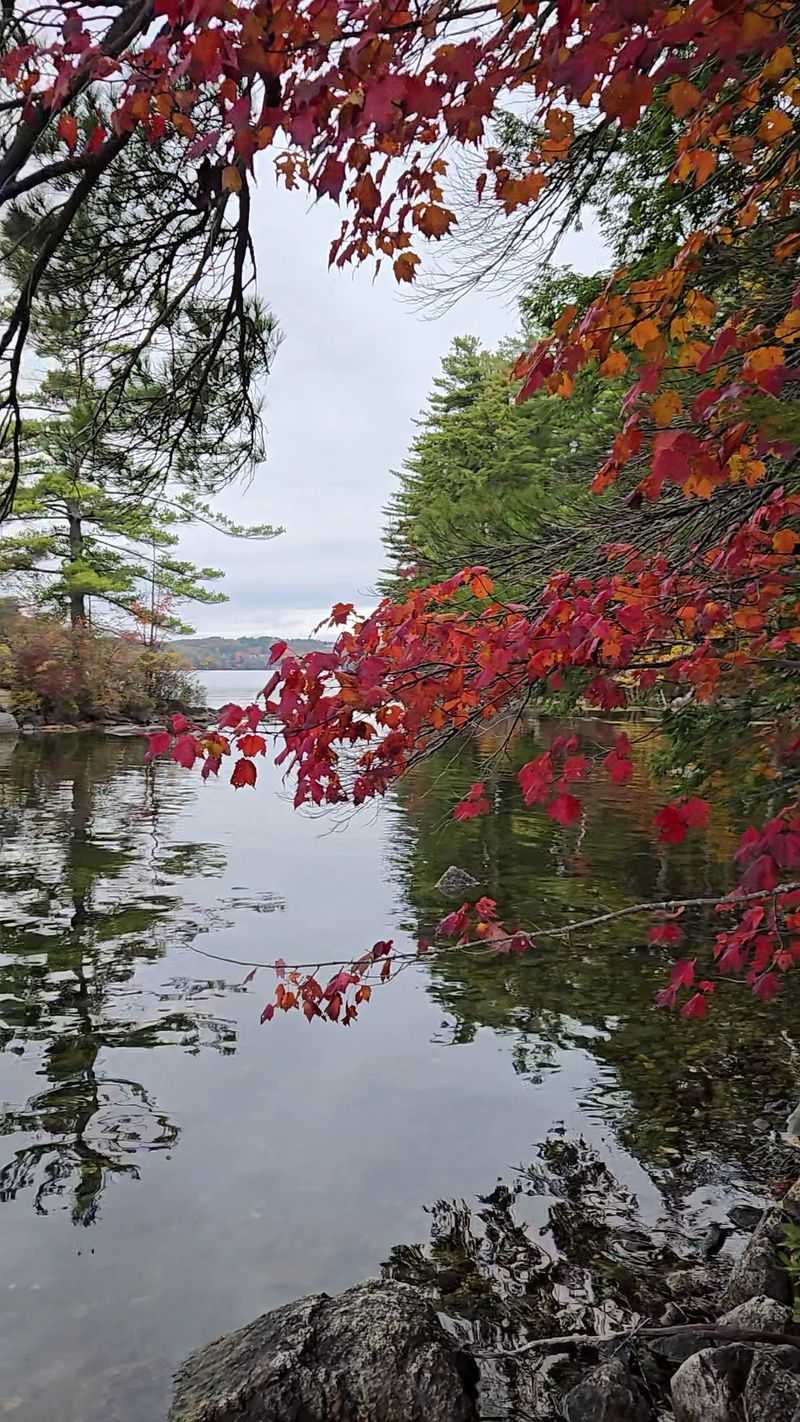
The Lake Loop trail, roughly half a mile in length, is the most direct way to reach this shoreline and offers panoramic views that frame the lake against a backdrop of distant mountains. On calm mornings, the water reflects the tree line with mirror-like clarity, and the absence of docks, boat launches, or nearby structures creates a sense of genuine wildness.
The undeveloped shore also functions as a critical ecological buffer, protecting water quality and providing habitat for the very migratory birds the refuge was created to support. Standing at the water’s edge, it is easy to understand why conservation efforts here matter well beyond the boundaries of the property itself.
The Fells Estate: Where History Meets Nature
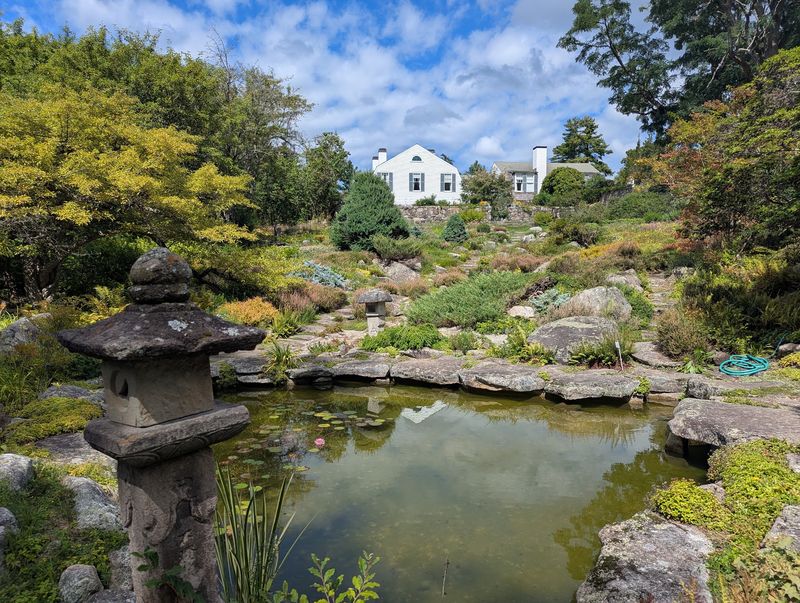
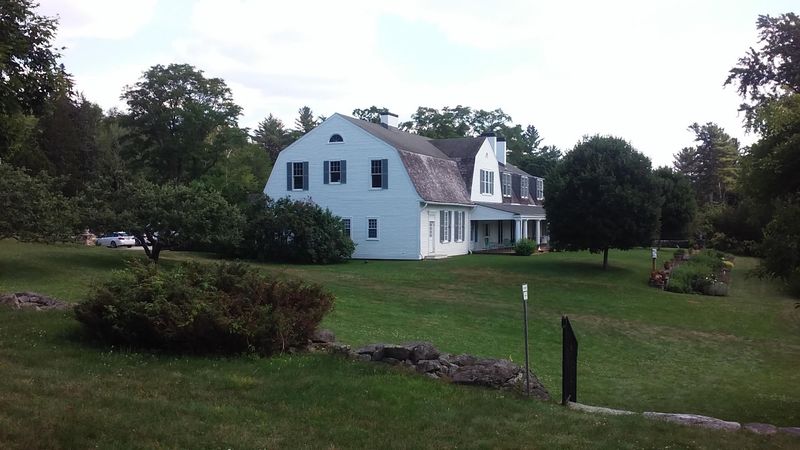
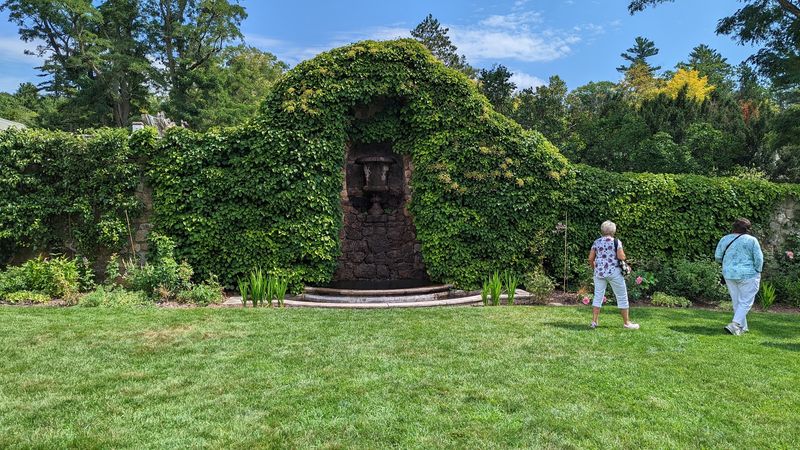
The refuge does not exist in isolation. Bordering it is The Fells, the historic summer estate of the Hay family, now managed by a dedicated non-profit organization that works to preserve both its architecture and its meticulously maintained gardens.
The 22-room Colonial Revival mansion served as the family’s warm-weather retreat for generations, hosting prominent figures and cultivating a landscape that blends formal garden design with the rugged beauty of the surrounding New Hampshire countryside. In 2008, 84 acres of the original estate, including all historic buildings, were transferred to The Fells, separating the cultural heritage site from the wildlife refuge while keeping them physically adjacent.
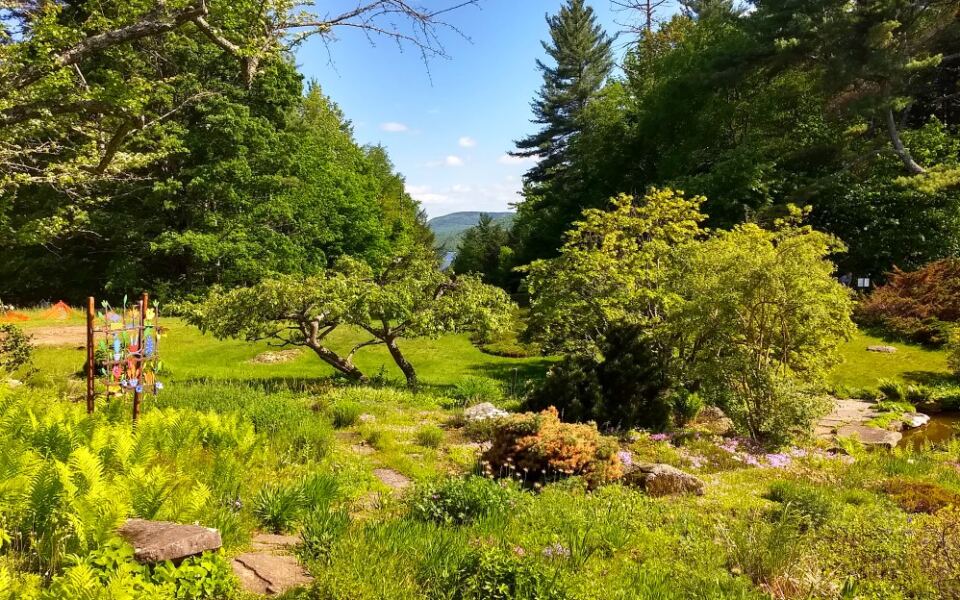
Visitors who access the trails through The Fells parking lot often find themselves pausing at the garden borders, drawn in by the rock gardens and seasonal plantings that have been tended with obvious care for well over a century. Guided house tours are available during the summer season and offer a knowledgeable and engaging look at the Hay family’s legacy and the estate’s architectural evolution.
Wildflowers, Fairy Villages, and Vernal Pools
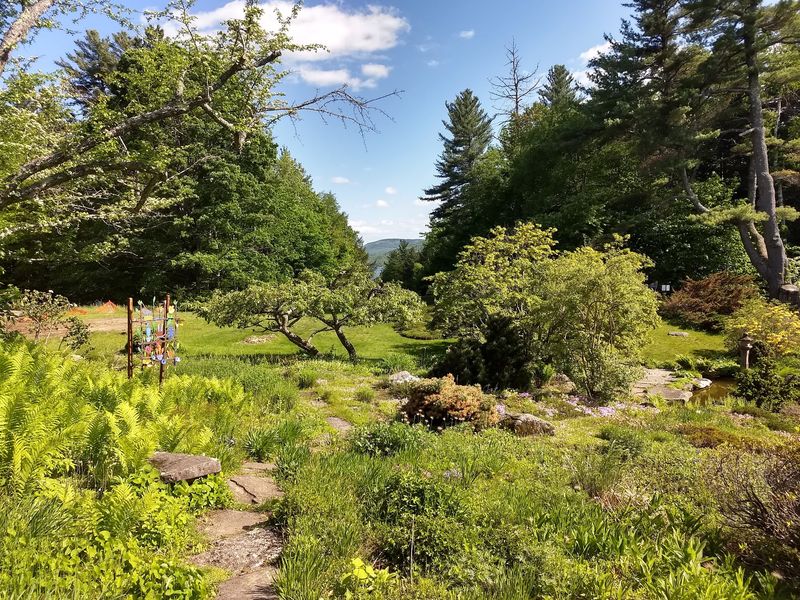
Not every great trail feature announces itself loudly, and the Wildflower Walk at the refuge is a perfect example of quiet rewards earned by slowing down. This path follows historic roads through the property and is artfully edged with native wildflowers that change color and character as the seasons progress, offering a living calendar of New Hampshire’s botanical rhythms.
Along the way, a whimsical Fairy Village has taken root, where visitors are encouraged to use sticks, stones, bark, and other found natural materials to construct tiny fairy houses at the base of trees. It sounds simple, but the creativity on display from previous visitors is genuinely charming, and children absolutely love it.
The trail also passes vernal pools, those seasonal pools of water that fill with snowmelt and spring rain to become critical breeding grounds for amphibians and insects. A heather ledge adds yet another unexpected texture to the walk, making this particular path one of the most botanically varied and visually surprising routes on the entire property.
Four Seasons of Reasons to Return
One visit here is rarely enough, partly because the place transforms so dramatically between seasons that returning feels like discovering somewhere entirely new each time. Spring arrivals are greeted by wildflowers pushing through the forest floor and the return of migratory songbirds filling the canopy with sound after months of winter quiet.
Summer brings dense green shade along the wooded trails, making afternoon walks comfortable even on warmer days, while blueberries and pin cherries ripen along the path edges and attract both wildlife and the occasional lucky hiker.
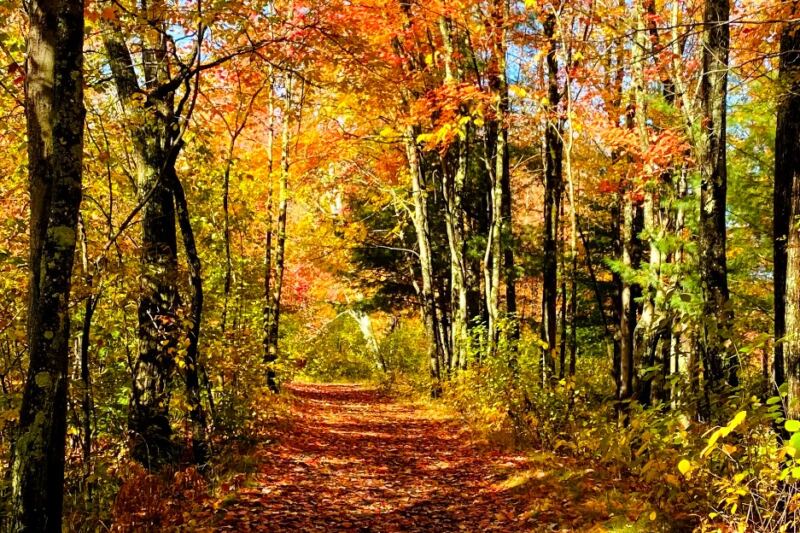
Autumn is when the property arguably reaches its visual peak, as sugar maples, beech, red oak, and white birch ignite in shades of red, orange, and gold against the backdrop of Lake Sunapee’s dark water. Winter transforms the refuge into something hushed and almost otherworldly, with snow-covered trails suitable for snowshoeing and a pristine white canvas revealing the tracks of moose, deer, coyote, bobcat, fisher, otter, and hare for those willing to read the landscape carefully.
Mammals, Tracks, and Quiet Wildlife Encounters
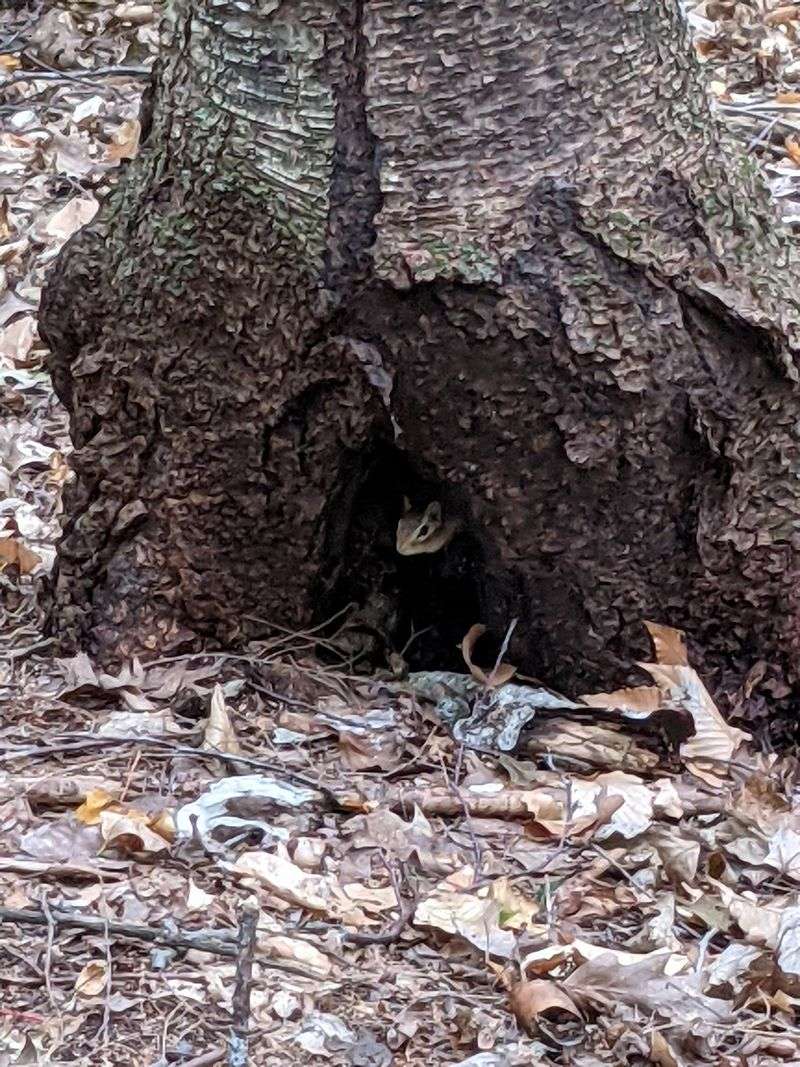
Birds get top billing here, and rightfully so, but the refuge supports a much broader cast of wildlife that rewards patient and observant visitors throughout the year. Red foxes are active in summer months, foraging for wild berries among the same trails hikers use, and their russet coats occasionally flash between the trees before disappearing entirely.
Black bears move through the area as well, and while direct sightings are rare, their presence adds a genuine wildness to the landscape that you can feel even without seeing them. Down at Beech Brook, tiny brook trout dart through clear, cold water, a sign of the stream’s excellent ecological health and one of the refuge’s quieter conservation successes.
Winter is arguably the best season for tracking, when the snow records every overnight movement across the property. Moose, deer, coyote, bobcat, fisher, otter, mink, and snowshoe hare all leave their signatures in the powder, turning a simple winter walk into an impromptu lesson in reading the natural world one footprint at a time.
Practical Tips for a Smooth Visit
A little preparation goes a long way toward making your visit here feel effortless rather than frustrating. Parking is accessed through The Fells parking lot off NH Route 103A in Newbury, and while the wildlife refuge itself does not charge an entry fee, The Fells may charge a day-use parking fee during the summer season, so arriving with some cash is a sensible precaution.
The trails are generally accessible year-round, but winter conditions can make some paths slippery, so traction devices for footwear are worth considering between December and March. Dogs are not permitted on the refuge trails, a rule designed to protect sensitive wildlife and nesting birds, so plan accordingly if you have a canine companion at home.
The guiding principle here is simple: take only pictures, leave only footprints, and resist the urge to pick plants. Boardwalks are provided in wetland areas to protect fragile vegetation, and sticking to them makes a real difference.
Checking the U.S. Fish and Wildlife Service or The Fells websites before your visit ensures you have the most current hours and trail information.
Why This Quiet Corner of New Hampshire Stays With You
There is something about this refuge that resists easy summarization, and I think it comes down to the rare combination of elements it holds together in one compact, accessible place. The history is genuine and layered, the natural beauty is unforced, and the sense of quiet is not the absence of life but rather the presence of life moving at its own pace without human interference.
The trails here do not demand anything heroic from you. They simply ask that you show up, slow down, and pay attention, and in return they offer hemlocks that have outlived empires, a shoreline that has not been carved up for development, and birds that use this land because it is still worth using.
Visitors consistently rate the experience at 4.8 out of 5 stars, and the enthusiasm behind those numbers is easy to understand after even a single afternoon on the property. This is a place that earns its reputation not through spectacle but through sincerity, and that, in the end, is exactly what makes it worth the drive.
Share this story