I expected a quick stop at a quiet hangar near the airport, maybe an hour of looking at old planes. Instead, I ended up gripping the controls of a real jet cockpit while strangers watched me try to stick the landing.
This hidden gem in North Carolina mixes famous history, hands-on fun, and front-row views of real planes roaring overhead. Grab a snack for the road, because you will want to stay longer than you think.
A Hangar Tucked Beside a Busy Runway
Picture a museum where the exhibits are not only parked inside, but also flying right over your head. The Sullenberger Aviation Museum sits at 4108 Minuteman Way in Charlotte, right alongside a runway at Charlotte Douglas International Airport.
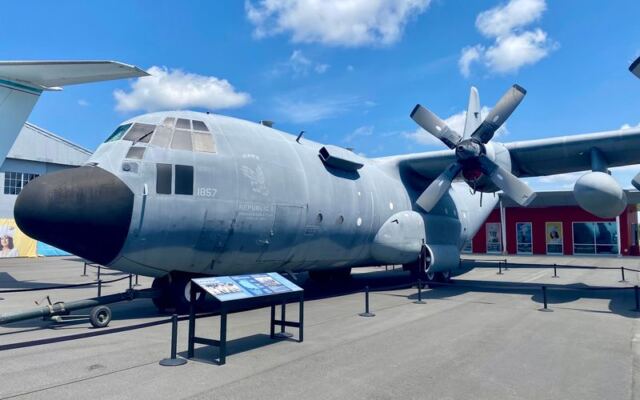
Inside, you will find a collection of commercial, military, and civil aircraft, plus aviation artifacts and memorabilia. The layout includes two hangars and an administration building that doubles as the gift shop, where the entrance is located.
Visitors often call it a surprise. Plenty of people show up for one famous airplane and leave talking about everything else they discovered, from helicopters to tanks to hands-on cockpits.
It is not the biggest museum around, but guests describe it as jam-packed from floor to ceiling. For North Carolina families looking for a day trip with real wow factor, it lands squarely on the must-see list.
The Plane From the Miracle on the Hudson
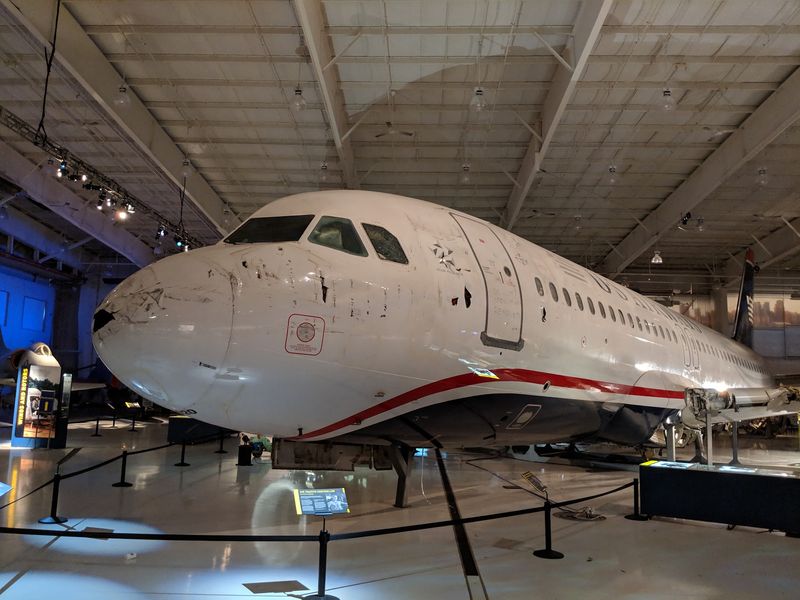
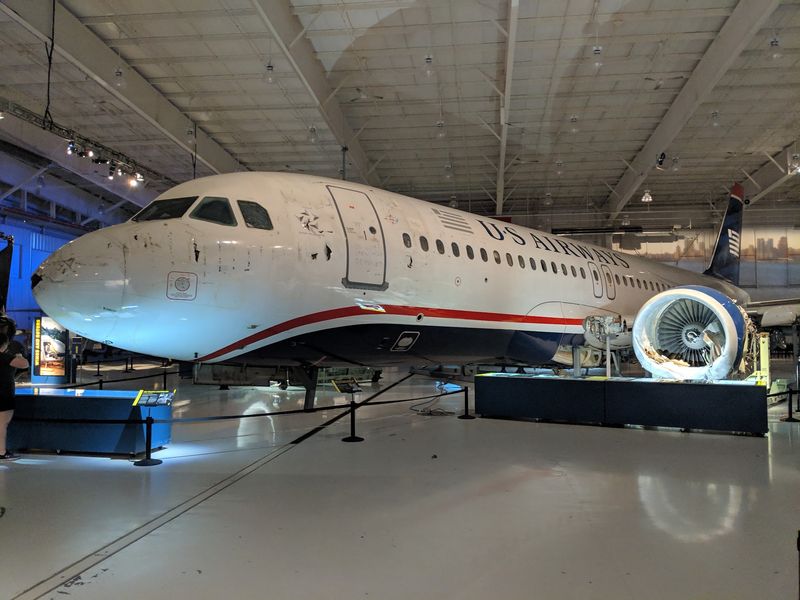
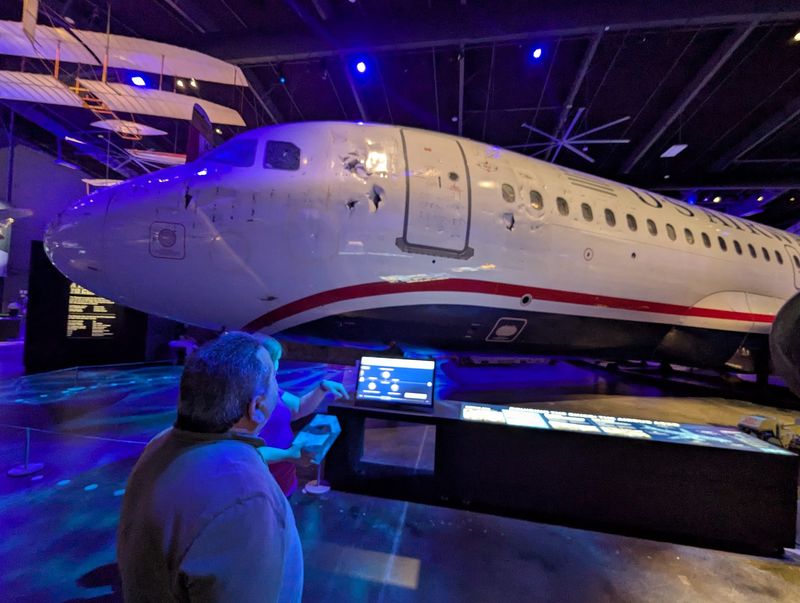
Few airplanes have a story as famous as this one. The museum houses the actual Airbus A320 from US Airways Flight 1549, the jet Captain Chesley Sullenberger and his crew safely landed on the Hudson River.
Guests say standing next to it feels surreal and humbling. The plane is mostly intact, with visible dents from the goose strike still on its side.
One volunteer reportedly explained that investigators found a male and a female goose went into each engine.
The display goes far beyond the aircraft itself. A large video presentation tells the story with interviews from real passengers, and flashing lights mark the exact moment of the bird strike.
A stuffed goose even hangs from the ceiling.
Personal items donated by passengers add a tender touch. Another video shows the plane being trucked into Charlotte while people lined the streets to watch.
Flight Simulators Anyone Can Try

Ready to test your nerves? Flight simulators are the most talked-about feature here, and they come at no extra cost beyond admission.
The star is a Lockheed T-33 Shooting Star in the historic hangar. Its real cockpit has been set up as a working simulator, so you sit where actual pilots once sat and try to land a jet.
An attendant stays nearby and will even snap a photo of you at the controls.
There is also a Cessna 150 simulator and a joystick setup similar to a home flight sim for practicing landings. Several smaller simulators are split between two areas.
Honesty time: not everyone nails it. One visitor admitted to crashing into trees again and again, and that is half the fun.
With other guests watching, every smooth touchdown earns bragging rights. Arrive early if you want to skip the line.
Cockpits Open for Climbing

Most museums say look but do not touch. Here, several cockpits practically invite you to hop inside.
In the larger, newer hangar, you can climb into an F-14 Tomcat cockpit for pictures. According to one visitor, that very F-14 appeared in Top Gun, which makes the photo even sweeter.
Nearby, a Boeing 727 cockpit lets you settle in, complete with the flight engineer’s station and its wall of switches.
A small Piper is open too, perfect for younger aviators who want a turn in the pilot seat. Outside, another Boeing cockpit lets guests step in, often with a friendly volunteer ready to chat.
Parents mention roughly four mock cockpits kids can ride in at no charge. For many guests, sitting where pilots once worked is the moment they remember most.
Bring your camera and plan on multiple photo stops.
Bleachers for Plane Spotting
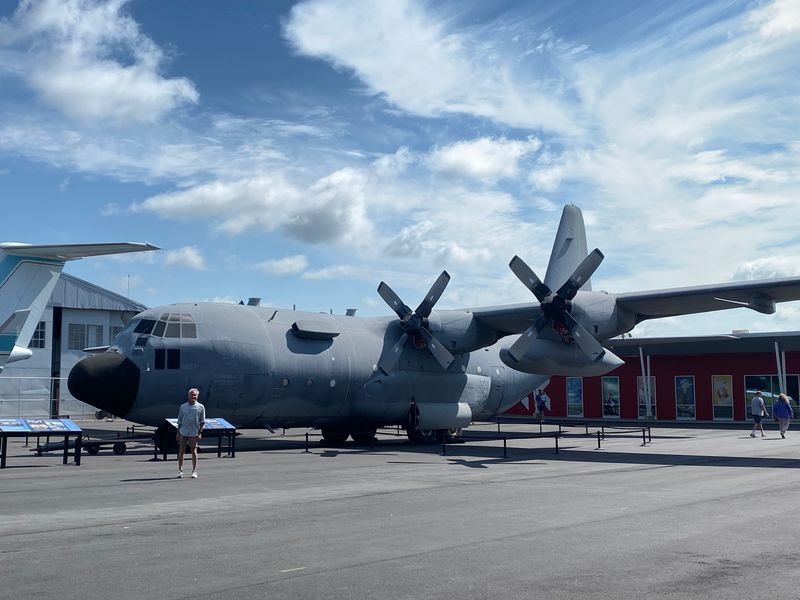
Here is a free show that never gets old. Just outside, bleachers face the runway at Charlotte Douglas, giving visitors a close view of planes taking off and landing.
Guests rave about how near the south taxiway feels. One visitor said you could sit there all day, and plenty of families seem to agree.
The rumble of engines and the sight of big jets lifting off can turn even a casual guest into an airplane fan.
The outdoor area also holds several aircraft, including a helicopter. There is one genuine surprise too: an M551A1 Sheridan tank, which was designed to be dropped from the air.
On a mild spring or fall afternoon, this spot is a real treat. Pack water and sunscreen for warm North Carolina summers, then settle in and count the takeoffs.
Back indoors, a huge FlightAware screen shows live air traffic around the airport.
Morris Field and the Historic Hangar
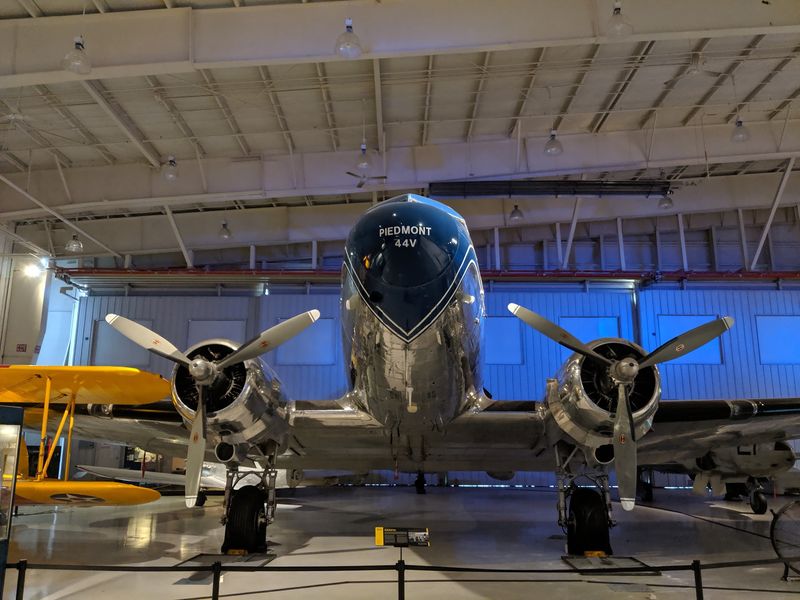
Long before today’s jets, Charlotte had its own chapter in flight history. The smaller historic hangar tells part of that story through exhibits on Morris Field.
Older aircraft fill this space, including a Douglas DC-3 and numerous military planes. You can also see a Dehmel trainer and its controller, an early electronic flight simulator.
Comparing it with the modern sims nearby shows just how far pilot training has come.
History fans find plenty to love. One guest said a military-loving relative took some convincing to leave, thanks to the timelines and detailed displays.
The museum also honors pioneering women of military flight from North Carolina, a proud local touch.
One note: in this hangar, you cannot climb inside the aircraft. Still, panels, tablets, and knowledgeable guides help bring each plane to life, and the local focus makes it feel personal for in-state visitors.
Volunteers Who Make the Visit

Ask almost any guest what stood out, and the answer often comes back to the people. Friendly staff get mentioned more than anything else about this museum.
Many volunteers are retirees who clearly love what they do. They share fun facts, point out small details like the goose dents on the A320, and answer questions with patience.
One mom described two volunteers who kindly coached her young son on a simulator, even though he mostly wanted to crash all over the map.
Visitors also mention a live demonstration of a water landing led by docents. Others appreciated that staff did not rush anyone out at closing time.
One guest even got a tip about a little mom-and-pop spot to eat right around the corner.
That warmth turns a museum stop into a real conversation. Do not be shy about asking questions.
Fun for Kids and Curious Grown-Ups

Not a plane person? Several visitors said the same and still had a great time.
Interactive exhibits keep hands and minds busy. Tablets can be held up to an aircraft to reveal tappable icons packed with information.
There is also a dedicated workshop room for hands-on activities, which younger kids especially enjoy.
One parent suggested it is ideal for plane-loving children around ages 6 to 10. The mock cockpits and simulators help too, since little ones get to be pilots instead of just onlookers.
Accessibility is another plus. Visitors say no stairs are needed to see the exhibits, with only a few steps to climb into certain aircraft or simulators, so it is mostly wheelchair friendly.
Both large indoor spaces are now air-conditioned. A heads-up for parents: you enter through the gift shop, so plan your souvenir talk ahead of time.
Hours, Tickets, and Directions
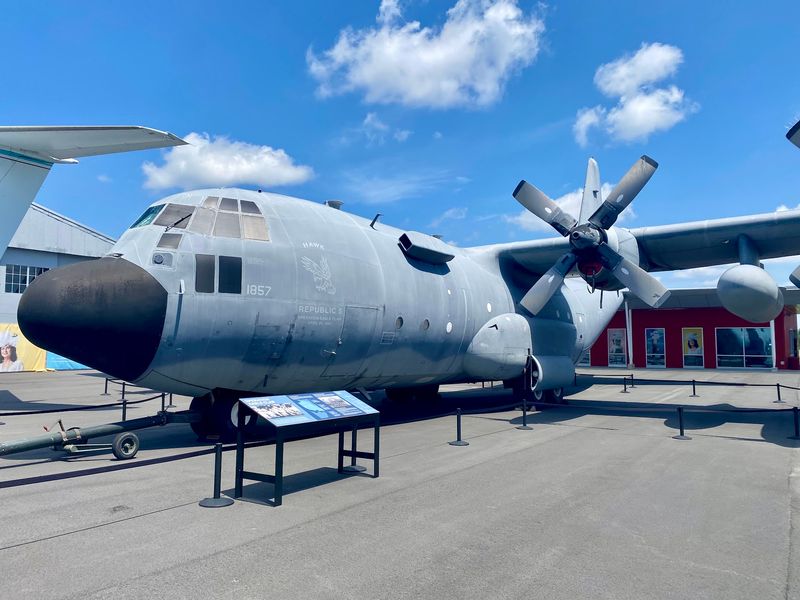
A little planning goes a long way. The museum is closed on Mondays and open Tuesday through Saturday from 10 AM to 4:30 PM, plus Sunday from 12 to 4:30 PM.
One recent visitor paid $25 plus tax for adult admission. Ask at the desk about discounts, since reduced rates may be offered for seniors 65 and up, military members and veterans, and educators.
One guest also enjoyed free admission for mothers on Mother’s Day, so watch for special days.
Getting there can be tricky. Visitors say the roads near the airport are a bit confusing and poorly marked, so use a map app.
Plan on two to three hours. Arriving right at 10 AM can mean shorter waits for the T-33 simulator.
Flash photography is not allowed, and one guest found some areas dim. Call 704-997-3770 with questions.
Worth the Drive to Charlotte
Some outings fade from memory by dinnertime. This one tends to stick around.
Between the famous A320, the thrill of landing a virtual jet, and planes roaring past the bleachers, the museum packs a lot into a compact space. One visitor drove up from Charleston just for the day and wished they lived closer.
Others say it delights guests who arrive knowing nothing about aviation.
It is not perfect for everyone. A few hard-core gearheads wanted more engine detail or brighter lighting, and the ticket price adds up for big families.
Still, free simulators and hours of plane spotting help stretch the value.
For North Carolina explorers craving a day trip with heart, history, and a little friendly competition, this runway-side gem earns a spot on the list. Go on a weekday, grab lunch nearby, and save plenty of time for the cockpit.
Share this story