Twin Falls City Park has occupied the heart of Twin Falls since 1904, but this historic green space is still evolving. The 5.5-acre park combines more than a century of local history with mature shade trees, a historic lava-rock bandshell, community events, and a major new playground.
The new play area includes a 22-foot structure, a 14-foot slide, climbing features, swings, and accessible equipment. It is part of broader improvements planned around the park and its connection with the nearby Twin Falls Public Library.
For a relatively small downtown park, there is a surprising amount packed into these few acres, including traditions that have brought Twin Falls residents together for generations.
A Park With Deep Roots: Location, Address, and First Impressions
Right in the center of Twin Falls, Idaho, at 400 Shoshone St E, Twin Falls, ID 83301, Twin Falls City Park sits like a well-kept secret hiding in plain sight.
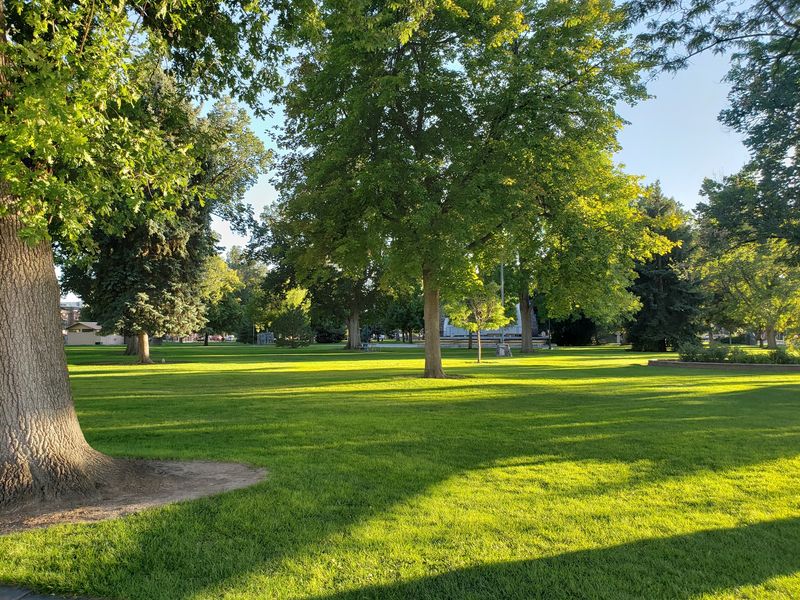
The surrounding streets are lined with early 20th-century architecture, and the moment you walk through the tree line, the city noise softens considerably. Century-old trees form a natural canopy overhead, and the grass beneath them is thick and inviting.
The park covers approximately 5.5 acres, which sounds modest until you are actually standing in it and realize how thoughtfully every square foot has been used. Benches, picnic tables, winding paths, and commemorative markers are distributed throughout without ever making the space feel cluttered.
The park is open daily from 5 AM to 11 PM, and the Twin Falls Parks and Recreation office can be reached at 208-736-2265 for any questions. First impressions here tend to stick around long after you have left.
Born in 1904: The Founding Story Behind This Urban Green Space
The Twin Falls Land and Water Company did something bold when it platted the city in 1904: it set aside a dedicated parcel of public green space before most of the surrounding buildings even existed.
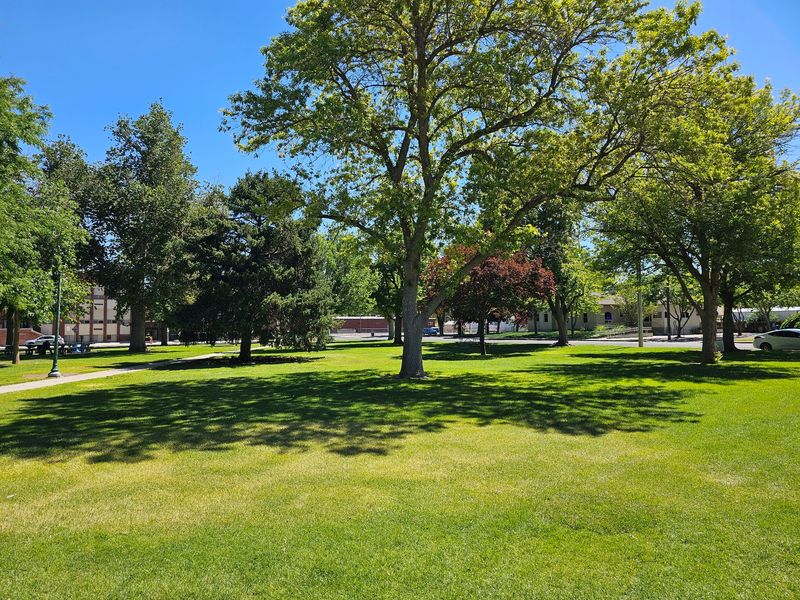
The idea was to create a livable, attractive community around the massive irrigation project transforming the Magic Valley from dry desert into productive farmland. Trees were planted almost immediately, and early residents famously hand-watered young saplings from as far as four blocks away, hauling water just to give those fragile roots a fighting chance.
By 1925, the park had earned the formal designation of a “Beauty Spot,” which was essentially the early 20th-century version of a five-star review. The county courthouse, local schools, and several churches rose in the surrounding blocks between 1909 and 1920, creating a cohesive civic core anchored by the park.
That original vision of a community gathering place has held firm for more than 120 years, and the trees those early residents nursed by hand still provide shade today.
On the National Register: What Historic District Status Really Means Here
The Twin Falls City Park Historic District carries a designation that not every city park can claim: it is listed on the U.S. National Register of Historic Places.
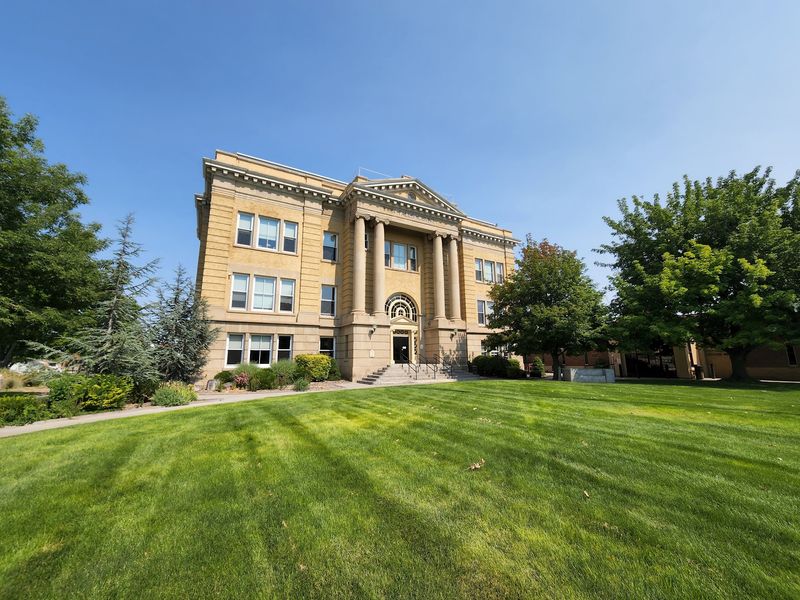
That recognition covers both the park itself and the ring of significant buildings surrounding it, including structures featuring Neoclassical, Gothic, and Spanish Mission architectural styles. The visual variety is striking.
You can stand in one spot and see a stately courthouse, a Gothic-influenced church with twin bell towers, and a lava rock bandshell all within a comfortable viewing angle.
Historic district status means these buildings and the park are officially recognized as irreplaceable parts of American cultural heritage. It also means the community has committed to preserving the character of the space rather than simply modernizing it beyond recognition.
Commemorative markers are placed throughout the grounds, each one offering a small window into a specific chapter of the city’s past. History here is not behind glass in a museum; it is underfoot and overhead at the same time.
The Lava Rock Bandshell: A WPA Landmark That Still Draws a Crowd
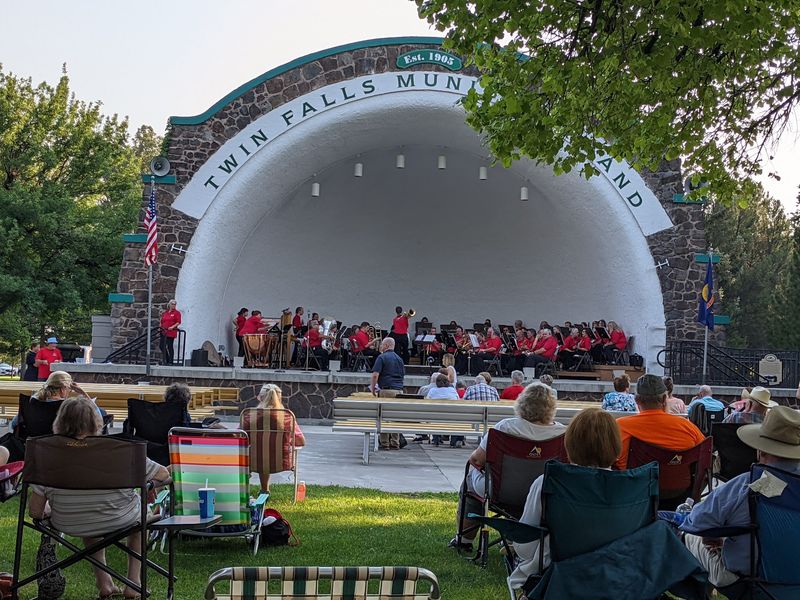
Few structures in Twin Falls carry as much personality as the Municipal Bandshell, a rugged, handsome building constructed from local lava rock in the early 1930s as part of a Works Progress Administration project.
Local architect Ernest H. Gates designed it to replace an earlier bandstand that had a persistent acoustics problem, and the upgrade clearly worked.
The bandshell has been hosting performances ever since, and it remains one of the most photographed features in the park.
Every Thursday evening throughout summer, the Twin Falls Municipal Band takes the stage for free concerts, a tradition that stretches back to 1906. Families spread blankets on the grass, kids chase squirrels between songs, and longtime residents settle into their favorite spots like they have done for decades.
The atmosphere during these evenings is relaxed and genuinely communal, the kind of gathering that feels both old-fashioned and completely current at the same time. The bandshell is proof that good design, built with the right materials, can last a very long time.
Summer Thursdays and Free Music: The Concert Tradition That Keeps Going
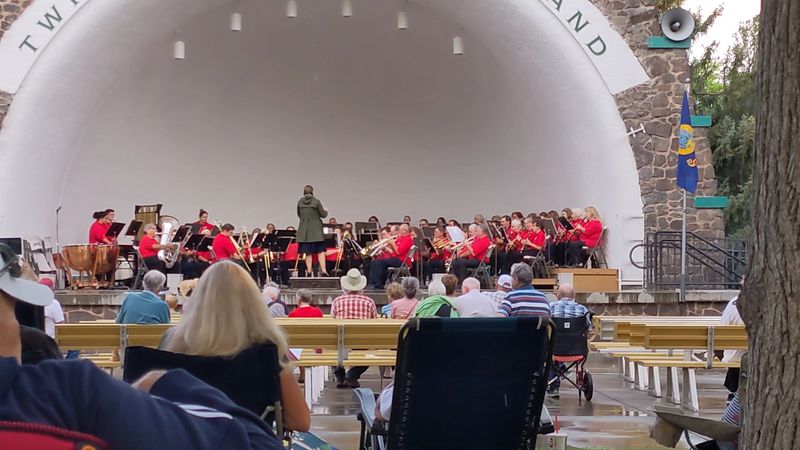
A free outdoor concert series that has run since 1906 is not something you stumble across every day, and the Thursday evening performances by the Twin Falls Municipal Band are exactly that kind of rare, enduring tradition.
The concerts typically begin around 7:30 PM during the summer months, and the crowd that gathers reflects the full range of the community. Young families claim their patches of grass early.
Older residents who have been attending these shows for decades arrive with folding chairs and the calm confidence of regulars.
The repertoire tends to cover a broad range of styles, keeping the evenings lively without ever feeling like a performance trying too hard to please everyone. The bandshell’s acoustics, corrected by Ernest Gates’ 1930s redesign, carry the sound cleanly across the lawn.
There is something quietly remarkable about a musical tradition that has outlasted two world wars, a Great Depression, and a global pandemic and still draws a crowd every summer week. Plan to arrive a few minutes early to secure a good spot on the grass.
A 22-Foot Playground Brings a Major Change to the Historic Park
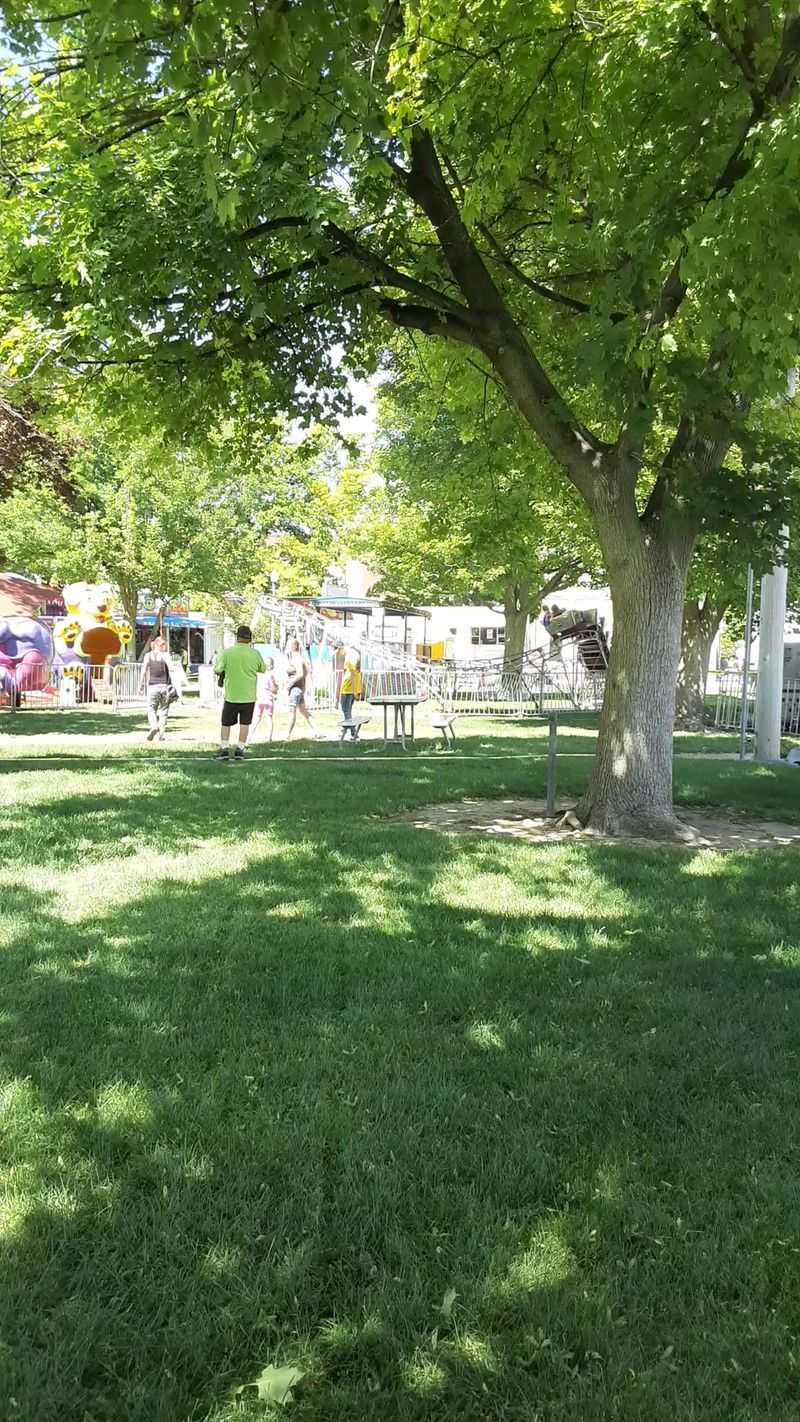
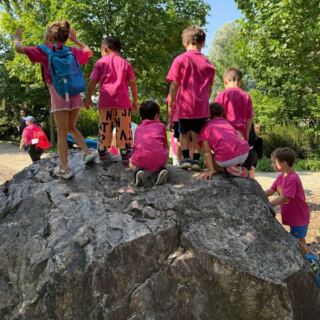
Twin Falls City Park has been around since 1904, but one of its newest additions is designed for a much younger generation. A major playground project has brought new equipment and expanded recreation to this historic downtown green space.
The centerpiece is a 22-foot playground structure with a 14-foot slide. Plans for the play area also include climbing features, additional swings, an ADA-accessible spinning feature, and a merry-go-round.
The playground is part of broader improvements around City Park and the neighboring Twin Falls Public Library. Plans have also included closing a section of Hansen Street and creating a stronger pedestrian connection between the park and library area.
For a park that has served Twin Falls for more than 120 years, the project represents a significant update while keeping the space focused on the same purpose it has served for generations: giving the community a place to gather, play, and spend time outdoors.
Events That Bring the Whole Community Together
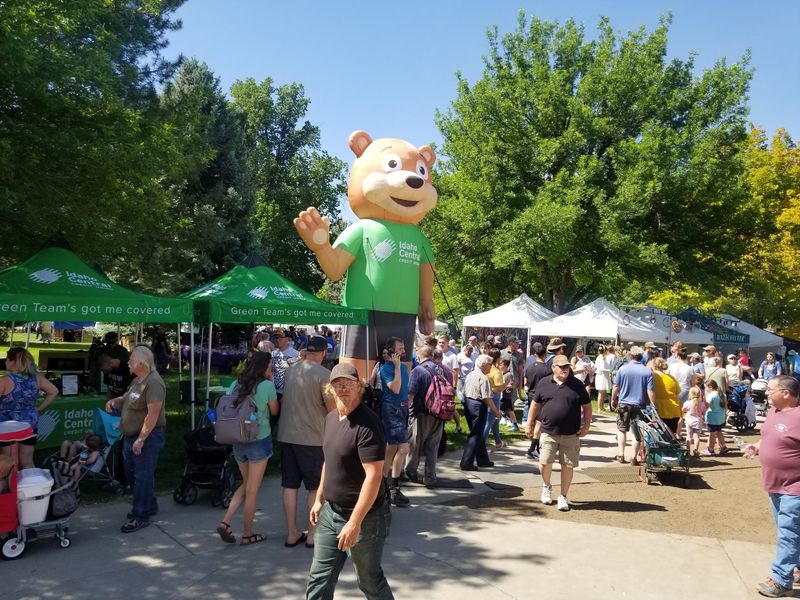
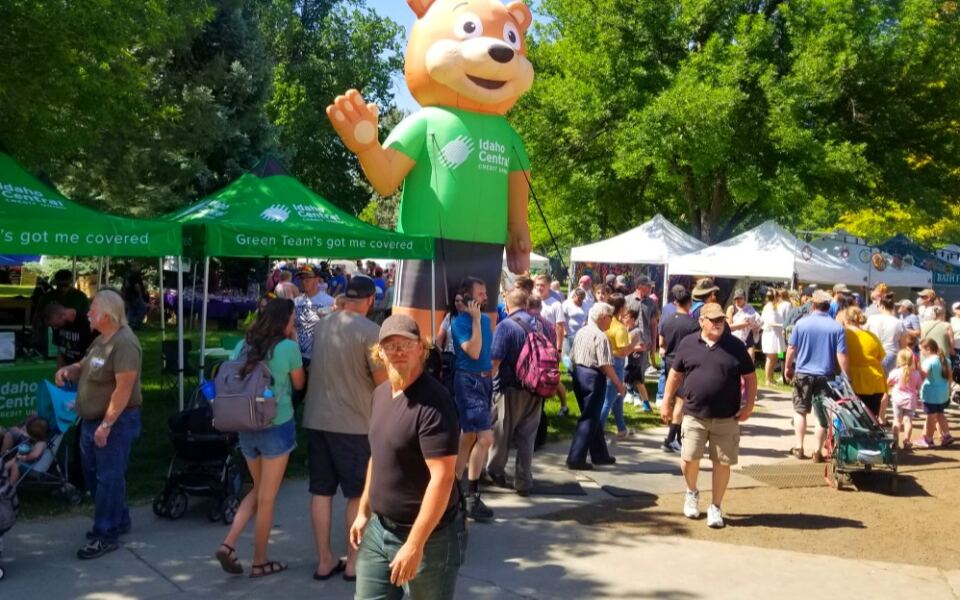
Western Days is one of those events that locals mark on their calendars months in advance, a multi-day celebration complete with vendors, food carts, a carnival, and a parade on the second day that draws enthusiastic crowds along the route.
Latino Fest brings a vibrant cultural celebration to the park grounds, featuring food trucks, live music, and vendors showcasing the region’s rich Hispanic heritage. National Night Out turns the park into a neighborhood-wide gathering focused on community connection and public safety awareness.
Kids Art in the Park offers hands-on creative workshops for younger visitors, giving children a chance to make something tangible and take it home as a souvenir of their afternoon. Friday night Movies in City Park during July draws families with blankets and snacks for outdoor screenings under the open sky.
The sheer variety of programming means that no two visits to this park need to feel the same, and the events calendar consistently reflects the cultural diversity and community pride that define Twin Falls as a city.
The Squirrels, the Shade, and the Small Details That Make It Memorable
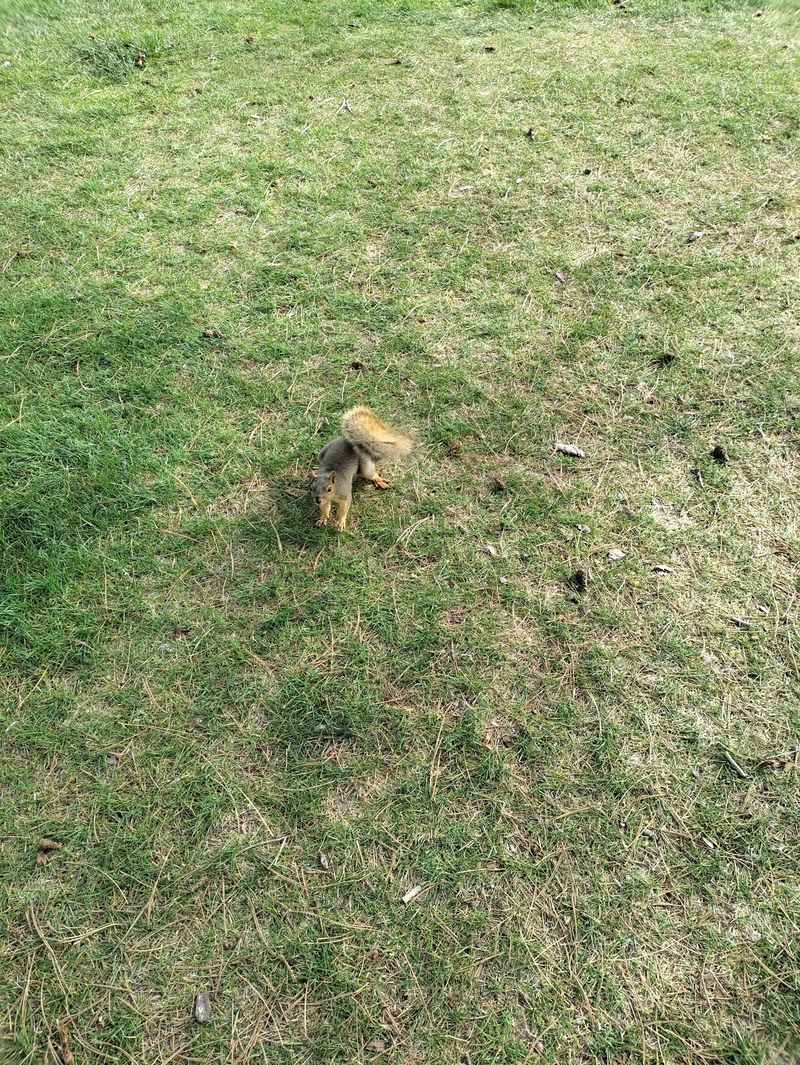
Not every memorable park feature is on the official attractions list, and Twin Falls City Park has a few unofficial highlights that visitors mention with real affection.
The squirrels here are famously bold, the kind that will approach a picnic table without much hesitation and make direct eye contact while assessing your snack situation. Multiple visitors have noted the experience of making a new squirrel friend as a genuine highlight of their afternoon, which says something endearing about the park’s relaxed atmosphere.
The shade coverage is exceptional. With 30 mentions in visitor feedback, the canopy created by those century-old trees is one of the park’s most appreciated features, especially during the warmer months when Idaho summers can be genuinely intense.
A drinking fountain originally built in 1915 by the Twin Falls Twentieth Century Club, a women’s civic organization, was lovingly restored in 2004 and still stands in the park. Small details like that one reward the curious visitor who takes time to slow down and actually look around rather than just passing through.
Practical Tips for Planning Your Visit
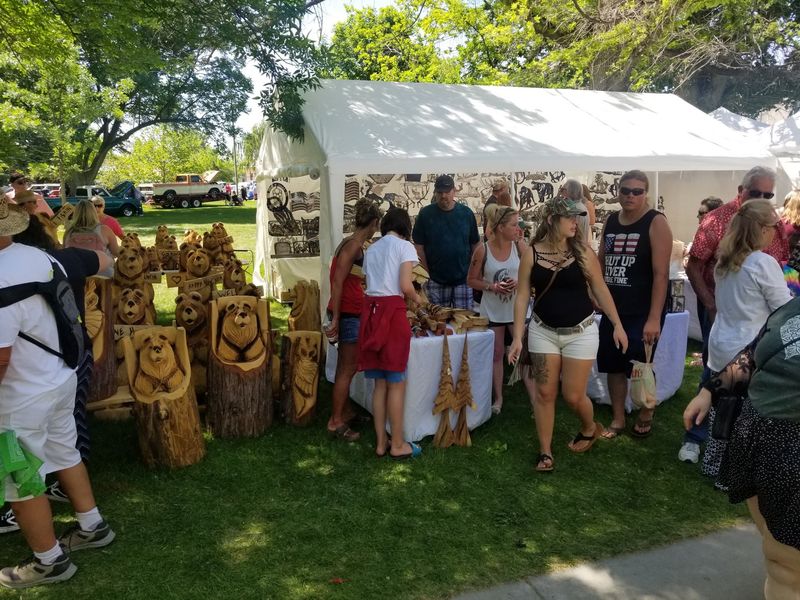
Getting to Twin Falls City Park is straightforward regardless of how you are traveling. The address is 400 Shoshone St E, and the park is easy to spot given its central location and the distinctive architecture surrounding it.
Free parking is generally available in the nearby streets, and for anyone staying downtown, the park is reachable on foot in about five to ten minutes. The park is open every day of the week from 5 AM to 11 PM, giving early risers and evening strollers equal access.
Amenities on site include picnic tables, benches, a drinking fountain, public restrooms, and power outlets throughout the grounds, which is a thoughtful touch for visitors who need to stay connected. Shelters are available for reservation through the Parks and Recreation office, though large events typically require additional permits.
For accessibility, the ongoing renovation is adding ADA-compliant features to the playground area, though it is worth calling ahead at 208-736-2265 if accessibility is a specific concern. The park’s City Park Use Regulations are also available as a PDF on the official Twin Falls city website.
Architecture All Around: The Historic Buildings That Frame the Park
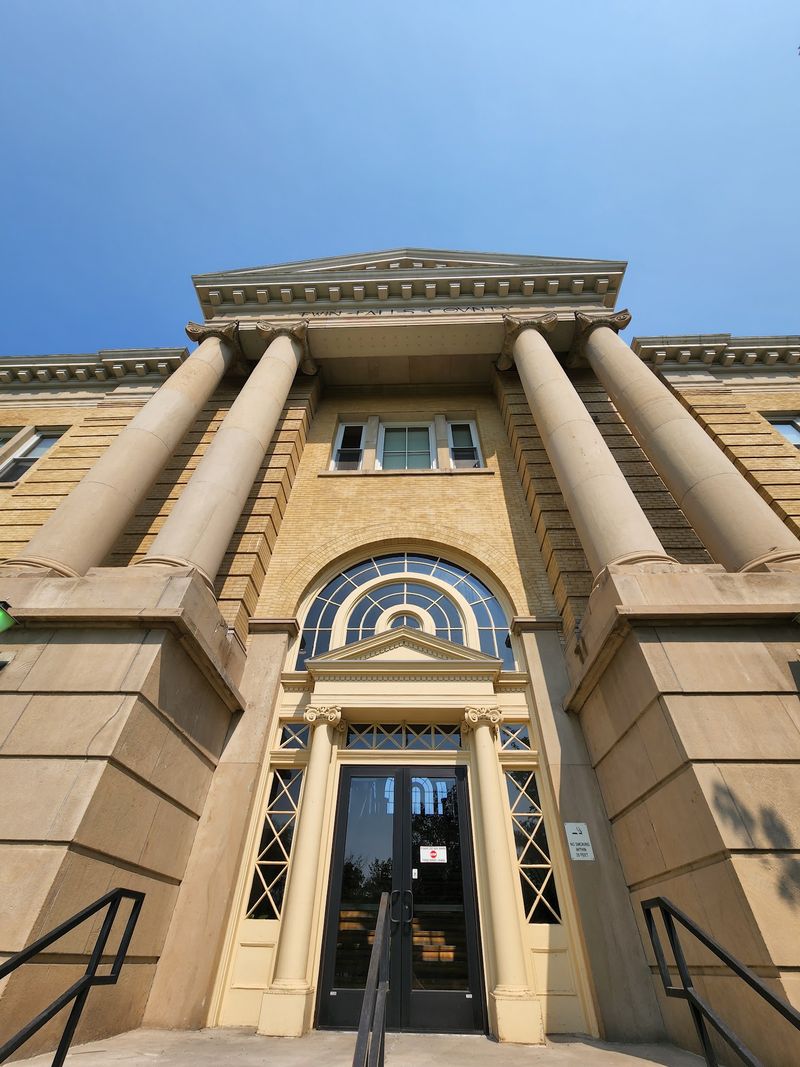
One of the most distinctive things about spending time in Twin Falls City Park is that the surrounding architecture turns the experience into something closer to an open-air museum than a simple afternoon in the grass.
The Catholic church with its twin bell towers is immediately visible from the picnic area, its Gothic silhouette rising above the tree line in a way that feels genuinely dramatic. The county courthouse, several historic schools, and other civic buildings ring the park in a variety of styles including Neoclassical and Spanish Mission, creating a visual conversation between different eras and design philosophies.
All of these structures were built between 1909 and 1920, meaning the entire district developed rapidly during a period of intense community growth fueled by the success of the irrigation project that made the Magic Valley agriculturally viable.
Walking the perimeter of the park with attention to the surrounding buildings adds a completely different dimension to the visit, one that goes beyond recreation and connects directly to the story of how this part of Idaho came to exist as a functioning city.
Gateway to Downtown: How the Park Connects to the Broader City Experience
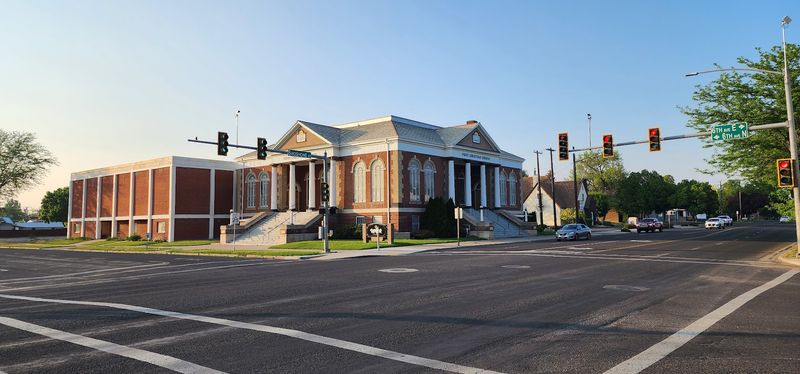
The park does not exist in isolation. Its position at the center of the city means that stepping out of its shaded grounds deposits you directly into a walkable downtown district full of locally owned shops, restaurants, and entertainment venues.
The Downtown Farmers Market runs every Saturday from June through September on Main Avenue, offering fresh produce, artisan goods, and the kind of relaxed weekend energy that pairs perfectly with a morning walk through the park. Crazy Dayz on Main and various holiday parades animate the surrounding streets throughout the year, keeping the broader neighborhood lively across multiple seasons.
Historical walking tours of the area often use the park as a natural starting point, guiding participants through the surrounding blocks to examine the architectural legacy of the early 20th century in detail. The Twin Falls Public Library, which will be directly connected to the park once the Hansen Street closure is completed, adds another layer of civic richness to the immediate area.
Together, the park and its downtown surroundings create a destination that rewards both a quick visit and a full afternoon of exploration.
Share this story