Idaho’s rivers have a long history of producing gold, but rockhounds also search their gravel bars for agates, jasper, and other unusual stones. Some of these places are tied to the gold rushes of the 1860s, while others are known for the colorful rocks found throughout their surrounding regions.
The Snake River is famous for tiny flakes of flour gold, and the Bruneau region is associated with distinctive patterned jasper. Around Riggins, the Salmon River and its tributaries offer another connection to Idaho’s mining past.
Not every riverbank is open for collecting. Private property, mining claims, protected areas, and even historic contamination can affect where visitors should search.
These ten Idaho rivers offer a starting point for exploring the state’s rockhounding history, learning what materials occur in each region, and understanding the rules before taking anything home.
1. Snake River, Twin Falls, Idaho
Gold in the Snake River is real, but it comes in sizes so small that prospectors call it flour gold.
Those specks have been pulled from Snake River sediments for generations. The catch is that they are so light they can wash right out of a pan if you swirl too hard.
Patience is the main tool here, along with a fine screen and a slow hand.
Gold is not the only reason to visit. Agates in different colors and patterns turn up on the gravel bars along the river.
Many of them started as silica that filled gas bubbles and cracks in old lava flows.
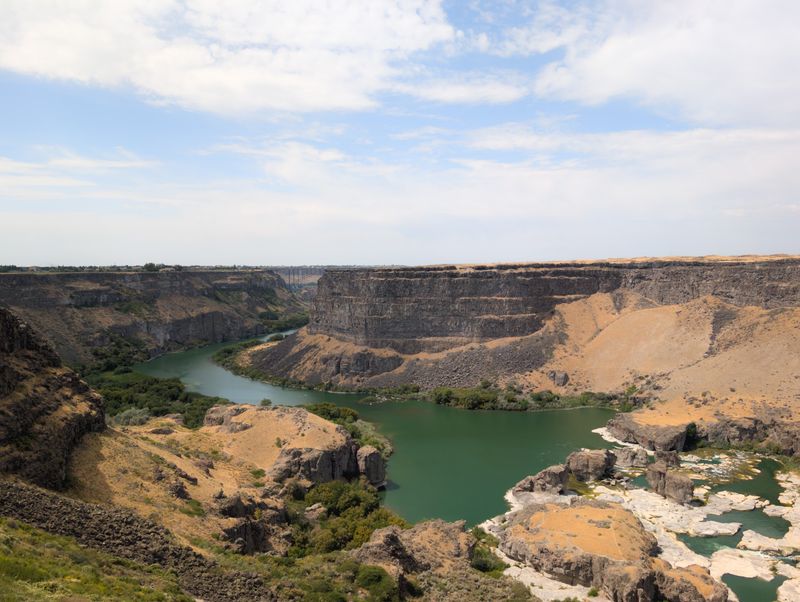
Around Twin Falls, the canyon walls show off that volcanic history in tall layers of dark rock. Geology fans can spend hours just reading the cliffs before ever picking up a stone.
For a good start, look for spots where the river slows down, such as inside bends and the downstream ends of gravel bars. Heavy materials tend to settle in those places.
Bring water, sun protection, and a small container for your finds. The canyon can get hot in summer.
Check land ownership before you dig, since private property and claims dot the area. A little homework keeps the trip fun and trouble free.
2. Clearwater River, Lewiston, Idaho
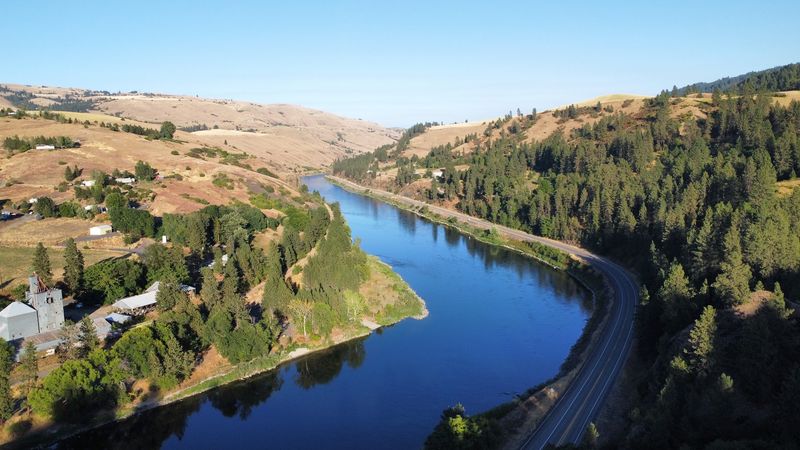
Idaho’s whole gold story kicked off in 1860 on Orofino Creek, a tributary in the Clearwater River system.
That discovery sent miners pouring into the region. Today, the South Fork of the Clearwater still gives up placer gold, though it usually shows up as fine flakes rather than chunky nuggets.
Stone collectors get plenty to love too. The river gravels are a known source of agate, jasper, and chert.
Agate can look milky or see-through, while jasper is solid and often red, yellow, or brown.
Here is a handy trick. Many Clearwater stones look plain when dry, so wet them with a spray bottle or dunk them in the river.
Hidden bands and colors often pop right out.
Other minerals have been reported in the wider system as well. Garnet, ilmenite, and magnetite show up in areas like the North Fork.
At Lewiston, the Clearwater meets the Snake, and the riverfront offers easy places to stretch your legs. Collecting rules are a separate matter, though.
Active mining claims sit in some of the most productive areas. Check land status first, because a claim owner has the right to the minerals there, and nobody wants an awkward chat over a pebble.
3. Salmon River, Riggins, Idaho
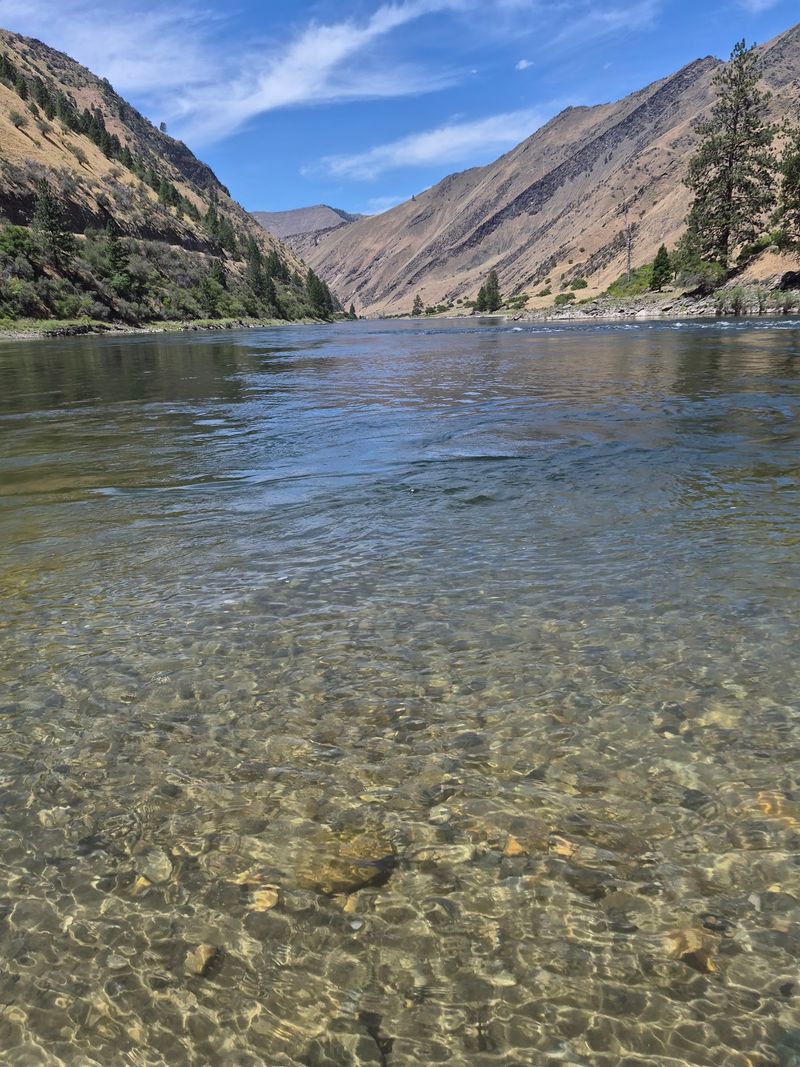
Early boatmen nicknamed it the River of No Return because powerful currents made going back upstream nearly impossible.
Luckily, rockhounds today mostly travel by car. Riggins sits right on the river, and US-95 plus the Salmon River Road lead to gravel bars and exposed banks.
Placer gold has been found along most of the Salmon and its many tributaries. Reports even mention the occasional nugget, which is enough to keep any prospector swirling a pan a little longer.
Stone hunters have options as well. Guides list agate, jasper, chalcedony, and petrified wood among the materials the river drops onto its bars.
Garnet, quartz, amethyst, and citrine have also been noted in the broader Salmon River country.
Land ownership here is a patchwork. National Forest, BLM parcels, and private land all share the corridor.
Some areas, especially inside the Frank Church-River of No Return Wilderness, are closed to placer mining. Maps from the Forest Service or BLM can help you sort out where panning is allowed.
Even on a slow day, the scenery pays off. Steep mountainsides rise straight from the water, and rafters float past regularly in summer.
Pack a lunch and enjoy the show between scoops.
4. Boise River, Idaho City, Idaho
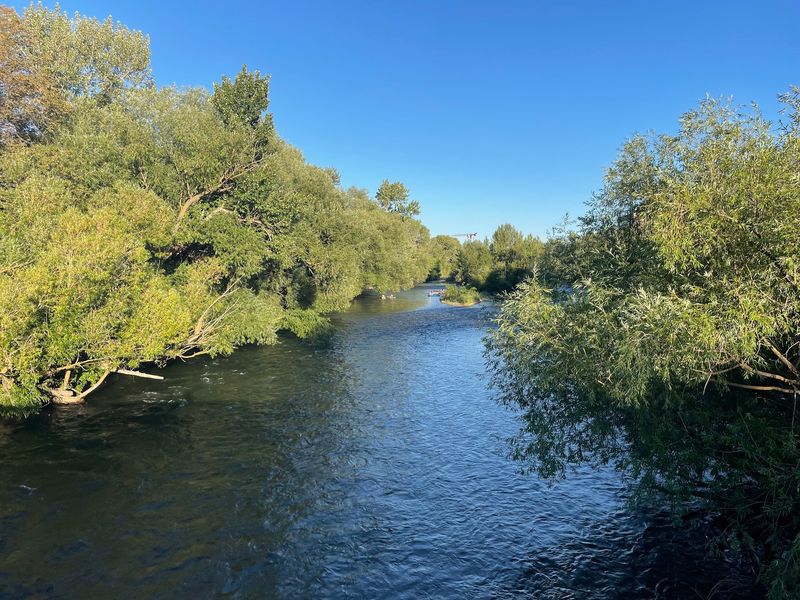
Back in the 1860s, Idaho City was one of the biggest towns in the Pacific Northwest, all thanks to gold in the Boise Basin.
Thousands of miners crowded into the area during one of America’s largest gold rushes. Many of the old buildings still stand, and walking the town is a quick history lesson.
The creeks feeding the Boise River still carry placer gold. Grimes Creek, Mores Creek, and the Quartzburg area are names you will hear from local prospectors.
Downstream from the old mining districts, the Boise River itself can hold fine flour gold. Focus on gravel bars and inside bends, where slower water lets heavy flakes settle.
Quartz-rich stones add some variety for rock collectors exploring permitted spots in the wider region.
Much of the Boise National Forest is generally open for recreational panning. Still, portions of the Boise River are closed to mining, so do not assume every pullout is fair game.
Watch for posted signs marking private property and mining claims. Respecting those markers keeps access open for everyone.
Stop by the town’s museum or visitor spots before heading out. Learning how the old-timers worked makes your own panning feel like part of a very long tradition.
5. Payette River, Banks, Idaho
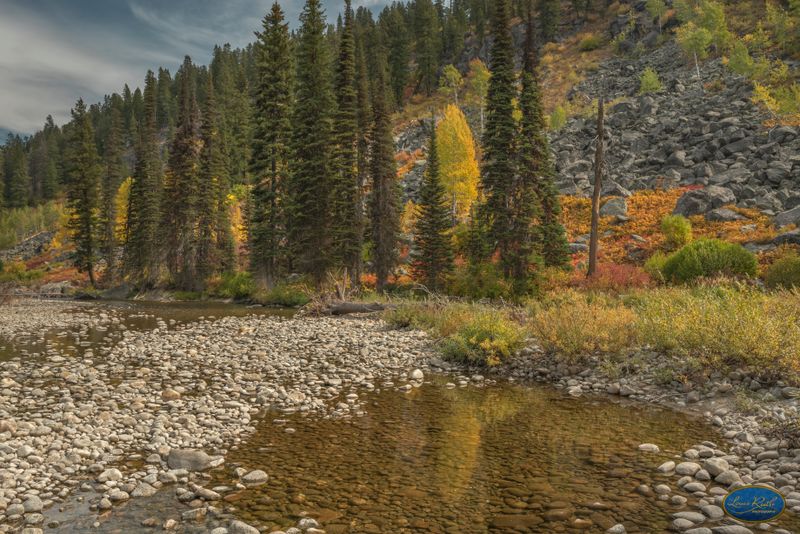
Few places in Idaho make the gold panning question as simple as the South Fork of the Payette near Banks.
The state recognizes a designated stretch here for public recreational gold panning and suction dredging. Rules still apply, but the clear designation takes a lot of guesswork out of planning.
Banks sits where the South Fork meets the main Payette, northwest of Boise. Forested mountains and rocky canyons line the route, and whitewater rafters are a common sight in warm months.
Beginners will find this a solid place to practice. Dig material from behind large boulders or along bedrock cracks, then pan it slowly at the water’s edge.
Suction dredging usually needs more preparation and permits. Check with the Idaho Department of Water Resources about current requirements before bringing any motorized gear.
Agate and jasper fans have a bonus stop. Black Canyon Reservoir, on the Payette near Emmett, is known for colorful, patterned specimens on its gravel bars.
Plan around river levels. Spring runoff can make the water fast and cold, so late summer is often easier for safe access to the bars.
Bring a pan, a classifier screen, and a small snuffer bottle for collecting tiny flakes.
6. Bruneau River, Bruneau, Idaho
Ask a serious collector to name a famous Idaho stone, and Bruneau jasper will probably come up first.
This orbicular jasper is known for round, ring-like patterns in cream, red, and brown. It formed inside cavities in volcanic rhyolite, and polished slabs can look like tiny painted circles.
The original deposit sits largely on private land and has been worked hard over the years. Surrounding public lands, including gulches and road cuts, still yield good jasper, along with agate, quartz, and petrified wood.
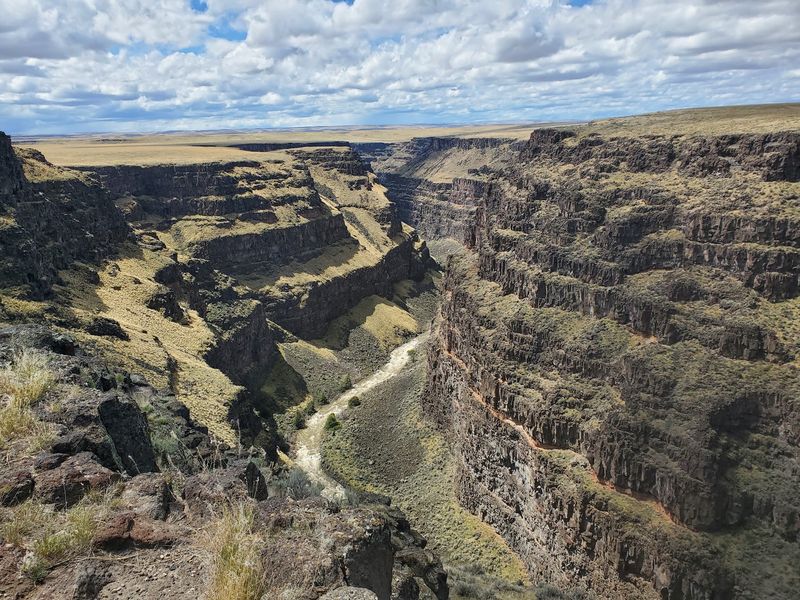
The Bruneau River itself cuts a deep, narrow canyon through remote southwestern Idaho. The scenery is dramatic, but services are scarce.
Planning matters out here. Carry extra water, a spare tire, paper or offline maps, and tell someone your route and return time.
Roads can be rough, so a high-clearance vehicle helps.
Know your boundaries before you collect. Some zones are protected or restricted, and removing material there is not allowed.
Private property and mining claims also deserve respect.
A good rockhound shop or local club can point you toward legal spots. Even a small, honestly collected chip of Bruneau jasper makes a proud addition to any collection.
7. Little Salmon River, Riggins, Idaho
Smaller rivers sometimes get overlooked, and that is exactly why the Little Salmon deserves a spot on your list.
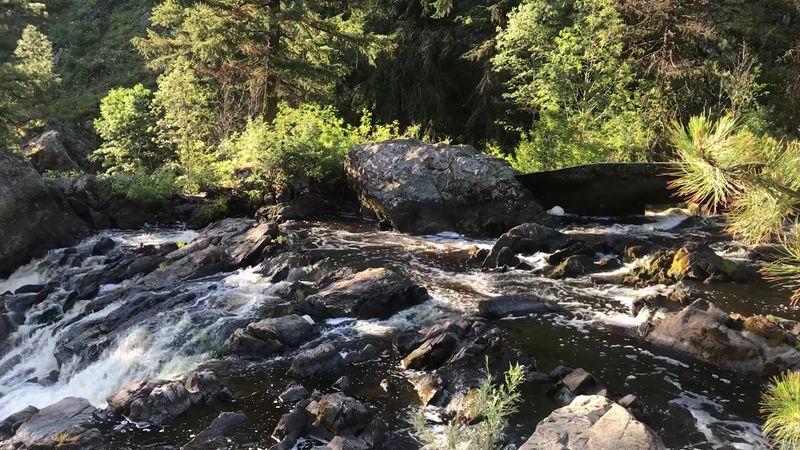
The river runs through a steep mountain valley before joining the main Salmon right at Riggins. Highway 95 follows much of its path, so the drive itself is part of the fun.
Rockhounding references list agate, chalcedony, and jasper in the Little Salmon area and nearby Idaho County gravels. All three belong to the silica family, which makes this a nice classroom for learning the differences.
Here is a quick cheat sheet. Chalcedony is often waxy and slightly see-through, agate is chalcedony with bands, and jasper is opaque with solid colors.
Hold a stone up to the sun. If light passes through the edges, you probably have agate or chalcedony rather than jasper.
Rounded stones on gravel deposits are the usual targets. Walk slowly and scan for unusual colors or a glassy look.
Families will like how easy it is to combine this river with a Riggins visit. You can check the Little Salmon in the morning and the bigger Salmon in the afternoon.
Remember that pullouts along the highway may border private land, so confirm access before collecting.
8. Little Wood River, Bellevue, Idaho
Green and moss agate are the headline finds in the Little Wood River drainage, according to the Idaho Department of Lands.
Moss agate gets its name from dark, plant-like patterns trapped inside the stone. No actual plants are involved, just minerals that grew in branching shapes.
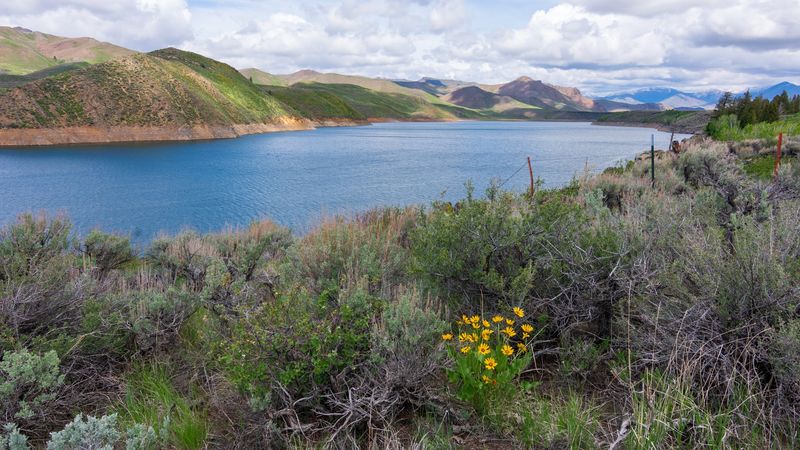
The Little Wood Reservoir area is a popular starting point. Petrified wood, quartz crystals, and common opal also turn up there, so your bucket could end up surprisingly mixed.
This is a stone hunter’s river more than a gold river. Collectors come for color and pattern, and many specimens show subtle banding only after a good scrub at home.
A soft brush, dish soap, and a bowl of water work fine for cleaning. Let the stones dry, then look again in different light.
Crowds are usually thinner here than along Idaho’s famous gold rush corridors. Farm valleys and volcanic hills make up much of the landscape.
Casual collecting is generally allowed on public land managed by the BLM and Forest Service. Private farmland is common nearby, though, so check maps before crossing any fence.
Bellevue, near the Wood River Valley, is a handy place to grab supplies before the drive.
9. Owyhee River, Grand View, Idaho
Jasper alone draws collectors from far away. The wider Owyhee country is also known for plume, moss, banded, and dendritic agates, plus petrified wood and thundereggs.
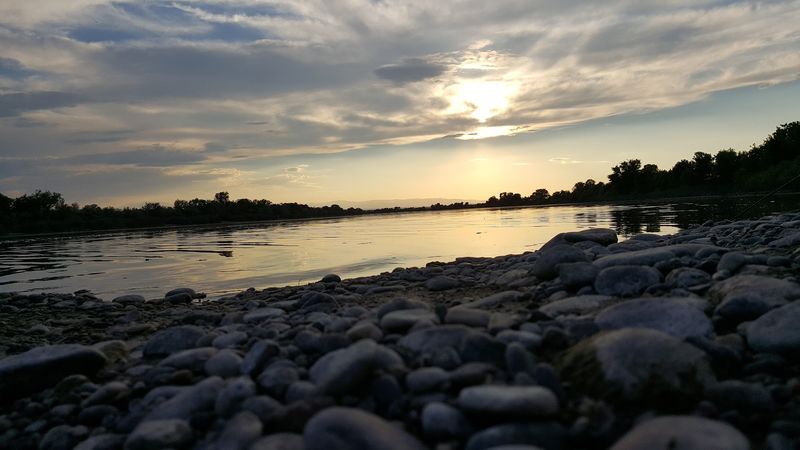
Ancient volcanic eruptions built this landscape and left behind the silica-rich deposits these treasures come from. Deep canyons and odd rock formations stretch for miles.
Grand View works as a gateway, but most top sites are well beyond town. Succor Creek, Leslie Gulch, Graveyard Point, and Haystack Butte all require serious driving into rugged country.
BLM land typically allows personal collecting. The usual limit is up to 25 pounds per day plus one larger piece, with no more than 250 pounds per person each year.
That sounds like a lot until you try carrying it back to the truck.
Preparation is not optional here. Pack plenty of water, offline maps, a full tank of fuel, and leave your plans with a friend.
Cell service is spotty or missing in many places. Experienced rockhounds love the Owyhee for its variety, and first timers are wise to tag along with a local club trip.
10. Coeur d’Alene River, Cataldo, Idaho
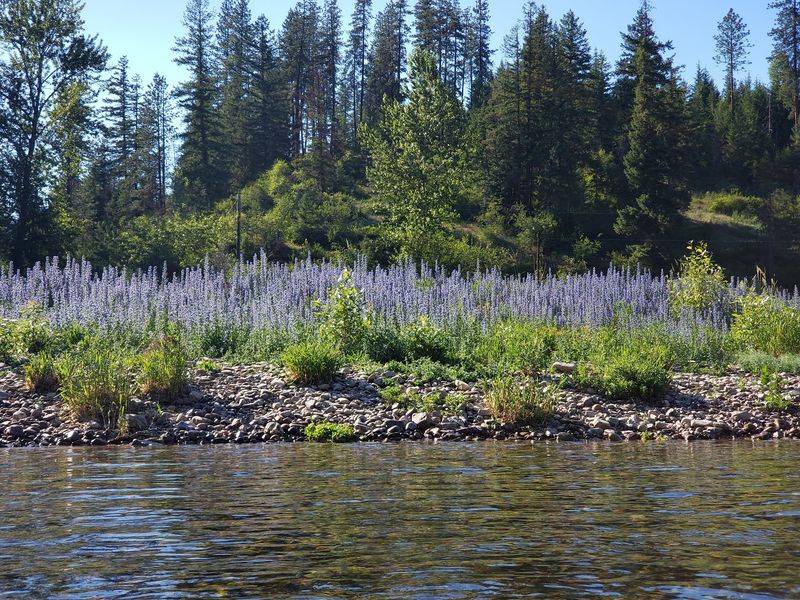
Sometimes the best rockhounding trip is the one where you keep your hands in your pockets.
The Coeur d’Alene River runs through the Silver Valley, one of the most important mining districts in American history. Silver, lead, and zinc built towns like Kellogg and Wallace.
Recreational agate hunting and gold panning are not the focus along this river. Instead, it is a great place to learn how mining shaped northern Idaho.
There is a serious reason for the hands-off approach. Historic mining left contamination in parts of the river system, including metals in the sediments.
Visitors should avoid digging, disturbing sediments, or collecting rocks and sand from affected areas. Wash hands before eating, especially with kids along.
Plenty remains to enjoy without a shovel. Old Mission State Park in Cataldo holds the oldest standing building in Idaho, a mission church built in the 1850s.
Mining museums up the valley show tools, ore samples, and photos from the boom years. You can see impressive minerals behind glass without any risk.
The Trail of the Coeur d’Alenes, a paved bike path, also passes through the area. It wraps up a rockhound road trip with history, scenery, and a lesson in respecting the land.
Share this story