Montana in autumn is a different world entirely. The western larch trees turn a brilliant gold that stops traffic on mountain highways, cottonwoods line river corridors in bright yellow, and the whole state seems to shift into a warmer, quieter version of itself.
The best part is that you do not need to be a seasoned hiker or own a pair of trekking poles to enjoy any of it. This list covers 14 spots across Montana where the fall color comes to you, whether you pull over at a roadside viewpoint, stroll along a lakeshore, or wander through a ghost town frozen in time.
From Glacier National Park to a gold rush relic near Dillon, these places prove that the most spectacular autumn views are often the most accessible ones. Get comfortable and keep reading, because your next fall road trip is about to plan itself.
Lake McDonald, West Glacier, Montana
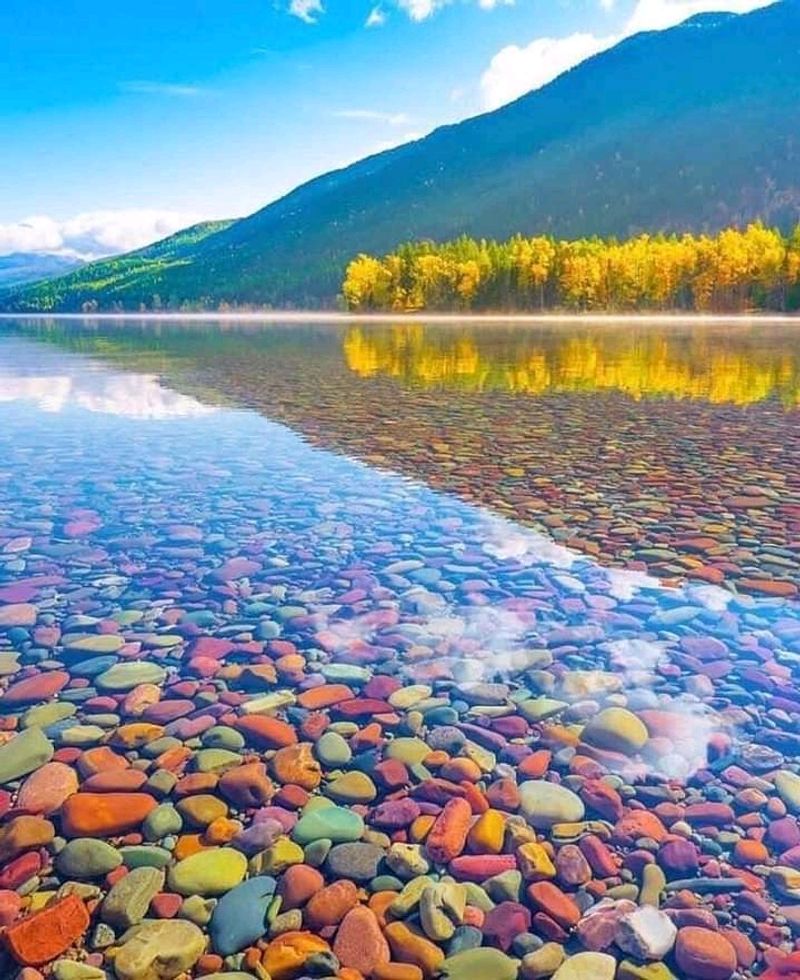
Glacier National Park’s largest lake has a way of making people stop their cars and just stare. Lake McDonald stretches nearly 10 miles through a forested valley, and in autumn, the slopes surrounding it shift from green to gold and orange in a display that feels almost theatrical.
Roadside pullouts along the Going-to-the-Sun Road and the developed areas near Apgar Village give visitors easy access to the shoreline without any elevation gain required. The Rocky Point Nature Trail near Apgar is a gentle 1.5-mile loop through mature forest with calm lake views the whole way.
Aspens, cottonwoods, and willows all turn color here, creating a vivid contrast against the deep blue water and the park’s rocky peaks. This is one of those places where doing absolutely nothing strenuous still results in a very impressive afternoon.
Saint Mary Lake, St. Mary, Montana
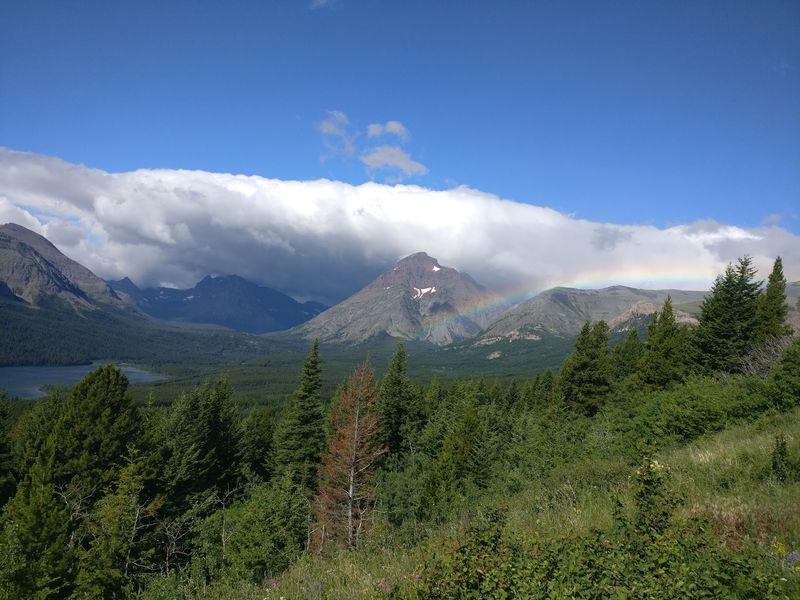
Wild Goose Island is one of the most photographed spots in all of Montana, and you can see it clearly from a paved pullout along the Going-to-the-Sun Road without taking a single step uphill. Saint Mary Lake stretches out beneath a dramatic wall of mountains on Glacier’s east side, and fall adds a layer of color that the summer crowds rarely get to witness.
The lower sections of the Going-to-the-Sun Road typically stay open well into October, even after higher elevations close to vehicle traffic. That means autumn visitors still have access to multiple roadside viewpoints along the lake corridor.
Patches of changing vegetation along the shoreline and hillsides catch the light differently as the season progresses. Always check road conditions before heading out, since weather on the east side of Glacier can shift quickly in September and October.
Whitefish Lake State Park, Whitefish, Montana
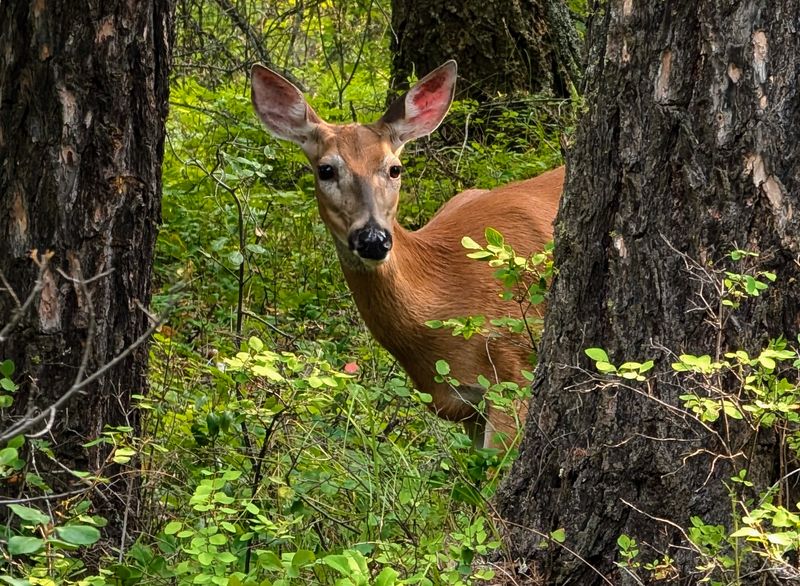
Once the summer boat traffic clears out, Whitefish Lake State Park becomes a genuinely relaxing place to spend a fall afternoon. The park sits just minutes from downtown Whitefish, making it one of the easiest autumn color stops in the Flathead Valley.
The surrounding Whitefish Trail system connects to 15 trailheads around the lake, offering 47 miles of paths at varying lengths. Plenty of those options are short and flat enough for a casual walk rather than a committed hike, so you can cover as much or as little ground as you like.
On clear days, Whitefish Mountain Resort is visible in the distance, and early-season snow on the upper slopes makes for a striking contrast against the golden lakeside trees. Some campsites sit close enough to the water that you can watch the color change from a lawn chair, which honestly sounds like a solid plan.
Wayfarers State Park, Bigfork, Montana
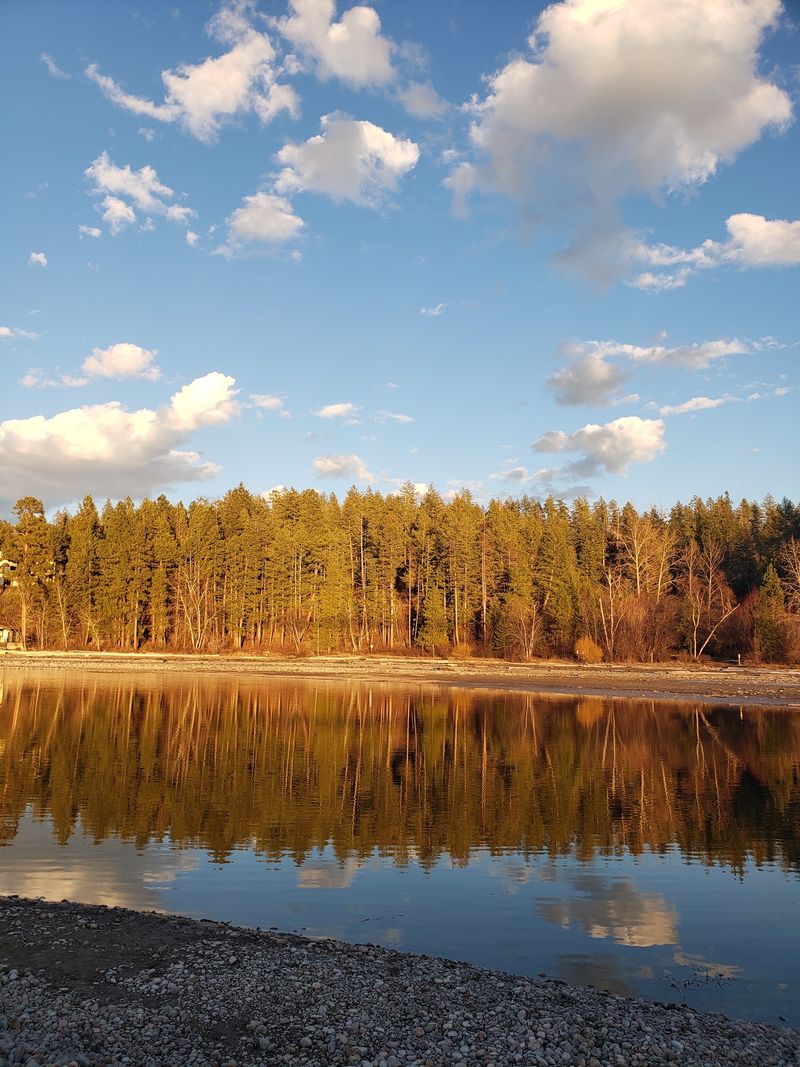
Bigfork is one of those small Montana towns that punches well above its size in terms of scenery, and Wayfarers State Park right on Flathead Lake is a big reason why. The park’s rocky shoreline and low cliffs give visitors natural viewpoints across the lake without requiring any trail map or elevation gain.
Flathead Lake is the largest natural freshwater lake west of the Mississippi River, so the views from the park’s lakefront are genuinely expansive. In autumn, the surrounding trees add color to a panorama that already includes distant mountain ranges and enormous Montana sky.
A permanent dock and boat ramp make this a practical stop for anyone arriving by water as well as by road. The park’s developed areas are easy to navigate, and the combination of shoreline, forest, and mountain backdrop gives photographers plenty to work with on a single visit.
West Shore / Flathead Lake State Park, Lakeside, Montana
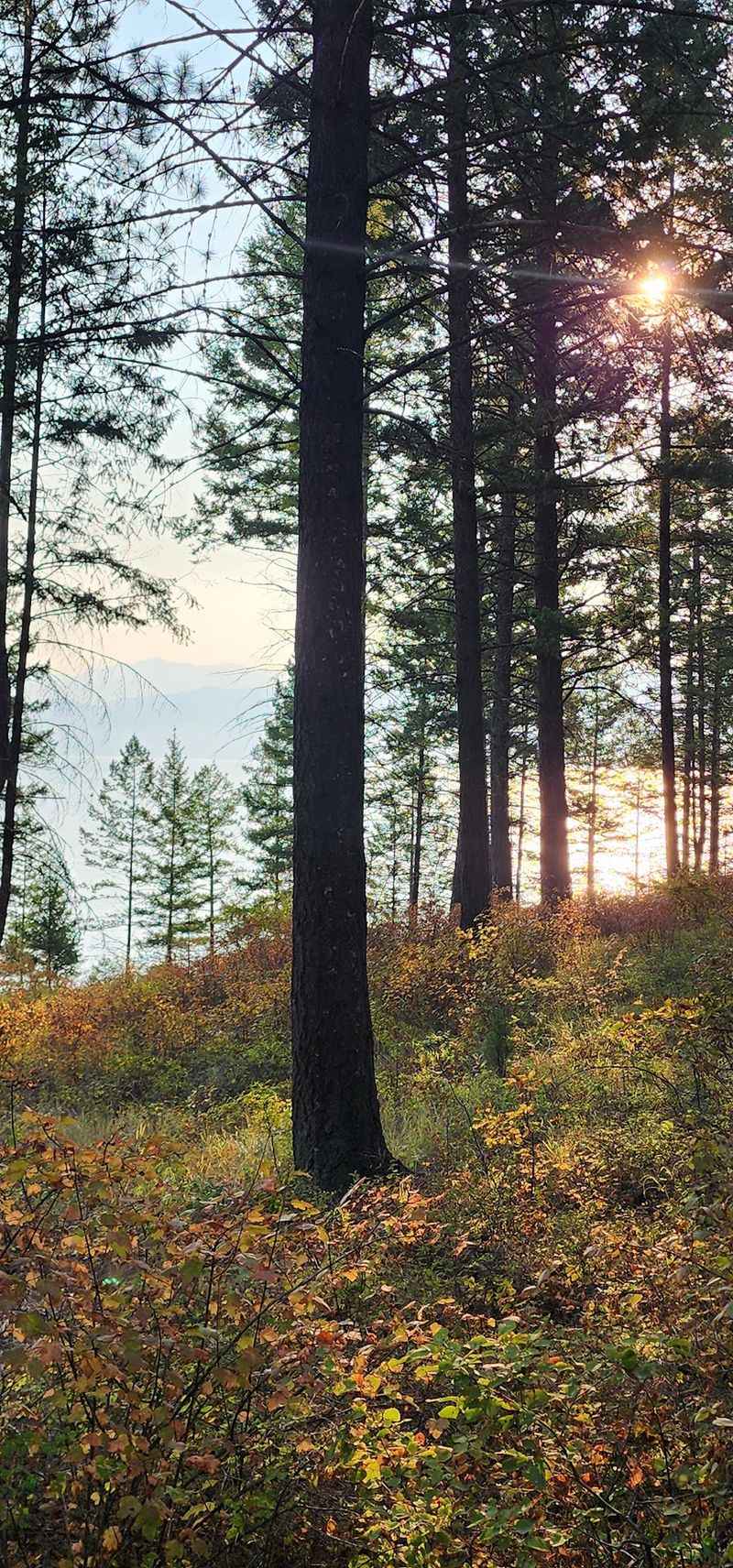
There is a particular satisfaction in driving south from Lakeside on U.S. Highway 93 and watching Flathead Lake appear through a curtain of autumn trees.
The west shore unit of Flathead Lake State Park sits right along that corridor, and the combination of glacially carved dolomite outcroppings, blue water, and forested hillsides makes it one of the more visually layered stops on this list.
A 2-mile loop trail winds through the mature forest and returns to the shore multiple times, giving walkers frequent views of the lake and the Swan and Mission mountain ranges across the water. The terrain stays gentle throughout, with no serious elevation to navigate.
Western larch, fir, and pine all contribute to the fall color palette here. The larch in particular turns a warm gold that holds well into October, long after many other deciduous trees have already dropped their leaves.
Seeley Lake, Seeley Lake, Montana
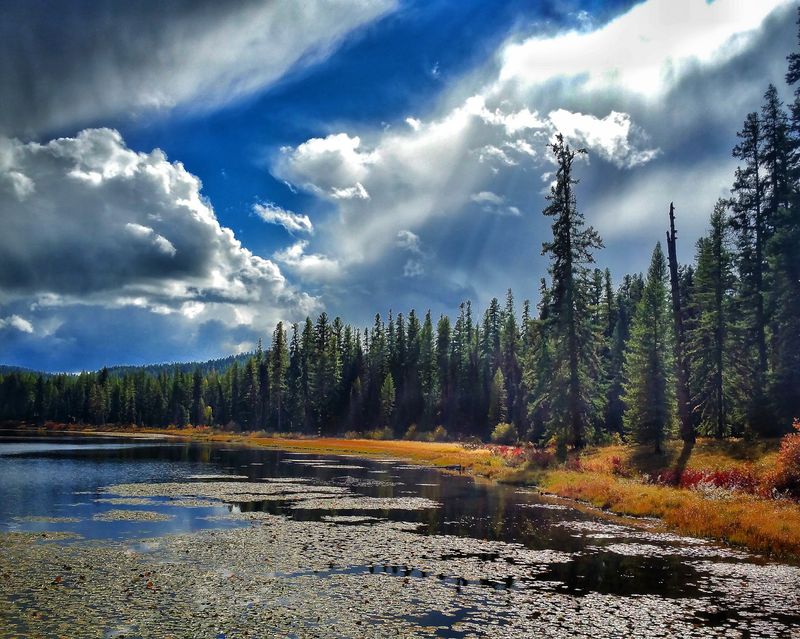
Western larch trees are the main event along Highway 83, and Seeley Lake sits at the center of one of the best larch-viewing corridors in the entire state. Unlike most conifers, larch trees shed their needles every autumn after turning a striking gold, which means a forest that looks evergreen in summer becomes a completely different landscape by October.
The highway itself is a scenic byway between the Mission and Swan mountain ranges, and multiple pull-offs along the route allow for easy viewing without leaving the car. Several lakes in the Seeley-Swan Valley are accessible directly from the road, adding water reflections to the golden tree canopy.
The Morrell Falls Trail, a 5.4-mile round trip with minimal elevation change, is one popular option for those who want a gentle walk through the larch forest. Even a short walk on any of the area’s easier paths puts you right inside the gold.
Salmon Lake State Park, Seeley Lake, Montana
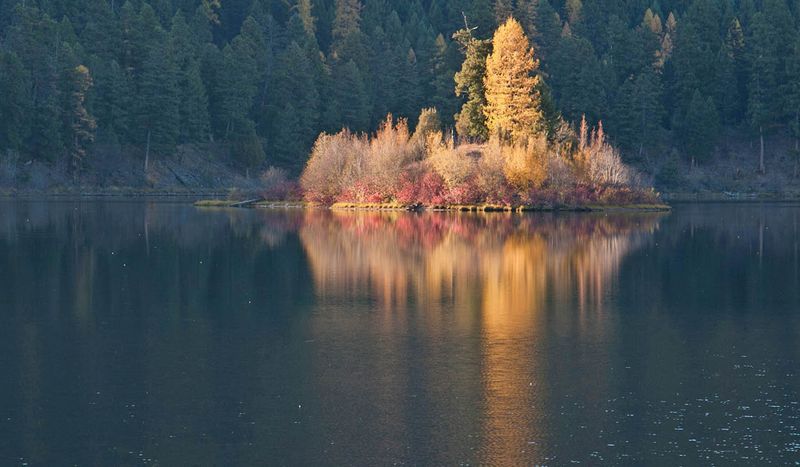
A few miles south of Seeley Lake on Highway 83, Salmon Lake State Park offers another easy entry point into the Clearwater Valley’s fall color. The park is directly accessible by road, so there is no long approach drive on gravel to worry about before you arrive at the water.
Western larch trees ring the lake and turn a reliable gold each October, and their reflection in the calm water doubles the visual effect. Fall is widely considered the park’s most scenic season, partly because the summer crowds have thinned and the landscape has taken on a quieter, more settled character.
Gentle shoreline paths allow for easy walking without any significant inclines. Birdwatching is productive here in autumn as well, since the area supports a wide variety of species preparing for the season change.
A picnic near the water makes for a straightforward and very pleasant afternoon outing.
Painted Rocks State Park, Darby, Montana
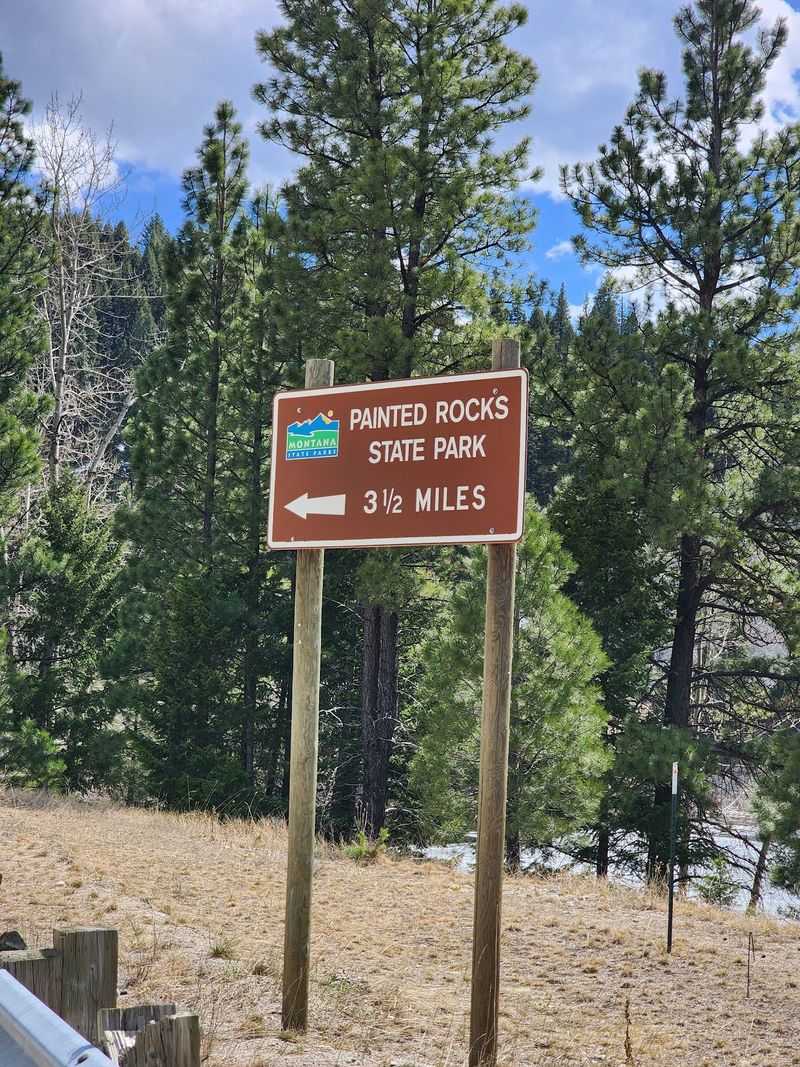
The drive to Painted Rocks State Park through the West Fork Valley is worth the trip on its own. The road follows the West Fork of the Bitterroot River through a narrow valley flanked by granite and rhyolite cliffs, and the walls of those cliffs are covered in green, yellow, and orange lichens that give the park its name and add an unexpected pop of color even before the trees get involved.
The reservoir at the center of the park sits in a quiet pine-forest setting with picnic areas, a dock, and other developed facilities that make it easy to spend a few hours without any trail ambitions. Fall brings a noticeable quietness to the area as summer visitors move on.
The surrounding Bitterroot Mountains provide a dramatic backdrop, and the combination of the reservoir, the lichen-covered cliffs, and the autumn forest creates a distinctive visual palette that is hard to find anywhere else in Montana.
Travelers’ Rest State Park, Lolo, Montana
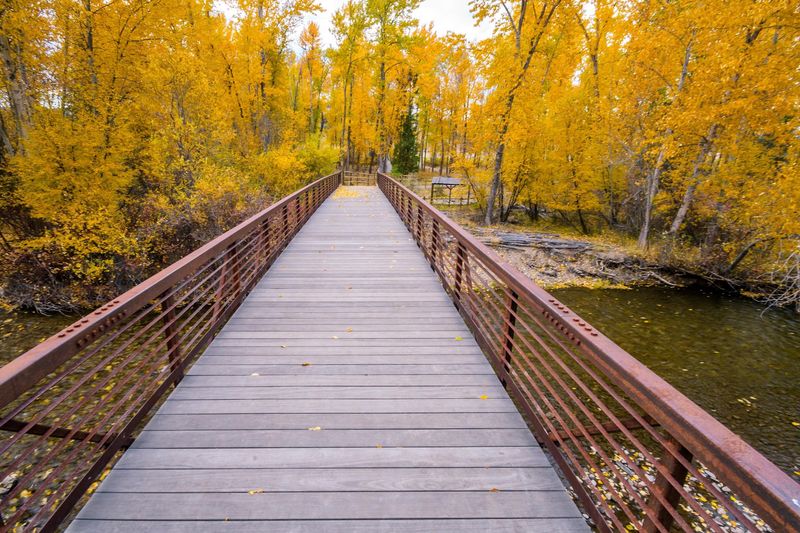
Not many parks can offer both a fall color walk and a verified connection to Lewis and Clark on the same afternoon. Travelers’ Rest State Park near Lolo is one of the few places in the country archaeologically confirmed as a campsite used by the Corps of Discovery, in both 1805 and 1806.
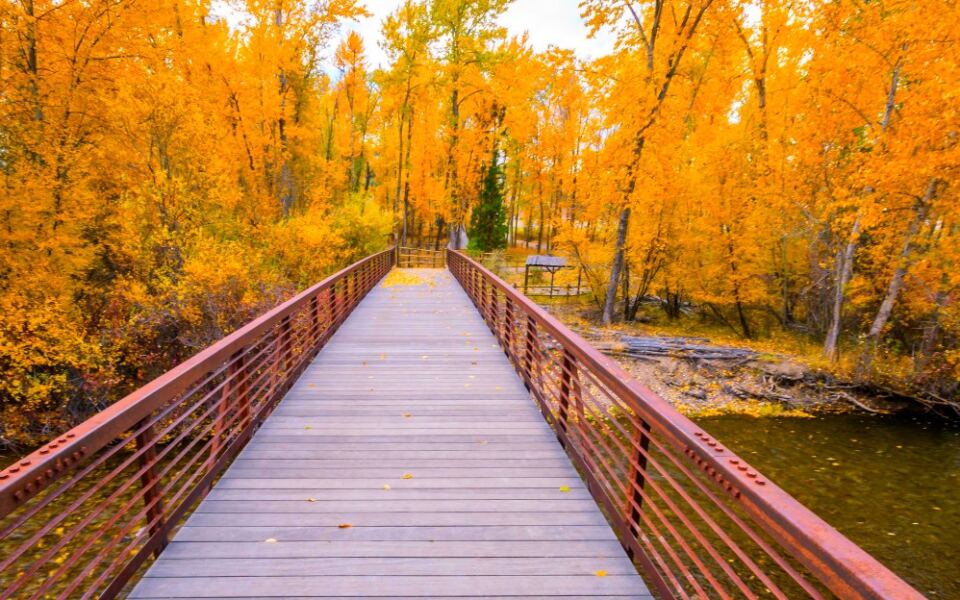
Lolo Creek runs through the park, and the cottonwoods and willows along its banks turn a clean yellow in autumn. Easy walking loops of roughly 1.5 miles guide visitors past interpretive exhibits and historical landmarks at a very manageable pace.
More than 115 bird species have been recorded in the park, so a slow walk with binoculars in hand is a productive use of time here. Vehicles with Montana license plates enter free, making this one of the more accessible and historically rich fall stops on the entire list.
Lone Pine State Park, Kalispell, Montana
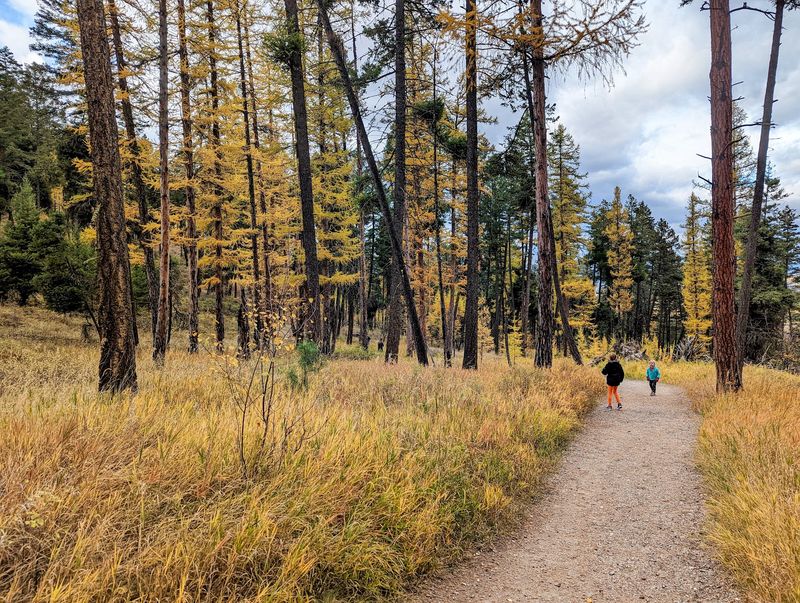
Lone Pine State Park has a visitor center with wraparound decks, and those decks might deliver the most panoramic view of the Flathead Valley available from any single developed spot in the region. On a clear autumn day, the view takes in Flathead Lake, Big Mountain, the Jewel Basin, and the distant peaks of Glacier National Park all at once.
The park sits on a hillside just outside Kalispell, making it a quick and convenient stop rather than a destination requiring significant planning. Over seven miles of trails wind through the property at various lengths, with several shorter options that reach the overlooks without demanding much from your legs.
Interpretive displays inside the visitor center cover local wildlife and forest ecology, adding an educational component to what is already a visually rewarding stop. Fall color on the hillside below the decks frames the valley view in a way that summer simply cannot match.
Giant Springs State Park, Great Falls, Montana
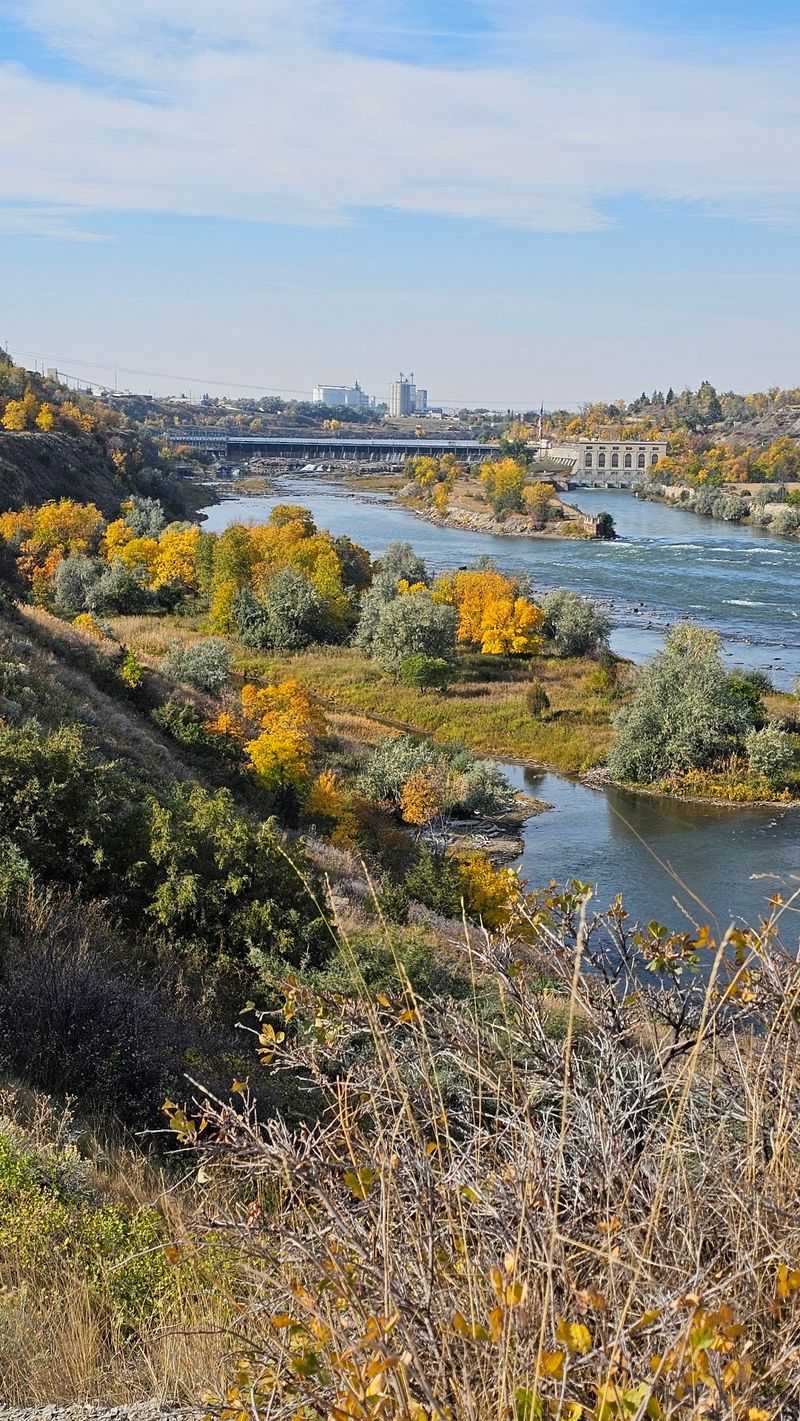
Giant Springs puts a different kind of Montana fall on the table. Rather than alpine lakes and larch forests, this park centers on one of the largest freshwater springs in the United States, where clear water emerges at a constant temperature year-round and flows directly into the Missouri River.
The developed park is easy to explore at any pace, with paved sections around the main spring that are fully accessible regardless of mobility level. The River’s Edge Trail runs through the park along the Missouri River and is lined with cottonwood and silver poplar trees that turn a vivid gold in autumn, offering miles of gentle, flat walking.
Picnic areas sit among mature trees near the water, and the spring’s deep turquoise pool provides a striking visual centerpiece. The Lewis and Clark Expedition camped near here in 1805, and interpretive signage throughout the park connects the natural setting to that historical context.
Missouri Headwaters State Park, Three Forks, Montana
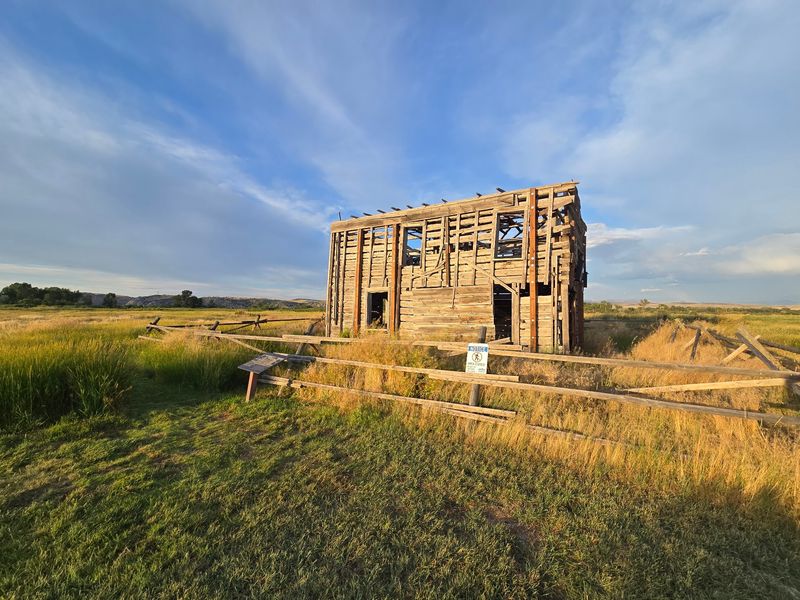
Three rivers walk into a bar, and the result is the Missouri River. At Missouri Headwaters State Park, the Jefferson, Madison, and Gallatin rivers converge at a spot that carries both geographic significance and a direct connection to the Lewis and Clark Expedition, which passed through in 1805.
The park’s trails are mostly flat and well-marked, following the river systems through open country with waterside vegetation that turns golden in autumn. Interpretive signs placed along the routes explain the historical and ecological significance of the confluence, so a leisurely walk here also doubles as a history lesson.
The open river landscape gives the park a wide, expansive quality that feels different from the enclosed forest settings of the parks farther west. Picnic areas near the water make it easy to settle in for a while, and the surrounding mountain backdrop adds depth to what is already a compelling autumn scene.
Bannack State Park, Dillon, Montana
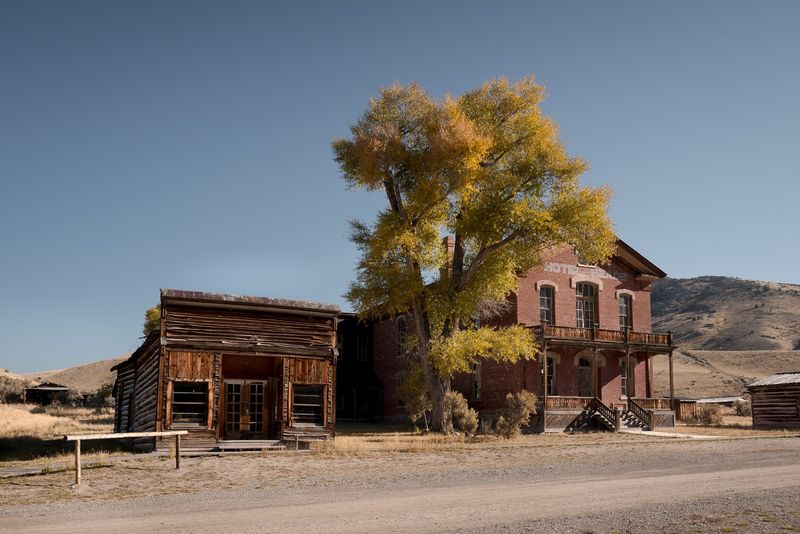
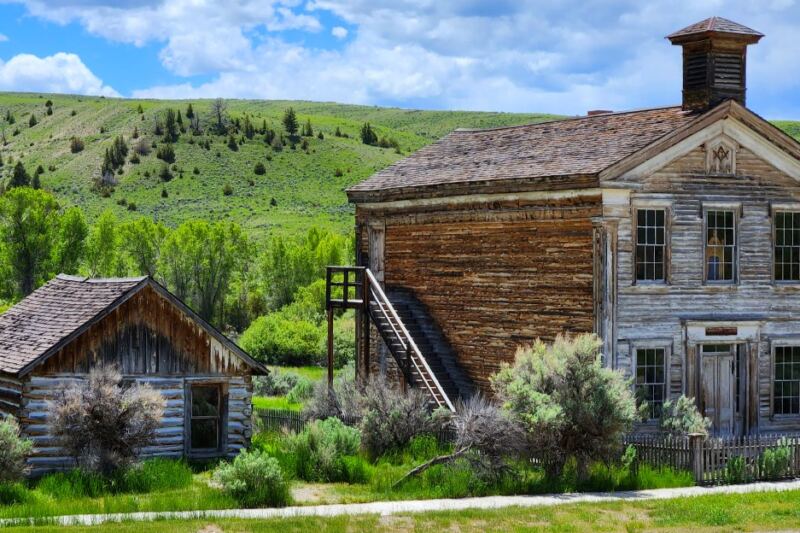
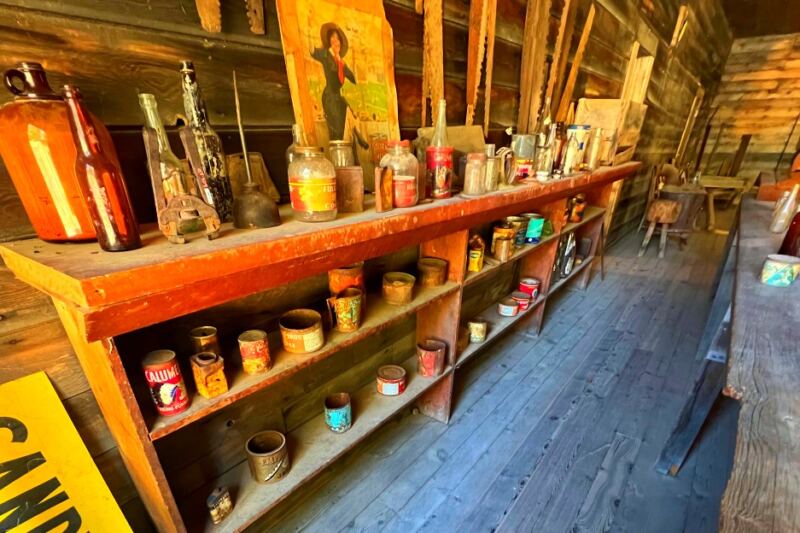
Bannack is the kind of place that makes you forget you drove two hours to get there. Montana’s first territorial capital and one of the best-preserved ghost towns in the American West, the park contains more than 50 historic wooden structures still standing along its Main Street, including a hotel, a church, a masonic hall, and a jail.
Fall strips away the summer interpretation events and leaves the town in a quieter, more contemplative state. The surrounding landscape of rolling hills, the Grasshopper Creek corridor, and scattered cottonwood trees adds genuine seasonal color to an already striking visual setting.
The park remains open year-round, and autumn visits tend to involve far fewer people than the busy summer ghost town events. Walking through Bannack in October, with the historic buildings framed by fall foliage and open Montana sky, is a low-effort experience that stays with you well after you have driven back down the valley.
Share this story