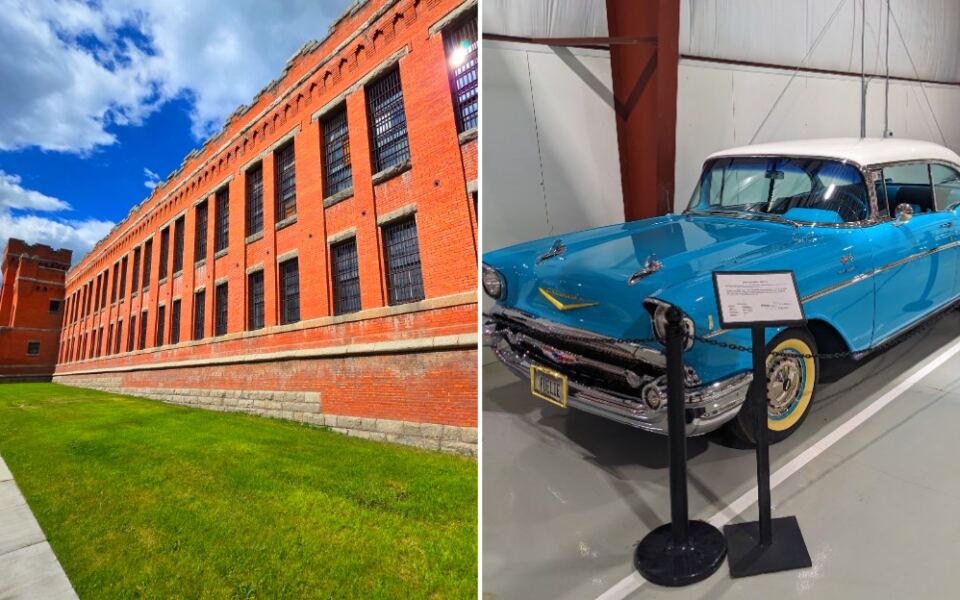
A former Montana prison that held inmates until 1979 now lets visitors explore historic cell blocks and see more than 200 classic vehicles on the same ticket. The Old Montana Prison Complex in Deer Lodge combines prison history with one of the state’s most unusual automobile collections.
The prison opened in 1871 and witnessed a deadly riot in 1959. Today, visitors can walk through its original buildings before heading to the Montana Auto Collection, where vehicles range from early automobiles to modern classics.
One admission also includes three additional museums, making this Interstate 90 stop much bigger than it first appears.
Where Cell Blocks Meet Chrome
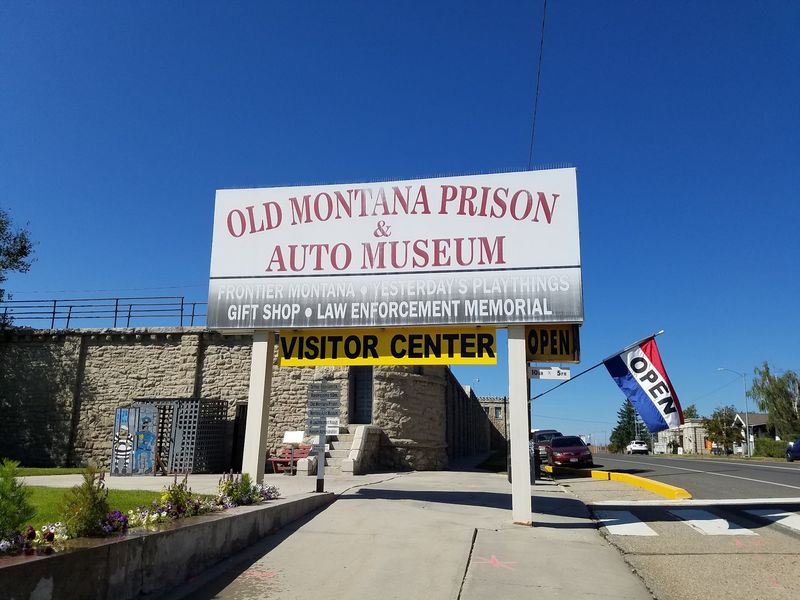
Two very different stories share one city block in western Montana. The Old Montana Prison & Auto Museum Complex sits at 1104 Main St in Deer Lodge, Montana, in the United States.
Here, a historic prison and a large collection of vintage vehicles live side by side. It sounds like a strange combo, and honestly, that is a big part of the appeal.
The prison was the first one built in Montana Territory. It stayed in use until 1979, so its walls hold more than a century of stories.
Right next door, the auto museum holds well over 100 cars. Some date to the early 1900s, while others are much newer and a few are just plain quirky.
Deer Lodge sits along Interstate 90, which makes it an easy detour. Many people spot a highway sign and decide to take a quick look, then realize quick was not the right word.
I find the setup clever because it pleases two kinds of travelers at once. A history buff and a car fan can both leave happy without arguing over the itinerary.
The prison is where most visits begin, and its story starts long before Montana became a state.
A Territorial Prison That Ran Until 1979
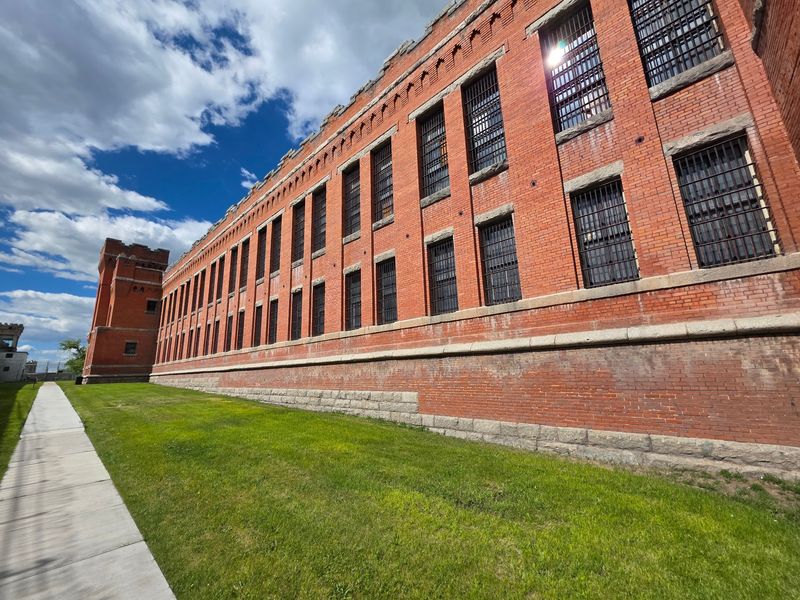
Montana was still a territory when this prison opened its gates. That early start makes the site an important piece of the state’s past.
Inmates built much of the prison themselves over the years. The massive walls you see today came from that labor, which adds weight to every brick and stone.
Operations continued here until 1979. After that, the state moved inmates to a newer facility, and the old buildings slowly became a museum.
Walking the grounds now means seeing real cell houses rather than recreations. The rows of tiny cells show just how little space each person had.
Small details tell big stories. Pay attention to the thick doors, the narrow windows, and the heavy locks that once controlled daily life.
The walls seem tall and solid from every angle. Even so, some guests wonder how nobody managed to climb over them.
I think knowing the timeline makes the visit hit harder. This was not a place frozen in the Wild West era, because people lived here within living memory.
That recent history also explains why one event in 1959 still gets so much attention.
The 1959 Riot Story
April 1959 brought the most famous chapter in this prison’s history. A riot broke out inside the walls and lasted for several tense days.
The uprising ended with the National Guard stepping in. Sadly, the deputy warden lost his life during the event, which makes this part of the tour serious and sobering.
Exhibits and placards walk you through what happened. They explain the conditions, the people involved, and how the standoff finally came to an end.
Many guests say this story stays with them long after they leave. It shows the human side of prison life in a way a simple building cannot.
Families with younger kids might want to preview this section first. The facts are shared respectfully, but parents can decide how much detail to explain.
I appreciate that the museum does not turn this event into a gimmick. It treats the history with care, which helps visitors understand why prisons changed over time.
Take your time reading the displays here. They offer context that makes the rest of the prison grounds feel more meaningful, especially the quiet corners away from the main cell blocks.
Isolation Cells and Quiet Corridors
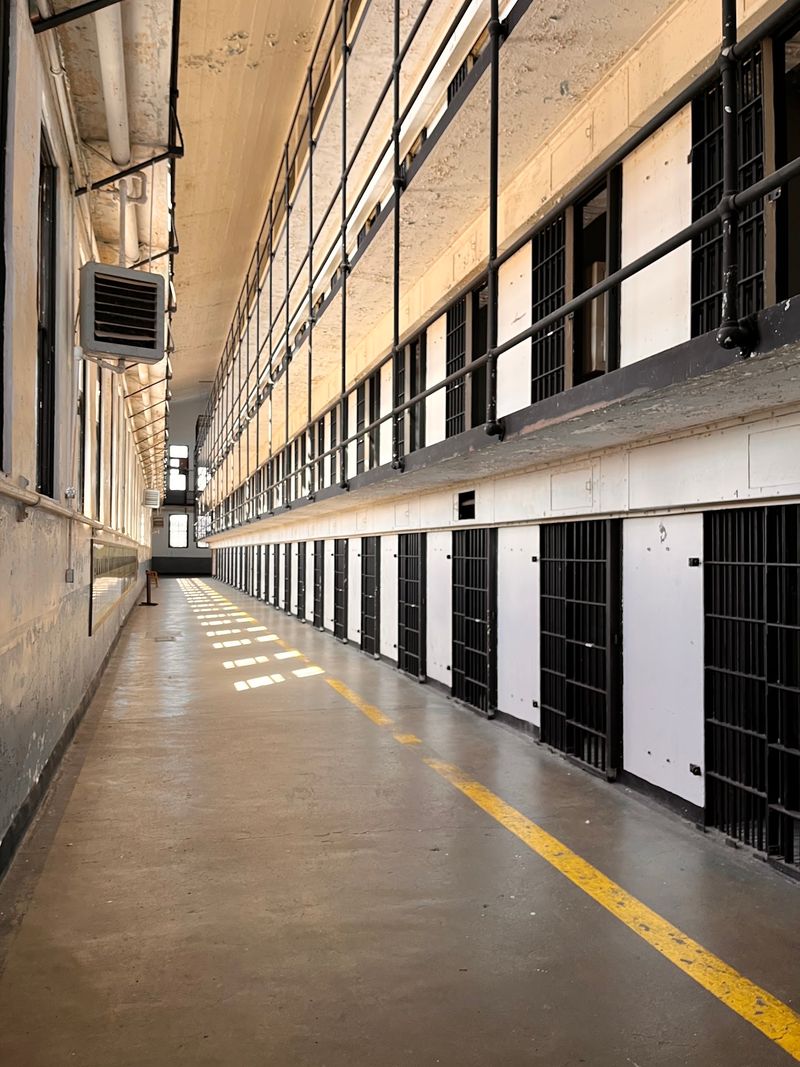
Silence feels different inside an old cell house. Plenty of visitors describe the prison as quiet and a bit spooky, even on a bright afternoon.
The isolation cells are a big reason for that mood. These small, dark rooms were used to punish inmates who broke the rules.
Standing near them helps you understand prison discipline in a very real way. It is one thing to read about solitary confinement and another to see the space up close.
The tour here is self-guided with a map. You can move at your own pace and pause wherever something catches your eye.
Photos and signs line the route, so there is plenty to read. Some guests snap pictures of the signs to finish reading later at home, which is a smart trick if time runs short.
I would wear comfy shoes for this part. The grounds include several buildings, and you will want energy left for the car museum.
Guided tours have also been offered, and some guides bring real passion to the stories. Ask at the front desk about current options, since that spooky feeling inspires some special events too.
Ghost Tours and Haunted Nights
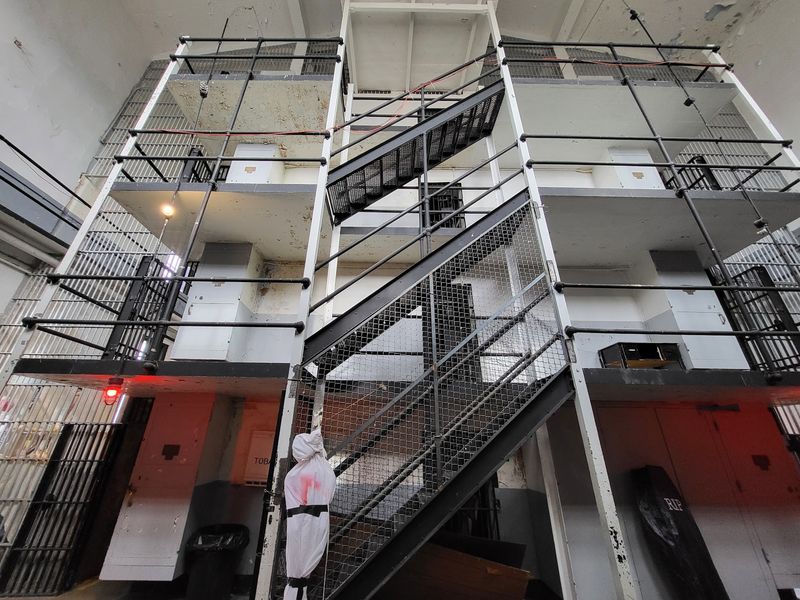
Old prisons attract ghost stories, and this one has plenty of fans who love a good chill. The complex has offered ghost tours and paranormal experiences for curious guests.
Some visitors even mention an overnight ghost hunt option. Spending a night inside historic prison walls is not for everyone, but thrill seekers clearly enjoy the idea.
Around Halloween, the prison has been decorated for a haunted house event. Guests who arrive during that season sometimes get a bonus spooky experience on top of the regular tour.
These events change from year to year. Check the official website before planning a trip around one, since dates and details can shift.
Even without a ghost tour, the regular visit carries plenty of mood. Dim halls and creaky spaces do a lot of work on their own.
I like that these programs give people another reason to come back. A daytime history visit and an evening paranormal tour feel like two very different trips.
Whether you believe in ghosts or not, the stories add fun. And once your nerves need a break, the next building offers something far shinier to look at.
Room After Room of Classic Cars
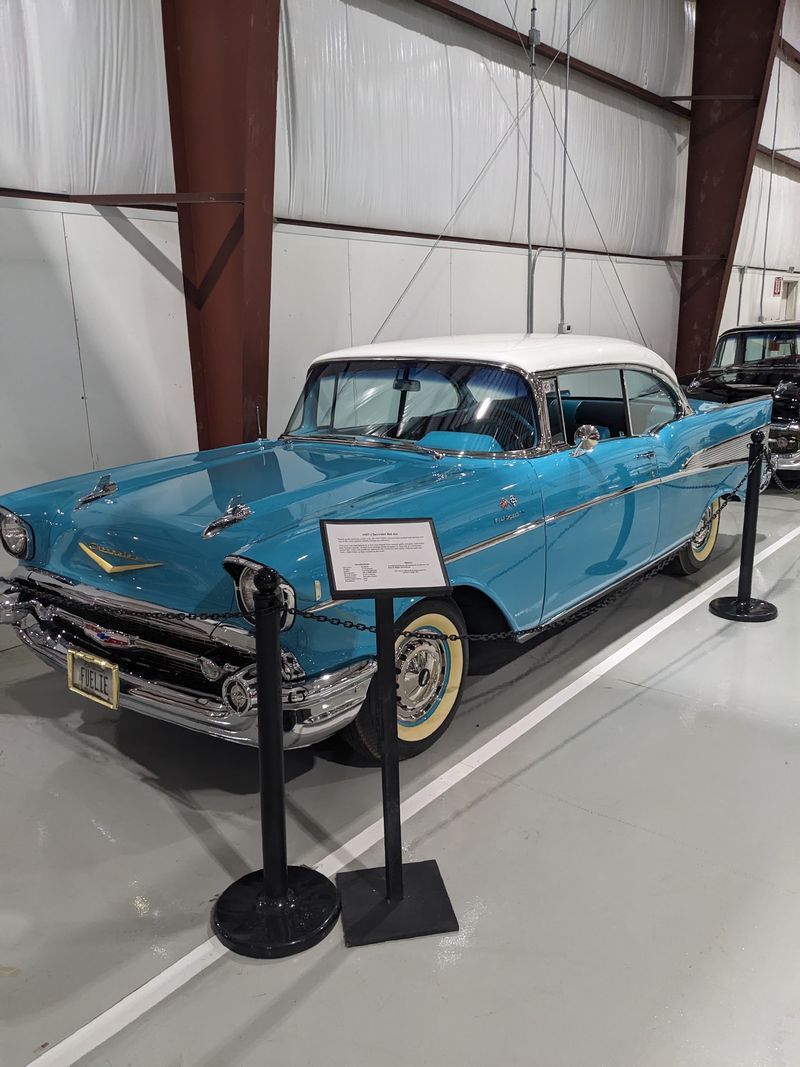
Here comes the part that surprises almost everyone. The Montana Auto Museum holds well over 100 vehicles, and many guests count around 200.
The cars fill room after room, and the collection keeps going longer than you expect. One visitor called it deceptively large, which sums it up nicely.
Vehicles are arranged by decade, so you can trace how cars changed over time. Early models from the first years of the 1900s lead the way toward later classics.
The rooms are well lit, and the cars are presented in clean, polished condition. That makes it easy to admire the details, from chrome trim to big round headlights.
You do not need to be a car expert to enjoy it. Even guests who say cars are not their thing often leave impressed.
Some vehicles have fewer descriptions than others. If you love deep technical facts, a phone search can help fill in the gaps.
I would budget real time for this building. Rushing through would mean missing the oddball models tucked between the familiar ones, and a few of those have surprising backstories.
Quirky Rides and a TV Star Truck
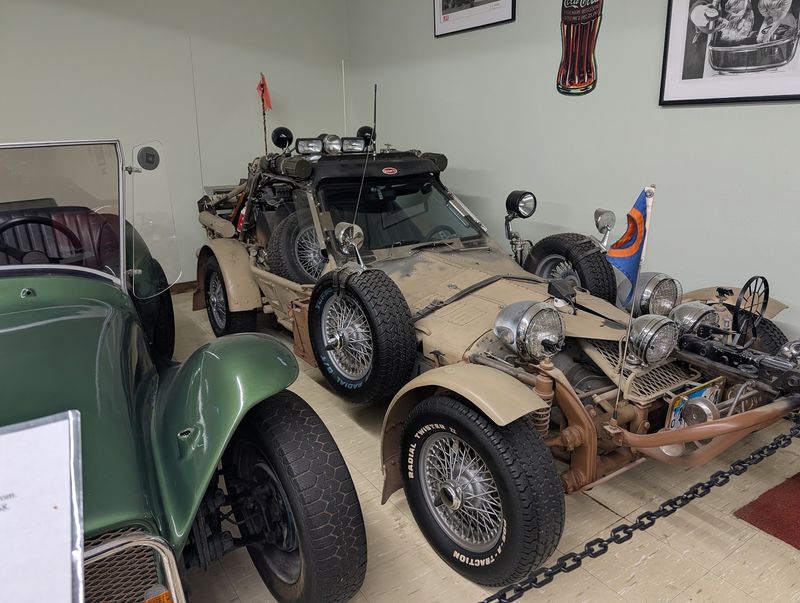
Not every car here is a polished showpiece. Some of the most talked about vehicles are delightfully odd.
Car fans may recognize the Raunchero from the online show Roadkill. Spotting a vehicle from a show you have watched adds a fun moment to the tour.
Mixed among the classics are unusual models from many manufacturers. Early brands that disappeared long ago sit near names everyone knows today.
This variety keeps the walk interesting. Just when you think you have seen every style, another strange design rolls into view.
Kids often enjoy guessing what each car was used for. It turns the visit into a game rather than a long walk past bumpers.
Some car lovers wish the hoods were open on vehicles with unusual engines. That would be a treat, but the outside designs still give plenty to study.
I find these quirky pieces the most memorable. A perfect classic is nice, but a weird one gives you something to talk about on the drive home.
And the fun does not stop at the car doors, because your ticket stretches across the street.
One Ticket, Five Museums
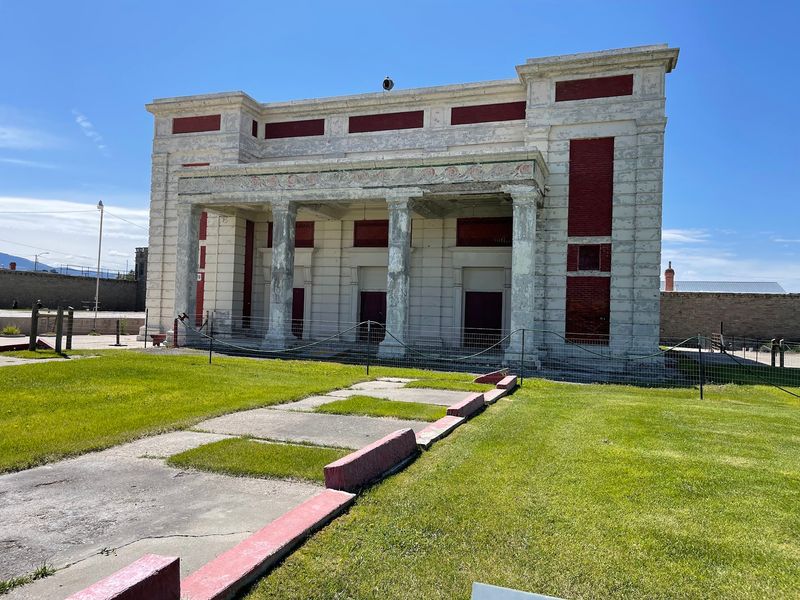
Value is a big part of this stop. One admission covers the prison, the auto museum, and several more museums within about a block.
Across the street, you can explore the Frontier Montana Museum. It features Western items and a large collection of firearms that history fans enjoy.
A toy museum brings back childhood memories for many adults. Old games, dolls, and playthings make it a favorite for families.
There is also a hobby museum filled with handmade collections. It feels personal and creative, and some guests call it inspiring.
The museums sit close together, so walking between them is easy. You can park once and spend the day on foot.
Guests have reported that tickets allow a return visit within a year. Confirm the current policy at the desk, since that perk can make a long day less rushed.
I think this setup is smart for road trippers. Seeing it all in one afternoon is tough, so splitting it across two days feels relaxed.
After that much walking, you will probably want a snack and a little shopping.
Ice Cream, Crafts, and a Gift Shop Stop
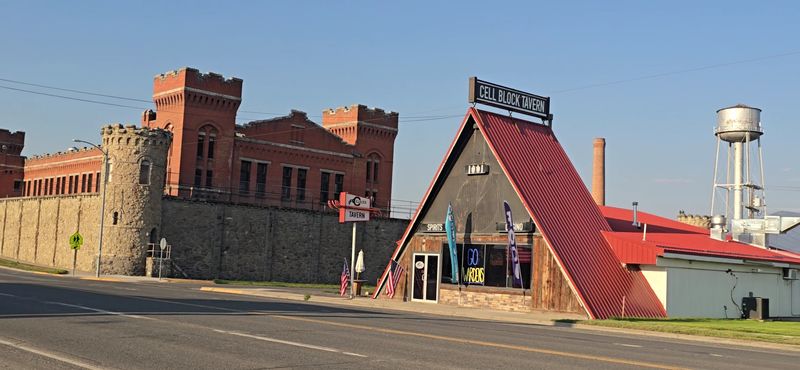
Sweet treats wait at The Prison Cow, an ice cream spot right at the complex. Some travelers stop just for a cone and end up touring the whole place.
That is a pretty great accident. A quick snack turning into hours of history might be the best kind of detour.
The on-site store carries art, T-shirts, pottery, and other souvenirs. It is a pleasant place to browse while waiting for a tour to start.
Visitors also mention handmade crafts like horsehair and beaded pieces. These detailed items show real patience and skill.
Some crafts for sale are made by current inmates. Buying one can support people working to build a better future.
I like that a souvenir here can carry a real story. It feels more meaningful than a random magnet.
Bring a little extra room in your bag if you enjoy handmade goods. You might not plan to buy anything, but the craftsmanship can change your mind.
With a cone in hand and a bag of keepsakes, it is a good moment to think about timing your visit well.
Smart Tips Before You Go
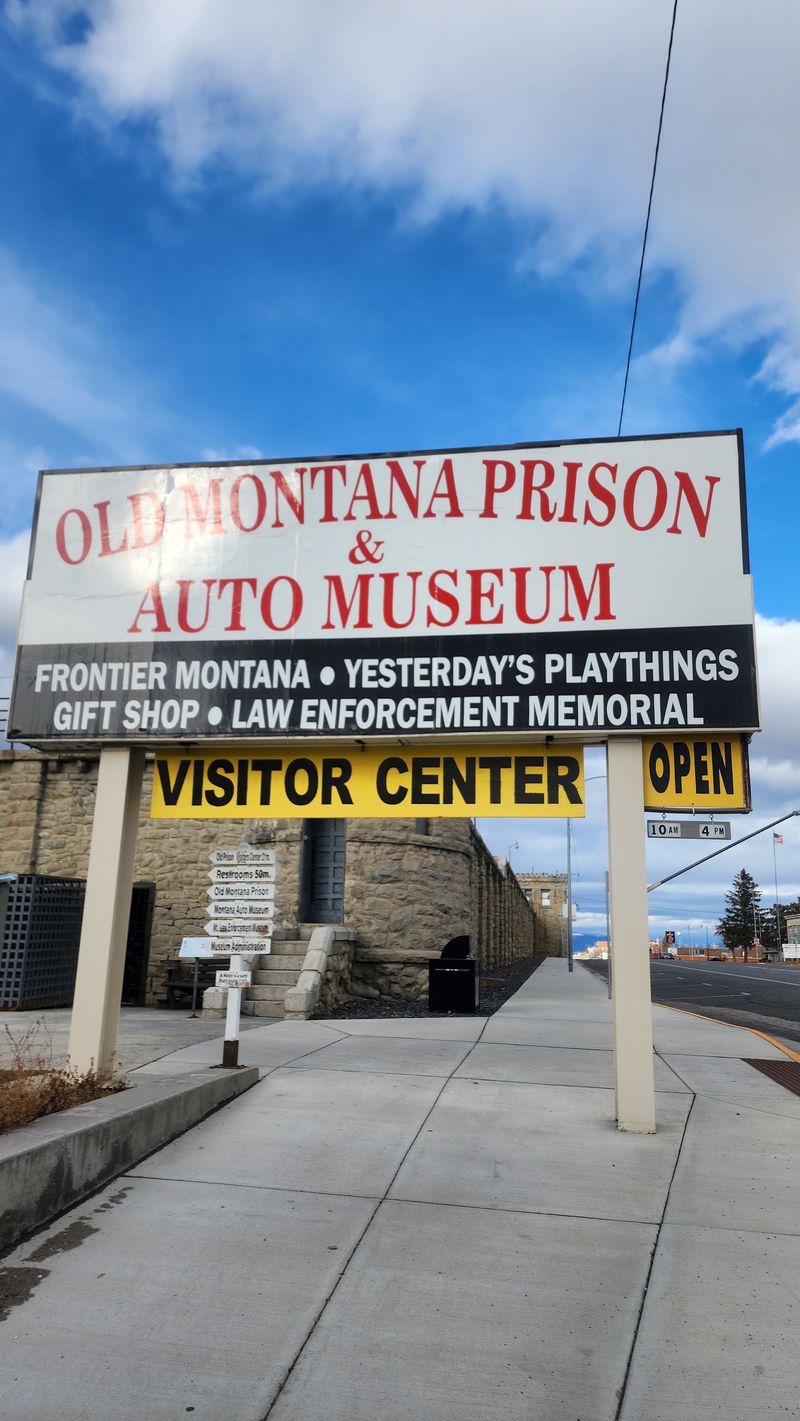
Time is the number one thing people underestimate here. Many guests plan a quick look and stay two hours or more.
To see every museum properly, a full day works best. If you only have a few hours, start with the prison and the cars.
The complex is listed as open daily from 10 am to 4 pm. Hours can change by season, so check the official website before you go.
Arriving early gives you breathing room. Showing up near closing may mean choosing just one museum.
Ask about discounts at the front desk. Some travelers have mentioned savings with AAA membership.
Deer Lodge sits along Interstate 90 between Butte and Missoula. That makes it an easy stop on the way to places like Glacier National Park.
Wear comfortable shoes and bring a phone with plenty of battery. Snapping photos of signs lets you catch up on details later.
I would also pack patience for reading. The stories on the placards are what turn old walls and old cars into something you remember long after you drive away.
Share this story