America is packed with places so special that the whole world wants to protect them. Some are wild landscapes with geysers, giant trees, and glowing lava.
Others hold big moments from the nation’s past. Pack a snack and get ready to meet 15 sites that are worth every mile of the trip.
Yellowstone National Park
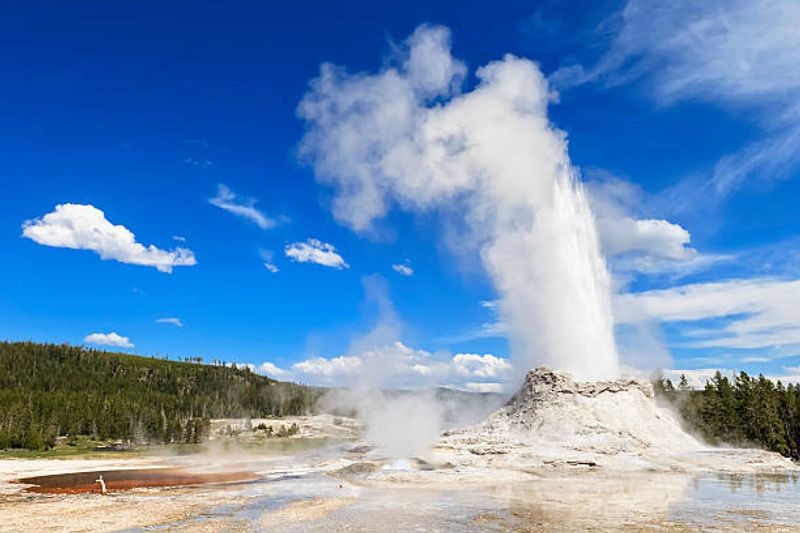
Steam hisses from the ground here, and the whole landscape seems to be quietly boiling. Yellowstone became the first national park in the world in 1872.
It sits across Wyoming, Montana, and Idaho, and it holds nearly half of the active geysers on the planet.
Old Faithful is the star, but the Grand Prismatic Spring gives it a run for its money with rings of vivid color. Bison wander close to the roads, and grizzly bears roam the wilder corners.
The Grand Canyon of the Yellowstone adds waterfalls and deep cliffs to the mix.
The park is open 24 hours a day, so early risers can catch quiet mornings. Sunday mornings tend to be calmer, while Sunday evenings and Saturday mornings fill up fast.
Picnic tables, grills, and restrooms make lunch stops easy, and there are kid-friendly hikes and a playground for smaller explorers.
Both free and paid parking lots are available. Dogs are allowed, though they must stay near roads and parking areas, so plan wildlife watching accordingly.
Give the animals plenty of space and enjoy the show from a safe distance.
Grand Canyon National Park
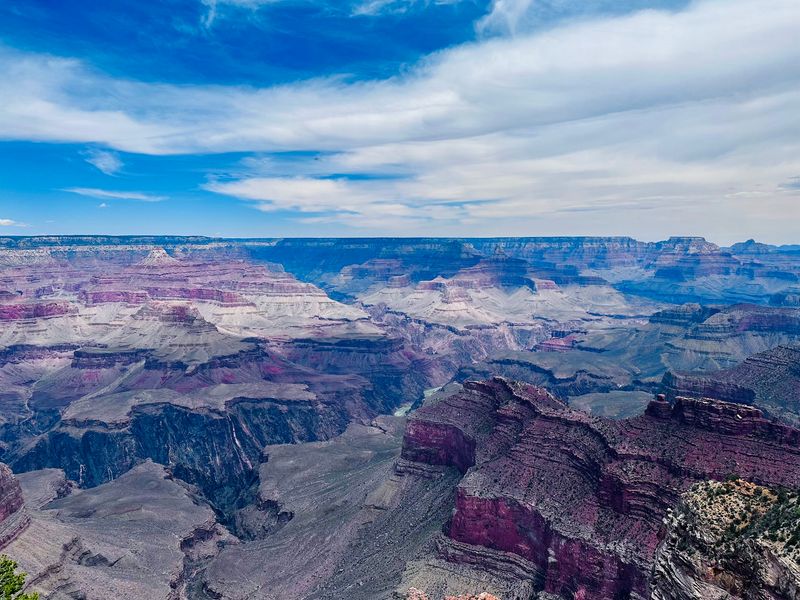
Nothing prepares your brain for the first look over the rim. The canyon is about a mile deep, and the layers of rock stack up like pages of Earth’s oldest diary.
Located in Arizona, it is one of the most famous natural wonders on the planet.
You can hike down into the canyon, ride a mule, or go rafting on the Colorado River. If you prefer to keep your boots dry, scenic overlooks give jaw-dropping views with almost no effort.
Shuttle buses help you hop between viewpoints, and marked trails keep walkers on track.
The park is open 24 hours a day. Afternoons are often the busiest, while Tuesday afternoons and late evenings are calmer.
Cycling lanes, picnic tables, and restrooms are on hand, and there are kid-friendly hikes for families.
Free and paid parking are both available, and dogs are allowed. Bring water, wear a hat, and stay behind the safety rails.
The views will keep you busy for hours.
Yosemite National Park
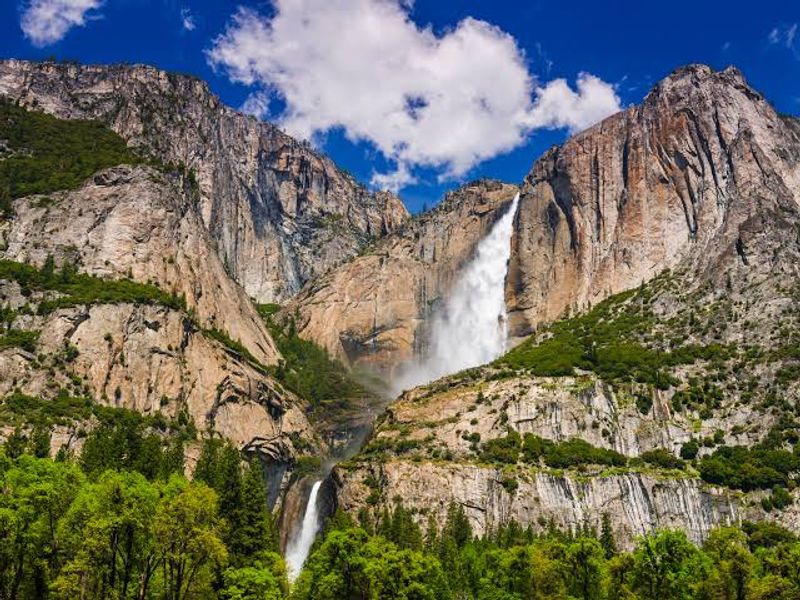
Granite walls this tall make people go quiet and just stare. Yosemite sits in California’s Sierra Nevada, and its cliffs, waterfalls, and giant sequoias make every corner look like a postcard.
El Capitan is the celebrity rock face here.
Hikers can wander among towering trees, and river rafting is another way to see the valley. Higher elevations offer a calmer escape from crowds and heat, with sweeping mountain scenes.
Book lodging well in advance, since rooms vanish quickly, and try to avoid peak periods.
The park never closes. Monday and Wednesday mornings tend to bring more visitors, while Monday evenings and Friday evenings are calmer.
Picnic tables, grills, cycling lanes, and restrooms make it easy to spend the whole day outside.
Families will like the kid-friendly hikes and the playground. Free and paid parking are both available, and dogs are allowed.
Winding roads add to the fun, so take your time and pull over at the viewpoints.
Mesa Verde National Park
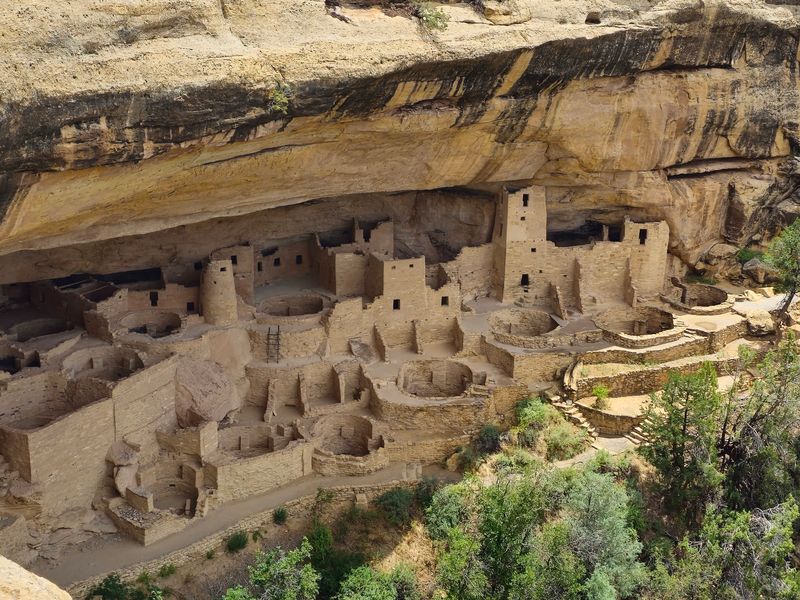
Homes built into a cliff sound like a fantasy, yet here they are. Mesa Verde in southwestern Colorado protects Ancestral Puebloan cliff dwellings from long ago, and many are remarkably well preserved.
The views across the mesas are just as memorable.
Ranger-led tours take you closer to the past. Balcony House, Palace, and Longhouse tours are favorites, and they teach you about the people who lived here.
A driving tour lets you see more from the car, and the visitor center gives helpful background before you head out.
Far View Lodge is a popular place to stay, with big views and easy access to trails. Camping is also available.
Sunday and Thursday mornings tend to be busy, while Friday evening is calmer.
Picnic tables and restrooms are handy, and there are kid-friendly hikes. Free and paid parking lots are available, and dogs are allowed.
Plan for stairs and ladders on some tours, and bring a camera.
Great Smoky Mountains National Park
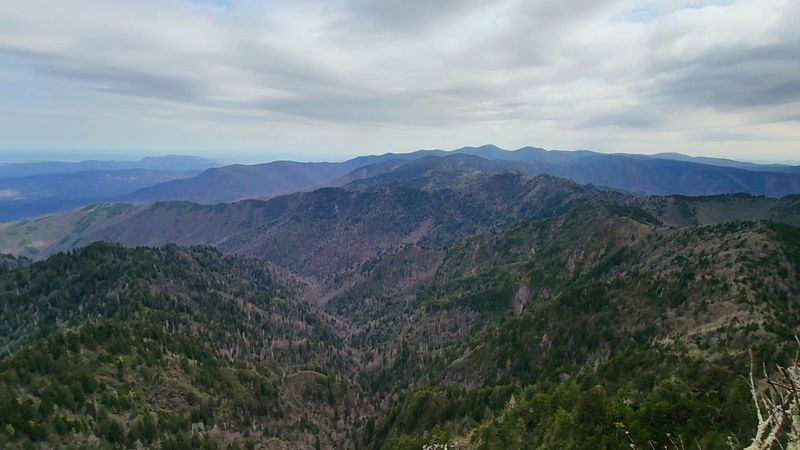
Blue ridges fade into the mist, and the mountains really do look smoky. Straddling Tennessee and North Carolina, this park draws millions of visitors with trails, fishing streams, campgrounds, and plenty of plants and animals.
Sunrise at Clingmans Dome is a big draw, and scenic mountain drives show off waterfalls and colorful foliage. Well-kept trails suit beginners and seasoned hikers alike.
Nearby restaurants make it easy to refuel after a long day outside.
The park is open around the clock. Monday and Saturday afternoons tend to be busiest, while Tuesday night and Saturday evening are calmer.
Picnic tables, grills, cycling lanes, and restrooms are available for lunch breaks.
Kids can enjoy easy hikes and a playground. Free and paid parking are both offered, and dogs are allowed in certain areas.
Pack layers, since mountain weather changes fast, and leave extra time for slow, beautiful drives.
Everglades National Park
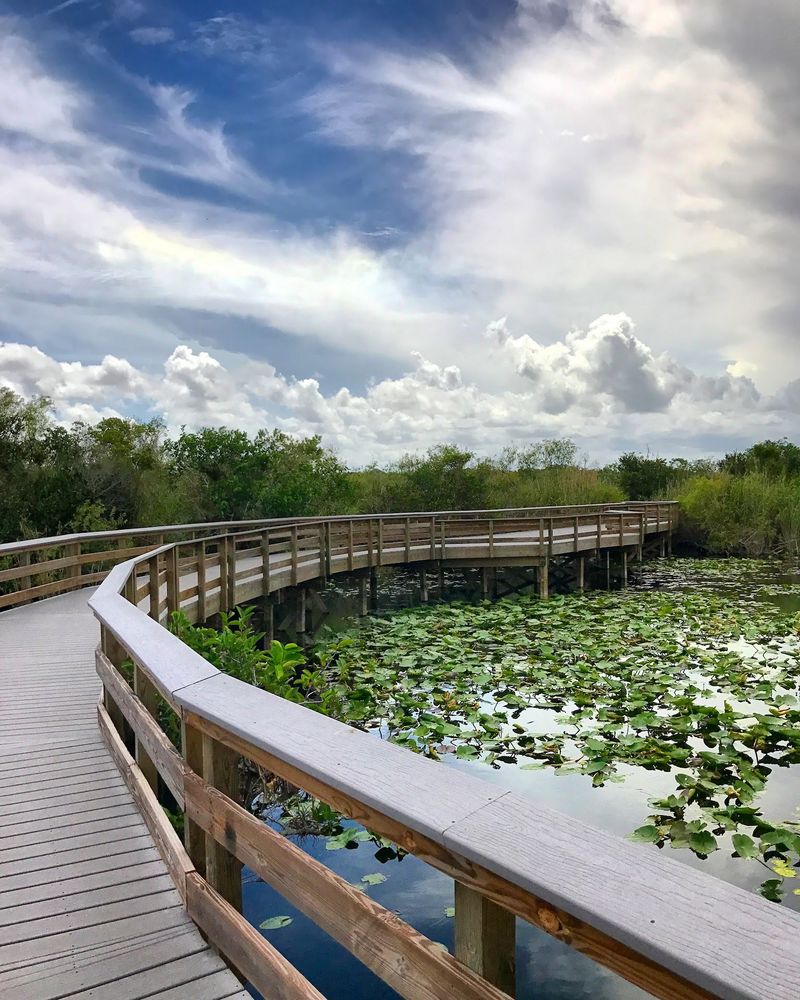
Sawgrass, mangroves, and a very toothy neighbor await in the Everglades. This tropical wetland in southern Florida is famous for up-close views of alligators, crocodiles, and birds.
Many endangered animals depend on the slow flow of fresh water here.
The Anhinga Trail is a easy walk for wildlife spotting, and the Mahogany Hammock adds a shady, leafy detour. Gator tours and a two-hour tram tour offer other ways to explore.
Canoeing and kayaking are popular, and manatees sometimes graze near the boat dock in Flamingo.
The drive to Flamingo is long, but the visitor center and quiet scenery reward the effort. Camping under starry night skies is a highlight for many.
Picnic tables, grills, cycling lanes, and restrooms are available. Kid-friendly hikes and a playground help families.
Free and paid parking are offered, and dogs are allowed. Bring bug spray and sun protection.
Independence Hall, Philadelphia, PA
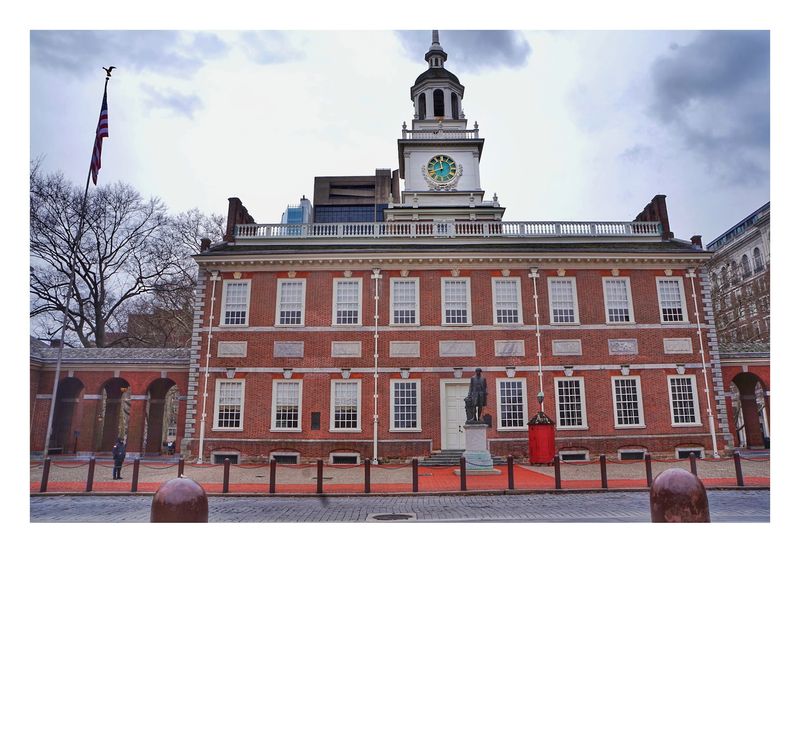
Two of the biggest documents in American history were argued over in one room. Independence Hall stands at 520 Chestnut Street in Philadelphia, and it is where the Declaration of Independence and the U.S.
Constitution were debated and signed. The red brick Georgian building still looks stately.
Park rangers lead tours and share the stories behind the debates. Nearby Congress Hall is part of the complex and offers guided tours of the original congress room.
The Betsy Ross House is also close by, within a short walk.
The site is open daily from 9 AM to 5 PM. Friday and Saturday are the busiest days, so tickets in advance are recommended.
Tours can move quickly, so listen closely and ask questions.
Children can enjoy the history, especially with the stories that rangers share. Free and paid parking options are available, including garages, though city streets can be tricky.
Walking is often the easiest way around.
Statue of Liberty
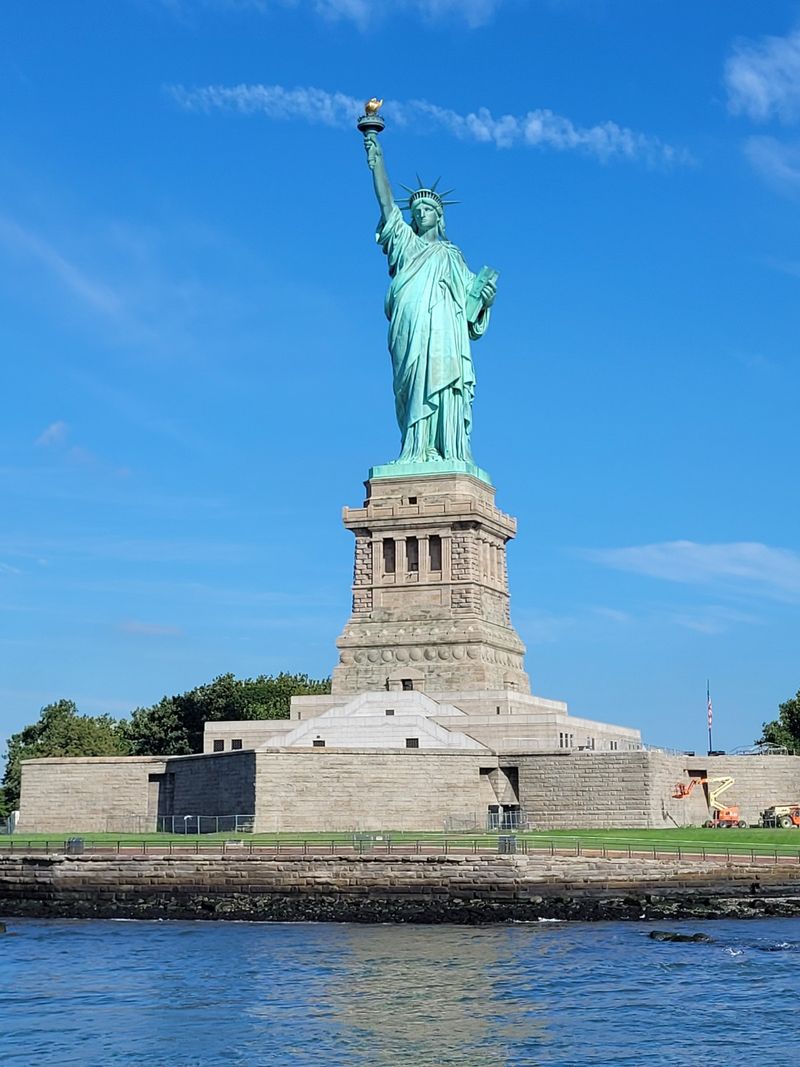
Her torch has welcomed travelers since 1886. The Statue of Liberty stands on Liberty Island in New York Harbor, a gift from France that celebrates freedom and friendship.
In her left hand she holds a tablet marked with July 4, 1776.
Guided tours and a museum tell the story of how she was built. The island is neatly landscaped and run by the National Park Service.
Harbor and city views make the ferry ride part of the fun.
Hours run from 8:30 AM to 6:30 PM daily. Monday afternoons and Fridays and Saturdays are busy, so buy tickets in advance.
Arriving early helps you beat the lines and get clearer photos.
Kids usually love the boat ride and the big views. Free and paid parking options exist, but public transit is often simpler in this part of New York.
Bring a jacket, since the harbor breeze can be cool.
Monticello, Charlottesville, VA
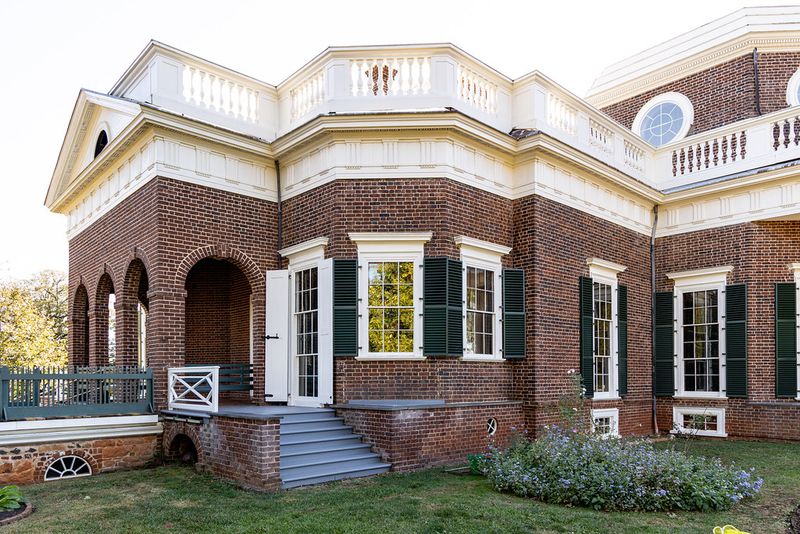
Thomas Jefferson spent more than forty years designing and redesigning his dream home. Monticello, built in 1769 and named for a Italian phrase meaning little mountain, crowns a hilltop at 1050 Monticello Loop in Charlottesville.
It is listed with the University of Virginia as a World Heritage Site.
Tours include a house tour, a self-guided option, and a Slavery at Monticello tour. The slave quarters give a sobering look at the lives of the enslaved people who supported the plantation.
The site honors the whole community of free and enslaved people who lived here.
You will also find a museum and a cafe. Hours are 8:30 AM to 5 PM most days, and until 5:30 PM on Saturday.
Saturday mornings get busy, and evenings are quiet. Tickets in advance are recommended.
Kids can enjoy the grounds and the house. Free and on-site parking make arrival easy.
Mammoth Cave National Park
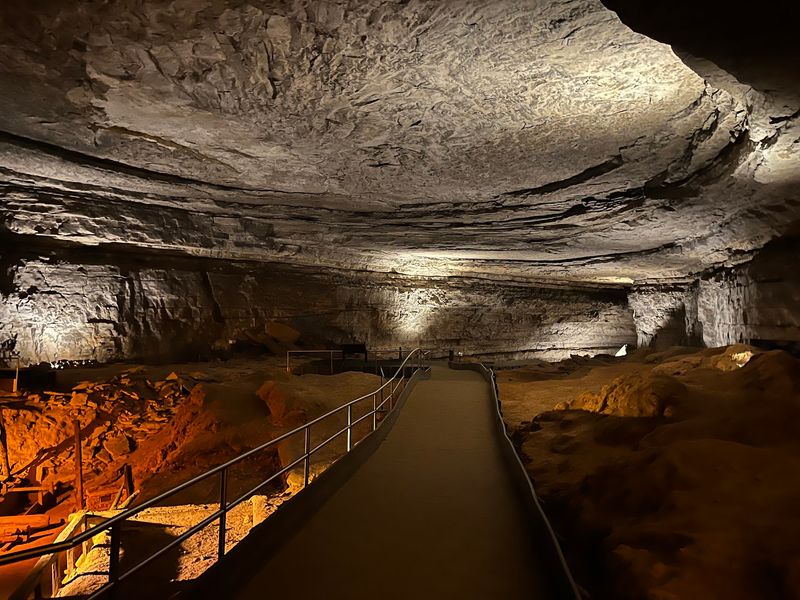
Below the Kentucky hills lies the longest known cave system on Earth. Mammoth Cave offers tours through huge caverns, narrow passages, and metal staircases.
Camera photos never quite capture the size, so you have to experience it yourself.
Tours range from a two-hour walk past stalactites and stalagmites to one that heads 15 flights of stairs into the earth. The cave also holds traces of saltpeter mining and stone huts from an old tuberculosis experiment in the 1800s.
Above ground, two rivers, forests, camping, and hiking fill the rest of your day.
The park is open 24 hours. Weekend afternoons are busiest, and nights are quiet.
Picnic tables, grills, cycling lanes, and restrooms are available.
Kids can enjoy kid-friendly hikes and a playground. Free and paid parking are offered, and dogs are allowed above ground.
Wear sturdy shoes and bring a light jacket, since caves stay cool all year.
Carlsbad Caverns National Park
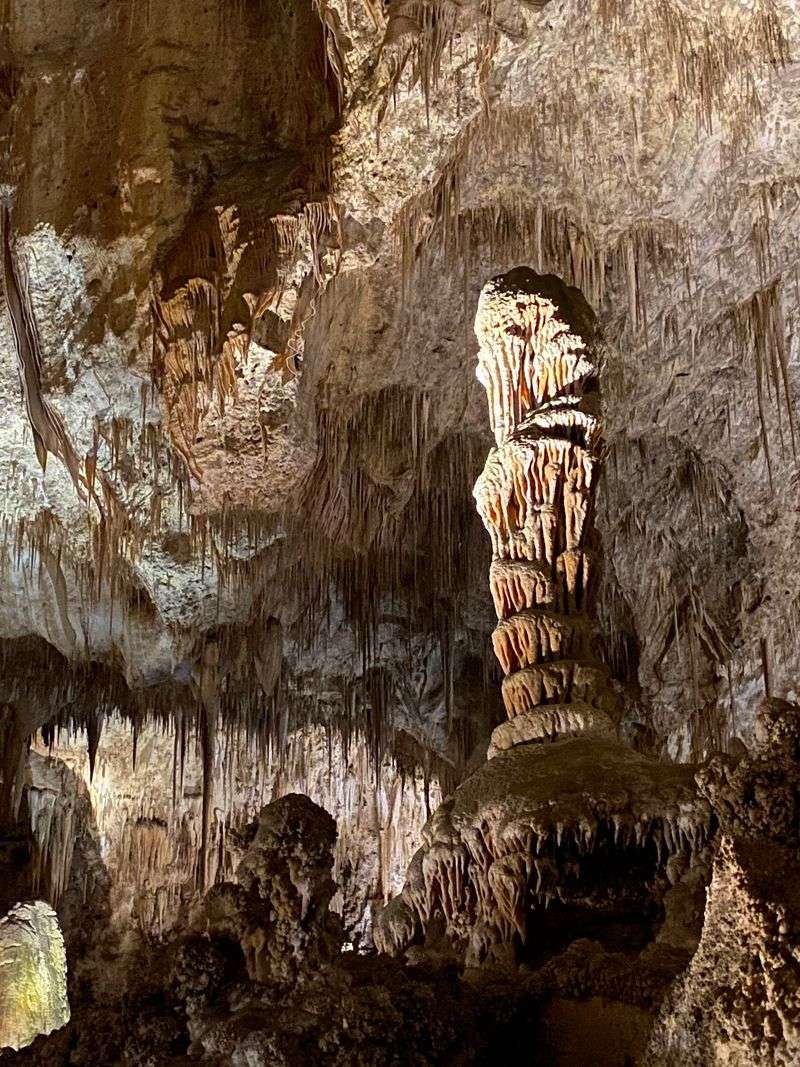
Step inside and the desert heat disappears. Carlsbad Caverns in New Mexico is famous for limestone caves, dramatic rock formations, and hiking trails.
The Big Room is the largest accessible cave chamber in North America.
Lit trails make exploring easy, and stalactites and stalagmites fill the chambers with strange shapes. Walking down deep into the cave feels like entering another world.
Many families take tours and come away with lasting memories.
The park is open daily, and it sits at 3225 National Parks Highway in Carlsbad. Weekend afternoons and Saturday mornings are the busiest, while evenings and nights are calmer.
Picnic tables and restrooms are available near the visitor areas.
Kid-friendly hikes make it a good family stop. Free and paid parking are available.
Wear shoes with good grip, since cave paths can be damp, and bring a light layer for the cool air underground.
Olympic National Park, Port Angeles, WA
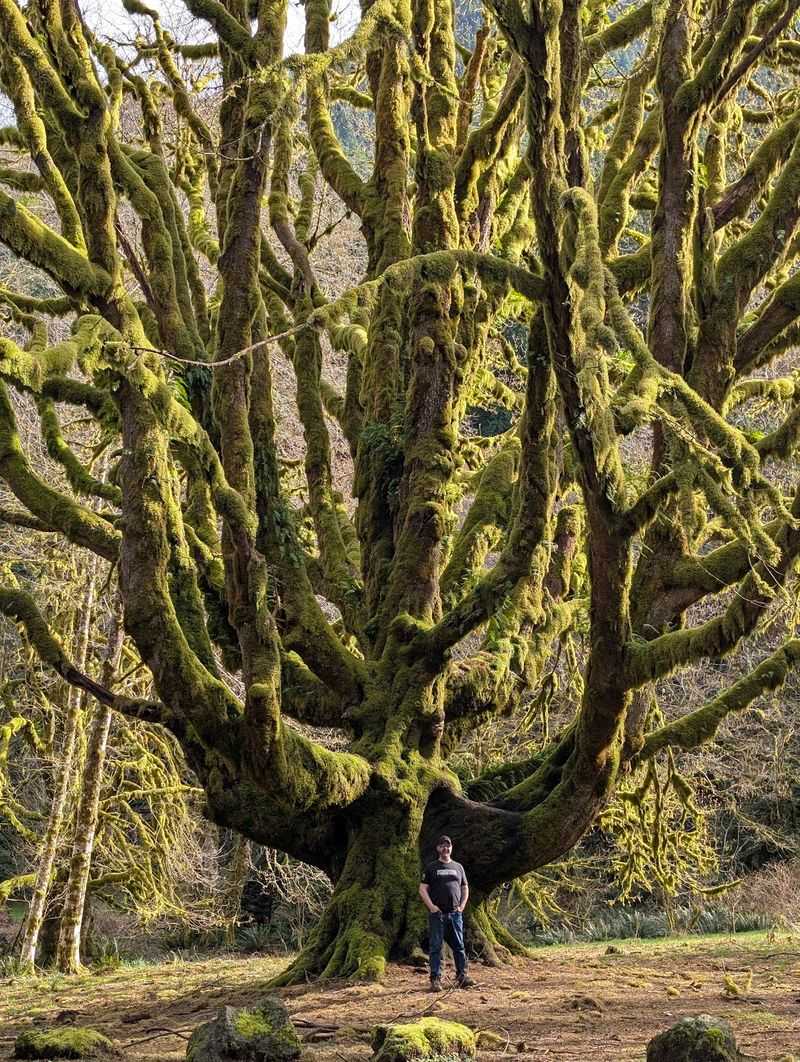
Three parks are folded into one here. Olympic National Park spans 922,000 acres on Washington’s Olympic Peninsula, with snowy mountains, lush rain forests, and a dramatic Pacific coastline.
The park has four regions, including the drier east side forests.
The rain forest feels dark, dense, and wet, like a storybook. Beaches and tide pools reward curious explorers, while lakes and waterfalls add cooler spots to relax.
Crescent Lake is a lovely place to swim, and the water warms up in the afternoon.
Hiking, camping, and fishing are popular activities. The park is open 24 hours, and mornings tend to be busy, while Thursday evening and Friday afternoon are calmer.
Picnic tables, cycling lanes, and restrooms are available.
Kids can enjoy kid-friendly hikes and a playground. Free parking is available, and dogs are allowed in some areas.
Bring rain gear no matter the season.
San Antonio Missions National Historical Park
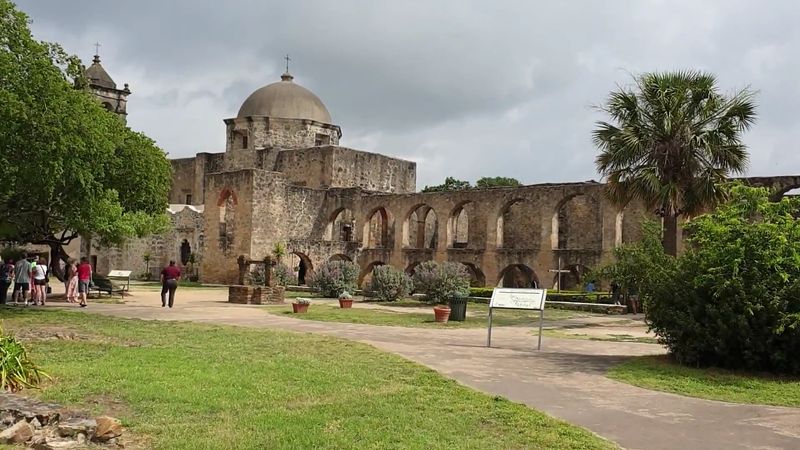
Long before skyscrapers, Spanish missions shaped South Texas. This 948-acre park in San Antonio holds four colonial missions from the 1700s, plus a visitor center and trails.
Together with the Alamo, they show how Spanish architecture and local culture blended.
Each mission has its own story, and placards at each church help you follow along. Exhibits at the visitor center explain the history, and the stone churches are great for photos.
Driving the roughly eight-mile route lets you see all four in an afternoon.
The park is open daily from 9 AM to 5 PM. Weekend mornings and afternoons are busiest, while weekday mornings are calmer.
Guided tours are offered if you want more detail.
Children can wander the open grounds and learn as they go. Free parking is available at the sites.
Bring a hat and water, since Texas sun can be strong.
Redwood National and State Parks
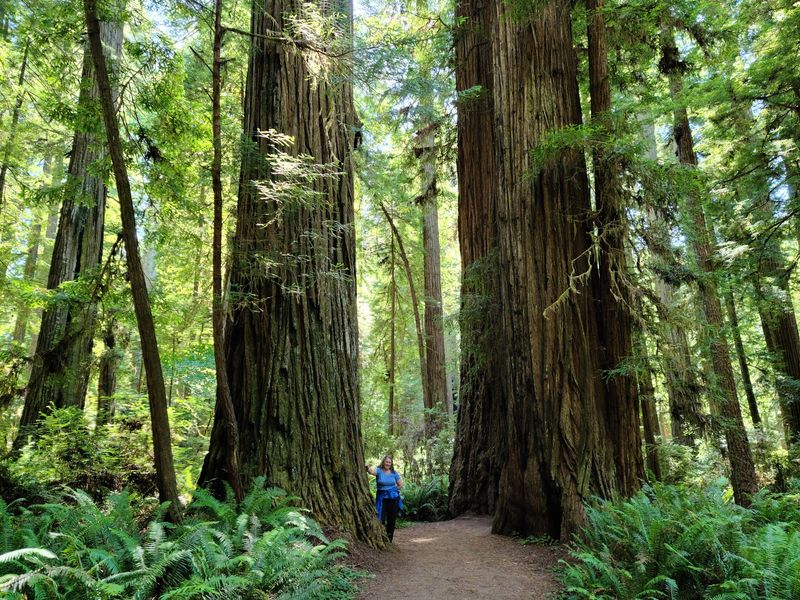
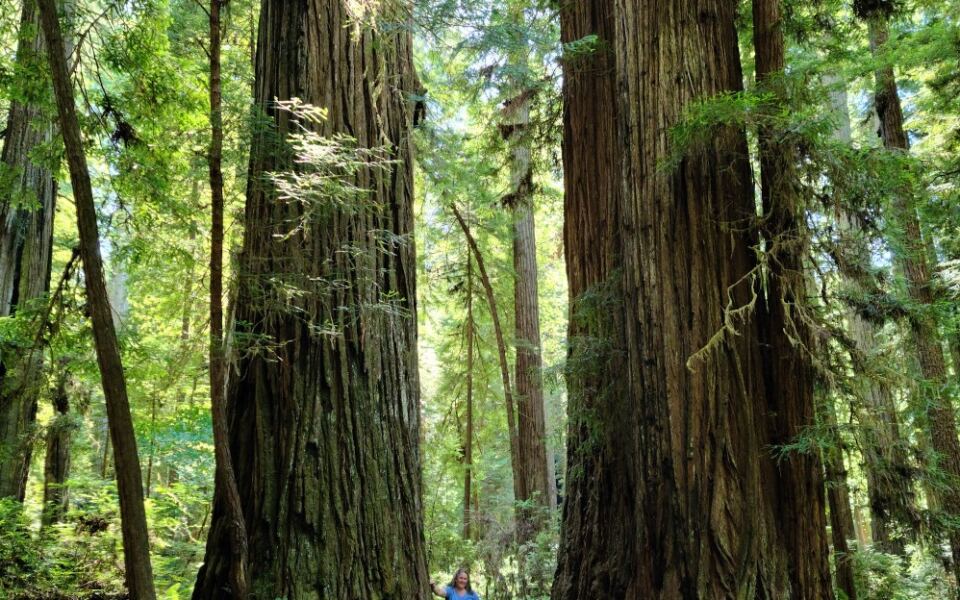
Whisper if you like, but the trees will still tower over you. Redwood National and State Parks in northern coastal California protect some of the tallest trees on Earth.
The air smells of rain and moss, and the canopy filters the light.
Trails wind past ancient trunks and along coastal views. Paths balance easy access with a wilder feel, so beginners and hikers both find a fit.
Camping is available if you want to spend the night under the giants.
Sunday afternoons and Saturday evenings tend to be busiest, while nights are quiet. Picnic tables, grills, and restrooms make lunch breaks simple.
Kids can try kid-friendly hikes. Free and paid parking are offered, and dogs are allowed in certain areas.
Bring layers, because the forest stays cool and damp, and tilt your head back often.
Hawaiʻi Volcanoes National Park
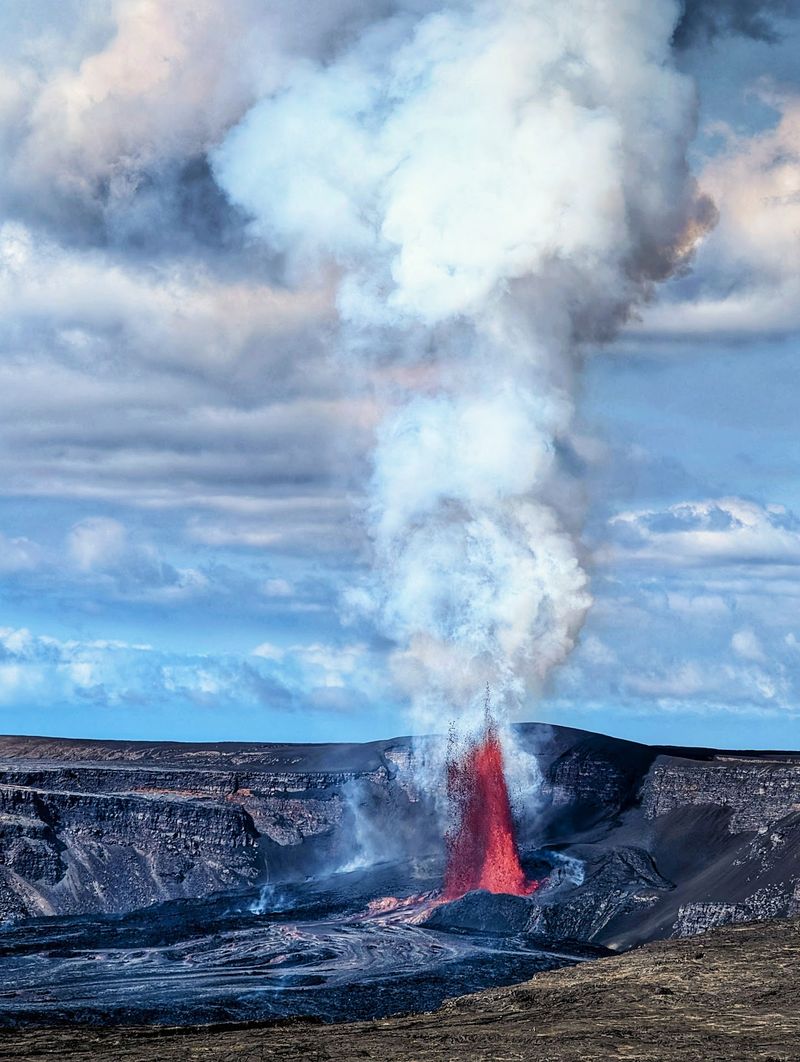
The ground here is still being made. On the Big Island of Hawaii, this park lets you see live lava flows, lava tubes, and glowing craters.
It is a rare place where you can watch Earth’s power at work.
Hike the rim of the volcano, walk through a lava tube, or drive to the end of the park road. Trails show eruption history that goes back hundreds of years.
Educational programs help explain what you are seeing.
Sunday mornings and Friday afternoons tend to be busy, while Sunday afternoon is calmer. Picnic tables and restrooms are available for breaks.
Kid-friendly hikes make it a good family trip. Free and paid parking are offered, and dogs are allowed in some areas.
Check conditions before you go, follow ranger guidance, and bring a flashlight for evening viewing.
Share this story