Everyone knows about Paris, Rome, and London, but Europe has plenty of amazing cities that get far fewer crowds. These places have castles, old streets, tasty food, and friendly locals, often at lower prices.
Visiting them can make your trip feel like a real discovery instead of a long wait in line. Here are some cities that deserve a spot on your travel list.
Girona
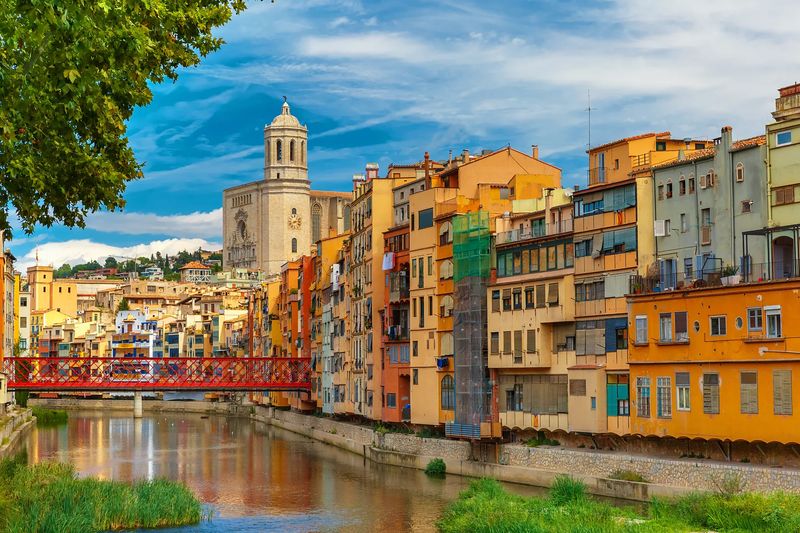
Painted houses lean over the Onyar River like they are checking their reflections. Girona sits in Catalonia, about an hour north of Barcelona, yet it feels worlds away from the big-city bustle.
The old town is a maze of stone lanes, steep stairways, and quiet squares. Walk the medieval city walls for sweeping views of rooftops and distant hills.
The Jewish Quarter, called El Call, is one of the best preserved in Europe, with narrow alleys that twist and turn like a puzzle.
Fans of fantasy shows may recognize some spots, since parts of a famous TV series were filmed here. The grand cathedral stairs are a favorite stop for photos, so arrive early if you want them to yourself.
Food is a big deal in Girona. The region is famous for creative cooking, and you can find everything from simple tapas bars to fancy restaurants.
Try a local pastry called a xuixo, a fried treat filled with cream.
Getting there is easy by high-speed train from Barcelona. Plan at least one full day, but two lets you slow down, grab ice cream, and wander without a map.
Getting a little lost is half the fun.
Ghent
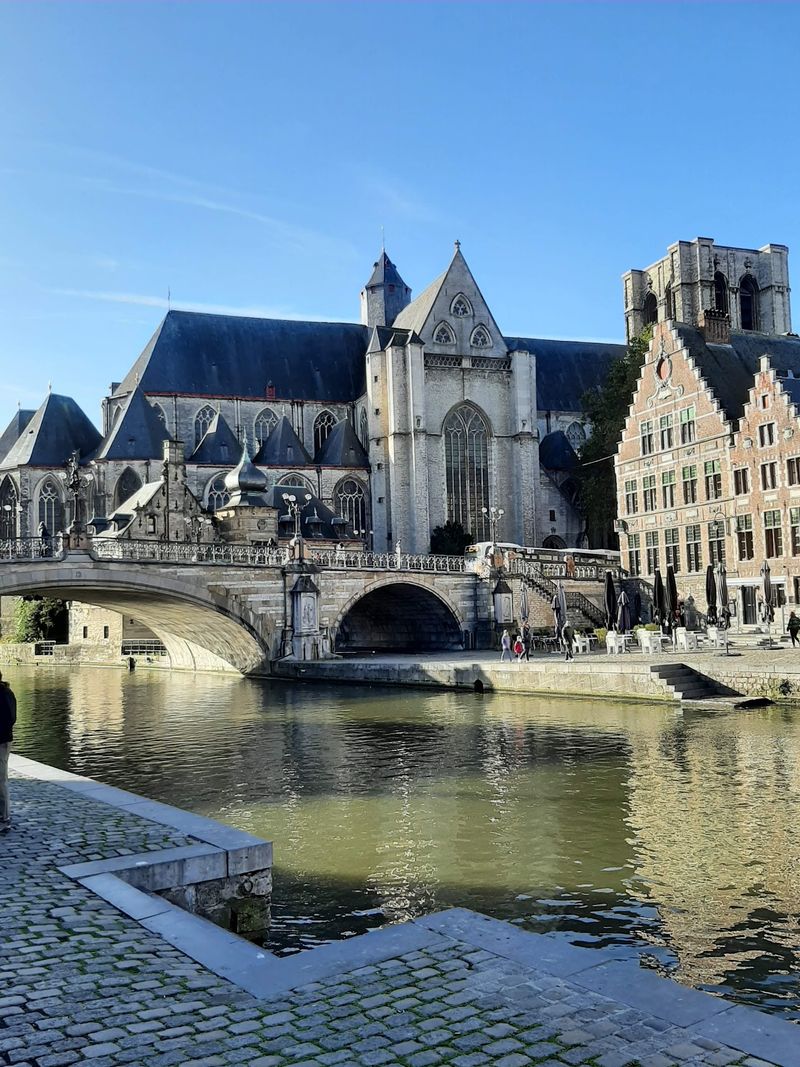
Bruges gets the postcards, but Ghent gets the locals. This Belgian city has canals, castles, and towers without the tour-bus traffic jams.
Start at the Gravensteen, a real medieval castle smack in the middle of town, complete with thick walls and a moat. Climb to the top and you can see church spires poking up all over the skyline.
Down below, the Graslei and Korenlei streets line the water with old guild houses that look straight out of a storybook.
Ghent is also a student city, so it has plenty of energy. Cafes stay busy, bikes zip everywhere, and street art pops up in surprising corners.
There is even an alley where painting on the walls is allowed, so the art changes all the time.
Art lovers should not miss the Ghent Altarpiece inside Saint Bavo’s Cathedral. It is one of the most famous paintings in the world, and it has a wild history of being stolen and hidden.
Hungry? Belgian fries and waffles are everywhere, and the city is known for having lots of vegetarian choices.
A boat ride on the canals is a relaxing way to rest your feet and see the city from a new angle.
Utrecht
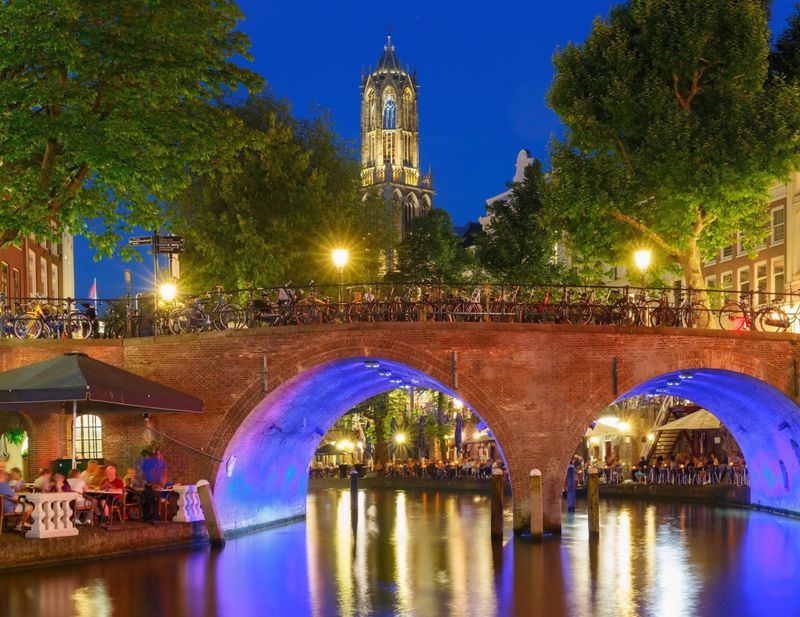
Picture a canal where the cafes sit right at water level. That is Utrecht, a Dutch city with a design twist you will not find in Amsterdam.
Its canals have special lower wharves, old storage cellars now turned into restaurants and patios. You can sip hot chocolate just a few steps from passing boats.
It feels cozy and a bit secret, even on busy days.
Towering over it all is the Dom Tower, the tallest church tower in the Netherlands. Climbing its hundreds of steps is a workout, but the view is worth every huff and puff.
On clear days you can spot far across the flat Dutch countryside.
Fun fact: Utrecht has what is often called the largest bicycle parking garage in the world, right by the main train station. It holds thousands of bikes, and watching the flow of riders is oddly entertaining.
The city is only about half an hour by train from Amsterdam, so it makes an easy day trip. Still, staying overnight lets you enjoy the canals when the lights come on.
Museums, markets, and a big university give the place a lively, youthful feel that keeps things interesting.
Bergamo
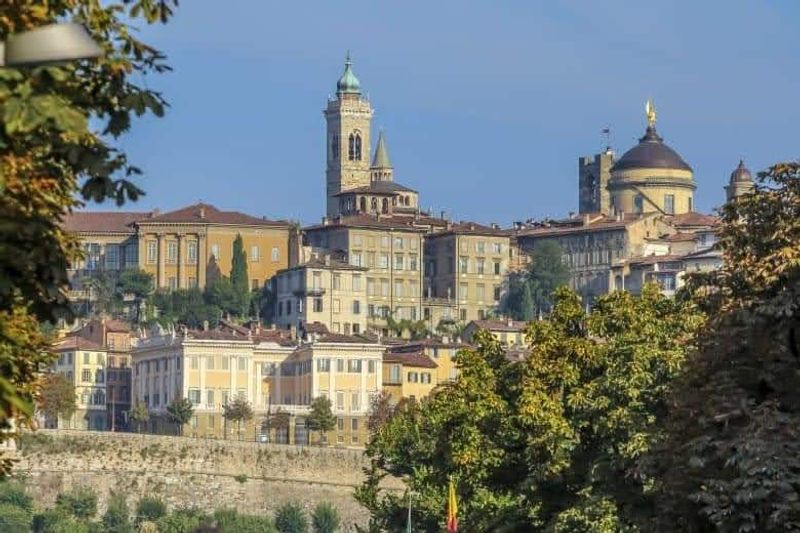
Lots of travelers land at Bergamo’s airport and rush straight to Milan. Big mistake, because this Italian city has a hilltop old town that feels like a secret kingdom.
Bergamo comes in two parts. The lower city, Città Bassa, is modern and busy.
The upper city, Città Alta, sits on a hill wrapped in massive stone walls built by the Venetians centuries ago. Those walls are now a UNESCO World Heritage Site.
The best way up is the funicular, a little cable railway that climbs the hill in minutes. At the top, cobbled streets lead to Piazza Vecchia, a square so pretty it looks like a movie set.
Nearby, the Basilica of Santa Maria Maggiore hides a stunning interior behind its plain-looking outside.
Save room for food. Bergamo is the birthplace of stracciatella gelato, the one with chocolate flakes.
Local dishes like casoncelli, a stuffed pasta with butter and sage, are also worth trying.
For the best sunset, ride another funicular up to San Vigilio. The views over the city and toward the mountains are hard to beat.
With the airport so close, Bergamo makes a perfect first or last stop on an Italy trip.
Wrocław
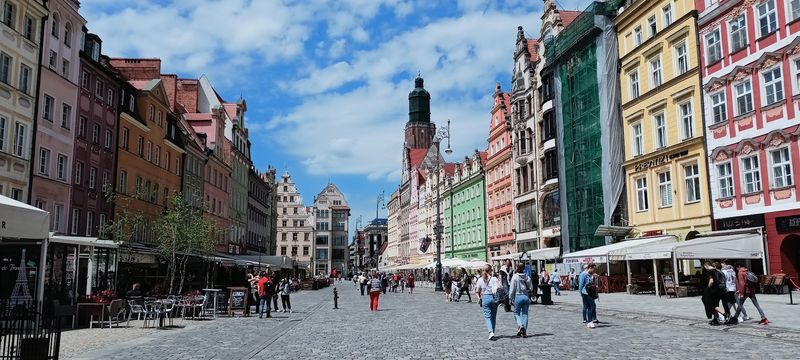
Keep your eyes on the ground in Wrocław. Hundreds of tiny bronze dwarfs are hidden around the city, and hunting for them is a favorite game for kids and grown-ups alike.
Each little statue has its own personality. Some are sleeping, some are working, and some are up to mischief.
Grab a dwarf map from a tourist office and see how many you can find.
The heart of the city is the Market Square, one of the largest in Europe. It is ringed by colorful townhouses and anchored by a gorgeous Gothic town hall.
At night, the whole square glows and fills with people eating and chatting outside.
Wrocław sits on the Oder River and is spread across many islands linked by more than a hundred bridges. Ostrów Tumski, the oldest part of town, is especially magical at dusk.
A lamplighter still lights the gas lamps by hand there each evening.
Poland is also friendly on the wallet. Meals, museum tickets, and hotels often cost less than in Western Europe.
Be sure to try pierogi, dumplings stuffed with potato, cheese, meat, or fruit. With great food, cool history, and tiny bronze friends, Wrocław is full of surprises.
Graz
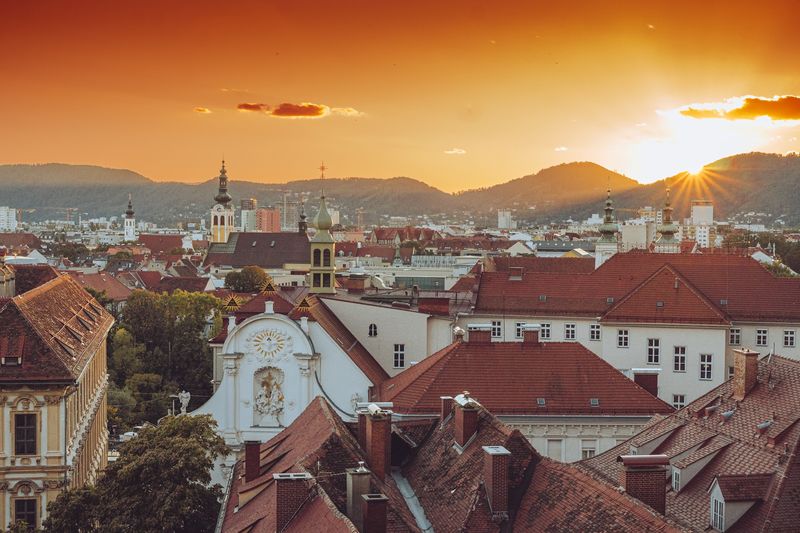
Red tile roofs, a hilltop clock tower, and a giant blue blob of a museum. Graz, Austria’s second-largest city, mixes old and new in the most delightful way.
The historic center is a UNESCO World Heritage Site, packed with Renaissance courtyards and pretty lanes. For the best view, head up Schlossberg, the hill in the middle of town.
You can hike, take a funicular, or ride a glass elevator built right into the rock.
At the top waits the Uhrturm, the clock tower that is the symbol of Graz. Here is a quirky detail: its hands are reversed.
The big hand shows the hours, because long ago people only needed to read the hour from far away.
Down by the Mur River, the Kunsthaus art museum looks like a friendly alien landed in town. Nearby, the Murinsel is a floating island made of steel and glass, with a cafe inside.
Graz is known as a food lover’s city too. Look for pumpkin seed oil, a dark green local specialty drizzled on salads and even ice cream.
Farmers markets pop up in several squares. With students everywhere and fewer tourists than Vienna or Salzburg, Graz feels relaxed and real.
Coimbra
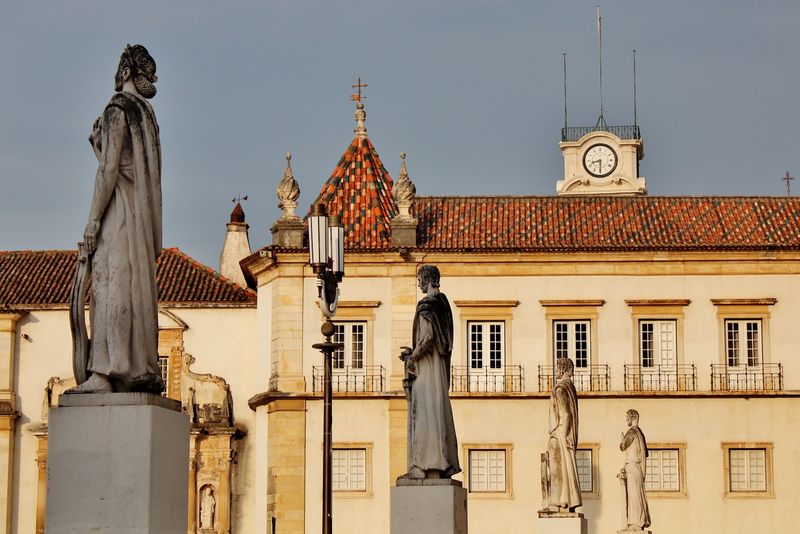
Students in long black capes still walk the streets of Coimbra, and yes, they look a bit like wizards. This Portuguese city is home to one of the oldest universities in Europe, founded in 1290.
The university sits at the top of a steep hill, so bring comfy shoes. Its most famous treasure is the Joanina Library, a jaw-dropping room covered in gold and filled with ancient books.
Bats live inside and eat the insects that could harm the pages, a clever trick that has worked for centuries.
Below, the old town tumbles down toward the Mondego River. Narrow lanes, tiny shops, and old churches wait around every bend.
The Old Cathedral looks almost like a fortress with its thick stone walls.
Music is part of Coimbra’s soul. The city has its own style of fado, a heartfelt Portuguese song traditionally sung by men in student capes.
Catching a small evening show is a moving experience.
Coimbra sits between Lisbon and Porto, so it is easy to add to a Portugal trip by train. Prices are friendly, and the pastries are fantastic.
Try a pastel de Santa Clara, a sweet almond treat invented by local nuns long ago.
Aarhus
Ever wanted to walk through a rainbow? On top of the ARoS art museum in Aarhus, you can.
A circular glass walkway in every color wraps around the roof, turning the city views pink, blue, and gold.
Aarhus is Denmark’s second-largest city, and it often hides in Copenhagen’s shadow. That is a shame, because it is young, creative, and super easy to explore on foot or by bike.
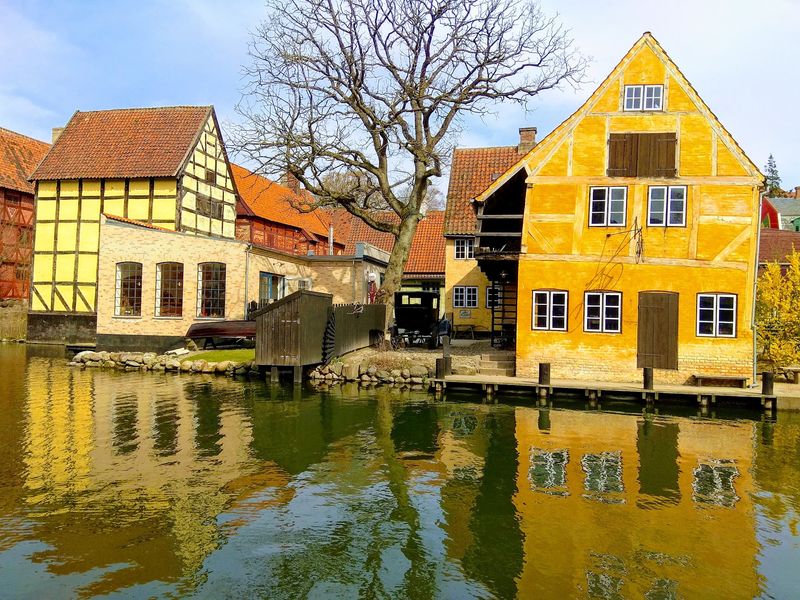
Step back in time at Den Gamle By, an open-air museum where old Danish houses have been moved and rebuilt. Guides in costume show how people lived, worked, and baked long ago.
It is fun for all ages.
Along the harbor, bold new buildings catch the eye. One apartment complex is shaped like a giant iceberg with sharp white peaks.
There are also harbor baths where brave locals take a dip, even when the water is chilly.
Danes love the idea of hygge, which means cozy comfort. You will feel it in candlelit cafes and bakeries selling warm cinnamon pastries.
The Latin Quarter has cobbled streets full of little shops. Aarhus proves a city does not need to be huge to be exciting.
Plovdiv
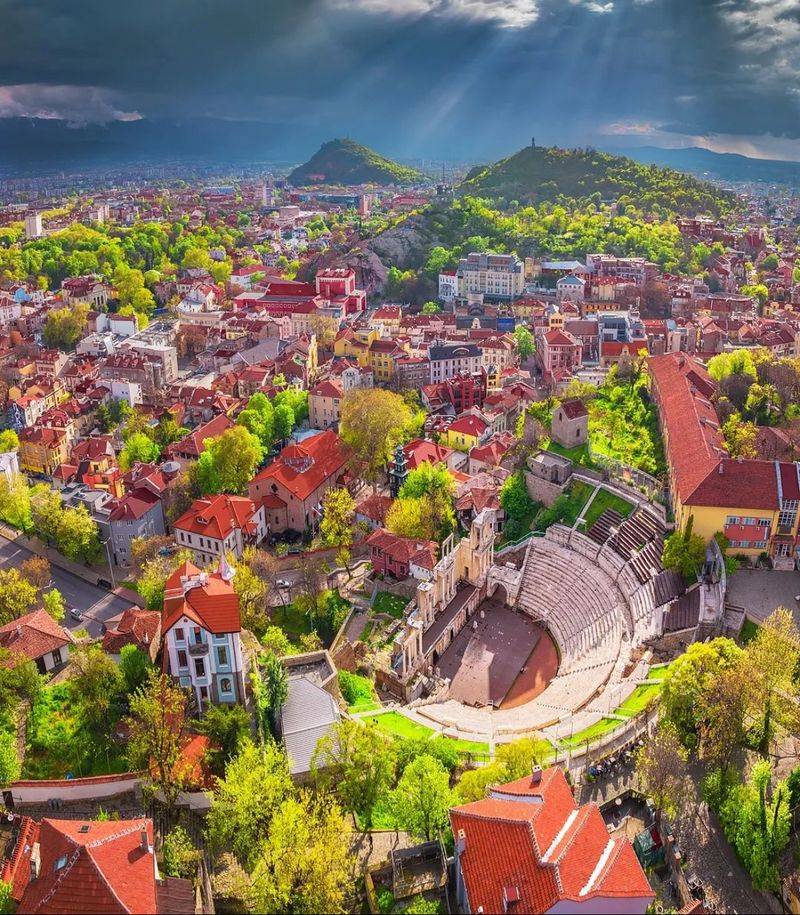
Older than Rome, older than Athens. Plovdiv in Bulgaria is often called one of the oldest cities in Europe that people have lived in nonstop for thousands of years.
History here is not locked away in museums. It is right under your feet.
A Roman stadium lies beneath the main shopping street, and you can peek down at its stone seats while grabbing a snack. Up on the hill, a huge Roman theater still hosts concerts and shows in summer.
The Old Town is a treat for the eyes. Its houses from the 1800s are painted in bright colors, with wooden upper floors that stick out over the cobbled lanes.
Many are now small museums or galleries you can step inside.
For something newer, visit Kapana, which means the trap. This artsy neighborhood is full of murals, craft shops, and cafes tucked into winding streets.
It buzzes with life day and night.
Plovdiv is also very affordable. A hearty meal of grilled meats, fresh salads, and local yogurt costs far less than in most European cities.
Climb one of the city’s hills at sunset for a glowing view over rooftops and ancient ruins.
Brașov
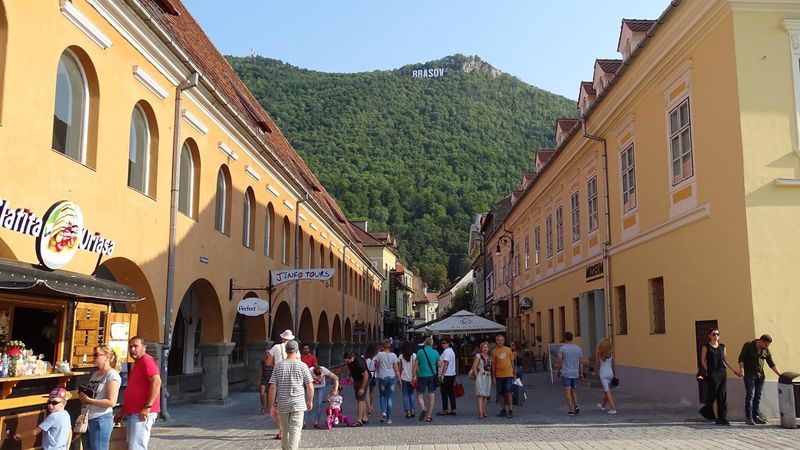
Hollywood has its sign, and so does Brașov. Big white letters spelling the city’s name perch on Tâmpa Mountain, watching over one of the prettiest towns in Transylvania.
Surrounded by forested peaks, Brașov feels like a fairy tale setting. The center is Council Square, lined with pastel buildings and busy cafes.
Just off the square stands the Black Church, a massive Gothic building that got its name after a fire darkened its walls.
Here is a fun one: Brașov has one of the narrowest streets in Europe. Rope Street is so skinny you can almost touch both walls at once.
Squeezing through makes a great photo.
Want that mountain view? Take the cable car or hike up Tâmpa.
From the top, the red roofs of the old town spread out below like a map.
Brașov is also the perfect base for exploring the region. Bran Castle, often linked to the Dracula legend, is a short drive away.
So is Râșnov Fortress, sitting high on a hill. Back in town, warm up with Romanian comfort food like sarmale, cabbage rolls stuffed with meat and rice.
Brașov delivers spooky stories, stunning scenery, and friendly prices.
Zadar
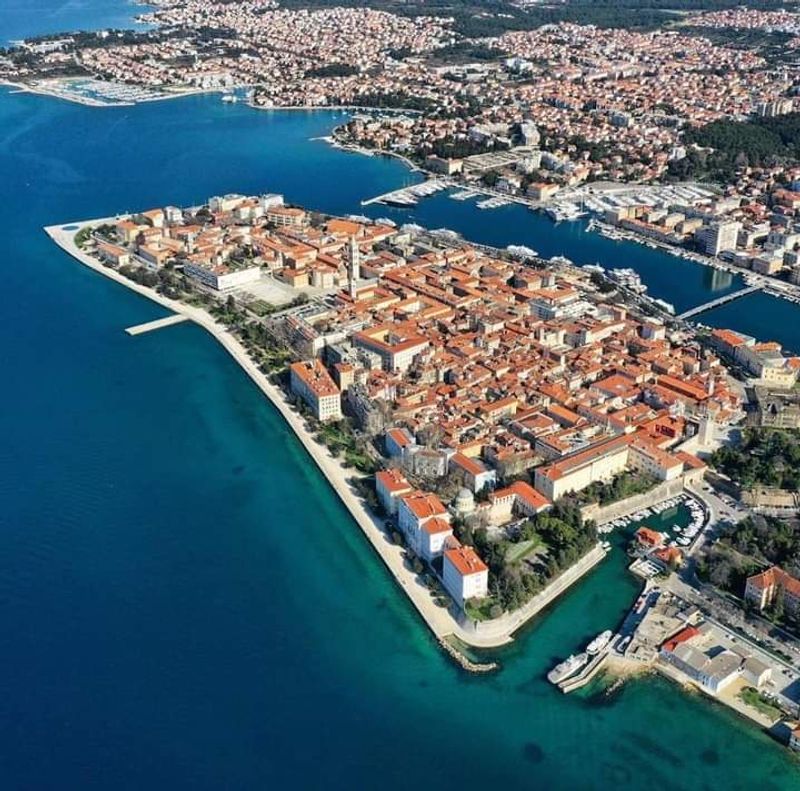
Listen closely by the water in Zadar and the sea will play you a song. The Sea Organ is a set of marble steps with pipes hidden underneath, and the waves push air through them to make music.
Every splash creates a new tune, so no two visits sound the same. Right next to it sits the Greeting to the Sun, a big glass circle in the ground.
It soaks up sunlight all day, then puts on a colorful light show after dark.
Zadar sits on Croatia’s Adriatic coast and gets fewer crowds than Dubrovnik or Split. Its old town fills a small peninsula, so everything is close together.
You will find Roman ruins scattered around, including an old forum right beside the round Church of St. Donatus.
The sunsets here are legendary. A famous film director once said Zadar had the most beautiful sunset in the world.
Grab a seat on the steps and judge for yourself.
Zadar also makes a handy base for day trips. Beautiful national parks and islands are within reach by car or boat.
Fresh seafood is a must, and a scoop of gelato along the waterfront makes an easy, happy ending to the day.
Colmar
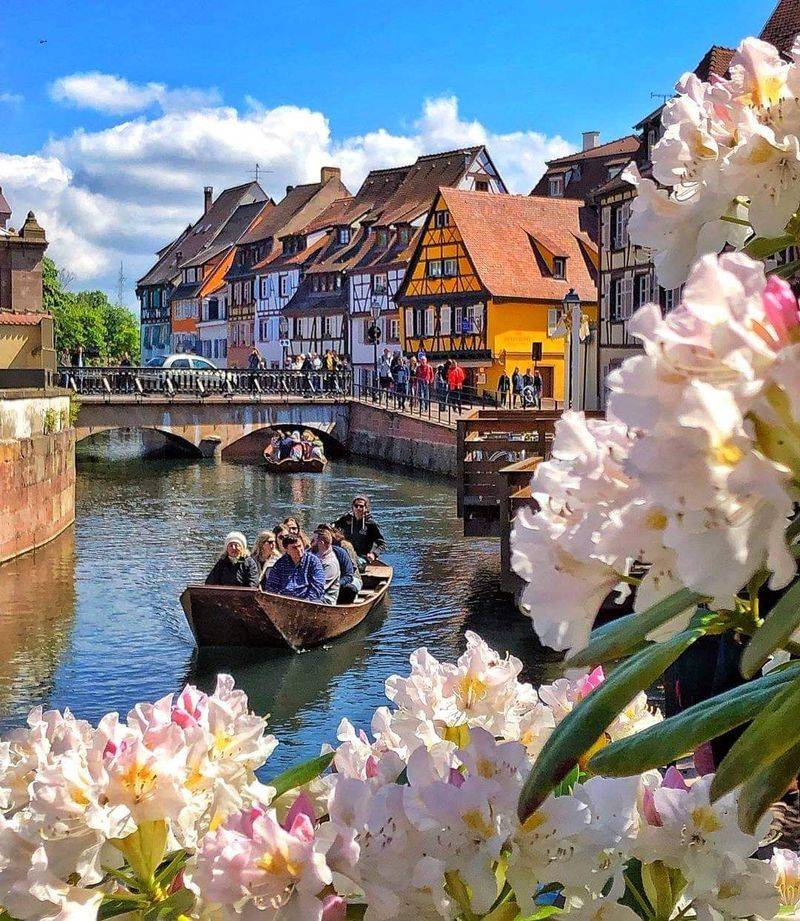
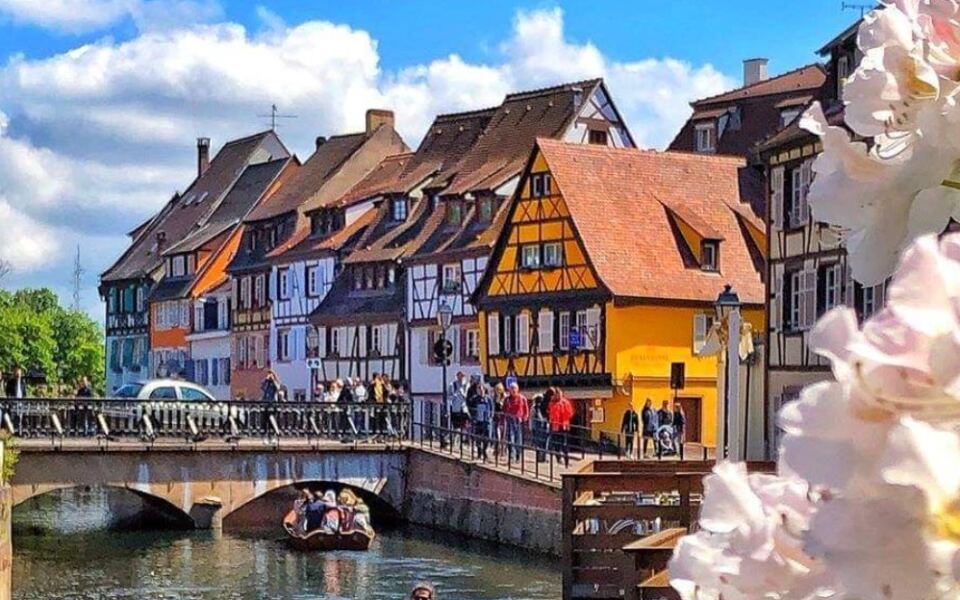
Candy-colored houses with crooked wooden beams line the canals of Colmar. Some visitors swear it looks like a village from an animated movie, and honestly, they are not wrong.
This small city sits in the Alsace region of France, close to the German border. Its mix of French and German history shows up everywhere, from the buildings to the food.
The half-timbered houses are painted in shades of pink, yellow, blue, and green.
The prettiest spot is called Little Venice. Here, flower boxes spill over the water, and small boats glide past on short tours.
It is especially charming in spring and summer when the blooms are at their best.
History fans can visit the Unterlinden Museum, famous for a powerful altarpiece painted over 500 years ago. Colmar is also the hometown of the sculptor who designed the Statue of Liberty.
A replica of the statue even stands at the edge of town.
Winter brings Christmas markets, when the whole city twinkles with lights. Try tarte flambée, a thin, crispy flatbread topped with cream, onions, and bacon.
Colmar is small enough to see in a day, but it is lovely for a slow weekend.
Tartu
A house in Tartu leans so much it looks like it is about to tip over. Don’t worry, it has been standing like that for a long time, and it is one of the city’s favorite quirky sights.
Tartu is Estonia’s second-largest city and its brainy heart. The University of Tartu, founded in 1632, fills the town with students and ideas.
That energy spills into cafes, bookshops, and lively evenings.
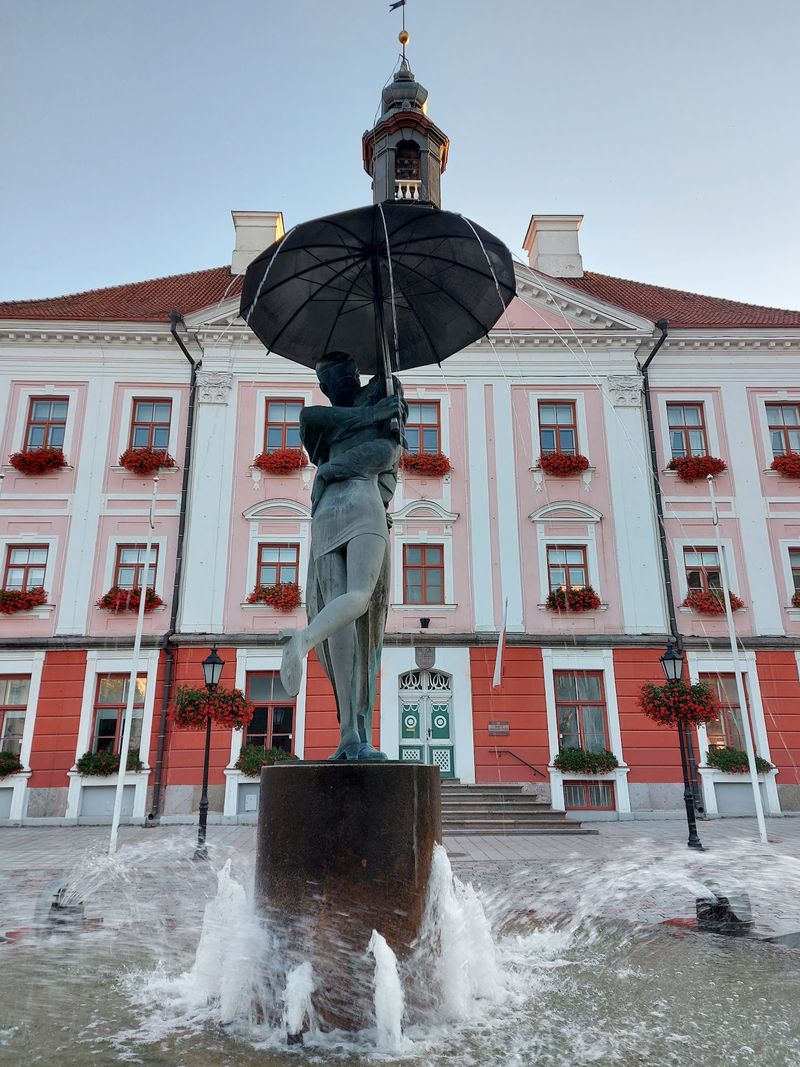
Town Hall Square is the place to start. In the middle stands a fountain of two students kissing under an umbrella, a sweet symbol of the city.
The leaning house sits nearby, giving everyone a reason to tilt their heads.
Toome Hill is a green park with the ruins of an old cathedral on top. Part of it now holds a university museum.
Walking the paths here is peaceful, especially in autumn.
Curious minds will love the AHHAA Science Centre, packed with hands-on exhibits. Tartu was also named a European Capital of Culture in 2024, which brought fresh art and events.
It is quieter than Tallinn and more budget-friendly, so you can explore without rushing or spending a fortune.
Freiburg im Breisgau
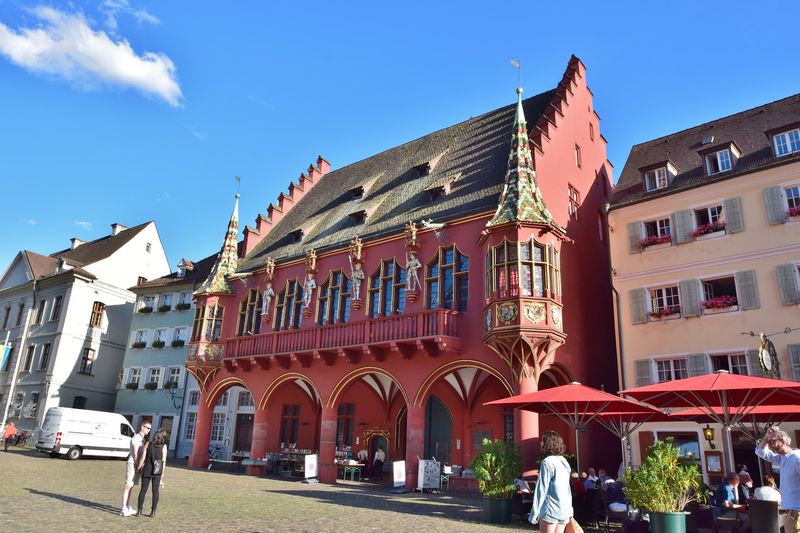
Watch your step in Freiburg, or you might end up with wet shoes. Tiny water channels called Bächle run along the streets of the old town, and locals joke that if you fall into one, you will marry someone from Freiburg.
This sunny German city sits at the edge of the Black Forest, one of the most famous woodlands in Europe. That means hiking trails, fresh air, and green hills are just minutes away.
The star of the skyline is the Freiburg Minster, a towering red sandstone cathedral. Its lacy spire is stunning up close.
Around it, a busy market fills the square most mornings with fruit, flowers, and sausages.
Freiburg is also known as one of Germany’s greenest cities. Bikes, trams, and solar panels are everywhere.
A whole neighborhood called Vauban was built to be eco-friendly, and people come from around the world to study it.
For a big view, ride the cable car up Schauinsland mountain or hike up Schlossberg hill right from town. Then treat yourself to Black Forest cake, a chocolate and cherry dessert piled high with cream.
With a sunny climate and a laid-back vibe, Freiburg is easy to love.
Share this story