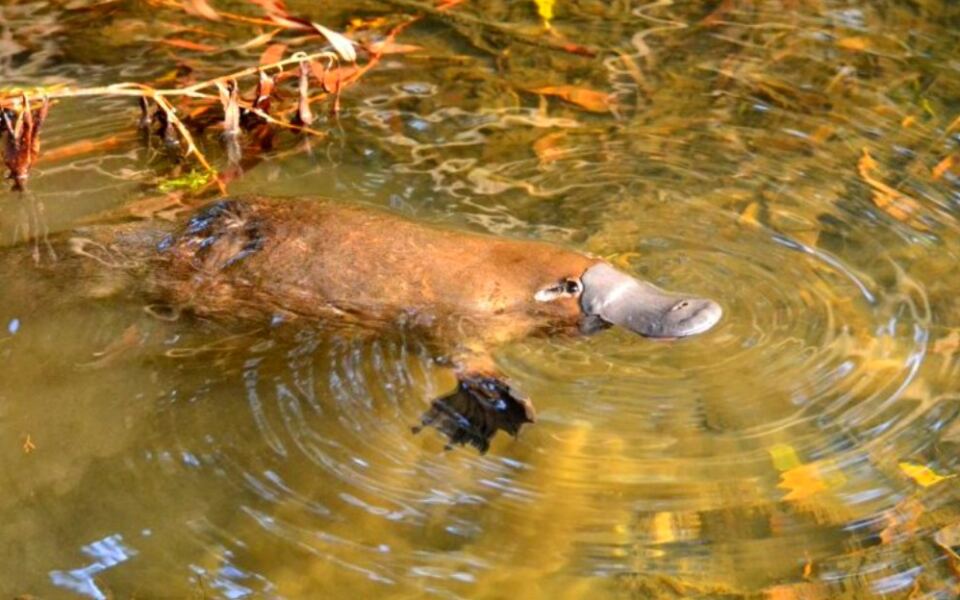
For more than 50 years, the waterways of Royal National Park in New South Wales, Australia, were completely silent when it came to one of the country’s most beloved animals: the platypus. These quirky, duck-billed creatures had simply vanished, leaving behind rivers and creeks that no longer held any trace of them.
Then, in May 2023, a team of dedicated conservationists decided to change that. Three years later, the results are genuinely exciting.
A Familiar Australian Animal Disappeared for Half a Century
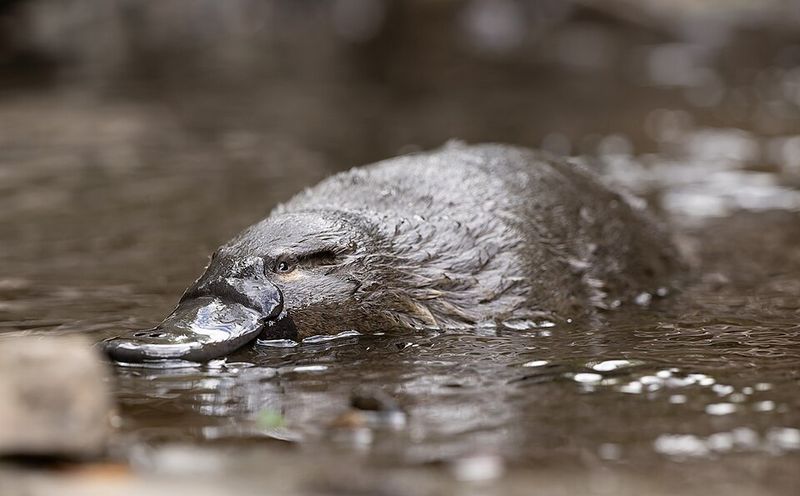
Royal National Park sits just south of Sydney, and for generations it was home to one of Australia’s most unusual animals. The platypus, with its flat bill, webbed feet, and beaver-like tail, was once a natural part of the park’s freshwater ecosystems.
Then, sometime around the 1970s, the animals stopped appearing altogether.
Their disappearance was not traced to a single, proven cause. Researchers point to a combination of environmental pressures, including habitat degradation, urban pollution, and a significant chemical spill that affected local waterways.
Dr. Gilad Bino from UNSW’s Centre for Ecosystem Science described the disappearance as a “culmination of different threats” that damaged the park’s rivers over time.
For more than 50 years, no one reported seeing a platypus in the Hacking River or Kangaroo Creek. A species that had once been woven into the fabric of this landscape had quietly vanished, and the park’s waterways carried on without them.
Researchers Could Not Find Even DNA Evidence
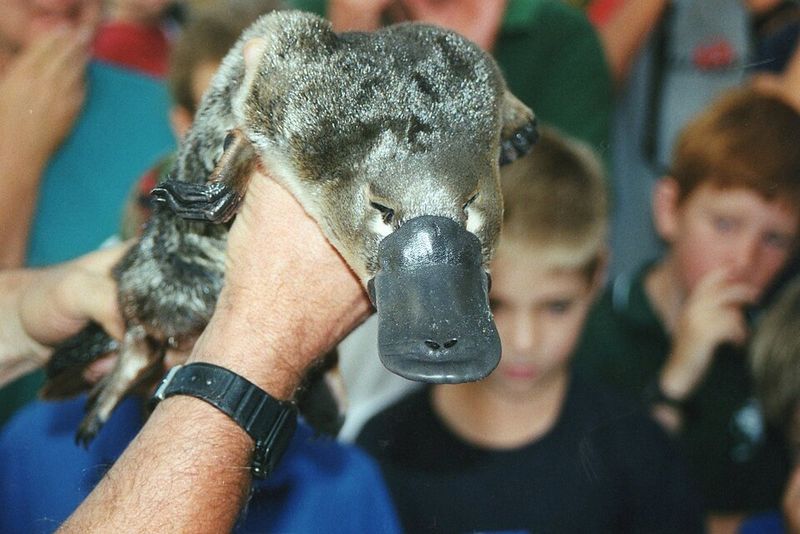
Before anyone could talk about bringing platypuses back, researchers needed to confirm they were truly gone. Scientists conducted thorough environmental DNA surveys, known as eDNA surveys, across the park’s waterways.
This method involves collecting water samples and analyzing them for microscopic genetic traces left behind by animals.
The eDNA process is remarkably sensitive. It can detect species that rarely show themselves above the surface, making it one of the most reliable tools for confirming an animal’s presence or absence.
The surveys picked up DNA from roughly 250 land and water species living in and around the Hacking River and Kangaroo Creek.
Platypus DNA was not among them. Not even a faint signal.
That absence confirmed what locals had suspected for decades: platypuses were locally extinct in Royal National Park. Far from being discouraging, this finding gave conservationists the scientific foundation they needed to justify and design a formal reintroduction program.
Ten Platypuses Returned in 2023
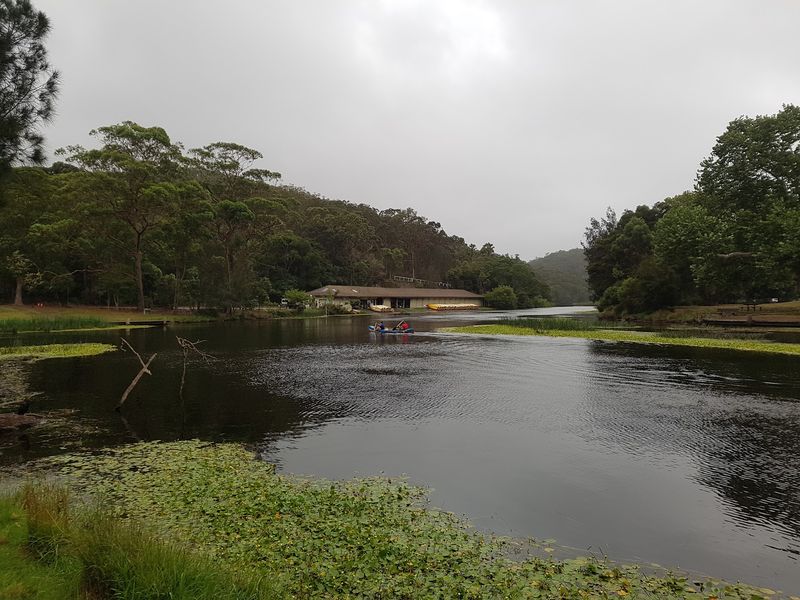
May 2023 marked a turning point for Royal National Park. A founding group of 10 platypuses, six females and four males, was released into the Hacking River in what became the first successful platypus translocation recorded in New South Wales.
The animals were sourced from healthy wild populations in southern New South Wales.
Before their release, each platypus spent time at Taronga Zoo’s purpose-built platypus refuge, where veterinary teams conducted thorough health checks and assessments. The animals needed to be in peak condition before facing the challenges of an unfamiliar waterway system.
The project brought together four major organizations: UNSW Sydney’s Platypus Conservation Initiative, NSW National Parks and Wildlife Service, Taronga Conservation Society Australia, and WWF-Australia. Each partner contributed expertise, resources, and long-term commitment.
Releasing 10 animals into a park where the species had been absent for half a century was bold, but it was grounded in careful preparation and genuine scientific collaboration.
Every Animal Was Closely Monitored
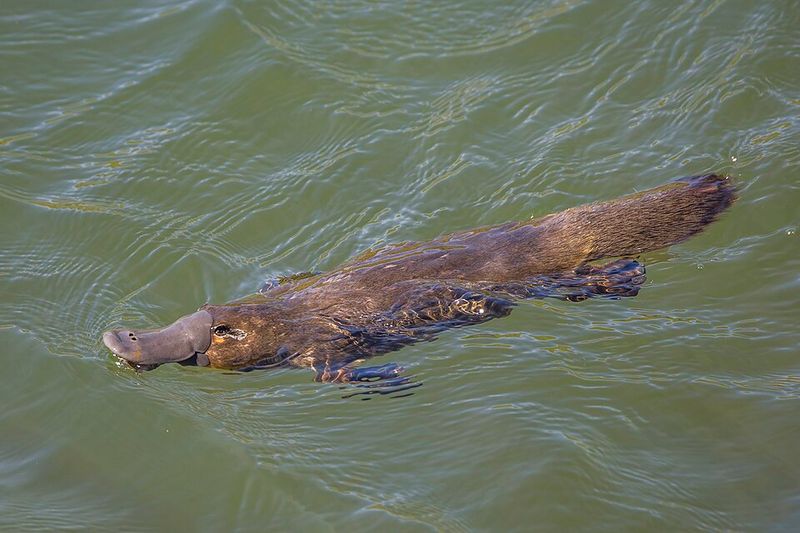
Releasing animals into a new habitat is only the beginning. The real work starts immediately after, and the research team knew that tracking each individual platypus would be essential for understanding whether the reintroduction was working.
Every platypus in the founding group was fitted with tracking equipment before being released.
Small transmitters and acoustic tags were attached to the animals, sending signals to receivers positioned at key locations along the Hacking River and Kangaroo Creek. Researchers could monitor where each platypus was traveling, how far they were ranging, and whether they were settling into stable home territories.
Within months of the May 2023 release, the data coming back was encouraging. The majority of the original 10 animals appeared to be adapting to their new environment.
They were feeding, moving through the waterway system, and behaving like platypuses that belonged there. For the research team, those early signals of survival were deeply reassuring after more than five decades of absence.
Then Researchers Found a Platypus Born in the Park
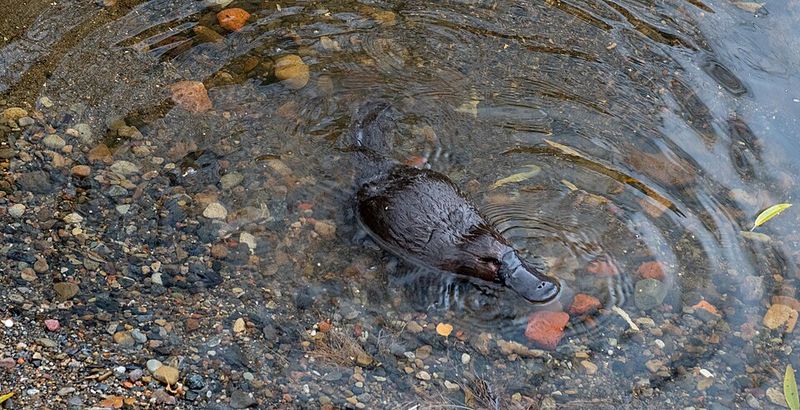
Survival alone would have been considered a meaningful result. But in early 2024, researchers discovered something far more exciting: a platypus that had not been released into the park but had been born there.
A young female, estimated at around six months old and weighing approximately 850 grams, was found near Jersey Springs.
Finding a juvenile of that age and size was clear evidence that one of the reintroduced females had successfully dug a nesting burrow, laid eggs, and raised young to the point where the offspring ventured out independently. Platypuses are notoriously secretive breeders, so detecting a healthy juvenile was a significant achievement in itself.
This young female represented something historic: the first platypus born in Royal National Park in more than 50 years. Her discovery shifted the conversation from survival to reproduction, demonstrating that the reintroduced animals had not just settled in but were actively building a new generation inside the park’s waterways.
One Successful Breeding Season Became Two

One breeding event could have been a lucky outcome. Two consecutive breeding seasons confirmed something much more significant: the reintroduced platypuses were establishing themselves as a genuinely reproducing wild population.
By October 2025, UNSW Sydney researchers announced that comprehensive surveys had confirmed breeding success across two separate seasons.
Researchers conducted multi-night surveys, carefully searching the waterways for signs of new animals. Finding multiple juveniles across different survey periods indicated that reproduction was not a one-off event but a repeating pattern.
Young platypuses were being born, surviving their early months, and joining the population.
Two consecutive breeding seasons is a strong signal in conservation biology. It suggests that the habitat conditions are suitable, that the founding animals are healthy and reproductively active, and that the population has the potential to sustain itself over time.
For a species that had been absent from these waterways for more than half a century, two successful breeding seasons represented a genuine conservation milestone worth celebrating carefully and honestly.
More Platypuses Were Added to Strengthen the Population
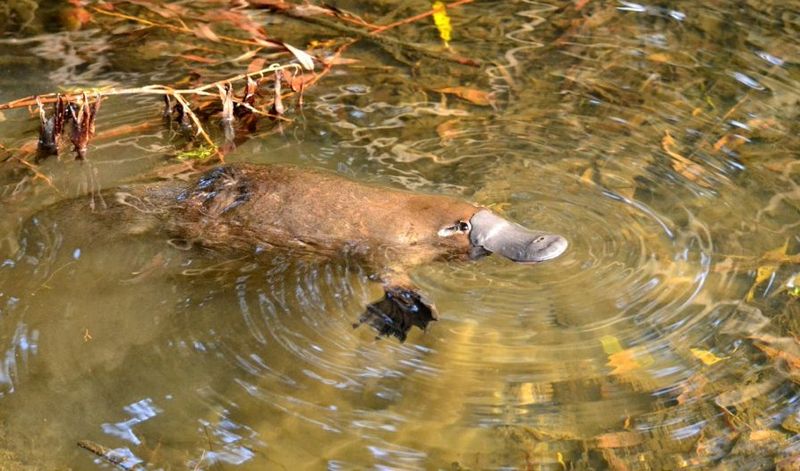
A population of 10 animals, no matter how well they are doing, carries inherent risks. Small numbers mean limited genetic diversity and greater vulnerability to unexpected events.
To address this, conservationists planned supplementary releases after the original 2023 cohort was established.
In 2025, three more platypuses were translocated into Royal National Park, adding fresh genetics and increasing the overall number of individuals in the waterway system. Then, in May 2026, four additional adults, two males and two females, were released into the Hacking River as part of a third translocation event.
Each supplementary release was carefully planned to complement the existing population rather than disrupt it. Researchers selected animals that would broaden the gene pool and improve the long-term resilience of the group.
By May 2026, the total number of platypuses translocated into Royal National Park since the program began had reached 17, spread across three separate introduction events over three years.
Researchers Now Know of 20 Platypuses
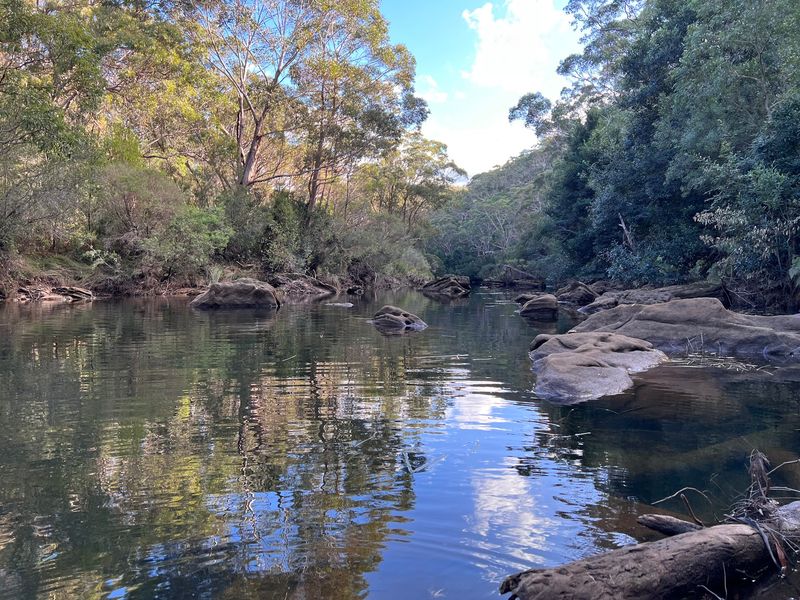
The May 2026 survey results delivered a number that researchers described as a defining moment for the program: 20 known platypuses living in Royal National Park. Associate Professor Gilad Bino called reaching that figure a sign of a recovering population, and the mood among the research team reflected genuine satisfaction with how far things had come.
Twenty individuals spread across the Hacking River and Kangaroo Creek represents a meaningful presence for a species that had been entirely absent from these waterways for more than 50 years. The population includes founding animals from 2023, supplementary animals added in 2025 and 2026, and animals that were born inside the park itself.
Researchers also noted that 20 is likely a conservative count. Platypuses are elusive, spending much of their time underwater or inside burrows.
The team believes additional animals may be living within the park’s waterway system that surveys have not yet detected, meaning the true population could be larger than the confirmed number suggests.
Why the Population Has Not Simply Doubled
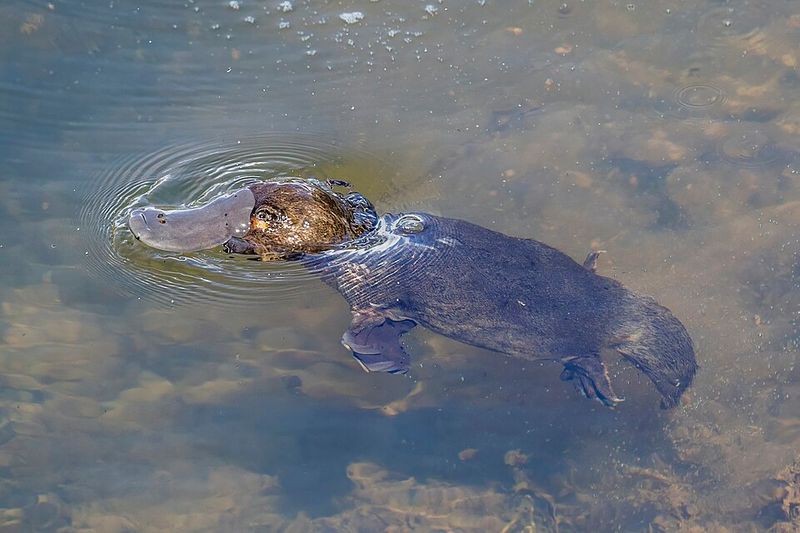
A quick glance at the numbers might suggest a tidy story: 10 platypuses were released in 2023, and by 2026 there were 20, so the population doubled through breeding. The reality is more nuanced, and understanding it actually makes the conservation achievement more impressive rather than less.
Of the 20 known platypuses confirmed in May 2026, not all are offspring of the original 10. A total of 17 animals were translocated into the park across three events: 10 in May 2023, 3 more in 2025, and 4 in May 2026.
The remaining animals in the known population were born inside the park itself.
The true significance of the project lies in the fact that relocated platypuses have survived in an unfamiliar environment, successfully reproduced across multiple breeding seasons, and produced wild-born young that are now part of the population. That combination of survival, adaptation, and reproduction across consecutive seasons is what makes this program genuinely noteworthy among wildlife recovery efforts.
Some of the Original Platypuses Are Still There
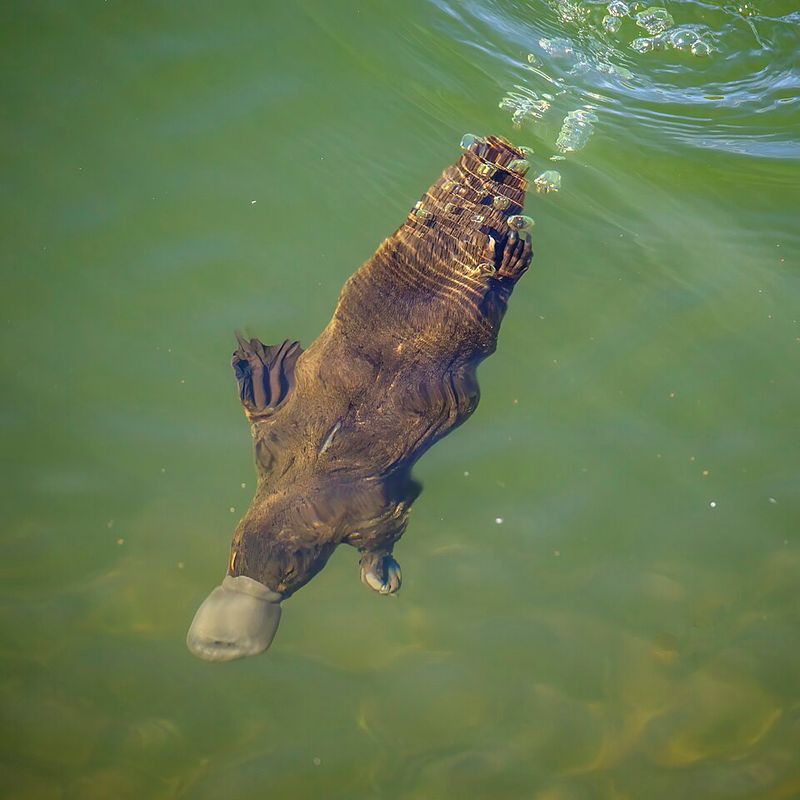
One of the most quietly remarkable findings from the May 2026 surveys was the recapture of two males from the very first group released back in 2023. After three full years living in the Hacking River, these founding animals were still alive, still active, and still contributing to the population they helped start.
One of those males had already been identified in earlier surveys as the father of the first juvenile platypus born in the park after the reintroduction. His continued survival meant that a direct line could be drawn from the original 2023 release to a new generation of wild-born platypuses now swimming through the same waterways.
Longevity in a reintroduction program is not guaranteed. Animals moved to unfamiliar environments face real challenges: finding food, avoiding predators, and navigating new territory.
The fact that founding males from 2023 were still alive and healthy three years later speaks clearly to both the animals’ resilience and the quality of habitat that Royal National Park now offers.
Visitors Are Starting to Spot Them Too
Science tells one part of this story. The public is starting to tell another.
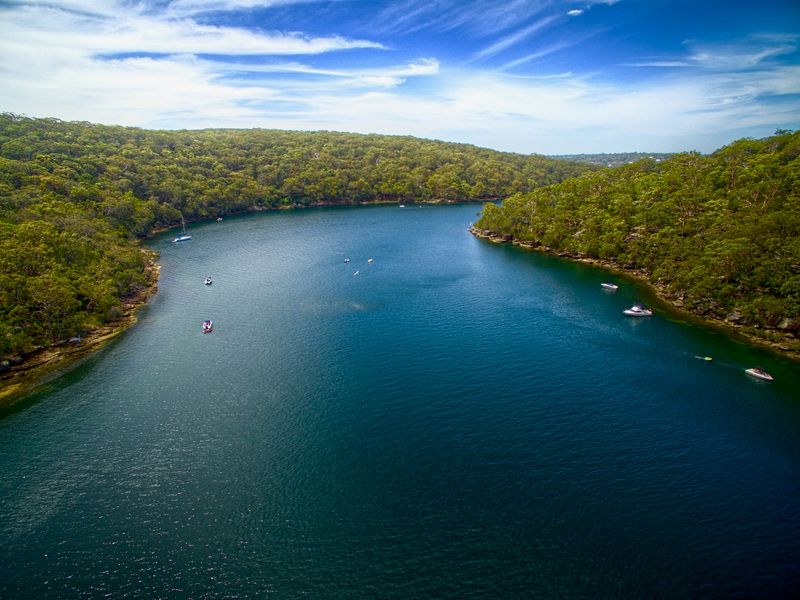
Reports of platypus sightings along the Hacking River have been coming in from park visitors, offering a kind of grassroots confirmation that the animals are genuinely establishing themselves in accessible parts of the waterway.
Associate Professor Gilad Bino described public sightings as one of the most rewarding outcomes of the project. Platypuses are not easy to spot; they are most active at dawn and dusk, and they spend long periods underwater hunting for invertebrates.
When a casual visitor catches a glimpse of one, it signals that the animals are present in numbers and locations where encounters are becoming possible.
Royal National Park, established in 1879, is one of the oldest national parks in the world and receives visitors from across Sydney and beyond. Having platypuses visible in its waterways connects people directly to a conservation success story unfolding in their own backyard, making the project meaningful far beyond the research community.
The Comeback Is Promising, but the Work Is Not Finished
Twenty known platypuses is a real achievement. Researchers and conservationists are honest about what it is not: a fully recovered or permanently secure population.
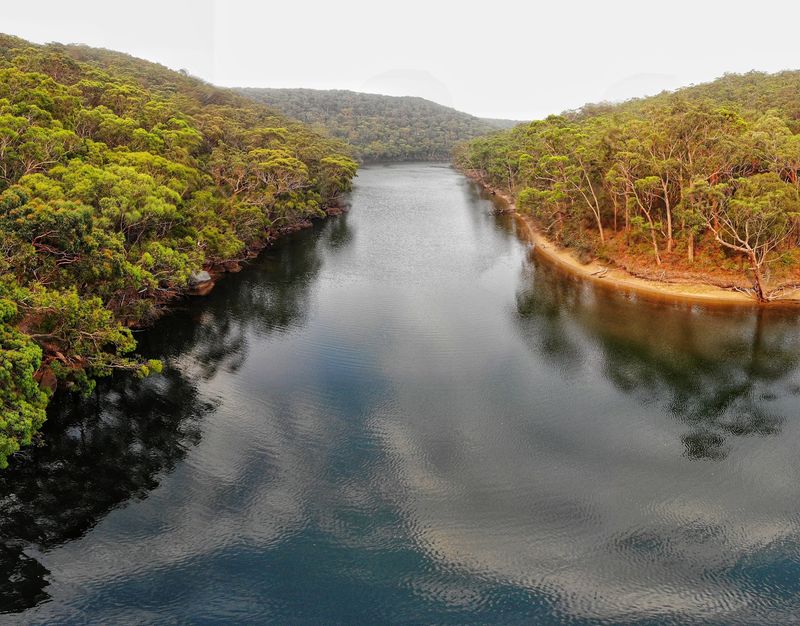
A group of 20 animals still represents a small and vulnerable number, and the long-term future of platypuses in Royal National Park depends on continued, dedicated work.
The Platypus Conservation Initiative continues to monitor survival rates, breeding success, animal movements, and genetic diversity across the population. Each of those factors matters for understanding whether the population can sustain itself without ongoing intervention, and when, if ever, supplementary releases might no longer be necessary.
What the past three years have shown is that platypuses can be brought back to waterways where they have been absent for generations, and that they can survive, adapt, and reproduce when given the right conditions and support. In Royal National Park, these animals are not simply occupying their old territory.
They are building something new: a multigenerational wild population in waterways that went without them for more than half a century.
Share this story