France is packed with cities that look like postcards come to life. Some hide behind ancient walls and twisty cobblestone lanes, while others stretch out along wide, tree-lined avenues.
Pick your favorite style or mix both on one trip. Here are fourteen places that make every photo look like a winner.
Carcassonne
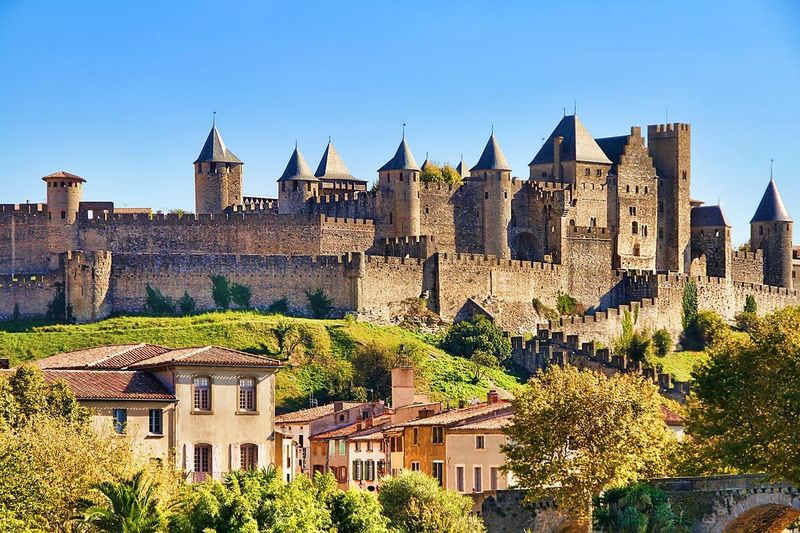
Turrets, towers, and stone walls rise up so perfectly that Carcassonne looks like a movie set. This fortified city in Occitanie keeps its medieval ramparts in remarkable shape.
Walking through the gates of the Cité feels like stepping back several centuries.
Inside the walls, cobblestone lanes wind between old stone buildings. Wear comfortable shoes, because the stones can be bumpy and the paths loop in every direction.
Early morning is a smart time to go, when the lanes are quiet and the light turns the walls a warm honey color.
Try walking along the ramparts to see the Cité from different angles. Each turn gives you a fresh frame for photos, from narrow passages to wide views over the rooftops.
Kids love the castle feel, and adults love how easy it is to wander without a plan.
Give yourself time to simply stroll, pause, and look up. The best moments here come from noticing small details, like worn steps, old doorways, and the shape of the towers against the sky.
Strasbourg
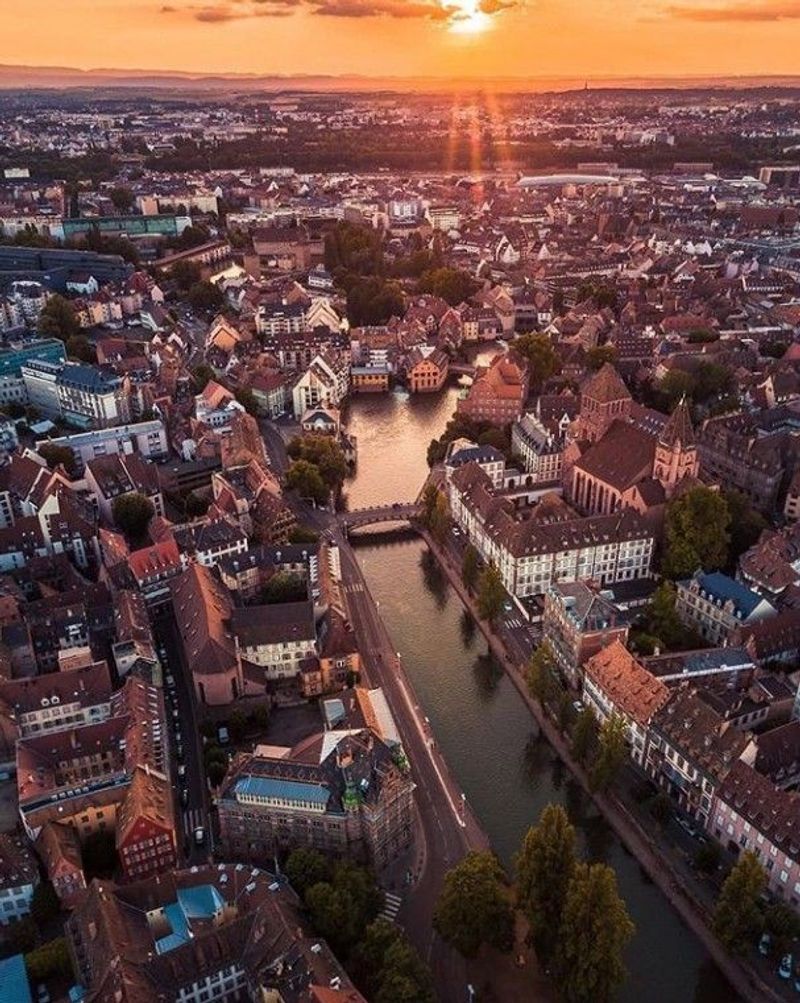
Two styles of beauty sit side by side in Strasbourg, and you can see both in one afternoon. This northeastern city in the Grand Est region mixes old-world charm with big, open avenues.
It is a great pick if you cannot decide between cozy and grand.
La Petite France is the storybook corner. Half-timbered houses lean over medieval lanes, and the scene looks best when you wander slowly and let the little streets lead you.
Bring a camera, because nearly every bend is a photo.
Then head to the Neustadt district for a totally different mood. Its expansive German-imperial boulevards feel roomy and stately, with big buildings and wide sidewalks made for strolling.
The contrast is striking and easy to notice.
Plan a day that moves from old to grand, starting in the narrow lanes while they are calm. By afternoon, the boulevards offer space to stretch your legs and take in a very different side of the city.
Paris
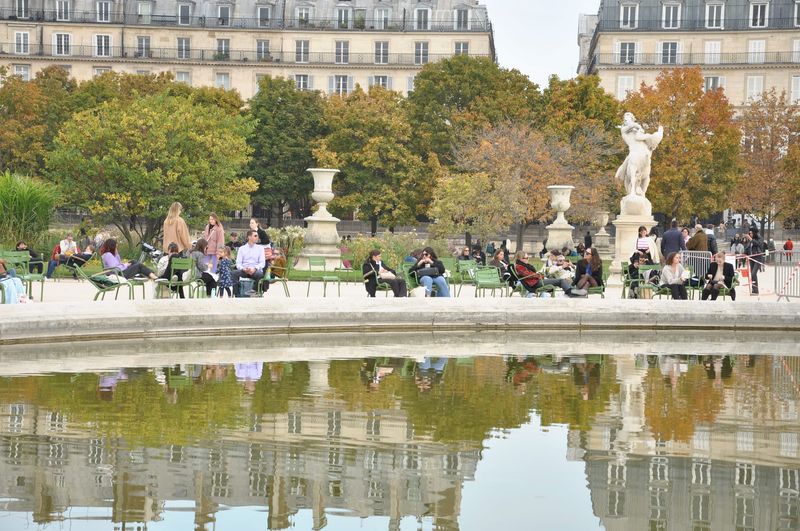
Some streets are built for walking slowly and looking up, and Paris has plenty of them. The capital of France is famous for wide Haussmannian boulevards, with matching cream-colored buildings and long lines of trees.
The Champs-Élysées and the Boulevard Saint-Germain are two of the best known.
Start on the Champs-Élysées when you want a big, bold view. The avenue is broad and busy, and it gives you a true sense of how grand the city planners wanted Paris to feel.
Afterward, switch to Boulevard Saint-Germain for a calmer stroll past tall buildings with lovely details.
The trick is to walk without rushing. Look at the iron balconies, the rooftops, and the neat rows of windows that make each block feel tidy and elegant.
Even a simple walk becomes a lesson in style.
Go in the early evening when the light softens and the boulevards glow. Bring comfortable shoes, leave room in your plans for wandering, and let the city show off in its own time.
Lyon
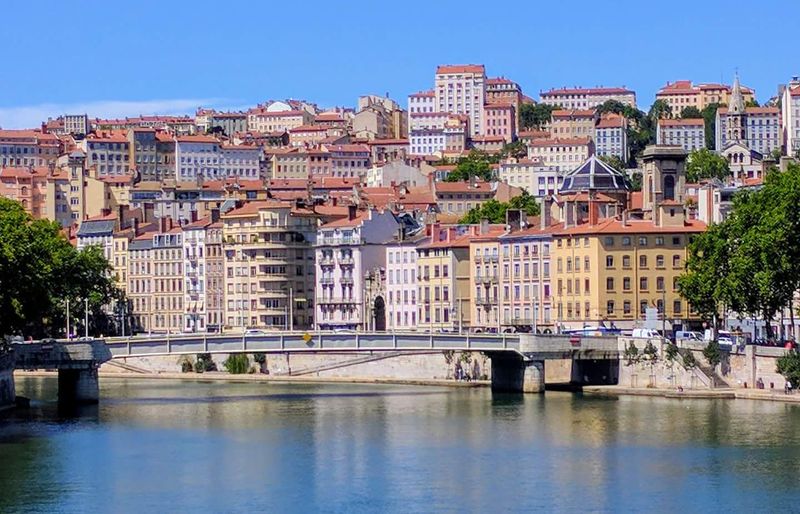
Lyon has secret passages, and finding them feels like winning a game. In Vieux Lyon, medieval and Renaissance traboules cut through buildings and link one lane to the next.
Slip through a doorway and you may pop out in a quiet courtyard.
These cobblestone passageways give the old quarter a mysterious feel. Take your time and explore without a strict plan, because getting a little lost is part of the fun.
Look for stone stairways, arched entries, and old walls that have seen many centuries.
Across the center, the Presqu’île shows a different face. Sweeping nineteenth-century boulevards stretch out with grand buildings and plenty of room to stroll.
The change from tight lanes to open avenues is easy to feel.
Plan your day in two parts. Spend the morning in the old quarter, when the passageways feel calmer, then move to the Presqu’île for a long afternoon walk.
Together they show why Lyon belongs on any list of pretty French cities.
Bordeaux
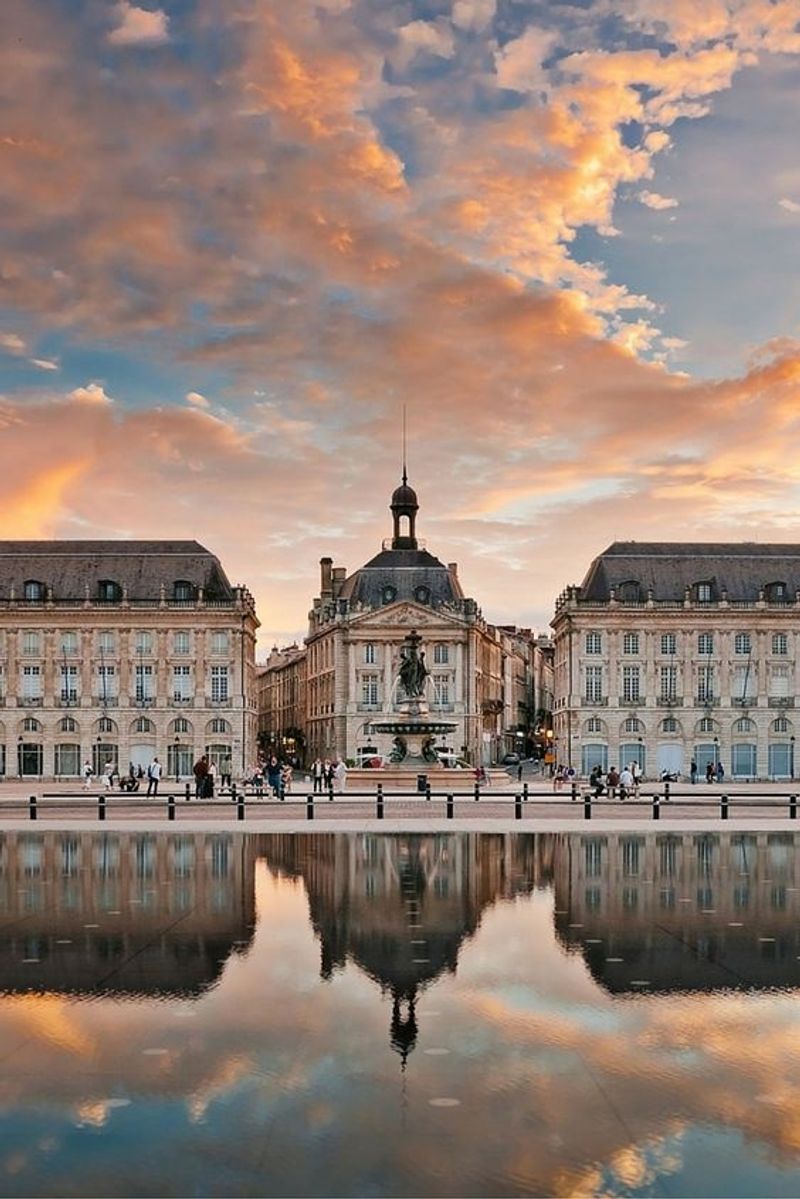
Stone facades glow golden along the Garonne, and Bordeaux knows exactly how to show them off. This southwestern port city in Nouvelle-Aquitaine is known for classical eighteenth-century boulevards.
The look is elegant, orderly, and easy on the eyes.
Walk the wide avenues and notice how the buildings line up with graceful detail. The streets feel open and well planned, which makes them ideal for a long, relaxed wander.
You can cover a lot of ground without ever feeling rushed.
Then head to the river. Expansive promenades run beside the water, giving you space to stroll, sit, and watch the day drift by.
Sunset is a lovely time to be there, when the light warms the stone.
Bring a comfortable pair of shoes and plan for slow walking. Bordeaux rewards people who look up, look around, and take their time.
It is a city made for strolling, with a calm rhythm that invites you to match its pace.
Rouen
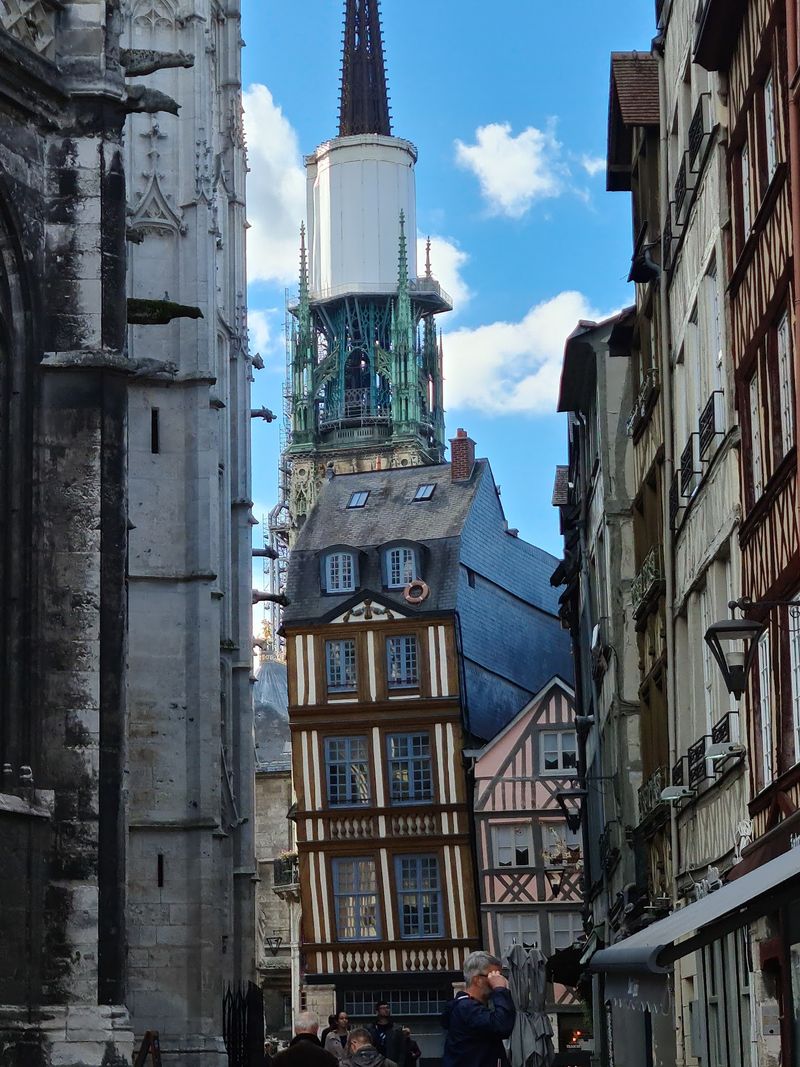
Crooked timber beams, leaning walls, and cobbles underfoot: Rouen delivers classic Normandy in a single street. This northern city is known for its dense network of medieval lanes.
Half-timbered houses line them, each with its own tilt and personality.
The fun here is in the wandering. Turn down a narrow side street and you will often find another row of timber-framed homes just waiting for a photo.
The lanes sit close together, so it is easy to cover a lot in a short time.
Go slowly and look at the details. Dark beams cross pale plaster in patterns that change from house to house, and the upper floors often lean out over the street.
It gives the whole area a lively, crooked charm.
Morning is a good time to explore, before the lanes fill up. Bring sturdy shoes for the cobblestones, keep your camera handy, and let the old streets set the pace for your day in Normandy.
Avignon
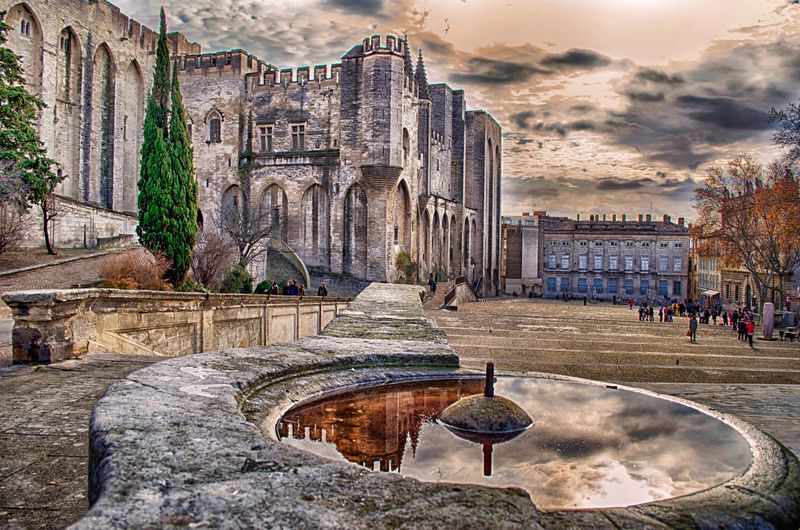
Popes once ruled from here, and Avignon still carries that dramatic past. The city sits on the Rhône River in Provence and is wrapped in medieval ramparts.
Their thick stone walls give the old center a strong, protected feel.
The Palais des Papes is the star. Its huge Gothic shape towers over the square and sets the tone for the whole city.
Even from outside, it is an impressive sight worth a long look.
Step away from the main square and the Gothic lanes begin to unfold. They are narrow and full of character, perfect for slow walking and surprise discoveries.
Each turn brings old stone and a new view.
Try walking part of the ramparts to see the city in context. The walls frame the old town nicely and help you understand how it fits together.
Go in the late afternoon for softer light, then wander the lanes as the day cools down.
Nice
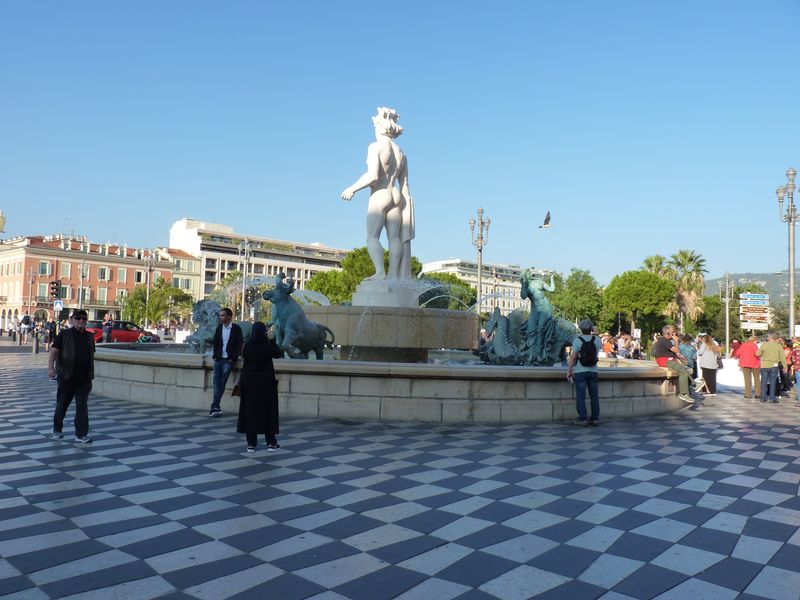
Sea breeze, blue water, and a very long seaside walk: Nice makes a strong first impression. This Riviera city is known for grand thoroughfares like the Promenade des Anglais.
It stretches along the coast and invites you to stroll at an easy pace.
The promenade is a great place to watch the day go by. Walkers, cyclists, and sunbathers all share the space, and the view of the water never gets old.
Boulevard Jean Jaurès adds another grand street to the mix, with a more city-center feel.
For contrast, slip into Vieux Nice. The streets there are narrow and lively, a nice change after the wide-open seaside.
You can wander without a map and still find plenty to enjoy.
Plan your day by moving from sea to old town. Take the promenade in the morning for bright light, then tuck into the tight lanes when you want shade.
It is a balanced way to see what makes Nice special.
Colmar
Pastel houses, flower boxes, and calm canals make Colmar look almost too cute to be real. This Alsatian city in northeastern France is filled with preserved medieval lanes.
Colorful timber-framed buildings line the streets and the water.
The canals are a highlight. Houses lean over the edges, and their reflections ripple in the water below.
It is a dreamy scene that is easy to photograph from many different spots.
Walk the old lanes without hurrying. Each street shows off different colors, from soft yellows to bright blues and rosy pinks.
The timber frames add a neat pattern to every facade.
Try visiting early in the day, when the streets are quiet and the light is gentle. Bring a camera and keep your eyes open for small details like carved beams and window decorations.
Colmar is compact, so a slow walk can cover most of the old center.
Aix-en-Provence
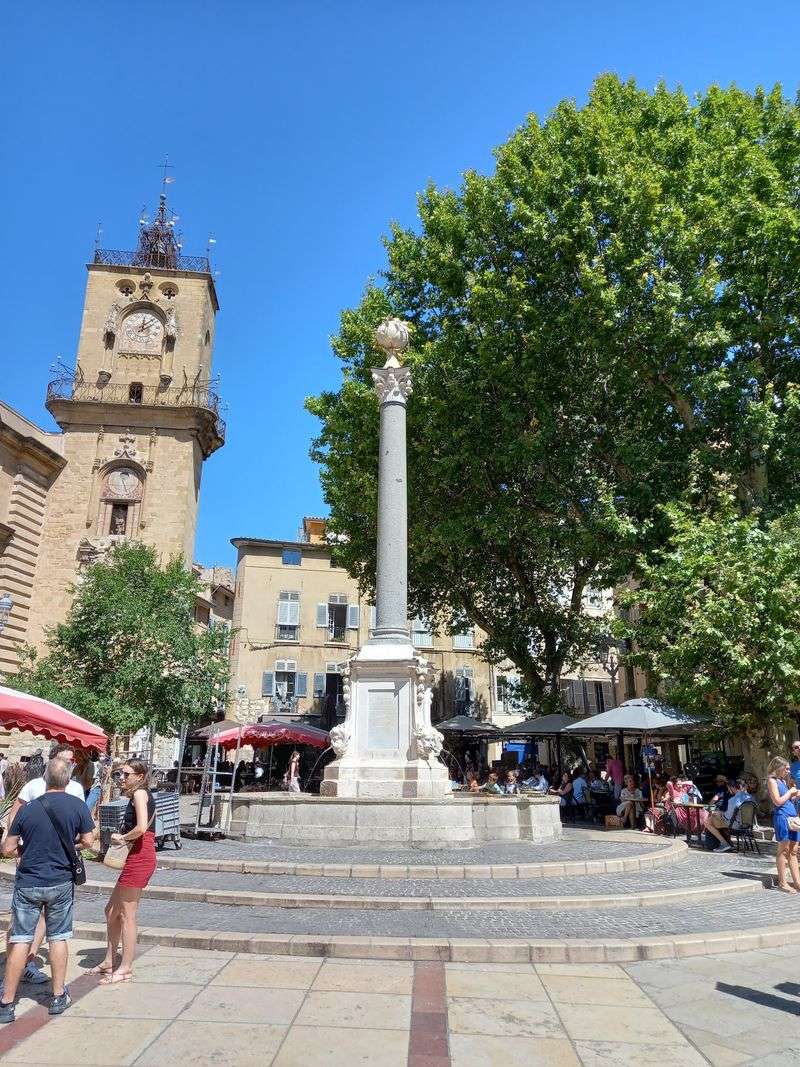
Shade from tall trees, the sound of fountains, and grand old mansions: that is the Cours Mirabeau. This famous boulevard is the heart of Aix-en-Provence in southern France.
It is lined with stately houses from the seventeenth and eighteenth centuries.
The trees stretch overhead and make a leafy ceiling above the street. On a hot day, the shade feels like a gift.
Fountains along the way add a soft background sound to your walk.
Take time to look at the mansions. Their fronts show fine details, from carved doorways to balconies that have stood for generations.
Walking the full length gives you a real sense of the city’s elegant side.
Plan a slow stroll and leave room to sit and watch the scene. The boulevard is at its best when you are not in a hurry.
Bring a camera, enjoy the light through the leaves, and let the Provençal pace take over.
Saint-Malo
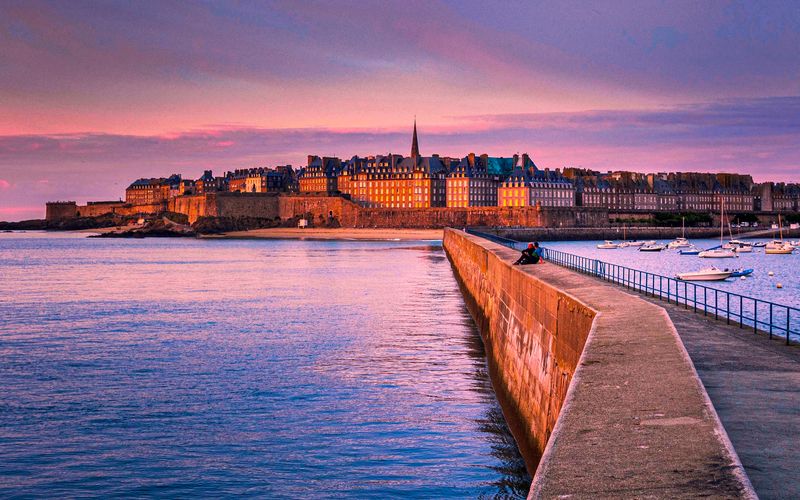
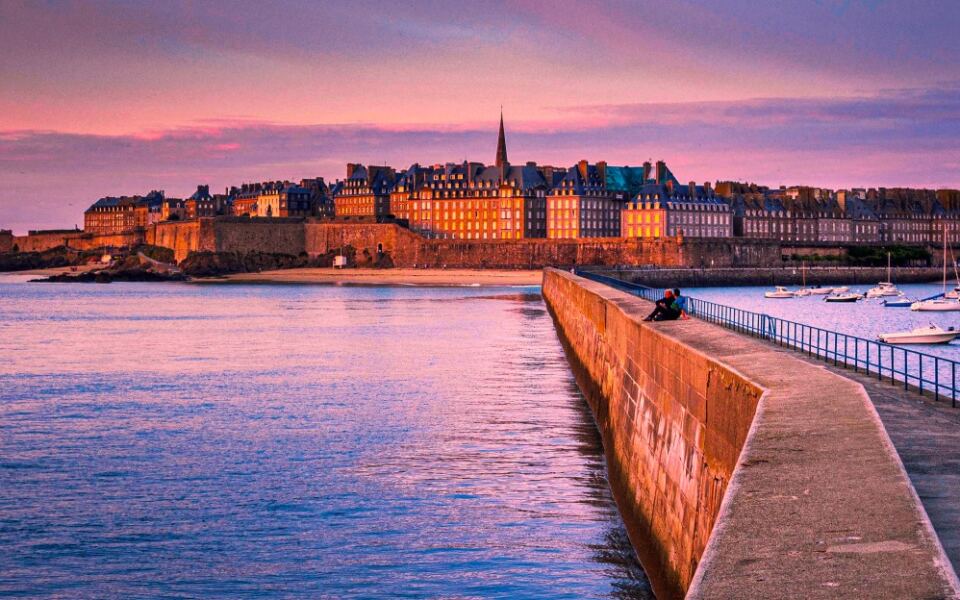
Granite walls meet the sea at Saint-Malo, and the result is wonderfully dramatic. This walled port city in Brittany keeps its old heart inside the ramparts, known as intra-muros.
Inside, narrow granite-paved streets twist between tall stone buildings.
The walls are a big part of the charm. They wrap around the old town and give it a strong, protected look.
Walking inside feels cozy, with the lanes close together and the stone all around you.
Wander without a plan and you will keep finding new corners. Each street has its own feel, from quiet stretches to busier lanes.
The granite gives everything a solid, silvery tone that looks great in photos.
Bring a jacket, since the coastal air can be brisk. Try exploring early, when the lanes are calm and the light is soft.
Saint-Malo is a fine choice if you like history with a salty edge.
Toulouse
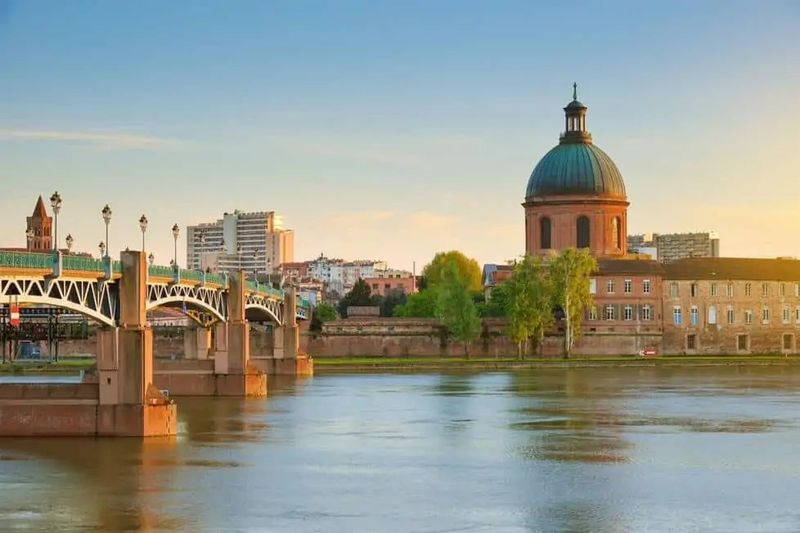
Nicknamed the Pink City, Toulouse glows like a sunset that refuses to leave. Its rosy look gives the old quarters a warm, friendly feel.
This southwestern city in Occitanie mixes medieval neighborhoods with wide Haussmann-style boulevards.
Start in the historic quarters, where the streets feel older and more intimate. The pink tones on the buildings change with the light, so the same lane can look different at noon and at dusk.
Take your time and let the colors do their work.
Then move to the broad boulevards for a change of pace. They are open and stately, with room to walk and look around.
The contrast between tight old streets and big avenues makes the city easy to enjoy.
Aim for late afternoon if you can. The glow is at its best, and the walk feels relaxed.
Bring a camera and plan for a slow, sunny stroll through both sides of Toulouse.
Dinan
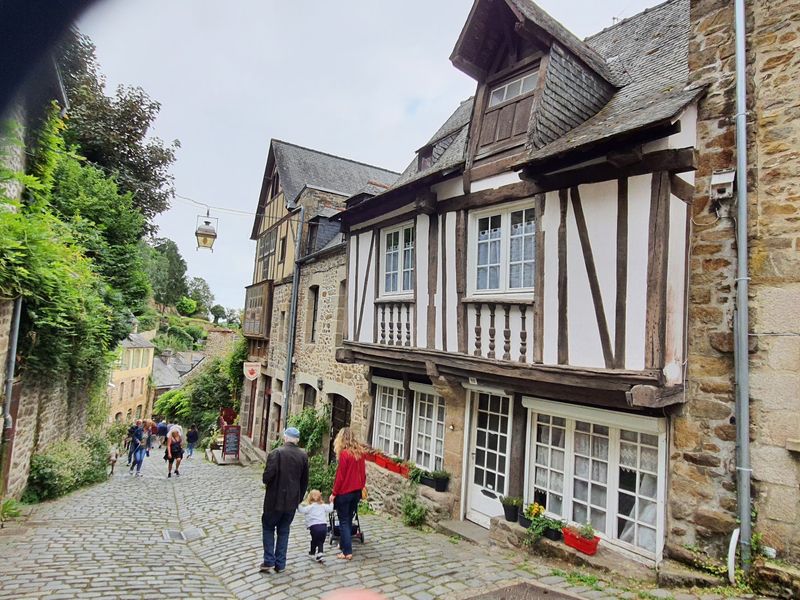
Hold onto your hat, because Rue du Jerzual is steep. This cobbled lane drops down through Dinan, a hilltop town in Brittany known for its remarkably intact medieval look.
Old buildings crowd both sides and make the climb feel like a trip through time.
The town walls are another highlight. They still surround much of the old center, which helps it keep its historic shape.
Walking along them gives you a good feel for the layout of the town.
Take the lanes slowly, since the slopes and stones can be tricky. Good shoes make a big difference here.
Stop often to look at the old houses and the way the streets bend and tilt.
Try to visit on a clear day for the best views from the hilltop. Plan for some uphill walking and build in breaks.
Dinan rewards anyone willing to climb with some of the prettiest medieval scenes in Brittany.
Sarlat-la-Canéda
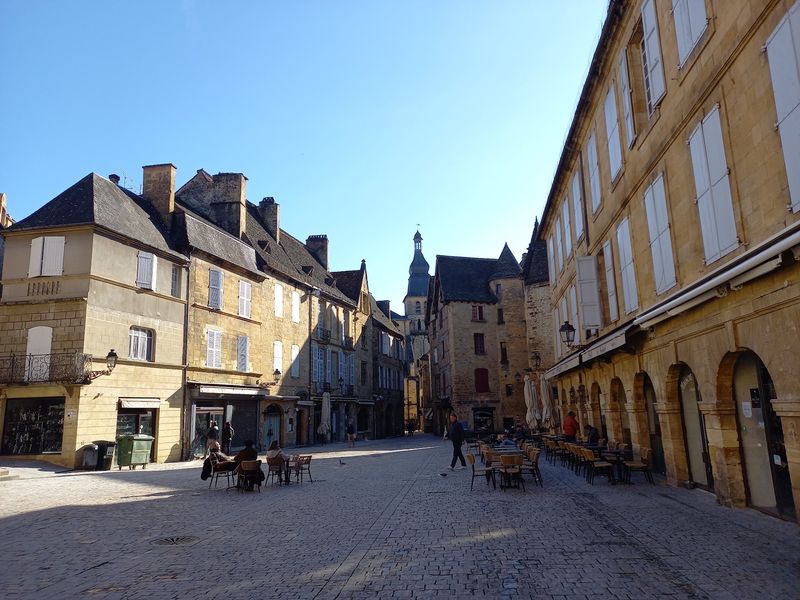
Golden stone glows on every corner in Sarlat-la-Canéda, and the effect is hard to resist. This Dordogne town holds one of the highest concentrations of preserved medieval and early Renaissance buildings in France.
The stone lanes and facades feel wonderfully complete.
The best plan is simply to wander. Narrow lanes open into small squares, and each turn shows off another old facade.
The warm stone makes everything look soft and welcoming.
Look closely at the details. Doorways, windows, and rooflines show the craft of builders from centuries ago.
Because so much has been preserved, the town feels like a living history lesson.
Go early or later in the day for quieter streets and gentler light. Wear comfortable shoes for the stone paving, and bring a camera with plenty of space.
Sarlat-la-Canéda is a joy for anyone who loves old streets, and it ends this list on a golden note.
Share this story