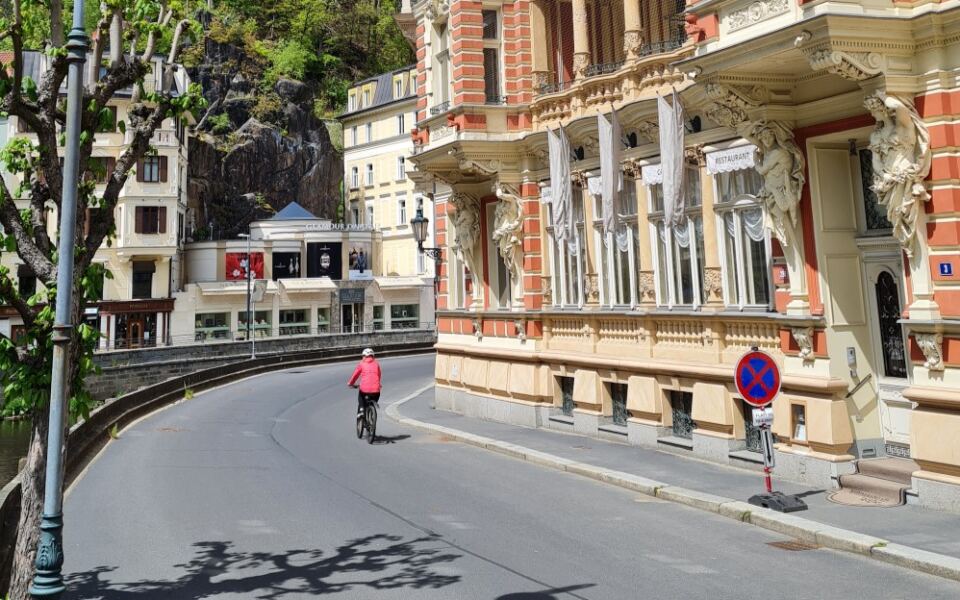
Europe is famous for scenic drives, castles, and coastal views. But the road safety numbers tell a very different story in some places.
Fatality rates measure how many people die on roads compared with the population, and they vary a lot from country to country. Buckle up, because the list below might change how you plan your next road trip.
Romania
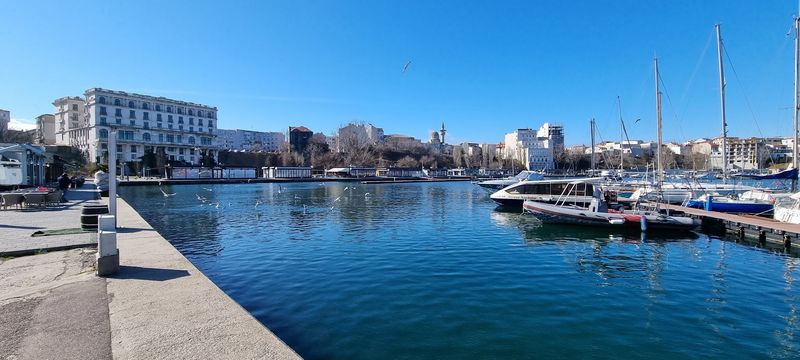
Romania tops the charts year after year, with roughly 80 road deaths per million people. That is nearly double the European Union average.
The numbers are sobering for a country with such stunning landscapes.
Many rural roads are narrow and shared with horse carts, cyclists, and pedestrians. Streetlights are rare outside towns, so night driving can feel like guessing.
Speeding and overtaking on blind curves add to the trouble.
The country has been building new motorways, but progress is slow. Plenty of travelers still rely on old two-lane roads packed with heavy trucks.
Passing a slow truck can turn risky in seconds.
If you visit, keep your speed modest and avoid driving after dark in the countryside. Give animals and carts lots of space.
Use a navigation app that warns about hazards, and plan extra time for every trip. Mountain routes like the Transfagarasan are breathtaking, but fog and sharp bends demand full attention.
Arriving late beats not arriving at all.
Bulgaria
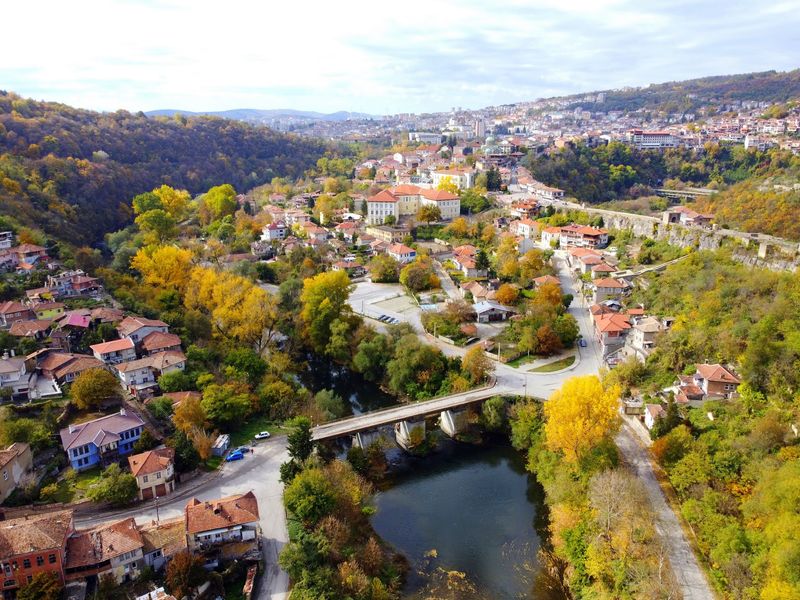
Potholes the size of bathtubs? Bulgaria has been known to deliver.
Around 78 people per million die on its roads each year, putting it among the worst in Europe.
Road quality is a big piece of the puzzle. Many older highways have cracked surfaces, faded markings, and poor lighting.
Add aggressive overtaking and speeding, and the risk grows quickly.
Seat belt use has improved, yet some drivers still skip it on short trips. That small habit costs lives.
Traffic police have stepped up checks and cameras, which has helped the numbers drift downward.
Visitors should stick to main routes when possible and avoid rushing between cities. The drive from Sofia to the Black Sea coast is lovely, but trucks clog the lanes in summer.
Stay patient, keep a generous gap behind other cars, and never pass on a hill. Pull over to enjoy views instead of gawking while driving.
A relaxed pace is the smartest souvenir you can bring home.
Serbia
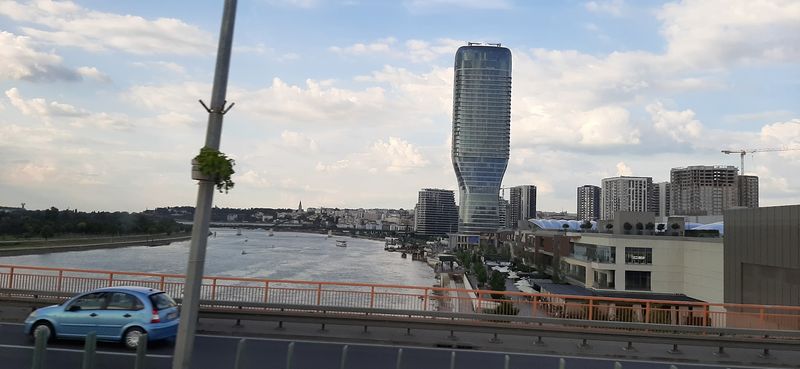
Picture a Belgrade rush hour: horns, hurried lane changes, and a lot of confidence. Serbia records about 70 road deaths per million people, which is well above the continental average.
Older cars are common, and many lack modern safety features like advanced airbags or stability control. Crashes that might be survivable elsewhere turn deadly here.
Speed is another major factor on open stretches.
Authorities have launched safety campaigns and new motorway sections, particularly along the corridor to Niš. These improvements help, but many local roads remain narrow and poorly marked.
For travelers, rental cars are usually newer and safer than the national average. Still, stay alert at crossings in small towns, where pedestrians appear suddenly.
Keep headlights on, which is required all day, and watch for tractors on rural roads. If a driver tailgates you, simply let them pass.
Your calm choices matter more than winning any imaginary race to the next gas station.
Albania
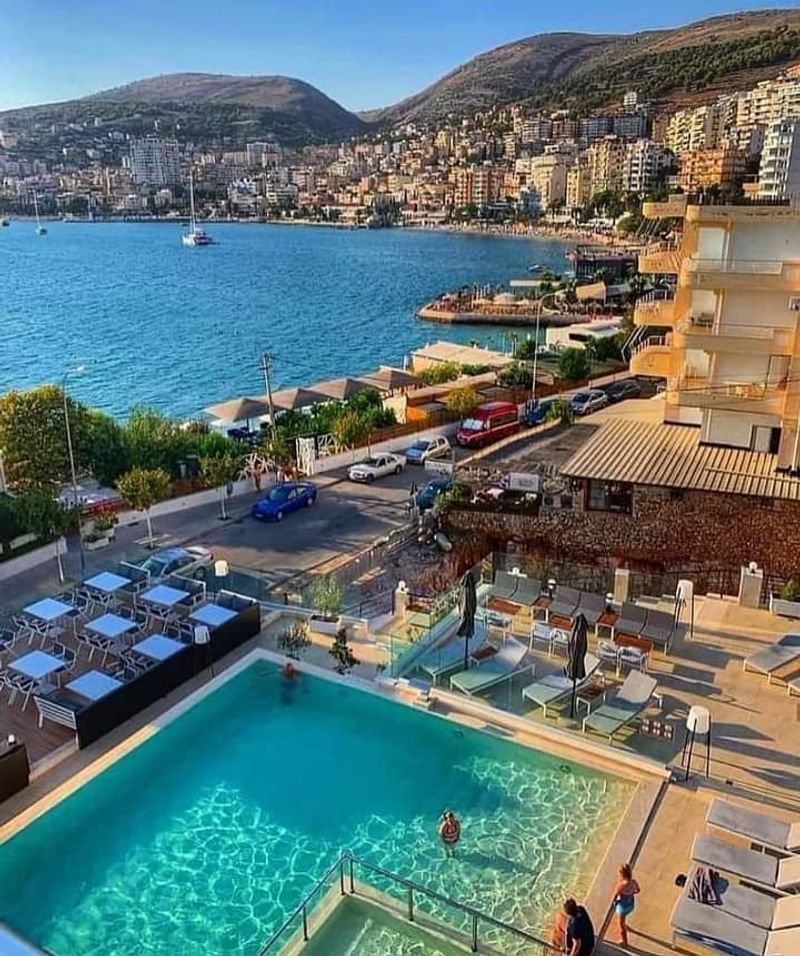
Albanian roads have a reputation for creative driving. The country has seen fatality rates around 60 to 70 per million people, though official records can be patchy.
Mountain passes twist and drop with few guardrails. The famous Llogara Pass offers jaw-dropping sea views, and also sharp turns beside steep cliffs.
Furgons, the local minibuses, often move fast and stop without warning.
Albania has poured money into new highways in recent years, and travel times have shrunk. Better surfaces help, but they can also tempt drivers to go faster than conditions allow.
If you rent a car, practice defensive driving. Expect surprises like a donkey, a roundabout rule bent in half, or a sudden stop for coffee.
Avoid driving at night in mountain areas. Honk lightly before blind corners, which locals appreciate.
Take your time, because the scenery is the main attraction and it is not going anywhere.
Latvia
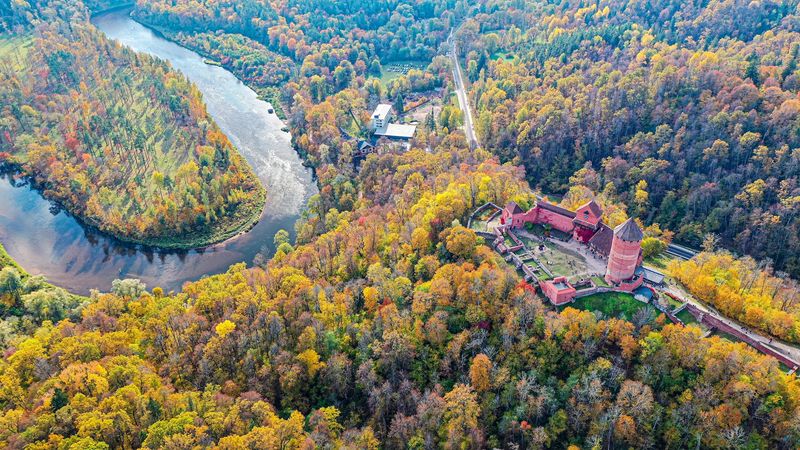
Winter in Latvia turns asphalt into a skating rink. With about 60 deaths per million residents, the country has one of the higher rates in the EU.
Long, straight roads through forests encourage speeding. Add black ice and early darkness, and the margin for error shrinks.
Moose and deer wander onto highways, too.
Drunk driving has been a stubborn problem, though stricter penalties and awareness campaigns are making a dent. Rural areas also see many older vehicles with worn tires.
Travelers visiting in colder months should check that winter tires are fitted, as the law requires in season. Leave extra braking distance and keep a flashlight and warm blanket in the car.
Fill up the tank before long drives, since stations can be far apart. Riga itself is manageable, but country roads reward patience, slow speeds, and a good playlist for the long quiet stretches.
Croatia
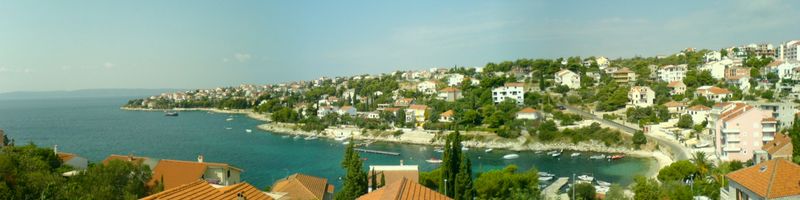
Summer in Croatia means sunshine, ferries, and a river of tourist traffic. Fatality rates hover near 60 per million people, higher than most of Western Europe.
The Adriatic Highway hugs the coast with gorgeous views and tight curves. Distracted drivers, especially during peak season, can find trouble fast.
Heat and fatigue make things worse on long journeys.
Modern motorways connect Zagreb to the coast and are generally in good shape. Tolls are common, yet they are worth it for safer driving.
The danger rises on older two-lane roads packed with campers and trailers.
Plan to travel early in the morning to dodge the crowds. Take breaks at scenic stops instead of sneaking glances at the sea while driving.
Watch for strong Bora winds that can push vehicles sideways on bridges, and obey closure signs. Fresh figs from a roadside stand make a great reward for patient driving.
Poland
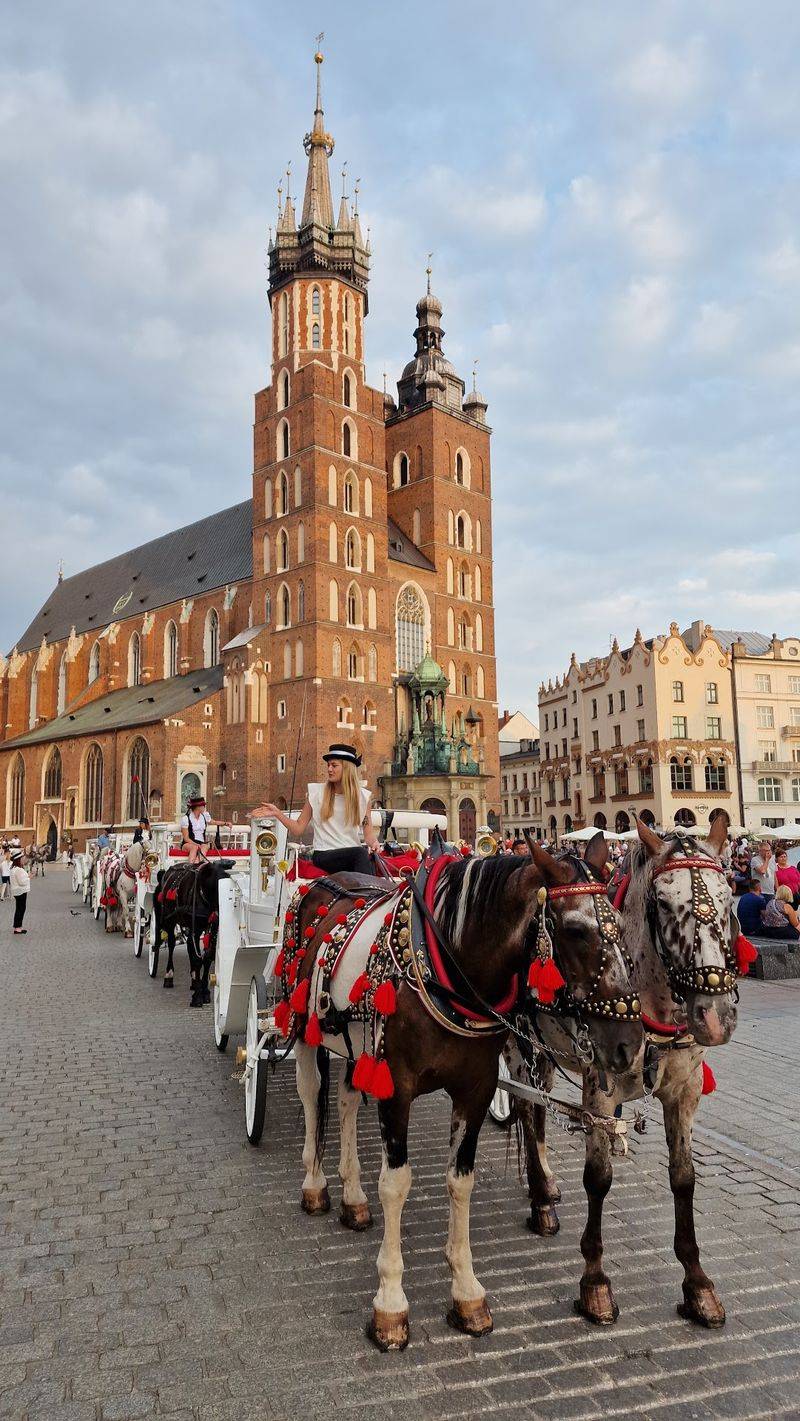
Poland has made big progress, yet its roads still claim around 60 lives per million people each year. Two decades ago, the figure was far higher, so the trend is encouraging.
Tree-lined country roads look charming but leave little room for mistakes. Pedestrian crossings in towns have also been a weak spot, and the government has tightened rules to protect walkers.
New expressways now link major cities, and crash numbers on them are much lower than on older routes. Speed cameras and stricter penalties have changed driver habits.
If you drive in Poland, stay extra cautious near zebra crossings and railway crossings. Dipped headlights are required all day.
Expect fast overtaking on two-lane highways, and stay calm instead of matching the pace. Rural stretches can surprise you with cyclists in dim light.
A little caution goes a long way, and so does a stop for pierogi.
Greece
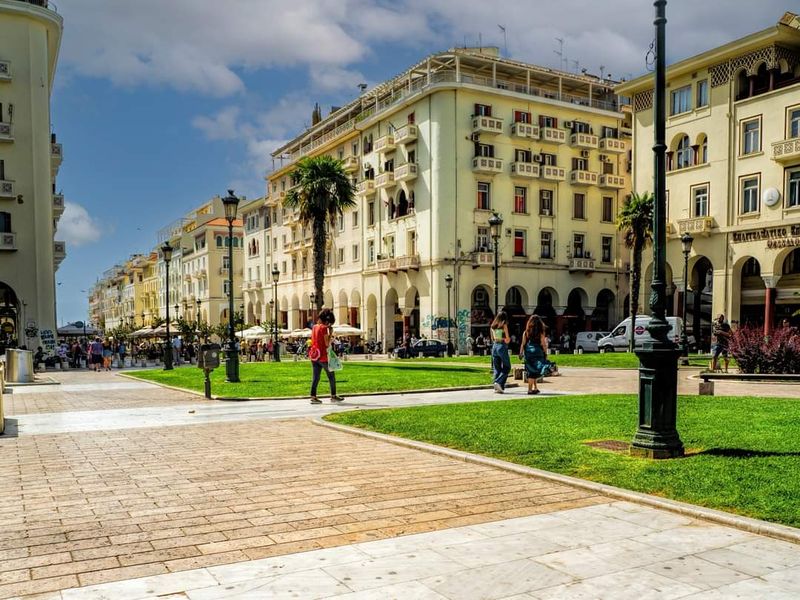
Scooters buzz around Greek islands like bees at a honey festival. That charm hides a risk: Greece records about 55 road deaths per million people, with many involving motorcycles.
Roads on islands are narrow, steep, and often gravelly. Tourists rent scooters without much experience, and helmets are sometimes ignored.
Hospitals on small islands may be far from crash sites.
On the mainland, mountain routes and busy city streets bring their own challenges. Athens traffic is lively, to put it kindly, and lane markings may feel optional.
If you rent a scooter, wear a helmet every time and check your travel insurance covers it. Avoid riding in flip-flops, and skip night rides on unlit roads.
Car drivers should leave extra room around bikes and watch for stray goats. The beach will wait, so ride slowly and arrive with all your skin intact.
Lithuania
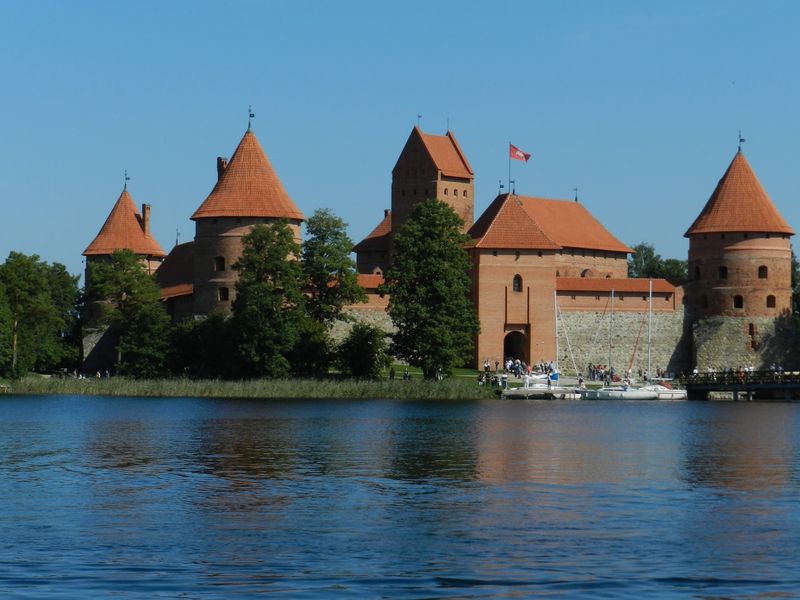
Lithuania flipped its story in a big way. Deaths per million dropped sharply over the last decade, yet the country still sits near 55, above the EU average.
Flat farmland encourages heavy right feet. Many crashes happen on rural roads where drivers pass slow tractors or misjudge icy patches.
Alcohol has also played a role in too many incidents.
The government has leaned on strict enforcement, average speed cameras, and public awareness campaigns. Those steps have saved lives, and officials continue to push for more improvements.
Visitors will find the Via Baltica and major routes fairly good. Be careful on side roads with limited shoulders, especially at dusk when wildlife appears.
In winter, slow down early rather than braking late. Plan stops in charming towns like Kaunas to keep your mind fresh.
A rested driver is the best safety feature, and it comes free with a nap.
Belgium
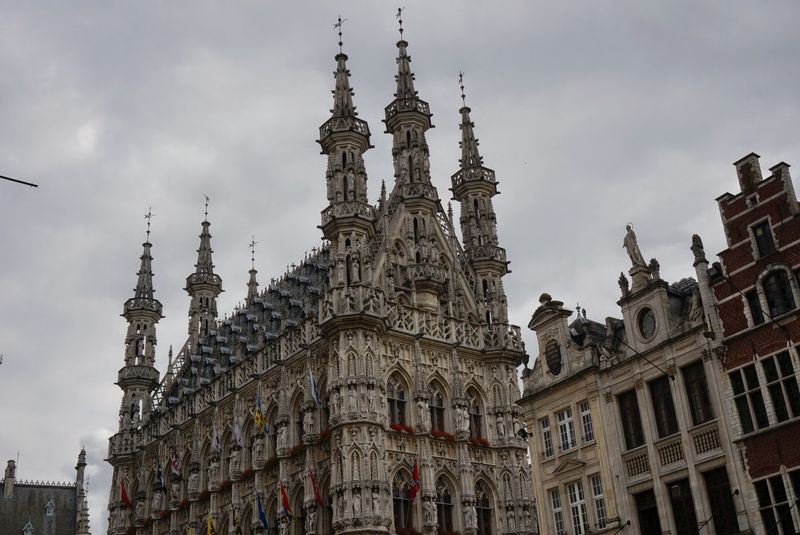
Belgium lights up its highways like a runway, yet crashes remain common. The country records about 50 deaths per million, a bit higher than neighbors like the Netherlands.
Dense traffic, constant roadworks, and lots of trucks create stressful conditions. Brussels ring roads can feel like a puzzle with moving pieces.
Drivers sometimes tailgate closely, which leaves no time to react.
Cyclists are another factor in cities, and shared lanes need care. Belgium has lowered speed limits in some zones and boosted enforcement, with early signs of progress.
If you are driving here, keep a safe following distance and watch for sudden lane merges. Priority to the right is a quirky rule that still applies at some junctions, so read signs closely.
Bring patience for traffic jams, as they are practically a national pastime. Snacks help, and Belgian chocolate counts as a fine emergency supply.
Slovenia
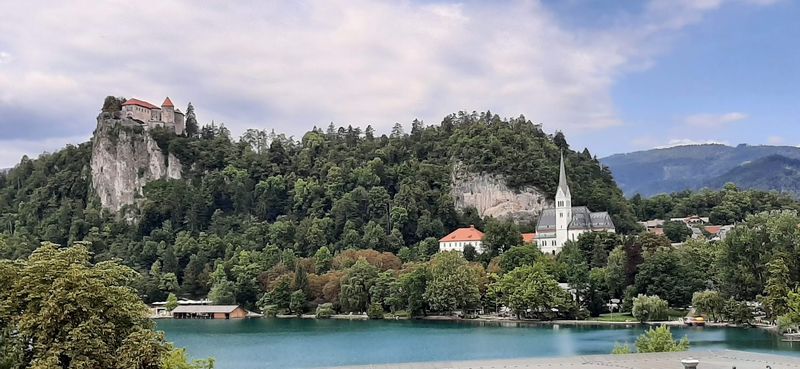
Slovenia feels like a postcard, which makes it easy to forget the road beneath you. Its fatality rate sits around 50 per million, slightly above the EU average.
Mountain passes like Vrsic have 50 hairpin bends, and each one is numbered. Motorcyclists love these routes, yet they account for a large share of serious crashes.
Rain can arrive fast and make cobbled sections slick.
Highways are modern and well kept. A vignette sticker is needed for motorways, so buy one before you go.
Fines for missing it are steep.
Take hairpins slowly and keep to your lane, since trucks and buses swing wide. Pull over at viewpoints instead of snapping photos from the driver seat.
Check the weather before alpine drives, as snow can linger into spring. Lake Bled will look just as lovely when you arrive in one piece.
Italy
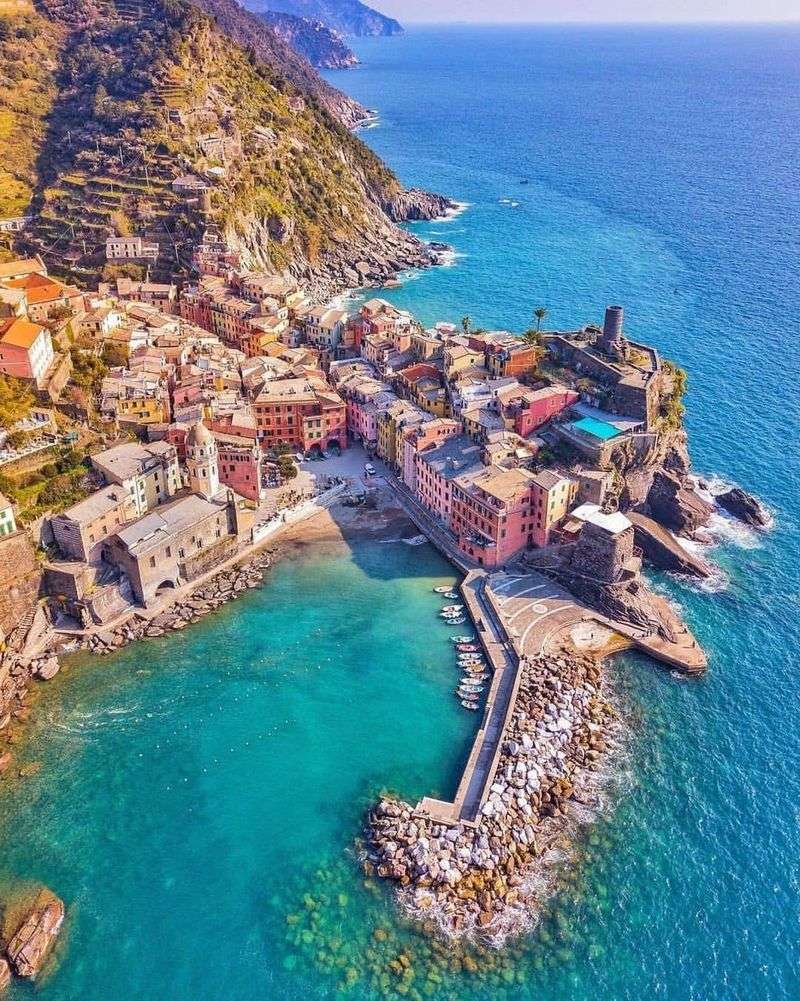
Ever seen a roundabout turn into a negotiation? Welcome to Italy, where roughly 50 people per million die on the roads each year.
Fast city driving, narrow historic streets, and crowded scooters make for tense moments. Southern regions often report higher rates than the north.
Phone use behind the wheel remains a stubborn issue.
The Autostrada network is excellent, though speeds can climb quickly. Tunnels in mountainous areas call for careful lane discipline.
Limited traffic zones, known as ZTL, can lead to big fines for unaware visitors.
Drive defensively in cities and keep your eyes on mirrors for zipping scooters. Parking is tricky, so consider leaving the car outside the center and taking trains.
On country roads, expect cyclists and slow tractors around bends. Go with the flow, but never forget that a gelato stop is the best reason to pull over safely.
Czech Republic
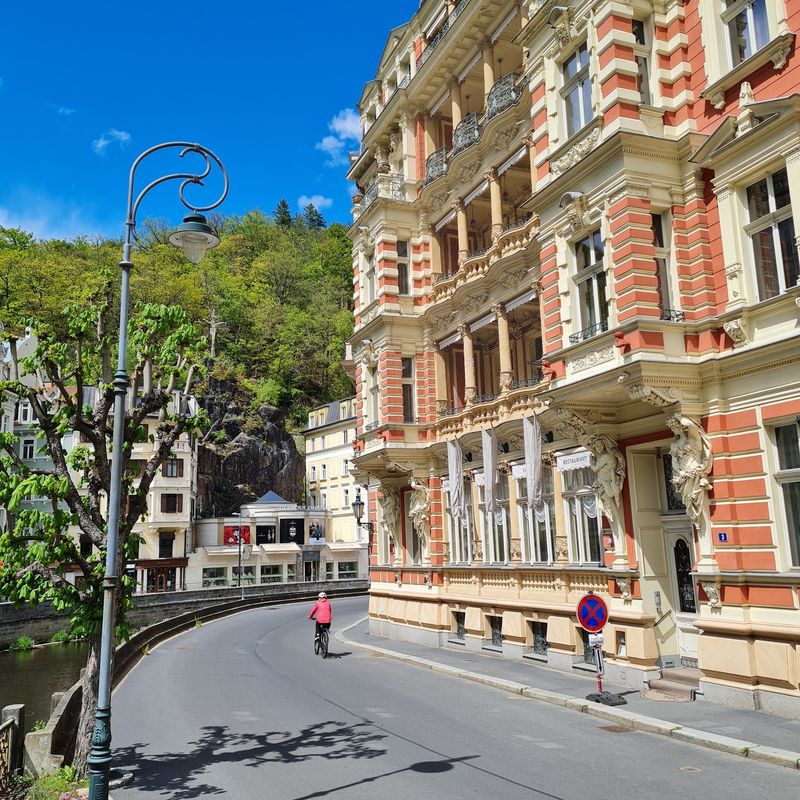
Czechia brews world-class beer, but its roads can be less refreshing. The fatality rate lingers around 50 per million people, a bit above the EU average.
Many crashes happen on older rural roads lined with trees, where a small mistake can have serious results. Speed and overtaking errors are common causes.
Pedestrians and cyclists in towns also face risk at poorly lit crossings.
The D1 motorway, the main link between Prague and Brno, has been rebuilt over many years. Construction zones can be tight, so keep your speed in check.
Zero alcohol is the legal limit for drivers, and checks are common.
Visitors should respect that rule completely, even after one tiny sip. Use trams and trains in Prague, which are efficient and cheap.
If you drive into the countryside, watch for sharp bends and tractors. Castles are fantastic, and they look even better with a calm, rested driver.
Share this story